
Chau Doc Walking Tours: Ultimate Seasonal Guide (2026)
Discover the best times for walking tours in Chau Doc, Vietnam. Expert tips on weather, festivals, and local insights for an unforgettable on-foot exploration.
On this page
Chau Doc, nestled in the Mekong Delta, offers a captivating blend of cultures, vibrant markets, and scenic river life. While many explore by boat or motorbike, discovering Chau Doc on foot provides an unparalleled intimate experience, allowing you to soak in its unique atmosphere, interact with locals, and uncover hidden gems. But when is the ‘best’ time to lace up your walking shoes and embark on a pedestrian adventure in this fascinating Vietnamese city?
Key Tips and Takeaways
- The Dry Season (Nov-Apr) offers the most comfortable walking conditions with less humidity and rain.
- The Wet Season (May-Oct) provides unique, lush scenery and fewer crowds, requiring appropriate rain gear.
- Aim for early morning or late afternoon walks to avoid the midday heat and experience local life.
- Pack light, wear comfortable shoes, and stay hydrated; these are crucial for enjoyable walking in Chau Doc.
- Consider complementing your walks with a cyclo or boat ride to explore further and hiring a local guide for deeper insights.
Understanding Chau Doc’s Tropical Climate
Chau Doc, nestled in Vietnam’s Mekong Delta, experiences a quintessential tropical climate, characterized by two distinct seasons: the dry and the wet. Understanding these patterns is crucial for planning your walking tours, ensuring comfort and maximizing your exploration of this unique city.
The Dry Season: Your Ideal Walking Window (Approximately November to April)
This period is widely considered the best time for free walking tours in Chau Doc. You’ll enjoy abundant sunshine, generally lower humidity, and significantly less rainfall. Temperatures during the dry season typically range from a comfortable 26°C to a warm 32°C (79°F to 90°F), with humidity levels hovering around 70-80%. The drier air makes long strolls through Chau Doc’s bustling markets, along the riverfront, or up Sam Mountain much more pleasant.
- Walking Conditions: Excellent. Paths are dry, skies are clear, offering fantastic visibility for photography and sightseeing.
- Practical Tips:
- Hydration is Key: Even with lower humidity, the tropical heat demands constant water intake. Carry a reusable water bottle.
- Sun Protection: Hats, sunglasses, and high-SPF sunscreen are essential. The sun can be intense.
- Early Starts: To avoid the peak afternoon heat (which can reach 35°C/95°F in March/April), plan longer walks for early mornings (before 9 AM) or late afternoons (after 4 PM).
- Lightweight Clothing: Opt for breathable, loose-fitting fabrics like cotton or linen.
The Wet Season: Embracing the Tropical Downpours (Approximately May to October)
The wet season brings higher humidity and more frequent, though often brief, rainfall. While it might sound challenging, it has its own charm; landscapes become intensely green, and showers offer a refreshing break from the heat. Temperatures remain warm, typically ranging from 28°C to 34°C (82°F to 93°F), but humidity often feels oppressive, consistently above 85%.
- Walking Conditions: Can be challenging due to rain and humidity. Pavements may become slippery, and streets can experience temporary flooding.
- Practical Tips: Consistent humidity means increased perspiration; continue drinking water.
- Be Prepared for Rain: A lightweight, packable rain poncho or a small umbrella is essential. Heavy rain jackets will make you too hot.
- Waterproof Footwear: Consider waterproof sandals or quick-drying shoes. Avoid heavy trainers that absorb and retain water.
- Embrace Flexibility: Rain showers are often intense but short-lived (1-2 hours). Be prepared to duck into a café or shop for shelter, resuming your walk once the rain passes.
- Adjust Schedule: Plan indoor activities or market visits during potential rain windows, saving outdoor walks for clearer spells.
- Stay Hydrated: High humidity means increased perspiration; continue drinking water.
Regardless of the season, Chau Doc’s tropical climate ensures warm to hot temperatures and high humidity are constants. By understanding these nuances and packing appropriately, you’re well-equipped to enjoy incredible walking experiences through this vibrant Vietnamese city.
The Dry Season: Optimal Comfort for Walking (November – April)
For many travelers, the dry season in Chau Doc, spanning roughly from November to April, represents the sweet spot for an unforgettable walking tour experience. This period offers a welcome respite from the intense humidity and heavy downpours characteristic of the wet season, transforming Chau Doc into an immensely walkable and enjoyable destination.
During these months, you can expect significantly cooler temperatures and lower humidity levels. While still tropical, the air feels fresher and less oppressive, typically ranging from a comfortable 25°C to 30°C during the day, with evenings offering a pleasant coolness. Rainfall is minimal, often limited to brief, sporadic showers, ensuring your walking plans are rarely disrupted. This combination of dry, clear skies and moderate temperatures creates the ideal conditions for extended explorations on foot.
The benefits for walking tours in Chau Doc are manifold. Imagine strolling leisurely along the Bassac River promenade, the gentle breeze keeping you comfortable as you watch the river life unfold. Or perhaps navigating the bustling lanes of the Chau Doc Market, absorbing the vibrant sights, sounds, and smells without feeling overly sticky or overheated. The clear visibility is a boon for photographers, offering crisp, unobstructed views of iconic landmarks like Sam Mountain and the intricate architecture of local temples and pagodas. Paths are dry and easy to traverse, making it a joy to wander through the city’s hidden alleys, discover local eateries, or even venture to the surrounding villages for a taste of authentic Mekong Delta life.
However, the comfort of the dry season comes with one notable consideration: higher tourist crowds. As this is peak travel season, especially during international holidays like Christmas and New Year, and particularly during Vietnam’s Lunar New Year (Tết, typically in late January or February), Chau Doc bustles with visitors. Popular sites like the spiritual complexes around Sam Mountain and the main market can become quite busy. This increased demand also means that accommodation and tour prices may be higher, and availability can be scarce if not booked well in advance. For Tết, locals travel extensively, adding to the festive but crowded atmosphere.
To make the most of your dry season walking tour in Chau Doc, here are some actionable tips:
- Book Early: Secure your accommodation, transportation, and any guided walking tours several months in advance, especially if traveling during peak holiday periods.
- Walk Smart: Even in the dry season, the midday sun can be intense. Plan your longer walks for the early mornings (before 9 AM) or late afternoons (after 3 PM) to enjoy the coolest temperatures.
- Stay Hydrated: Always carry a reusable water bottle. Dehydration can happen even in pleasant weather.
- Dress Appropriately: Opt for lightweight, breathable clothing, a wide-brimmed hat, sunglasses, and plenty of sunscreen. Comfortable, broken-in walking shoes are a must.
- Embrace the Buzz: While more crowded, the dry season’s lively atmosphere, particularly during Tết, offers a unique cultural immersion. You might even catch special festivities and decorations.
- Explore Off-Peak: Consider venturing slightly off the main tourist routes or visiting popular attractions immediately after opening or before closing to avoid the largest crowds.
By planning ahead and embracing the vibrant energy, the dry season truly offers the optimal conditions for an incredibly rewarding walking tour experience in Chau Doc.
The Wet Season: Unique Charms & Considerations (May – October)
🌟 Local Expert Tip: Get the most out of your Ho Chi Minh City visit with guided tours!
While the dry season often gets the spotlight for travel, the wet season in Chau Doc, typically from May to October, offers a truly unique and often more authentic walking tour experience. Don’t let the name deter you; instead, embrace the distinctive charms and prepare for an unforgettable adventure. During these months, Chau Doc experiences higher humidity and frequent, intense, but usually short showers. These aren’t all-day drizzles, but quick, refreshing downpours that clear the air and leave the landscape incredibly vibrant. The surrounding rice paddies and the lush slopes of Sam Mountain burst into various shades of green, creating breathtaking backdrops for your explorations.
Advantages for Walkers
- Fewer Crowds: A significant benefit for walkers is the noticeable decrease in tourist crowds. This allows for a more intimate experience as you navigate the bustling Chau Doc Market, wander through quieter temple grounds, or discover hidden alleys, making interactions with locals more genuine and relaxed.
- Vibrant Scenery: The constant moisture transforms the region into a verdant paradise. Every plant seems to shimmer, and the air feels clean and fresh after a rain. Photography opportunities are abundant, capturing the dramatic skies, reflective puddles, and intensely green foliage.
- The “Floating Season” (Mùa Nước Nổi): This period coincides with the annual rise of the Mekong Delta’s waters, creating Chau Doc’s renowned “floating season.” While some areas might become more accessible by boat, this phenomenon profoundly shapes local life and adds a unique dimension to your visit. Witness elevated stilt houses, bustling floating markets, and an incredible array of aquatic life. It’s an opportunity to observe how Chau Doc’s residents seamlessly adapt their lives to the water, offering fascinating insights into Mekong Delta culture that you won’t see during the dry months. Combine walks with short boat trips to fully appreciate this seasonal transformation.
Practical Tips for Navigating Wet Conditions
With a little preparation, walking in Chau Doc during the wet season can be incredibly rewarding:
- Essential Gear:
- Rain Poncho: A lightweight, easy-to-pack rain poncho is your best friend. Locals use them, and they’re perfect for sudden downpours, offering full coverage for you and your daypack.
- Waterproof/Quick-Drying Footwear: Opt for water-resistant walking sandals or quick-drying shoes rather than heavy, waterproof boots. Comfort and quick drying are key as you’ll likely encounter puddles.
- Waterproof Bag: Protect your electronics (phone, camera) and important documents by carrying them in a small dry bag or waterproof pouch.
- Insect Repellent: With more humidity, mosquitoes can be more prevalent, especially around dusk. Apply repellent generously.
- Embrace Flexibility: Be prepared to adapt your itinerary. If a heavy shower hits, duck into a charming local café for a Vietnamese coffee, take shelter under an awning at the market, or explore a temple interior. These spontaneous breaks can lead to some of your most memorable local interactions.
- Enjoy Local Charms: Don’t shy away from rain-soaked Chau Doc. The markets, like the main Chau Doc Market near the river, take on a different, often more atmospheric, character. The reflective surfaces of wet streets amplify the vibrant colors and lights, offering unique photographic opportunities. Observe how locals continue their daily routines, seemingly unfazed by the rain, and let their resilience inspire you.
Walking through Chau Doc during the wet season truly connects you with the heart and soul of the Mekong Delta. It demands a bit more spontaneity but rewards you with unparalleled beauty, fewer crowds, and a deeper appreciation for this remarkable region’s natural rhythms and local resilience.
Optimal Daily Timing for Chau Doc Walks
Navigating the vibrant streets of Chau Doc on foot is undoubtedly the best way to immerse yourself in its unique atmosphere. However, to truly savor the experience and avoid discomfort, timing your walks optimally is crucial, regardless of the season. Chau Doc, like much of Southern Vietnam, experiences significant heat and humidity, making midday excursions challenging.
Avoiding the Midday Heat
The period between approximately 11:00 AM and 3:00 PM should generally be avoided for extensive walking tours in Chau Doc. During these hours, the sun is at its most intense, and temperatures soar, often compounded by high humidity. Walking under these conditions can quickly lead to fatigue, dehydration, and sunstroke, diminishing the enjoyment of your exploration. Most locals take shelter during this time, and many outdoor activities slow down considerably, offering a less authentic and less comfortable experience for walkers.
Embrace the Early Morning Stroll (Pre-11 AM)
For an authentic and invigorating Chau Doc walking experience, the early morning is unparalleled. Aim to begin your exploration anytime from 6:00 AM to 9:30 AM. Here’s why it’s the prime time:
- Cooler Temperatures: The air is freshest and coolest, making for pleasant and comfortable walking conditions before the day’s heat sets in.
- Bustling Markets: Witness the Chau Doc Market come alive. This is when vendors set up, fresh produce arrives, and local life truly pulses with energy. You’ll see locals buying their daily ingredients, hear the lively chatter, and smell the aromas of fresh food.
- Authentic Local Life: Observe residents starting their day – enjoying breakfast at street stalls, children heading to school, and the general rhythm of everyday Chau Doc. This offers incredible photo opportunities and a genuine glimpse into the local culture.
- Peaceful Riverfront: The Chau Doc Riverfront is less crowded, allowing for serene views and a sense of calm before the daytime boat traffic increases.
Starting early allows you to capture the city’s awakening, grab a delicious Vietnamese coffee, and sample local breakfast dishes before the heat advises a break or a leisurely indoor activity.
Savor the Late Afternoon/Early Evening (Post-3 PM)
As the sun begins its descent, Chau Doc transforms, offering another fantastic window for walking tours, typically from 3:30 PM until sunset and into the early evening. This period provides a different, yet equally rewarding, perspective:
- Cooler Air: The oppressive midday heat dissipates, and a refreshing breeze often picks up, making evening walks much more comfortable.
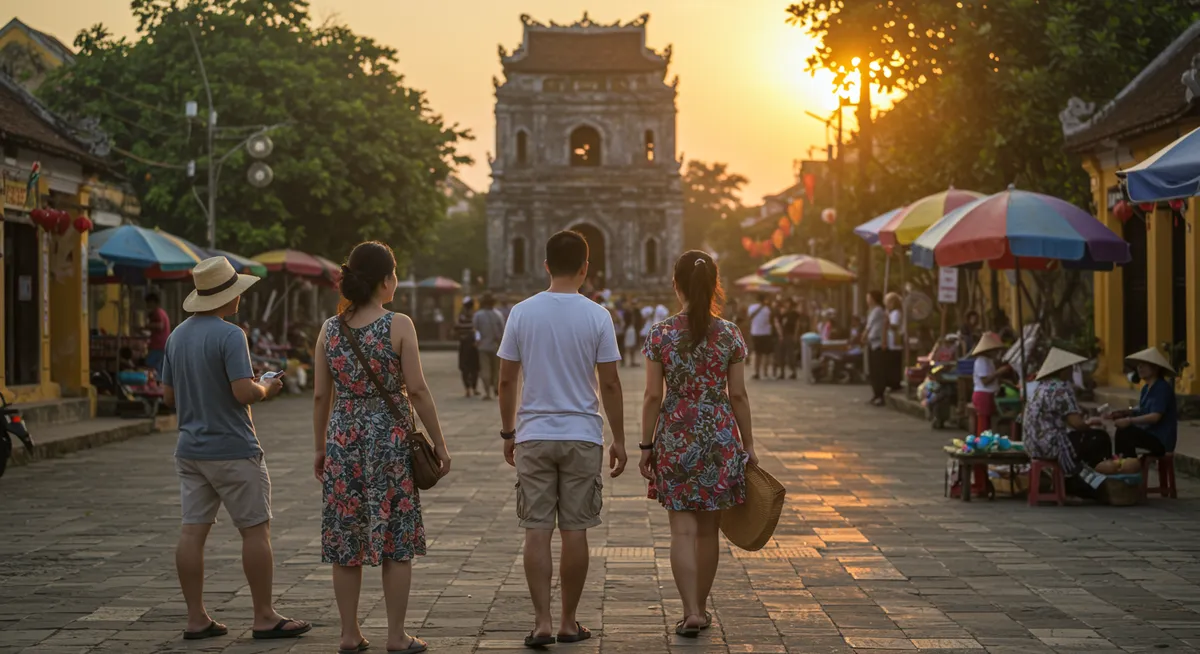
- Golden Hour Photography: The soft, warm light of the late afternoon is perfect for photography, casting a beautiful glow over the city, the river, and its various landmarks.
- Vibrant Street Food Scene: As evening approaches, Chau Doc’s legendary street food scene bursts to life. Vendors set up their stalls, offering an incredible array of local delicacies. This is the perfect time for a food-focused walking tour, sampling everything from Bún Cá to various grilled treats.
- Sunset Views: If you position yourself near the Chau Doc River, you can enjoy stunning sunset views, painting the sky with vivid colors as boats glide by.
- Evening Ambiance: The city takes on a lively, yet relaxed, evening atmosphere. Families gather, friends socialize, and the soft glow of streetlights adds to the charm, especially around temples and pagodas.
By timing your Chau Doc walks to these optimal periods, you’ll maximize comfort, witness the city’s true character, and create lasting memories of your immersive journey.
Chau Doc’s Festivals & Events: Enhancing Your Walk
While Chau Doc offers captivating walking experiences year-round, timing your visit with one of its vibrant festivals can transform your strolls into profound cultural immersions. These periods pulse with a unique energy, offering unparalleled opportunities for photography, local interaction, and a deeper understanding of the city’s spiritual heart.
Chau Doc’s Premier Festival: Vía Bà Chúa Xứ Núi Sam
The undisputed highlight is the **Vía Bà Chúa Xứ Núi Sam Festival** (Ba Chua Xu Festival of Sam Mountain), typically held from the 23rd to the 27th day of the fourth lunar month (usually May or June). This is a national pilgrimage, drawing millions of devotees from across Vietnam to pay homage to the Holy Mother of Sam Mountain. During this time, your walking tour becomes an active participant in a living tradition.
- **Enhanced Cultural Immersion:** Witness elaborate processions, traditional rituals, folk performances, and the bustling energy of pilgrims making offerings. Walking the streets leading to the Ba Chua Xu Temple at the foot of Sam Mountain allows you to observe the devotion firsthand, soak in the spiritual atmosphere, and hear the captivating sounds of traditional music.
- **Unique Photo Opportunities:** Capture the vibrant colours of offerings, ceremonial costumes, and the sea of humanity gathered for worship. Every corner offers a glimpse into authentic Vietnamese spiritual life.
- **Sensory Feast:** Beyond sights and sounds, the air is often filled with the aroma of incense, street food, and fresh flowers, creating a truly multi-sensory walking experience.
Beyond the Main Festival: Local Ceremonies & Events
Throughout the year, Chau Doc also hosts various smaller, localized temple festivals and community events. While less grand than Vía Bà Chúa Xứ, these often provide intimate glimpses into local life, celebrating harvests, specific deities, or community milestones. Keep an eye out for posters or ask your accommodation staff about any ongoing local celebrations – these can lead to unexpected and delightful discoveries during your walks.
Practical Advice for Walking During Festive Periods
Embracing Chau Doc’s festivals on foot offers immense rewards, but requires a bit of planning and adaptability:
- **Navigating Crowds:** Expect significantly increased pedestrian traffic, especially around key sites like Ba Chua Xu Temple and the main market areas. Embrace the lively atmosphere, but be prepared for slower progress. Consider starting your walks early in the morning to experience some tranquility before the crowds peak.
- **Road Closures & Access:** Major roads leading to Sam Mountain and around the temple complex may be closed to vehicular traffic or have restricted access during Vía Bà Chúa Xứ. This is often a blessing for walkers, turning thoroughfares into pedestrian zones. However, be aware that alternative routes for vehicles might mean more activity on smaller side streets.
- **Personal Safety & Belongings:** In dense crowds, be extra vigilant with your personal belongings. Wear bags securely and keep valuables out of sight. Always be respectful of ongoing ceremonies and dress modestly when visiting temples.
- **Hydration & Comfort:** Festive periods can be hot and tiring. Carry plenty of water, wear a hat, and most importantly, wear comfortable, sturdy walking shoes. You’ll be covering more ground than usual and standing for longer periods.
- **Booking Ahead:** If traveling during the Vía Bà Chúa Xứ Festival, book your accommodation and any transportation well in advance, as demand is extremely high.
Walking through Chau Doc during a festival is an unforgettable adventure, offering a dynamic and authentic view of this culturally rich city. Allow extra time, be open to spontaneous discoveries, and let the vibrant energy of the events guide your steps.
Beyond Timing: Essential Walking Tour Tips for Chau Doc
🌟 Local Expert Tip: Get the most out of your Ho Chi Minh City visit with guided tours!
While understanding the best time to visit Chau Doc is helpful, truly amazing walking tours go beyond the calendar. Proper preparation and awareness of local nuances are key to a comfortable, insightful, and memorable exploration of this vibrant Mekong Delta city. Here’s how to ensure your Chau Doc walking adventure is fantastic, regardless of the season.
Pack Smart, Walk Far
Chau Doc’s tropical climate means you’ll want to pack light and practically. Think breathability and protection from the elements:
- Light, Breathable Clothing: Opt for cotton, linen, or quick-drying fabrics. Long sleeves and pants can offer sun and insect protection while keeping you cool.
- Wide-Brimmed Hat & Sunglasses: The sun in Chau Doc is intense. A good hat and sunglasses are non-negotiable for comfort and eye protection.
- High-SPF Sunscreen: Apply generously and reapply often, especially if you’re sweating.
- Insect Repellent: Given Chau Doc’s proximity to waterways, mosquitoes are common, especially at dawn and dusk. Carry repellent to avoid itchy bites.
- Comfortable, Closed-Toe Walking Shoes: This is paramount. Chau Doc’s sidewalks can be uneven, and you’ll encounter dirt paths, particularly around Sam Mountain. Sturdy, broken-in sneakers or walking sandals will save your feet.
- Reusable Water Bottle: Staying hydrated is crucial. Many cafes and guesthouses offer refills, helping you stay refreshed and reduce plastic waste.
Safety & Savvy Exploration
Navigating Chau Doc on foot is a fantastic way to immerse yourself, but a few safety considerations will enhance your experience:
- Stay Hydrated: Always carry water and drink frequently. Consider electrolyte drinks for extensive walking.
- Be Mindful of Traffic: Chau Doc’s streets are bustling with motorbikes. When crossing, walk predictably, maintain eye contact with drivers, and never assume they will stop.
- Respect Local Customs: Chau Doc is a melting pot of cultures. When visiting temples, pagodas, or mosques (like those around Sam Mountain), dress modestly (shoulders and knees covered). Always ask permission before taking photos of people. Polite phrases like “Xin chào” (hello) and “Cám ơn” (thank you) go a long way.
Navigate Like a Local (or with One!)
- Offline Maps: Download offline maps (Google Maps, Maps.me) of Chau Doc. Mobile data can be unreliable, and this ensures you can always find your way, from the bustling Chau Doc Market to the peaceful Tra Su Cajuput Forest.
- Consider a Local Guide: For a truly enriching experience, especially when exploring the floating village, local markets, or Sam Mountain sites, hire a local guide. They offer invaluable insights into culture, history, and daily life, can navigate language barriers, and reveal hidden gems. They also help you understand local life, like the rhythm of the floating market.
With these practical tips, you’re ready to lace up your shoes and discover the authentic charm of Chau Doc, one step at a time.
Connecting Your Walk: Complementary Transport & Guides
While exploring Chau Doc on foot offers an intimate glimpse into its bustling markets and tranquil riverside life, the true magic often lies just beyond a comfortable walking distance. To truly unlock the full Chau Doc experience, consider seamlessly blending your walking excursions with a mix of local transport options and the invaluable insights of a local guide. This approach allows you to extend your reach, delve deeper into specific attractions, and navigate cultural nuances with ease.
Complementary Transport for Extended Exploration
Chau Doc’s charm is multi-layered, and several key attractions are best reached by combining a pleasant walk with a short ride. Here’s how local transport can enhance your walking tour:
- Cyclo (Xe Loi): For shorter distances within the town center or for a leisurely loop around the main market area, a cyclo offers a charming, slow-paced perspective. It allows you to rest your feet while still absorbing the sights, sounds, and smells of local life. Negotiate the fare before starting your journey, and enjoy the unique, open-air ride.
- Motorbike Taxi (Xe Om): If you’re looking to venture further, such as to the base of Sam Mountain (Nui Sam) or to the local ferry terminal for a river crossing, a motorbike taxi is a swift and economical option. It bridges the gap between walking the town and reaching these outlying points of interest, allowing you to then continue your exploration on foot once you arrive. Always agree on the price beforehand and ensure your driver provides a helmet.
- Boat (Thuyền): A quintessential Chau Doc experience involves getting out onto the water. A short walk to the Chau Doc pier can lead you to a boat that will take you to the famous floating village and fish farms, and even across the Chau Doc River to the Cham minority village. These destinations are inaccessible by land, making a boat trip an essential complement to your walking tour, offering a unique perspective on riverside life.
The Invaluable Role of a Local Guide
While walking maps and online resources are helpful, hiring a local guide can transform a good walking tour into an extraordinary one. Their expertise provides a richness that self-guided exploration simply cannot match:
- Historical Context & Cultural Insights: A local guide brings Chau Doc’s vibrant history to life, from its diverse ethnic influences (Khmer, Vietnamese, Chinese, Cham) to the significance of its spiritual sites like Ba Chua Xu Temple at Sam Mountain. They can explain local customs, traditions, and the daily rhythm of life in a way that truly connects you to the community.
- Navigation & Accessibility: Navigating bustling markets or finding hidden alleys can be challenging. A guide knows the shortcuts, the best vendors, and can lead you to authentic eateries or craft shops you might otherwise miss. They can also facilitate visits to less accessible areas, like a local family’s fish farm on the river, arranging entry and interpretation.
- Language Barrier Bridge: Perhaps one of the most significant benefits, a guide acts as your interpreter. This allows for genuine interactions with locals – asking questions at a market stall, understanding the stories behind the Cham sarongs, or even just ordering your favorite Vietnamese coffee with precision. This opens doors to truly immersive experiences.
- Enhanced Safety & Comfort: Exploring with a local who knows the area provides an added layer of comfort and security, especially when venturing off the main tourist paths. They can offer practical advice, help with negotiations, and ensure you have a smooth, worry-free experience.
To find a reputable local guide, inquire at your hotel or visit one of the established tour agencies in Chau Doc. Discuss your interests beforehand to ensure they can tailor the experience to your preferences, whether it’s a deep dive into local cuisine, an exploration of spiritual sites, or a journey through the Cham culture.
Frequently Asked Questions
Q: Is Chau Doc safe for solo female walkers?
A: Generally, Chau Doc is considered safe for solo travelers, including female walkers. Locals are friendly. However, always exercise standard precautions: be aware of your surroundings, avoid walking alone in poorly lit areas at night, keep valuables secure, and trust your instincts. Inform someone of your itinerary if exploring less-traveled paths.
Q: What local dishes should I try on a walking tour in Chau Doc?
A: While walking, be sure to sample local delicacies like Bún cá (fish noodle soup), Bánh bò (steamed rice cake), and various street foods like Bánh khọt (mini savory pancakes) and fresh fruit shakes. The Chau Doc Market is an excellent place to find a wide array of authentic local flavors.
Q: Are maps readily available for walking tours in Chau Doc?
A: Physical maps specific to walking tours might be limited, but Google Maps works well for navigation. It’s highly recommended to download offline maps before you go, as internet connectivity can be spotty. Asking locals for directions is also a great way to interact and discover hidden spots.
Q: Can I visit Sam Mountain on a walking tour from Chau Doc city center?
A: While Chau Doc city center itself is very walkable, Sam Mountain is located about 7 km away and is generally too far for a comfortable walking tour from the city center. It’s best reached by motorbike taxi (xe ôm), cyclo, or a short car ride, allowing you to walk around the mountain’s temples and pagodas once you arrive.
Chau Doc truly unfolds its magic when explored on foot. By understanding the nuances of its climate and embracing the rhythm of daily life, you can choose the ideal time to embark on your walking adventure. Whether you prefer the comfort of the dry season or the lush, authentic charm of the wet season, Chau Doc promises an unforgettable journey through its vibrant streets, serene riverbanks, and rich cultural tapestry. So pack your bags, lace up your shoes, and prepare to discover the heart of the Mekong Delta, one step at a time.