
Accessible Hanoi Walking Tours: Explore with Ease (2026)
Discover accessible walking tours in Hanoi, Vietnam. Our guide provides tips, routes, and local insights for mobility-challenged travelers to explore the city’s vibrant culture safely.
On this page
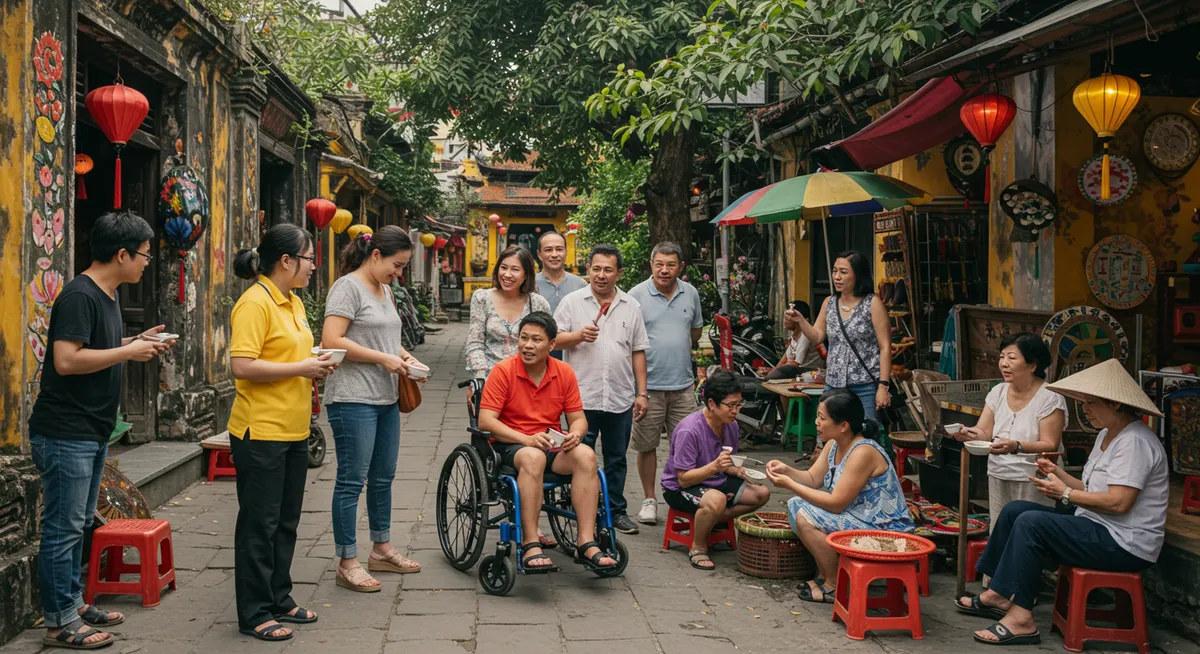
Hanoi, with its bustling Old Quarter, serene lakes, and historic temples, is a city best explored on foot. However, for travelers with mobility challenges, the charming chaos can sometimes seem daunting. This comprehensive guide aims to unlock Hanoi’s pedestrian delights, offering practical advice and specific options for accessible free walking tours in Hanoi, ensuring everyone can experience the magic of Vietnam’s capital safely and enjoyably.
Key Tips and Takeaways
- Prioritize pre-planning: research routes, contact venues, and communicate your needs clearly.
- Consider hiring a local guide experienced with accessible travel in Hanoi for tailored experiences.
- Focus on flat, wider paths around Hoan Kiem Lake and the Ho Chi Minh complex for easier navigation.
- Utilize ride-sharing apps like Grab for flexible and communicative transportation.
- Pack light, stay hydrated, and bring sturdy, comfortable footwear.
- Embrace flexibility and patience; Hanoi’s charm often lies in its beautiful chaos, which requires adaptability.
Understanding Hanoi’s Walking Landscape: Challenges & Realities
Walking in Hanoi is an immersive, sensory experience, a dance with the city’s vibrant pulse. However, it’s crucial to set realistic expectations for the urban landscape, especially when considering accessibility. Unlike cities designed with universal access in mind, Hanoi presents a unique set of challenges that can make navigating on foot an adventurous endeavor.
Common Obstacles on Hanoi’s Sidewalks:
- Uneven and Damaged Pavements: Hanoi’s sidewalks are rarely a smooth, consistent surface. Expect cracked tiles, missing sections, sudden drops, exposed tree roots, and varied heights. You’ll often encounter abrupt changes in elevation without warning, requiring constant vigilance.
- High Curbs and Lack of Ramps: Pedestrian crossings often feature very high curbs without accessible ramps. Even when ramps exist, they may be poorly maintained or obstructed, making seamless transitions difficult or impossible for wheelchair users and those with limited mobility.
- Street Vendors and Shops: A significant portion of Hanoi’s charm comes from its bustling street life, but this also means that sidewalks are often an extension of shops and kitchens. Street vendors, pop-up eateries, and small businesses frequently occupy the pedestrian path, forcing walkers into the street to bypass them.
- Motorbike Parking: Motorbikes are king in Hanoi, and sidewalks often double as informal parking lots. It’s common to find rows of motorbikes completely blocking the pavement, leaving little to no space for pedestrians and necessitating frequent detours onto the active roadway.
- General Lack of Universal Design: The concept of universal design (like ADA compliance in the US) is not widely implemented in Hanoi’s infrastructure. This means a general absence of tactile paving, accessible ramps, audio signals at crossings, and consistent, clear pedestrian pathways.
For these reasons, “accessible” in Hanoi often translates to “manageable with significant planning, flexibility, and potentially assistance” rather than full, independent accessibility. While Hanoi offers incredible walking experiences, it requires a different mindset and approach compared to walking in Western cities.
Practical Tips for Navigating Hanoi’s Walking Landscape:
- Wear Sturdy, Comfortable Footwear: Good shoes with ankle support are essential for navigating uneven surfaces and unexpected obstacles.
- Maintain Constant Awareness: Keep your eyes peeled for hidden holes, sudden drops, and obstructions. It’s not a city where you can casually stroll while looking at your phone.
- Be Prepared for Detours: Don’t be surprised if you need to briefly step into the street to bypass an obstacle. Traffic, while chaotic, often moves slowly enough to allow this safely, but always exercise caution.
- Consider Assistance: For travelers with mobility challenges, hiring a local guide who understands accessible routes (or can help navigate the challenging ones) or traveling with a companion is highly recommended. Manual wheelchairs are generally more feasible than electric ones due to the terrain, but significant pushing assistance will likely be needed.
- Patience is Key: Embrace the chaos with a good attitude. Navigating Hanoi on foot is part of the adventure.
Understanding these realities before you embark on your Hanoi walking tour will help you prepare adequately, manage expectations, and ultimately have a more enjoyable and authentic experience in this captivating city.
Hanoi’s Most Accessible Walking Zones & Attractions
Navigating Hanoi on foot offers an immersive experience, but for those with mobility considerations, choosing the right zones is key. While Hanoi’s Old Quarter can be a challenging maze of narrow, uneven pavements and bustling motorbikes, several areas stand out for their relative accessibility, allowing everyone to enjoy the city’s charm.
Hoan Kiem Lake Perimeter
The undisputed champion for accessible walking is the perimeter of Hoan Kiem Lake. This scenic heart of Hanoi boasts wide, flat, and well-maintained pedestrian paths ideal for leisurely strolls. On weekends (typically Friday evening to Sunday evening), the surrounding streets transform into a car-free pedestrian zone, offering an unparalleled opportunity to explore without traffic concerns. This creates a vast, open space perfect for enjoying the lake’s beauty, people-watching, and soaking in the vibrant atmosphere.
- Specific Points: You can easily admire Turtle Tower from various vantage points along the lake. While Ngoc Son Temple, situated on an island, requires crossing the iconic Huc Bridge (Bridge of the Rising Sun), which has steps, its beauty can still be appreciated from the lakeside without needing to cross.
- Practical Tip: Visit during the weekend pedestrian hours for the most relaxed experience. Even on weekdays, the main path around the lake remains excellent. Early mornings are quieter if you prefer fewer crowds.
Ho Chi Minh Mausoleum Complex
The vast grounds surrounding the Ho Chi Minh Mausoleum offer another excellent accessible walking zone. The complex features wide, paved boulevards and spacious, well-kept gardens, making it easy to navigate. Visitors can comfortably explore the exterior of the Mausoleum itself, the Presidential Palace grounds, and the serene fishpond area.
- Specific Points: The One Pillar Pagoda, a unique architectural marvel, can be viewed and photographed from the surrounding flat pathways. While Ho Chi Minh’s Stilt House involves steps, its tranquil garden setting and exterior can be enjoyed from the accessible paths leading up to it.
- Practical Tip: Dress respectfully (shoulders and knees covered) when visiting. Be aware of strict security protocols and check opening hours as the Mausoleum is often closed in the afternoons and for an extended period annually for maintenance.
Temple of Literature (Van Mieu – Quoc Tu Giam)
Hanoi’s first university, the Temple of Literature, offers a mix of accessibility. The complex is characterized by several large, open courtyards with flat, paved surfaces, making the main pathways easy to traverse. These courtyards provide ample space to appreciate the ancient architecture, statues, and tranquil atmosphere.
- Specific Points: You can comfortably walk through the first three courtyards, admiring the grand gates, manicured gardens, and the famous stone stelae (Doctor’s stelae), which are mostly at ground level. However, accessing the inner halls and shrines often involves climbing steps. Manage expectations and focus on enjoying the accessible open spaces.
- Practical Tip: Prioritize the courtyards and the front sections. A comfortable pace allows you to soak in the historical ambiance even without entering every building.
Newer Areas and Specific Museums
For more modern infrastructure, consider exploring parts of the French Quarter outside the immediate Old Quarter chaos. Streets like Phan Chu Trinh or Tran Hung Dao often have wider, more consistent sidewalks, though vigilance for parked motorbikes is always necessary.
- Specific Museums: While many historical buildings present challenges, some newer or renovated museums are designed with better accessibility in mind. It’s always advisable to check a specific museum’s website or call ahead regarding ramp access, elevators, and accessible restrooms. The Vietnam Museum of Ethnology (though a taxi ride away) is often cited for its more modern, accessible layout, allowing for a smoother experience.
- Practical Tip: Don’t hesitate to use ride-hailing apps like Grab (for cars) to cover longer distances between accessible zones. They offer convenience and a comfortable ride compared to navigating public transport or traditional taxis.
Planning Your Accessible Hanoi Walking Tour: Key Considerations
💡 Pro Tip: Book your Hanoi adventures in advance through Viator for the best deals!
Navigating Hanoi on foot offers an unparalleled immersion into its vibrant culture, but for travelers with mobility considerations, thoughtful planning is paramount. Hanoi’s charm often comes with uneven pavements, bustling streets, and a less developed infrastructure for accessibility. However, with the right strategy, you can absolutely enjoy an enriching walking tour experience.
Your best ally is thorough pre-trip research. Dedicate time to virtual reconnaissance using Google Street View, an invaluable tool for “walking” your desired routes. Pay close attention to the state of pavements – look for uneven surfaces, sudden drops, missing curb cuts, and areas frequently cluttered with parked motorbikes or street vendors. While Hanoi’s Old Quarter is famed for its atmosphere, its narrow, often obstructed sidewalks can present significant challenges. Use Street View to identify potential alternative routes with wider, less obstructed pathways, or to scout accessible entry points to specific landmarks. Never assume accessibility in Hanoi, especially with older, traditional buildings like temples, pagodas, or historic houses. Many will have steps, narrow doorways, or no accessible restrooms. For museums, restaurants, or specific attractions you plan to visit, contact them directly via email or phone to inquire about their accessibility features (ramps, lifts, ground-floor seating, accessible restrooms). Clear, concise communication ensures your expectations are met.
Choosing the right time for your walks can dramatically enhance your experience. Early mornings (before 8 AM) are ideal for several reasons: the temperatures are cooler and more comfortable, the city’s notorious motorbike traffic is significantly lighter, and sidewalks are less crowded. This allows for a more relaxed pace and easier navigation. Take advantage of the Hoan Kiem Lake pedestrian zone, which closes to traffic from Friday evening to Sunday evening. This area transforms into a vibrant, largely barrier-free walking space, perfect for a leisurely stroll, though it can still get quite crowded. Avoid peak hours if possible.
Packing smart is crucial for comfort and safety:
- Sturdy, Comfortable Footwear: Hanoi’s pavements demand shoes with excellent support, good grip, and durability. Prioritize comfort over style.
- Hydration: The tropical heat and humidity are no joke. Carry a reusable water bottle and stay hydrated by refilling whenever possible.
- Portable Mobility Aids: A lightweight, collapsible walking stick or cane can provide crucial stability on uneven surfaces and help navigate small steps. Consider a portable, foldable stool for impromptu rests during your tour.
- Small Backpack: Keep your hands free by carrying essentials like water, snacks, sunscreen, and a portable fan in a comfortable, lightweight backpack.
- Wet Wipes/Hand Sanitizer: Essential for hygiene, especially when exploring street food.
Hanoi can be overwhelming with its sensory overload, heat, and constant movement. It’s crucial to listen to your body and plan for frequent breaks. Identify cafes, shaded benches, or quiet spots along your route where you can sit, rest, and rehydrate. Don’t feel pressured to keep up with a fast pace. When booking a guided walking tour, explicitly communicate your mobility needs and ask specific questions about the route’s terrain, the frequency and duration of breaks, and whether a vehicle can be arranged for parts of the tour if needed. Embracing a slower pace allows you to truly absorb the sights, sounds, and smells of Hanoi without overexertion.
Leveraging Local Expertise: Accessible Tour Operators & Guides
Navigating Hanoi’s vibrant, bustling streets on foot can be an exhilarating experience, but for travelers seeking accessible options, it presents unique challenges. This is precisely where the invaluable expertise of local tour operators and guides, specializing in accessibility, truly shines. Opting for their services isn’t just about convenience; it’s about transforming a potentially daunting journey into a smooth, enriching, and truly accessible adventure.
Hanoi’s charm often lies in its ancient, often uneven infrastructure – narrow, sometimes broken pavements, high curbs, street food stalls spilling onto walkways, and the ever-present symphony of motorbikes. A standard walking tour, while captivating, might inadvertently lead you down paths that are difficult to navigate with mobility aids or if you have specific physical limitations. Local accessible tour operators understand these nuances intimately. They can:
- Tailor Walking Routes: Unlike generic tours, specialized guides can craft itineraries designed with accessibility in mind. They know which areas of the Old Quarter have smoother paths, where ramps exist, and how to avoid lengthy stretches of high curbs or crowded bottlenecks. For instance, they might guide you along quieter sections around Hoan Kiem Lake, or identify accessible entry points for iconic sites like the Temple of Literature or One Pillar Pagoda, where standard routes might involve numerous steps.
- Arrange Specialized Transport: While the core idea is a “walking tour,” Hanoi’s spread-out attractions often require transport between districts. Accessible operators can arrange suitable vehicles, such as vans with ramps or lifts, ensuring seamless transitions between walking segments. They can also advise on and coordinate accessible taxi services or even specialized cyclo (pedicab) experiences, ensuring safety and comfort while you absorb the city’s atmosphere.
- Provide Invaluable Assistance & Navigation: Your guide acts as your personal accessibility expert on the ground. They can literally and figuratively bridge gaps – helping you over a tricky curb, navigating a bustling market, or finding the most accessible restroom in a restaurant or attraction. Their local knowledge extends to identifying the best places to eat or shop that are wheelchair-friendly or have minimal steps.
- Break Down Language Barriers & Cultural Nuances: Beyond physical navigation, a local guide is crucial for communication. They can translate your specific needs to hotel staff, restaurant owners, and street vendors, ensuring your comfort and enjoyment. They also provide vital cultural insights, explaining local customs and etiquette, which enhances your experience and helps avoid misunderstandings. This is particularly helpful when engaging with locals in less tourist-centric areas.
When seeking an accessible tour operator in Hanoi, it’s vital to communicate your specific needs clearly – what mobility aids you use, your stamina levels, and any particular interests. Ask about their experience with similar clients, the training of their guides, and their contingency plans. Organizations like Wheelchair Travel, Accessible Travel Vietnam, or local NGOs focusing on disability rights can sometimes offer recommendations or connections to reputable operators. By leveraging their deep understanding of Hanoi’s unique environment, these local experts empower you to fully immerse yourself in the city’s charm, ensuring your accessible walking tour is not just possible, but truly memorable.
Beyond Walking: Integrating Accessible Transport Options
💡 Pro Tip: Book your Hanoi adventures in advance through Viator for the best deals!
Hanoi’s captivating spirit isn’t solely confined to its bustling sidewalks. For travelers with mobility considerations, integrating various transport options with your walking excursions offers a brilliant way to experience the city’s highlights without overexertion. This hybrid approach allows you to cover more ground, bypass challenging terrain, and delve into different facets of Hanoi’s charm.
Utilizing Ride-Sharing and Taxis: Grab Your Accessible Ride
Hanoi’s most pervasive ride-sharing app, Grab, functions similarly to Uber, offering an English interface and both car and motorbike options. For those with mobility aids, selecting a car is crucial.
- Requesting Larger Vehicles: When booking, look for options like “GrabCar 7-seater” or “GrabCar SUV.” While not always guaranteed to be fully accessible, these vehicles offer significantly more trunk space for folded wheelchairs, walkers, or compact travel scooters. Be prepared to help load and unload, or communicate your need for assistance (a simple translated note can be helpful).
- Direct Communication: If you have specific needs, consider sending a message via the app immediately after booking, or showing a translated note to your driver upon arrival. Most drivers are keen to help but may not anticipate specific accessibility requirements.
- Benefits: Grab offers air-conditioned, door-to-door convenience at very reasonable prices, perfect for navigating longer distances between walkable zones like the Old Quarter and Ho Chi Minh Mausoleum.
Electric Car/Buggy Tours: Leisurely Laps Around Hanoi’s Heart
For a relaxed and scenic journey through the Old Quarter or around Hoan Kiem Lake, electric buggy tours are an excellent choice. These open-sided vehicles offer fantastic visibility and move at a gentle pace.
- Accessibility: Boarding these buggies is generally straightforward, with a low step. While they don’t typically accommodate unfolded wheelchairs, many can fit a folded one, and drivers are often helpful with storage and assistance.
- Where to Find Them: You’ll find designated stands around Hoan Kiem Lake, particularly near the Thang Long Water Puppet Theatre, or your hotel can arrange one. They offer fixed routes through the Old Quarter and around the lake, making them a great way to “see it all” without extensive walking.
Considering the Cyclo: A Cultural Ride with Caveats
The traditional Vietnamese cyclo (pedicab) offers a unique, open-air perspective of Hanoi. While culturally immersive and slow-paced, it comes with significant accessibility considerations:
- Transfer Challenges: The seating position is high, and the space to transfer from a wheelchair or walker can be very narrow and awkward. It requires significant upper body strength and balance, or substantial assistance that may not be safely managed.
- Mobility Aid Storage: Cyclos have virtually no space for unfolded wheelchairs; folded ones may be difficult to store securely.
- Recommendation: Unless you have very minor mobility needs and are comfortable with challenging transfers, cyclos are generally *not* recommended as an accessible transport option for individuals reliant on wheelchairs or extensive walking aids. Consider it a novelty if you can transfer independently and safely, and have an able-bodied companion to manage your aid.
By thoughtfully combining walking with these accessible transport options, you can design a personalized Hanoi itinerary that prioritizes comfort and enjoyment, ensuring you experience the city’s rich tapestry at your own pace.
Local Insights for a Smoother Journey
Navigating Hanoi on foot, especially with accessibility in mind, is an experience filled with unique charm and occasional challenges. Embracing local insights will significantly smooth your journey, transforming potential obstacles into memorable interactions. Here’s what you need to know for a rewarding accessible walking tour in Hanoi.
Embracing Patience and Flexibility
Hanoi operates at its own bustling rhythm. Sidewalks, particularly in the Old Quarter, are often narrow, uneven, and shared with motorbikes and street vendors. This vibrant chaos is part of Hanoi’s appeal but requires heightened patience and flexibility, especially if you’re using a wheelchair or have mobility challenges. Be prepared for frequent detours, and don’t hesitate to improvise your route if a path is blocked. Crossing streets can feel daunting; observe how locals navigate, and often, a slow, steady pace allows traffic to flow around you. A flexible mindset is your best companion here.
The General Helpfulness of Locals
Despite potential language barriers, Hanoians are renowned for their warmth, curiosity, and willingness to help. If you find yourself needing assistance, a smile, a gesture, or even a simple translation app can bridge the communication gap. While the concept of “accessibility” may not be universally understood in the Western sense, locals will often go out of their way to assist you, whether it’s navigating a curb or offering directions. A simple “Xin chào” (hello) and “Cảm ơn” (thank you) go a long way.
Booking Accessible Accommodation
Your choice of accommodation forms a crucial base. Many older buildings in Hanoi lack modern accessibility features like ramps or elevators. It is vital to verify accessibility details directly with hotels or guesthouses before booking, even if online listings claim to be accessible. Specifically inquire about:
- Step-free access to the lobby and common areas.
- Elevators that can accommodate wheelchairs.
- Room features such as wider doorways, roll-in showers, and grab bars.
Location can also impact your walking experience; consider areas with relatively flatter terrains or closer proximity to attractions.
Knowing Local Emergency Contacts
While we hope you’ll never need them, having essential emergency contacts readily available provides peace of mind. Keep these numbers handy:
- Police: 113
- Fire: 114
- Ambulance/Medical Emergency: 115
Keep your hotel’s contact information readily accessible, as they can often assist in emergencies, especially with language translation. A local SIM card for your phone is highly recommended for immediate communication.
Cultural Etiquette Regarding Assistance and Personal Space
Hanoians are generally very communal, and personal space in crowded areas is less emphasized. Don’t be surprised if people stand or walk very close to you, especially in markets or on busy streets. Regarding assistance, while locals are incredibly helpful, they might offer physical help without asking first, or in a way that isn’t ideal for your specific needs. It’s perfectly acceptable to politely decline with a gentle “Không, cảm ơn” (No, thank you) and a smile, or to guide them on how best to assist you. People might also be curious about mobility aids; responding with a friendly smile is usually sufficient. Embrace these interactions as part of your authentic Hanoi experience, knowing most gestures come from goodwill.
Frequently Asked Questions
Q: Are Hanoi sidewalks wheelchair-friendly?
A: Generally, no. Sidewalks in Hanoi are often uneven, narrow, obstructed by vendors and motorbikes, and lack consistent curb cuts. It’s more realistic to expect walking on the street shoulder in some areas or relying on assistance/alternative transport for extended distances.
Q: How can I find accessible restrooms in Hanoi?
A: Accessible restrooms are rare in public spaces. Your best bet is larger, newer hotels, modern shopping malls (e.g., Vincom Centers), or larger international restaurants/cafes. Always inquire before entering to confirm accessibility.
Q: Is public transportation in Hanoi accessible for mobility-challenged travelers?
A: Hanoi’s public buses and current metro lines have very limited accessibility features (e.g., lack of ramps, space). Taxis and ride-sharing apps (like Grab) are generally the most flexible and accessible private transport options.
Q: Can I rent mobility aids (wheelchairs, scooters) in Hanoi?
A: Rental options for specialized mobility aids are limited and may require pre-arrangement through specific medical supply stores or international travel agencies. It’s often best to bring your own if feasible or arrange through a specialized accessible tour operator.
Q: What are the best times to walk in Hanoi for less crowd and heat?
A: Early mornings (before 9 AM) are ideal for cooler temperatures and fewer crowds. The pedestrian-only zones around Hoan Kiem Lake on weekend evenings (Friday to Sunday) also offer a more relaxed walking experience with significantly reduced vehicle traffic.
Exploring Hanoi on foot, even with mobility considerations, is an incredibly rewarding experience. While challenges exist, with careful planning, local insights, and a spirit of adaptability, you can uncover the city’s hidden gems and vibrant culture. Don’t let perceived barriers deter you; Hanoi is ready to welcome every explorer, offering unique paths to discovery and unforgettable memories.