
Accessible Can Tho Walking Tours: Explore with Ease (2026)
Explore Can Tho’s charm on accessible walking tours. Find practical tips, routes & local insights for an enjoyable, inclusive journey through the Mekong Delta.
On this page
Can Tho, the vibrant heart of the Mekong Delta, offers a unique blend of bustling markets, serene canals, and lush landscapes. While renowned for its floating markets and boat tours, discovering the city on foot provides an intimate perspective of local life. This guide focuses on accessible walking routes in Can Tho, ensuring that travelers of all mobility levels can comfortably and safely explore its rich culture and scenic beauty, turning every step into an enjoyable adventure.
Key Tips and Takeaways
- Prioritize comfortable footwear and ample hydration for Can Tho’s climate.
- Embrace flexibility; be ready to adjust routes or use Grab for difficult stretches.
- Engage with friendly locals for assistance or directions; they are generally very helpful.
- Consider a private local guide for personalized accessibility insights and navigation.
- Focus your exploration on key accessible areas like Ninh Kieu Wharf and university campuses for a more comfortable experience.
Understanding Can Tho’s Walking Landscape & Accessibility
Can Tho, with its intricate network of canals, vibrant markets, and bustling streets, offers a uniquely immersive walking experience. However, understanding its specific “walking landscape” is crucial for any pedestrian, especially when considering accessibility. Unlike many Western cities, Can Tho’s infrastructure isn’t primarily designed for seamless, barrier-free pedestrian movement, requiring a certain degree of patience and adaptability.
The Pavement Puzzle: Uneven Surfaces & Obstacles
Expect variability on Can Tho’s sidewalks. While some stretches along major roads or newly developed areas may be relatively smooth, many pavements are characterized by uneven tiles, missing sections, unexpected steps, or protruding tree roots. These pathways often double as impromptu parking lots for motorbikes, outdoor extensions for street food vendors, or temporary storage for goods. This means you’ll frequently find yourself weaving around parked vehicles, stepping into the road for short bursts, or navigating around bustling local life, adding an element of mindful navigation to your stroll.
Navigating Street Crossings: The Art of Flow
Crossing streets in Can Tho, especially during peak hours, is an art form. Designated pedestrian crossings are rare, and when present, aren’t always adhered to strictly by local traffic. The key is to move slowly and predictably, making eye contact with oncoming motorbike riders. They are generally adept at flowing around pedestrians, so a steady, confident pace is more effective than sudden stops or hesitations. For those with mobility challenges, seeking assistance from a local or waiting for a lull in traffic is advisable, as the pace can be overwhelming.
Bridges & Waterways: Can Tho’s Defining Features
Given Can Tho’s identity as a Mekong Delta city, walking invariably involves crossing numerous small bridges over canals and waterways. While picturesque, many of these charming bridges feature steps, narrow widths, or lack handrails, posing challenges for strollers, wheelchairs, or those with unsteady footing. Planning your route to favor larger, more modern bridges (where available) or utilizing alternative transport to bypass particularly tricky crossings can be a smart strategy.
Climate Considerations: Beat the Heat & Humidity
Can Tho’s tropical climate means high heat and humidity are constant companions. Walking during midday hours (11 AM – 3 PM) can be particularly draining. For a more comfortable experience, plan your walking tours for early mornings (before 9 AM) or late afternoons (after 4 PM) when temperatures are milder. Staying hydrated is paramount – carry plenty of water and utilize the many local shops and cafes for refreshing breaks.
Accessibility & Mobility Challenges: Practical Solutions
It’s important to set realistic expectations: Can Tho, like many Vietnamese cities, is not designed with comprehensive Western-standard accessibility in mind. Pavements and bridges present significant barriers for wheelchair users or those heavily reliant on mobility aids. However, this doesn’t mean mindful exploration is impossible:
- Strategic Planning: Focus on specific areas known for wider, less obstructed pathways, such as the riverfront promenade (Ninh Kieu Wharf area) or certain park sections.
- Hybrid Transport: Combine walking with other modes of transport. Local taxis or ride-hailing apps like Grab (car option) can be invaluable for covering longer distances or bypassing inaccessible sections. Many drivers are helpful and can drop you off directly at your destination.
- Local Guidance: Consider hiring a local guide. Their knowledge of accessible routes and willingness to assist can transform your experience, helping you navigate tricky spots or find suitable alternatives.
- Patience & Adaptability: Embrace the local way of life. The challenges are part of the authentic experience. A flexible attitude and a willingness to adjust plans will lead to a more enjoyable journey.
While Can Tho’s walking landscape demands a degree of awareness and flexibility, its vibrant street life, friendly locals, and captivating sights make every step a rich and rewarding adventure.
Identifying “Accessible” Routes in Can Tho
Navigating Can Tho on foot offers an authentic immersion into its vibrant street life, but what does “accessible” truly mean in this dynamic Vietnamese city? Unlike many Western cities with highly standardized accessibility infrastructure, Can Tho’s charm lies in its organic growth. Here, “accessible” means identifying routes that are relatively easier to traverse, coupled with strategic use of local support and alternative transport to bridge any gaps.
For free walking tours in Can Tho, an “accessible” route typically embodies the following characteristics:
- Relatively Flat Terrain: Can Tho, being a Mekong Delta city, is blessedly flat. This is a huge advantage for walkers, as steep inclines are virtually non-existent. Most of the challenges come from surface quality rather than gradient.
- Wider Paths with Fewer Obstacles: Many sidewalks in Can Tho can be narrow, intermittently paved, and frequently cluttered with parked motorbikes, street vendors, or even drainage ditches. An accessible route, by contrast, will offer more generous pedestrian space. Look for main boulevards or recently developed areas.
- Better Pedestrian Infrastructure: While perfect, continuous sidewalks are rare, some areas boast newer, smoother paving and fewer unexpected potholes or uneven surfaces. These improved sections make for a more comfortable and safer walking experience.
- Proximity to Alternative Transport: True accessibility in Can Tho often involves a multi-modal approach. Routes are considered more accessible if they allow for easy transitions to Grab (ride-hailing cars or motorbikes) or traditional cyclos when a section becomes too challenging, or if you need to cover a longer distance quickly.
Where to Find These Routes in Can Tho:
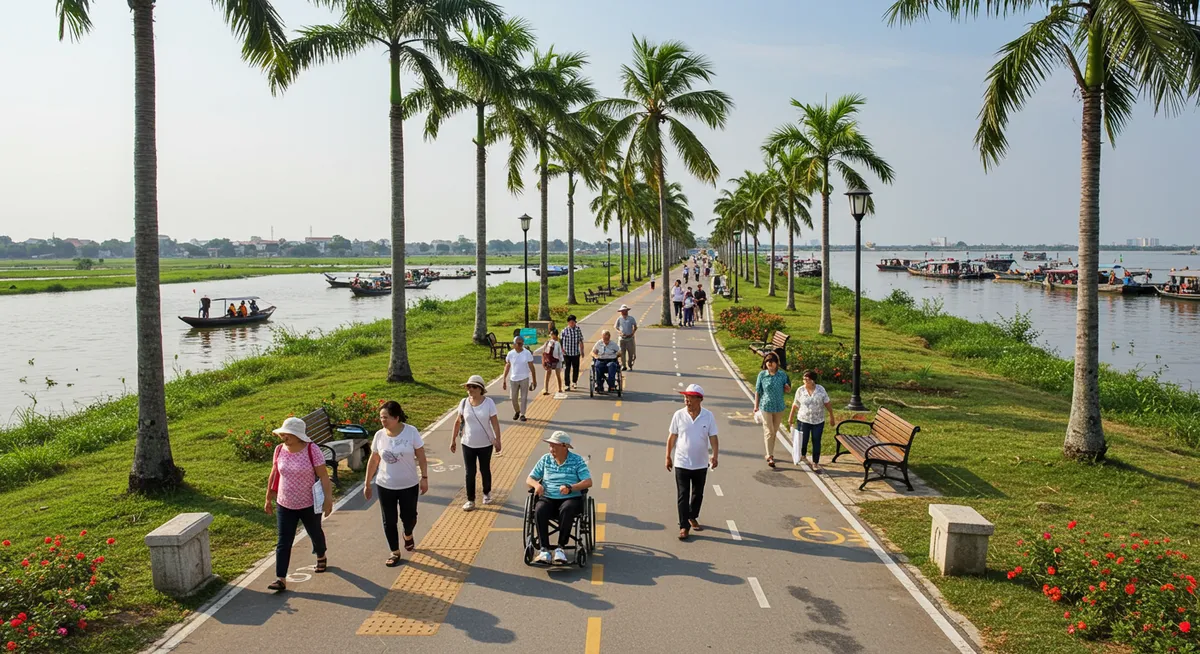
The prime example of an accessible walking route is the promenade along Ninh Kieu Wharf. This iconic riverside stretch is wide, relatively smooth, and largely free of major obstructions, making it ideal for a leisurely stroll. You’ll find plenty of benches, open spaces, and easy access to boats for river tours. Similarly, some of the newer, wider streets leading to and from the city center, particularly those with modern infrastructure like the main road running past Can Tho University, often offer more consistent and better-maintained sidewalks. Residential areas, while charming, can be a mixed bag of very narrow alleys and uneven surfaces.
Bridging the Gaps: Local Support and Transport
Even on the most “accessible” routes, you might encounter momentary challenges. This is where Can Tho’s unique local context shines:
- Grab (Car/Bike): This app-based service is your best friend. If a section of sidewalk becomes too difficult, or you need to bypass a particularly congested or rough area, simply hail a Grab car. It’s affordable, convenient, and drivers are generally very familiar with navigating the city’s complexities. For shorter distances or if you’re comfortable, GrabBike is even quicker.
- Cyclo: For a unique and surprisingly practical experience, consider a cyclo. While not typically thought of as an accessibility solution, for those who can transfer in and out, a cyclo offers a slow, scenic, and elevated way to see the city. It allows you to cover short distances while avoiding walking on potentially uneven paths, and drivers are often very accommodating and willing to help. Negotiate the fare upfront!
- Local Assistance: Vietnamese people are generally incredibly kind and helpful. Don’t hesitate to ask for assistance if you encounter a barrier. A simple gesture or a smile can often lead to unexpected support from passersby.
By understanding Can Tho’s specific definition of “accessible” and embracing the flexibility that local transport options offer, you can craft a wonderfully enriching and manageable walking tour experience, even for those with mobility challenges.
Recommended Accessible Walking Routes & Areas
🌟 Local Expert Tip: Get the most out of your Can Tho visit with guided tours!
Can Tho, while not traditionally known for widespread accessibility infrastructure, offers several fantastic areas where travelers with mobility considerations can enjoy a memorable walking experience. The key is often to focus on specific, relatively flat segments and embrace a flexible approach. Here are some of the most recommended areas for accessible walking tours:
Ninh Kieu Wharf Promenade: A Scenic and Smooth Stroll
Without a doubt, the Ninh Kieu Wharf Promenade is the crown jewel for accessible walking in Can Tho. Stretching along the Hau River, this wide, beautifully paved walkway is largely flat and well-maintained, making it ideal for wheelchair users, strollers, and those who prefer an even surface. You can enjoy panoramic views of the river, watch boats glide by, and soak in the lively atmosphere of street vendors and local life. While the area can get busy, especially in the evenings, the promenade itself is spacious enough to navigate comfortably. Look out for accessible seating benches along the way, perfect for a rest while admiring the view. Early mornings or late afternoons are best to avoid the midday heat and intense crowds.
Can Tho Museum & Ong Pagoda Vicinity: Cultural Immersion on Gentler Paths
The areas immediately surrounding the Can Tho Museum and the historic Ong Pagoda offer relatively flat walking paths. While the interiors of some heritage buildings might present steps, the exteriors and surrounding courtyards often provide excellent vantage points for appreciating their architecture and cultural significance. The pathways here, while generally flat, can have occasional unevenness or slight cracks, so it’s advisable to be mindful of your footing. This area allows for a pleasant, slower-paced exploration of some of Can Tho’s most iconic cultural landmarks, often with less foot traffic than the main wharf.
Can Tho University Campus: Spacious Greenery and Peaceful Pavements
For a quieter, more spread-out walking experience, consider a segment of the Can Tho University Campus. This expansive campus features wide, well-paved roads and pathways, often flanked by mature trees and green spaces. It provides a stark contrast to the bustling city center, offering a peaceful environment for a leisurely walk. While a taxi or Grab ride will be necessary to reach the campus, once inside, you’ll find ample space and generally smooth surfaces. Focus on the main thoroughfares within the campus for the best walking conditions, enjoying a glimpse into local student life.
Quieter Residential Streets: A Glimpse into Local Life (with Caution)
Exploring some of Can Tho’s quieter residential streets can offer a more authentic glimpse into local life, but this option requires significant caution regarding pavement quality. While some streets might be surprisingly smooth, many others can feature uneven surfaces, cracks, potholes, or obstacles. It’s recommended to visually inspect the street ahead or ask locals for advice on specific, well-maintained lanes. Focus on streets slightly off the main commercial arteries rather than deep alleys. These areas can reveal charming local eateries and unique shops, but always prioritize safety and be prepared to turn back if conditions become challenging.
Practical Advice for Your Accessible Walks:
- Be Prepared for Variability: Even in recommended areas, pavement quality can sometimes change unexpectedly. Patience and flexibility are your best companions.
- Time Your Walks: Can Tho’s tropical climate means high heat and humidity. Plan your walks for early mornings (before 9 AM) or late afternoons (after 4 PM) to avoid the most intense sun.
- Stay Hydrated & Protected: Always carry water, wear a hat, and use sunscreen.
- Mind the Motorbikes: While sidewalks exist, motorbikes sometimes use them, especially in busier areas. Always be aware of your surroundings.
By choosing your routes wisely and keeping these tips in mind, you can truly enjoy the charm and beauty of Can Tho on foot, at your own pace.
Essential Tips for Accessible Walking in Can Tho
Embarking on a walking tour in Can Tho offers an authentic glimpse into Mekong Delta life, but mindful preparation is key, especially when considering accessibility. While Vietnam is continuously improving, urban environments like Can Tho present unique challenges and opportunities for walkers. Here’s how to ensure a comfortable and enriching accessible walking experience:
Optimal Timing for Your Stroll
Can Tho’s tropical climate means heat and humidity can be intense. To avoid the peak sun and crowds, plan your walks for the early morning (before 8:00 AM) or late afternoon (after 4:00 PM). These times offer cooler temperatures and a more relaxed atmosphere, perfect for exploring areas like the Ninh Kieu Wharf or the bustling local markets before they get too hectic. Early mornings are also ideal for catching the city waking up, or for heading to the Cai Rang Floating Market embarkation points.
Footwear First: Sturdy and Non-Slip
Your choice of footwear is paramount. Can Tho’s pavements can be uneven, often shared with parked motorbikes, street vendors, and occasional puddles or debris. Opt for sturdy, comfortable, closed-toe shoes with excellent non-slip soles. This provides stability, protects your feet, and minimizes the risk of slips, particularly near wet market areas or after a sudden downpour. Avoid sandals or flip-flops if you require solid foot and ankle support.
Hydration and Sun Protection are Non-Negotiable
The Mekong Delta sun can be relentless. Always carry ample water to stay hydrated throughout your walk. Wear a wide-brimmed hat, sunglasses, and apply high-SPF sunscreen regularly. Lightweight, breathable clothing is also recommended to help manage the heat. Many local shops and convenience stores are readily available if you need to replenish your water supply.
Navigating Can Tho’s Lively Streets
- Street Crossing: Traffic in Can Tho, predominantly motorbikes, can seem chaotic. When crossing streets, make eye contact with approaching drivers, walk at a steady, predictable pace, and allow traffic to flow around you. Don’t make sudden stops. While marked crosswalks exist, they aren’t always strictly observed, so always exercise extreme caution.
- Pavements and Obstacles: Be highly vigilant. Sidewalks are often narrow, uneven, and can have unexpected drops, steps, or obstacles like parked motorbikes, street food stalls, or even utility poles. Stick to the side of the path if possible and take your time.
Mobility Aids: Practical Considerations
For those requiring assistance, simple, sturdy mobility aids are generally more practical than complex ones. A sturdy cane or trekking poles can provide excellent stability on uneven surfaces and help navigate small steps. Compact, lightweight rollators might be manageable in some areas, but wider wheelchairs could prove challenging due to narrow sidewalks, lack of ramps, and high curbs. Consider if you truly need a full-sized wheelchair or if a more portable option would serve you better given Can Tho’s infrastructure.
Leverage Technology for Ease
- Google Maps: Indispensable for navigation, identifying points of interest, and estimating walking distances. Download offline maps beforehand, as mobile data coverage can occasionally be spotty.
- Grab App: For longer distances or when walking becomes too strenuous, the Grab app (Southeast Asia’s equivalent of Uber) offers convenient and affordable motorbike or car taxi services. It’s excellent for connecting different walking zones or returning to your accommodation after a long day.
Don’t Hesitate to Seek Local Assistance
Vietnamese people, particularly in the Mekong Delta, are renowned for their friendliness and willingness to help, especially towards visitors. If you encounter a challenging spot or need directions, don’t hesitate to politely ask a local for assistance. A simple “Xin chào” (hello) and a smile can go a long way. Many will go out of their way to guide you or even offer a hand. For deeper accessibility support or personalized routes, consider hiring a local guide who understands the city’s nuances.
Planning Your Inclusive Can Tho Walking Adventure
Embarking on a walking adventure in Can Tho, especially with accessibility in mind, requires thoughtful preparation. This vibrant Mekong Delta city offers incredible cultural experiences, but its infrastructure, while improving, can present unique challenges. With a bit of foresight, you can ensure a comfortable and inclusive journey for everyone.
Pre-Trip Research for Venue Accessibility
Before you even pack your bags, dedicate time to researching the accessibility of specific attractions you plan to visit. While popular spots like the Cai Rang Floating Market are primarily experienced by boat, consider the embarkation points. For land-based sights such as the Can Tho Museum, Ong Temple, or local pagodas, look for information regarding ramp access, elevators, and wide pathways. Don’t hesitate to reach out directly to the venues via email or phone – local staff are often happy to provide detailed insights into their facilities. Online travel forums and communities focused on accessible travel can also offer invaluable first-hand accounts.
Choosing Accessible Accommodation
Your choice of accommodation forms the base of your accessible adventure. When booking, prioritize hotels or guesthouses that explicitly state they offer accessible rooms, features like ramps, elevators, spacious bathrooms with grab bars, and roll-in showers. Many modern hotels in Can Tho, particularly those in the Ninh Kieu district, are becoming more conscious of accessibility. Contacting the hotel directly to confirm specific features and room availability is crucial. Consider the proximity of your accommodation to pedestrian-friendly areas or major accessible transportation hubs to minimize travel time before your walks.
The Benefits of a Local Guide
Hiring a local guide is perhaps the single most impactful decision for an inclusive walking tour in Can Tho. Beyond their knowledge of history and culture, a local guide possesses an intimate understanding of the city’s terrain. They know which sidewalks are smoother, which routes avoid steep bridges or uneven pavements, and where accessible restrooms might be located. They can deftly navigate crowded markets, find alternative paths, and communicate your specific needs to vendors or boat operators. Their ability to adapt the itinerary on the fly, based on real-time conditions and your comfort levels, is truly invaluable.
Maintain a Flexible Itinerary
While planning is essential, embracing flexibility is equally important for an enjoyable and stress-free inclusive walking tour. Can Tho’s charm often lies in its spontaneous moments and vibrant street life, which can sometimes mean unexpected detours or slower progress. Allow ample time for breaks, especially during the warmer parts of the day. Be prepared to adjust your route if a particular path proves challenging or to spend extra time soaking in a moment. This adaptability reduces pressure and allows you to truly enjoy the journey at your own pace.
Essential Packing for Comfort
For any walking tour, packing smart is key, but for an inclusive adventure, it’s paramount. A lightweight backpack is essential to carry your daily necessities without unnecessary strain. This should include a reusable water bottle (staying hydrated in Can Tho’s tropical climate is critical), sunscreen, a wide-brimmed hat, and insect repellent. Invest in a pair of comfortable, broken-in walking shoes with good support – you’ll be thankful for them on uneven surfaces. Finally, a small, personal first-aid kit with basics like blister plasters, antiseptic wipes, pain relievers, and any personal medications is a must-have for peace of mind. By preparing thoughtfully, you set the stage for an enriching and comfortable exploration of Can Tho.
Beyond the Walk: Accessible Experiences in Can Tho
While the joy of a walking tour often lies in traversing new paths, Can Tho offers a wealth of equally enriching experiences that extend “beyond the walk,” providing accessible options for every traveler. These alternatives ensure you can deeply connect with the city’s vibrant culture, even if extended walking isn’t feasible or preferred. The key to unlocking these experiences often lies in proactive inquiry and embracing the local pace.
Accessible Dining: Savoring Street-Level Flavors
Can Tho’s culinary scene is a highlight, and happily, many local eateries are incredibly accessible. Forget grand restaurants; the most authentic flavors are often found at street-level stalls and humble family-run quán (local eateries) with open fronts. Look for places with tables spilling onto the sidewalk or just a single, low step. Popular dishes like Banh Xeo (sizzling savory pancakes) or Hu Tieu (noodle soup) are often served in these ground-level settings. Don’t hesitate to use gestures or simple phrases like “no step” if you have specific mobility needs, or point to an open table. Many vendors are keen to accommodate, especially if you communicate your needs with a friendly smile.
Canal Exploration: Accessible Boating Adventures
A visit to Can Tho wouldn’t be complete without experiencing its lifeblood – the Mekong Delta’s canals. The most famous, Cai Rang Floating Market, is best reached by boat. While smaller sampans might present a challenge for boarding, larger tourist boats available at Ninh Kieu Wharf often offer more stable access points. When booking, whether through your hotel or a tour operator, explicitly inquire about the boat’s boarding accessibility. Some private tours can arrange for a more spacious vessel or assist with boarding. Prioritizing comfort over speed can make all the difference, ensuring a safe and memorable journey through the tranquil waterways.
Navigating Ground-Level Markets for Shopping
For an authentic slice of local life and souvenir hunting, Can Tho’s markets are a must-visit. While traditional wet markets can be chaotic with uneven terrain, many dry goods sections and the main Can Tho Market near Ninh Kieu Wharf offer more navigable ground-level pathways. Consider visiting during off-peak hours (mid-morning after the initial rush, or late afternoon) when crowds are thinner, allowing for easier movement. Focus on the perimeter stalls or larger indoor sections that tend to have wider aisles. Engage with vendors; they are generally very helpful and can guide you to items without extensive movement.
Engaging in Less Physically Demanding Cultural Experiences
Can Tho offers several cultural touchpoints that don’t require extensive walking:
- Coffee Culture: Indulge in Vietnam’s renowned coffee culture at one of the many cafes. Many have comfortable seating, often at street level or with ramp access, perfect for people-watching and soaking in the atmosphere.
- Can Tho Museum: While requiring some navigation within, the Can Tho Museum typically has ramp access and elevators for exploring its exhibits on the region’s history and culture. It’s a great indoor option for a less physically demanding cultural immersion.
- Ninh Kieu Park: Enjoy the riverside promenade at Ninh Kieu Park. While it’s a walking area, much of it is flat and paved, offering benches to rest and enjoy the views of the Hau River and local life without needing to cover long distances.
By focusing on these alternative experiences and communicating your needs, your Can Tho adventure can be incredibly rich and fulfilling, regardless of your mobility.
Connecting with Can Tho’s Walking Tour Ecosystem
🌟 Local Expert Tip: Get the most out of your Can Tho visit with guided tours!
Can Tho, with its charming waterways and vibrant urban core, is steadily embracing a more inclusive approach to tourism. While the concept of fully “accessible” walking tours might still be evolving compared to some Western cities, there’s a definite and growing awareness among local tour operators. This means that with a bit of proactive communication, you can absolutely tailor a walking experience that suits your specific accessibility needs.
The key to an amazing and truly accessible walking tour in Can Tho lies in connecting directly with local tour operators. Unlike larger, less flexible companies, many independent guides and smaller tour agencies in Can Tho are incredibly adaptable and eager to provide a personalized experience. They understand the nuances of the local terrain and can offer invaluable insights into what’s feasible.
Here’s how to effectively engage with Can Tho’s walking tour ecosystem:
- Prioritize Direct Communication: Don’t rely solely on advertised tour descriptions. Reach out via email, WhatsApp, or phone. Clearly explain your mobility requirements from the outset. Be specific: do you use a wheelchair, a walker, require frequent rest stops, or need smooth, paved surfaces?
- Detail Your Needs: The more information you provide, the better the operator can plan. For example, if stairs are an absolute barrier, mention it. If you can manage a few steps but need handrails, let them know. Inform them about your desired pace and the maximum distance you’re comfortable walking.
-
Ask Specific Questions About Routes:
- What is the typical terrain like on the proposed route? (e.g., paved sidewalks, cobblestones, uneven dirt paths, narrow alleys, riverbanks). For instance, while much of the city center has decent sidewalks, some older market areas or paths leading to traditional houses might be less even.
- Are there any stairs or steep inclines that cannot be avoided?
- Can the tour be modified to include more accessible points of interest? (e.g., a specific section of the Ninh Kieu Wharf promenade, parts of the Can Tho Museum, or easily accessible sections of local markets).
- Is accessible transportation to and from the starting point included or can it be arranged?
- Are there accessible restroom facilities along the route or at planned stops?
- Consider Private or Small Group Tours: These options offer the most flexibility. A private guide can adjust the pace, choose routes based on real-time conditions, and make spontaneous detours to ensure comfort and accessibility. While potentially more expensive, the personalized experience is often worth the investment for peace of mind.
- Leverage Local Knowledge: Can Tho operators are experts in their city. They know which parts of the Cai Rang Floating Market are easiest to navigate by boat for transfers, and which land-based activities near the river are genuinely accessible. They can also advise on the best times to visit specific locations to avoid crowds, which can significantly improve maneuverability.
While not every operator may explicitly market “accessible walking tours,” many are eager to adapt and create a memorable experience. By being open, specific, and proactive in your communication, you’ll find that Can Tho’s warm hospitality extends to ensuring everyone can explore its unique charm on foot, at their own pace.
Frequently Asked Questions
Q: Is Can Tho generally accessible for travelers with mobility challenges?
A: While not fully compliant with international accessibility standards, Can Tho offers pockets of manageable terrain. Key areas like Ninh Kieu Wharf and university campuses are more accommodating. Patience, pre-planning, and local assistance are key to a successful accessible trip.
Q: What are the best mobility aids to use in Can Tho?
A: For uneven pavements and crowded areas, sturdy walking canes or collapsible walkers are often more practical than large wheelchairs. Lightweight, foldable wheelchairs might work for some areas, but navigating street crossings and significant inclines can still be challenging.
Q: Are public restrooms accessible in Can Tho?
A: Accessible public restrooms are rare in Can Tho. It’s advisable to plan your stops and use facilities in modern hotels, larger restaurants, or shopping centers when available. Always check in advance where possible.
Q: Can I find accessible transportation options in Can Tho?
A: Grab (car and motorbike taxi app) offers a convenient way to get around the city. While most Grab cars are not specifically wheelchair-accessible, they can get you close to destinations. Some hotels may offer accessible transfer services if pre-arranged, or you can hire a private car with a driver for more flexibility.
Q: What’s the best time of year for an accessible walking tour in Can Tho?
A: The dry season, from November to April, generally offers cooler temperatures and less humidity, making it the most comfortable time for walking tours. The rainy season (May to October) can bring sudden downpours and slippery conditions, which might impact outdoor activities.
Can Tho beckons with its unique blend of Mekong Delta charm, and exploring it on foot, even with mobility considerations, is a profoundly rewarding experience. By understanding the local landscape, planning thoughtfully, and embracing the warmth of its people, you can uncover accessible pathways to its bustling markets, tranquil pagodas, and vibrant river life. So, lace up your comfortable shoes, pack your sense of adventure, and embark on an inclusive walking journey through the heart of Vietnam’s rice bowl – Can Tho awaits your discovery!