
Best Time for Sapa Walking Tours: Your Ultimate Guide (2026)
Discover the ideal time for Sapa walking tours! This guide covers seasonal weather, packing tips, local insights, and practical advice for exploring Sapa on foot.
On this page
Sapa, with its dramatic rice terraces, misty mountains, and vibrant ethnic minority cultures, is a paradise for trekkers and walking enthusiasts. Exploring this breathtaking region on foot offers an unparalleled connection to its landscapes and people. But to truly maximize your experience, knowing the ‘best time’ for Sapa walking tours is crucial. This comprehensive guide will walk you through the seasonal nuances, practical considerations, and local insights to help you plan your perfect Sapa adventure.
Key Tips and Takeaways
- Autumn (Sept-Nov) offers the best weather and golden rice paddies for Sapa walking tours.
- Pack layers and waterproof gear regardless of the season; Sapa’s mountain weather is unpredictable.
- Always hire a local guide for safety, cultural insights, and to support local communities.
- Be prepared for varying trail conditions, from dry paths to muddy or slippery sections.
- Book accommodations and guides in advance, especially during peak seasons (Sept-Oct, public holidays).
Understanding Sapa’s Unique Mountain Climate
Sapa’s unique allure lies not only in its stunning landscapes and rich ethnic cultures but also in its distinctive sub-tropical highland climate. Perched at an altitude of around 1,600 meters (5,250 feet), Sapa experiences four distinct seasons within a year, sometimes even within a single day. This makes understanding its weather patterns crucial for planning your walking tours and ensuring a comfortable, enjoyable experience.
The mountain climate is notoriously unpredictable. One moment, you could be enjoying brilliant sunshine with clear views of Fansipan, and the next, a thick mist might roll in, transforming the valleys into an ethereal, mysterious realm. This rapid shift in conditions significantly impacts walking visibility and trail conditions. For trekkers, this means being prepared for anything from warm, sunny paths to cool, misty trails or even sudden downpours.
Typically, average temperatures in Sapa hover around 15-18°C (59-64°F) for much of the year, but this is a broad average. During the warmer months of June to August, temperatures can reach 20-25°C (68-77°F), often accompanied by higher humidity and heavier rainfall, particularly in the afternoons. These summer showers make the rice paddies incredibly lush and green, but trails can become slippery and muddy. This is also peak season for leeches, so appropriate precautions like leech socks are advisable for longer treks.
Conversely, Sapa experiences a true winter from December to February. Temperatures can drop significantly, often averaging 5-10°C (41-50°F) and occasionally dipping below freezing, with rare instances of frost and even snow on the higher peaks. The cold brings with it persistent fog that can shroud the entire town and surrounding valleys for days, dramatically reducing visibility. While challenging for panoramic views, walking through a misty Sapa forest can be an atmospheric and unforgettable experience, provided you are properly dressed.
For most trekkers, the shoulder seasons offer the best balance. Spring (March to May) brings mild temperatures, blooming flowers, and often clearer skies, perfect for exploring the vibrant terraces. Autumn (September to November) is arguably the most popular time, as the rice paddies turn a magnificent golden yellow just before harvest, and the weather is generally cooler, drier, and more stable with excellent visibility. However, even during these ‘best’ times, a sudden cloudburst or a patch of fog is not uncommon.
Practical Climate Tips for Your Sapa Walking Tour:
- Layer Up: Regardless of the season, dressing in layers is paramount. You’ll likely shed and add clothing multiple times throughout a day’s trek.
- Waterproof Gear is Essential: Always pack a waterproof jacket, trousers, and a rain cover for your backpack. Even if the forecast is clear, a sudden shower is a real possibility.
- Proper Footwear: Invest in waterproof hiking boots with excellent grip. Trails can be uneven, muddy, and slippery, especially after rain or in misty conditions.
- Sun Protection: Even on cloudy or misty days, the sun at altitude can be strong. Bring sunscreen, a hat, and sunglasses.
- Leech Socks (Summer): If trekking during the wet season, consider wearing leech socks over your trousers and boots.
- Embrace the Fog: While it can obscure views, the mist often adds a magical, mystical quality to the landscape. Be prepared for reduced visibility but enjoy the unique atmosphere.
- Check Local Forecasts: While unpredictable, always check the weather forecast a day or two before your trek, but be ready for changes. Local guides are also excellent sources of up-to-the-minute trail conditions.
Understanding Sapa’s dynamic mountain climate allows you to prepare effectively, ensuring your walking tour is not just about the destination, but also about embracing the unique, ever-changing journey through this remarkable landscape.
Autumn (September – November): The Golden Season for Trekking
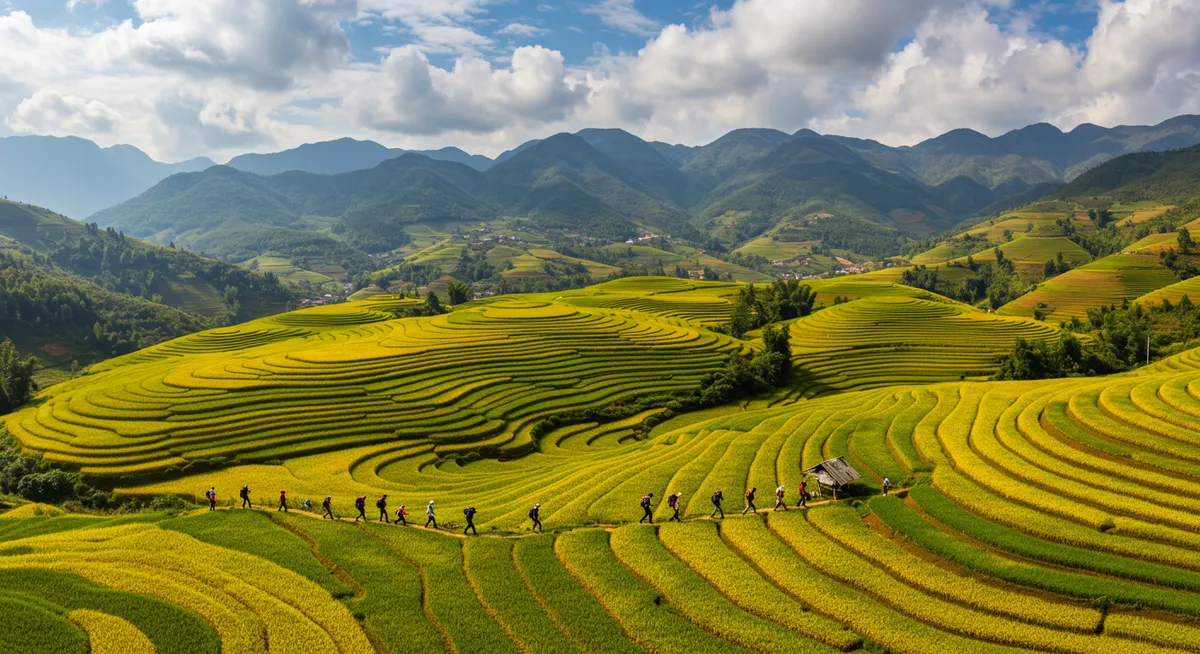
Autumn in Sapa, spanning from September to November, truly earns its title as “The Golden Season” for walking tours. This period offers a unique blend of stunning natural beauty and ideal trekking conditions, making it arguably the most sought-after time to explore the terraced landscapes of Sapa.
Pros of Autumn Walking Tours in Sapa:
- Golden Rice Paddies: The undeniable highlight is the sight of Sapa’s iconic rice terraces transforming into a breathtaking sea of golden hues. This spectacular transformation typically peaks in late September and early October, just before the harvest. Walking through these valleys, especially along trails connecting villages like Lao Chai and Ta Van in the Muong Hoa Valley, provides unparalleled photographic opportunities and an immersive experience in the local agricultural cycle.
- Clear Skies & Cool, Dry Weather: Unlike the monsoon season, autumn brings significantly clearer skies and much lower humidity. Daytime temperatures are pleasantly cool (often 15-25°C), and rainfall is minimal. This dry, stable weather is absolutely perfect for long, multi-hour treks, ensuring comfortable conditions without the risk of muddy, slippery trails that plague the rainy season. Visibility for panoramic views of the Hoang Lien Son mountain range, including glimpses of Fansipan, is at its best.
- Ideal for All Treks: Whether you’re planning an easy stroll through Cat Cat village or a challenging multi-day hike to remote hamlets, the autumn weather accommodates all. The firm, dry trails make ascents and descents safer and more enjoyable, allowing you to cover more ground and delve deeper into Sapa’s rugged beauty.
- Stunning Photography: Beyond the golden rice, the clear air enhances the vibrancy of the lush green mountains, traditional stilt houses, and the colourful attire of the local Hmong and Red Dao people. Every turn offers a postcard-perfect scene, from misty mornings giving way to sunny vistas to the intricate patterns of the terraced fields.
Cons of Autumn Walking Tours in Sapa:
- Can Be Crowded: Due to its immense popularity, especially around the peak harvest time (late September/early October), Sapa can experience significant crowds. Popular viewpoints, central Sapa town, and well-trodden trails might feel bustling.
Best For:
Autumn is universally ideal for all types of free walking tours in Sapa. From leisurely village strolls exploring the daily life of ethnic minorities to challenging full-day or multi-day mountain hikes, every adventurer will find their perfect path.
Practical Advice for Autumn Treks:
- Book in Advance: Given the popularity, secure your accommodation, train tickets (if applicable), and reputable local guides well ahead of time.
- Dress in Layers: While days are pleasant, mornings and evenings can be chilly, especially at higher elevations. Pack lightweight, breathable layers that you can add or remove.
- Sturdy Footwear is Essential: Even on dry trails, terrain can be uneven. Waterproof hiking boots with good ankle support and grip are non-negotiable for comfort and safety.
- Stay Hydrated: Carry plenty of water, especially on longer treks. Local vendors in villages often sell bottled water and snacks.
- Respect Local Life: During harvest season, be mindful of the farmers working in the fields. Ask permission before taking close-up photos of individuals, and be respectful of their customs and privacy.
- Consider a Local Guide: While some trails are well-marked, hiring a local Hmong or Red Dao guide enriches your experience immensely. They offer invaluable insights into local culture, history, and the best hidden paths, helping you navigate the crowds and discover authentic Sapa.
Spring (March – May): Blooming Flowers and Fresh Air
⭐ Recommendation: Don't miss out on amazing Sapa tours - book now!
Spring in Sapa, spanning from March to May, is a truly enchanting time for walking tours, offering a refreshing escape into nature’s embrace. As the chill of winter recedes, the entire landscape awakens, transforming into a vibrant tapestry of green and subtle hues.
One of the foremost advantages of walking in Sapa during spring is the incredibly mild and pleasant temperatures. Days are generally warm enough for comfortable trekking without being overly hot or humid, making it ideal for moderate to challenging treks. The air feels crisp and clean, invigorating you with every step through the verdant valleys and across the hillsides.
Visually, spring is a spectacle. This period marks the blooming season for Sapa’s iconic fruit trees. You’ll be treated to breathtaking vistas of delicate peach and plum blossoms adorning the hillsides and scattering across traditional villages, creating a picturesque, almost dreamlike atmosphere. Below these blossoming trees, the famous terraced rice paddies begin their new cycle. Instead of the golden harvest or dormant brown, you’ll witness them transition to a lush, fresh green as young rice shoots emerge from the flooded terraces. This “watering season” or early growth phase offers a unique beauty, with reflections of the sky playing on the water-filled steps.
Spring generally provides excellent visibility. Before the heavier rains of summer set in, the skies are often clearer, allowing for stunning panoramic views of the Hoang Lien Son mountain range, including Vietnam’s highest peak, Fansipan. Photography enthusiasts will find endless opportunities to capture Sapa at its most serene and vibrant.
While largely idyllic, be prepared for occasional light rain or mist, particularly in early spring (March) or on higher elevations. This can add a mystical quality to the landscape, enveloping the mountains in a soft, ethereal cloud. However, it also means trails can become slightly muddy or slippery in places, especially after a downpour.
Practical Tips for Your Spring Walking Tour:
- Layer Up: Mornings and evenings can still be cool, while midday is pleasantly warm. Pack versatile layers that you can easily add or remove.
- Waterproof Footwear: Good quality, waterproof hiking boots with excellent grip are essential. Even light rain can make trails muddy, and you’ll encounter damp areas.
- Rain Gear: A lightweight, packable rain jacket or poncho is highly recommended to stay dry during unexpected showers.
- Sun Protection: Don’t underestimate the spring sun. A hat, sunglasses, and sunscreen are crucial, especially when trekking in open areas.
- Embrace the Freshness: This is a prime time for immersing yourself in local life as farmers are often busy planting in the paddies. Consider a tour that includes village visits to observe these fascinating traditional activities.
- Moderate Treks: Consider trails like those leading to Cat Cat Village, Y Linh Ho, Lao Chai, and Ta Van. These routes offer a mix of challenging and gentle sections, showcasing the stunning terraced fields and local culture in their spring splendor.
A Sapa walking tour in spring promises a refreshing and visually spectacular journey, blending comfortable trekking conditions with the breathtaking beauty of blooming nature and active local life.
Summer (June – August): Lush Greenery and Rice Paddies in Full Glory
Venturing to Sapa for a walking tour between June and August presents a remarkably distinct experience, painted in shades of emerald and shrouded in dramatic mists. This period is the heart of the wet season, and while it demands preparation, it rewards travelers with an unparalleled vision of Sapa’s iconic rice terraces at their most vibrant, lush, and alive.
The foremost allure of summer walking in Sapa is the sheer beauty of the rice paddies. From late May into June, the fields are alive with the reflection of the sky as villagers prepare for transplanting. By July and August, the terraces burst into a brilliant, almost neon green, creating a breathtaking, undulating landscape that stretches as far as the eye can see. Water flows abundantly, carving temporary waterfalls down the slopes, and the air feels charged with life. The misty, often cloud-shrouded peaks add a mystical, ethereal quality to the scenery, perfect for photographers seeking unique, atmospheric shots. Surprisingly, despite the domestic holiday season, some of the longer, more challenging trekking routes can feel less crowded than during the autumn peak, offering moments of serene solitude amidst nature.
However, these months are undeniably the rainy season. Expect potential for heavy downpours, which can transform trails into muddy, slippery paths. High humidity is a constant companion, making clothes slow to dry and adding to the effort of strenuous climbs. A significant consideration for trekkers is the presence of leeches, especially in forested and very wet areas. While mostly harmless, they can be unsettling. It’s crucial to understand these conditions are part of the summer Sapa experience, not just minor inconveniences.
Practical Advice for Summer Treks:
- Gear Up for Rain: Absolutely essential. Invest in a high-quality, waterproof jacket and pants, a backpack rain cover, and most importantly, waterproof trekking shoes with excellent grip. Leave your stylish sneakers at home; they won’t cut it. Quick-drying synthetic layers are advisable.
- Leech Defense: Wear long pants tucked into socks or gaiters. Apply a strong insect repellent (DEET-based is effective) to your shoes and lower legs. Carry a small container of salt or a lighter; leeches will detach quickly when exposed to salt or heat. Your local guide will be adept at removal.
- Trekking Poles are Your Best Friend: These are invaluable for maintaining balance on slippery, muddy descents and ascents, reducing strain on your knees and preventing falls.
- Embrace the Mist & Flexibility: While clear views are magnificent, the mist offers its own dramatic beauty. Be prepared for visibility to change rapidly. Have flexible plans and be willing to shorten your trek or choose an alternative route if conditions become too challenging or unsafe.
- Hire a Local Guide: This is non-negotiable for safety and insight. Local Hmong or Red Dao guides know the trails intimately, understand the current conditions, and can navigate safely even in low visibility. They also provide invaluable cultural context and assist with unexpected situations.
- Stay Hydrated: Despite the humidity and potential for rain, strenuous activity means you’ll still sweat. Carry enough water.
- Consider Shorter, Accessible Routes: While experienced trekkers can tackle longer multi-day hikes with proper preparation, shorter, well-trodden paths around villages like Cat Cat (though busy), or the more accessible parts of the Lao Chai-Ta Van loop might be more enjoyable for those less accustomed to challenging wet-weather trekking.
Summer in Sapa is truly for the adventurous spirit, particularly experienced trekkers who are well-prepared for the elements and eager to embrace the unique, dramatic atmosphere of the rainy season. It offers a chance to witness the rice paddies at their most magnificent and to experience a quieter, more introspective side of Sapa’s majestic landscapes.
Winter (December – February): Misty, Mystical, and Quiet
Winter in Sapa, stretching from December to February, transforms the already stunning landscape into a canvas of mist, hushed beauty, and profound quietude. This season offers a truly unique walking tour experience, distinct from the vibrant greens of summer or the golden hues of autumn.
The Unique Winter Ambiance for Walkers
One of the most compelling reasons to undertake a Sapa walking tour in winter is the dramatic reduction in tourist numbers. You’ll find the trails and villages far less crowded, allowing for a more intimate and authentic interaction with the local Hmong, Dao, and Tay communities. The landscape itself takes on a mystical quality; dense mist often blankets the valleys, creating an ethereal atmosphere where the terraced rice fields (now dormant and often muddy) and distant peaks emerge and recede like phantoms. While rare, the possibility of light snow adds an almost magical, fairytale-like dimension to the scenery, turning Sapa into a winter wonderland unlike anywhere else in Southeast Asia. Post-trek, the cozy warmth of a traditional homestay, perhaps with a roaring fire and hot herbal tea, becomes an even more cherished comfort.
Challenges and Considerations for Winter Walking
However, this ethereal charm comes with significant trade-offs. Temperatures can drop considerably, often hovering near freezing point, especially in the mornings and evenings. Heavy fog is a frequent companion, which, while atmospheric, can unfortunately obscure the breathtaking panoramic views that Sapa is famous for. For walkers, this means limited visibility on longer treks. The trails themselves can become extremely challenging. Rain and melting frost often turn the paths into slippery, muddy quagmires, demanding extra caution and appropriate footwear. Daylight hours are also shorter, meaning you’ll need to plan your treks carefully to ensure you’re off the trails before dusk.
Best Walking Experiences for Winter
Given the conditions, winter is best suited for specific types of walking tours in Sapa:
- Cultural Immersion: Focus on shorter village walks (e.g., Cat Cat, Sin Chai, Ta Van, Ta Phin). These allow you to spend more time interacting with local families, learning about their customs, and experiencing daily life without the pressure of achieving panoramic views.
- Short, Atmospheric Treks: Opt for shorter loops or point-to-point walks (2-4 hours) rather than full-day expeditions. The reduced visibility makes longer, view-dependent treks less rewarding, and the challenging terrain requires more energy.
- Homestay Experiences: This season truly shines when combined with a homestay. It provides a warm, authentic base for your walks and allows you to experience the local culture deeply, sharing meals and stories with your hosts.
Essential Gear and Practical Advice
Preparing adequately is paramount for a comfortable and safe winter walking tour in Sapa:
- Layering is Key: Pack thermal base layers, fleece mid-layers, and a waterproof, windproof, and insulated outer jacket. Temperatures can fluctuate, and you’ll want to adjust your clothing as you walk.
- Waterproof Footwear: Sturdy, waterproof hiking boots with excellent grip are non-negotiable. Your feet will get wet and muddy otherwise, leading to discomfort and potential blisters. Consider gaiters to keep mud out of your boots.
- Warm Accessories: A warm hat, gloves, and a scarf are essential for protecting extremities from the cold.
- Navigation and Safety: Consider hiring a local guide. They not only know the safest and least muddy routes but also provide invaluable cultural insights and help bridge language barriers. Carry a fully charged phone, a power bank, and a headlamp or flashlight as daylight fades quickly.
- Stay Hydrated (with warm drinks): Carry a thermos with hot tea or coffee to warm you from the inside out.
- Embrace the Local Warmth: Seek out local eateries and homestays. Their simple, hearty food and welcoming fires offer the perfect respite after a cold day out on the trails.
For those prepared for the cold and seeking a quiet, atmospheric, and culturally rich experience over sweeping vistas, winter in Sapa offers a truly unforgettable walking adventure.
Beyond Seasons: Key Factors for Your Sapa Walking Tour
⭐ Recommendation: Don't miss out on amazing Sapa tours - book now!
While the calendar season offers a general guide for your Sapa adventure, several crucial factors often outweigh the typical weather patterns, profoundly impacting your walking tour experience. Understanding these elements will help you prepare for a truly memorable journey through the Hoàng Liên Sơn mountains and the vibrant ethnic minority villages.
Crowd Levels: Peak vs. Shoulder Seasons
The number of fellow travelers you encounter significantly shapes the atmosphere of your trek. Peak seasons in Sapa often coincide with Vietnamese public holidays (e.g., Reunification Day & Labor Day in late April/early May, National Day in early September) and the summer months (June-August). During these times, popular trails like the routes to Cat Cat, Y Linh Ho, Lao Chai, and Ta Van can be bustling. While this can add a lively energy, it might detract from the serene, untouched feel some seek. Homestays and local guides also book up quickly, and prices might see a slight increase. Conversely, shoulder seasons (late March-April, mid-September-November) often offer a wonderful balance: pleasant weather, fewer crowds, and a more intimate connection with the landscapes and communities.
Weather’s Whims: Impact on Trail Difficulty and Safety
Sapa’s weather is famously unpredictable and can shift dramatically within a day. Rain, especially during the monsoon season (June-August), transforms walking trails into muddy, slippery paths, making treks more challenging and potentially hazardous. Views can be obscured by fog or heavy clouds. Conversely, hot, humid summer days can lead to dehydration if not managed properly. In winter (December-February), while beautiful, trails can become cold and even icy on higher elevations. Always check the local forecast daily, pack appropriate gear (sturdy, waterproof hiking boots are non-negotiable, along with rain jackets and warm layers), and be prepared to adapt your itinerary. Some routes might become impassable or unsafe in extreme conditions.
The Indispensable Local Guide
Regardless of the season or weather, a local guide is not just recommended, but essential for a Sapa walking tour. These guides, often from the Hmong or Red Dao ethnic minorities, possess unparalleled knowledge of the terrain, local customs, and safe routes. They can navigate through challenging conditions, provide invaluable insights into the rice cultivation cycles, medicinal plants, and the daily lives of the villagers. More importantly, they act as a bridge for meaningful cultural exchange, ensuring your interactions are respectful and enriching. They are your key to unlocking the true essence of Sapa beyond the well-trodden paths.
Homestay Availability and Authenticity
Staying in a homestay is a highlight for many Sapa visitors, offering a glimpse into local life. Villages like Ta Van and Lao Chai have numerous homestay options, ranging from basic to more comfortable. During peak seasons and Vietnamese holidays, demand surges, so booking well in advance (1-2 months) is highly advisable, especially if you have a specific homestay in mind or are traveling with a group. While availability is generally good, last-minute bookings in peak times can limit your choices, potentially pushing you to less authentic or less conveniently located options.
Events and Festivals: Adding Local Flavor or Obstacles?
Sapa’s calendar occasionally features specific events or festivals that could influence your travel plans. The most significant is the Tet Lunar New Year (usually late January or February), when many locals return home, and some businesses close down, impacting transport and service availability. However, it can also offer a unique cultural immersion if you find a family celebrating. Sapa town’s famous “Love Market” (Saturday evenings) is less about traditional matchmaking now but still an interesting cultural vestige. Beyond Sapa town, specific ethnic minority villages have vibrant market days (e.g., Bac Ha Sunday Market, Can Cau Saturday Market – though these require separate travel), which offer fantastic opportunities for cultural photography and local interaction. Researching these dates can add a rich dimension to your journey, but also demands foresight for planning.
Practical Tips for an Enjoyable Sapa Walking Tour
Embarking on a walking tour in Sapa is an unforgettable way to immerse yourself in the region’s breathtaking landscapes and vibrant ethnic cultures. However, to truly maximize your experience and ensure both safety and enjoyment, a little preparation goes a long way. Here are essential practical tips for your Sapa adventure:
Gear Up Smart: What to Pack
- Layered Clothing: Sapa’s weather is famously fickle. Mornings can be cool and misty, transforming into warm, sunny afternoons, and chilly evenings. Pack quick-drying layers that you can easily add or remove. Think breathable base layers, a fleece or light jacket, and perhaps a warm sweater for evenings.
- Waterproof Essentials: Rain or persistent mist is a common feature in Sapa, especially during certain seasons. A good quality, lightweight waterproof jacket and waterproof trekking trousers are non-negotiable to keep you dry and comfortable on the trails.
- Sturdy Footwear: This is paramount! Sapa’s trails are often uneven, muddy, and can be slippery, especially through the terraced rice fields and forest paths. Invest in well-broken-in hiking boots with excellent ankle support and a strong grip. Avoid regular sneakers or open-toed sandals.
- Insect Repellent & Sun Protection: While enjoying the lush greenery, remember that insects like mosquitoes are present. Carry a reliable insect repellent. Don’t forget sunscreen and a wide-brimmed hat to protect yourself from the sun, even on cloudy days.
- Small Backpack & Water Bottle: A comfortable daypack for your essentials (water, snacks, extra layers) is crucial. Always carry sufficient water to stay hydrated throughout your trek.
The Indispensable Local Guide
Perhaps the most crucial tip for a Sapa walking tour is to hire a local Hmong or Red Dao guide. These indigenous people possess unparalleled knowledge of the terrain, local customs, and hidden pathways. Not only will they ensure your safety and prevent you from getting lost on unmarked trails, but they also act as an invaluable cultural bridge. They can share fascinating insights into their daily lives, farming techniques, traditions, and the local flora and fauna, transforming a simple walk into a rich, educational cultural exchange. Hiring a local guide also directly supports the Sapa communities.
Staying Safe on the Trails
- Hydration is Key: Even if the weather feels cool, trekking in Sapa requires significant physical exertion. Drink water regularly to prevent dehydration.
- Follow Your Guide: Stick to the paths recommended by your guide and do not wander off. The landscape can be disorienting, and venturing off-trail can be dangerous or lead to trespassing on private land.
- Respect Local Customs: Sapa is home to diverse ethnic communities. When passing through villages or interacting with locals, always be respectful. Ask for permission before taking photographs, especially of children. Dress modestly when visiting homes or religious sites (shoulders and knees covered).
- Be Mindful of the Terrain: Pay attention to your footing, especially on steep descents or muddy sections. Take your time and use trekking poles if you find them helpful.
Practice Responsible Tourism
Your visit to Sapa is an opportunity to contribute positively to the local environment and communities:
- Leave No Trace: Carry out everything you carry in. This includes all trash, plastic bottles, and even organic waste like fruit peels. Sapa’s natural beauty depends on us keeping it pristine.
- Support Ethically: If you wish to purchase handicrafts, buy directly from the local women who made them. Avoid giving money or sweets directly to children; instead, consider donating to reputable local charities or buying goods from their families, which supports the household as a whole.
- Minimize Your Impact: Stick to designated paths to prevent erosion and disturbance to natural habitats.
- Engage Respectfully: Learn a few basic Vietnamese or Hmong phrases. A smile and a “Xin chào” (hello) go a long way in fostering positive interactions.
Frequently Asked Questions
Q: Do I need a guide for Sapa walking tours?
A: Yes, it is highly recommended and often required for most trekking routes outside of Sapa town. Local guides provide safety, navigate complex trails, offer invaluable cultural insights, and help you interact respectfully with ethnic minority communities.
Q: What should I wear for walking in Sapa?
A: Dress in layers. Sturdy, waterproof hiking boots are essential. Include a waterproof jacket and trousers, sun protection (hat, sunscreen), and comfortable quick-dry clothing. Warm layers are crucial for winter or cool evenings.
Q: Are there leeches in Sapa?
A: Yes, especially during the rainy season (June-August) and after heavy rainfall. Wear long trousers, apply insect repellent, and consider using leech socks to prevent bites. They are generally harmless but can be unsettling.
Q: Is Sapa safe for solo female travelers for walking tours?
A: Sapa is generally safe. However, for walking tours, especially multi-day treks, joining a group or hiring a local guide (highly recommended for everyone) significantly enhances safety and provides cultural immersion. Always inform someone of your itinerary.
Q: Can I see snow in Sapa?
A: Snowfall in Sapa is rare, but it does happen occasionally during the coldest parts of winter (December-February), especially on Fansipan Peak and higher elevations. It’s not guaranteed but adds a unique charm if it occurs.
No matter when you choose to embark on your Sapa walking tour, the region promises an experience filled with natural beauty, cultural encounters, and unforgettable moments. By understanding the seasonal characteristics and preparing accordingly, you’ll be well-equipped to navigate its diverse landscapes. Embrace the mist, the sun, the mud, and the golden hues – for Sapa on foot is not just a journey through stunning scenery, but a profound connection to the heart of Vietnam’s majestic northern mountains.