
Vung Tau Walking Tour Wear: Essential Packing Guide (2026)
Explore Vung Tau on foot comfortably! Our guide helps you pack for Vung Tau’s tropical weather, ensuring safe and enjoyable walking tours. Get local insights on clothing, footwear, and essentials.
On this page
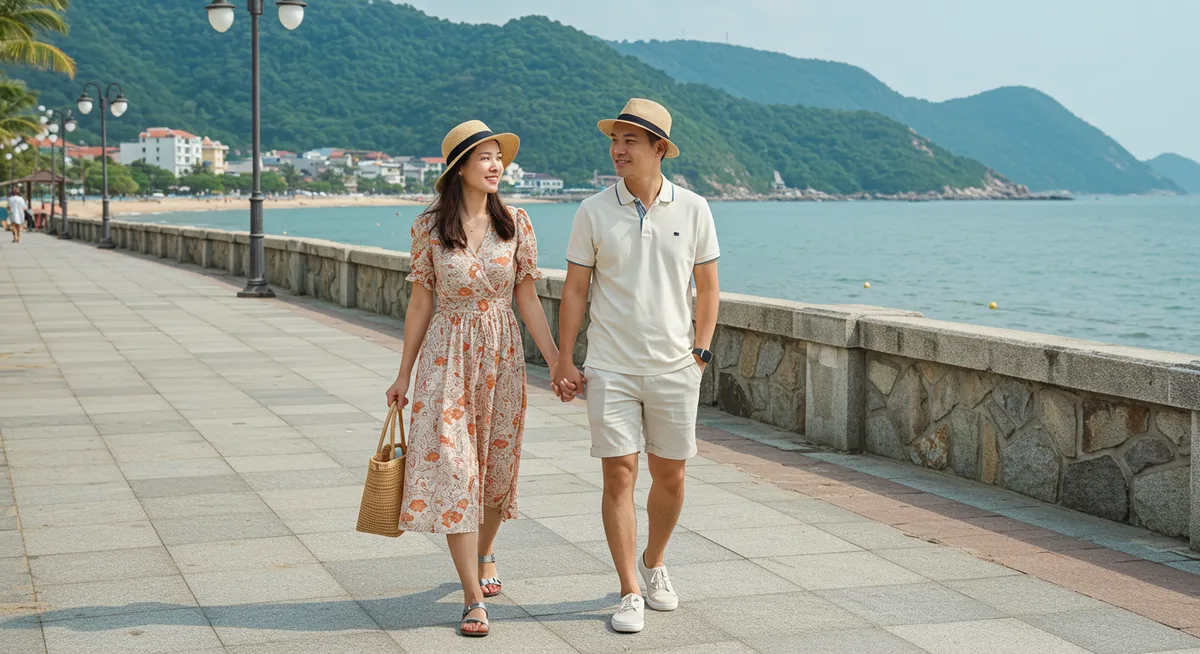
Vung Tau, with its captivating coastline, historical landmarks, and vibrant street life, is a city best explored on foot. A walking tour allows you to soak in the atmosphere, discover hidden gems, and connect with the local culture. However, to truly enjoy your Vung Tau walking adventure, what you wear is paramount. This comprehensive guide will help you pack smart, ensuring comfort, safety, and respect for local customs, no matter the season.
Key Tips and Takeaways
- Prioritize comfortable, broken-in walking shoes with good support.
- Choose lightweight, breathable, and quick-drying fabrics for all clothing.
- Always carry sun protection: hat, sunglasses, and high SPF sunscreen.
- Be prepared for rain, especially from May to October, with a compact umbrella or poncho.
- Stay hydrated by carrying a reusable water bottle and refilling often.
- Pack versatile clothing, including options to cover shoulders and knees for religious sites.
Vung Tau’s Climate: Understanding the Tropical Heat & Humidity
Vung Tau, nestled on Vietnam’s southern coast, boasts a quintessential tropical monsoon climate. This means you can expect warmth, and often intense warmth, combined with significant humidity virtually year-round. It’s a climate that profoundly defines your packing list and daily activity planning when embarking on free walking tours in Vung Tau.
Average temperatures consistently hover between 25°C and 32°C (77°F and 90°F), with the humidity frequently soaring above 80%. This combination creates a sensation that can feel much hotter than the mercury suggests, making Vung Tau walking tours a true tropical experience. While a refreshing sea breeze often graces the coastline, it typically provides relief rather than eliminating the pervasive heat and stickiness.
For walkers, this persistent heat and humidity are crucial considerations. Your “What to wear Vung Tau walking tours” checklist will invariably prioritize lightweight, breathable fabrics and robust sun protection. Understanding the subtle seasonal nuances can also help you plan your excursions:
- Dry Season (roughly November to April): Characterized by abundant sunshine and significantly less rainfall. While “dry” compared to the wet season, it’s still very hot and humid. This period is popular for visitors, so be prepared for strong sun exposure during your walks along the Big Mountain or down to the lighthouse.
- Wet Season (roughly May to October): During these months, you’ll experience more frequent, often intense, but usually short-lived downpours. The humidity can feel even higher. While rain might briefly cool the air, the overall sensation remains humid and warm. Don’t let the rain deter you; simply pack a lightweight poncho or umbrella, and embrace the refreshing post-rain coolness, if only for a short while.
Given these conditions, here are actionable tips for a comfortable and enjoyable walking tour experience in Vung Tau:
- Hydration is Non-Negotiable: The most critical tip for any Vung Tau walking tour is to stay hydrated. Carry plenty of water – more than you think you’ll need – and sip it frequently, even if you don’t feel thirsty. Local convenience stores and street vendors are plentiful, making refilling easy, but always start prepared.
- Sun Protection is Paramount: The tropical sun can be relentless. Always wear a wide-brimmed hat, UV-protective sunglasses, and apply high-SPF sunscreen generously to all exposed skin. Consider lightweight, long-sleeved tops or UV-protective clothing for extended periods outdoors, especially during peak sun hours.
- Embrace Breathable Fabrics: Cotton, linen, rayon, and moisture-wicking synthetics are your best friends. These materials allow air circulation, helping your skin breathe and sweat to evaporate, which is essential for comfort in humid conditions.
- Light Colors are Key: Darker colors absorb more heat, making you feel warmer. Opt for light-colored clothing that reflects the sun’s rays.
- Strategic Timing: Plan your longer walks for the cooler parts of the day – early mornings (ideally before 9 AM) or late afternoons (after 4 PM). During midday, seek out indoor attractions, cafes, or simply find some shade to rest and cool down.
- Listen to Your Body: Don’t push yourself too hard. If you feel overheated, dizzy, or unusually tired, take a break immediately. Find shade, rehydrate, and allow yourself to cool down before continuing. There’s no rush; enjoy Vung Tau at a comfortable pace.
Seasonal Breakdown: What to Expect When
Vung Tau, with its captivating coastal charm, offers a unique walking experience regardless of the time of year. However, knowing what to expect from its distinct seasons is crucial for packing smart and ensuring your walking tours are as comfortable and enjoyable as possible. Here’s a breakdown of Vung Tau’s weather patterns and how to dress for success on your explorations.
Dry Season (November – April): Sun-Kissed Strolls and Breezy Paths
This is arguably the most popular time to visit Vung Tau for walking tours, and for good reason! The dry season brings consistently sunny skies, lower humidity, and pleasant temperatures, often moderated by refreshing sea breezes. Rain is rare, typically occurring only as a brief, light sprinkle. This period is ideal for exploring the city’s scenic promenades, climbing Nui Nho (Small Mountain) to the Lighthouse, or ascending to the Christ of Vung Tau statue.
- What to Wear: Think light, lighter, lightest! Prioritize breathable, moisture-wicking fabrics like cotton, linen, or performance synthetics. Loose-fitting shirts and shorts or capris will keep you cool.
- Sun Protection is Paramount: The sun can be intense, even with the breeze. A wide-brimmed hat, sunglasses, and high-SPF sunscreen are non-negotiable. Consider lightweight, long-sleeved tops if you’re particularly sun-sensitive or plan extended exposure.
- Footwear: Comfortable open footwear is perfect for the dry season. Well-ventilated walking sandals or breathable sneakers are ideal. Ensure they offer good support, especially if you plan on ascending hills or covering long distances.
- Practical Tips: Carry a refillable water bottle to stay hydrated – Vung Tau’s heat can be deceptive. Schedule longer walks for early mornings or late afternoons to avoid the peak midday sun (11 AM – 3 PM).
Rainy Season (May – October): Embracing the Tropical Downpours
While often dubbed the “rainy season,” Vung Tau’s monsoon period doesn’t mean constant rain. Instead, expect higher humidity and frequent, short, but intense downpours, typically in the afternoons. These tropical showers can be surprisingly refreshing and often clear up quickly, leaving behind a cleansed, vibrant cityscape. Don’t let the rain deter you; with the right gear, Vung Tau’s charm shines even brighter.
- What to Wear: Quick-dry materials are your best friends. Synthetics that don’t absorb water and dry rapidly are far superior to cotton, which can feel heavy and damp. Pack a lightweight, waterproof outer layer – a compact rain jacket or, even better, a foldable poncho. Many locals opt for ponchos, which are readily available and provide excellent coverage.
- Footwear: Sturdy, water-resistant footwear is key. Closed-toe sandals (like Chacos or Tevas) or waterproof walking shoes will protect your feet from puddles and splashes. Avoid open flip-flops as they can get slippery and offer little protection on wet surfaces. Some travelers even bring a dedicated pair of water-friendly sneakers that can get wet without issue.
- Practical Tips: A small, compact umbrella can also be useful for lighter drizzles or navigating quickly between shelters. Protect your electronics with a waterproof bag or cover. Be mindful of slippery surfaces on pavements and steps immediately after a shower. Embrace the experience – a coffee stop or a browse through a local market can be a perfect way to wait out a sudden downpour, providing a unique insight into local life.
No matter the season, remember that Vung Tau is a coastal city with a generally warm climate. Prioritizing comfort, sun protection, and appropriate footwear will ensure your walking adventures are memorable for all the right reasons.
The Foundation: Comfortable Footwear is Key
🎯 Insider Tip: Discover the best Vung Tau experiences with Viator Tours!
When embarking on any walking tour, especially in a vibrant and engaging city like Vung Tau, the single most critical decision you’ll make for your comfort and enjoyment isn’t about your outfit’s color or brand, but rather what you put on your feet. Your shoes are your foundation, your connection to the pavement, and your best friend throughout hours of exploration. In Vung Tau, where your journey might take you from bustling beachfront promenades to ascending the steps of Christ the King statue or exploring the charming streets of the French Quarter, the right footwear is paramount.
The absolute necessity of comfortable, broken-in shoes cannot be overstated. Vung Tau’s walking terrain is diverse. While much of it involves well-maintained sidewalks and paved roads, you’ll also encounter numerous stairs, gentle inclines around Big Mountain and Small Mountain, and potentially uneven surfaces as you explore older neighborhoods or markets. The city’s tropical climate, characterized by heat and humidity for much of the year, adds another layer to your footwear considerations; your feet will sweat, and blisters can form quickly if your shoes aren’t up to the task.
For optimal comfort and support, consider these recommendations:
- Breathable Walking Shoes or Light Sneakers: These are often the gold standard for extensive walking. Look for pairs that offer good arch support, ample cushioning, and most importantly, excellent breathability. Materials like mesh or lightweight synthetics will allow air circulation, helping to keep your feet cooler and drier in Vung Tau’s humid environment.
- Supportive Sandals (with straps): If you prefer open-toed footwear due to the heat, opt for sandals specifically designed for walking. These should have supportive soles, adjustable straps (preferably around the ankle and forefoot) to prevent your foot from sliding, and good grip. Avoid flimsy, flat sandals, as they offer no support for long distances or varied terrain.
Just as important as what to wear is what to leave behind. For any significant walking tour in Vung Tau, avoid:
- Brand New Shoes: No matter how comfortable they feel in the shop, new shoes are a recipe for blisters and discomfort on a long walk. Always break in new footwear well before your trip.
- High Heels or Wedges: These are completely impractical and unsafe for walking tours. They offer no stability, will quickly lead to fatigue and pain, and increase your risk of tripping or spraining an ankle on uneven surfaces or stairs.
- Flimsy Flip-Flops or Slides: While perfect for the beach or a quick dash to a nearby café, standard flip-flops lack the necessary support, cushioning, and grip for extended walking. Your feet will quickly ache, and they offer no protection from debris or potential scrapes.
Finally, don’t overlook the humble sock! In Vung Tau’s humid climate, moisture-wicking socks are a game-changer. Made from materials like merino wool or synthetic blends, they pull sweat away from your skin, keeping your feet drier and significantly reducing the risk of chafing and blisters. Cotton socks, while comfortable in cooler climates, tend to absorb and hold moisture, making them unsuitable for Vung Tau’s heat.
Tops & Bottoms: Embracing Breathability & Modesty
When preparing for your Vung Tau walking tours, selecting the right attire is paramount for comfort, enjoyment, and cultural respect. Vung Tau, like much of southern Vietnam, experiences a tropical climate characterized by year-round heat and high humidity. While the dry season (November to April) offers less rainfall, and the wet season (May to October) brings refreshing, albeit sometimes heavy, showers, the underlying principle for your wardrobe remains the same: embrace breathability and lightness.
Tops: Staying Cool Under the Vung Tau Sun
Your choice of top can significantly impact your comfort level. Opt for materials that allow your skin to breathe and wick away moisture. Think lightweight cotton, breathable linen, or modern quick-dry synthetics (like those used in athletic wear). These fabrics are excellent at managing sweat and drying quickly, which is crucial in Vung Tau’s humid conditions, preventing that sticky, uncomfortable feeling.
- Recommended Styles: Classic t-shirts, airy blouses, and polo shirts are perfect. For women, loose-fitting tunics or tops with natural ventilation are ideal.
- Color Considerations: Lighter colors (whites, pastels) are your best friend as they reflect sunlight, keeping you cooler than darker hues that absorb heat.
- Actionable Tip: Due to the humidity and potential for sweating, consider packing a few extra tops if you plan multiple walks throughout the day or want to freshen up after a morning excursion.
Bottoms: Freedom of Movement & All-Day Comfort
Your bottom wear needs to offer unrestricted movement for navigating Vung Tau’s varied terrains, from bustling markets to paved promenades and potential stairs at viewpoints like the Christ the King statue. Again, breathability is key.
- Recommended Materials: Look for lightweight cotton, linen blends, or quick-dry synthetic fabrics.
- Recommended Styles:
- Shorts: Knee-length or just above-the-knee shorts are generally acceptable and comfortable for most walking activities.
- Capris/Bermudas: These offer a bit more coverage and are excellent practical options.
- Light Trousers: Think airy linen pants or thin cargo pants. These offer sun protection and can be surprisingly comfortable, especially in the evenings when mosquitos might be present.
- Comfortable Skirts/Dresses: Flowy, knee-length or midi-length skirts and dresses made from breathable fabrics provide excellent air circulation and comfort. Avoid anything too restrictive or heavy.
Modesty & Local Customs: Respecting Vung Tau’s Culture
While Vung Tau is a relaxed coastal city, Vietnam is a country that values respect for local traditions and religious sites. When planning your walking tours, particularly if you intend to visit pagodas, temples, or other places of worship (such as Linh Son Co Tu, Thich Ca Phat Dai, or the Christ the King statue), it’s important to dress appropriately.
- Key Guideline: Generally, this means covering your shoulders and knees.
- Practical Options:
- If you’re wearing shorts or a tank top for your general walk, simply carry a lightweight sarong or scarf that you can quickly wrap around your waist or shoulders before entering a religious site.
- Alternatively, opt for longer shorts (like Bermuda shorts), capris, or a midi-skirt/dress on days you plan to visit temples or pagodas.
- Some larger religious sites may provide wraps or cover-ups at the entrance, but it’s always best to be prepared.
By prioritizing breathable fabrics and comfortable fits, while keeping local customs in mind, you’ll be well-equipped to fully enjoy the vibrant atmosphere and fascinating sights of your Vung Tau walking tours.
Essential Accessories for Sun & Rain Protection
Vung Tau, with its captivating coastal charm and tropical climate, promises incredible walking tour experiences. However, the intensity of the Vietnamese sun and the potential for sudden downpours mean that being prepared with the right accessories is just as crucial as choosing the right footwear. Equipping yourself properly ensures comfort, safety, and an uninterrupted exploration of Vung Tau’s stunning landscapes and vibrant streets.
Shielding Yourself from the Tropical Sun
The sun in Vung Tau, especially between 10 AM and 4 PM, can be intensely strong, even on cloudy days. Adequate sun protection is non-negotiable for any extended walk:
- Wide-Brimmed Hat or Cap: A wide-brimmed hat offers comprehensive protection for your face, ears, and neck from direct sun exposure. For a more casual option, a baseball cap still provides good facial shade. Consider lightweight, breathable materials. This is particularly vital when you’re traversing open areas like the Back Beach promenade or climbing up to the Christ the King statue, where shade is minimal.
- High-Quality Sunglasses: Protecting your eyes from harmful UV rays is essential. Look for sunglasses that offer 100% UVA and UVB protection. This will not only safeguard your vision but also significantly reduce glare, making your scenic walks along the coastline or through the city more comfortable and enjoyable.
- High SPF Sunscreen: Apply a broad-spectrum sunscreen with an SPF of 30 or higher generously before you head out, and remember to reapply every two hours, especially if you’re sweating. Vung Tau’s humidity can make you perspire more than usual, so a water-resistant formula is an excellent choice. Don’t forget often-missed spots like the back of your neck, ears, and the tops of your feet if wearing open shoes.
Preparing for Vung Tau’s Sudden Showers
Vung Tau experiences a distinct rainy season from roughly May to October, characterized by heavy, often brief, downpours. Even during the dry season, sporadic tropical showers can occur. Being prepared for rain means you won’t have to cut your walking tour short:
- Compact, Lightweight Umbrella: A small, sturdy umbrella is a versatile accessory. It can provide shade from the sun on hot days and act as an immediate shield against unexpected rain. Its portability makes it an excellent choice for Vung Tau’s dynamic weather.
- Packable Rain Jacket or Poncho: For those who prefer to keep their hands free, a lightweight, packable rain jacket or poncho is an ideal alternative. These are designed to fold down very small, easily fitting into your daypack, and offer full upper body protection. Look for breathable materials to avoid feeling clammy in the humidity.
Hydration & Carrying Essentials
Beyond sun and rain, staying hydrated and organized is paramount:
- Reusable Water Bottle: Vung Tau’s tropical climate means you’ll sweat a lot. Carrying a reusable water bottle is an eco-friendly and essential way to stay hydrated throughout your walk. You can easily refill it at your hotel or many cafes along your route. Aim to sip water regularly rather than chugging large amounts at once.
- Small Daypack: A comfortable, lightweight daypack (around 10-20 liters) is indispensable for carrying all these essentials. It allows you to stow your hat, sunglasses, sunscreen, rain gear, and water bottle, along with any personal items like a phone, wallet, or small snacks. Choose one with padded straps for comfort during longer walks.
By packing these crucial accessories, you’ll be well-equipped to enjoy Vung Tau’s beauty, come sun or a sudden tropical shower, ensuring your walking tours are nothing short of amazing.
Beyond Clothing: Personal Care & Safety Items
While packing the right clothes for Vung Tau’s tropical climate is paramount, a truly comfortable and safe walking tour experience extends beyond your wardrobe. Thinking a few steps ahead with these essential personal care and safety items will make a world of difference, allowing you to fully immerse yourself in the city’s charm without minor inconveniences turning into major hassles.
The Essentials Beyond Your Backpack
-
Insect Repellent: Your Evening Ally
Vung Tau, being a coastal city with lush green areas like those surrounding the Christ the King statue or the trails up Big Mountain, can have mosquitoes, especially during dusk or after a rain shower. A small bottle of insect repellent, preferably a spray, is invaluable. Apply it before heading out for an evening stroll along Bai Sau Beach, exploring the bustling night market, or enjoying a seafood dinner outdoors. It’s a tiny addition to your bag that offers significant peace of mind, preventing itchy bites from interrupting your enjoyment of Vung Tau’s balmy evenings. -
Mini First-Aid Kit: Blister Buster & Minor Mender
Vung Tau’s walking tours can involve considerable distances, uneven sidewalks, and plenty of steps (think climbing to the Lighthouse or the Christ the King statue). Blisters are a common walking tour woe. Prepare for the inevitable with a tiny first-aid kit containing a few waterproof band-aids (especially blister-specific ones), antiseptic wipes, and perhaps a small tube of antibiotic cream. A minor scrape or a developing hot spot on your foot can quickly dampen your spirits, but a well-equipped kit ensures you can address it on the spot and keep moving comfortably. -
Hand Sanitizer: On-the-Go Cleanliness
Vung Tau is famous for its delicious street food, bustling markets, and lively local eateries. While the hygiene standards are generally good, having a small bottle of alcohol-based hand sanitizer is incredibly practical. Use it before enjoying a plate of Banh Khot, after handling cash, or simply after touching public surfaces. It’s a quick and easy way to maintain cleanliness, especially when soap and water aren’t readily available. -
Portable Power Bank: Stay Charged, Stay Connected
Your smartphone is likely your navigation tool, camera, translator, and emergency contact all rolled into one. Long days exploring Vung Tau, snapping photos of its stunning coastline, navigating via Google Maps, or looking up local insights, will quickly drain your battery. A fully charged portable power bank (and the necessary charging cable) is an absolute must-have. It ensures you can always find your way back to your hotel, call a Grab taxi, capture that perfect sunset shot, or simply stay connected with loved ones, no matter how much you explore. -
Small Denominations of Local Currency (VND): Cash is King
While larger establishments and some modern cafes in Vung Tau accept card payments, many street vendors, small family-run eateries, market stalls, and local transport options (like xe om or short taxi rides) operate exclusively on cash. It’s highly advisable to carry small denominations of Vietnamese Dong (VND), such as 10,000, 20,000, 50,000, and 100,000 notes. Trying to pay for a 30,000 VND coffee with a 500,000 VND note can be inconvenient for vendors and may result in them not having enough change. Smooth transactions make for a more enjoyable local experience, especially when grabbing a refreshing drink or a quick snack on your walk.
By including these few, seemingly minor items, you elevate your Vung Tau walking tour from good to truly excellent, ensuring comfort, safety, and uninterrupted enjoyment throughout your adventure.
Dressing for Specific Vung Tau Attractions
🎯 Insider Tip: Discover the best Vung Tau experiences with Viator Tours!
Vung Tau offers a diverse array of experiences, from spiritual climbs to relaxing beach strolls and vibrant market explorations. To truly enjoy your walking tours, tailoring your attire to each specific attraction is key for comfort, respect, and seamless transitions throughout your day.
Religious Sites: Christ the King Statue & Pagodas
When ascending the majestic Christ the King statue or visiting Vung Tau’s serene pagodas like Linh Son Co Tu or Thich Ca Phat Dai, respect for local customs is paramount. Your attire should reflect this reverence. It is essential to have your shoulders and knees covered, regardless of gender. Vung Tau’s tropical climate means lightweight, breathable fabrics like cotton or linen are best for the climb and temple visits, as you’ll likely work up a sweat.
- Practical Tip: Always carry a lightweight scarf or sarong in your daypack. These can be easily draped over your shoulders or tied around your waist for quick coverage when entering religious sites, ensuring you’re always prepared and respectful.
- Footwear: For the Christ the King statue, there are hundreds of steps. Comfortable, sturdy walking shoes or sneakers are non-negotiable for safety and ease. Sandals with good ankle support are acceptable for pagodas if they allow for comfortable walking on various surfaces.
Beach Areas: Front Beach & Back Beach
Vung Tau boasts beautiful stretches of sand at Bai Truoc (Front Beach) and Bai Sau (Back Beach), perfect for a refreshing dip or a leisurely walk along the shore. While swimwear is obviously appropriate for the beach itself, remember you’ll be walking to and from these areas, often past local shops, restaurants, and residential zones.
- What to Wear: Pack your favorite swimwear, but always bring a stylish cover-up, shorts, or a casual dress to throw on when you’re off the sand. Quick-drying materials are a bonus.
- Footwear: Flip-flops or comfortable sandals are ideal for beach walks and easy to slip off when you want to feel the sand between your toes.
- Weather Consideration: Sun protection is crucial. A wide-brimmed hat, sunglasses, and high-SPF sunscreen are your best friends on Vung Tau’s sunny beaches.
Casual Dining & Night Markets
As dusk falls and Vung Tau’s culinary scene comes alive, you’ll find yourself exploring bustling night markets, charming cafes, and local seafood restaurants. These experiences are all about comfortable exploration and relaxed enjoyment.
- What to Wear: Opt for smart casual attire that prioritizes comfort. Think breathable t-shirts, polo shirts, casual blouses, shorts, capris, or light trousers. You want to feel comfortable browsing stalls at the Vung Tau Night Market or sitting down for a long, delicious meal.
- Footwear: Comfortable walking shoes or stylish, supportive sandals are highly recommended, as you’ll be on your feet exploring the vibrant market atmosphere and potentially walking between different dining spots.
- Local Insight: Vung Tau remains warm even in the evenings, so heavy fabrics are rarely necessary. However, a light long-sleeved shirt or thin jacket might be useful for warding off mosquitoes or if you’re sensitive to air conditioning in indoor venues.
By preparing your wardrobe with these specific attractions in mind, you’ll be well-equipped to enjoy every step of your Vung Tau walking tour, feeling comfortable, confident, and respectful of local customs.
Local Insights & Expert Tips for Vung Tau Walkers
Walking the vibrant streets and scenic paths of Vung Tau offers an unforgettable experience, but a comfortable and practical approach to your attire is key to maximizing your enjoyment. Vung Tau, with its tropical monsoon climate, presents unique weather considerations for walkers. Generally, you can expect warm temperatures year-round, high humidity, and distinct dry (November to April) and wet (May to October) seasons. Smart packing and a little local insight will ensure you’re prepared for whatever the coastal city throws at you.
Here are some expert tips to ensure your Vung Tau walking tours are a breeze:
- Layering is Your Best Friend: Even in the tropics, layering is absolutely crucial. While the outdoor heat and humidity can be intense, Vung Tau’s indoor environments – from air-conditioned hotels and shopping malls to restaurants and cafes – are often kept refreshingly (or chillingly!) cool. A lightweight, breathable outer layer that you can easily shed or put on will be invaluable. Also, consider cooler evenings, especially if you’re strolling along the Bãi Sau (Back Beach) promenade or enjoying the breeze from a viewpoint like the Lighthouse on Núi Nhỏ (Small Mountain).
- Hydration is Non-Negotiable: The Vung Tau sun and humidity can be deceptive. You’ll sweat more than you realize, making constant hydration essential. Always carry a refillable water bottle with you. Bottled water is readily available from countless small shops, convenience stores, and street vendors throughout the city, so replenishing your supply is never an issue.
- Don’t Underestimate the Sun’s Intensity: Even on seemingly cloudy days, the UV index can be high. Protect yourself from the fierce tropical sun. A wide-brimmed hat is highly recommended for full face and neck coverage, along with good quality UV-protective sunglasses. Generously apply and reapply high SPF sunscreen, especially if you’re planning to ascend the Christ the King statue or walk along exposed coastal paths. Lightweight, long-sleeved tops and trousers made from breathable fabrics can offer excellent sun protection without overheating.
- Observe What Locals Wear: This is arguably the best practical guidance you can get. Locals in Vung Tau often dress for comfort, practicality, and sun protection. You’ll notice many wearing light cottons, linen, or quick-drying synthetic blends, often with long sleeves and light trousers to shield from the sun. Emulating their sensible choices will help you blend in and stay comfortable.
- Invest in Smart, Quick-Drying Gear: Given the humidity and the potential for sudden tropical downpours during the wet season, lightweight, quick-drying fabrics (like nylon, polyester blends, or technical travel fabrics) are a game-changer. They wick away moisture, dry quickly if you get caught in the rain or after a wash, and are incredibly comfortable for active days.
- Pack for Versatility: Maximize your wardrobe by packing items that can be mixed and matched. Think versatile tops and bottoms that can transition from a day of walking to a casual evening meal. A pair of comfortable walking shoes (closed-toe is best for varying terrain and unexpected puddles) is paramount, along with a comfortable pair of sandals for shorter strolls or beach visits.
By following these local insights and expert tips, you’ll be well-equipped to comfortably explore every fascinating corner of Vung Tau on foot, regardless of the weather.
Frequently Asked Questions
Q: Do I really need a raincoat or umbrella in Vung Tau?
A: Yes, especially during the rainy season (May-October), a lightweight poncho or compact umbrella is highly advisable as downpours can be sudden and heavy. Even in the dry season, unexpected brief showers can occur, so being prepared is always a good idea.
Q: What type of shoes are best for climbing to the Christ the King statue?
A: Sturdy, comfortable walking shoes or sneakers with good grip are ideal. The ascent involves many steps, so good support and a non-slip sole will make the climb much more enjoyable and safer. Avoid flip-flops or high heels.
Q: Is it culturally appropriate to wear shorts and tank tops while walking around Vung Tau?
A: For general walking and exploring, shorts and tank tops are acceptable, especially in tourist areas. However, when visiting pagodas, temples, or the Christ the King statue, it is respectful to cover your shoulders and knees. Carrying a light scarf or sarong can be a convenient solution for quick coverage.
Q: How many pairs of shoes should I bring for a week-long walking tour?
A: We recommend bringing at least two comfortable pairs: one primary walking shoe (e.g., sneakers) and one secondary option (e.g., supportive walking sandals). This allows you to alternate, let shoes dry out, and have a backup in case one pair gets wet or causes discomfort. Ensure both are well broken-in before your trip.
Exploring Vung Tau on foot promises an enriching and intimate travel experience. By preparing thoughtfully with the right attire and essentials, you’ll maximize your comfort and enjoyment, allowing you to fully immerse yourself in the city’s charm, history, and vibrant atmosphere. So, pack smart, embrace the adventure, and happy walking in Vung Tau!