
Vientiane Walking Tour Safety: Your Essential Guide (2026)
Explore Vientiane safely on foot! This guide covers personal safety, navigation, health, and emergency tips for an enjoyable and secure walking tour in Laos’ capital.
On this page
Vientiane, with its charming riverside, ancient temples, and laid-back atmosphere, invites exploration on foot. Walking tours offer an intimate way to discover its hidden gems and vibrant culture. While generally a safe city, being prepared and aware of your surroundings is key to an enjoyable and secure experience. This comprehensive guide provides practical advice to ensure your Vientiane walking adventure is as safe as it is memorable.
Key Tips and Takeaways
- Always stay hydrated and protect yourself from the sun.
- Keep valuables secure and out of sight, especially in crowded areas.
- Be aware of traffic; look both ways and expect the unexpected.
- Consider a local SIM card for easy communication and navigation.
- When in doubt, opt for a reputable local guide or group tour.
- Respect local customs and dress modestly, particularly near temples.
- Carry emergency contact numbers and copies of essential documents.
Pre-Tour Preparation: Laying the Groundwork for Safety
A successful and safe Vientiane walking tour begins long before you even step on a plane. Thorough pre-tour preparation is your first line of defense, transforming potential hazards into manageable situations. Laying this groundwork ensures you’re not just ready to explore, but ready to do so safely and confidently.
Essential Research & Knowledge
Beyond mapping out the key attractions like Pha That Luang or Patuxay, delve deeper into Vientiane’s practicalities. Understand the general layout of the city, especially the riverside area and central districts where most free walking tours in Vientiane occur. Research typical traffic patterns – while Vientiane is calmer than many Southeast Asian capitals, roads can still be busy, and sidewalks are not always consistent. Familiarize yourself with common local scams (though rare, being aware is key) and identify the location of your country’s embassy or consulate. Check for any current travel advisories or local news relevant to visitor safety. Knowing these details upfront allows you to navigate Vientiane’s charming streets with greater awareness.
Non-Negotiable: Travel Insurance
This is not an optional extra; it’s a fundamental safety net. Ensure your travel insurance policy covers medical emergencies, including emergency evacuation, as well as trip interruption or cancellation. For a walking tour, specifically check if it includes coverage for personal belongings like cameras, phones, or essential documents in case of theft or loss. While Vientiane is generally very safe, accidents can happen, or items can get misplaced. Having comprehensive insurance provides peace of mind and crucial financial protection.
Share Your Itinerary
Before you depart, share your Vientiane itinerary with a trusted family member or friend back home. This should include your flight details, accommodation information (names and addresses of hotels/guesthouses), and a rough outline of your daily walking plans. Specify the areas you intend to explore, especially if venturing beyond the main tourist hubs. In case of an unforeseen emergency, someone reliable will know your whereabouts and have the necessary information to assist. Consider leaving a copy of your passport and visa details with them too.
Pack Smart & Light
Your packing choices directly impact your walking tour safety and comfort. For Vientiane’s tropical climate:
- Appropriate Clothing: Opt for lightweight, breathable fabrics like cotton or linen. Given the heat and humidity, quick-drying materials are a bonus. Remember that Laos is a conservative country; when visiting temples (Wats) or sacred sites, shoulders and knees must be covered. Always carry a light scarf or sarong that can easily be draped for modesty.
- Comfortable Footwear: This cannot be stressed enough. Vientiane’s sidewalks can be uneven, broken, or non-existent in places, and you’ll encounter dust or occasional puddles. Choose sturdy, broken-in walking shoes or sandals with good support. Avoid brand-new shoes that might cause blisters, and save flip-flops for short distances or around your accommodation.
- First-Aid Basics: Assemble a small, personal first-aid kit. Include:
- Band-aids and antiseptic wipes for minor cuts or scrapes.
- Blister patches.
- Pain relievers (e.g., ibuprofen, paracetamol).
- Anti-diarrhea medication and rehydration salts (essential for hot climates).
- Mosquito repellent (Dengue fever is a concern in Laos).
- Hand sanitizer.
- Any personal prescription medications (with copies of your prescriptions).
- Sun Protection: A wide-brimmed hat, sunglasses, and high-SPF sunscreen are vital to protect against Vientiane’s strong sun.
- Hydration: Carry a reusable water bottle. Staying hydrated is crucial in the heat.
Understand Local Customs & Culture
Respecting local customs not only enhances your experience but also contributes to your safety by demonstrating cultural sensitivity. Lao people are generally very warm and welcoming, but understanding basic etiquette is appreciated:
- Greetings: A simple “Sabaidee” (hello) and a respectful nod or a “Nop” (hands pressed together as if in prayer) go a long way.
- Temple Etiquette: Always remove your shoes before entering a temple building. Step over the threshold, not on it. Never point your feet at Buddha images or people. Be mindful of quietude.
- Personal Space: Avoid touching someone’s head, as it’s considered the most sacred part of the body. Do not point with your finger; use your whole hand.
- Bargaining: It’s common in markets but do so politely and with a smile. Aggressive bargaining is frowned upon.
- Photography: Always ask for permission before taking photos of people, especially monks or local residents.
- Modesty: Dress modestly, especially when visiting religious sites or traditional villages. This helps avoid drawing unwanted attention.
By investing time in these pre-tour preparations, you set the stage for an enjoyable, safe, and truly immersive Vientiane walking experience.
Personal Safety & Situational Awareness on the Streets
While Vientiane is renowned for its laid-back atmosphere and generally low crime rate compared to other Southeast Asian capitals, maintaining personal safety and situational awareness is still paramount for a smooth walking tour experience. By taking sensible precautions, you can fully immerse yourself in the city’s charm without unnecessary worry.
Safeguarding Your Valuables and Avoiding Petty Crime
Petty crime, such as pickpocketing and bag snatching, can occur, especially in crowded tourist areas. Areas like the Vientiane Night Market along the Mekong Riverside, the bustling Talat Sao (Morning Market), and popular attractions like That Luang or Patuxay, can attract opportunistic thieves. Always be mindful of your belongings.
- Keep it Concealed: Avoid displaying large amounts of cash, expensive jewelry, or high-end electronics.
- Secure Your Bag: Use an anti-theft bag worn across your body with secure zippers. Consider a money belt or a hidden pouch for passports and extra cash.
- Phone Smart: Refrain from keeping your phone in your back pocket. Be extra vigilant when using it on busy streets, especially if seated outdoors at a cafe near a road where motorbikes can pass quickly.
- No Easy Targets: Never leave bags unattended, even for a moment, whether at a street food stall, a café, or a bench at the park.
- Be Aware of Your Surroundings: Pay attention, especially when distracted by maps, photos, or conversations. A moment of inattention is all a thief needs.
Identifying Common Scams
Vientiane is not particularly known for elaborate scams, but simple overcharging, particularly by tuk-tuk drivers, can happen. Always agree on a price before getting into any vehicle. Be wary of overly friendly strangers offering unsolicited help or tours, especially around popular tourist sites, as they might have ulterior motives. Trust your instincts; if an offer feels too good to be true or a situation feels off, politely decline and move on.
Respecting Local Etiquette
Beyond safety, respecting local customs contributes to a harmonious and safer experience by showing respect for the local culture. When visiting temples (Wats) like Vat Si Saket or Wat Ho Phra Keo, ensure your shoulders and knees are covered. Remove your shoes before entering temples or homes. Maintain a calm demeanor and avoid public displays of anger, as Laotians value peace and quietness. Understanding the phrase “Bo Pen Nyang” (no worries/no problem) reflects the local relaxed attitude, which can be helpful in minor inconveniences.
Safe Use of ATMs
ATMs are widely available in Vientiane, particularly at banks, shopping malls (like Vientiane Center or Parkson), and larger hotels. For maximum security:
- Choose Wisely: Use ATMs located inside bank branches or in well-lit, busy areas during daylight hours.
- Check for Skimmers: Before inserting your card, briefly check the card slot for any unusual attachments or loose parts.
- Guard Your PIN: Always cover the keypad with your hand when entering your PIN.
- Beware of Strangers: Decline any unsolicited “help” from strangers while at an ATM.
Exercising Caution When Walking Alone, Especially at Night
While Vientiane is generally quiet and safe at night, particularly away from the main tourist hubs, it’s wise to exercise caution, especially if walking alone. Street lighting can be poor in some areas outside the city center or main boulevards.
- Stick to Lit Areas: Prefer well-lit, populated streets. Avoid poorly lit shortcuts or isolated alleys.
- Walk with Companions: If possible, walk with a friend or group after dark.
- Use Reputable Transport: If you’re unsure about an area, or if it’s late, opt for a reputable taxi or a ride-hailing app like Loco for peace of mind.
- Stay Alert: Be extra vigilant of your surroundings and your belongings when walking after dark.
By keeping these practical tips in mind, you can confidently and safely explore Vientiane’s charming streets on foot, enjoying every moment of your walking tour adventure.
Navigating Vientiane’s Streets: Traffic & Pedestrian Safety
🎯 Insider Tip: Discover the best Vientiane experiences with Viator Tours!
Embarking on a walking tour through Vientiane offers an intimate glimpse into its charming, laid-back character. However, understanding the local traffic dynamics and pedestrian environment is paramount for a safe and enjoyable experience. Unlike many Western cities, Vientiane’s streets operate on a unique, often unwritten, set of rules.
Mastering Vientiane’s Traffic Flow
- Motorbikes & Tuk-Tuks Reign: Motorbikes, scooters, and tuk-tuks are the dominant forces on Vientiane’s roads. While traffic generally moves slower than in bustling metropolises, it’s constant.
- The Gentle Horn: Don’t be alarmed by frequent horn honking. In Vientiane, a horn is typically a friendly warning (“I’m here,” “I’m passing”), not an aggressive gesture. Acknowledge it, but don’t panic.
- Predictable Movements: Drivers are generally quite adept at navigating around pedestrians, provided your movements are predictable. Avoid sudden stops or changes in direction.
Safe Street Crossing Techniques
Forget formal pedestrian crossings; they are rare and often ignored in Vientiane. Your best bet for crossing the street safely involves a calm, assertive approach:
- The “Slow & Steady” Walk: When ready to cross, step out confidently and walk at a consistent, moderate pace. Do not run or hesitate in the middle of the road.
- Maintain Eye Contact & Predictability: Make eye contact with approaching drivers to signal your intention. They will usually adjust their path to flow around you. Think of yourself as a slow-moving obstacle they will navigate.
- Choose Your Spot Wisely: Cross at slightly wider intersections or where visibility is good. Avoid crossing just after a blind corner or at very narrow points.
- Group Power: If possible, join local groups crossing. There’s strength in numbers.
Navigating Uneven Sidewalks & Obstacles
Vientiane’s charm includes its ‘authentically’ imperfect infrastructure. Pavements can be a minefield of potential hazards:
- Constant Awareness: Be continuously aware of cracked concrete, missing paving slabs, exposed tree roots, and open drains (especially after heavy rain). Your eyes should often be scanning the ground just ahead.
- Sidewalk Spillage & Obstructions: Many local vendors and businesses extend their wares onto the sidewalks, narrowing your path. Parked motorbikes also frequently block pedestrian routes, requiring you to weave around them or briefly step onto the road.
- Footwear Matters: Wear sturdy, comfortable, closed-toe shoes with good grip. Flip-flops or high heels are not recommended for extensive walking tours here.
- Nighttime Caution: After dark, many streets are poorly lit. If walking in less familiar areas, consider using your phone’s flashlight to illuminate your path and spot obstacles.
Utilizing Reliable Mapping Apps Offline
Having reliable navigation is key to staying safe and on track in Vientiane:
- Download Offline Maps: Before leaving your accommodation (or with stable Wi-Fi), download offline maps for Vientiane on apps like Google Maps or Maps.me. This allows GPS tracking to work even without mobile data.
- Confirm Location & Pre-Plan: Use the “blue dot” on your map to confirm your exact location, especially if you feel disoriented. Review your walking tour route beforehand; knowing the general direction and key landmarks boosts confidence and reduces constant phone checking.
- Locate Key Points: Use your map to easily find your next point of interest, a specific restaurant, or even the nearest pharmacy or police station if needed.
Health & Environmental Precautions for Walkers
A walking tour in Vientiane is an incredible way to immerse yourself in the city’s unique charm, but it requires mindful preparation to ensure a comfortable and healthy experience. Given Vientiane’s tropical climate and local nuances, prioritizing health and environmental precautions is paramount.
Beat the Heat & Sun: Vientiane is hot and humid year-round, with temperatures often soaring, especially from March to May. Dehydration and sunstroke are real risks. Your key defenses include:
- Hydration is King: Always carry plenty of bottled water. You’ll find “Nam Pasong” (local bottled water) readily available and affordable at shops and street stalls throughout Vientiane. Drink frequently, even if you don’t feel thirsty, and consider rehydration salts if you’re sweating profusely.
- Sun Protection: Shield yourself from the intense equatorial sun. Wear a wide-brimmed hat, high-quality sunglasses, and apply a broad-spectrum sunscreen with a high SPF (30+). Reapply every few hours, especially if you’re sweating. Light-colored, loose-fitting clothing made from breathable fabrics (like cotton or linen) will also help keep you cool and offer some sun protection. Seek shade whenever possible, particularly during the hottest parts of the day (11 AM – 3 PM).
Insect Bite Prevention: Mosquitoes are prevalent in tropical climates like Vientiane and can transmit diseases such as dengue fever. While Vientiane is generally calm, it’s wise to be proactive:
- Repellent Power: Use an insect repellent containing DEET, picaridin, or oil of lemon eucalyptus. Apply it to exposed skin, especially during dawn and dusk when mosquitoes are most active.
- Cover Up: For added protection, especially if you plan to walk near green areas or during evenings, consider wearing light-colored, long-sleeved shirts and long pants.
Food & Water Safety: Part of the Vientiane experience is trying local delicacies, but caution is essential:
- Bottled Water Only: Never drink tap water. Stick exclusively to sealed bottled water. Be wary of ice cubes unless you’re certain they’ve been made from purified water, often the case in reputable hotels and restaurants.
- Eat Wisely: Vientiane boasts fantastic street food, but choose wisely. Look for eateries and stalls that appear busy (high turnover usually means fresh food) and observe their hygiene practices. Ensure food is cooked thoroughly and served hot. Peelable fruits like bananas or mangoes are generally safe bets. If in doubt, stick to more established restaurants.
Awareness of Stray Animals: You’ll likely encounter stray dogs (and occasionally cats) during your walks, especially in residential areas and near temples. While many are docile, it’s best to maintain distance:
- Do Not Approach: Avoid petting, feeding, or otherwise interacting with stray animals. They can be unpredictable, and rabies is present in Laos.
- Seek Medical Attention: In the rare event of a bite or scratch, thoroughly clean the wound with soap and water immediately, and seek urgent medical attention for post-exposure prophylaxis.
By taking these sensible health and environmental precautions, you can fully enjoy your Vientiane walking tour, minimizing risks and maximizing your memorable exploration of this charming capital.
Emergency Preparedness: What to Do If Things Go Wrong
Even in a laid-back city like Vientiane, unforeseen situations can arise during your walking explorations. Being prepared isn’t about expecting the worst, but about empowering yourself to handle any unexpected bumps along the road with confidence. Knowing what to do and who to contact if things go awry is a cornerstone of responsible travel, ensuring your Vientiane walking tour remains memorable for the right reasons.
Local Emergency Contacts
Keep these vital numbers readily accessible in your phone and on a small card in your wallet. While English is spoken in tourist areas, having these numbers handy allows for quicker communication in an emergency.
- Police: 191 – For theft, assault, or any situation requiring law enforcement.
- Ambulance/Medical Emergency: 195 – For serious injuries or medical issues requiring immediate attention.
- Fire Department: 190 – While less likely for a walking tour emergency, it’s good to know.
Remember that the Lao emergency services may have limited English speakers, so be prepared to speak slowly and clearly, or ask a local bystander for assistance if possible.
Stay Connected: The Power of a Local SIM Card
One of the most practical steps you can take for emergency preparedness is purchasing a local SIM card. This small investment ensures you can make calls, access maps, and use translation apps without relying on Wi-Fi. Upon arrival at Wattay International Airport (VTE) or at countless phone shops around Vientiane, you can easily acquire a SIM card from providers like Unitel, Lao Telecom, or ETL. Ensure your phone is unlocked before you travel. A charged phone with a local SIM card is your lifeline for communication, navigation, and reaching out for help.
Know Your Embassy/Consulate Details
Before you even pack your bags, locate the contact details for your country’s embassy or consulate in Vientiane. Store their phone number and address in your phone and on a physical card. In serious emergencies (e.g., lost passport, serious medical issues, legal troubles), your embassy can provide crucial assistance and guidance. Many recommend registering your travel plans with your embassy before departure, allowing them to contact you in case of a large-scale emergency.
Document Security: Copies are Your Best Friend
Always carry photocopies or digital versions (stored securely in the cloud or emailed to yourself/a trusted contact) of your passport, visa, flight itinerary, and travel insurance policy. Keep these separate from your originals. If your original documents are lost or stolen while exploring Vientiane, these copies will significantly expedite the replacement process. Only carry what you absolutely need for your walking tour, leaving valuable documents secured at your accommodation.
Basic Lao Phrases for Emergencies
Learning a few simple phrases can make a significant difference in an emergency, helping you convey urgency or ask for help when English speakers aren’t readily available. Practice these phonetically:
- Help! – Suay-duay! (ຊ່ວຍດ້ວຍ!)
- I need a doctor. – Koy tong-kan maw. (ຂ້ອຍຕ້ອງການໝໍ.)
- Police! – Tam-ruat! (ຕໍາຫຼວດ!)
- I am lost. – Koy long-tang. (ຂ້ອຍຫຼົງທາງ.)
- Where is the hospital? – Hong Mor yoo sai? (ໂຮງໝໍຢູ່ໃສ?)
- Can you help me? – Jao suay koy dai bor? (ເຈົ້າຊ່ວຍຂ້ອຍໄດ້ບໍ່?)
By taking these proactive steps, you’ll feel much more secure and capable of navigating any unforeseen circumstances during your fantastic Vientiane walking adventure. Preparedness is key to peace of mind.
Leveraging Local Expertise: Guided Tours for Enhanced Safety
🎯 Insider Tip: Discover the best Vientiane experiences with Viator Tours!
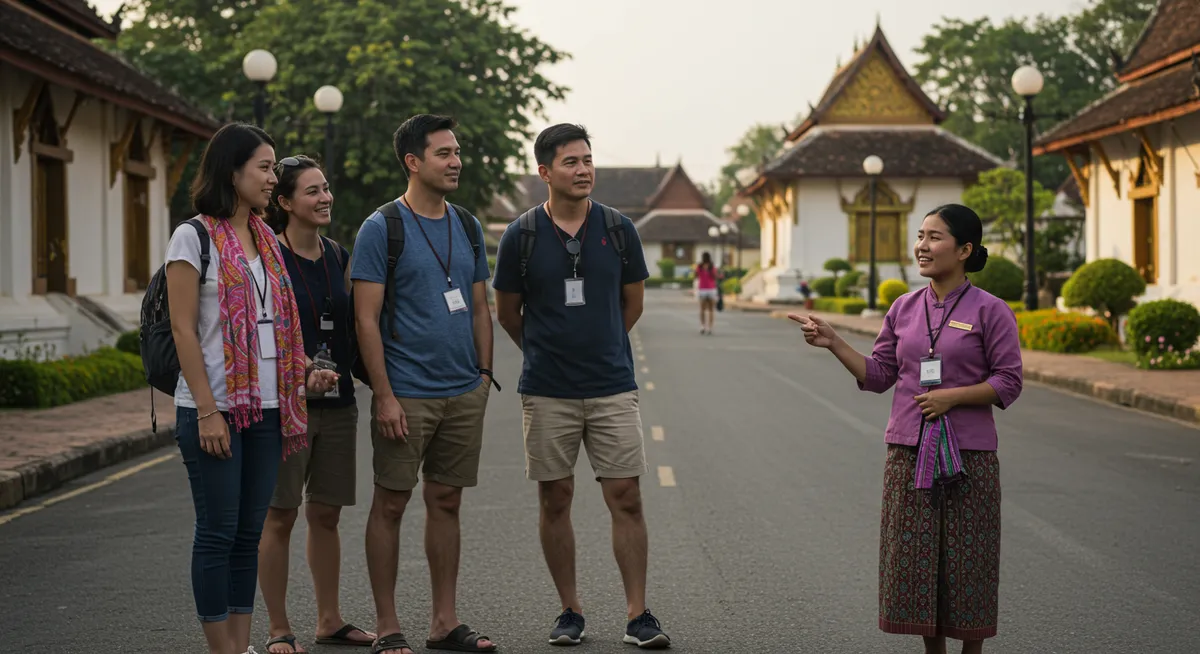
While Vientiane offers a relaxed, walkable experience, embracing its charm safely is paramount. One of the most effective strategies for enhancing your safety and enriching your understanding of the city is by joining a reputable guided walking tour. Far more than just a sightseeing stroll, these tours leverage invaluable local expertise to navigate the city’s nuances, mitigate potential risks, and unlock experiences you might otherwise miss.
Enhanced Safety and Navigation with Local Guides
A knowledgeable local guide is your on-the-ground expert, providing a crucial layer of safety. Vientiane, despite its laid-back vibe, has its challenges for pedestrians: uneven pavements can lead to trips, busy traffic intersections can be daunting, and navigating the sometimes-unmarked backstreets can be confusing. A guide effortlessly leads you through the safest routes, anticipating traffic patterns and pointing out potential hazards before they become an issue. They know which areas might be less well-lit after dark or where petty crime, though rare, could be slightly more prevalent, allowing you to avoid them entirely. In case of a minor mishap, like a twisted ankle from an unexpected pothole, your guide knows the nearest clinic or pharmacy, and how to communicate your needs.
Invaluable Local Insights and Emergency Preparedness
Beyond physical safety, guides offer cultural safety. They’ll explain local customs and etiquette, such as appropriate dress for temples or respectful interactions in markets like Talat Sao, preventing inadvertent cultural faux pas. This insight allows for more genuine and respectful engagement with the local community. In the unlikely event of an emergency, a local guide is equipped with essential knowledge: local emergency numbers, the nearest safe havens, and fluent communication skills to liaise with local authorities or medical personnel. Their presence provides peace of mind, knowing you have a competent local advocate by your side.
Choosing a Trustworthy Tour Operator in Vientiane
To maximize these benefits, select your tour operator wisely. Look for companies with:
- Strong Online Reviews: Check platforms like TripAdvisor, Google Maps, and travel forums for consistent positive feedback, specifically mentioning guide quality and safety.
- Clear Communication: Reputable operators are responsive and transparent about their itineraries, safety protocols, and what’s included.
- Local Expertise: Prioritize operators who employ local Vientiane residents as guides. Their intimate knowledge of the city is unparalleled.
- Appropriate Group Sizes: Smaller groups (typically 6-12 people) often allow for more personalized attention from the guide, making it easier for them to manage the group’s safety and provide individual assistance.
The Indispensable Role of Your Local Guide
Your Vientiane guide is not just a navigator; they are your cultural interpreter, safety monitor, and first point of contact. They have real-time situational awareness, noticing subtle changes in the environment or group dynamics. They can recommend safe places to eat and shop, warn you about scams, and even assist with simple tasks like hailing a tuk-tuk. Investing in a guided walking tour in Vientiane is not just about convenience; it’s about making a conscious choice for a safer, more informed, and ultimately, more enriching exploration of this captivating city.
Vientiane Specifics: Local Insights & Expert Tips
Walking through Vientiane offers a unique immersion into its laid-back charm and rich cultural tapestry. To ensure your walking tour is not only enjoyable but also safe and respectful, here are some Vientiane-specific insights and expert tips.
Respectful Attire for Sacred Sites
Vientiane is home to numerous stunning temples, or wats, which are integral to any walking tour. When visiting these sacred sites, respectful attire is paramount. This means ensuring your shoulders and knees are covered, for both men and women. Loose-fitting trousers, long skirts, or sarongs are ideal. Many locals will appreciate tourists making the effort to dress appropriately. It’s a good practice to carry a lightweight sarong or scarf in your daypack, which can be quickly donned before entering a temple and used to cover up if you’re wearing shorts or a sleeveless top.
Best Times to Walk: Beat the Heat and Crowds
Vientiane’s tropical climate means humidity and heat can be significant, especially during midday. For comfortable and safe walking, plan your excursions for the early morning, typically between 6:00 AM and 9:00 AM. The air is cooler, the light is beautiful for photography, and major attractions like Patuxay or That Luang are less crowded. Alternatively, late afternoon and early evening, from 4:30 PM onwards, offer pleasant temperatures, perfect for strolling along the Mekong Riverside as the sun sets. Avoid walking long distances between 11:00 AM and 4:00 PM to prevent heat exhaustion; this is a great time for lunch or a café break.
Navigating Vientiane: Awareness and Safety After Dark
While Vientiane is generally considered a safe city, exercising caution, especially after dark, is wise. When walking in the evening, stick to well-lit, busy areas such as Setthathirath Road, Samsenthai Road, and the Mekong Riverside promenade. Quieter residential streets, particularly those with dim lighting, are best avoided for solo walking at night. If you’re venturing further or returning to your accommodation late, consider using a ride-hailing app rather than walking. Always be aware of your surroundings, and avoid displaying expensive electronics or large sums of cash openly.
Essential Local Apps for Navigation and Transport
To enhance your Vientiane walking tour experience and ensure peace of mind, a few apps are indispensable:
- Google Maps: Reliable for navigation. Download offline maps of Vientiane before you head out, especially if you anticipate limited data access. It helps immensely with finding your way between landmarks and locating specific addresses.
- LOCA: This is Laos’ most popular ride-hailing app, similar to Uber or Grab. It’s incredibly useful for getting around Vientiane quickly and safely, especially when you’re tired, need to cover longer distances, or are out after dark. It offers transparency in pricing and ensures you’re using a registered driver, adding an extra layer of safety.
- Translator App: While many in tourist areas speak some English, a basic translation app (like Google Translate with offline language packs) can be invaluable for communicating with locals, asking for directions, or understanding signs, enhancing your overall experience and safety.
Emergency Preparedness
Before you embark on your Vientiane walking adventures, ensure you have a few safety measures in place. Keep a small first-aid kit with essentials like band-aids and antiseptic wipes. Always carry sufficient water to stay hydrated. Note down your accommodation’s address and phone number, and keep a digital or physical copy of your passport. In case of an emergency, know the local numbers: Police (191) and Ambulance (195).
Frequently Asked Questions
Q: Is Vientiane generally safe for solo female travelers walking alone?
A: Vientiane is considered very safe for solo female travelers compared to many other cities. However, general precautions apply: avoid walking alone in poorly lit or isolated areas at night, be mindful of your belongings, and trust your instincts. Daytime walking is typically very relaxed and safe.
Q: How should pedestrians deal with Vientiane’s traffic, especially when crossing streets?
A: Vientiane’s traffic can seem chaotic but is generally slower-paced than larger Asian cities. Pedestrian crossings are rare; the best approach is to walk slowly and deliberately, making eye contact with drivers. Motorcyclists and tuk-tuk drivers will often go around you. Avoid sudden movements and never assume vehicles will stop for you.
Q: Are there specific areas in Vientiane to avoid walking at night?
A: Most of Vientiane’s main tourist areas, like the riverside promenade and central temple districts, are well-lit and active at night. However, quieter residential streets or unlit alleys should be avoided after dark. Stick to populated areas and consider using a tuk-tuk or taxi for longer distances at night.
Q: What are common scams to be aware of while walking in Vientiane?
A: While Vientiane is not known for widespread scams, common ones can include inflated prices from tuk-tuk drivers (always agree on a price beforehand), or unsolicited ‘help’ from strangers trying to lead you to specific shops or services for a commission. Be polite but firm in declining unwanted assistance.
Vientiane offers an authentic and rewarding experience for those who choose to explore its charming streets on foot. By prioritizing personal safety, understanding local customs, and preparing for unforeseen circumstances, you can confidently immerse yourself in the city’s tranquil beauty and vibrant culture. Embrace the adventure, stay informed, and enjoy every step of your Vientiane walking tour.