
Vang Vieng Walking Safety Guide: Explore Laos on Foot (2026)
Stay safe exploring Vang Vieng on foot! Get practical tips for walking tours, essential gear, local insights, and how to enjoy Laos’ natural beauty safely and enjoyably.
On this page
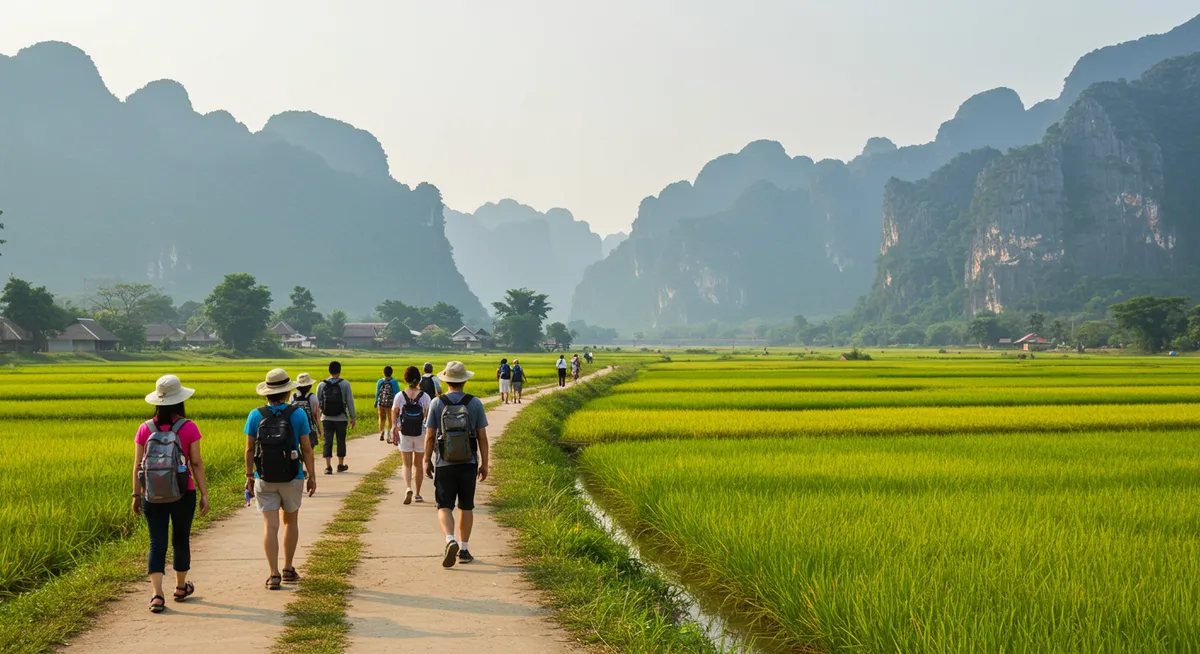
Vang Vieng, with its dramatic karst landscapes, serene Nam Song River, and charming local villages, is a paradise for walkers. Exploring on foot offers unparalleled intimacy with its natural beauty and vibrant culture, revealing hidden caves, panoramic viewpoints, and authentic daily life. To ensure your walking adventure is as safe as it is spectacular, this comprehensive guide provides practical tips and expert advice for navigating Vang Vieng’s trails and roads.
Key Tips and Takeaways
- Hydrate relentlessly: Always carry more water than you think you’ll need.
- Footwear is foundational: Invest in sturdy, comfortable, and appropriate walking shoes.
- Inform someone: Let your guesthouse or a friend know your planned route and return time.
- Respect local culture: Dress modestly, especially in villages, and greet locals with a smile.
- Stay vigilant: Be aware of traffic on shared roads and uneven trail conditions.
- Protect from elements: Sunscreen, hat, and insect repellent are non-negotiable.
- Consider a guide: For remote areas or richer cultural insights, a local guide is invaluable.
Why Walk Vang Vieng? Unique Perspectives & Rewards
While Vang Vieng is often synonymous with scooters and tuk-tuks zipping between popular spots, embracing a walking tour unlocks a truly unique and rewarding perspective of this Lao gem. Choosing to explore on foot allows you to peel back the layers of the landscape and culture, revealing authentic experiences often missed from the window of a moving vehicle.
Unveiling Hidden Gems & Authentic Encounters
The beauty of walking in Vang Vieng lies in its ability to lead you off the beaten path. Beyond the main tourist thoroughfares, you’ll discover charming local villages nestled among the rice paddies, where daily life unfolds at a gentle pace. Hear the distant calls of roosters, observe farmers tending their fields, and witness children playing. These are the genuine moments that create lasting memories, offering an intimate glimpse into the local way of life that a quick drive simply can’t provide.
Walking also fosters organic interactions with the locals. A simple “Sabaidee” (hello) as you pass by can open doors to friendly smiles and curious conversations. You might stumble upon a small, family-run shop selling handmade crafts or a local eatery serving up incredibly fresh, authentic Lao cuisine. These are the moments of discovery and connection that truly enrich your travel experience.
Immersive Scenic Routes & Sensory Rewards
Vang Vieng’s dramatic karst mountains and lush, green landscapes are best appreciated at a walker’s pace. Step away from the dusty main roads, and you’ll find serene trails winding through paddy fields, alongside the tranquil Nam Song River, and towards less-visited caves or viewpoints. The slower pace allows you to fully absorb the stunning vistas, notice intricate details of flora and fauna, and truly feel the gentle breeze. You’ll hear the rustle of leaves, the chirping of unseen birds, and perhaps the distant splash of a local fishing. It’s a multi-sensory experience that connects you more deeply with the natural environment.
Making the Most of Your Walking Adventure
To ensure your Vang Vieng walking tour is as rewarding as possible, keep these practical tips in mind:
- Start Early: The mornings are cooler and quieter, offering pleasant temperatures for walking before the midday heat sets in.
- Hydrate Constantly: Vang Vieng’s humidity can be intense. Carry plenty of water and rehydrate frequently. Consider electrolyte drinks for longer walks.
- Wear Appropriate Footwear: Sturdy, comfortable walking shoes are non-negotiable. Trails can be uneven, rocky, or muddy, especially after rain.
- Dress Respectfully & Practically: Lightweight, breathable clothing is best. For sun protection, a wide-brimmed hat, sunglasses, and sunscreen are essential. If you anticipate visiting temples or local homes, a sarong or light scarf can be useful to cover shoulders and knees.
- Carry Essentials: Besides water, bring insect repellent, a small first-aid kit (blister plasters!), a power bank for your phone, and a camera to capture the breathtaking scenery. Always have some local currency (Lao Kip) for small purchases or emergencies.
- Embrace the Detours: Don’t be afraid to take a spontaneous turn down a promising-looking path (provided it feels safe and open to public access). Some of the best discoveries are made by chance.
- Be Mindful & Respectful: Always greet locals with a “Sabaidee,” ask for permission before taking photos of people, and be aware of your surroundings. Remember you are a guest in their home.
Walking in Vang Vieng isn’t just about getting from one place to another; it’s an immersive journey that offers unparalleled insights into its landscapes, culture, and people. It’s an investment in an authentic travel experience that pays dividends in memories and a profound sense of discovery.
Pre-Tour Preparation: Planning Your Vang Vieng Walk
A Vang Vieng walking tour offers incredible views and unique experiences. Smart preparation is key for a safe journey. Before heading out, dedicate time to planning your route and understanding local conditions. This proactive approach ensures you’re ready for Vang Vieng’s diverse landscape.
Research Your Route Thoroughly
Vang Vieng has many walking destinations: Blue Lagoons (Blue Lagoon 1 often most accessible), Tham Phu Kham (Water Cave), and panoramic viewpoints like Pha Ngern. Check recent traveler reviews for current trail conditions. For further spots, consider if the entire journey is walkable or if a short tuk-tuk ride is needed. Download offline maps (e.g., Maps.me) as mobile signal is unreliable outside town.
Check the Weather Forecast Religiously
Vang Vieng’s climate brings scorching dry season days (Nov-Apr) and torrential wet season downpours (May-Oct). Both require consideration. Wet season rain makes trails muddy, slippery, and river crossings dangerous; postpone strenuous hikes if rain is forecast. Dry season heat can cause dehydration; start walks early to avoid midday sun. Always check the specific Vang Vieng forecast, considering recent rainfall effects.
Understand the Trail Difficulty
Trails vary dramatically. A Nam Song River stroll is flat, but a Pha Ngern Viewpoint hike is a steep, challenging ascent over rocky terrain. Don’t underestimate the effort, especially in heat. Be honest about your fitness. Choose a route matching your capabilities, looking for descriptions detailing elevation, terrain (e.g., dirt, rocky, muddy), and estimated time.
Inform Someone of Your Itinerary
This is a non-negotiable safety step, especially if venturing alone. Let your guesthouse reception know your intended route, destination, and estimated return time. If traveling with friends, share your plan. This provides a crucial safety net in case of emergency or getting lost, as patchy mobile service might prevent calling for help when most needed.
Ensure Your Phone is Fully Charged (and bring a Power Bank!)
Your smartphone is a vital safety tool. A fully charged phone is essential for navigation using offline maps, making emergency calls (if signal permits), and even as a flashlight if out longer than expected. Given potential for long days out and unreliable charging points, a portable power bank is an absolute must-have to keep your device alive and ready for action throughout your Vang Vieng walking adventure.
Essential Gear for Vang Vieng Walkers: What to Bring
⭐ Recommendation: Don't miss out on amazing Vang Vieng tours - book now!
Embarking on a walking tour in Vang Vieng promises breathtaking scenery and unforgettable experiences, but the diverse terrain, from dusty tracks to rocky paths, river crossings, and potentially muddy trails (especially during the rainy season), demands proper preparation. Equipping yourself with the right gear isn’t just about comfort; it’s fundamental for your safety and enjoyment. Here’s a detailed checklist of essentials to ensure your Vang Vieng walking adventure is as smooth as possible.
Footwear: Your Foundation for Exploration
This is arguably the most critical item. Ditch the flip-flops for serious walking. You’ll need sturdy, closed-toe footwear with excellent grip. Ideally, choose waterproof hiking sandals or lightweight hiking shoes. Vang Vieng’s trails can be uneven, rocky, and often involve crossing small streams or navigating slippery sections, particularly near caves or after rainfall. A good pair will protect your feet from sharp stones, mud, and provide necessary traction on varied surfaces.
Clothing: Beat the Heat and Humidity
Vang Vieng is hot and humid year-round. Opt for lightweight, breathable fabrics like quick-dry synthetics, linen, or light cotton. Long-sleeved shirts and long pants, while seemingly counterintuitive, can offer excellent protection from the sun and insects. They also provide a level of modesty appreciated when passing through local villages. Choose light colors to reflect sunlight and keep you cooler.
Sun Protection: Shield Yourself from the Tropical Sun
The Laotian sun can be intense. A wide-brimmed hat (or cap) will shield your face and neck, while good quality sunglasses protect your eyes from glare. Most importantly, carry and frequently reapply high-SPF (50+) sunscreen, especially on exposed skin. Even on cloudy days, UV radiation is strong, and many trails offer limited shade.
Insect Repellent: A Must-Have in the Tropics
Mosquitoes are prevalent in Vang Vieng, especially near water sources and during dawn/dusk. A reliable insect repellent (containing DEET or picaridin) is crucial to prevent bites and reduce the risk of mosquito-borne diseases like dengue fever. Apply it generously before you set off and reapply as needed.
Water: Hydration is Non-Negotiable
You’ll be sweating a lot in Vang Vieng’s climate. Carry ample water—more than you think you’ll need. A reusable water bottle is ideal, and consider bringing electrolyte tablets or sachets to replenish essential salts lost through perspiration. Dehydration can quickly sap your energy and ruin your day, so stay hydrated throughout your walk.
Basic First-Aid Kit: Prepare for Minor Mishaps
A small, personal first-aid kit can be a lifesaver for minor scrapes or blisters that are common on trails. Include blister plasters, antiseptic wipes, pain relievers, small bandages, insect bite cream, and any personal medications you might require. While Vang Vieng town has pharmacies, access to them might be limited once you’re on a remote trail.
Power Bank: Stay Connected and Charged
Your smartphone can be a valuable tool for navigation (offline maps!), photography, and emergencies. A fully charged power bank ensures your devices don’t run out of juice mid-adventure. This is especially useful if you’re out for an extended period or exploring less-traffled routes.
Headlamp or Flashlight: For Caves and Unexpected Delays
Many of Vang Vieng’s iconic walking tours involve exploring caves, some of which require a light source (even if a guide provides one, a personal backup is wise). A compact headlamp or flashlight is also invaluable if your return to town is delayed and you find yourself walking after sunset, navigating unlit paths.
Small Backpack: Carry It All Comfortably
A comfortable, lightweight small backpack (15-25 liters is usually sufficient) is essential to carry all your gear hands-free. Look for one with good ventilation and, ideally, some water resistance or a rain cover, especially during the rainy season. This allows you to move freely and focus on the stunning scenery around you.
Packing smart for your Vang Vieng walking tour will significantly enhance your experience, allowing you to fully immerse yourself in the natural beauty and adventure of this incredible destination. Stay safe, stay comfortable, and enjoy every step!
Navigating Vang Vieng: Safety on the Trails & Roads
Navigating Vang Vieng on foot offers an incredible immersion into its stunning landscapes, but it requires a keen awareness of your surroundings. Unlike urban centers, Vang Vieng’s charm lies in its rural, often unpaved paths and the unique rhythm of local life, which means understanding how to move safely is paramount for an enjoyable walking tour.
On the Trails and Paths
Many of Vang Vieng’s most captivating sights – from the Blue Lagoons to various caves – are accessed via dirt trails that wind through rice paddies, alongside rivers, and through small villages. While often well-trodden, these paths are rarely manicured. Be prepared for:
- Uneven and Muddy Terrain: Especially during or after the rainy season (roughly May to October), paths can become extremely muddy and slippery. Even in dry periods, expect loose rocks, roots, and uneven surfaces. Proper, closed-toe footwear with good grip is non-negotiable.
- Sticking to Marked Paths: While tempting to explore, it’s best to stick to clearly visible and commonly used trails. Some areas might be private property, and others could lead to less stable ground or areas with local livestock. If in doubt, retrace your steps or ask a local for directions.
Crossing Bamboo Bridges
Iconic to Vang Vieng, numerous bamboo bridges span the Nam Song River, offering picturesque shortcuts to lagoons, caves, and viewpoints. These bridges are often built seasonally or by local villagers and can feel quite wobbly! Here’s how to cross them safely:
- One Person at a Time (or Few): Avoid crossing in a large group. Allow others to cross before you, especially if the bridge appears narrow or less sturdy.
- Watch Your Step: The bamboo slats can be uneven, and sometimes missing. They can also be incredibly slick when wet. Look down and pick your footing carefully.
- Use Handrails: Many bridges have makeshift bamboo handrails. Use them for balance, but test their stability first.
- Mind the Toll: Some bridges, particularly those leading to popular attractions, are privately maintained by local families and may require a small toll (typically 5,000-10,000 LAK per person). This contributes to their upkeep.
Sharing the Roads with Local Traffic
Vang Vieng is a town where pedestrians, motorbikes, scooters, tuk-tuks, and even the occasional large bus often share the same narrow roads, especially outside the bustling town center. There are very few dedicated sidewalks, so vigilance is key:
- Walk Facing Traffic: Always walk on the side of the road facing oncoming traffic. This allows you to see vehicles approaching and react accordingly.
- Expect the Unexpected: Local traffic may not always adhere to strict rules. Scooters can appear silently from behind, and tuk-tuks often pull over abruptly. Stay alert, make eye contact with drivers when possible, and be prepared to step aside quickly.
- Nighttime Visibility: If walking after dusk, wear bright clothing or use a headlamp/torch. Many roads are poorly lit, and vehicles may not have bright headlights.
Leveraging Offline Maps and GPS
While Vang Vieng is relatively compact, wandering off the main routes can lead to getting disoriented, especially with limited mobile signal in some rural areas. Your smartphone can be your best navigational tool:
- Download Offline Maps: Before you head out, download offline maps of Vang Vieng and its surrounding areas using apps like Google Maps or Maps.me. These allow you to navigate without an internet connection.
- Pin Key Locations: Mark your accommodation, planned attractions (caves, lagoons, viewpoints), and any pre-arranged meeting points on your map. This makes it easier to find your way back or identify alternative routes.
- Battery Life: GPS usage can drain your phone battery quickly. Carry a portable power bank, especially on longer walks.
By being mindful of these navigational tips, you’ll be well-prepared to safely and confidently explore the incredible beauty of Vang Vieng on foot, ensuring your walking tour is nothing short of amazing.
Weather & Environmental Awareness: Be Prepared
Vang Vieng’s stunning karst landscapes and river trails are best enjoyed on foot, but understanding its tropical climate is key to a comfortable and safe experience. Being prepared for the weather ensures your walking tour remains an adventure, not a challenge.
Heat and Humidity: Embrace the Sun Safely
Vang Vieng experiences high temperatures and significant humidity year-round, peaking during the dry season (October to April). Daytime temperatures can easily reach 30-35°C (86-95°F) or higher. To manage the heat effectively:
- Hydration is Non-Negotiable: Carry plenty of water and sip frequently, even if you don’t feel thirsty. Electrolyte drinks or rehydration salts can also be beneficial, especially on longer walks. Bottled water is readily available throughout town.
- Time Your Walks Wisely: Avoid the midday sun (typically 11:00 AM to 3:00 PM) when temperatures are highest. The best times for walking are early mornings (before 9:00 AM) or late afternoons (after 4:00 PM) when the air is cooler and the light is beautiful for photography.
- Dress for Success: Opt for light-colored, loose-fitting clothing made from breathable fabrics like cotton or linen. A wide-brimmed hat and sunglasses are essential for sun protection.
- Sun Protection: Apply high-SPF sunscreen generously and reapply often, especially if you’re sweating or near water.
- Pace Yourself: Don’t try to rush. Take frequent breaks in the shade, listen to your body, and don’t hesitate to cut a walk short if you feel overheated or fatigued.
Monsoon Season Challenges: Navigate the Wet Wonder
The wet season (May to September) transforms Vang Vieng into a lush, green paradise, but it also brings unique considerations for walkers:
- Slippery Trails: Rain can turn dirt paths and rocky trails incredibly muddy and slick. Invest in waterproof walking shoes with excellent grip. Be extra cautious on inclines, declines, and near riverbanks.
- Flash Flood Awareness: During heavy rainfall, rivers and streams can swell rapidly, making crossings dangerous or impossible. Always check local conditions with your guesthouse or locals before embarking on walks near waterways, especially after prolonged rain. Never attempt to cross fast-moving water.
- Embrace Rain Gear: A lightweight, packable rain jacket or poncho is a must-have. Consider waterproof covers for your backpack and electronics to protect your valuables.
- Reduced Visibility: Heavy rain can sometimes reduce visibility, making it harder to navigate or appreciate the scenery. Plan shorter walks on these days.
Sudden Thunderstorms: Seek Safe Shelter
Regardless of the season, Vang Vieng can experience sudden, intense thunderstorms, often appearing with little warning, particularly in the afternoons. If you’re caught in one:
- Seek Immediate Shelter: Look for sturdy buildings like local shops, guesthouses, or restaurants. Avoid sheltering under trees, as they attract lightning and falling branches are a hazard.
- Avoid Open Areas: If you’re in an open field, try to find lower ground and crouch down, minimizing your contact with the ground.
- Wait It Out: Most tropical storms pass quickly. Be patient and wait for the thunder and lightning to subside before continuing your walk.
By being mindful of Vang Vieng’s dynamic weather patterns and taking simple precautions, you’ll be well-equipped to enjoy every step of your walking adventure safely and comfortably.
Local Culture & Customs: Respectful Exploration
⭐ Recommendation: Don't miss out on amazing Vang Vieng tours - book now!
Embarking on a Vang Vieng walking tour offers an incredible opportunity to connect with the landscape and its people. To truly enrich your experience and ensure you leave a positive impression, understanding and respecting local culture and customs is paramount. Laos is a deeply traditional country, and a little cultural sensitivity goes a long way in forging genuine connections and ensuring your safety and enjoyment.
Dress Modestly, Especially in Villages and Temples
When planning your walking route, be mindful that you’ll likely pass through local villages, farmlands, and possibly near or even inside temples or religious sites. For instance, paths leading to viewpoints or the area around Tham Chang Cave often skirt local communities. To show respect, particularly in these areas, it’s advisable to dress modestly. This means covering your shoulders and knees. Lightweight, breathable long pants or skirts, and t-shirts or tops with sleeves are perfect choices for both comfort during your walk and cultural appropriateness. Remember to remove your shoes before entering any homes or temples, a common practice across Laos.
Ask Permission Before Taking Photos of People
The people of Vang Vieng are often friendly and welcoming, but privacy is respected. Before pointing your camera at individuals, especially children, monks, or anyone engaged in their daily life or religious practice, always ask for permission. A simple gesture, a smile, or learning a few basic Lao phrases like “Sabaidee” (hello) and then gesturing to your camera can suffice. Most locals will be happy to oblige, but if they decline, respect their wishes without hesitation. This respectful approach helps maintain positive interactions and avoids discomfort.
Greet Locals with a ‘Sabaidee’
One of the easiest and most impactful ways to show respect and build rapport during your walk is to greet locals you encounter. A warm “Sabaidee” (pronounced sah-bye-dee) accompanied by a smile is always appreciated. Many Lao people will return your greeting with equal warmth, and you might even experience the traditional “Nop” (a prayer-like hand gesture at chest level). Engaging in these simple greetings can open doors to more authentic interactions and make your walk feel less like observation and more like participation.
Respect Private Property and Local Traditions
While exploring Vang Vieng on foot, you’ll often find yourself amidst rural landscapes that are also someone’s livelihood or home. Always stick to established paths and avoid wandering into private property, such as rice paddies, gardens, or residential compounds, without explicit invitation. Respect the tranquility of villages and be mindful of noise levels, especially during early mornings or evenings when families are gathering. Understand that certain sites or objects may hold spiritual significance; avoid touching religious artifacts or statues, and never touch a monk. Observing these simple rules ensures you’re a respectful guest and contributes to a harmonious experience for everyone.
Wildlife & Natural Hazards: What to Watch For
Vang Vieng’s allure lies in its spectacular natural environment – the towering limestone karsts, the meandering Nam Song River, and the lush rice paddies. While breathtaking, this wild beauty also means encountering various forms of wildlife and natural terrain challenges. Awareness, not fear, is your best defense.
Insects: The Persistent Companions
- Mosquitoes: These are ubiquitous, especially near water bodies like the river and rice fields, and particularly active during dawn and dusk. While a bite is often just an itchy nuisance, mosquitoes can carry diseases like dengue fever.
- Prevention: Always apply a good quality insect repellent (preferably one with DEET or picaridin) before heading out, especially if trekking through vegetation or near water. Wearing long-sleeved shirts and long trousers, even in the heat, offers excellent protection.
- Leeches: After rainfall, especially if you venture onto muddier forest trails or through overgrown paths in rice paddies, leeches can become an unwelcome presence. They’re typically harmless but can cause minor bleeding and irritation.
- Prevention: Wear closed-toe shoes and tuck your trousers into your socks if you anticipate wet, muddy conditions. Some travelers even wear gaiters for extra protection.
- Removal: If a leech attaches, do NOT pull it off forcefully, as this can leave mouthparts embedded and cause infection. Instead, use a blunt object (like a credit card edge or fingernail) to gently push it away from your skin. You can also apply a pinch of salt, a drop of hand sanitizer, or a bit of heat (from a lit match, briefly applied to the leech’s body, not your skin) to make it detach. Once removed, clean the wound with antiseptic and apply pressure to stop any minor bleeding.
Snakes: Rare Encounters, Important Caution
While very rare to encounter on popular walking trails, snakes do inhabit the dense vegetation and rocky crevices of Vang Vieng’s wilderness. Most are harmless, but some can be venomous.
- Prevention: Stick to marked paths and trails. Watch where you step, especially when walking through tall grass or over rocky terrain. Avoid putting your hands into dark crevices or under rocks.
- Action: If you see a snake, maintain a respectful distance and do not attempt to approach or provoke it. They are usually more afraid of you and will retreat if given space.
Poisonous Plants: Look But Don’t Touch
The lush environment of Vang Vieng hosts a vast array of flora. While most are benign, some plants can cause skin irritation or be toxic if ingested. It’s best to assume that any unknown plant could be potentially irritating.
- Prevention: Adopt a “look but don’t touch” policy for any unfamiliar vegetation. Avoid brushing against plants when walking through dense areas, especially if you’re not wearing long sleeves and trousers. Do not consume any wild berries, fruits, or leaves unless you are absolutely certain of their identity and safety.
- Action: If you accidentally make contact with a plant and develop a rash or irritation, wash the affected area thoroughly with soap and water as soon as possible. If symptoms persist or worsen, seek local medical advice.
Navigating Karst Formations Safely
Vang Vieng’s iconic limestone karsts offer incredible opportunities for exploration, including cave visits and elevated viewpoints. However, these natural formations present their own set of hazards.
- Uneven and Slippery Terrain: Trails around and within the karsts can be uneven, rocky, and extremely slippery, especially after rain or inside damp caves.
- Prevention: Always wear sturdy, closed-toe walking shoes with good grip. Take your time, watch your footing, and use your hands for balance where necessary.
- Loose Rocks and Sharp Edges: The limestone can be crumbly in places, and sharp edges are common.
- Prevention: Be mindful of your surroundings and avoid dislodging rocks. If exploring caves, a headlamp is essential, and it’s highly recommended to go with an experienced local guide who knows the safest routes.
By being prepared and mindful of your surroundings, you can safely immerse yourself in the incredible natural beauty of Vang Vieng.
Emergency Preparedness & Communication
While Vang Vieng offers breathtaking scenery and a generally laid-back atmosphere, venturing out on walking tours, especially into the more remote karst landscapes, requires a degree of self-reliance and preparedness. Knowing what to do in an emergency can turn a potential crisis into a manageable setback, ensuring your safety and peace of mind.
Carrying Essential Contact Information
Your first line of defense is having critical contact numbers readily available. Don’t rely solely on your phone’s memory or internet access, as both can fail. Write these down on a piece of paper and keep it separate from your phone:
- Police: 191
- Ambulance: 195
- Your Guesthouse/Hotel: Crucially, keep your accommodation’s phone number handy. Inform them of your planned route, especially if you’re venturing off well-trodden paths or on a longer trek. They can be invaluable if you’re delayed or need assistance, and often have local contacts or can help communicate with authorities.
- Travel Insurance Emergency Line: If you have travel insurance, ensure you have their 24/7 emergency contact number.
Understanding Mobile Signal Limitations
While Vang Vieng town generally offers decent mobile signal, once you venture into the surrounding countryside, towards iconic spots like the Blue Lagoon, Tham Phu Kham, or secluded viewpoints, mobile reception can become unreliable or non-existent. The towering limestone karsts often block signals, creating dead zones.
- Don’t Rely Solely on Your Phone: Download offline maps (e.g., Google Maps, Maps.me) of the area before you leave Wi-Fi. Inform someone of your itinerary.
- Local SIM Card: Consider purchasing a local SIM card (Unitel or Lao Telecom are common providers) for better coverage if you plan extensive remote exploration, but still be aware of potential dead zones.
- Power Bank: Always carry a fully charged power bank. Even without signal, your phone is still useful for offline maps, a flashlight, or taking photos.
Basic First Aid for Common Injuries
Even on seemingly simple walks, minor mishaps can occur. Being prepared to handle common injuries can prevent them from escalating. A small, well-stocked personal first-aid kit is a non-negotiable item for any Vang Vieng walking tour.
Your Basic First-Aid Kit Should Include:
- Antiseptic wipes or solution
- Various sizes of band-aids and sterile gauze pads
- Medical tape
- Blister plasters or moleskin
- Pain relievers (e.g., paracetamol/ibuprofen)
- Antihistamines (for insect bites or allergic reactions)
- Small scissors and tweezers
How to Handle Common Walking Injuries:
- Scrapes and Minor Cuts: Clean the wound thoroughly with an antiseptic wipe or solution. Apply a sterile band-aid or gauze pad. Keep an eye on it for signs of infection (redness, swelling, pus).
- Blisters: Clean the area. For intact blisters, try to avoid popping them to prevent infection; apply a blister plaster. If a blister pops on its own, clean it, drain the fluid, and cover it with a sterile dressing.
- Minor Sprains (Ankles/Wrists): If you twist an ankle or wrist, remember R.I.C.E.: Rest the injured limb, apply Ice (if available, e.g., a cold water bottle), apply gentle Compression (like a bandage), and Elevate the injured area. Do not continue walking on a painful sprain. Seek medical attention back in town if the pain is severe or persistent.
For anything beyond minor injuries, your best course of action is to return to Vang Vieng town. There are small clinics and pharmacies available. For more serious medical emergencies, transportation to a larger hospital in Vientiane (about 3-4 hours away) might be necessary, so knowing your travel insurance details is crucial.
Making the Most of Your Vang Vieng Walking Experience
Vang Vieng is a wonderland best explored on foot, offering a breathtaking tapestry of limestone karsts, emerald rice paddies, and the meandering Nam Song River. To truly unlock the magic of your Vang Vieng walking adventure and ensure it’s both safe and memorable, here are some expert tips to enhance your experience.
Consider a Local Guide for Deeper Insights and Safety: While many walks around Vang Vieng are easily navigable, for longer treks or venturing off the beaten path, hiring a local guide is invaluable. They offer profound cultural and historical insights, leading you to hidden caves, secluded viewpoints like Pha Ngern, or traditional villages. Crucially, they enhance your safety with unmatched knowledge of terrain, local customs, and potential hazards, especially on less-trodden trails or during the rainy season.
Embrace Unexpected Detours: Vang Vieng’s charm often lies in its unplanned discoveries. Don’t be afraid to veer slightly off a mapped route if a small path catches your eye, perhaps leading to a picturesque rice field, a quiet riverside stretch, or an authentic local interaction. These spontaneous moments often become the most cherished memories, offering a glimpse into everyday life beyond the main tourist hubs.
Support Local Vendors: As you wander, you’ll encounter numerous small businesses and vendors. Whether buying a refreshing fruit shake from a roadside stall, a hand-woven textile, or a simple snack, make an effort to support these local enterprises. A friendly smile and a purchase, even small, contribute directly to the community’s well-being and offer a genuine connection with the people of Vang Vieng.
Take Frequent Breaks and Hydrate: Laos’ tropical climate means high temperatures and significant humidity. Prioritize your well-being by taking regular breaks to rest, cool down, and rehydrate. Seek out shaded spots, a charming riverside cafe, or a simple bamboo *sala* for a pause. Always carry plenty of water (a reusable bottle is great for minimizing plastic). Listen to your body and don’t push yourself too hard, especially during the midday sun.
Remember to Soak in the Stunning Scenery: It’s easy to focus on navigating, but Vang Vieng demands you slow down and appreciate its natural grandeur. Pause frequently to truly absorb the dramatic limestone karsts, the serene flow of the Nam Song River, and the vibrant green of the rice paddies. Bring a camera, but also take moments to simply breathe it all in without the lens – especially at sunset, when the mountains glow with an ethereal light.
Essential Walking Tour Checklist for Vang Vieng:
- Footwear: Sturdy, good-grip walking shoes or sandals for varied terrain.
- Clothing: Light, breathable, quick-drying; modest for villages/temples.
- Sun Protection: Hat, sunglasses, high-SPF sunscreen.
- Hydration: Plenty of water (reusable bottle ideal).
- Insect Repellent: Essential, especially near water/lush areas.
- Small Backpack: For essentials.
- Local Currency (Lao Kip): Small denominations for vendors.
- Basic First-Aid: Blister plasters, antiseptic wipes, pain relievers.
- Power Bank: For phone/camera charging/navigation.
By keeping these tips in mind, your Vang Vieng walking experience will transform into an immersive journey of discovery, connection, and unforgettable natural beauty.
Frequently Asked Questions
Q: Is Vang Vieng safe for walking alone?
A: Generally, yes, Vang Vieng is safe for solo walkers, especially on popular routes and areas close to town. However, for longer, more remote treks, it’s safer to go with a companion or hire a local guide. Always inform someone of your plans.
Q: Are there official, well-marked walking trails in Vang Vieng?
A: While some popular destinations like viewpoints and caves have clear paths, many ‘walking tours’ in Vang Vieng involve informal village paths, dirt roads, and trails that might not be clearly marked. Using an offline map like Maps.me and being aware of your surroundings is crucial.
Q: Do I need a guide for free walking tours in Vang Vieng?
A: For short walks around town or to popular nearby attractions, a guide isn’t strictly necessary. However, for longer treks, exploring less-traveled areas, or wanting deeper insights into local culture and nature, hiring a local guide is highly recommended for safety and enrichment.
Q: What’s the best time of year for walking in Vang Vieng?
A: The dry season (November to February) offers the most pleasant walking conditions with cooler temperatures and less humidity. The wet season (May to October) can make trails very muddy and slippery, though the landscapes are incredibly lush.
Q: What kind of footwear is best for Vang Vieng’s terrain?
A: Sturdy, closed-toe walking shoes or hiking sandals with good grip are ideal. Paths can be rocky, dusty, or muddy. Waterproof options are beneficial, especially if crossing streams or walking after rain.
Vang Vieng is an adventurer’s dream, offering boundless opportunities for exploration on foot. By prioritizing safety through thoughtful preparation, smart packing, and respectful engagement with local culture, you’re set to unlock the true magic of this Laotian gem. Embrace the journey, trust your instincts, and let the captivating landscapes of Vang Vieng guide your unforgettable walking adventure.