
Haiphong Walking Tours: Top Companies & Local Guides (2026)
Discover the best walking tour companies and local guides in Haiphong, Vietnam. Get practical tips and expert advice for an unforgettable exploration on foot.
On this page
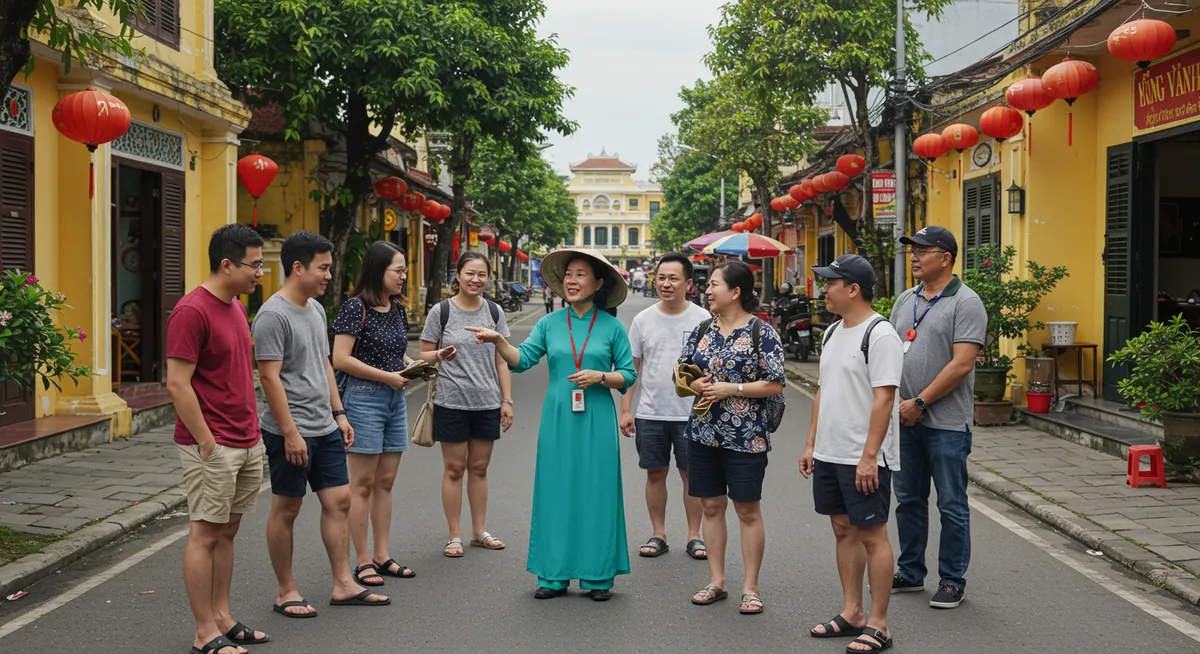
Haiphong, Vietnam’s bustling port city, offers a unique blend of colonial charm, vibrant street life, and authentic local culture. While many travelers opt for motorbikes or taxis, the true essence of Haiphong is best experienced on foot. A walking tour not only allows you to delve deeper into its hidden alleys and bustling markets but also connects you directly with the city’s pulse. This guide will help you navigate the landscape of walking tour companies and independent guides in Haiphong, ensuring a safe, enjoyable, and insightful exploration.
Key Tips and Takeaways
- Prioritize local, experienced guides for authentic Haiphong insights.
- Book food tours for an unparalleled culinary adventure.
- Wear comfortable shoes and stay hydrated; Haiphong can be hot and humid.
- Always check recent reviews and verify guide credentials.
- Consider combining a structured tour with independent exploration for a comprehensive experience.
Why Choose a Walking Tour in Haiphong?
Haiphong, often dubbed the “City of Flame Trees” or the “Port City,” pulsates with a vibrant energy that’s best absorbed at street level. While motorbikes offer speed and taxis provide convenience, neither truly immerses you in the authentic rhythm of Haiphong quite like a walking tour. Choosing to explore Haiphong on foot isn’t just a mode of transport; it’s a philosophy of travel that unlocks deeper connections and unforgettable discoveries.
Immersive Cultural Deep Dive
Walking allows you to engage all your senses with Haiphong’s unique blend of French colonial charm and bustling Vietnamese urban life. You’ll truly feel the city’s pulse – from the aroma of freshly brewed Vietnamese coffee wafting from a sidewalk cafe to the sizzle of Banh Da Cua (crab noodle soup) at a street stall. You can pause to admire the ornate details of the Haiphong Opera House, the classic architecture along Dinh Tien Hoang Street, or simply watch locals going about their daily lives. Unlike zipping by in a vehicle, on foot, you become part of the tapestry, not just an observer.
Unearthing Haiphong’s Hidden Gems
Haiphong is a city of charming secrets, tucked away down narrow alleys (known as ngõ). These are the places where motorbikes rarely venture, but your two feet can lead you to true local treasures. Imagine stumbling upon a serene, centuries-old pagoda tucked behind a row of modern shops, discovering a family-run artisan workshop, or finding the city’s best kept-secret street food vendor that only locals know. A walking tour is your passport to these authentic, off-the-beaten-path experiences that define the true Haiphong beyond its main attractions.
Connecting with Locals & Authentic Encounters
On foot, opportunities for genuine interaction abound. A smile from a street vendor, a nod from a resident, or a brief conversation facilitated by your guide can transform your trip. You’ll observe daily routines – children playing, elders chatting over tea, vendors arranging their wares – offering an unfiltered glimpse into Haiphong life. This human connection is often the most memorable part of any journey, and it’s something that motorized transport rarely facilitates.
A Sustainable and Healthy Choice
Beyond the cultural benefits, choosing a walking tour is an inherently sustainable way to travel. It reduces your carbon footprint, contributing to a more eco-conscious visit to Haiphong. Plus, it’s a fantastic way to stay active and healthy while on vacation. Exploring the city’s sights and sounds doubles as a refreshing workout, ensuring you return home with both incredible memories and a renewed sense of well-being.
The Perfect Pace for Discovery
Haiphong’s city center is surprisingly compact and walkable, making it ideal for exploration on foot. You can dictate your pace, lingering longer at a particular spot that catches your eye, or darting into a shop that piques your interest. This flexibility is impossible when you’re reliant on fixed routes or the speed of a vehicle. It allows for spontaneous discovery and a more intimate relationship with the city’s charming chaos and hidden tranquility.
In summary, while Haiphong offers various modes of transport, a walking tour promises an unparalleled, multi-sensory journey into its very soul. It’s an investment in authentic experiences, local connections, and a deeper understanding of this captivating Vietnamese port city.
Understanding Haiphong’s Walking Tour Ecosystem
Navigating Haiphong on foot is arguably the best way to truly absorb its unique character, from bustling markets to tranquil tree-lined boulevards and impressive colonial architecture. But before you lace up your walking shoes, understanding the city’s diverse walking tour ecosystem will help you choose the perfect experience for your travel style and interests.
Here’s an overview of the options available for exploring Haiphong on foot, each with its own distinct advantages and considerations:
Established Tour Companies (Local & International)
- Pros: Offer reliability, structured itineraries, and typically guarantee English-speaking guides. They handle logistics, ensuring a hassle-free experience, perfect for first-time visitors seeking an overview of Haiphong’s highlights like the French Quarter and Opera House.
- Cons: Group sizes can be larger, leading to a less personalized or flexible experience. They often stick to well-trodden paths and are generally more expensive.
- Practical Tip: Research local Vietnamese tour operators or larger regional companies. Check online reviews diligently for Haiphong-specific offerings.
Independent Local Guides
- Pros: Offer unparalleled flexibility, deep local knowledge, and an authentic experience. You can customize your tour to focus on specific interests, from exploring Cho Sat Market to diving into local life, often at a more affordable price.
- Cons: Finding reputable guides can require more effort, relying on word-of-mouth or online communities. English proficiency can vary, and there’s less formal oversight.
- Practical Tip: Inquire at local expat groups or guesthouses for recommendations. Clearly communicate your expectations beforehand.
Hotel-Arranged Tours
- Pros: Primarily convenience – easily booked, often last-minute, and hotels usually vet their guides. These can be a good starting point for a general city overview, sometimes combining walking with short cyclo or taxi rides.
- Cons: Can be pricier due to commission, and quality may vary. They are often less customizable and may focus on generic highlights.
- Practical Tip: Before booking, inquire about the specific itinerary, group size, and what’s included in the price (e.g., food, entrance fees).
Specialized Niche Tours
- Pros: Haiphong excels in specialized walking tours, particularly food tours. Given its culinary reputation, a food tour is a must-do, guiding you to hidden eateries for local delights like Banh Da Cua (crab noodle soup) or Nem Chua Be (sour fermented pork rolls). Other niche tours explore Haiphong’s French colonial architecture or specific historical periods, offering deep dives into particular interests in intimate groups.
- Cons: Availability might be limited, requiring advance booking, and they can be harder to discover online. They might also carry a slightly higher price tag.
- Practical Tip: For food tours, arrive hungry and be open to trying new flavors, informing the guide of any dietary restrictions. For architectural tours, bring a good camera to capture the city’s unique blend of old and new.
No matter which option you choose, remember to wear comfortable shoes, stay hydrated, and be ready to immerse yourself in the vibrant energy of Haiphong!
Top Haiphong Walking Tour Companies & Services (Overview)
🎯 Insider Tip: Discover the best Ho Chi Minh City experiences with Viator Tours!
Exploring Haiphong on foot is arguably the most authentic way to connect with its vibrant spirit, from the charming colonial architecture to the aromatic street food stalls. While a self-guided stroll offers freedom, a guided walking tour provides invaluable insights, uncovering hidden gems and sharing local stories you might otherwise miss. In Haiphong, you’ll find a spectrum of walking tour services catering to different preferences and budgets. Here’s an overview to help you choose the perfect companion for your urban adventure.
Well-Established Operators: Professionalism and Structure
These are typically tour companies with a visible online presence, offering a structured approach to exploring Haiphong. They are ideal for travelers seeking reliability, clear itineraries, and a consistent level of service.
- Typical Offerings: Expect curated tours focusing on Haiphong’s historical core, such as the French colonial architecture around the Opera House and the city center. Many offer cultural tours delving into local traditions, or popular food tours navigating the bustling street food scene to sample iconic dishes like Banh Da Cua (crab noodle soup) and Nem Chua Be (sea crab spring rolls).
- Group Sizes: Tours usually range from small intimate groups (4-8 people) to medium-sized groups (up to 15-20), allowing for interaction while maintaining efficiency.
- General Price Points: Generally in the mid-to-high range, reflecting the professional organization, comprehensive itineraries, and sometimes inclusions like food tastings, entry fees, or bottled water.
- What to Look For: Prioritize operators with strong reputations, clear communication, and professional, multi-language guides (English being a common offering). Check their cancellation policies and what is explicitly included/excluded in the tour price.
Independent Local Guides: Personalized Insights and Flexibility
For a more intimate and customizable experience, consider hiring an independent local guide. These individuals often possess a deeper, personal connection to Haiphong, offering unique perspectives and flexibility that larger operators might not.
- How to Find Them: While less common on large international platforms, you can often find independent guides through referrals from local hotels (concierges often have trusted contacts), local expat communities, or by searching smaller, specialized online platforms focusing on personalized experiences. Some experienced local guides might even list their services on Facebook groups dedicated to Haiphong travel.
- Flexibility and Customization: This is their major advantage. You can often tailor the tour to your specific interests, whether it’s focusing on particular neighborhoods like the charming old quarter, exploring hidden alleyways, or delving into niche topics like local arts and crafts. They might take you to family-run eateries or lesser-known temples like Du Hang Pagoda, away from the main tourist trail.
- Personalized Experiences: An independent guide can offer unparalleled local insights, sharing personal anecdotes, family histories, and a more authentic understanding of Haiphong’s daily life and customs. They can introduce you to local shopkeepers, market vendors, or help you understand the nuances of Vietnamese etiquette.
- Verification and Reviews: Crucially, always verify credentials and look for reviews or references when engaging an independent guide. Websites like TripAdvisor sometimes feature reviews for individual guides. Clearly communicate your expectations and agree on terms and pricing upfront to ensure a smooth experience.
- Price Points: Can vary widely depending on their experience, duration of the tour, and inclusions. Often, they can be more budget-friendly than established companies for a highly personalized experience, but always clarify what’s included (e.g., food, transport, entry fees) to avoid surprises.
No matter which option you choose, a walking tour is an excellent way to unravel the layers of Haiphong, connecting you more deeply with its history, culture, and most importantly, its people.
Specialized Walking Experiences: Food, History & Architecture
Haiphong’s vibrant streets offer a tapestry of experiences best unraveled on foot. While general city tours provide an overview, specialized walking excursions allow you to dive deep into the city’s unique flavors, rich past, and authentic daily life. Here’s what you can expect from these focused journeys:
Haiphong Foodie Walks: A Culinary Expedition
Embark on a gastronomic adventure through Haiphong’s bustling lanes and hidden alleys, where the true heart of Vietnamese street food beats. These tours are designed to tantalize your taste buds with local delicacies often overlooked by mainstream tourism. You’ll typically find yourself exploring areas like the vibrant food stalls around Cat Dai Street, the perimeter of Sat Market, and the bustling food scene near Tam Bac Lake.
Expect to sample iconic dishes such as Banh Da Cua (Haiphong’s famous red noodle soup with crab), crispy Nem Chua Be (fried spring rolls), the unique Banh Mi Que (baguette stick), and various sweet treats and refreshing beverages. Tours usually last between 2 to 4 hours, providing ample time to savor each bite and learn about the ingredients and culinary traditions from your local guide. Inclusions typically cover all food and drink samples, and sometimes even a small cooking demonstration or a visit to a local market to see ingredients.
- Practical Tip: Come hungry, and wear comfortable shoes. Many of the best food spots are unassuming street stalls or small eateries with limited seating. Don’t be afraid to try new things – that’s what a foodie walk is all about!
Historical & Colonial Charm Tours: Stepping Back in Time
Haiphong, often dubbed “the Paris of the East” during its colonial era, boasts a fascinating architectural legacy. Historical walking tours delve into this rich past, focusing on the impressive French colonial architecture that dots the city. You’ll stroll past grand edifices like the majestic Haiphong Opera House, a stunning example of neoclassical French design, and the historic Post Office. Tours often include significant religious sites such as the ancient Du Hang Pagoda, offering insights into both spiritual and historical narratives.
Guides on these tours bring history to life, sharing stories of Haiphong’s role during the French protectorate, its strategic importance, and the city’s evolution through significant periods like the Vietnam War. These walks typically last 2 to 3 hours, providing a deep dive into the city’s heritage. You’ll gain a better understanding of the cultural fusion that shaped Haiphong into the city it is today.
- Practical Tip: These tours are excellent for history buffs and architecture enthusiasts. Bring your camera to capture the intricate details of the colonial buildings.
Cultural & Local Life Immersion: The Pulse of Haiphong
For those eager to go beyond the major sights and truly connect with the local rhythm, cultural immersion tours are ideal. These experiences peel back the layers of tourist facades, leading you into the heart of Haiphong’s daily life. You might explore bustling local markets like the vibrant Ga Market or the sprawling Sat Market, observing the lively commerce and interacting with vendors. Some tours may include visits to less-trodden neighborhoods, local artisan workshops (if available), or even a typical Haiphong home.
These walks focus on sensory experiences: the sounds of daily chatter, the aroma of spices, and the sights of everyday routines. Your guide will provide invaluable insights into local customs, traditions, and the daily lives of Haiphong residents. Lasting typically 2 to 3 hours, these tours offer a genuine glimpse into the soul of the city, fostering a deeper appreciation for its people and culture.
- Practical Tip: Be open to interaction and bring small denominations of Vietnamese Dong (VND) if you wish to purchase small items or snacks from market vendors. Embrace the unexpected – these tours are about authentic discovery.
How to Choose the Best Walking Tour or Guide for You
Embarking on a walking tour in Haiphong is an incredible way to uncover the city’s hidden charms, from its bustling street food scene to its intriguing French colonial architecture. However, with various options potentially available, choosing the right tour or guide can make all the difference. Here’s how to ensure you pick the perfect fit for your Haiphong adventure.
Research & Reviews: Your First Step to Quality
Before committing, dive deep into online research. Platforms like TripAdvisor, Google Maps, and reputable travel blogs (especially those focusing on Vietnam or Haiphong) are invaluable. Look for consistent positive feedback, specific mentions of guides by name, and details about the tour’s highlights. Since Haiphong’s walking tour scene might be smaller than major cities like Hanoi or Ho Chi Minh City, each review carries significant weight. Pay attention to comments regarding professionalism, insight, and the overall experience. A glowing review about a guide’s passion for explaining Haiphong’s unique history or the specific street food stops can be a strong indicator of quality.
Itinerary & Focus: Match Your Interests
Haiphong offers diverse experiences, so identify what truly excites you. Are you a passionate food lover eager to sample authentic local delicacies like bánh đa cua (crab noodle soup), nem cua bể (square crab spring rolls), or refresh yourself with dừa dầm (coconut jelly)? Then a dedicated food tour, potentially exploring specific areas like the bustling Old Quarter or Tam Bac Market, is ideal. If history and architecture fascinate you, look for tours highlighting the city’s French colonial legacy, ancient pagodas, or key historical sites. Always review the detailed itinerary carefully. Does it list specific sights, dishes, or areas you want to explore? Don’t be afraid to ask for clarification on the focus of the tour.
Group Size & Pace: Comfort is Key
Consider whether you prefer the intimacy of a small group (often 2-6 people) or the camaraderie of a larger one. Smaller groups typically allow for more personalized attention from the guide, easier navigation through Haiphong’s busy streets, and more opportunities to ask questions. Think about your preferred walking pace. Haiphong can be hot and humid, especially outside of winter months, so ensure the tour includes comfortable breaks, opportunities for shade, or even short transportation segments if covering longer distances. A comfortable pace ensures you can truly soak in the sights, sounds, and smells without feeling rushed.
Language & Expertise: Understanding and Connection
It’s crucial that your guide speaks a language you are comfortable with, typically English. However, beyond language proficiency, seek out guides who possess deep local knowledge and passion for Haiphong. The best guides aren’t just reciting facts; they share personal anecdotes, local insights, and cultural nuances that only someone truly connected to the city can provide. Don’t hesitate to ask about their background – a guide who grew up in Haiphong or has lived there for many years will offer a richer, more authentic perspective on this vibrant port city.
Price & Inclusions: Avoid Surprises
Always understand what the tour price covers. Does it include food tastings, entrance fees to any pagodas or museums, bottled water, or even local transportation like a short cyclo ride? Clarify if there are any potential hidden costs, such as expected tips for the guide or additional purchases. For food tours, confirm the number of food items included so you know what to expect. Comparing inclusions across different tours helps you assess true value, ensuring you don’t encounter unexpected expenses during your exploration of Haiphong.
Booking Methods: Convenience and Trust
Practical Tips for Your Haiphong Walking Tour
To make the most of your Haiphong walking tour and ensure a comfortable, memorable experience, here are some essential practical tips tailored for exploring this vibrant port city on foot.
Best Time to Go
To truly savor the charm of Haiphong on foot, timing is everything. The city experiences a tropical climate, meaning midday can be intensely hot and humid. We highly recommend scheduling your walking excursions for the early morning, ideally between 7:00 AM and 9:30 AM, or the late afternoon, from 3:30 PM onwards. This helps you avoid the intense equatorial sun, peak heat, and the busiest periods for local traffic, making for a much more comfortable stroll through the city’s historic streets and bustling markets. For the mildest weather, consider visiting during the shoulder seasons (October-November or February-April).
What to Wear & Bring
Comfort is paramount for a Haiphong walking tour. You’ll be covering diverse terrain, from bustling sidewalks to potentially uneven paths. Pack smartly:
- Comfortable Walking Shoes: Essential for exploring Haiphong’s vibrant lanes and varied surfaces. Well-broken-in sneakers or sturdy sandals are ideal.
- Lightweight, Breathable Clothing: Opt for natural fabrics like cotton or linen. Long pants or skirts and modest tops are suitable and respectful, especially if you plan to visit temples or pagodas.
- Hat, Sunscreen, Sunglasses: Crucial for comprehensive protection against the strong tropical sun.
- Reusable Water Bottle: Stay hydrated! Water is easily available for purchase at low cost, and many cafes can refill your bottle.
- Small Backpack & Power Bank: For carrying your essentials comfortably, such as your phone, wallet, and a power bank to keep your device charged for navigation and photos.
- Small Towel or Handkerchief: Handy for wiping away sweat in Haiphong’s humid climate.
Safety & Awareness
Haiphong is generally a safe city for tourists, but urban environments always require a degree of awareness:
- Navigating Traffic: Haiphong’s streets are a dynamic ballet of motorbikes. When crossing, walk slowly and predictably, allowing riders to anticipate your movement. Make eye contact if possible. Don’t expect traffic to stop; just flow with it. Be aware that sidewalks can often be obstructed by parked bikes or street vendors, so be prepared to walk on the road shoulder occasionally.
- Securing Valuables: Keep your phone, wallet, and passport (if carrying) in front pockets or a cross-body bag. While serious crime is rare, petty theft can occur in crowded areas like markets (e.g., Cho Sat Market or the area around Tam Bac Lake).
- Be Mindful of Surroundings: Pay attention to where you’re going and what’s around you. Avoid walking with headphones on both ears, as it can hinder your awareness of traffic and your environment.
- Respect Local Customs: Vietnamese people are generally friendly and welcoming. When visiting religious sites, dress modestly (shoulders and knees covered). Always ask permission before photographing individuals, especially children.
Communication
While English is becoming more common in tourist-focused areas, it’s not widely spoken everywhere in Haiphong. A little effort goes a long way:
- Basic Vietnamese Phrases: Learn a few essential phrases like “Xin chào” (hello), “Cảm ơn” (thank you), and “Bao nhiêu tiền?” (how much money?). Locals genuinely appreciate the effort.
- Translation Apps: Download an offline Vietnamese language pack for Google Translate or a similar app. This will be invaluable for reading menus, signs, and having basic conversations with locals.
- Body Language: A friendly smile, pointing, and gestures can often bridge language barriers effectively when words fail.
Hydration & Snacks
Exploring Haiphong on foot will undoubtedly work up an appetite and thirst, especially in the tropical climate. Luckily, the city is a paradise for quick refreshments:
- Easy Access to Water: Bottled water is incredibly cheap and available everywhere – from small street-side stalls to large convenience stores like Circle K and VinMart.
- Local Drinks: Don’t miss trying refreshing local beverages. Seek out vendors selling nước mía (fresh sugarcane juice), often served with a squeeze of kumquat, or grab a glass of refreshing trà đá (iced tea) from a street vendor. For a sweeter treat, try a sinh tố (fruit smoothie) made with fresh tropical fruits.
- Street Food Snacks: Haiphong is renowned for its incredible street food. While many dishes are full meals, you can find smaller bites to tide you over. Look for vendors selling *bánh mì cay* (spicy stick bread), which are small, flavorful baguettes perfect for a quick snack. Embrace the local culinary scene; it’s an integral part of the Haiphong experience!
Beyond Organized Tours: DIY Walking Exploration
🎯 Insider Tip: Discover the best Ho Chi Minh City experiences with Viator Tours!
While Haiphong boasts excellent organized walking tours, many independent travelers thrive on the freedom of self-guided exploration. Haiphong is a wonderfully walkable city, offering a blend of colonial charm, bustling local life, and incredible street food discoveries. With a little preparation, you can craft your own unforgettable journey through its vibrant streets.
Crafting Your Own Haiphong Walking Itinerary
Haiphong’s relatively compact city center makes it ideal for DIY exploration. Here are a few recommended areas to kickstart your adventure:
- The Opera House & Colonial Quarter: Begin your walk at the majestic Haiphong Opera House, a stunning example of French colonial architecture. From here, wander the surrounding tree-lined streets like Tran Hung Dao and Nguyen Duc Canh. You’ll discover elegant old buildings, charming cafes, and glimpses into Haiphong’s past. This area is perfect for architecture enthusiasts and those wanting a relaxed stroll.
- Tam Bac Lake & Promenade: Just a short walk from the Opera House, Tam Bac Lake offers a refreshing change of pace. Stroll along its pleasant promenade, observe locals exercising, fishing, or simply enjoying the breeze. The “Flower Garden” (Vườn Hoa Trung Tâm) nearby is a lovely green space to relax and soak in the city’s atmosphere. This area comes alive in the late afternoon and evening.
- Street Food Alleys & Markets: Haiphong is a culinary powerhouse, and exploring its food alleys is a must. Dive into the narrow lanes off main streets like Cat Bi Street or Cau Dat Street to discover hidden gems. These are where you’ll find authentic Haiphong specialties such as Bánh Đa Cua (red noodle soup with crab), Nem Cua Bể (square crab spring rolls), and fresh seafood. Don’t be shy; point, smile, and let your senses guide you!
Essential Tools for the Independent Explorer
To ensure a smooth self-guided experience, leverage these handy digital helpers:
- Offline Maps: Before you head out, download offline maps of Haiphong using apps like Google Maps or MAPS.ME. This is crucial as mobile data can be inconsistent, especially in smaller alleys. You’ll always know your way back to your hotel or the next culinary stop.
- Translation Apps: A reliable translation app, particularly one with an offline dictionary and camera translation feature (like Google Translate), will be invaluable. It helps with deciphering menus, asking for directions, or simply engaging in basic conversation with locals.
Navigating Haiphong: Local Etiquette & Tips
A respectful approach enriches any travel experience. Keep these Haiphong-specific tips in mind:
- Politeness & Greetings: A friendly smile goes a long way. Learning a few basic Vietnamese phrases like “Xin chào” (hello) and “Cảm ơn” (thank you) will be genuinely appreciated by locals.
- Photography: Haiphong offers fantastic photo opportunities. However, always be mindful. Ask for permission before taking close-up photos of individuals, especially children or elderly people. Avoid photographing military installations or government buildings.
- Bargaining at Markets: In local markets like Cho Sat, bargaining is common and expected, particularly for souvenirs or clothing. Approach it with a friendly attitude. As a general rule, aim for a price around 10-20% less than the initial offer. If you’re not happy with the price, it’s perfectly fine to politely walk away; sometimes, the vendor might call you back with a better deal!
- Traffic Awareness: Like many Vietnamese cities, Haiphong traffic can seem chaotic. Always look both ways, and walk confidently but cautiously when crossing streets. Motorcyclists are generally aware of pedestrians.
Embrace the unexpected, follow your curiosity, and you’ll uncover the true essence of Haiphong at your own pace.
Frequently Asked Questions
Q: Is Haiphong safe for walking tours?
A: Yes, Haiphong is generally very safe for tourists. Like any city, exercise common sense: be aware of your surroundings, especially in crowded markets, and secure your valuables. Reputable tour companies prioritize your safety.
Q: What’s the best time of year for a walking tour in Haiphong?
A: The cooler, drier months from October to April are ideal. During the summer (May to September), it can be very hot and humid with occasional rain, so opt for early morning or late afternoon tours and carry plenty of water.
Q: How long do free walking tours in Haiphong typically last?
A: Most walking tours range from 2 to 4 hours, offering enough time to explore key areas without being overly exhaustive. Food tours might be slightly longer to accommodate multiple stops. Private tours can be customized to your preferred duration.
Q: Do I need to book walking tours in advance?
A: For popular tours, especially during peak season, booking in advance is highly recommended to secure your spot. For independent guides, a few days’ notice is usually sufficient, but always confirm directly.
Haiphong truly comes alive when explored on foot. Whether you opt for a comprehensive tour with a professional company, a personalized journey with a local independent guide, or a self-guided adventure, walking offers an unparalleled way to connect with the city’s vibrant culture, rich history, and delicious cuisine. Lace up your shoes, embrace the lively streets, and prepare for an unforgettable urban exploration in Vietnam’s captivating port city.