
Haiphong Walking Tours: Getting to Your Starting Point (2026)
Unlock Haiphong on foot! Discover how to easily reach popular walking tour starting points with local tips and practical transport advice for an unforgettable exploration.
On this page
Haiphong, Vietnam’s vibrant port city, is a treasure trove waiting to be explored on foot. From its captivating French colonial architecture to bustling markets and delicious street food, a walking tour offers an unparalleled immersive experience. But before you embark on your adventure, knowing how to smoothly reach your tour’s starting point is key to a stress-free and enjoyable day. This guide will equip you with all the practical information and local insights to get you to the heart of Haiphong’s walking tour ecosystem.
Key Tips and Takeaways
- Prioritize Grab for convenient and transparent transport within Haiphong.
- Wear comfortable, broken-in walking shoes – you’ll be on your feet for hours!
- Always carry small denominations of Vietnamese Dong (VND) for local purchases.
- Stay hydrated by carrying a reusable water bottle, especially during warmer months.
- Familiarize yourself with basic Vietnamese phrases to enhance interactions with locals.
Why Walk Haiphong? An Immersive Experience Awaits
Haiphong, often dubbed the “City of Flame Trees,” is Vietnam’s vibrant port city, brimming with a unique blend of colonial grandeur, bustling local life, and culinary delights. While taxis and motorbikes offer convenience, there’s an undeniable magic in exploring Haiphong on foot. Walking truly unlocks an immersive experience, allowing you to peel back the layers of this fascinating city far beyond the typical tourist checklists.
Unlike whirlwind bus tours or quick motorbike rides, a walking tour of Haiphong invites you to slow down and truly absorb your surroundings. It’s an opportunity to discover hidden alleys whispering tales of the past, admire the intricate details of French colonial architecture that line tree-shaded boulevards, and stumble upon charming local cafes or small family-run businesses that define the city’s character. You’ll witness the authentic rhythm of daily life – from vendors deftly preparing steaming bowls of Banh Da Cua (Haiphong’s famous crab noodle soup) to residents tending to their vibrant potted plants on narrow balconies.
The sensory experience of walking through Haiphong is unparalleled. The aroma of freshly brewed Vietnamese coffee mingles with the salty scent of the sea and the sweet fragrance of street food. The vibrant colours of bustling markets like Ga Market (Chợ Ga) or Sat Market (Chợ Sắt) burst into view, where the chatter of local bargaining creates an authentic soundscape. Around Tam Bac Lake, the gentle breeze and the sight of locals practicing Tai Chi offer moments of serene contrast to the city’s energetic pulse. These are the moments you miss when rushing by, the true ‘hidden gems’ that a pedestrian pace reveals.
Practical Tips for Your Haiphong Walking Adventure:
- Comfortable Footwear: This is paramount! Haiphong’s sidewalks can be uneven, and you’ll be covering significant ground. Opt for well-cushioned walking shoes or sturdy sandals.
- Stay Hydrated: Vietnam’s climate is warm and humid. Carry a reusable water bottle and refill it frequently. Local shops and cafes are plentiful for purchasing drinks.
- Sun Protection: A wide-brimmed hat, sunglasses, and high-SPF sunscreen are essential, especially during the midday hours. The sun can be intense.
- Navigate Smartly: Download offline maps (like Google Maps or Maps.me) before you head out. While locals are friendly, language barriers can exist, so having your route handy is beneficial. Consider purchasing a local SIM card for data access.
- Be Aware of Traffic: Motorbikes are ubiquitous. Always be mindful when crossing streets, and make eye contact with drivers. Walk defensively.
- Best Times to Walk: Early mornings (before 9 AM) and late afternoons (after 4 PM) are ideal to avoid the peak heat and the busiest traffic. Plus, these times offer unique insights into the city waking up or winding down.
- Embrace Street Food: Walking stimulates the appetite! Don’t hesitate to stop at a bustling street stall for a bowl of Banh Da Cua, a freshly made Banh Mi, or some exotic tropical fruits. It’s part of the authentic experience.
- Local Etiquette: When visiting temples or religious sites, dress modestly (shoulders and knees covered). Always ask permission before taking photos of individuals.
By lacing up your shoes and stepping out, you’re not just seeing Haiphong; you’re feeling its pulse, tasting its flavours, and connecting with its people. An immersive walking tour promises an unforgettable journey into the heart of this captivating Vietnamese city.
Understanding Haiphong’s Key Tour Starting Hubs
Embarking on a walking tour in any new city requires knowing where to begin. In Haiphong, selecting the right starting hub is crucial for a smooth and immersive experience, setting the stage for the stories and sights you’re about to uncover. Fortunately, the city’s compact and historically rich core offers several prominent, easily identifiable locations that serve as ideal springboards for exploration.
The Iconic Haiphong Opera House (Nhà hát lớn Hải Phòng)
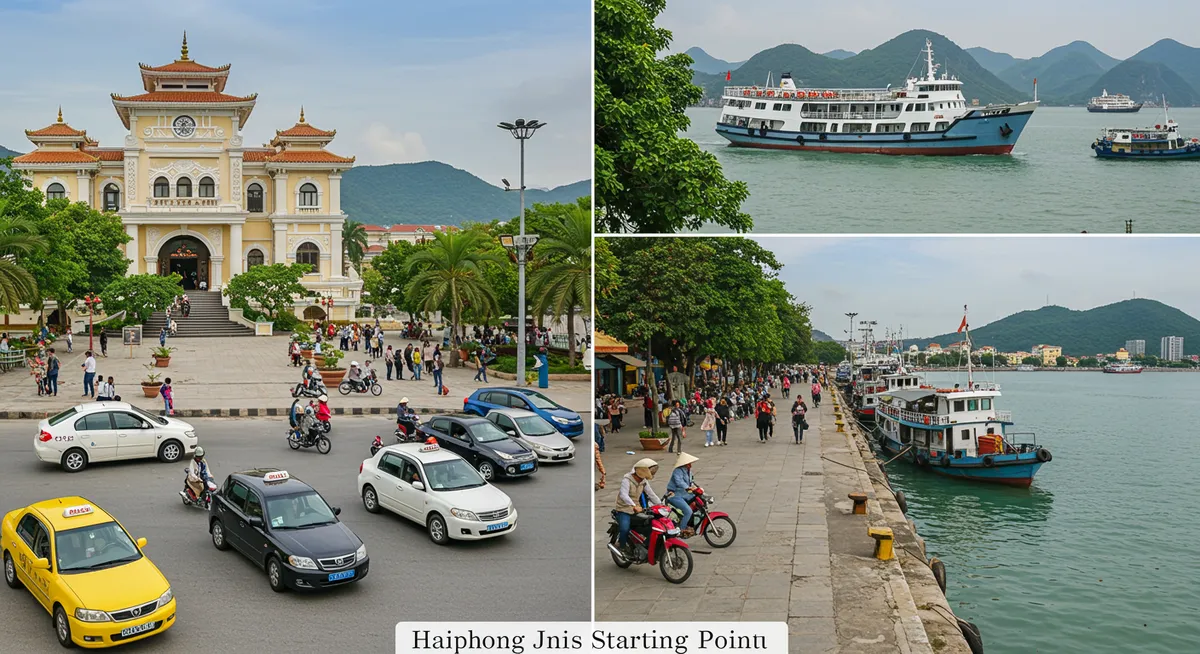
Undoubtedly one of Haiphong’s most recognizable landmarks, the Haiphong Opera House is a magnificent testament to French colonial architecture. Located in the heart of the city’s central square, it stands as a focal point, making it an incredibly popular and practical starting point for many walking tours. Its grand facade, elegant design, and prominent location mean it’s impossible to miss, even for first-time visitors.
Significance: Beyond its architectural beauty, the Opera House symbolizes Haiphong’s historical and cultural roots, often featuring in narratives about the city’s development under French influence. It’s also surrounded by other significant colonial-era buildings and wide boulevards.
Walking Tour Practicality:
- Easy to Locate: Its central position makes it accessible from most parts of the city via taxi, ride-hailing apps, or local buses.
- Clear Meeting Point: Guides often instruct participants to meet directly in front of the main entrance, which is spacious and provides a clear landmark.
- Surrounding Amenities: You’ll find cafes, restaurants, and convenience stores nearby for a pre-tour coffee or water.
- Tour Focus: Ideal for tours focusing on colonial history, architecture, and the city’s evolution.
The Revitalized Tam Bac Lake Area (Hồ Tam Bạc)
Recently undergoing significant beautification, Tam Bac Lake and its surrounding promenade offer a picturesque and vibrant starting point for walking tours, particularly those focused on local life, culinary delights, and leisurely strolls. The lake is a beloved spot for locals, providing a glimpse into daily Haiphong rhythms.
Significance: Tam Bac Lake is more than just a scenic spot; it’s a social hub. Its revitalized boardwalks, bridges, and green spaces have made it a popular place for evening strolls, morning exercise, and street food gatherings. It’s also strategically located near several historical streets and key markets.
Walking Tour Practicality:
- Scenic Start: Begin your tour with beautiful views, perfect for photos and setting a relaxed tone.
- Proximity to Food: The area is a stone’s throw from famous Haiphong food streets and alleys, making it excellent for food-focused tours.
- Cultural Immersion: Witness local life firsthand, from elderly residents practicing Tai Chi to families enjoying the lakeside.
- Connecting Hub: From here, you can easily branch out to explore nearby historical sites like Tran Hung Dao Temple or delve into the bustling alleyways of the Old Quarter.
- Specific Meeting Points: Due to the lake’s size, confirm a precise meeting spot with your guide, such as a particular monument, bridge, or a cafe overlooking the water.
General Tips for Your Starting Point:
Regardless of your chosen hub, always confirm the exact meeting point and time with your tour operator. Arriving 10-15 minutes early allows you to orient yourself, use facilities, or grab a quick refreshment. Utilize offline maps on your phone to navigate to your starting point efficiently. Haiphong’s city center is quite walkable, and beginning at these well-known hubs will set you up for a fantastic exploration of this charming port city.
Arriving in Haiphong: Your First Steps to the City Center
🎯 Insider Tip: Discover the best Ho Chi Minh City experiences with Viator Tours!
Welcome to Haiphong! After your journey, your first priority is likely getting comfortably to your accommodation in the city center, which is also the hub for most walking tour starting points and key attractions. Haiphong is a very walkable city, particularly its central districts, so getting there efficiently is your first step to an amazing on-foot exploration.
From Cat Bi International Airport (HPH)
Cat Bi International Airport (HPH) is Haiphong’s primary air gateway, located approximately 7-10 kilometers from the city center. Getting to your hotel or a central tour starting point is straightforward:
- Taxis: You’ll find plenty of reputable taxi companies outside the terminal. Look for familiar names like Mai Linh (green cars) or Taxi Haiphong. Ensure the driver uses the meter, or agree on a fare upfront. A ride to the city center typically costs between 100,000 – 150,000 VND, depending on traffic and your exact destination.
- Ride-Hailing Apps (Grab): Grab (for both cars and motorbikes) is widely available and highly recommended in Haiphong. Simply download the app, enter your destination, and a driver will pick you up. The app provides upfront pricing, which eliminates bargaining and language barriers, making it a very convenient and often slightly cheaper option than traditional taxis. You can pay with cash or link a credit card.
- Airport Shuttles: While some hotels offer their own shuttle services, a general public airport shuttle to the city center is not common. Taxis or Grab are usually the most practical choices.
Tip: If you haven’t already, consider purchasing a local SIM card at the airport. This will be invaluable for using Grab, navigating with maps, and staying connected throughout your Haiphong walking adventures.
From Haiphong Railway Station
The Haiphong Railway Station (Ga Hai Phong) is a fantastic arrival point for walking tour enthusiasts because of its incredibly central location on Tran Nguyen Han Street. Many hotels and key attractions, including the historic Tam Bac Lake, are just a short stroll away.
- Walking: For hotels in the immediate vicinity of Tam Bac Lake, the Opera House, or Nguyen Duc Canh Street, you might find it quicker and more enjoyable to walk directly from the station. It’s a great way to get your first feel for the city’s pulse.
- Grab/Taxis: If your accommodation is further afield or you have heavy luggage, taxis and Grab vehicles are readily available just outside the station. Given the short distances, a Grab motorbike can be a very quick and cheap option for solo travelers.
From Main Bus Terminals
Haiphong has a few main bus terminals, such as Niem Nghia Bus Station (Ben Xe Niem Nghia) and Lac Long Bus Station (Ben Xe Lac Long), serving routes from various parts of Vietnam. These terminals are generally located a bit further from the core city center compared to the train station.
- Grab/Taxis: Your best bet for reaching the city center from any of Haiphong’s bus terminals is a Grab car or motorbike, or a traditional taxi. Clearly communicate your destination (your hotel name or a well-known landmark like the Opera House).
- Local Buses: While local city buses do operate, navigating them with luggage and without fluent Vietnamese can be challenging for first-time visitors. Stick to Grab or taxis for convenience and speed.
Once you’ve settled into your hotel in the central districts, you’ll discover that Haiphong truly unfolds on foot. The city’s charming tree-lined streets, colonial architecture, and bustling markets are all best explored at a leisurely pace, ready for your walking tour adventure!
Getting Around Haiphong: Local Transport Options to Tour Starts
Navigating Haiphong to reach your walking tour’s starting point is straightforward, thanks to a variety of convenient local transport options. Whether you prefer the ease of an app, the authentic local experience, or simply a short stroll, Haiphong offers choices to suit every preference and distance.
Grab (Car & Motorbike)
Undoubtedly the most popular and convenient choice for travelers, Grab operates extensively throughout Haiphong. It functions much like Uber or Lyft, allowing you to book cars (GrabCar) or motorbikes (GrabBike) directly from your smartphone app. GrabBike is generally quicker for solo travelers navigating Haiphong’s bustling streets, while GrabCar is ideal for groups or those with luggage.
- Convenience: Easy to use, transparent pricing, and you can pay via card linked to your app or cash directly to the driver. The app shows your route and estimated arrival time.
- Estimated Cost: For a short trip within the city center (e.g., from a hotel near Tam Bac Lake to the Opera House), expect to pay around 25,000-40,000 VND for a GrabBike and 40,000-70,000 VND for a GrabCar. Prices surge slightly during peak hours or bad weather.
- Tips: Download the Grab app before you arrive in Vietnam and set up your account. Ensure you have a local SIM card with data or access to Wi-Fi. Always confirm the driver’s name and license plate number match what’s shown on your app before getting in.
Traditional Xe Ôm (Motorbike Taxis)
For an authentic, quick, and budget-friendly experience, look no further than the traditional xe ôm. These drivers, easily identifiable by their green vests or simply by waiting on street corners, offer rides on the back of their motorbikes. They are a common sight across Haiphong and are particularly good for very short distances where Grab might be less responsive.
- Convenience: Readily available and quick for single passengers. A quintessential Vietnamese experience!
- Estimated Cost: Requires bargaining. For a short hop, aim for 20,000-35,000 VND. Always agree on the price *before* you get on the motorbike.
- Tips: Have small denominations of Vietnamese Dong ready. A polite “Bao nhiêu tiền?” (How much money?) is useful. While generally safe, be aware of your surroundings and always wear a helmet if offered (and usually required).
Local Metered Taxis
If you prefer the comfort of a car without relying on an app, traditional metered taxis are a reliable option. Reputable companies like Mai Linh (green cars) and Vinasun (white cars with green/red branding) are prevalent in Haiphong. They are readily available at hotels, major landmarks, and on main streets.
- Convenience: Comfortable, air-conditioned, and good for groups or those with more luggage.
- Estimated Cost: Metered rates typically start around 10,000-12,000 VND for the first kilometer, then decrease slightly per subsequent kilometer. A short trip might cost 50,000-100,000 VND, depending on traffic and distance.
- Tips: Always ensure the driver switches on the meter at the start of your journey. Avoid taxis that don’t display clear company branding or refuse to use the meter.
Walking (for Shorter Distances)
Haiphong’s city center, especially around areas like the Opera House, Tam Bac Lake, and the Old Quarter, is relatively compact and quite walkable for shorter distances. If your accommodation is within 10-15 minutes of your tour’s starting point, walking can be a pleasant way to soak in the local atmosphere before your tour officially begins.
- Convenience: No cost, allows you to observe daily life up close, and provides flexibility.
- Considerations: Haiphong can be hot and humid, especially during the day. Sidewalks can be crowded with parked motorbikes, street vendors, and pedestrians, so you might find yourself walking on the road briefly. Traffic is constant, and crossing streets requires confidence and caution – walk purposefully and predictably.
- Tips: Wear comfortable walking shoes. Stay hydrated. Use Google Maps for navigation, but always be aware of your surroundings. Look both ways (and then again!) before crossing streets, even at marked crossings.
No matter which method you choose, having the exact address of your tour starting point (preferably in Vietnamese, easily found on Google Maps) will ensure a smooth and stress-free start to your Haiphong walking adventure!
Pre-Tour Checklist: Preparing for Your Haiphong Exploration
Before you step out to uncover the charms of Haiphong on foot, a little preparation goes a long way towards ensuring a comfortable and memorable exploration. The city’s bustling streets, vibrant markets, and serene boulevards offer an incredible walking experience, but being well-equipped is key. Here’s your essential pre-tour checklist, specifically tailored for your Haiphong adventure:
-
Comfortable Footwear: Your Best Friend on Haiphong’s Streets
This is non-negotiable! Haiphong’s sidewalks can be uneven, bustling, and sometimes require careful navigation around street vendors or motorbikes. You’ll be doing a lot of walking, potentially over several hours, to truly soak in the atmosphere. Opt for broken-in walking shoes, sturdy sneakers, or comfortable, supportive sandals. Avoid brand-new shoes that might cause blisters, or flimsy flip-flops that offer no support for longer distances. Your feet will thank you after a day exploring everything from Ngo Quyen street to the Old Quarter.
-
Hydration is Key: Beat the Tropical Heat
Haiphong, like much of Vietnam, boasts a tropical climate, meaning it can be hot and humid, especially during the middle of the day. Staying hydrated is crucial. Carry a reusable water bottle and refill it whenever possible. Bottled water is readily available at convenience stores (like Circle K or VinMart) and countless small shops. Don’t underestimate how quickly you can dehydrate while walking and exploring under the sun.
-
Sun Protection: Shield Yourself from Haiphong’s Rays
The Vietnamese sun can be intense, even on seemingly cloudy days. Protect your skin and eyes. Pack high-SPF sunscreen, a wide-brimmed hat, and sunglasses. You’ll notice many locals, especially women, wearing long sleeves, gloves, and broad hats; this isn’t just a fashion statement, it’s effective sun protection. Emulate their practical approach to avoid sunburn and heat fatigue.
-
Small Backpack or Daypack: Hands-Free Exploration
A lightweight, comfortable backpack allows you to keep your hands free for taking photos, sampling street food, or simply navigating crowds. It’s perfect for carrying your water bottle, sunscreen, a light rain jacket (tropical showers can be sudden and short-lived), a camera, and a portable charger for your phone. Ensure it’s secure and consider an anti-theft design for peace of mind in bustling areas.
-
Local Currency (VND): Cash is King for Authentic Experiences
While larger establishments and some cafes in Haiphong might accept credit cards, many of the best local experiences – street food stalls, small markets, and independent shops – operate purely on cash (Vietnamese Dong – VND). It’s always good to have a stash of smaller denominations (50,000 VND, 20,000 VND, 10,000 VND notes) for easier transactions and to avoid issues with vendors who might not have change for larger bills. ATMs are available, but having cash ready for that delicious Banh Da Cua or a quick coffee is invaluable.
-
Offline Maps and Translation Apps: Navigate and Communicate with Ease
Even if you have a local SIM card, downloading offline maps (Google Maps allows this) of Haiphong can be a lifesaver, especially if your data connection falters in certain areas. For communication, a translation app like Google Translate (which offers offline translation and even a camera function to translate signs or menus) is incredibly useful. While many younger Haiphong residents speak some English, a quick translation can bridge the gap when interacting with older vendors or asking for directions in less touristy spots, enriching your local immersion.
Expert Tips for a Seamless Haiphong Walking Tour Experience
Embarking on a walking tour in Haiphong offers an unparalleled way to immerse yourself in the city’s vibrant energy, discover hidden alleys, and savor its authentic local life. To ensure your pedestrian adventure is both seamless and unforgettable, here are some expert tips drawing on local insights:
Mastering the Urban Flow & Safety
- Navigate Pavements Wisely: Haiphong’s sidewalks are often shared spaces – watch for parked motorbikes, street vendor stalls, or even impromptu dining areas. Stay alert and be prepared to briefly step onto the road.
- Cross Streets with Confidence: Traffic in Vietnam is often a continuous flow. The key is to walk slowly, predictably, and with purpose. Drivers will generally navigate around you; avoid sudden stops or changes in direction.
- Prioritize Personal Security: Keep valuables secure and out of sight. A cross-body bag is recommended. Be particularly mindful in crowded areas like the bustling Sat Market (Chợ Sắt) or around Tam Bac Lake.
Embracing Local Etiquette & Culture
- A Smile Goes a Long Way: Haiphong locals are generally friendly. A simple “Xin chào” (hello) and a smile can enhance interactions, especially with vendors.
- Bargaining in Markets: At local markets such as Ga Hang Market, light bargaining for souvenirs is common and part of the experience. Do so politely; excessive haggling is generally frowned upon.
- Respectful Photography: When taking photos of people, especially elderly individuals, always ask for permission first.
- Dress Modestly at Temples: If your tour includes spiritual sites like Du Hang Pagoda, ensure your shoulders and knees are covered as a sign of respect.
Timing is Everything: Best Times to Walk
- Beat the Heat & Humidity: Haiphong can be very warm. The ideal times for walking are early mornings (before 9:00 AM) when markets are bustling, or late afternoons/early evenings (after 4:00 PM) when the temperature cools and the city lights up with vibrant street food scenes around the Opera House and Tam Bac Lake.
- Consider Rush Hour: Morning (7:00 AM – 8:30 AM) and late afternoon (4:30 PM – 6:00 PM) traffic can be dense. Plan longer walks outside these peak times for a slightly quieter experience.
Making the Most of Your Haiphong Journey
- Hydrate Constantly: The tropical climate demands frequent hydration. Carry a reusable water bottle and refill it often from convenience stores or cafes.
- Comfortable Footwear is Key: Opt for breathable, comfortable shoes with good support for varied surfaces.
- Indulge in Local Flavors: Don’t just walk past the street food stalls; stop and try Haiphong’s famous Bánh đa cua (red noodle soup with crab) or Nem cua bể (square crab spring rolls). Walking allows you to stumble upon authentic eateries.
- Embrace Spontaneity: Haiphong has many charming hidden alleys and unexpected sights. Don’t be afraid to take a detour if something catches your eye.
- Utilize Offline Maps: Download offline maps (like Google Maps or Maps.me) of Haiphong before you set out. GPS is invaluable for navigation.
Connecting Your Journey: From Starting Point to Haiphong’s Heart
🎯 Insider Tip: Discover the best Ho Chi Minh City experiences with Viator Tours!
The magic of a Haiphong walking tour begins not just with your first step on its historic streets, but with a seamless arrival at your designated starting point. Imagine this: you’ve journeyed to Haiphong, a city brimming with untold stories and tantalizing flavors. The last thing you want is to be stressed about logistics just as you’re about to delve into its unique character. A smooth connection from your arrival point to the tour’s meeting spot is key to unlocking the full immersion experience, allowing you to immediately tune into Haiphong’s rhythm.
Whether your tour promises to uncover the majestic French colonial architecture around the Haiphong Opera House, guide you through the bustling markets for a taste of authentic Banh Da Cua, or weave through the charming backstreets revealing local life, your mental preparation starts well before the first narrative begins. When you arrive relaxed and on time, your mind is free to absorb every detail – the intricate carvings on an old building, the aroma of simmering broth from a street food stall, or the vibrant chatter of local vendors. This stress-free transition is crucial for setting the tone for an enriching exploration of Haiphong’s heart.
Connecting to Your Haiphong Starting Point: Practical Advice
Most free walking tours in Haiphong typically commence from central, easily identifiable landmarks. Common starting points include the iconic Haiphong Opera House (Nha Hat Lon), a grand colonial edifice perfect for historical and architectural tours, or a prominent hotel lobby in the city center. Food-focused tours might begin near a popular culinary street like Tran Phu or a specific renowned eatery. Your tour operator will provide the exact meeting point, often with a clear landmark or address.
From Cat Bi International Airport (HPH):
- Taxi: Official airport taxis are readily available. The ride to the city center typically takes 15-25 minutes, depending on traffic, and costs around 150,000-250,000 VND. Ensure the meter is used or agree on a price beforehand.
- Grab (Ride-hailing App): Download the Grab app (similar to Uber). This offers transparent pricing and is generally reliable. Select “Grab Car” or “Grab Taxi” for your destination. This is often the most convenient option.
- Pre-booked Transfers: If you’ve booked accommodation, check if they offer airport transfers. Some tour operators may also arrange this for an additional fee.
From Haiphong Train Station:
The Haiphong Train Station is quite central, making it convenient. Many central starting points, including the Opera House, are within a 10-20 minute walk or a very short taxi/Grab ride (5-10 minutes) from the station.
From Inter-city Bus Stations:
Haiphong has several bus stations (e.g., Niem Nghia, Lac Long). From these, a taxi or Grab is the most practical way to reach your tour starting point. Travel times will vary depending on the station’s location and traffic, generally ranging from 15-30 minutes.
Pre-Tour Checklist for a Smooth Start:
- Confirm Details: Double-check the exact meeting point address, time, and your guide’s contact information the day before.
- Allow Buffer Time: Always aim to arrive 10-15 minutes early. This accounts for unexpected traffic or finding your way.
- Pack Smart: Wear comfortable walking shoes, carry a small bottle of water, a hat, and sunscreen. Haiphong can be warm and humid, and you’ll be on your feet!
- Local Currency: Have some Vietnamese Dong (VND) on hand for any spontaneous purchases or local snacks your guide might recommend.
By taking these simple steps, you ensure that your journey to Haiphong’s heart is as smooth as possible, allowing you to fully engage with the captivating narratives, delicious tastes, and architectural wonders awaiting you on your unforgettable walking tour.
Frequently Asked Questions
Q: Is Haiphong safe for solo travelers walking around?
A: Yes, Haiphong is generally very safe for solo travelers, including walking tours. Be aware of your surroundings, especially traffic, and take standard precautions like keeping valuables secure. Local people are generally very friendly and helpful.
Q: What’s the best time of year for walking tours in Haiphong?
A: The ideal time for walking tours is from October to April, when the weather is cooler and drier. Summers (May-September) can be hot and humid, with occasional heavy rain, so planning early morning or late afternoon walks is advisable.
Q: How far are typical walking tour starting points from central hotels?
A: Most popular tour starting points (e.g., Opera House, Tam Bac Lake) are centrally located. From many hotels in the city center, they are often within a 5-15 minute walk or a very short Grab ride (5-10 minutes).
Q: Do I need to speak Vietnamese to enjoy a walking tour?
A: While not essential, knowing a few basic Vietnamese phrases (hello, thank you, excuse me) will enhance your experience. Many tour guides speak English, and translation apps can bridge communication gaps with locals.
Q: Are private walking tours available in Haiphong, and how do I book them?
A: Yes, many local operators and independent guides offer private walking tours, allowing for customized itineraries. You can typically book them online through travel platforms, local tour agencies, or by contacting recommended guides directly.
With this comprehensive guide, you’re now well-prepared to navigate Haiphong and reach your walking tour starting points with confidence. Getting there is just the beginning of your adventure; once you arrive, the city’s rich history, vibrant culture, and delicious flavors await to be discovered step by captivating step. Embrace the journey, immerse yourself in the local atmosphere, and let Haiphong unfold before you on foot for an unforgettable exploration.