
Solo Pakse Walking Tours: Explore Laos on Foot Safely (2026)
Discover Pakse, Laos, on an enriching solo walking adventure. Our guide offers practical tips, safe routes, and local insights for an unforgettable experience exploring the city on foot.
On this page
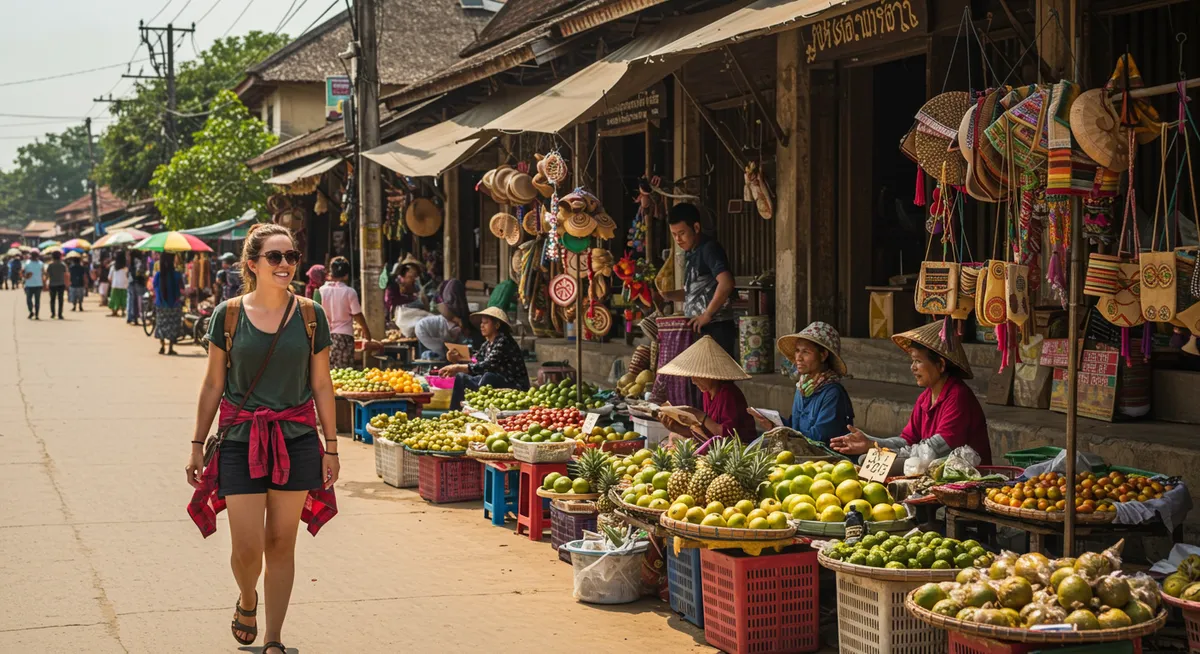
Pakse, the charming capital of Champasak Province in Southern Laos, offers a unique and laid-back canvas for solo travelers eager to explore on foot. Its compact size, friendly atmosphere, and blend of riverside tranquility, colonial architecture, and bustling markets make it an ideal destination for a pedestrian-focused adventure. This comprehensive guide provides everything you need to embark on your own enriching solo walking tour experience in Pakse, ensuring both safety and a deep dive into local life.
Key Tips and Takeaways
- Always carry plenty of bottled water; staying hydrated is key in Pakse’s climate.
- Learn a few basic Lao phrases (e.g., ‘sabaidee’ for hello, ‘khop jai’ for thank you) – locals appreciate the effort.
- Utilize offline maps on your phone for easy navigation, even without internet access.
- Embrace the slower pace of life in Pakse; it’s part of the charm of walking here.
- Support local vendors and small businesses you encounter on your walks.
- Be mindful of motorbikes and tuk-tuks, especially when crossing streets or walking on narrower paths.
Why Pakse is Perfect for Solo Walking Exploration
For the solo traveler seeking an authentic and deeply personal exploration, Pakse in southern Laos presents an almost ideal canvas for walking. Unlike the bustling metropolises of Southeast Asia, Pakse embodies a unique blend of accessibility, tranquility, and genuine local charm that makes hitting the pavements on your own not just feasible, but genuinely rewarding.
One of Pakse’s greatest assets for walkers is its remarkably compact layout and wonderfully flat terrain. The city center, nestled between the Mekong and Se Don rivers, is easily navigable on foot. Key attractions like the bustling local market, the serene Wat Luang, and the charming riverside promenade are all within comfortable walking distance of each other. You won’t find yourself slogging up steep hills or navigating confusing multi-tiered streets; instead, Pakse offers a gentle, even landscape perfect for leisurely strolls, allowing you to cover significant ground without undue fatigue.
Adding to this ease is Pakse’s relatively low traffic and decidedly slower pace of life. Compared to the cacophony and chaos often associated with larger Asian cities, Pakse breathes at a much more relaxed rhythm. Motorbike traffic is noticeable but manageable, and pedestrians can generally cross streets with less apprehension. This unhurried atmosphere means you’re not constantly dodging vehicles or battling crowds. It invites you to truly slow down, observe the intricacies of daily Lao life, and absorb the local culture without feeling rushed or overwhelmed. You’ll notice the quiet chatter from a coffee shop, the scent of fresh baguettes from a bakery, or the gentle clang of a temple bell – all details that are easily missed when rushing.
The warmth of the friendly locals further enhances the solo walking experience. Lao people are renowned for their gentle nature and welcoming smiles. As you wander, you’ll often be met with friendly greetings or curious glances, creating a sense of safety and belonging. This subtle interaction fosters an environment where solo exploration feels less like an adventure into the unknown and more like a pleasant amble through a welcoming community.
Ultimately, solo walking in Pakse offers an unparalleled sense of freedom and discovery. With no one else’s pace or preferences to consider, you’re free to follow your whims. Spot a fascinating alleyway? Turn down it. Hear a captivating tune from a local shop? Linger for a moment. You can pause for an impromptu riverside coffee, spend extra time admiring the intricate carvings of a temple, or simply sit on a bench and watch the world go by. This unscripted exploration often leads to the most memorable encounters – stumbling upon a hidden eatery, discovering a quiet monastery, or simply connecting with the city on a deeper, more personal level.
Actionable Tips for Your Solo Walks in Pakse:
- Hydration is Key: The tropical climate demands constant hydration. Carry a reusable water bottle and refill it often.
- Comfortable Footwear: While flat, you’ll be covering ground. Sturdy, comfortable shoes are a must.
- Early Bird Gets the Best Stroll: Mornings are cooler and offer a glimpse into local life as markets open and monks collect alms. Late afternoons provide beautiful light, especially along the rivers.
- Offline Maps are Your Friend: Download Google Maps or Maps.me for offline use. While the city is simple, it helps navigate side streets and find specific points of interest.
- Embrace the Detour: Don’t be afraid to veer off your planned route. Some of Pakse’s best discoveries are found by accident.
- Stay Aware: As with any solo travel, be mindful of your surroundings, especially after dark in less-lit areas.
Embrace the quiet charm of Pakse on foot, and you’ll find it’s not just a journey through a city, but a journey of personal discovery and connection.
Essential Pre-Walk Preparation for Solo Travelers
Embarking on a solo walking tour in Pakse promises an intimate encounter with its laid-back charm, but thoughtful preparation is key to a smooth and enjoyable experience. As you plan to wander the streets of this riverside town, empowering yourself with the right tools and knowledge will grant you peace of mind and allow you to truly immerse yourself in the local atmosphere.
Master Your Navigation with Offline Maps
Navigating a new city solo means self-reliance, and offline maps are your best friend. Before you even leave your Wi-Fi zone, download the entire Pakse region on Google Maps for turn-by-turn directions. Even better, consider Maps.me, which often has incredibly detailed maps including smaller alleyways and points of interest that Google Maps might miss. These apps function perfectly without an internet connection, ensuring you can always find your way back to your guesthouse, discover hidden temples, or locate that delicious street food stall, even in areas with spotty signal.
Stay Connected with a Local SIM Card
While offline maps are crucial, having real-time connectivity offers an invaluable safety net and convenience. Upon arrival in Pakse, securing a local SIM card is highly recommended. Major providers like Unitel or Lao Telecom offer affordable data packages. You can find kiosks or mobile shops easily in town, especially near the main market or along Route 13. A local SIM allows you to look up information on the fly, use translation apps, contact your accommodation, or even call a tuk-tuk if your feet are tired after a long day of exploring.
Bridge the Language Barrier with Basic Lao Phrases
A little effort goes a long way in Laos. Learning a few basic Lao phrases won’t just earn you smiles and genuine appreciation from the locals; it can also be incredibly practical. Simple greetings like ‘Sabaidee’ (hello) and ‘Khop jai’ (thank you), or asking ‘Tao dai?’ (how much?) when bargaining at the market, can open doors to more authentic interactions. Don’t be shy – most Lao people are incredibly patient and encouraging with foreigners trying their language. This cultural bridge enhances your solo walking experience immensely.
Check the Forecast and Dress Accordingly
Pakse’s tropical climate means it’s generally hot and humid year-round. While the dry season (October to April) offers abundant sunshine perfect for walking, the wet season (May to September) brings heavy, albeit often short-lived, downpours. Always check the daily weather forecast before heading out. Pack light, breathable clothing, and bring a wide-brimmed hat and sunscreen for sun protection. During the wet season, a lightweight rain jacket or a compact umbrella is an absolute must to avoid getting drenched mid-walk.
Understand Local Currency and Payment Methods
In Pakse, Lao Kip (LAK) is the official currency, and cash is undeniably king, especially for local transactions. Street food vendors, small shops, and many guesthouses primarily operate on a cash-only basis. While ATMs are available in the town center (look for major bank branches along Route 13), they may have withdrawal limits and transaction fees. It’s wise to carry a sufficient amount of small denominations for your daily expenses. Credit cards are accepted only at larger hotels and some upscale restaurants, so never rely solely on plastic for your walking tour adventures.
By taking these essential pre-walk steps, you’ll feel more confident, secure, and ready to truly absorb the unique rhythm and beauty of Pakse on foot. Happy exploring!
Recommended Solo Walking Routes & Highlights
🌟 Local Expert Tip: Get the most out of your Pakse visit with guided tours!
Embarking on a solo walking tour in Pakse offers unparalleled freedom to discover its authentic charm at your own pace. These routes are designed to give you a rich, immersive experience, providing insights into local life, history, and natural beauty. Remember to stay hydrated, wear comfortable shoes, and bring a hat and sunscreen.
1. Riverside & Market Loop: A Taste of Local Life
- Route Highlights: Begin your journey along the picturesque Mekong River promenade. Witness the daily rhythm of life as boats dock and locals gather. Follow the path south to discover vibrant street food stalls before heading slightly inland to the bustling Dao Heuang Market. This sprawling market is a sensory overload, offering everything from fresh produce and spices to textiles and local handicrafts.
- Estimated Time: 2-3 hours (allowing for leisurely browsing and food stops).
- Solo Walker Insight: This route is perfect for people-watching and immersing yourself in the local atmosphere without feeling conspicuous. The market, in particular, is a fantastic place to practice a few basic Lao phrases (“Sabaidee” – hello, “Khop Jai” – thank you) and try various local delicacies from street vendors. It’s a low-pressure environment to engage with the culture.
- Practical Tip: Visit the market in the morning for the freshest produce, or in the late afternoon/early evening for a wider selection of cooked street food. Carry small denominations of Lao Kip for easy transactions.
2. Colonial Charm & Temple Trail: History and Panoramic Views
- Route Highlights: Start in Pakse’s old French Quarter, admiring the charming colonial-era architecture that whispers tales of a bygone era. Continue to Wat Luang, Pakse’s oldest and largest temple, a serene complex adorned with intricate murals and a beautiful stupa. Conclude your journey at Wat Phou Salao, home to the iconic Golden Buddha, offering breathtaking panoramic views of Pakse and the Mekong and Xe Don rivers converging.
- Estimated Time: 3-4 hours (including travel to Wat Phou Salao).
- Solo Walker Insight: This route offers a powerful blend of cultural exploration and a rewarding physical experience. Take your time at Wat Luang for quiet contemplation. The views from Wat Phou Salao are incredible for self-reflection and photography. Remember to dress respectfully when visiting temples (shoulders and knees covered).
- Practical Tip: While the French Quarter and Wat Luang are easily walkable, we highly recommend taking a tuk-tuk or shared taxi *up* to Wat Phou Salao due to the steep climb. Enjoy the stunning walk *down* the hill for incredible photo opportunities and to fully appreciate the descent.
3. Local Neighborhood Immersion: Uncovering Hidden Gems
- Route Highlights: Step off the main thoroughfares and wander into Pakse’s quieter residential neighborhoods. Observe daily life unfolding – children playing, locals tending to gardens, and small, family-run businesses operating. This is where you might stumble upon a hidden local cafe serving delicious Lao coffee or a small noodle shop frequented only by residents.
- Estimated Time: 1.5-2.5 hours (flexible, depending on how far you venture).
- Solo Walker Insight: This route is for the curious solo traveler who enjoys authentic discovery. Without a group, you can linger, observe, and genuinely soak in the local atmosphere. It’s a wonderful opportunity for street photography (always ask permission or be discreet if photographing people) and experiencing Pakse’s true, unvarnished character.
- Practical Tip: Head a few blocks east of the main road (Route 13) or explore the areas slightly west of the Xe Don River for a different perspective. Be respectful of local privacy as you walk through residential areas.
Safety & Security Tips for Solo Walkers in Pakse
🌟 Local Expert Tip: Get the most out of your Pakse visit with guided tours!
Pakse offers a truly relaxed and authentic solo travel experience, and walking its streets is the best way to soak it all in. While generally a very safe and friendly city, especially during the day, a few proactive steps can ensure your solo explorations are nothing short of amazing and secure. Being mindful and prepared is your best companion.
Here’s how to navigate Pakse safely as a solo walker:
- Prioritize Daytime Walks: Pakse truly shines in daylight; most attractions, markets, and riverside areas are bustling and safe. Prioritize completing your longer free walking tours in Pakse before dusk.
- Navigate After Dark with Caution: If out after sunset, stick to well-lit, populated areas like the riverside promenade, where many restaurants and cafes are located. Avoid poorly lit side streets or quiet alleys.
- Be Hyper-Aware of Your Surroundings: Keep your head up, limit phone distractions, and be aware of your surroundings. If using headphones, keep the volume low so you can hear traffic and what’s happening around you.
- Secure Your Valuables: Avoid flashing large amounts of cash or expensive electronics. Use a secure cross-body bag or money belt for essentials. Keep main sums and documents locked in your hotel safe, carrying only what you need for the day.
- Avoid Isolated Areas: While off-the-beaten-path exploration is exciting, exercise caution. Steer clear of deserted areas, unlit paths, or temple grounds after hours. Stick to well-trafficked routes, especially if venturing further from the city center.
- Respect Local Customs & Dress Modestly: Laos is conservative. Dress modestly, especially at temples (wats), ensuring shoulders and knees are covered. This shows respect, helps you blend in, and can deter unwanted attention.
- Mind the Traffic: Pakse’s roads are busy, particularly with motorbikes. Sidewalks can be uneven or shared. Always look both ways, even on one-way streets, and be aware motorbikes might use sidewalks. Cross cautiously.
- Stay Hydrated and Sun Safe: Pakse’s tropical climate means heat and humidity. Carry plenty of water, wear a hat, sunglasses, and sunscreen. Staying hydrated and protected prevents impaired judgment from dehydration or sunstroke.
- Know Emergency Contacts:
- Police: 191
- Ambulance: 195
- Fire: 190
- Keep your embassy/consulate number handy (stored in your phone and on a physical note).
- Consider informing your accommodation of your plans if you’re heading out for a longer, more adventurous walk.
- Trust Your Instincts: If a situation or person feels off, trust your instincts. Remove yourself quickly and safely. Over-caution is always better.
By following these practical tips, you can confidently explore Pakse’s charm on foot, ensuring a memorable and safe solo walking adventure.
What to Pack: Your Solo Walking Essentials
Embarking on a solo walking tour in Pakse is an incredible way to immerse yourself in the local culture, witness daily life, and discover hidden gems at your own pace. To ensure your adventure is comfortable, safe, and truly enjoyable, packing smart is key. Here’s a detailed rundown of your essential gear, tailored for the unique conditions of Pakse.
Your Solo Walking Essentials for Pakse
- Comfortable Walking Shoes: This is arguably your most important item. Pakse’s sidewalks can be a mosaic of paved, uneven, and sometimes dusty stretches. You’ll be on your feet for hours, so opt for breathable, well-cushioned shoes with good arch support. Think sturdy sneakers, walking sandals with secure straps, or lightweight hiking shoes. Avoid brand-new shoes; break them in beforehand to prevent blisters.
- Light and Breathable Clothing: Pakse’s tropical climate means heat and humidity are constant companions. Pack lightweight, quick-drying fabrics like cotton or linen. Loose-fitting tops and trousers or knee-length shorts are ideal. Consider light long sleeves or a scarf for sun protection and insect deterrence, especially in the evenings. When visiting temples (Wats), it’s respectful to cover your shoulders and knees, so a light sarong or a long skirt/trousers is a must-have for these occasions.
- Sun Protection (Hat & Sunscreen): The Laotian sun is powerful. A wide-brimmed hat is essential for protecting your face and neck from direct sunlight. Combine this with high-SPF, broad-spectrum sunscreen (at least SPF 30), and reapply it generously throughout the day, especially if you sweat a lot. Sunglasses are also highly recommended to protect your eyes from the glare.
- Insect Repellent: Mosquitoes are present, particularly at dawn and dusk, and near water sources like the Mekong River. A reliable insect repellent containing DEET or picaridin is crucial to prevent bites. Consider bringing a small, travel-sized spray bottle for easy reapplication.
- Reusable Water Bottle: Hydration is paramount in Pakse’s tropical heat. Bring a durable, reusable water bottle. Many guesthouses, cafes, and even some convenience stores offer water refill stations, which is not only environmentally friendly but also a budget-saver. Aim to drink frequently throughout the day to avoid dehydration.
- Small Daypack: A comfortable, lightweight daypack (15-25 liters) is perfect for carrying your daily essentials – water bottle, snacks, sunscreen, camera, and any small souvenirs you might pick up. Look for one with good ventilation on the back to minimize sweat.
- Power Bank: Your phone will likely be your map, camera, and communication device. Battery life can dwindle quickly with constant use. A fully charged power bank (portable charger) will be a lifesaver, ensuring you don’t get lost or miss out on capturing a perfect moment because of a dead battery.
- Basic First-Aid Kit: For minor scrapes, cuts, and blisters that can happen on any walking tour, a small kit is invaluable. Include adhesive bandages, antiseptic wipes, pain relievers (like ibuprofen), and any personal medications. Pharmacies are available in Pakse, but it’s always good to have immediate access to essentials.
- Lightweight Rain Jacket or Umbrella: Even outside the peak rainy season, sudden tropical downpours can occur. A lightweight, packable rain jacket or a compact umbrella can protect you from unexpected showers. An umbrella can also double as a sunshade on intensely hot days.
By thoughtfully packing these items, you’ll be well-prepared to embrace the solo walking experience in Pakse, ready for whatever charming alleyways, bustling markets, or tranquil riverside views come your way.
Fueling Your Journey: Solo-Friendly Food & Drink Stops
As you embark on your solo walking adventure through Pakse, keeping your energy levels up is crucial. The city offers a delightful array of food and drink options, perfect for solo travelers looking to savor authentic flavors and safely refuel. From bustling street food stalls to tranquil riverside eateries, Pakse makes solo dining a delicious and enjoyable experience.
Street Food Savvy: A Culinary Adventure
Pakse’s vibrant street food scene offers incredible value and a truly local experience. It’s an ideal way for solo travelers to sample various dishes without committing to a full restaurant meal.
- Etiquette & Safety: Look for stalls with high turnover and visible cooking; freshly cooked, hot food is generally safest. A friendly smile and pointing works wonders. “Sabaidee” (hello) and “Khop Jai” (thank you) are appreciated. Don’t hesitate to ask for “bo phet” (not spicy).
- Solo-Friendly: Street food is quick, casual, and perfect for people-watching. Grab a stool at a noodle stall or take your delicious find to a nearby bench.
Local Cafes: Your Solo Haven
Pakse boasts charming local cafes, perfect for a break from your walk. These are wonderful spots for solo travelers to relax, journal, or simply observe local life.
- Lao Coffee: A must-try! Lao coffee is famously strong and rich, often served with condensed milk for a sweet, creamy kick – perfect for a warm day.
- Relax & Recharge: Many cafes offer air conditioning and Wi-Fi, ideal for planning your next leg of the tour or unwinding.
Riverside Restaurants: Views & Vibes
For a relaxed dining experience, head to restaurants along the Mekong and Xe Don rivers. These spots offer fantastic sunset views and a tranquil atmosphere, even for solo diners.
- Ambiance: Enjoy fresh grilled fish, Lao BBQ, or classic curries while watching longtail boats glide by. Most places are spacious, so you won’t feel out of place dining alone.
Don’t Miss These Local Delicacies
- Khao Piak Sen: This comforting Lao noodle soup, with chewy rice noodles and a rich broth, is a staple. Widely available from street vendors and small eateries, it’s an excellent and filling solo meal choice.
- Lao Barbecue (Ping): Look for various grilled meats (chicken, pork, fish) often served with sticky rice and a spicy dipping sauce.
Staying Hydrated: A Top Priority
Pakse’s tropical climate means staying hydrated is paramount for an enjoyable walking tour. Always carry a bottle of water.
- Bottled Water: Stick to sealed bottled water, readily available and inexpensive at convenience stores, markets, and restaurants.
- Avoid Tap Water: It’s generally not safe for drinking.
Embrace the solo dining experience in Pakse; it’s an integral part of understanding the local culture and offers wonderful opportunities for personal reflection and enjoyment.
Integrating Walking with Pakse’s Broader Travel Ecosystem
While exploring Pakse on foot is undoubtedly the most immersive and rewarding way to uncover its urban charm, understanding how walking integrates with other transport options is key to unlocking the region’s full potential. Think of walking as your primary lens for city exploration, seamlessly connecting you to the broader travel ecosystem of Pakse and beyond.
Within the city limits, you’ll find that most major attractions are comfortably within walking distance of each other. Stroll along the scenic riverside promenade, wander through the bustling Dao Heuang Market, or discover tranquil temples like Wat Luang – all perfectly accessible by foot. This core walkability is what makes solo exploration in Pakse so appealing. However, for those slightly longer stretches or when heading to specific transport hubs, Pakse’s friendly tuk-tuks are your convenient next step.
Consider a tuk-tuk ride for reaching the main bus stations – whether you’re catching a bus north towards Savannakhet or south to the 4000 Islands – or for direct transport to Pakse International Airport. While you can walk to these locations if you’re centrally located, a short tuk-tuk ride saves time and energy, especially with luggage. Always agree on a price before you set off, though fares are generally quite reasonable.
For more ambitious day trips, particularly to the stunning Bolaven Plateau, scooter rental becomes your gateway. This is where the integration truly shines: a scooter provides the freedom to traverse the plateau’s scenic routes, stopping at various waterfalls like Tad Fane and Tad Yuang, or visiting coffee plantations and ethnic villages around Paksong. But crucially, once you arrive at these sites, your walking adventure continues. You’ll dismount your scooter to trek down to the base of a waterfall, explore a coffee farm on foot, or wander through a local village, truly engaging with the surroundings. The scooter acts as a bridge, bringing you to the heart of nature where your walking exploration resumes.
Ultimately, walking is your core mode of discovery in Pakse, offering an intimate connection to the city’s pulse. Other transport options, from convenient tuk-tuks to liberating scooter rentals, simply serve to extend your reach, allowing you to seamlessly connect from your walking routes to the incredible landscapes and experiences that lie just beyond the city’s charming streets.
Engaging with Local Culture & People Responsibly
🌟 Local Expert Tip: Get the most out of your Pakse visit with guided tours!
A solo walking tour in Pakse is an unparalleled opportunity to connect with the heart of Laos. Beyond the sights, true magic lies in engaging with its warm, gentle people. Approaching these interactions with respect not only enriches your experience but leaves a positive footprint. Here’s how to engage responsibly during your walks through Pakse’s vibrant streets and serene temples:
Master Basic Greetings
- “Sabaidee” (sah-bye-dee): This essential Lao greeting means “hello” and “how are you.” A genuine smile and “sabaidee” can open many doors.
- A Gentle Nod and Smile: Politeness and humility are valued. A slight bow of the head and a warm smile often accompany greetings, especially when interacting with elders or monks.
- Learn More: If you’re feeling adventurous, try “Khop jai” (thank you) or “Kor thot” (excuse me/sorry). Locals truly appreciate the effort.
Photography Etiquette: Always Ask Permission
Pakse is incredibly photogenic, from the bustling morning market to the serene Wat Luang and daily life along the Xe Don River. While tempting to snap away, always prioritize respect:
- Ask First: Before taking a picture of an individual, a group, or even a specific stall, make eye contact, gesture with your camera, and ask “Kor chụp hup dâi bôr?” (Can I take a photo?). Most will happily oblige with a smile.
- Respect Refusal: If someone declines, respect their wishes without question.
- Be Mindful: Avoid intrusive photography, especially in sensitive areas like temples or during religious ceremonies. When photographing children, be extra cautious and always seek parental permission if possible.
Support Local Businesses and Artisans
Your walking tour is a direct channel to support the local economy. Choose local over chains whenever possible:
- Street Food Delights: Pakse is a haven for delicious and affordable street food. Enjoy a bowl of Khao Piak Sen (Lao noodle soup) from a vendor near the main bus station or grab some grilled delights along the riverfront in the evenings. Your patronage directly benefits these small, family-run operations.
- Handmade Souvenirs: Explore local markets and small shops for unique, handmade crafts, textiles, and Lao coffee. Bargain gently and with a smile; it’s part of the experience, but always pay a fair price for quality.
- Local Cafes: Opt for small local cafes over larger, tourist-centric establishments. Many offer excellent Lao coffee and a chance to observe daily life.
Observe, Don’t Intrude
As you explore Pakse on foot, remember you are a guest in someone’s home and community:
- Dress Modestly: Especially when visiting temples like Wat Phou Salao (with its giant Buddha) or Wat Luang. Shoulders and knees should be covered. This shows respect for religious sites and local customs.
- Maintain Distance: While friendly, avoid overly familiar gestures. Public displays of affection are generally not common.
- Be Quiet and Respectful: When walking near residential areas or religious sites, keep your voice down and avoid disruptive behavior. Allow locals to go about their daily lives undisturbed.
Understand Local Customs and Etiquette
A little cultural awareness goes a long way:
- Removing Shoes: Always remove your shoes before entering someone’s home or a temple. Look for rows of shoes outside as a clear indicator.
- Head and Feet: The head is considered the most sacred part of the body, and the feet the least. Never touch someone’s head. Avoid pointing your feet at people, Buddha images, or religious objects.
- Interacting with Monks: Women should not touch monks. If you need to hand something to a monk, place it on a nearby surface or ask a male companion to pass it. Always give way to monks on paths.
By engaging thoughtfully and respectfully, your solo walking tour in Pakse will not only be an incredible adventure but also a meaningful cultural exchange.
Budgeting for Your Solo Walking Adventure
One of the many joys of embarking on a solo walking tour in Pakse is just how budget-friendly it is. By choosing to explore on foot, you’re inherently embracing the most economical way to discover the city’s hidden gems and vibrant street life. Your primary expenses will be focused on staying hydrated, energized, and perhaps a tiny contribution to local culture, ensuring your solo adventure won’t break the bank.
Here’s a breakdown of typical costs you can expect:
- Water: Staying Hydrated is Key (and Cheap!)
The tropical climate of Pakse demands constant hydration. Bottled water is readily available at every convenience store, street stall, and restaurant. A 1.5-liter bottle typically costs around 5,000-10,000 LAK (approximately $0.25-$0.50 USD). To be even more budget-conscious and eco-friendly, carry a reusable water bottle and refill it at guesthouses or cafes that offer filtered water services. - Snacks: Fueling Your Exploration
As you wander, you’ll find numerous opportunities to grab quick, delicious, and incredibly cheap snacks. Think fresh tropical fruits like mangoes, bananas, and dragon fruit from street vendors (around 5,000-15,000 LAK per portion). Local delicacies like sticky rice with grilled pork (khao niao ping) or various fried delights are perfect energy boosts and usually cost just 10,000-20,000 LAK ($0.50-$1 USD). - Street Food & Meals: A Culinary Bargain
Pakse is a paradise for budget eaters. You can enjoy a hearty and authentic Lao meal for very little. A bowl of delicious khao piak sen (Lao noodle soup) or a plate of larb (minced meat salad) at a local eatery or street stall will typically set you back only 15,000-30,000 LAK ($0.75-$1.50 USD). For dinner, head to the night market near the riverside for an incredible array of grilled meats, fresh seafood, and local dishes, where a full meal can be had for under 40,000-50,000 LAK ($2-$2.50 USD). - Small Temple Donations: Contributing to Culture
While many temples in Pakse don’t have an entrance fee, it’s customary and appreciated to leave a small donation (10,000-20,000 LAK) if you spend time admiring the architecture or meditating. This contribution helps with the upkeep of these beautiful cultural sites. Always carry small denominations of Lao Kip for this purpose. - Minimal Transport Costs: Reach & Retreat Options
The beauty of a walking tour is minimizing transport, but sometimes a short ride might be necessary. For instance, if you’re starting a longer walk from the city center to a slightly outlying temple or plan to return to your accommodation after a particularly long day, a short tuk-tuk ride won’t break the bank. A journey within central Pakse usually costs 10,000-30,000 LAK, depending on distance and your bargaining skills. You might also consider a local shared *songthaew* (pickup truck taxi) if heading further afield, which are even cheaper but operate on fixed routes.
In essence, a solo walking adventure in Pakse is incredibly cost-effective. With mindful spending on food and water, and perhaps a few small donations, you can comfortably explore the city on a daily budget of less than $10-$15 USD, excluding accommodation. Always carry plenty of small Lao Kip notes as many street vendors and smaller shops prefer cash and may not have change for large denominations.
Frequently Asked Questions
Q: Is Pakse generally safe for solo female travelers walking alone?
A: Yes, Pakse is considered very safe for solo female travelers. Crime rates are low, and locals are typically friendly and welcoming. Standard travel precautions apply: be aware of your surroundings, especially after dark, and avoid isolated areas.
Q: Are there sidewalks everywhere in Pakse?
A: While major roads and the riverside promenade have sidewalks, many smaller streets and alleys may not. Be prepared to walk on the road shoulder or directly on the street, especially in residential areas, and always be mindful of traffic.
Q: What’s the best time of day to walk in Pakse?
A: Early mornings (before 9 AM) and late afternoons (after 4 PM) are ideal to avoid the midday heat. Sunrises over the Mekong and sunsets are particularly beautiful times to walk along the riverfront.
Q: Can I drink tap water in Pakse?
A: No, it’s not safe to drink tap water in Pakse. Always stick to bottled water, which is widely available and inexpensive. Consider bringing a water filter bottle to reduce plastic waste.
Q: How easy is it to get around Pakse without speaking Lao?
A: While speaking some Lao is helpful, it’s relatively easy to get around with English, especially in tourist-frequented areas and hotels. Basic gestures and a translation app can bridge any communication gaps.
Embracing Pakse on foot as a solo traveler is an incredibly rewarding experience. It allows for an intimate connection with the city’s rhythm, its people, and its hidden corners that often go unnoticed from a vehicle. From the vibrant markets to the serene temples and the tranquil riverside, each step unveils a new layer of this captivating Lao city. So, lace up your shoes, prepare your senses, and step out into the welcoming streets of Pakse for an unforgettable solo walking adventure.