
Best Time for Pakse Walking Tours: Weather & Local Tips (2026)
Discover the best times to explore Pakse, Laos, on foot! Our guide covers ideal seasons, daily timing, local tips, and essential gear for memorable walking tours.
On this page
Pakse, the bustling capital of Champasak Province, offers a unique blend of urban charm and riverside tranquility, best explored on foot. Navigating its vibrant streets, bustling markets, and serene riverside promenades provides an authentic glimpse into Lao life. But when is the absolute best time to lace up your shoes and embark on a Pakse walking tour? This comprehensive guide will help you plan your perfect pedestrian adventure, ensuring comfort, safety, and an unforgettable cultural immersion.
Key Tips and Takeaways
- The Dry Season (Oct-Mar), especially mornings, offers the most comfortable walking weather in Pakse.
- Always start your walking tours early in the day to beat the heat and witness local life unfold.
- Prioritize hydration and sun protection: carry water, wear a hat, and apply sunscreen generously.
- Be aware of traffic, especially motorbikes, and cross streets cautiously.
- Combine walking with local transport (tuk-tuks) for longer distances or when the heat becomes intense.
- Dress modestly when visiting temples and engage respectfully with locals to enhance your experience.
Why Walk in Pakse? The Pedestrian’s Advantage
Pakse, often perceived as a transit point for the majestic Bolaven Plateau, harbors a serene charm that truly unveils itself when explored on foot. Unlike many bustling Southeast Asian cities, Pakse operates at a gentler, more inviting rhythm, practically beckoning you to wander its streets and alleys at your own pace. Walking isn’t merely a mode of transport here; it is, without a doubt, the most rewarding way to genuinely connect with the city’s quiet, authentic soul.
The true pulse of Pakse lies not just along its main thoroughfares but in the subtle details and serendipitous encounters you’d inevitably miss from the window of a tuk-tuk or car. On foot, you’ll be intimately enveloped by the authentic symphony of daily life: the rich aroma of Lao coffee wafting from a small cafe, the sizzling sounds of street food vendors expertly preparing local delicacies like khao piak sen (noodle soup), and the gentle clatter from traditional wooden houses. You can witness saffron-robed monks performing their morning alms rounds, observe locals tending to their riverside gardens, or simply pause to appreciate the intricate details of a less-visited temple like Wat Luang, far from the tourist crowds. It’s an immersion into the everyday rhythms that defines Pakse, allowing you to breathe in its unique atmosphere.
Pakse is full of delightful surprises tucked away from the main roads. Venture down a charming side alley, and you might stumble upon a tranquil family-run guesthouse with a lush garden, a hidden artisan workshop crafting local textiles, or a small, unassuming eatery serving incredibly fresh, unpretentious Lao dishes that are culinary revelations. Walking offers unparalleled flexibility; you can spontaneously veer off course to investigate an intriguing temple spire, linger longer at the vibrant Pakse Morning Market to haggle for fresh produce or unique souvenirs, or simply find a quiet spot by the Mekong River to watch life unfold. There’s no rush, no fixed itinerary unless you create one, providing a sense of freedom that public transport or even a hired driver simply can’t match for intimate, short-distance explorations.
Perhaps the greatest advantage of exploring Pakse on foot is the direct interaction it fosters. A simple “Sabaidee!” (hello!) as you pass by often elicits a warm smile and sometimes even a brief, friendly exchange. You’ll find yourself shopping side-by-side with locals, observing traditional crafts being made with meticulous care, and gaining a more nuanced understanding of Lao culture firsthand. This personal connection transforms your visit from mere sightseeing into a genuine, enriching cultural exchange.
To make your Pakse walking adventure truly enjoyable and comfortable, especially when considering the best time for Pakse walking tours (generally cooler dry season), here are a few actionable tips:
- Comfortable Footwear: This is paramount. Choose breathable, well-cushioned shoes suitable for walking on uneven pavements, dusty paths, and occasional dirt roads.
- Stay Hydrated: Pakse can be warm, even in the cooler months. Always carry a reusable water bottle and refill it frequently at guesthouses, cafes, or convenience stores.
- Sun Protection: A wide-brimmed hat, sunglasses, and high-SPF sunscreen are crucial to protect against the tropical sun, especially during midday.
- Offline Maps: Download maps of Pakse (e.g., Google Maps, Maps.me) to your phone before you head out. While wandering is part of the fun, knowing your general direction is always helpful.
- Respectful Attire: When visiting temples or religious sites, ensure your shoulders and knees are covered as a sign of respect. Carrying a light sarong or scarf is an excellent idea for impromptu temple visits.
- Embrace the Pace: Don’t rush. Pakse moves at its own gentle rhythm, and so should you to fully appreciate its charm and discover its many hidden delights.
Understanding Pakse’s Climate: Best Seasons for Walking
Understanding Pakse’s climate is essential for planning your ideal walking tour, as the city experiences two distinct seasons, each offering unique charms and considerations for exploration on foot.
The Dry Season: Optimal Comfort (October – March)
For many, the dry season is the “golden window” for free walking tours in Pakse. From October, the weather becomes wonderfully comfortable, with cooler temperatures (typically 20-30°C), significantly lower humidity, and abundant clear skies. This period is perfect for extended strolls through the city’s charming streets, along the tranquil Xe Don River, and up to panoramic viewpoints like Wat Phou Salao.
- Pros for Walking: The comfortable climate allows for hours of exploration without discomfort, making it ideal for delving into local markets, discovering hidden temples, and enjoying outdoor dining. Less rainfall ensures uninterrupted walks, and excellent visibility is great for photography.
- Cons for Walking: As the peak tourist season, expect more visitors and potentially higher costs. Towards the end of the dry season (February-March), temperatures can climb (35°C+), and dust from unpaved areas can become noticeable. Always carry water and sun protection.
The Rainy Season: Lush Landscapes & Fewer Crowds (April – September)
Don’t dismiss the rainy season in Pakse; it offers a different, yet equally rewarding, experience. Characterized by regular, often intense, but usually short-lived downpours, typically in the late afternoon. Temperatures remain warm, and humidity is higher, but the landscape transforms into a vibrant, lush green spectacle.
- Pros for Walking: Pakse becomes incredibly verdant, with the nearby Bolaven Plateau waterfalls at their most powerful. Fewer tourists mean a more tranquil and authentic experience, often with better deals. The air after a downpour is incredibly fresh and clean.
- Cons for Walking: Heavy downpours can temporarily halt plans, and paths can become muddy and slippery, especially on unpaved side streets or rural trails. High humidity can also make extended walks feel more strenuous.
- Practical Advice for Walking: Flexibility is crucial; aim for morning walks when rain is less likely. Always carry a lightweight waterproof jacket or poncho. Quick-drying footwear (waterproof sandals or light hiking shoes) is highly recommended for muddy paths. A small dry bag for electronics is essential. Embrace the rain; a brief tuk-tuk ride during a downpour can be part of the adventure!
Ultimately, whether you prefer the comfortable ease of the dry season or the verdant beauty and quieter charm of the wet season, Pakse offers captivating walking experiences year-round. Just be prepared for the specific conditions each season brings!
Optimal Daily Timing for Pakse Walking Tours
🌟 Local Expert Tip: Get the most out of your Pakse visit with guided tours!
Choosing the right time of day for your Pakse walking tour is crucial for maximizing both comfort and experience. The tropical climate dictates that you strategically plan your strolls to avoid the intense midday heat and capitalize on the city’s most vibrant moments. Here’s a breakdown of the optimal daily timing for exploring Pakse on foot:
Early Mornings (6:00 AM – 9:00 AM)
The dawn hours in Pakse offer a truly magical and authentic experience for walkers. Temperatures are at their coolest, providing a refreshing start to your day before the sun truly asserts its dominance. This is when Pakse truly wakes up, and you’ll witness local life in full swing:
- Cooler Temperatures: Enjoy crisp, comfortable air, perfect for longer walks without feeling drained.
- Vibrant Market Activity: Head to the bustling Dao Heuang Market or smaller local morning markets along the streets. You’ll see vendors setting up their stalls, locals buying fresh produce, and the air filled with the aroma of street food and fresh coffee. This is a fantastic opportunity for cultural immersion and photography.
- Sunrise Views: Find a spot along the Mekong or Xe Don rivers to witness a stunning sunrise painting the sky. The soft, golden light is ideal for photography.
- Local Life Waking Up: Observe monks on their alms rounds (tak bat), street food vendors preparing their first dishes, and residents enjoying their morning coffee. It’s a peaceful yet lively glimpse into daily Lao routines.
Actionable Tip: Start your walk early, carry a small bottle of water, and wear light, breathable clothing. Embrace the tranquility and the genuine local interactions.
Late Afternoons / Evenings (4:00 PM – Sunset)
As the day begins to cool down, Pakse transforms into a vibrant hub of activity, offering another excellent window for walking tours. The changing light casts a beautiful glow over the city, perfect for photography and soaking in the relaxed atmosphere:
- Cooling Temperatures: After the midday lull, the air becomes more pleasant, making it comfortable to explore the city’s riverside promenades and streets.
- Golden Hour Light: The late afternoon sun casts a warm, golden glow, ideal for capturing stunning photos of the rivers, bridges, and local architecture.
- Lively Night Markets: As dusk settles, the riverside comes alive with the Pakse Night Market along the Xe Don River. Stroll through stalls selling local handicrafts, clothing, and an incredible array of street food. This is an excellent opportunity to sample local delicacies and observe the city’s evening social scene.
- Sunset Views: Conclude your walk by finding a prime spot along the Mekong or Xe Don rivers to watch a spectacular sunset. The sky often erupts in a palette of reds, oranges, and purples, reflecting beautifully on the water. Many riverside restaurants and cafes offer perfect vantage points.
Actionable Tip: Bring mosquito repellent, especially when walking near the rivers in the evening. Keep some small kip notes handy for market purchases and street food.
Avoiding Midday Heat (10:00 AM – 3:00 PM)
We strongly advise against undertaking significant walking tours during the midday hours in Pakse. Between 10:00 AM and 3:00 PM, the heat and humidity can be intense and potentially dangerous:
- Intense Heat and Sun: Temperatures often soar above 30°C (86°F) and can feel much hotter with the humidity. Direct sun exposure can lead to heatstroke, exhaustion, and severe sunburn.
- Reduced Activity: Most locals retreat indoors for siesta or to air-conditioned spaces during this period, meaning fewer vibrant street scenes. Many smaller shops and stalls may also close.
Actionable Tip: Use this time to relax, enjoy a leisurely lunch in an air-conditioned restaurant or a shaded cafe, visit a museum (like the Champasak Provincial Museum), or simply take a refreshing dip in a hotel pool. Save your energy for the more comfortable morning and evening explorations.
Popular Pakse Walking Routes & Must-See Sights
🌟 Local Expert Tip: Get the most out of your Pakse visit with guided tours!
Pakse, a city where the Mekong and Xe Don rivers converge, offers a captivating blend of cultural heritage and local life, best experienced on foot. Lace up your comfortable shoes, grab your camera, and prepare to immerse yourself in the authentic charm of Southern Laos.
Here are some of Pakse’s most rewarding walking routes and the must-see sights along the way:
Riverside Promenade: A Sunset Spectacle
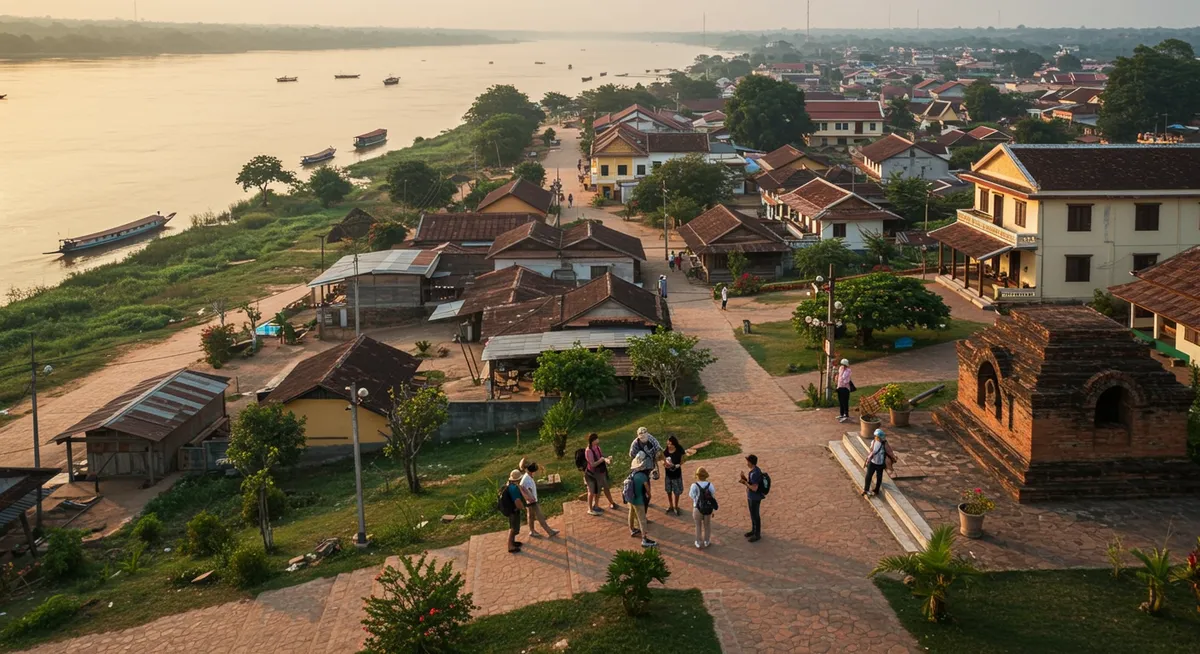
Strolling along the banks of the Mekong and Xe Don rivers is a quintessential Pakse experience. The newly developed promenade offers paved paths, perfect for an evening saunter. Watch local life unfold as fishermen cast their nets, children play, and vendors set up their stalls. The highlight is undoubtedly the sunset, painting the sky in fiery hues over the Mekong. You’ll find pop-up street food vendors selling grilled meats, fresh fruit shakes, and local snacks, making it an ideal spot for a casual dinner with a view.
- Practical Tip: Head here an hour or two before sunset for the best light and atmosphere. Bring insect repellent during the rainy season.
Central Market & Wat Luang Area: The Heartbeat of Pakse
For a true sensory immersion, dedicate a morning to exploring Pakse’s Central Market and the surrounding area. The market itself is a labyrinth of stalls selling everything from fresh produce, aromatic spices, and local textiles to everyday household goods. It’s a vibrant, bustling hub where you can observe daily life and perhaps even try your hand at polite bargaining.
Just a short walk from the market is Wat Luang, Pakse’s largest and most significant Buddhist temple. This beautifully ornate temple complex, with its striking architecture and serene Buddha images, offers a peaceful contrast to the market’s hustle. Take your time to admire the intricate details and soak in the spiritual ambiance.
- Practical Tip: Visit the market early in the morning (7 AM – 10 AM) for the freshest goods and most active trading. Remember to dress modestly when visiting Wat Luang – shoulders and knees should be covered.
Cross-Bridge Views: Panoramic Cityscapes
For stunning panoramic views of Pakse and its surrounding landscapes, a walk across one of its main bridges is highly recommended. The imposing Japanese Bridge (Lao-Japanese Bridge of Friendship) spans the Mekong River and offers expansive vistas of the city skyline, the river, and the distant mountains. On the Xe Don River, the smaller Xe Don Bridge provides a more intimate perspective of local life along the riverbanks and a charming view of the city center.
- Practical Tip: These bridges are excellent spots for photography, especially during sunrise or sunset when the light is soft and golden. Be mindful of motorbikes and other traffic while walking.
Local Neighborhoods: An Authentic Glimpse
To truly understand Pakse, venture beyond the main thoroughfares into the quieter residential neighborhoods. Wander down side streets where traditional wooden houses stand beside modern concrete ones, where children play in dusty lanes, and where small, family-run shops cater to daily needs. This is where you’ll find a more authentic, unhurried pace of life. You might stumble upon small, lesser-known temples or see locals engaging in their daily routines, offering a genuine insight into Pakse’s community spirit.
- Practical Tip: There isn’t a specific route here; simply choose a direction and explore. Be respectful of local privacy, and a friendly “sabaidee” (hello) will often be met with a warm smile. This is a great area for candid street photography.
No matter which route you choose, Pakse’s walkable nature makes it a joy to explore. Remember to stay hydrated, wear sun protection, and embrace the unexpected discoveries that walking often brings.
Essential Gear & Safety Tips for Walkers in Pakse
Ensuring you’re well-prepared for your walking adventures in Pakse is key to a comfortable, enjoyable, and safe experience. The tropical climate and local environment call for specific considerations.
Footwear: Your Foundation for Exploration
The streets of Pakse offer a mix of paved roads, uneven sidewalks, and sometimes dirt paths, especially as you venture further from the town center or towards riverside areas. Your most crucial piece of gear will be comfortable, breathable walking shoes. Opt for athletic shoes, sturdy sandals with good support, or light hiking shoes that you’ve already broken in. Avoid brand new shoes to prevent blisters. For temple visits, which are plentiful in Pakse, consider footwear that is easy to slip on and off as a sign of respect.
Sun Protection: Battling the Tropical Rays
Pakse’s sun can be intense year-round, even on cloudy days. Protecting yourself is paramount. Always wear a wide-brimmed hat or a baseball cap to shield your face and neck. High-quality sunglasses are essential to protect your eyes from the glare. Most importantly, apply a high-SPF sunscreen (SPF 30-50+) generously to all exposed skin and reapply every few hours, especially if you’re sweating. Sunburn can quickly turn an exciting day into a miserable one.
Hydration: A Constant Priority
The heat and humidity in Pakse mean you’ll be sweating more than you realize. Dehydration can creep up quickly and lead to fatigue, headaches, dizziness, and even more serious conditions. Carry plenty of bottled water with you at all times. You’ll find bottled water readily available at convenience stores, markets, and small shops throughout Pakse. Aim to drink water frequently, even if you don’t feel thirsty, and consider electrolyte-rich drinks if you’re doing extensive walking. Learn to recognize the signs of dehydration and stop to rest and rehydrate if you feel unwell.
Clothing: Comfort and Cultural Respect
Light, breathable fabrics are your best friend in Pakse’s warm climate. Think cotton, linen, or moisture-wicking synthetic materials. Loose-fitting clothing will help you stay cool and comfortable. When visiting temples or other religious sites, it’s essential to dress modestly as a sign of respect. This means covering your shoulders and knees. Carrying a light scarf or sarong can be handy for quickly covering up when entering a temple. While walking around town, short sleeves and shorts are generally acceptable, but modesty is always appreciated by the local community.
Traffic Awareness: Navigating Pakse’s Streets
Pakse’s traffic, while not as overwhelming as larger Asian cities, still requires your full attention. Motorbikes and tuk-tuks are ubiquitous, and traffic rules can seem flexible. Sidewalks are often narrow, uneven, or non-existent, forcing pedestrians to walk on the edge of the road. Here are some actionable tips:
- Walk Defensively: Assume vehicles might not see you.
- Make Eye Contact: Try to make eye contact with drivers to ensure they’ve registered your presence.
- Cross with Caution: Look both ways multiple times, even on one-way streets. Sometimes it’s best to wait for a lull or walk with a group.
- Be Prepared to Yield: As a pedestrian, you will almost always have to yield to vehicles.
Personal Safety: Staying Secure on Foot
Pakse is generally considered a safe city for travelers, with a low crime rate. However, common sense precautions are always advisable:
- Secure Valuables: Keep your wallet, phone, and passport in a secure cross-body bag or money belt. Avoid keeping valuables in back pockets.
- Be Aware of Surroundings: Especially in crowded market areas or bustling streets, be mindful of who is around you.
- Evening Safety: While central Pakse is relatively well-lit, some quieter streets can be dark. If walking alone at night, stick to well-lit areas and consider using a reputable tuk-tuk or taxi for longer distances.
- Trust Your Gut: If a situation feels off, remove yourself from it.
By keeping these essential gear and safety tips in mind, you’ll be well-equipped to enjoy every step of your walking tour in the charming city of Pakse.
Connecting Pakse Walking Tours to Broader Exploration
Pakse, with its relatively flat terrain and compact city center, is a dream for walkers. While dedicated walking tours are fantastic for understanding the city’s pulse, they are by no means the limit of your exploration. In fact, walking tours in Pakse often serve as the perfect base for delving deeper into local life and connecting with broader regional adventures.
Walking as Your Base for Local Discoveries
Think of your Pakse walking tours as the initial brushstrokes on your travel canvas. On foot, you gain an intimate understanding of the city’s rhythm. After a guided or self-guided walk through the downtown core, you’ll feel confident enough to strike out on your own for shorter excursions. Want to find that perfect morning coffee? Just a few blocks from the Mekong or Xe Don riverside, you’ll stumble upon charming local cafes like Sinouk Coffee or discover the ubiquitous Dao Coffee shops, often bustling with locals. A short stroll can lead you to the bustling Pakse Market, where the sights, sounds, and smells offer a true sensory immersion, or to the lively Evening Market for street food delights.
Beyond the immediate downtown, comfortable shoes allow you to discover hidden gems. A leisurely walk along the Xe Don River promenade is a wonderful way to observe daily life, from fishermen tending their nets to children playing. You might even find yourself wandering into a local temple compound like Wat Luang, enjoying its peaceful ambiance away from the main streets. These shorter, spontaneous walks are where some of your most authentic Pakse memories will be made, revealing the city’s nuances beyond the tourist trail.
Combining Walking with Other Modes for Broader Exploration
While walking is king within the city, Pakse’s strategic location makes it an ideal launchpad for exploring Southern Laos. Here’s how you can seamlessly integrate walking with other transport modes:
- Tuk-Tuks for Intra-City Reach: For distances just a bit too far to comfortably walk, a tuk-tuk is your go-to. Need to get across the Japanese Bridge to explore the quiet village of Don Kho Island (which is fantastic for walking once you’re there), or reach a specific guesthouse further from the center? A quick tuk-tuk ride gets you there, allowing you to save your energy for walking your chosen destination. Always agree on a fare before hopping in.
- Bicycles for Riverside Rambles and Nearby Villages: Many guesthouses and shops offer bicycle rentals, an excellent option for exploring the immediate outskirts of Pakse. The flat terrain makes cycling an enjoyable way to explore the quieter sections along the Xe Don River, visit nearby villages, or even cycle to the foot of Wat Phou Salao (though the climb to the top is best done by vehicle or for the very fit!). Cycling allows you to cover more ground than walking while still feeling connected to the environment.
- Cars/Scooters/Tours for Regional Day Trips: For the iconic Southern Laos experiences, walking becomes an activity *within* a larger journey.
- Bolaven Plateau: This stunning region of waterfalls, coffee plantations, and ethnic minority villages is a must-see. You’ll hire a scooter, private car, or join a guided tour to reach the plateau. Once there, however, walking is essential to truly appreciate the majestic waterfalls like Tad Fane, Tad Yuang, and Tad Lo, or to explore a coffee farm on foot.
- Wat Phou: The UNESCO World Heritage site of Wat Phou, an ancient Khmer temple complex, is a significant day trip. You’ll travel by car, bus, or boat to reach the site. Upon arrival, the best way to experience the ruins and soak in the historical atmosphere is by walking through its various levels and structures, from the lower palaces to the upper sanctuary.
By blending the immersive experience of walking with the convenience of tuk-tuks, bicycles, and longer-distance transport, you can craft a Pakse itinerary that is both deeply personal and broadly exploratory. Embrace the freedom of movement, and let Pakse unfold before you, one step at a time.
Local Insights & Expert Tips for Your Pakse Stroll
Venturing out on foot in Pakse offers an unparalleled opportunity to connect with the city’s soul. To truly enrich your walking tour, understanding a few local nuances and having some insider tips up your sleeve will transform your experience from a simple stroll into a deeply immersive journey. Here’s how to navigate Pakse like a seasoned traveler, embracing its unique charm.
First and foremost, a little effort goes a long way with **basic Lao phrases**. Greeting locals in their language shows immense respect and often opens doors to warmer interactions. Master Sabaidee (Sa-bai-dee – Hello), Khop jai (Khawp-jai – Thank you), and Dao-lai? (Dào-lai? – How much?). Don’t worry about perfect pronunciation; the effort itself is highly valued and will often bring a smile to a local’s face.
Pakse’s street food scene is a vibrant tapestry of flavors, from aromatic noodle soups to grilled delights. Enjoying these local delicacies is a must, but ensuring **street food safety** is paramount. When choosing a stall, look for busy vendors with high turnover, indicating fresh ingredients. Observe cleanliness: opt for those with clean surfaces and proper food handling. Prioritize food cooked fresh and served piping hot. Always stick to sealed bottled water or drinks, and enjoy peelable fruits like bananas and mangoes after ensuring they are washed or peeled upon purchase.
Pakse is home to several beautiful temples, like Wat Luang and Wat Phou Salao, which are central to Lao life. When visiting these serene spaces, **respectful temple etiquette** is essential. Always ensure your shoulders and knees are covered – light, long trousers or skirts and a top with sleeves are ideal for your walking tour. Remember to remove your shoes before entering temple buildings, indicated by shoe racks. Never point your feet towards Buddha images or people, and maintain a quiet, respectful demeanor within the grounds. Women should avoid touching monks.
Shopping at Pakse’s bustling markets, such as the Dao Heuang Market, often involves a bit of **polite bargaining**. This is a cultural exchange, not a confrontation. Bargaining is typically for souvenirs, clothing, and non-food items in local markets and smaller independent shops. It’s generally not done for street food or in fixed-price stores. Approach with a smile, offer a counter-price (perhaps 10-20% lower than the initial ask) that you feel is fair, and be prepared to walk away gracefully if a deal isn’t struck. The goal is a mutually agreeable price, keeping the interaction light and friendly.
Finally, and perhaps most importantly for your walking tour, **embrace the Pakse pace**. Laos is famously laid-back, and Pakse embodies this ‘slow living’ philosophy perfectly. Don’t expect things to rush. Service might be slower, and transactions might take a little longer. Use this relaxed rhythm to truly observe daily life unfolding around you – families by the Xe Don River, monks collecting alms in the early morning, or locals simply enjoying a quiet moment. Rushing will only lead to frustration; instead, allow yourself to unwind and move at the city’s gentle rhythm. It’s an invitation to slow down and truly savor your journey, making your Pakse stroll much more rewarding.
Frequently Asked Questions
🌟 Local Expert Tip: Get the most out of your Pakse visit with guided tours!
Q: Is Pakse safe for solo female travelers walking alone?
A: Generally, Pakse is considered very safe for solo female travelers. However, like any city, it’s wise to be aware of your surroundings, especially at night, and stick to well-lit, populated areas. Petty theft is rare but can occur; keep valuables secure.
Q: Are there sidewalks everywhere in Pakse?
A: Not everywhere. While main roads and the riverside often have sidewalks, many smaller streets do not. You’ll need to be mindful of traffic, particularly motorbikes, and be prepared to share the road in some areas. Always walk facing oncoming traffic.
Q: Can I drink tap water in Pakse?
A: No, it is not safe to drink tap water in Pakse. Always stick to bottled water for drinking and brushing teeth. Many guesthouses offer refill stations for a small fee, which is a more environmentally friendly option.
Q: Are there many hills or steep inclines for walking in Pakse?
A: Pakse itself is relatively flat, making it very pedestrian-friendly. Most walking tours within the city center will not involve significant inclines. However, if you venture outside the city on day trips, you might encounter varied terrain.
Q: Are guided walking tours readily available in Pakse?
A: While less common than self-guided walks, some local tour operators or guesthouses might offer customized walking tours, especially focusing on local markets or specific cultural sites. Inquire at your accommodation or local tour agencies upon arrival.
Pakse truly reveals its magic when explored on foot. By choosing the right time – typically the cooler dry season mornings or late afternoons – and arming yourself with practical tips, you’re set for an unforgettable journey. Embrace the rhythm of the city, savor the local flavors, and let your feet guide you through the heart of Southern Laos. Whether you’re navigating bustling markets or enjoying serene riverside strolls, Pakse promises a walking adventure filled with discovery and authentic charm. Happy walking!