
Sapa Walking Tour Safety: Essential Tips & Guide (2026)
Explore Sapa’s stunning trails safely. Our expert guide covers essential preparation, gear, local insights, and practical tips for unforgettable Sapa walking tours.
On this page
Sapa, with its cascading rice terraces, majestic mountains, and vibrant ethnic minority cultures, offers some of Vietnam’s most breathtaking walking and trekking experiences. While the allure of its misty landscapes is undeniable, navigating its challenging terrain and unique cultural environment requires thoughtful preparation. This comprehensive guide provides practical, actionable safety tips to ensure your Sapa walking tour is not only memorable but also safe and responsible, allowing you to fully immerse yourself in its unparalleled beauty.
Key Tips and Takeaways
- Always hire a local, reputable guide; they are essential for safety and cultural insight.
- Pack versatile, waterproof gear, especially good hiking shoes and rain protection.
- Practice responsible tourism: support local economy directly and respect ethnic minority cultures.
- Stay hydrated, carry snacks, and be prepared for sudden weather changes.
- Communicate openly with your guide and prioritize your safety above all else.
Before You Go: Essential Preparation for Sapa Trails
Embarking on a Sapa walking tour promises breathtaking landscapes and profound cultural encounters. However, the unique terrain and unpredictable weather of this mountainous region demand thorough preparation. To ensure your Sapa adventure is safe, enjoyable, and truly unforgettable, dedicate time to these essential steps before you even set foot on the trails.
Physical Fitness: Are You Ready for Sapa’s Slopes?
Sapa’s trails are notoriously diverse, ranging from gentle strolls through terraced rice paddies to challenging ascents and descents through muddy paths and dense bamboo forests. Don’t underestimate the physical demands. Even a seemingly easy trek can involve slippery slopes, uneven ground, and significant elevation changes. To prepare:
- Assess your fitness: Be honest about your current physical condition. Can you comfortably walk for several hours, including uphill sections?
- Train beforehand: Incorporate regular cardio (walking, jogging, cycling) and leg-strengthening exercises into your routine. If possible, practice hiking on uneven terrain or stairs to simulate Sapa’s conditions.
- Start slow: If you’re not an avid hiker, consider booking shorter, less challenging treks for your first few days to acclimatize and gauge your stamina.
Researching Reputable Local Guides and Agencies
This is arguably the most critical aspect of your Sapa walking tour safety. While self-guided walks might seem appealing, navigating Sapa’s intricate network of trails without local expertise is not recommended due to safety concerns and the potential for getting lost. A local guide unlocks a deeper, more authentic cultural immersion.
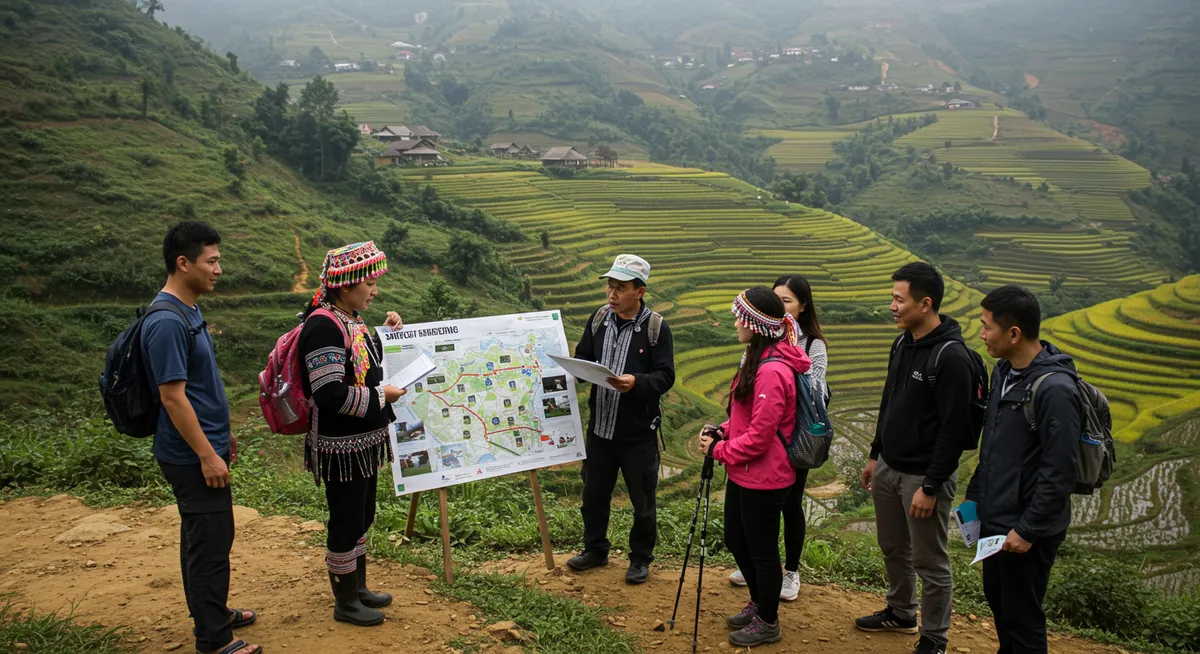
- Prioritize local, experienced guides: Look for guides who are indigenous to the Sapa region, particularly from the Hmong or Red Dao ethnic groups. They possess an intimate knowledge of the trails, the terrain, weather patterns, and invaluable cultural insights.
- Book through reputable agencies or guesthouses: Choose established tour operators with strong positive reviews. Many guesthouses in Sapa also work directly with local guides and can arrange ethical, responsible tours. Avoid unsolicited offers from individuals on the street, as their credentials and safety protocols may be questionable.
- Verify their English skills: Ensure your guide speaks enough English (or your preferred language) to communicate effectively about the trek, safety instructions, and cultural information.
- Support local communities: By booking with local guides, you directly contribute to the economic well-being of the ethnic minority communities, ensuring that tourism benefits those who call Sapa home.
Understanding Trail Difficulty and Weather Patterns
Sapa’s weather can be highly unpredictable, changing rapidly from sunny skies to thick fog and torrential rain within hours. This significantly impacts trail conditions and visibility.
- Research your chosen trail: Understand its length, elevation gain, and typical terrain. Is it a gentle walk through rice paddies to Cat Cat village, or a more strenuous trek to Ta Van and Lao Chai villages?
- Monitor weather forecasts: While not always entirely accurate for mountain regions, check the forecast for Sapa in the days leading up to your trek. Be prepared for all conditions regardless of the forecast.
- Be aware of the wet season (typically May to September): Trails can become extremely muddy and slippery, making even easy walks challenging. During the dry season (October to April), paths are generally firmer but dustier.
The Importance of Travel Insurance
Do not leave home without comprehensive travel insurance. For a Sapa walking tour, this is non-negotiable. Ensure your policy covers:
- Medical emergencies and evacuation: In case of an injury or illness on the trail, you’ll want coverage for medical treatment and, if necessary, emergency evacuation.
- Trip cancellation/interruption: Unforeseen circumstances can always arise, from weather-related disruptions to personal emergencies.
- Lost or stolen belongings: Protect your gear and personal items.
By taking these essential preparation steps, you’ll be well-equipped to safely and fully immerse yourself in the magic of Sapa’s stunning landscapes and vibrant cultures.
What to Pack: Gear & Essentials for Sapa’s Climate
Navigating Sapa’s breathtaking landscapes on foot is an unforgettable experience, but its unique mountain climate demands smart packing. The weather here can be incredibly unpredictable – think sunny mornings, misty afternoons, and chilly evenings, often all in one day! Preparing properly is key to your comfort, safety, and overall enjoyment of your walking tour.
Footwear: Your Foundation for Exploration
- Waterproof Hiking Boots with Excellent Grip: This is arguably the most crucial item on your list. Sapa’s trails can range from well-trodden paths to slippery, muddy, or rocky terrain, especially after rain. Invest in a pair of waterproof hiking boots that offer good ankle support and, most importantly, excellent traction. Break them in before your trip to avoid blisters. While lighter walking shoes might suffice for very short, easy strolls, for true immersion in Sapa’s valleys, robust footwear is non-negotiable.
Layered Clothing: Adapting to Sapa’s Microclimates
The key to staying comfortable in Sapa is layering. This allows you to add or shed clothing as the temperature and humidity fluctuate.
- Moisture-Wicking Base Layers: Start with a synthetic or merino wool base layer to wick away sweat and keep you dry. Avoid cotton, as it absorbs moisture and stays wet, making you feel cold.
- Warm Mid-Layers: A fleece jacket or a lightweight down jacket is perfect for adding warmth during cooler parts of the day or at higher altitudes.
- Waterproof & Windproof Outer Shell: A high-quality waterproof and windproof jacket is an absolute must-have. Sapa experiences frequent rain and strong winds, even outside the main rainy season. This will protect you from sudden downpours and keep you warm against the mountain chill.
- Waterproof Trousers: While not always essential, waterproof over-trousers are highly recommended, especially during the rainy season (May to September) or if you plan longer treks. They’ll keep your legs dry and comfortable.
- Comfortable Walking Trousers/Shorts: Pack breathable trousers that allow for ease of movement. For warmer days, quick-drying shorts can be suitable, but long trousers offer better protection against insects and scratches.
Essential Gear for the Trail
- Sturdy Daypack (20-30L): A comfortable backpack with a rain cover is essential for carrying your layers, water, snacks, and other essentials. Look for one with good ventilation.
- Personal First-Aid Kit: Beyond the basics, include blister plasters, antiseptic wipes, pain relievers, any personal medications, and perhaps rehydration salts. Local pharmacies are available in Sapa town, but preparedness is best for remote treks.
- Water Bottle/Hydration Pack: Staying hydrated is crucial. Bring a reusable water bottle or a hydration pack and fill it before you set out. Refill points can be scarce on the trails.
- High-Energy Snacks: Granola bars, nuts, dried fruit, or energy gels are perfect for keeping your energy levels up between meals. Local vendors might sell snacks, but having your own ensures you have what you like.
- Sun Protection: Even on cloudy or misty days, UV rays can be strong. Pack a wide-brimmed hat, sunglasses, and high-SPF sunscreen.
- Insect Repellent: Especially important for treks through rice paddies and forested areas. Opt for a repellent containing DEET for maximum effectiveness against mosquitoes and other biting insects.
- Power Bank: For your phone or camera. You’ll be taking many photos, and mobile signal can be intermittent, leading to faster battery drain when searching for reception.
- Offline Map/GPS App: Download offline maps of the Sapa region (e.g., Google Maps, Maps.me) before you go. This can be invaluable for navigation, especially if you venture off the main tourist paths or lose phone signal.
Local Currency & Practicalities
- Small Denominations of VND Cash: While Sapa town has ATMs, cash is king, especially in smaller villages or when buying handmade goods and snacks from local vendors on the trail. Small notes (10,000 VND, 20,000 VND, 50,000 VND) are incredibly useful for these transactions and simplify tipping.
On the Trail: Safety & Navigation Tips
⭐ Recommendation: Don't miss out on amazing Sapa tours - book now!
Once you step onto the enchanting trails of Sapa, the real adventure begins. Navigating the unique terrain and ever-changing weather requires a blend of vigilance and respect for your surroundings. Here’s how to stay safe and make the most of your Sapa walking tour.
Staying on Track & Terrain Management
The paths weaving through Sapa’s terraced rice fields, bamboo forests, and ethnic minority villages are often narrow and can be deceptively tricky. Always prioritize safety and stay alert:
- Follow Your Guide: Your local Sapa guide is your most valuable asset. They know the trails intimately, including recent conditions, potential hazards, and the safest routes. Stick close to them and do not stray from the path they indicate. Shortcuts can be dangerous, leading to hidden drops, slippery sections, or even private property.
- Mind the Mud: Sapa is renowned for its lush greenery, which often comes with wet conditions. Expect slippery mud, especially after rain or in shaded areas. Take small, deliberate steps, distribute your weight evenly, and use walking poles if you have them for added stability. Your sturdy, grippy footwear will be your best friend here.
- Conquer Ascents & Descents: Many Sapa treks involve steep climbs and descents. On ascents, conserve energy by taking a slow, steady pace and zigzagging if possible. On descents, bend your knees slightly to absorb shock, and again, small steps are key. Don’t be afraid to ask your guide for a hand if you feel unsure.
- Watch Your Step: Beyond mud, trails can feature loose rocks, exposed roots, and uneven surfaces. Keep your eyes on the path ahead, scanning for obstacles.
Hydration & Weather Watch
Sapa’s climate, while often cool, can be humid, increasing your need for hydration. The weather is famously unpredictable:
- Hydrate Constantly: Even if you don’t feel thirsty, sip water regularly. Carry at least 2 liters of water for a day trek, and consider electrolyte tablets if you’re prone to sweating a lot.
- Be Prepared for All Weather: Sapa’s weather can shift dramatically within hours. Sunny mornings can give way to dense fog or sudden downpours.
- Fog: If fog rolls in, visibility can drop to mere meters. Stay very close to your guide and group, and communicate any concerns immediately.
- Rain: Rain makes paths extremely slippery and can quickly chill you. Ensure your waterproof jacket and backpack cover are easily accessible.
Communication & Group Dynamics
Effective communication is crucial for a smooth and safe Sapa walking tour:
- Speak Up: Don’t hesitate to communicate with your guide. If you’re feeling tired, unwell, experiencing pain (e.g., blisters), or need to stop for a break, let them know immediately. They are there to ensure your safety and comfort.
- Pace Yourselves Together: If trekking in a group, adapt to the slowest member’s pace. Slower individuals should aim to stay at the front or near the guide, while stronger trekkers can provide encouragement and support from behind. No one should be left behind.
- Help Each Other: A shared experience is enhanced by mutual support. Offer a hand on tricky sections, share snacks, and encourage one another.
In Case of Minor Incidents
Even with careful planning, minor incidents can happen:
- Scrapes, Sprains, Blisters: For any minor injury, inform your guide immediately. They will likely have a basic first-aid kit and know how to best assist you or get help if needed.
- Stay Calm: In any situation, try to remain calm. Your guide is experienced in handling these situations and will guide you through the necessary steps. Remember that you are in a relatively remote area, so immediate medical facilities might not be available, emphasizing the importance of prevention and prompt communication.
By keeping these Sapa walking tour safety tips in mind, you’ll be well-prepared to embrace the beauty and challenges of the trails, ensuring a memorable and secure adventure.
Local Insights & Responsible Tourism
A Sapa walking tour isn’t just about breathtaking landscapes; it’s a unique opportunity to immerse yourself in the rich tapestry of ethnic minority cultures. To ensure your experience is enriching for both you and the local communities, embracing responsible tourism and cultural sensitivity is paramount. Here’s how to be a respectful and supportive visitor:
Cultural Sensitivity & Respectful Interaction
- Ask Before You Photograph: The vibrant traditional clothing and daily lives of the H’mong, Dao, Tay, and other ethnic groups are incredibly photogenic. However, always ask for permission before taking someone’s picture, especially children. A simple gesture or “xin chào” (hello) with a smile can go a long way. Respect their decision if they decline.
- Dress Modestly: When visiting villages, particularly homestays or more traditional areas, opt for respectful attire. Shoulders and knees covered are generally appreciated, signifying respect for their customs and way of life.
- Learn Basic Phrases: Even a few words in Vietnamese or a local dialect (if your guide can teach you) like “cảm ơn” (thank you) or “xin chào” (hello) can open doors and show genuine appreciation.
- Understand Local Customs: Your local guide will be invaluable in explaining specific cultural norms. For example, in many ethnic minority homes, removing your shoes before entering is customary. Avoid touching people’s heads, as it’s considered sacred. Observe and follow your guide’s lead.
Ethical Sourcing & Supporting Local Economies
- Buy Directly from Producers: When purchasing beautiful Sapa handicrafts – whether it’s intricate indigo-dyed textiles, silver jewelry, or woven baskets – always try to buy directly from the artisans in the villages. This ensures that the money goes straight into their hands, supporting their families and traditional crafts, rather than through middlemen in town. Gently bargaining is acceptable, but value their time and skill.
- Avoid Giving Money or Candy to Children: While your intentions may be kind, giving money or sweets to children can inadvertently encourage begging or discourage them from attending school. It can also create an unhealthy dependency.
- Support Education & Health Programs: Instead of direct handouts, consider donating to reputable local NGOs or community-based organizations that focus on sustainable development, education, or healthcare initiatives for Sapa’s ethnic communities. Ask your tour operator or guide for recommendations.
Leave No Trace Principles
The pristine beauty of Sapa’s mountains, rice terraces, and forests is fragile. Uphold ‘Leave No Trace’ principles to preserve it for future generations:
- Stay on Marked Paths: This protects local agriculture (especially rice paddies), prevents erosion, and minimizes disturbance to wildlife and sensitive ecosystems.
- Pack It In, Pack It Out: Whatever you bring onto the trail, take it back with you. This includes all trash, food wrappers, plastic bottles, and even fruit peels. Sapa’s villages often have limited waste disposal facilities.
- Respect Wildlife & Nature: Do not disturb plants or animals. Take only photos, leave only footprints.
- Keep Water Sources Clean: Be mindful not to contaminate streams or rivers, as these are vital water sources for local communities and agriculture.
By following these guidelines, your Sapa walking tour will not only be an unforgettable adventure for you but also a respectful and beneficial interaction for the vibrant communities you encounter.
Common Challenges & How to Handle Them
While a Sapa walking tour promises breathtaking vistas and cultural immersion, it’s a journey into nature’s embrace, which occasionally brings its own set of challenges. Being prepared for these common hurdles will ensure they remain minor bumps rather than major roadblocks on your adventure. Here’s how to handle what Sapa might throw your way:
Encountering Leeches
Especially during Sapa’s rainy season (typically May to September) or in damp, forested areas, leeches can be a reality. Don’t panic; they are more of a nuisance than a danger.
- Prevention is Key: Wear long pants and tuck them into your socks or use gaiters. Apply insect repellent with DEET, or specific leech repellent, around your ankles and shoes. Some local guides even recommend rubbing tobacco leaves on your footwear.
- Removal: If one attaches, do NOT pull it off forcefully, as this can leave mouthparts embedded. Instead, sprinkle salt (carry a small sachet!), use a drop of alcohol, or even a flame (carefully!) to make it detach. It will usually fall off on its own after it’s full. A small first-aid kit should include antiseptic wipes for the tiny wound.
Sudden Mountain Weather & Tricky Trails
Sapa’s weather is notoriously unpredictable. Bright sunshine can quickly turn into a misty downpour, making trails slick.
- Rain Readiness: Always pack a waterproof poncho or a lightweight rain jacket and pants, even if the morning looks clear. A waterproof cover for your backpack is essential to protect electronics and spare clothes.
- Mud & Slippery Paths: Invest in proper waterproof hiking boots with excellent grip. Trekking poles are invaluable for stability, especially on muddy descents or stream crossings. Take smaller, deliberate steps, and use your poles to test ground ahead. Your local guide will often point out the safest path.
Persistent Hawkers
You’ll often encounter friendly Hmong or Dao women selling handicrafts, especially at trailheads or popular viewpoints. While their persistence can sometimes feel overwhelming, remember they are trying to make a living.
- Polite Refusal: A simple, firm “No, thank you” or “Cam on” (thank you in Vietnamese) with a polite smile is usually sufficient. Avoid engaging in long conversations if you have no intention of buying, as this can be misinterpreted as interest. If you do wish to support the local community, consider buying from community-run shops or cooperatives, which often ensure fair wages.
Navigating Remote Areas & Loss of Signal
Many of Sapa’s most beautiful trekking routes venture deep into valleys where mobile signal is non-existent. This is part of the charm, but requires preparedness.
- Offline Maps: Download offline maps of the Sapa region (e.g., Google Maps, Maps.me) before you set off.
- Trust Your Guide: This is paramount. Your local Hmong or Dao guide possesses unparalleled knowledge of the terrain, local conditions, and the safest routes. They are your most valuable asset in these remote areas. Communicate any concerns or discomfort immediately. Staying calm, trusting their expertise, and following their instructions will ensure a safe and enjoyable journey, allowing you to fully immerse in the authentic Sapa experience.
After Your Trek: Recovery & Reflection
⭐ Recommendation: Don't miss out on amazing Sapa tours - book now!
After conquering Sapa’s stunning trails, your body will appreciate some immediate care. Rehydration is paramount; even on cooler days, trekking through rice terraces and up hills can lead to significant fluid loss. Opt for plenty of bottled water, or embrace local remedies like refreshing fresh coconut water if available, or a cool trà đá (iced tea). Replenish your energy with a nourishing meal – Sapa offers delicious, hearty Vietnamese fare perfect for recharging after your efforts.
Don’t underestimate the power of a good stretch. Target your quadriceps, hamstrings, calves, and glutes, which will have worked hard traversing Sapa’s varied terrain. Gentle stretches held for 20-30 seconds each can significantly reduce next-day soreness. For an extra dose of relaxation and muscle relief, treat yourself to Sapa’s renowned traditional services. Many local establishments, often run by ethnic minority communities like the Red Dzao, offer invigorating herbal baths made from a unique blend of forest leaves and medicinal plants. A soothing foot massage after miles of walking through muddy paths or rocky trails is also a true blessing, readily available in town and excellent for circulation.
Once your body is rested, take time to reflect on your Sapa trekking adventure. What were the highlights? What challenges did you overcome? This mental review enhances your appreciation for the journey and the beautiful landscapes you explored. Critically, consider providing feedback to your guide and trekking agency. Your insights are invaluable for improving future tours and ensuring high standards of safety and responsible tourism. Be specific and constructive, whether it’s praising excellent guiding, suggesting improvements for trail conditions, or highlighting cultural sensitivities. Many agencies welcome direct feedback or have online review platforms where you can share your thoughts.
Finally, becoming an advocate for responsible tourism in Sapa is a wonderful way to give back. Share your positive experiences – especially those highlighting how your tour supported local communities, respected the environment, or offered authentic cultural exchanges. Post your photos and stories on social media, write a blog post, or simply tell friends and family about your ethical tour choices. By showcasing how you trekked responsibly, you inspire others to choose tours that truly benefit Sapa’s ethnic minority people and preserve its breathtaking natural beauty, ensuring these unique experiences remain vibrant for generations to come.
Frequently Asked Questions
Q: Do I really need a guide for free walking tours in Sapa?
A: Yes, it is highly recommended and often essential, especially for longer or off-the-beaten-path treks. Local guides from ethnic minority communities possess invaluable knowledge of the terrain, weather patterns, local customs, and can bridge language barriers, significantly enhancing your safety and cultural experience.
Q: What’s the best time of year to visit Sapa for walking tours?
A: The ideal times are March to May (spring) for pleasant weather and blooming landscapes, and September to November (autumn) for golden rice terraces and cooler temperatures. Avoid the rainy season (June-August) due to slippery trails and leeches, and the coldest months (December-February) if you’re not prepared for freezing temperatures and fog.
Q: How should I handle persistent sellers on the trails?
A: It’s common for local women and children to follow you, attempting to sell handicrafts. A polite but firm ‘no, thank you’ or ‘khong cam on’ (in Vietnamese) is usually effective. If you wish to purchase, consider buying directly from them at the end of your trek, or from a local market, ensuring fair prices and supporting the local economy.
Embarking on a walking tour in Sapa is an unparalleled journey into the heart of Vietnam’s most stunning natural and cultural landscapes. By prioritizing safety, engaging respectfully with local communities, and coming prepared, you can unlock an authentic and deeply rewarding experience. May your Sapa adventure be filled with breathtaking views, meaningful encounters, and safe, unforgettable strides across its iconic trails.