
Sapa Walking Tour: Packing Essentials for Vietnam Treks (2026)
Prepare for your Sapa walking adventure! This guide covers essential packing tips for varying weather, terrain, and cultural experiences in Vietnam’s stunning northern mountains.
On this page
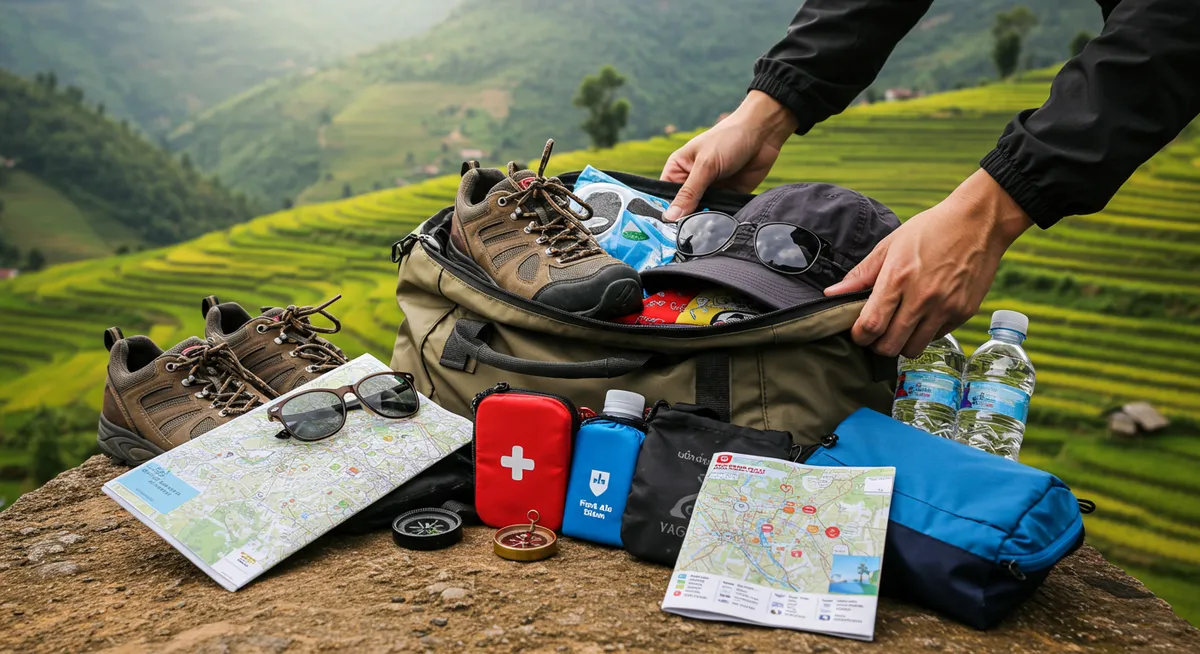
Sapa, with its majestic rice terraces, mist-shrouded mountains, and vibrant ethnic minority villages, is a paradise for walking tour enthusiasts. To truly immerse yourself in this breathtaking landscape and connect with local culture on foot, being well-prepared is key. This comprehensive guide will ensure you pack smart for a safe, comfortable, and unforgettable Sapa walking tour experience, allowing you to focus on the stunning scenery and authentic interactions.
Key Tips and Takeaways
- Prioritize layers and waterproof gear for Sapa’s unpredictable weather.
- Invest in quality, waterproof trekking footwear with good grip and ankle support.
- Always carry a comprehensive first-aid kit, power bank, and offline navigation tools.
- Pack sustainably by minimizing waste and being culturally sensitive in local interactions.
- Consider hiring a local guide for safety, deeper cultural insights, and community support.
Understanding Sapa’s Unique Environment
Before you even begin selecting specific items for your Sapa walking tour, it’s crucial to understand the very unique environment you’ll be exploring. Sapa isn’t just picturesque; it’s a living landscape that demands respect and preparedness from every traveler. Its distinctive climate and challenging terrain are what make it so beautiful, yet also dictate precisely what you need to pack.
Sapa’s climate is notoriously unpredictable, often described as experiencing “four seasons in a single day.” You might start your morning under clear, crisp skies, only for thick fog to roll in by midday, followed by a sudden downpour in the afternoon, and chilly temperatures by evening. Expect it to be frequently cold, especially from late autumn through early spring. Fog is a common companion, adding a mystical atmosphere but also reducing visibility. Rain, often persistent and drizzly, can arrive at any moment, and the humidity can make everything feel damp, even when it’s not actively raining.
Beyond the weather, the walking trails themselves present their own set of challenges. Sapa’s trekking routes wind through breathtaking rice terraces, dense bamboo forests, and remote village paths. These trails are predominantly unpaved and natural, meaning you’ll encounter:
- Muddy Paths: Especially common during and after rain, turning trails into slippery quagmires.
- Slippery Slopes: Both uphill and downhill sections can be treacherous, often comprised of loose earth, wet rocks, or slick clay.
- Uneven Trails: Expect a mix of tree roots, loose stones, narrow ledges, and irregular steps carved into the earth.
- Uphill and Downhill Sections: Many treks involve significant elevation changes, requiring good stamina and stable footing.
This dynamic combination of often-cold, wet conditions and challenging terrain fundamentally dictates your packing strategy. Adaptability is key. You absolutely must prioritize layering to easily adjust to temperature fluctuations, and robust waterproofing is non-negotiable to stay dry and comfortable. Ignoring these environmental realities could turn an incredible experience into a miserable one. Think of your gear not just as clothing, but as your essential defense against Sapa’s wild beauty.
Layer Up: Essential Clothing for All Conditions
Sapa’s mountainous terrain means its weather is notoriously unpredictable. One moment you could be basking in glorious sunshine, the next enveloped in a cool mist or sudden downpour. The key to staying comfortable on your free walking tours in Sapa is mastering the art of layering. This allows you to adapt quickly to changing conditions, ensuring you’re never too hot, too cold, or soaking wet.
The Core of Layering: Three Essential Tiers
- Base Layer (The Foundation): This is your first line of defense, worn directly against your skin. Its primary job is to wick moisture (sweat) away from your body, keeping you dry and preventing chafing, especially important during uphill climbs through the rice terraces. Opt for lightweight, breathable materials like synthetic fabrics (polyester, nylon) or merino wool. Avoid cotton, as it absorbs moisture and dries slowly, leaving you cold and damp, a major discomfort in Sapa’s humid environment. For Sapa, long-sleeved base layers are excellent for sun protection during the day and added warmth in the cooler mornings and evenings.
- Mid-Layer (The Insulator): Your mid-layer provides warmth. This is what you’ll add or remove based on the temperature. Fleece jackets (from microfleece to heavier weights) are ideal as they offer excellent insulation, are lightweight, and dry relatively quickly. A lightweight down or synthetic insulated jacket can also be a good option for colder months (November to February), as Sapa can experience surprisingly chilly temperatures, sometimes even frost. Choose something that allows for freedom of movement for comfortable trekking.
- Outer Layer (The Protector): This is your shield against the elements – wind and rain. A high-quality waterproof and windproof jacket is non-negotiable for Sapa, regardless of the season. Even in the dry season, sudden mountain showers or dense mist are common. Look for jackets with breathable membranes (like Gore-Tex or similar technologies) to prevent you from getting sweaty underneath. Consider waterproof pants too, especially if your treks involve navigating muddy trails or prolonged rain. They pack down small and can be a lifesaver.
Beyond the Layers: Essential Protections
- Sun & Insect Protection: Even on cloudy days, Sapa’s high altitude means stronger UV rays. Long sleeves and pants are highly recommended for walking tours, not just for sun protection but also to guard against insect bites (especially around rice paddies and forest edges) and scratches from overgrown vegetation. Look for lightweight, quick-drying fabrics.
- Warm Accessories: For cooler months (roughly October to March), Sapa can get genuinely cold, particularly in the mornings and evenings. A warm hat (beanie), lightweight gloves, and a scarf or neck gaiter can make a huge difference in your comfort, preventing heat loss from your extremities.
Evening Comfort
After a day of challenging treks, you’ll want to unwind comfortably. Pack some relaxed, warm clothing for the evenings back at your guesthouse or hotel. Think a comfortable pair of trousers (jeans or travel pants) and a warm sweater or fleece. This will allow you to relax and enjoy your Sapa experience without feeling underdressed for the cool mountain air.
Pro Tip: Before your trip, wear your chosen layering system for a short walk at home. This helps you understand how the layers work together and identify any areas of discomfort before you hit Sapa’s trails.
Footwear: Your Trekking Foundation
⭐ Recommendation: Don't miss out on amazing Sapa tours - book now!
The foundation of any successful Sapa walking tour isn’t just your spirit of adventure; it’s quite literally what you put on your feet. Sapa’s stunning landscapes—terraced rice paddies, lush valleys, and traditional ethnic minority villages—are traversed via often uneven, muddy, and sometimes slippery trails. Choosing the right footwear is paramount to ensuring comfort, safety, and an enjoyable experience, rather than battling blisters and slips.
Trekking Boots: Your Primary Sapa Companion
For most Sapa walking tours, especially those involving multi-hour treks through rice fields and up hillsides, robust trekking boots are indispensable. Here’s what to look for:
- Waterproof Capability: This is non-negotiable. Sapa experiences frequent rainfall, and the trails, particularly during the wet season (May to September) or even after a brief shower, can become incredibly muddy and slick. You’ll often navigate small streams or puddles. Boots with a Gore-Tex membrane or similar waterproof technology will keep your feet dry and comfortable, preventing chilling and blisters.
- Ankle Support: The terrain in Sapa is far from flat. Uneven paths, loose stones, and steep ascents/descents are common. Good ankle support helps to prevent twists and sprains, offering stability over challenging ground.
- Excellent Grip: Look for soles with deep lugs and a reliable traction pattern (like Vibram). This is crucial for navigating slippery mud, wet rocks, and damp earth found throughout the Sapa region. You’ll be grateful for it on those steep, slick paddy edges!
Actionable Tip: Always break in new trekking boots before your trip. Wear them on shorter walks at home to ensure they fit well and don’t cause hot spots or rubbing. A brand-new pair on a Sapa trek is a recipe for blisters!
Alternative: Sturdy Walking Shoes for Lighter Treks
If your Sapa itinerary involves only very short, well-defined village walks or exploring Sapa town itself, a pair of sturdy walking shoes or trail runners might suffice. However, be aware of their limitations:
- They should still offer decent grip and ideally some water resistance.
- They won’t provide the same ankle support or mud protection as dedicated trekking boots. If there’s any chance of rain or traversing muddy trails, proper boots are highly recommended over these.
Socks: The Unsung Heroes
Often overlooked, the right socks are just as critical as your footwear for blister prevention and comfort:
- Material Matters: Ditch the cotton! Cotton absorbs moisture and stays wet, leading to blisters and discomfort. Opt for moisture-wicking materials like merino wool or synthetic blends. Merino wool is excellent as it’s naturally antibacterial, odor-resistant, and regulates temperature effectively.
- Quantity: Bring several pairs. Even waterproof boots can get damp from sweat or splashes. Changing into fresh, dry socks daily, or even mid-day if your feet feel wet, is essential for foot health. For multi-day treks, plan on at least 2-3 pairs per day of active trekking, plus a clean pair for evenings.
- Consider Liners: Some trekkers find a thin liner sock underneath a thicker trekking sock provides an extra layer of blister protection by reducing friction.
Evening & Around Accommodation Footwear
After a day of exploring Sapa’s trails, your feet will appreciate a break. Pack a pair of lightweight sandals, flip-flops, or comfortable slip-ons. These are perfect for:
- Letting your feet breathe and recover.
- Wearing around your homestay or hotel.
- Quick trips to local restaurants or markets in Sapa town.
In summary, invest in good quality, broken-in, waterproof trekking boots with excellent ankle support and grip, paired with moisture-wicking socks. Your feet will thank you as you navigate the breathtaking, yet sometimes challenging, landscapes of Sapa.
Navigation, Safety & First Aid Must-Haves
When embarking on a Sapa walking tour, preparing for the unexpected is just as important as packing suitable clothing. Sapa’s stunning landscapes, while breathtaking, can be rugged, and mobile signals can be unreliable. Prioritizing navigation, safety, and basic first aid will ensure your trekking adventure remains enjoyable and worry-free.
Offline Navigation & Power: Your Lifelines on the Trail
- Offline Maps (e.g., Maps.me): This is arguably your most critical navigational tool. While Sapa town has decent connectivity, venture just a few kilometers outside, and you’ll find mobile data becomes spotty or non-existent, especially in valleys and remote villages. Applications like Maps.me allow you to download detailed maps of the Sapa region in advance. This means you can pinpoint your location, follow trails, and discover points of interest without needing an internet connection. Always download the maps for the entire Sapa area *before* you leave a Wi-Fi zone in Hanoi or Sapa town.
- Power Bank & Charging Cables: With offline maps and possibly your camera vying for battery life, a reliable power bank is essential. Sapa’s treks can be long, often spanning several hours or even full days, with no charging points along the trails. A fully charged power bank (at least 10,000 mAh is recommended) will keep your phone, headlamp, and any other USB-chargeable devices topped up, ensuring your navigation doesn’t die mid-hike. Don’t forget all the necessary charging cables for your devices!
Safety & First Aid: Preparing for the Unforeseen
Sapa’s trails, though beautiful, can be uneven, muddy, or slippery, making minor scrapes, blisters, or sprains a possibility. A small, well-stocked first-aid kit offers peace of mind.
-
Small First-Aid Kit: Your personal mini-pharmacy for the trail.
- Blister Plasters: Non-negotiable for Sapa. Long walks, varied terrain, and humidity can quickly lead to blisters. Invest in good quality, durable ones.
- Pain Relievers: For headaches, muscle aches from strenuous walking, or minor sprains.
- Antiseptic Wipes/Solution: To clean any cuts or scrapes before applying a dressing. Infections are best avoided.
- Personal Medications: If you have any prescribed medications or require specific allergy relief, ensure you carry enough for your entire trip, plus a few extra days. Pharmacies in Sapa town are available, but accessing them mid-hike is impossible.
- Small Roll of Medical Tape/Gauze: For wrapping sprains or securing dressings.
- Headlamp/Flashlight: Even if you plan to return before dusk, delays can happen. Sapa’s trails are not lit, and once the sun sets over the mountains, it gets dark very quickly. A compact headlamp frees your hands for balance on tricky terrain, making early morning starts or late returns much safer.
- Whistle for Emergencies: A simple, lightweight, yet powerful safety tool. In an emergency, or if you become disoriented or separated from your group, a whistle is an effective way to signal for help over long distances, far more effective than shouting.
Practical Additions: Small but Mighty
- Small Multi-Tool: A compact multi-tool (with pliers, knife, screwdriver) can be surprisingly handy. From tightening a loose screw on your backpack to opening a stubborn package, it offers practicality that you might not realize you need until you’re on the trail.
By packing these navigation, safety, and first-aid essentials, you’ll be well-prepared to embrace Sapa’s magnificent walking trails with confidence, ensuring a more relaxed and enjoyable adventure through Vietnam’s stunning northern highlands.
Personal Comfort & Hygiene
Ensuring your personal comfort and hygiene on a Sapa walking tour is paramount to an enjoyable and worry-free experience. The unique climate and terrain of Sapa, from its misty mornings to sun-drenched afternoons and sometimes muddy trails, demand a thoughtful approach to what you carry. Being prepared allows you to focus on the breathtaking scenery and cultural encounters rather than minor discomforts.
Sun Protection: Don’t Underestimate Sapa’s Sun
- High-SPF Sunscreen: Even on cloudy or misty days, Sapa’s altitude means you’re closer to the sun’s powerful UV rays. Pack a high-SPF (30+ or 50+), broad-spectrum sunscreen. Opt for a water-resistant or sweat-proof formula, especially since you’ll be active and potentially sweating. Apply it generously to all exposed skin, including your face, neck, ears, and hands.
- UV-Protective Sunglasses: Essential for glare reduction and eye protection. Choose sunglasses with 100% UV protection. Wrap-around styles are particularly good for preventing dust and wind from irritating your eyes, a common concern on Sapa’s less-paved trails.
- Wide-Brimmed Hat: A wide-brimmed hat offers superior protection compared to a baseball cap, shielding your face, ears, and the back of your neck from the sun. Look for lightweight, breathable materials. It also provides a bit of shelter during light drizzle.
Insect Repellent: A Non-Negotiable for Sapa’s Lush Trails
- DEET-Based Insect Repellent: Given Sapa’s lush, rural environment, particularly around rice paddies and forested areas, mosquitoes and other biting insects can be prevalent, especially during the warmer, wetter months. A repellent containing DEET (at least 20-30%) is highly recommended for effective protection against mosquitoes, ticks, and other biting insects. Apply it to exposed skin, but avoid contact with eyes and mouth. Consider also treating your clothing with permethrin for an added layer of defense.
Personal Hygiene Essentials: Keep it Clean and Light
- Travel-Size Toiletries: Pack only the essentials in small, travel-size containers to minimize weight. Think shampoo, conditioner, body wash, toothpaste, and a small bar of soap. Many guesthouses provide basic amenities, but having your own ensures comfort.
- Quick-Dry Towel: A compact, lightweight microfiber towel is a game-changer. It dries much faster than a standard towel, which is invaluable in Sapa’s often humid climate. It can be used for showering, wiping sweat, or even as an emergency cover.
- Hand Sanitizer: This is an absolute must-have. You’ll be touching various surfaces, handling money, and potentially eating snacks from local vendors along the trail. A small bottle of alcohol-based hand sanitizer (at least 60% alcohol) allows you to clean your hands quickly before meals or after interacting with animals or crowded areas, helping prevent the spread of germs.
Rain Protection: Sapa’s Whimsical Weather
- Small Umbrella or Rain Poncho: Sapa’s weather can be notoriously unpredictable, with sudden showers appearing even on seemingly clear days. A compact travel umbrella or a lightweight rain poncho can be a lifesaver. A poncho is often preferred for walking tours as it keeps your hands free and can cover your backpack, too. Opt for something durable but easy to fold and store.
Remember the golden rule of packing for a walking tour: pack light, pack smart. Many items can serve multiple purposes. By prioritizing these personal comfort and hygiene essentials, you’ll be well-equipped to fully immerse yourself in the beauty and adventure of your Sapa walking tour.
Connecting with Locals & Cultural Sensitivity
⭐ Recommendation: Don't miss out on amazing Sapa tours - book now!
A walking tour through Sapa is as much about the breathtaking landscapes as it is about the vibrant cultures of its ethnic minority communities. Connecting authentically with the H’mong, Red Dao, and other groups who call these mountains home can be the most rewarding part of your journey. To ensure these interactions are positive and respectful for everyone, here are some key considerations:
Respectful Attire for Village & Home Visits
While comfortable, practical clothing is essential for trekking, remember that Sapa’s ethnic minority communities often uphold traditional values of modesty. When you’re entering a village, visiting a local home, or attending a community gathering, demonstrating respect through your attire is crucial. Always aim to cover your shoulders and knees. This applies to both men and women. Simple t-shirts or long-sleeved tops paired with long pants or skirts are ideal. This small gesture shows your appreciation for their customs and helps foster a welcoming atmosphere.
Interacting with Children and Supporting Local Communities
You’ll often encounter children in the villages, sometimes accompanying their mothers who are selling handicrafts, or simply playing. It’s natural to want to engage with them, but exercising caution and cultural sensitivity is vital. We strongly advise against giving money directly to children. While your intentions may be kind, this practice can inadvertently encourage begging, create dependency, and may even discourage school attendance as children see more immediate gains from approaching tourists. Instead, consider these more impactful ways to connect:
- Non-Monetary Gifts (Use Discretion): If you wish to offer a small token, practical items like pens, notebooks, or small school supplies can be appreciated. However, rather than giving to individual children, it’s often better to offer them to a parent, a village elder, or a local school/teacher if the opportunity arises, so they can be distributed appropriately. Even better, consider a donation to a reputable local NGO supporting education.
- Support Local Handicrafts Directly: The most sustainable and respectful way to support families is by purchasing the beautiful, intricate handicrafts they create themselves. This ensures your money directly benefits their households and encourages the preservation of their traditional skills. Buy from the artisans you meet in the villages rather than from shops in Sapa town, where profit margins for the creators might be lower.
- Engage Respectfully: A genuine smile, a friendly wave, or attempting a few local phrases can go a long way. Engage in conversation with adults, ask about their crafts, and show interest in their way of life.
Bridging the Language Gap
While many locals who frequently interact with tourists, especially those selling goods, will have a basic grasp of English, learning a few simple Vietnamese phrases can significantly enhance your interactions and show genuine effort. Don’t worry about perfect pronunciation; the attempt itself is appreciated.
- “Xin chào” (Sin chow): Hello
- “Cảm ơn” (Gam un): Thank you
- “Tạm biệt” (Tam bee-et): Goodbye
For more complex conversations, consider downloading an offline translation app like Google Translate before you set off, as internet connectivity can be spotty in remote areas. A friendly smile and respectful gestures are universal languages that will always help bridge any communication gaps.
Sustainable & Eco-Friendly Packing
As you prepare for your incredible Sapa walking tour, remember that your packing choices have a tangible impact on the stunning environment you’re about to explore. Sapa’s dramatic rice terraces, lush valleys, and pristine mountains are not just backdrops for your adventure; they are the livelihood and heritage of the local ethnic minority communities. By packing sustainably, you contribute to preserving this natural beauty and supporting responsible tourism.
Here’s how to make your Sapa packing list eco-friendly:
-
Reusable Water Bottle: Your Trekking Essential
This is arguably the most crucial item for any sustainable traveler in Sapa. Walking for hours amidst the hills and villages means staying hydrated is paramount. Instead of buying multiple single-use plastic bottles daily, bring a durable, reusable water bottle (at least 1-1.5 liters capacity). While dedicated “refill stations” common in Western cities might not be widely signposted in Sapa, many guesthouses, hotels, and even some larger cafes are happy to refill your bottle if you ask politely. You’ll be amazed how quickly you can rack up plastic bottle waste on a multi-day trek; choosing reusable makes a huge difference in reducing plastic litter in the beautiful Sapa landscape.
-
Reusable Shopping Bag: For Souvenirs & Snacks
Sapa’s vibrant market and the roadside stalls in ethnic minority villages offer a treasure trove of unique textiles, handicrafts, and local produce. Rather than accepting countless flimsy plastic bags that quickly become litter, bring a sturdy, foldable reusable shopping bag. It’s perfect for carrying your purchases, snacks bought along the trail, or even a wet poncho after a sudden shower. This simple habit helps minimize the plastic waste that often clogs local ecosystems and landfills.
-
Minimize Single-Use Plastics: Think Beyond Bottles & Bags
Extend your eco-consciousness to other items. Consider packing reusable cutlery (a spork is great!) if you plan to enjoy street food or local market meals. Opt for fresh fruit instead of pre-packaged snacks with excessive plastic wrapping. If you drink coffee, a reusable travel mug can prevent you from using a disposable cup, though this might be more challenging to implement consistently in smaller Sapa cafes. The goal is to refuse, reduce, and reuse wherever possible, leaving the trails and villages as pristine as you found them.
-
Solid Toiletries: Lighten Your Load & Your Footprint
For a multi-day walking tour, solid toiletries are a game-changer. Shampoo bars, conditioner bars, solid soap, and even toothpaste tablets eliminate bulky plastic bottles and tubes from your packing. They’re lighter, spill-proof (a huge plus for your backpack!), and significantly reduce the amount of plastic waste you generate. Many brands now offer excellent eco-friendly options that work just as well as their liquid counterparts, helping you minimize your environmental impact while keeping clean and fresh on your Sapa adventure.
By thoughtfully choosing what you pack, you not only enhance your Sapa walking tour experience but also become a part of the solution, helping to protect this magnificent region for future generations of travelers and its local inhabitants.
The Indispensable Daypack Checklist
When embarking on a Sapa walking tour, your main luggage will likely stay at your accommodation. The real hero of your daily adventures through terraced rice fields and ethnic minority villages will be your daypack. This smaller, lighter bag needs to be a well-organized command center, holding everything you need to stay comfortable, energized, and ready for whatever Sapa’s unpredictable charm throws your way. Here’s a detailed checklist for your indispensable Sapa daypack:
-
Waterproof Rain Cover for Daypack: Sapa’s weather is notoriously fickle. One moment you’re basking in sunshine, the next a thick mist rolls in, often followed by a sudden downpour. A dedicated waterproof cover is crucial to protect your electronics, snacks, and any other essentials from getting soaked. Even if your daypack claims to be water-resistant, an extra cover is cheap insurance against Sapa’s persistent drizzle or heavy tropical rains.
-
Hydration System (Bladder or Easy-Access Bottles): Staying hydrated is paramount on Sapa’s often steep and muddy trails. A hydration bladder (1.5-2 liters) with a drinking tube is incredibly convenient, allowing you to sip water constantly without stopping. Alternatively, ensure your daypack has easily accessible side pockets for water bottles. Aim for at least 1.5-2 liters of water capacity, especially on longer treks, as refilling options can be sparse between villages. Local vendors in some villages might offer bottled water for sale, but it’s best to carry your own sufficient supply.
-
Energy-Boosting Snacks: Trekking through Sapa’s undulating terrain can be surprisingly strenuous. Pack a variety of high-energy, non-perishable snacks like trail mix, energy bars, dried fruit, nuts, or even some local Vietnamese dried mango or rice crackers. These will provide quick boosts of energy between meals or when you’re powering up a particularly challenging incline. Avoid anything that can melt easily or get crushed.
-
Camera with Extra Battery and Memory Card: Sapa is a photographer’s dream! From the iconic rice terraces that paint the hillsides in shades of green and gold, to the vibrant ethnic minority communities and misty mountain vistas, you’ll want to capture every moment. Ensure your camera battery is fully charged, and pack at least one spare – the cold or long shooting days can drain them quickly. An extra memory card ensures you won’t miss a shot because you’ve run out of space. Consider a lightweight point-and-shoot or mirrorless camera for ease of carrying.
-
Small Notebook and Pen: This might seem old-fashioned, but a small notebook and pen can be invaluable. Use it to jot down observations, sketch a memorable scene, or simply to learn and practice a few basic Vietnamese or local ethnic minority phrases (like “Xin chào” for hello, or “Cảm ơn” for thank you). It’s also handy for exchanging contact information with new friends or your local guide, or making notes about specific villages or cultural insights your guide shares.
-
Sufficient Vietnamese Dong (VND) in Small Denominations: While Sapa Town has ATMs, local villages deep in the valleys do not. Your trek will often take you through Hmong, Red Dao, or Tay villages where you might want to purchase beautifully handcrafted souvenirs (like indigo-dyed fabrics, embroidery, or silver jewelry) directly from the artisans. Having small denominations of VND (e.g., 10,000, 20,000, 50,000 VND notes) is essential for these transactions, for buying a refreshing drink from a local shop, or perhaps even for a small snack from a roadside vendor. It also shows respect and directly supports the local communities you encounter.
Often Overlooked Sapa Specifics
While standard packing lists cover the basics, Sapa’s unique mountainous terrain and microclimates demand a few often-overlooked additions to truly enhance your walking tour experience. These items can be the difference between a challenging trek and a comfortable, memorable adventure through the terraced rice fields and ethnic minority villages.
Trekking Poles: Your Best Friends on Sapa’s Trails
Sapa’s trails are stunning but can be incredibly challenging. Expect uneven paths, steep ascents and descents, and frequently muddy or slippery stretches, especially during and after the rainy season (roughly May to September). Negotiating slick, red earth or moss-covered stone steps requires extra stability. Trekking poles provide crucial balance, reduce strain on your knees (particularly on descents into valleys or towards homestays), and give you confidence on tricky terrain. They allow you to maintain rhythm and conserve energy, making longer treks much more enjoyable. Opt for collapsible poles that can be easily stowed when not needed.
Waterproof Phone Case: Capture Every Misty Moment
Sapa is renowned for its misty mornings and unpredictable afternoon drizzles. While a "water-resistant" phone might survive a light sprinkle, a fully waterproof phone case is a genuine lifesaver. It protects your valuable device from heavy rain, accidental drops into puddles (or worse, mud!), and the pervasive humidity that can seep into electronics. This allows you to capture breathtaking photos of the dramatic landscapes, vibrant ethnic costumes, and daily life in the villages without fear of damaging your device. Don’t risk missing that perfect shot because you’re worried about the weather.
Gaiters: Keep the Mud & Moisture Out
If you plan on venturing beyond the main town’s paved paths into the deeper village trails, gaiters are an absolute must. These fabric sleeves extend from your ankle up to your calf, forming a protective barrier between your hiking boots and the elements. Sapa’s trails are notorious for mud, and gaiters prevent mud, water, small stones, and even stray bits of vegetation from entering your boots and socks. This keeps your feet drier, more comfortable, and prevents chafing or blisters caused by moisture and debris. They are lightweight, pack small, and can dramatically improve your comfort on a long, muddy trek.
Ziploc Bags (Various Sizes): The Ultimate Organizer & Protector
Never underestimate the power of a few durable Ziploc bags. In Sapa, they serve multiple crucial purposes. Bring several sizes: large ones are perfect for isolating muddy clothes or shoes from clean items in your backpack after a trek, preventing a mess. Smaller ones are invaluable for protecting electronics (power banks, chargers, headphones) from humidity and potential leaks in your daypack. They can also be used to store snacks, keep documents dry, or even pack out small bits of trash, upholding responsible tourism practices in the pristine environment.
A Good Book or E-Reader: For Serene Downtime
While Sapa is all about outdoor exploration, there will inevitably be downtime. Whether it’s a quiet evening at your homestay, waiting out a sudden downpour, or simply enjoying the peaceful atmosphere after a long day’s trek, having a good book or an e-reader can be a wonderful companion. Connectivity can be spotty in the more remote areas, so relying on digital entertainment might not always be feasible. Immerse yourself in a story or learn more about Vietnamese culture as you unwind amidst the tranquil beauty of the mountains.
Pre-Trip Preparations for Sapa Treks
Embarking on a Sapa walking tour is an incredible way to immerse yourself in the stunning landscapes and vibrant culture of Northern Vietnam. To ensure your adventure is smooth, safe, and truly unforgettable, thorough pre-trip preparation is key. From building your stamina to securing the right support, here’s what you need to focus on before you even pack your bags.
Physical Fitness Preparation
Sapa’s walking tours range from gentle strolls through rice paddies to challenging multi-day treks across varied terrain. The region is characterized by steep ascents and descents, often muddy paths, and uneven surfaces, particularly around the iconic rice terraces. While you don’t need to be an elite athlete, a moderate level of fitness will significantly enhance your enjoyment and reduce the risk of injury.
- Cardiovascular Endurance: Start incorporating regular walks, jogging, or stair climbing into your routine several weeks or months before your trip. Aim for sessions of 45-60 minutes, mimicking the duration of a typical trekking day.
- Leg Strength: Focus on exercises that strengthen your quads, hamstrings, and glutes, such as squats, lunges, and calf raises. These will be invaluable for navigating inclines and declines.
- Balance and Stability: Practice walking on uneven surfaces or using a wobble board if available, as the trails can be slippery, especially during the rainy season.
- Practice Hikes: If possible, go on a few longer hikes with the daypack you intend to bring to Sapa, carrying a similar weight. This helps you get used to the feel and identify any potential discomfort points.
Researching Reputable Local Tour Operators and Guides
Choosing the right tour operator and guide is paramount for a safe, authentic, and ethical Sapa experience. Many local ethnic minority people, particularly Hmong and Dao women, work as independent guides, offering deep insights into their culture and excellent navigation skills through their ancestral lands.
- Look for Licensed Operators: Ensure the tour company is properly licensed by the Vietnamese government. This indicates they adhere to certain safety and operational standards.
- Check Reviews: Utilize platforms like TripAdvisor, Google Reviews, and travel forums to find operators with consistently positive feedback, specifically mentioning safety, local insights, and guide quality.
- Prioritize Local Guides: Opt for tours that directly employ or support local ethnic minority guides. They possess unparalleled knowledge of the trails, local customs, and can provide invaluable cultural context. They are also often more sustainable, ensuring tourism benefits the local communities.
- Ask About Group Sizes: Smaller groups generally offer a more personalized experience and allow for better interaction with your guide and the environment.
- Inquire About Inclusions: Confirm what’s included (meals, accommodation for multi-day treks, permits, transportation) and what’s not.
Securing Travel Insurance (Covering Trekking)
Never underestimate the importance of comprehensive travel insurance, especially when embarking on active adventures like trekking. While Sapa treks are generally not extreme, accidents can happen, and medical emergencies abroad can be incredibly costly.
- Trekking/Hiking Coverage: Crucially, ensure your policy explicitly covers “trekking” or “hiking” activities, sometimes up to a certain altitude (Sapa’s highest point, Fansipan, is 3,143m, but most treks are at lower elevations). Standard policies might exclude adventure sports.
- Medical and Evacuation Coverage: Verify it covers emergency medical treatment, hospital stays, and most importantly, emergency evacuation (e.g., helicopter rescue if needed from a remote area).
- Trip Interruption/Cancellation: Look for coverage for unforeseen events that might force you to cancel or cut short your trip, such as illness or family emergencies.
- Lost Luggage/Belongings: While not specific to trekking, this is a good standard inclusion.
Understanding Visa Requirements for Vietnam
Ensure you have the correct visa for Vietnam well in advance of your departure. Requirements vary significantly based on your nationality and intended length of stay.
- Check Your Nationality: Many nationalities can enter Vietnam visa-free for a limited period (e.g., 15-45 days), but others require a visa.
- e-Visa: Vietnam offers an e-Visa for citizens of many countries, which is typically the most convenient option. Apply online through the official Vietnamese Immigration Department website.
- Visa on Arrival (VOA): This requires obtaining an approval letter online from a legitimate agency before you travel, and then getting the visa stamped upon arrival at one of Vietnam’s international airports.
- Embassy/Consulate Application: If other options aren’t available for your nationality, you may need to apply for a visa at a Vietnamese embassy or consulate in your home country.
- Passport Validity: Your passport should generally be valid for at least six months beyond your intended departure date from Vietnam.
Taking these preparatory steps will lay the groundwork for an incredibly rewarding and stress-free Sapa trekking adventure, allowing you to fully embrace the magic of this unique destination.
Frequently Asked Questions
⭐ Recommendation: Don't miss out on amazing Sapa tours - book now!
Q: What’s the best time of year to visit Sapa for walking tours?
A: The spring (March-May) and autumn (September-November) offer the most pleasant weather with clear views and vibrant rice terraces. However, Sapa’s charm is year-round; be prepared for cold and fog in winter (Dec-Feb) and potential rain in summer (Jun-Aug). Each season offers a unique walking experience, so proper packing is key regardless of when you visit.
Q: Do I need a guide for Sapa treks, or can I go alone?
A: While some trails are accessible, it’s highly recommended to hire a local guide, especially for longer or off-the-beaten-path treks. Guides provide invaluable cultural insights, help navigate potentially confusing or slippery trails, and ensure your safety, particularly with Sapa’s rapidly changing weather. It directly supports the local ethnic minority communities, providing a more authentic and responsible experience.
Q: Can I rent trekking gear in Sapa?
A: Yes, some shops in Sapa town offer trekking gear rentals, including boots, jackets, and trekking poles. However, the quality can vary. For comfort and safety, it’s best to bring your essential items, especially good quality waterproof boots. Renting poles locally can be a good option if you don’t wish to carry them from home.
Q: What currency should I bring for Sapa, and how much cash?
A: You should bring Vietnamese Dong (VND). While ATMs are available in Sapa town, it’s advisable to carry sufficient small denominations of VND, especially when trekking to remote villages or for local purchases where card payments are not accepted. Many local guides and homestays prefer cash payments.
With this comprehensive packing guide, you’re now fully equipped to embark on an unforgettable Sapa walking tour. Exploring Sapa on foot offers an unparalleled opportunity to witness its raw beauty, connect with its resilient people, and immerse yourself in the rich tapestry of its culture. Remember to pack smart, trek responsibly, and open yourself to the magic of Vietnam’s northern highlands. Happy trails!