
Prepare for Vienna Walking Tours: Your Ultimate Guide (2026)
Get ready for unforgettable Vienna walking tours! This guide covers essential gear, safety tips, and local insights to explore Austria’s capital comfortably on foot.
On this page
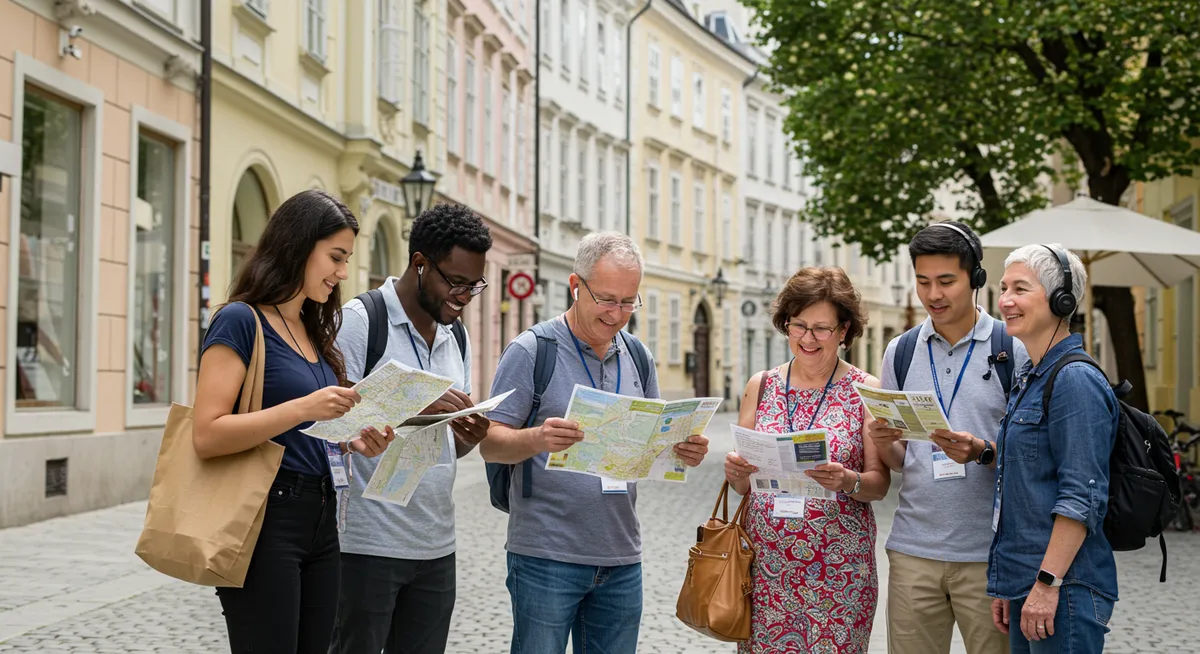
Vienna, a city steeped in history, art, and imperial grandeur, truly comes alive when explored on foot. Its charming cobblestone streets, magnificent architecture, and hidden courtyards beckon travelers to discover every nook and cranny. This comprehensive guide is designed for the walking enthusiast, ensuring you’re fully prepared to navigate Vienna’s pedestrian-friendly landscapes safely, comfortably, and enjoyably, transforming your visit into an immersive exploration.
Key Tips and Takeaways
- Prioritize comfortable, broken-in walking shoes above all else.
- Dress in layers to adapt to Vienna’s often changeable weather.
- Always carry a reusable water bottle and stay hydrated; Vienna’s tap water is excellent.
- Utilize offline maps and public transport to maximize your exploration time.
- Be aware of your surroundings and protect your valuables, especially in crowded areas.
- Embrace local culture and allow for spontaneous discoveries.
- Pre-book popular guided tours, especially during peak season.
Why Vienna is a Walker’s Paradise
Vienna isn’t just a city to visit; it’s a city to *experience*, and there’s no better way to truly absorb its charm, grandeur, and hidden corners than on foot. For travelers embarking on free walking tours in Vienna, you’ll quickly discover why the Austrian capital is an absolute paradise for pedestrians.
One of Vienna’s greatest assets is its remarkable walkability and compact size, particularly within the historic city center, the Innere Stadt (1st District). Bounded by the magnificent Ringstrasse, this core area packs an astonishing concentration of imperial palaces, grand boulevards, ornate churches, and world-class museums within easy strolling distance. You can walk from St. Stephen’s Cathedral to the Hofburg Palace, the Spanish Riding School, and the Kunsthistorisches Museum, all without breaking much of a sweat.
The city’s commitment to creating pedestrian-friendly environments further enhances the walking experience. Iconic thoroughfares like Graben, Kohlmarkt, and Kärntner Straße are beautifully paved, car-free zones, inviting you to linger, window shop, or simply soak in the atmosphere. But don’t limit yourself to the main arteries; venture down charming side streets, explore hidden courtyards (Durchhäuser), and you’ll stumble upon delightful cafes, artisanal shops, and quiet squares inaccessible by car. Even beyond the Ring, areas like the vibrant Mariahilfer Straße offer extensive pedestrian sections, perfect for leisurely retail therapy.
Opting for walking over public transport or taxis offers an unparalleled intimacy with Vienna. While the U-Bahn is incredibly efficient, it whisks you past the subtle details that make the city so captivating. On foot, you’ll notice the intricate carvings on a centuries-old facade, catch the scent of fresh pastries wafting from a traditional bakery, hear the melancholic strains of a street musician playing a Schubert piece, or discover a cozy Beisl (traditional Viennese pub) tucked away from the main tourist routes. These are the moments that transform a sightseeing trip into a deeply personal exploration.
Beyond the city center, Vienna continues to reward the walker. The expansive gardens of Schönbrunn Palace invite hours of exploration, from structured Baroque parterres to sprawling wooded hills. The Prater, with its iconic Hauptallee, offers miles of tree-lined paths perfect for a brisk walk or relaxed amble. Even the banks of the Danube Canal provide excellent urban walking routes, adorned with contemporary street art and waterside bars.
To maximize your walking adventures in Vienna, here are a few actionable tips:
- Wear Comfortable Shoes: This is non-negotiable. Vienna’s cobblestones and expansive sites demand supportive, broken-in footwear.
- Embrace Detours: Don’t stick rigidly to your map. Some of the best discoveries are made when you let curiosity guide you down an intriguing alley.
- Look Up, Look Down, Look Around: Vienna’s beauty isn’t just at eye level. Admire the rooftop sculptures, the ornate door knockers, and the intricate sidewalk patterns.
- Carry Water & Snacks: Especially during warmer months, staying hydrated is key. Many bakeries offer delicious, portable treats.
- Utilize Offline Maps: Apps like Google Maps or Maps.me allow you to navigate without data, ensuring you can explore freely.
By choosing to explore Vienna on foot, you’re not just seeing the city; you’re becoming a part of its rhythm, discovering its secrets, and creating memories that delve far deeper than any quick ride on the U-Bahn ever could.
Packing Smart: Essential Gear for Your Vienna Walking Adventure
Your Vienna adventure will involve a lot of enchanting exploration on foot, so packing smart is paramount to ensuring comfort and maximizing your enjoyment. Forget fashionable but impractical footwear; think pragmatic yet prepared. Here’s what you should definitely tuck into your luggage for a seamless walking tour experience in Vienna:
-
Comfortable, Broken-In Walking Shoes: This is non-negotiable. Vienna’s charm often lies in its cobblestone streets and extensive pedestrian zones. You’ll be covering significant distances, from the grand boulevards around the Ringstrasse to the charming, winding alleys of the city center and the sprawling grounds of Schönbrunn Palace. New shoes are a recipe for blisters and discomfort. Opt for well-cushioned, supportive shoes you’ve worn many times before. Your feet will thank you after a full day of exploring sights like St. Stephen’s Cathedral and the Hofburg Imperial Palace.
-
Layered Clothing for Vienna’s Variable Weather: Vienna’s weather can be notoriously unpredictable, sometimes offering “four seasons in a day,” especially in spring and autumn. The key is adaptability. Pack versatile layers: a moisture-wicking base layer, a warm mid-layer (like a fleece or light sweater), and a light outer jacket. This allows you to easily adjust to changes in temperature, from cool mornings and evenings to warmer midday sun, or even a sudden breeze whipping through the inner city.
-
Waterproof Outerwear: Even outside of typical rainy seasons, Vienna can experience sudden, short downpours. A lightweight, packable rain jacket or a sturdy umbrella is indispensable. While an umbrella offers quick protection, a waterproof jacket provides hands-free coverage, especially useful if you’re navigating with a map or snapping photos. Don’t let a brief shower interrupt your exploration of the Naschmarkt or a stroll through Stadtpark.
-
Small, Secure Daypack: A comfortable, compact daypack is essential for carrying your daily essentials. Look for one that’s easy to wear for hours and ideally has zippered compartments to keep your valuables secure, especially in crowded tourist areas like Stephansplatz or the Museum Quarter. It should be large enough for your water bottle, snacks, a layer, and any souvenirs you might pick up.
-
Reusable Water Bottle: Staying hydrated is crucial for energy levels, especially with all the walking you’ll be doing. Vienna boasts some of the best tap water in the world – direct from Alpine springs (“Hochquellwasser”). You’ll find public drinking fountains throughout the city (though some are seasonal), making it easy and environmentally friendly to refill your bottle on the go.
-
Portable Power Bank/Charger: Between using Google Maps for navigation, snapping countless photos of stunning Baroque architecture, and perhaps using audio guides, your phone battery will drain quickly. A fully charged power bank will ensure you stay connected and can capture every memorable moment without scrambling for an outlet.
-
Umbrella: While a rain jacket is great, a compact umbrella offers extra protection and is easy to whip out for unexpected sprinkles or to shield from the sun during peak summer. Many small cafes and restaurants also have umbrella stands near their entrances, so it’s a practical item to carry.
-
Sunglasses and Sun Hat: Even on seemingly overcast days, UV rays can be strong, especially when reflected off wide open squares like Heldenplatz or Maria-Theresien-Platz. Sunglasses will protect your eyes from glare, and a sun hat will offer essential protection for your face and scalp, making long days outdoors much more comfortable.
-
Basic First-Aid for Blisters: Despite your best efforts with broken-in shoes, prolonged walking can sometimes lead to unexpected discomfort. Pack a small kit with blister plasters (Compeed is highly recommended), antiseptic wipes, and perhaps some pain relievers. Addressing a hot spot or small blister early can prevent it from ruining your day of sightseeing.
By thoughtfully packing these essentials, you’ll be well-prepared to comfortably and confidently immerse yourself in Vienna’s rich history and breathtaking beauty, step by delightful step.
Footwear & Comfort: Keeping Your Feet Happy
💡 Pro Tip: Book your Vienna adventures in advance through Viator for the best deals!
Your feet are your most valuable asset on any walking tour, and in a city as expansive and beautiful as Vienna, happy feet translate directly into a happy travel experience. Neglecting proper footwear can turn a dream tour of the Hofburg Palace or a stroll through the Naschmarkt into a painful ordeal. Vienna’s charming, historic streets, while beautiful, are often paved with uneven cobblestones, especially in the Innere Stadt (Old Town) and picturesque districts like Grinzing, demanding resilient and supportive shoes.
The Pillars of Proper Footwear
- Cushioning is King: Think about the sheer number of steps you’ll take each day. Good cushioning absorbs impact, protecting your joints and muscles from the constant pounding of pavement and cobblestones. Look for shoes with ample sole padding and responsive midsoles.
- Support Where It Matters: Arch support is crucial for long days on your feet, helping to prevent fatigue and common issues like plantar fasciitis. While ankle support isn’t strictly necessary for city walking, a stable fit that prevents your foot from sliding around within the shoe will prevent blisters.
- Breathable & Weather-Appropriate Material: Vienna’s weather can be surprisingly varied. While comfortable sneakers are often ideal, consider their material. Breathable fabrics like mesh or light leather are great for warmer months. For cooler or potentially rainy periods (which can strike at any time), a water-resistant material is a lifesaver, ensuring your feet stay dry and warm. Avoid heavy, unventilated shoes that can lead to sweaty feet and, consequently, blisters.
- The Perfect Fit: This is non-negotiable. Your shoes should fit snugly but not tightly, with enough room in the toe box for your toes to wiggle. Try on shoes in the afternoon (when your feet are slightly swollen) and wear the type of socks you intend to tour in. Walk around the store to ensure there are no pinch points or rubbing.
The Unsung Heroes: Your Socks
Never underestimate the power of good socks! Cotton socks are your enemy; they absorb moisture and stay wet, leading to friction and blisters. Instead, opt for:
- Moisture-Wicking Synthetics: Fabrics like polyester, nylon, or CoolMax actively pull sweat away from your skin.
- Merino Wool: A fantastic natural alternative, merino wool is soft, breathable, moisture-wicking, and surprisingly insulating, keeping your feet comfortable in both warm and cool conditions.
- Proper Thickness: Match your sock thickness to your shoes and the weather. Sometimes, a thin liner sock under a slightly thicker outer sock can help prevent friction.
Blister Prevention & On-the-Go Care
The best way to deal with blisters is to prevent them from forming:
- Break Them In: NEVER wear brand-new shoes on a walking tour. Wear them around your home and for shorter walks for several weeks beforehand.
- Lubricate & Protect: Apply an anti-chafing balm or stick to areas prone to rubbing *before* you start walking. Carry blister plasters (like Compeed), moleskin, or sports tape and apply them at the first sign of a hot spot. It’s much easier to prevent a blister than to manage a full-blown one.
- Pack a Mini Foot First-Aid Kit: Include antiseptic wipes, small scissors, various sizes of band-aids, blister plasters, and moleskin.
- Listen to Your Feet: If you feel a hot spot developing, address it immediately. Don’t wait until it’s too late. Vienna has numerous cafés, parks, and benches where you can take a quick break, remove your shoes, and air out your feet. Don’t hesitate to utilize Vienna’s excellent public transport system (U-Bahn, tram, bus) for longer stretches if your feet need a reprieve.
By prioritizing your footwear, you’ll be able to fully immerse yourself in Vienna’s imperial grandeur, charming alleyways, and vibrant atmosphere, ensuring your memories are filled with wonder, not discomfort.
Mastering Vienna’s Streets: Maps, Apps, and Public Transport Integration
Navigating Vienna’s charming streets is key to an enjoyable walking tour. Reliable tools ensure you make the most of your time and easily reach destinations. Mastering a few navigation techniques empowers you to explore Vienna with confidence, even without constant internet.
For seamless exploration, equip yourself with offline maps:
- Google Maps: Download the Vienna area for offline use *before* you head out. Access walking directions, POIs, and your location even without mobile data, invaluable for exploration.
- Maps.me: An excellent alternative, Maps.me uses OpenStreetMap data, often providing incredibly detailed maps with footpaths. Entirely offline once maps are downloaded, perfect for intricate urban walks.
Beyond static maps, real-time navigation apps are indispensable for integrating public transport into your walking plans:
- Wiener Linien (WienMobil App): Vienna’s official public transport app, a must-have. It provides real-time schedules for all U-Bahn (metro), tram (Strassenbahn), and bus lines, calculates optimal routes, and offers info on delays. Invaluable for planning journeys to tour starting points or finding the quickest way back.
- Citymapper: A global favourite, Citymapper offers comprehensive multi-modal routing, comparing walking times and public transport options. Brilliant for understanding quickest ways between distant points, blending walking with transit.
While technology is key, understanding Vienna’s street signs will aid your navigation. Street names are prominently displayed on building corners. Look for signs pointing towards major landmarks like the Hofburg or Stephansdom; they serve as excellent navigational aids guiding you through districts.
Vienna boasts one of the most efficient and extensive public transport systems in Europe, making it incredibly easy to combine walking with rides. Vital for covering more ground and saving your feet for scenic parts:
- Reaching Starting Points: Many iconic walking tour starting points are easily accessible by U-Bahn or tram. For example, the U4 takes you to Schönbrunn Palace, while various tram lines circle the Ringstrasse, dropping you at key spots.
- Shortening Long Walks: Feeling fatigued after exploring the Innere Stadt? Hop on a tram (like the Ringstrasse lines 1 or 2) for a quick, scenic ride between distant points. The U-Bahn (U1, U2, U3, U4, U6) quickly traverses it.
- Tickets: Purchase single tickets, 24/48/72-hour passes, or the weekly pass. Validate your ticket *before* your first journey at blue machines in U-Bahn stations, trams, or buses. The Vienna Pass also often includes unlimited public transport.
By effectively utilising these tools, you’ll transform your Vienna walking tours into confident, richly explored adventures, ensuring you see everything you want with ease and efficiency.
Staying Safe on Foot: Health, Hydration, and Awareness
💡 Pro Tip: Book your Vienna adventures in advance through Viator for the best deals!
Ensuring your comfort and safety is paramount for an enjoyable Vienna walking tour. While the city is renowned for its safety and efficiency, a few practical considerations regarding health, hydration, and awareness will greatly enhance your experience.
Stay Hydrated, The Alpine Way
Vienna boasts some of Europe’s finest tap water, directly sourced from the pristine Alps. This means you don’t need to rely solely on bottled water. You’ll find numerous ‘Trinkbrunnen’ (drinking fountains) throughout the city, especially in parks and popular squares like Karlsplatz, Heldenplatz, or even outside Schönbrunn Palace. Carrying a reusable water bottle is highly recommended; you can refill it often – it’s free, environmentally friendly, and essential for staying energized during your walks, particularly during warmer months.
Awareness & Pickpocket Common Sense
While Vienna is considered a very safe city, common sense dictates vigilance, especially in bustling tourist hubs. Areas around Stephansplatz, the Naschmarkt, Mariahilfer Straße, and busy U-Bahn stations can attract petty thieves. Keep your valuables secure: use a cross-body bag, keep wallets in front pockets, and avoid flashing expensive items. Always be aware of your surroundings and avoid distractions when in crowded spaces. Trust your instincts; if a situation feels off, move away.
Navigating Vienna’s Streets Safely
Vienna’s pedestrian infrastructure is excellent, but paying close attention to traffic is crucial. Always use designated pedestrian crossings (‘Zebrastreifen’) and obey traffic lights, even if you occasionally see locals dart across. Be especially mindful of trams; they are quiet, fast, and always have the right of way. Make eye contact with drivers when crossing, if possible, to ensure they’re aware of your presence. Remember, pedestrians do not always have the right of way, so proceed with caution.
Managing Fatigue & Taking Breaks
Vienna’s endless beauty encourages long walks, but managing fatigue is key to an enjoyable day. Wear comfortable, broken-in shoes (a non-negotiable for any walking tour!). Listen to your body and don’t hesitate to take a break. Vienna offers countless opportunities to rest: grab a coffee and a pastry at a traditional Kaffeehaus, relax on a park bench in Burggarten or Volksgarten, or hop on the U-Bahn for a short ride if your feet need a significant rest. Pacing yourself ensures you can explore more, not less, without discomfort.
Emergency Information
In the unlikely event of an emergency, remember the pan-European emergency number: 112. This single number connects you to police, fire, or ambulance services. It works from any phone, including mobile phones, and is free of charge. For non-urgent police matters or to report lost items, you can visit a local police station (‘Polizeiinspektion’). Knowing this number provides peace of mind as you explore this magnificent city.
Choosing Your Vienna Walking Tour: Guided vs. Self-Guided
Deciding how you want to explore Vienna on foot is the first exciting step in your preparation. The city offers a fantastic array of options, from immersive guided experiences to the freedom of charting your own course. Understanding the pros and cons of each will help you choose the perfect fit for your travel style, interests, and budget.
Guided Walking Tours: Expertise at Your Fingertips
For many, a guided walking tour is the ideal way to delve into Vienna’s rich tapestry of history, art, and culture. These tours provide structure, expert commentary, and a local’s perspective that you might miss on your own.
- Reputable Companies: Vienna is home to numerous professional tour operators. You can find tours focusing on specific themes like the grandeur of the Habsburg Empire, the lives of musical geniuses like Mozart and Beethoven, or even specialized architecture tours. Food tours are incredibly popular, guiding you through Viennese coffee house culture, traditional eateries, and vibrant markets like the Naschmarkt, offering delicious insights you might otherwise overlook.
- ‘Free’ Walking Tours: Often run by enthusiastic students or freelance guides, these tip-based tours are a budget-friendly option for an introductory overview of the city’s highlights. While seemingly free, remember that tipping is customary and expected. A general guideline is to tip what you believe the tour was worth, typically €10-€20 per person for a 2-3 hour tour, depending on your satisfaction and budget.
Pros of Guided Tours:
- Expert Knowledge: Guides offer in-depth historical context, anecdotes, and cultural nuances.
- Effortless Navigation: No need for maps; simply follow your guide.
- Curated Experience: The itinerary is pre-planned, ensuring you hit key sights efficiently.
- Local Insights: Guides often share personal recommendations for restaurants, shops, and hidden gems.
- Social Interaction: A great way to meet fellow travelers.
Cons of Guided Tours:
- Fixed Schedule: You’re tied to a specific time and pace.
- Cost: Paid tours can add up, especially for families.
- Group Size: ‘Free’ tours, in particular, can have very large groups, making it harder to hear or ask questions.
Self-Guided Walking Tours: Your Vienna, Your Way
If you prefer to wander at your own pace, linger longer at sites that captivate you, or create a highly personalized itinerary, a self-guided approach is perfect. Vienna is incredibly walkable, making it easy to navigate on your own.
Resources for Self-Guided Routes:
- Vienna Tourist Board: Pop into one of their information centers (e.g., at Albertinaplatz) to pick up free city maps, brochures, and themed walking route suggestions. Their website also offers downloadable guides and itineraries.
- Online Guides & Blogs: Numerous travel blogs and websites offer detailed self-guided walking tours, often complete with maps, historical information, and photos. A quick search for “Vienna self-guided walking tour” will yield many options.
- Audio Tours: Apps like Rick Steves Audio Europe or independent Vienna-specific audio guides can turn your smartphone into a virtual tour guide, offering commentary as you pass key landmarks. This blends the flexibility of self-guiding with expert narration.
Pros of Self-Guided Tours:
- Ultimate Flexibility: Start, stop, and detour whenever you like.
- Pacing Freedom: Spend as much or as little time as you wish at each location.
- Cost-Effective: Primarily relies on free resources (maps, online guides).
- Personalization: Tailor your route exactly to your interests, focusing on specific neighborhoods, themes, or hidden courtyards.
Cons of Self-Guided Tours:
- Requires Planning: You’ll need to research and map out your route in advance.
- Missed Nuances: You might overlook interesting details or stories without a local guide pointing them out.
- Navigation Responsibility: You’re solely responsible for finding your way.
Whether you opt for the shared insights of a guided tour or the independent spirit of a self-guided adventure, Vienna promises an unforgettable walking experience. Consider your budget, time constraints, and how deeply you wish to engage with the city’s narrative when making your choice.
Best Times to Walk Vienna: Seasonal Tips
Vienna is a city of timeless elegance, and while it enchants visitors year-round, the best time for your walking tours largely depends on the experience you seek. Each season paints Vienna in a unique hue, offering distinct advantages and considerations for explorers on foot.
Spring (March – May): Blossoms and Mild Breezes
Spring in Vienna is truly a walker’s delight. The city slowly awakens from its winter slumber, with temperatures ranging from a cool 5°C (41°F) in early March to a pleasant 20°C (68°F) by late May. You’ll witness Vienna bursting into life as gardens like those at Schönbrunn Palace and the Volksgarten (renowned for its rose blooms starting late May) come alive with vibrant colors and fragrant air. Crowd levels are generally moderate, making it easier to navigate popular areas without feeling overwhelmed.
- Walking Experience: Exceptionally pleasant, comfortable, and scenic. Ideal for leisurely strolls and photography.
- Practical Tips:
- Layer Up: Mornings can be chilly, so dress in layers that you can easily shed as the day warms.
- Enjoy Outdoors: Take advantage of the mild weather to explore Vienna’s many parks and open-air cafes as they begin to open.
- Early Bird: Aim for morning walks to enjoy cooler temperatures and fewer crowds at major sights.
Summer (June – August): Sun-Kissed Strolls and Hydration
Summer brings long, sunny days to Vienna, but also the warmest temperatures, often reaching above 25°C (77°F), sometimes pushing towards 30°C (86°F) or higher. This is peak tourist season, meaning popular walking routes around St. Stephen’s Cathedral, the Hofburg, and the Ringstrasse can be very crowded. While the extended daylight hours are great for exploring, the heat requires strategic planning.
- Walking Experience: Can be challenging due to heat and crowds; best enjoyed strategically.
- Practical Tips:
- Hydration is Key: Always carry a reusable water bottle. Vienna boasts numerous public drinking fountains (marked “Trinkwasser”) where you can refill for free.
- Beat the Heat & Crowds: Plan your walking tours for early mornings (before 9 AM) or late afternoons/evenings (after 5 PM) when temperatures are cooler and crowds begin to thin.
- Seek Shade: Utilize the shade offered by Vienna’s tree-lined boulevards and the grand courtyards of the Hofburg Palace.
- Mix & Match: Combine outdoor walking with indoor museum visits or coffee house breaks during the midday heat.
Autumn (September – November): Golden Hues and Crisp Air
Autumn in Vienna is arguably the most picturesque time for walking tours. The air is crisp and invigorating, and the city’s trees burst into a spectacular display of golden, amber, and fiery red foliage, especially along the Ringstrasse and in the surrounding vineyards of Grinzing and Nussdorf. Temperatures are comfortable, ranging from 10°C to 20°C (50-68°F) in September, gradually cooling towards 5°C (41°F) by late November. Crowd levels decrease significantly after the summer rush, offering a more relaxed walking experience.
- Walking Experience: Ideal conditions – comfortable temperatures, stunning scenery, and manageable crowds.
- Practical Tips:
- Layered Clothing: Similar to spring, be prepared for cooler mornings and evenings.
- Waterproof Shoes: Be mindful that autumn can bring more rain, so comfortable, waterproof footwear is advisable.
- Vineyard Walks: This is the perfect season for a walking tour through Vienna’s urban vineyards, often concluding with a visit to a traditional “Heuriger” (wine tavern).
Winter (December – February): Festive Glow and Cozy Breaks
Winter transforms Vienna into a magical wonderland, particularly in December with its enchanting Christmas markets. While temperatures hover around freezing, often dropping below 0°C (32°F) with potential for snow, the city’s festive atmosphere makes bundled-up walks highly rewarding. January and February are generally the coldest months, and crowds are at their lowest outside of the Christmas market period.
- Walking Experience: Invigorating and atmospheric, but requires warm preparation.
- Practical Tips:
- Dress Warmly: Essential items include a warm coat, hat, gloves, scarf, and insulated, waterproof boots to handle potential snow or slush.
- Christmas Markets (December): Focus your walking tours around the magnificent Christmas markets at Rathausplatz, Schönbrunn Palace, and Spittelberg for a truly festive experience.
- Coffee House Culture: Embrace Vienna’s famous coffee house culture. Plan your walking route to include frequent stops at traditional Kaffeehäuser for warmth, rest, and a taste of local life.
- Indoor Attractions: Balance outdoor walks with visits to Vienna’s world-class museums and opulent palaces, providing perfect warm-up breaks.
- Mind Icy Patches: Be cautious of potentially icy sidewalks, especially in shaded areas or after fresh snow.
Embracing Vienna: Local Etiquette & Insights
As you prepare to explore Vienna on foot, understanding a few key aspects of local etiquette will not only smooth your journey but also enrich your experience, allowing you to connect more genuinely with the city’s unique charm. Viennese culture values order, politeness, and a certain degree of formality, all of which contribute to the city’s sophisticated atmosphere.
Polite Greetings: A Simple “Grüß Gott” Goes a Long Way
In Vienna, a simple greeting can open doors. While “Guten Tag” (good day) is acceptable, you’ll often hear the traditional Austrian greeting, “Grüß Gott” (literally, “Greet God”). Using this, especially in smaller shops, bakeries, or when interacting with locals, shows respect and familiarity. A polite “Wiedersehen” (goodbye) when leaving is also appreciated. Don’t hesitate to use these; locals genuinely appreciate the effort.
Respecting the Peace: Mindful of Quiet Hours
Vienna is generally a calm city, and locals highly value their peace, particularly during designated Ruhezeiten (quiet hours), typically midday and evenings. While these rules primarily apply to residential noise, walkers should be mindful of their volume, especially when passing through residential areas or near apartment buildings. Keep loud conversations to a minimum and avoid boisterous behavior. This consideration contributes to a pleasant environment for everyone.
Navigating the Streets: Trams, Bikes, and Pedestrian Flows
While Vienna is highly walkable, understanding its urban flow is crucial. Pedestrians have designated crossings and traffic lights; however, do not assume right-of-way over trams. Trams are incredibly efficient but cannot stop quickly and always have priority. Always look both ways, and use designated crossings. Cyclists are also prevalent on dedicated bike lanes; be mindful, as they can move surprisingly fast. Stick to pedestrian zones and avoid walking in bike lanes for everyone’s safety.
The Art of Queuing: Orderly and Patient
Whether you’re waiting for a famous Sacher-Torte, buying museum tickets, or picking up a pastry, Viennese people are generally disciplined when it comes to queuing. Always look for the end of the line and join it patiently. Cutting in or pushing ahead is highly frowned upon and considered very rude. Embrace this orderly approach; it’s part of the efficient Viennese way of life.
General Demeanor: Cleanliness and Courtesy
Vienna prides itself on its cleanliness. Please dispose of any rubbish properly in the abundant bins available. Public smoking rules are strict: no smoking indoors in restaurants, cafés, or public buildings. If you smoke outdoors, be considerate of others and dispose of butts responsibly. Finally, Viennese communication can be direct but is rarely intended as rude. A polite, reserved demeanor is often appreciated over overly boisterous behavior, especially in more formal settings like museums or churches. Acknowledging these subtle cues will ensure your walking explorations are not only enjoyable but also respectful of your surroundings.
Fueling Your Journey: Viennese Culinary Stops & Hydration
💡 Pro Tip: Book your Vienna adventures in advance through Viator for the best deals!
Staying energized and hydrated is paramount to truly enjoying Vienna’s sprawling beauty on foot. Fortunately, the city offers an array of convenient, authentic, and delicious options perfect for walkers, whether you need a quick pick-me-up or a leisurely cultural immersion.
Traditional Coffee Houses (Kaffeehäuser): Your Oasis of Culture
Vienna’s coffee houses are more than just places for caffeine; they are UNESCO-recognized cultural institutions, ideal for a walking tour break. Pop into one – whether a grand, historic establishment or a cozier local spot – for a quick rest, to dry off, or simply to soak in the ambiance. Order a classic *Melange* (Viennese cappuccino) or a strong *Mokka*. Many offer light bites like apple strudel (*Apfelstrudel*) or Sachertorte, perfect for a sugar boost. The best part? A complimentary glass of water often accompanies your coffee, encouraging hydration. It’s the perfect blend of rest, refreshment, and cultural immersion.
Würstelstände: The Ultimate Street Fuel
For a fast, authentic, and truly Viennese refuel, seek out a *Würstelstand*. These iconic sausage stands are ubiquitous and serve up hearty, affordable street food. A hot *Käsekrainer* (cheese-filled sausage) with mustard and a slice of dark bread (*Brot*) is a local favorite, providing instant energy. Or try a classic *Bratwurst*. They are quick, satisfying, and perfect for grabbing on the go, allowing you to maximize your sightseeing time. You’ll find them scattered throughout the city, often near major attractions or public transport hubs.
Bakeries (Bäckerei): Quick Bites & Sweet Treats
Vienna’s bakeries are a treasure trove of freshly baked goods that make excellent walking snacks. Step into any *Bäckerei* for a warm *Kipferl* (a crescent roll similar to a croissant), a sweet *Topfengolatsche* (quark cheese pastry), or even a quick sandwich (*belegtes Brötchen*). They are fantastic for an early morning start or a mid-afternoon energy slump, offering delicious, carb-rich sustenance to keep your legs moving.
Public Water Fountains (Trinkwasserbrunnen): Stay Hydrated for Free
Vienna boasts an impressive network of public drinking water fountains (Trinkwasserbrunnen), supplying fresh, clean Alpine spring water. This is an incredible resource for walkers! Carry a reusable water bottle and refill it frequently. You’ll find these fountains in parks, squares, and along popular walking routes, ensuring you stay well-hydrated without needing to constantly buy bottled water. Look for the “Trinkwasser” sign or simply spot the characteristic designs.
Understanding ‘Mittagspause’ (Lunch Break)
Be aware of Vienna’s traditional ‘Mittagspause,’ or lunch break, typically between 12:00 PM and 2:00 PM. During this time, popular restaurants can get quite busy, especially on weekdays, as locals flock for their main meal. If you plan for a sit-down lunch at a specific restaurant, consider booking ahead or aiming for an earlier or later time slot to avoid the peak rush. For those wanting to maintain a brisk pace, a *Würstelstand* or a *Bäckerei* snack offers a perfect alternative, allowing you to bypass the midday restaurant crowd.
By incorporating these convenient and authentic Viennese culinary stops into your walking tour, you’ll not only keep your energy levels up but also gain a delicious insight into the city’s vibrant food culture.
Beyond the Pavement: Connecting with Vienna’s Walking Ecosystem
While Vienna’s iconic sights are perfect for self-guided exploration, truly immersing yourself in the city’s pedestrian charm means delving deeper into its “walking ecosystem.” Beyond the well-trodden paths, there’s a vibrant network of resources and communities eager to help you uncover Vienna’s multifaceted allure on foot.
Connecting with Local Resources:
-
Vienna Tourist Information Centers: Your First Stop for Insight
These invaluable hubs are more than just brochure dispensers. Head to the main Tourist Information at Albertinaplatz (right behind the State Opera) or the one at Hauptbahnhof (Main Train Station). The friendly staff can provide official city maps, public transport details, and often, specialized brochures for themed walks – think “Vienna’s Music Trail,” “Art Nouveau Walks,” or “Imperial Gardens.” Don’t hesitate to ask about current events or seasonal walking opportunities, such as guided tours of the Schönbrunn Palace gardens or special routes during Viennese festivals. They often have information on accessible routes too. -
Embracing Vienna’s Walking and Hiking Clubs: Go Local!
While less geared towards daily urban strolls, Vienna boasts several active hiking and walking clubs that occasionally organize city-based cultural walks or offer insights into urban green spaces. The Österreichischer Alpenverein (Austrian Alpine Club) – Sektion Wien, for instance, is a major organization. While their focus is largely on mountain excursions, their local section might host urban nature walks or historical tours. For more casual meetups, explore local community boards or “Meetup” groups online for “Spaziergang Wien” (Vienna stroll) or “Wandergruppe Wien” (Vienna walking group) to find like-minded locals exploring specific districts or parks. This is a fantastic way to experience Vienna through local eyes. -
Specialized Walking Festivals and Events: Time Your Visit
Vienna’s calendar is dotted with events that encourage pedestrian exploration. Keep an eye out for city-wide initiatives like “Lange Nacht der Museen” (Long Night of Museums), which often involves walking between institutions, or the various district festivals (*Bezirksfeste*) that encourage exploring neighborhoods on foot with local guides. Throughout the year, especially in spring and autumn, many organizations offer themed walks focusing on specific aspects like architecture, Jewish history, or even culinary tours (e.g., exploring *Naschmarkt*). Check the official Vienna Tourism Events Calendar (events.wien.info) well in advance of your trip for specialized walking tours or festivals that might align with your interests. -
Engaging Professional Local Guides: The Bespoke Experience
For a truly tailored and in-depth walking experience, consider hiring a professional local guide. Members of the Official Association of Vienna Guides (Wirtschaftskammer Wien – Fremdenführer) are rigorously trained and offer unparalleled knowledge of the city’s history, art, and culture. They can design a bespoke walking tour around your specific interests – whether it’s delving into Vienna’s coffeehouse culture, exploring the grandeur of the Ringstrasse, tracing the footsteps of famous composers, or discovering hidden courtyards in the Inner Stadt. A private guide can adjust the pace, provide personalized anecdotes, and steer you away from the crowds to truly unique spots. This is ideal if you have niche interests or want to cover a lot of ground efficiently with expert commentary. You can typically find their profiles and contact information on the official Vienna Guides website or through reputable tour platforms.
By leveraging these resources, your Vienna walking tour will transform from a simple sightseeing trip into a deeply enriching journey, connecting you with the city’s heartbeat far beyond the pavement.
Frequently Asked Questions
Q: What are the best shoes for walking in Vienna?
A: Comfortable, supportive, and broken-in walking shoes or sneakers are paramount. Ensure they have good arch support and adequate cushioning for cobblestones. Avoid brand-new shoes or flimsy sandals.
Q: Is Vienna safe for solo walkers?
A: Yes, Vienna is generally a very safe city, including for solo walkers. Common sense precautions apply: stay aware of your surroundings, especially at night, and keep valuables secure. Emergency services are reliable.
Q: How much walking should I expect on a typical Vienna tour?
A: Most city walking tours cover 2-4 kilometers (1.2-2.5 miles) over 2-3 hours. Self-guided exploration can involve much more, depending on your itinerary. Be prepared for several hours on your feet daily.
Q: Can I find public restrooms easily during a walk?
A: Public restrooms are available, though not always abundant. Look for them in museums, major train stations, shopping centers, and larger coffee houses (often requiring a small fee or purchase). Plan your breaks strategically.
Q: What’s the best way to get around Vienna if I get tired during a walk?
A: Vienna boasts an excellent and efficient public transport system (Wiener Linien) including U-Bahn (subway), trams, and buses. Keep a map or app handy to quickly locate the nearest stop and hop on to cover longer distances or return to your accommodation.
Preparing adequately for your Vienna walking tours will elevate your experience from a simple visit to a truly immersive adventure. The city’s layered history, stunning architecture, and vibrant culture reveal themselves most intimately to those who explore on foot. With comfortable shoes, a well-planned route, and an open mind, you’re not just seeing Vienna – you’re truly experiencing it, one magnificent step at a time. So lace up, hydrate, and get ready to fall in love with the Imperial City on its own terms.