
Vang Vieng Photography Walks: Capture Laos' Beauty on Foot (2026)
Explore Vang Vieng on foot! Get expert photography tips, packing lists, safety advice, and local insights for stunning walking tours in Laos’ adventure hub. Capture every moment!
On this page
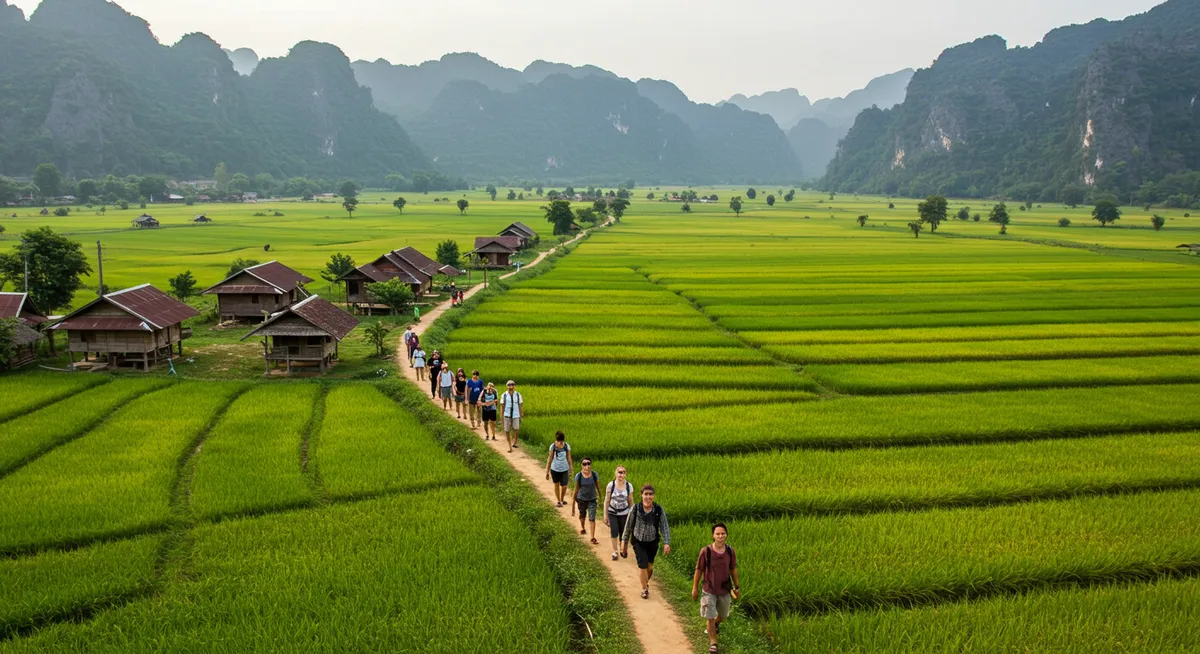
Vang Vieng, with its dramatic karst landscapes, tranquil rivers, and vibrant local life, is a paradise for photographers. While many venture here for adventure sports, truly immersing yourself in its beauty and capturing its essence is best done on foot. This guide provides practical advice and expert tips to transform your Vang Vieng walking tours into unforgettable photographic expeditions, allowing you to explore at your own pace and find those perfect, unique shots often missed by others.
Key Tips and Takeaways
- Pack light but smart: essential gear, plenty of water, and sun protection.
- Embrace the golden hour: Vang Vieng’s landscapes truly shine then.
- Always seek permission: cultural respect enhances your experience and photos.
- Prioritize safety: know your route, stay hydrated, consider a local guide.
- Look beyond the obvious: capture unique details and candid moments.
Why Vang Vieng is Your Walking Photography Canvas
Vang Vieng, with its dramatic limestone karsts, emerald rice paddies, and meandering Nam Song River, is a photographer’s dream. But to truly capture its soul, you need to slow down, breathe it in, and explore on foot. While a motorbike might get you to a viewpoint quickly, it rushes past the very essence of what makes Vang Vieng unique. Walking transforms your journey into a dynamic photography canvas, offering unparalleled access and a pace perfect for meaningful composition.
The beauty of a walking tour here lies in its ability to unlock hidden perspectives. Motorized transport is confined to main roads; your feet, however, can lead you down narrow, dusty village paths, across bamboo bridges, and through the edges of verdant rice fields. These are the routes to secluded swimming holes, less-trodden cave entrances, and breathtaking vantage points often overlooked by those in a hurry. You’ll find yourself eye-level with buffalo grazing, discovering intricate patterns in a farmer’s terraced land, or stumbling upon a quiet temple nestled amidst the jungle. This intimate access provides compositions that are genuinely unique, setting your photographs apart.
Walking also dictates a slower, more deliberate pace, which is a gift for any photographer. Instead of a fleeting glimpse, you have the luxury of time to observe how the light plays on the majestic karsts throughout the day, transforming their textures and colors. You can pause to watch local life unfold – a woman weaving by her traditional wooden home, children playing by the river, or farmers tending their crops. This unhurried immersion allows for careful framing, waiting for the perfect moment, and experimenting with different angles and perspectives that you’d simply miss from a moving vehicle. It’s about feeling the scene, not just seeing it.
Beyond the stunning landscapes, Vang Vieng offers rich opportunities to capture authentic local life. Walking through villages like Ban Huay Sae or Ban Pha Thao, you can respectfully engage with residents (a simple “Sabaidee” – hello – goes a long way!), observe their daily routines, and document the genuine interactions that paint a vivid picture of rural Laos. These are the candid, human moments that add profound depth to your photographic story.
To make the most of Vang Vieng as your walking photography canvas, consider these practical tips:
- Gear Up for the Terrain: Wear sturdy, comfortable walking shoes with good grip, as paths can be uneven, rocky, or muddy, especially during the wet season. Pack lightweight, breathable clothing, and consider long sleeves/pants for sun protection and mosquito deterrence.
- Hydration is Key: Always carry plenty of water. The tropical climate means you’ll dehydrate quickly. Small, local shops are often available in villages for refills, but don’t rely solely on them.
- Protect Your Equipment: A rain cover for your camera and backpack is essential, as sudden downpours are common. If you plan to explore caves or cross rivers, a dry bag for electronics is highly recommended.
- Optimal Timing: Aim for early morning (just after sunrise) or late afternoon (golden hour) for the best light, casting soft, warm hues on the karsts and paddies. Early mornings also offer a quieter, more authentic glimpse into local village life.
- Respectful Photography: When photographing people, especially children, always ask for permission first with a smile or gesture. Be patient and wait for natural moments rather than forcing a pose. Acknowledge and thank them afterward.
- Look for Details: Beyond the grand landscapes, seek out the smaller, intricate details: the patterns in a traditional Lao textile, the texture of weathered wood on a house, vibrant local produce at a market stall, or the delicate petals of tropical flowers.
- Embrace the Unplanned: Some of the best photos come from unexpected detours. Be flexible with your route and allow yourself to wander down intriguing paths that catch your eye.
By choosing to walk, you’re not just moving through Vang Vieng; you’re becoming part of its tapestry, allowing its magic to unfold naturally before your lens.
Essential Photography Prep for Your Vang Vieng Walk
Essential Photography Prep for Your Vang Vieng Walk
Vang Vieng, with its dramatic karst landscapes, serene river scenes, and vibrant local life, is a photographer’s dream. To truly capture its magic during your walking tour, a little pre-planning goes a long way. Don’t let a dead battery or a full memory card stop you from immortalizing that perfect shot of the Nam Song River at sunset or the intricate details of a local temple. Here’s your essential photography checklist to ensure you’re ready for every breathtaking moment:
Power Up & Store Smart:
- Fully Charged Batteries (and an extra!): This is non-negotiable. Walking tours in Vang Vieng can be long, often extending from dawn to dusk, with plenty of opportunities to snap photos. Whether you’re hiking up to Pha Ngern viewpoint, exploring a cave, or strolling through rice paddies, you’ll be using your camera extensively. Pack at least one, if not two, spare fully charged batteries. The varied light conditions and continuous shooting can drain power quickly.
- Empty Memory Cards: Before you even step out of your accommodation, ensure your memory cards are completely empty and ready to capture hundreds of stunning images. Consider carrying multiple smaller cards rather than one large one; this way, if one card fails, you don’t lose all your precious memories. You’ll be surprised how quickly you fill them with Vang Vieng’s diverse scenery.
Keep Your Lenses Pristine & Protected:
- Lens Cleaning Kit: Vang Vieng’s environment can be dusty, especially on unpaved trails or during the dry season. Humidity can also cause condensation. A small cleaning kit – comprising a microfiber cloth, a lens pen, and a small air blower – is crucial to keep your lenses free from dust, smudges, and moisture spots. Nothing ruins a great shot like a blurry smudge!
- Weather-Appropriate Camera Protection: While Vang Vieng is known for its sunshine, sudden tropical downpours are common, particularly during the wet season (May to October). A waterproof camera bag or a dedicated rain cover for your camera is vital. Even in the dry season, a dust-proof cover or simply keeping your camera in a sealed bag when not in use can protect it from the omnipresent dust on trails. If your tour involves river crossings or boat trips, a dry bag is an excellent investment for overall gear protection.
Mastering the Light & Location:
- Understand Golden & Blue Hour Timings: For truly magical shots, know your light. The ‘golden hour’ (shortly after sunrise and before sunset) casts a warm, soft glow that enhances the dramatic karst formations and river reflections. The ‘blue hour’ (just before sunrise and after sunset) offers a cool, serene light perfect for atmospheric silhouettes and twilight scenes. Check local sunrise/sunset times the day before to plan your shooting around these prime windows, especially for iconic spots like the Nam Song River or the various viewpoints.
- Research Locations & Permit Requirements: While casual photography is generally permitted everywhere in Vang Vieng, it’s good practice to research specific locations you plan to visit. Most public viewpoints and lagoons simply require an entrance fee for access, not a separate photo permit. However, if you plan to visit specific temples or local villages, always be respectful and ask for permission before taking photos of people or inside sacred areas. A polite gesture and a smile go a long way in Laos!
By taking these simple yet crucial steps, you’ll be perfectly poised to capture the unparalleled beauty of Vang Vieng, turning your walking tour into a visual storytelling adventure.
Your Vang Vieng Photography Walking Tour Gear List
⭐ Recommendation: Don't miss out on amazing Vang Vieng tours - book now!
Embarking on a Vang Vieng walking tour, especially one focused on capturing its breathtaking beauty, requires thoughtful preparation. The key is to strike a balance between having the right tools for stunning photos and keeping your load light enough for comfortable exploration over varied terrain. Here’s a detailed breakdown of your essential gear for an amazing photographic journey through Vang Vieng’s landscapes.
Camera Gear: Capturing Vang Vieng’s Soul
- Lightweight Camera Body: Your primary goal is portability. A mirrorless camera or a compact DSLR will be your best friend. Vang Vieng’s paths can be dusty, uneven, and sometimes involve light scrambling, so a heavy setup will quickly become a burden.
- Versatile Lens (e.g., 24-70mm or a Prime): A 24-70mm equivalent zoom lens offers incredible flexibility, perfect for capturing wide landscapes of the karst mountains, tighter shots of local life, or even informal portraits. If you prefer the artistic touch of prime lenses, a 35mm or 50mm will excel in Vang Vieng’s ambient light and provide beautiful bokeh for intimate shots.
- Wide-Angle Lens (Optional, but Recommended): For those epic vistas of towering limestone karsts, sprawling rice paddies, and the winding Nam Song River, a wide-angle lens (16-35mm equivalent) is invaluable. It helps convey the grand scale of Vang Vieng’s natural majesty.
- Small Tripod or Gorilla Pod: Don’t underestimate the utility of a compact tripod. It’s fantastic for low-light photography (think stunning Vang Vieng sunsets or milky way shots if you venture out at night), steadying long exposures of the river, or even capturing self-portraits with a dramatic backdrop.
- Polarizing Filter: Absolutely essential in Vang Vieng. This filter will significantly reduce glare on the Nam Song River, enhance the blue of the sky, and boost the saturation of green rice fields and lush foliage, making your colors pop and details shine.
- Extra Batteries & Memory Cards: You’ll be taking more photos than you think! Power outlets might be scarce or non-existent once you’re away from the main town, especially on longer walks. Don’t let a dead battery or full card cut your creative flow short.
Personal Essentials: Comfort & Safety
- Comfortable Walking Shoes: This is non-negotiable. Vang Vieng’s charm lies off the paved roads. Expect dusty paths, uneven trails, and potentially muddy stretches, especially after rain. Well-worn, breathable hiking shoes or sturdy athletic trainers are ideal.
- Sun Protection (Hat & Sunscreen): The Laotian sun is intense. A wide-brimmed hat and high SPF sunscreen are vital to protect yourself from sunburn and heatstroke, allowing you to focus on the views, not your discomfort.
- Insect Repellent: Mosquitos are prevalent, particularly near water sources and during dawn/dusk. Protect yourself to avoid itchy bites and potential insect-borne illnesses.
- Sufficient Water: Staying hydrated is paramount in Vang Vieng’s tropical climate. Bring at least 1-2 liters of water, and consider a reusable bottle to refill whenever possible.
- Light Snacks: Keep your energy levels up. Granola bars, nuts, or dried fruit are great for a quick boost between photo stops, as food vendors might be few and far between on your walking routes.
- Small First-Aid Kit: For minor scrapes, blisters, headaches, or upset stomachs. Include pain relievers, antiseptic wipes, band-aids, and any personal medications.
Protection & Navigation: Be Prepared
- Waterproof Bag or Rain Cover for Electronics: Vang Vieng is known for its sudden downpours, even outside of monsoon season. Protect your valuable camera gear and phone from unexpected rain or splashes near rivers.
- Power Bank for Phone/GPS: Your phone will likely serve as your GPS, map, and quick-shot camera. A portable power bank ensures your device stays charged throughout your exploration, critical for navigation and emergencies.
Packing smart means you can fully immerse yourself in the natural beauty and unique culture of Vang Vieng, ensuring you capture stunning memories without being weighed down. Enjoy your photographic adventure!
Mastering Light & Composition in Vang Vieng’s Landscapes
Vang Vieng is a photographer’s dream, a symphony of towering karst mountains, serene rivers, and verdant rice paddies. On a walking tour, you’ll uncover countless opportunities to capture its raw beauty. Mastering light and composition will transform your snapshots into stunning visual stories, especially when navigating the unique challenges and blessings of Vang Vieng’s natural light.
Leveraging the Golden and Blue Hours
For truly magical shots, plan your walks around Vang Vieng’s golden hour (shortly after sunrise and before sunset) and blue hour (the twilight period just before sunrise or after sunset). During these times, the light is soft, warm, and creates incredible depth and long shadows on the karst formations. Imagine the limestone peaks glowing orange against a pastel sky, or the Nam Song River reflecting the deep blues and purples of twilight. Scout locations beforehand – perhaps a viewpoint overlooking the river or an open rice paddy field – to maximize these fleeting moments. The soft glow is also perfect for capturing the gentle morning mist that often blankets the paddies.
Navigating the Midday Sun
Vang Vieng’s midday sun can be harsh, creating strong contrasts and blown-out highlights. Don’t despair! This is a great time to seek shade, which offers diffused, even light, ideal for portraits or details of village life. Look for interesting reflections in the Nam Song River or the flooded rice paddies. Alternatively, embrace the high contrast by shooting striking silhouettes of karst mountains against a bright sky, or capturing the dramatic interplay of light and shadow within the cool depths of Vang Vieng’s many caves, like Tham Chang or Tham Phu Kham.
Composing Your Vang Vieng Shots
- Leading Lines: Utilize Vang Vieng’s natural and man-made lines to draw the viewer’s eye. Think about winding dirt paths through villages, irrigation canals cutting through rice paddies, the gentle curve of the Nam Song River, or even bamboo bridges.
- Rule of Thirds: Apply this fundamental rule by placing your main subjects – be it a lone farmer, a traditional longtail boat, or a prominent karst peak – along the intersecting lines or at the points of intersection in your frame.
- Framing: Vang Vieng offers incredible natural frames. Look for openings in lush jungle foliage, dramatic cave mouths, natural arches in the limestone, or even the doorways of traditional Lao homes and temples. These frames add depth and focus.
- Capturing Reflections: The Nam Song River is a mirror for the sky and surrounding karsts, especially on calm mornings or evenings. Similarly, after a rain shower, puddles in village streets or flooded rice paddies can create stunning reflective surfaces.
Respectful Cultural Photography
Vang Vieng is home to a vibrant local culture. When your walking tour takes you through villages or near temples, always ask for permission before taking close-up photos of people, especially children or monks. Be discreet and avoid interrupting daily life or religious ceremonies. A warm smile and a polite gesture can foster positive interactions and allow you to capture genuine moments.
Practical Walking Tour Photography Tips
Before you embark on your Vang Vieng photography walk:
- Gear Up: Carry a wide-angle lens for sweeping landscapes and a versatile zoom lens for details. A polarizing filter can reduce glare from water and enhance blue skies. Don’t forget spare batteries, a microfibre cloth for dust, and potentially a lightweight tripod or gorillapod for low-light shots or reflections.
- Prepare for the Terrain: Vang Vieng’s walking paths can be dusty, uneven, or muddy after rain. Wear sturdy, comfortable walking shoes.
- Stay Hydrated: Carry plenty of water, especially during the hotter parts of the day.
- Be Patient and Observe: Don’t rush your shots. Take time to soak in the atmosphere, observe the light, and wait for the perfect moment or for people to naturally move into a compelling composition. The beauty of Vang Vieng unfolds for those who walk slowly and watch carefully.
Beyond the Lens: Cultural Sensitivity & Local Interactions
Beyond the stunning karst landscapes and emerald rice paddies, Vang Vieng thrives with a vibrant local culture, and interacting with its people is one of the most enriching aspects of any walking tour. Your camera is a powerful tool, but it also carries a responsibility. Ethical photography and genuine cultural engagement go hand-in-hand, ensuring respectful interactions that leave positive memories for both you and the locals.
The Art of Asking: Ethical Photography
In Vang Vieng, as in much of Laos, personal privacy and respect are highly valued. Before you point your lens at someone, particularly monks, children, or individuals engaged in daily activities, always seek permission. A simple smile, a nod, and pointing to your camera often suffice. If they decline, respect their wishes immediately and move on. For monks, maintain a respectful distance, avoid touching them, and never interrupt their alms rounds or prayers for a photo. When walking through local villages or markets, observe the flow of life. Is someone busy working, chatting, or simply relaxing? Be mindful not to intrude or make them feel like an exhibit.
Connecting Beyond the Click: Genuine Interactions
Your walking tour is an opportunity to be more than just an observer. Genuine interactions can transform your experience:
- Learn Basic Lao Phrases: A little effort goes a long way. Start with “Saibadee” (Hello) and “Khop Jai” (Thank you). These simple phrases open doors and convey respect, often eliciting warm smiles in return. You might be surprised how a quick “Saibadee” can turn a hesitant glance into an invitation for a brief chat, even if limited by language.
- Dress Respectfully: While Vang Vieng is laid-back, consider your attire, especially when walking through villages or visiting temples. Keep shoulders and knees covered as a sign of respect for local customs and religious sites. Comfortable, breathable clothing that offers coverage is ideal for walking and shows you are mindful of local sensibilities.
- Be Mindful of Personal Space and Daily Routines: When strolling through bustling morning markets or quiet riverside hamlets, remember you are entering people’s workplaces and homes. Don’t block pathways, stand too close, or disrupt conversations. Observe from a distance, wait for a natural moment, and be patient.
- Engage Genuinely: If you do take a photo, offer to show it to the person afterward. This simple act can create a connection and often sparks joy. You might find yourself sharing a laugh, even without a shared language. Consider carrying small, individually wrapped candies or crayons for children (ask a parent first), but avoid giving money directly, as it can inadvertently encourage begging.
- Focus on Candid Moments Without Intrusion: The most authentic photos often come from observing rather than directing. Instead of posing people, try to capture the essence of daily life – the farmer tending crops, the weaver at her loom, children playing by the river. These candid shots, taken with respect and at a suitable distance, tell a richer story of Vang Vieng.
By approaching your Vang Vieng walking tour with an open heart and a respectful mindset, you’ll not only capture incredible images but also forge meaningful connections that last long after your journey ends.
Safety & Navigation for Your Vang Vieng Photo Walks
⭐ Recommendation: Don't miss out on amazing Vang Vieng tours - book now!
Vang Vieng offers an incredible canvas for photographers, but like any outdoor adventure, safe navigation and preparation are paramount. Whether you’re chasing the perfect sunrise shot over the karst peaks or exploring the riverbanks for cultural portraits, understanding the local environment will ensure your photography walks are both productive and secure.
Before you even step out the door with your camera, take a few crucial safety measures:
- Share Your Itinerary: Always inform someone – your hotel reception, a travel companion, or a trusted friend back home – of your planned route and estimated return time. This is especially vital if you’re venturing solo or exploring less-trafficked areas for unique photo opportunities.
- Master Offline Navigation: Mobile data can be spotty or non-existent outside the main town area. Before you leave your accommodation, download offline maps of Vang Vieng and its surrounding trails. Google Maps allows for offline area downloads, and apps like Maps.me are excellent for detailed trail information, often including paths not visible on standard maps. Ensure your phone is fully charged and consider carrying a power bank.
- Illuminate Your Path: Many of Vang Vieng’s charming paths, especially those leading to viewpoints or the river, are unlit. If your photo walk involves early morning golden hour shoots or late evening sunset captures, a reliable headlamp or torch is indispensable. This isn’t just for safety; it allows you to set up your gear and navigate uneven terrain confidently in low light.
- Stick to Marked Trails: While the allure of an untouched shot can be strong, it’s crucial to remain on marked trails and designated public areas. Vang Vieng’s landscape, with its caves, sinkholes, and private agricultural land, can be deceptive. Straying off-path increases risks of getting lost, encountering dangerous terrain, or inadvertently trespassing. Pay attention to signage, especially around cave entrances or protected areas.
- Be Aware of Local Wildlife: Vang Vieng is surrounded by lush nature, which means you might encounter local wildlife. While serious encounters are rare, be mindful of snakes and insects, especially when walking through overgrown areas or near water sources. Wear appropriate footwear (closed-toe shoes are recommended) and watch where you step and place your hands. A little common sense goes a long way.
- Hydration is Non-Negotiable: Laos’ tropical climate means heat and humidity, which can quickly lead to dehydration. Carry ample water with you, even for seemingly short walks. Many guesthouses offer water refill stations, so bring a reusable bottle. Staying hydrated ensures you maintain energy, focus, and overall well-being throughout your photo expedition.
- Consider a Local Guide for Deeper Exploration: For those truly off-the-beaten-path locations – perhaps a hidden cave, a secluded village, or an unadvertised viewpoint – hiring a local guide is highly recommended. Not only do they possess intimate knowledge of the terrain and safe routes, but they can also offer invaluable cultural insights, help with communication, and enrich your photographic journey with authentic local interactions that you might otherwise miss. They can turn a simple walk into a profound adventure.
Making the Most of Your Vang Vieng Photo Walks
Vang Vieng is a canvas of natural wonder and authentic local life, offering endless opportunities for breathtaking photographs. A walking tour is undoubtedly the best way to capture its unique spirit, allowing you to immerse yourself fully in the scenes unfolding around you. To truly make your Vang Vieng photo walks unforgettable, consider these expert strategies.
Expert Strategies for Stunning Shots
- Start Early to Beat the Heat and Crowds: Vang Vieng wakes up with a gentle, ethereal glow. The ‘golden hour’ just after sunrise casts a magical light on the iconic karst mountains and the serene Nam Song River. Crucially, an early start allows you to avoid the intense midday heat, which can make long walks challenging, and the growing crowds around popular spots like the various Blue Lagoons or the Bamboo Bridge. You’ll find quieter streets, witness monks on their alms rounds, and observe locals beginning their day—prime, unhurried photo opportunities.
- Embrace Detours for Unexpected Shots: While main paths offer classic Vang Vieng vistas, some of the true photographic gems lie off the beaten track. Don’t be afraid to wander down an unassuming dirt lane or explore a less-traveled riverside path. You might discover a hidden temple tucked away, a family tending to their vibrant garden, or a bustling, colourful local market stall that offers unique insights into daily life. Serendipity is often a photographer’s best friend here.
- Look for Details, Not Just Grand Vistas: While Vang Vieng’s sweeping landscapes are undeniably magnificent, don’t overlook the smaller stories. Zoom in! Capture the intricate carvings on a temple door, the vibrant patterns of traditional Lao textiles being sold, the texture of aged wood on a stilt house, or the expressive faces of local vendors. These smaller moments often tell a more compelling and intimate story than a wide shot alone.
- Take Breaks, Observe, and Truly Soak In: Photography is about seeing, and sometimes the best way to see is to pause. Find a riverside cafe, order a traditional Lao coffee or a fresh fruit shake, and simply watch life unfold around you. Observe how the light shifts, the interactions between people, or the gentle rhythm of the Nam Song River. This downtime allows you to recharge, notice new perspectives, and approach your next shots with renewed creativity. You’ll often spot unique photo opportunities that you might have rushed past otherwise.
- Don’t Be Afraid to Put the Camera Down: Paradoxically, some of your most memorable Vang Vieng moments won’t be captured through a lens. Allow yourself to fully immerse in the sounds, smells, and feelings of the place. Engage with locals (a simple ‘Sabaidee’ goes a long way!), savor a delicious sticky rice snack, or simply marvel at a stunning sunset over the karst peaks without the pressure of framing the perfect shot. This deep engagement enriches your overall experience and, in turn, makes the photos you *do* take more meaningful and authentic.
Post-Processing and Sharing Tips
Once you’re back from your walk, a little post-processing can truly make your Vang Vieng photos sing. Enhance the vibrant greens of the rice paddies, the rich blues of the lagoons, or the warm oranges and purples of a sunset over the peaks. Adjusting sharpness can bring out crucial details, and careful cropping can significantly improve your composition. When sharing your incredible Vang Vieng memories, remember to do so responsibly. Respect local privacy and cultural sensitivities, especially when featuring individuals. A beautiful photo captures a moment; a responsible one respects its context.
Connecting with Vang Vieng’s Walking Tour Ecosystem
Vang Vieng offers a vibrant, albeit sometimes informal, ecosystem for walking tours. To truly immerse yourself and capture its unique beauty, understanding how to tap into this local network is key. Whether you prefer the structured guidance of a group or the freedom of solo exploration, connecting with the right resources will enhance your experience.
Finding Your Footing: Reputable Guides and Agencies
The main streets of Vang Vieng, particularly around Thavisouk Road and along the Nam Song River, are dotted with numerous tour agencies and guesthouses. These are your primary hubs for finding walking tour options. Here’s how to navigate them:
- Guesthouse/Hotel Recommendations: Many guesthouses in Vang Vieng have long-standing relationships with local guides or even offer their own basic walking tours. Ask at the reception desk; they often have bulletin boards displaying options or can connect you directly with a reputable local guide. This is often the most convenient starting point.
- Local Tour Agencies: Walk around town and compare itineraries and prices from different agencies. Look for those specializing in nature walks, cave explorations (e.g., to Tham Nam, Tham Poukham, Tham Xang), or village treks. Don’t be afraid to ask detailed questions about the route, included items (like water or lunch), and the guide’s experience. Reading recent online reviews (Google Maps, TripAdvisor) can also help you gauge reliability.
- Identifying Reputable Guides: While it’s harder to find independent guides directly, agencies employ them. Look for guides who speak good English, demonstrate deep knowledge of the local area (flora, fauna, history, culture), and prioritize safety and responsible tourism.
Group Tours vs. Solo Exploration: Which Path to Take?
Each approach has distinct advantages, especially when considering photography:
- Benefits of Group Tours: Ideal for reaching more remote areas that might require transport (like the starting points for hikes near Blue Lagoon or certain caves). A local guide offers invaluable insights into the culture, history, and natural landmarks, pointing out hidden gems or the best photographic vantage points you might otherwise miss. They handle logistics, ensuring safety in less-trodden areas, and provide a social aspect.
- Benefits of Solo Exploration: Offers ultimate flexibility in terms of pace, duration, and spontaneous photo stops. You can linger at a beautiful viewpoint as long as you wish, or take an unplanned detour down an interesting alley. For walks around the town center, along the riverfront, or to easily accessible viewpoints, solo exploration allows for a deeper, personal immersion.
Practical Tip: Consider a blend. Take a guided group tour for a longer, more challenging hike to a cave or viewpoint further afield, then enjoy solo strolls through town, along the river, or to the nearby rice paddies for more personal photographic pursuits.
Engaging with the Photography Community & Local Forums
Want to find the best spots or share your stunning Vang Vieng shots? Connect with fellow enthusiasts:
- Online Forums & Groups: Search for Vang Vieng travel groups on Facebook or look at travel forums like TripAdvisor or Reddit (e.g., r/Laos, r/TravelPhotography). Ask for current conditions, recent photo locations, or even tips on the best times for golden hour shots over the karst mountains.
- Local Connections: Chat with other travelers at your guesthouse, local cafes, or bars. Many visitors are keen photographers and happy to share their discoveries and experiences.
Contributing to Local Conservation Efforts
As you enjoy Vang Vieng’s incredible natural beauty, remember to practice responsible tourism. Your actions can help preserve this unique landscape for future generations and support the local community:
- Leave No Trace: Always pack out everything you pack in, including all litter (even organic waste like fruit peels). Use designated trash bins.
- Respect Local Culture: Dress modestly when visiting temples or local villages. Always ask for permission before taking photos of people, especially children.
- Support Local: Choose local guides, eat at local restaurants, and buy from local vendors. This ensures your tourism dollars directly benefit the community.
- Be Mindful of Nature: Stick to marked trails, do not disturb wildlife, and avoid taking natural “souvenirs” like rocks or plants.
By actively connecting with Vang Vieng’s walking tour ecosystem – from finding reputable guides to engaging with fellow travelers and practicing responsible tourism – you’ll not only have an unforgettable experience but also contribute positively to this cherished corner of Laos.
Frequently Asked Questions
Q: What’s the best time of year for Vang Vieng photography walks?
A: The dry season (November to February) offers cooler temperatures and clearer skies, ideal for walking and photography. The green season (May to October) brings lush landscapes and dramatic clouds, but also rain, requiring waterproof gear.
Q: Do I need a local guide for free walking tours in Vang Vieng?
A: For popular, well-marked trails, a guide isn’t strictly necessary. However, for off-the-beaten-path locations, accessing hidden viewpoints, or truly understanding local culture, a local guide is highly recommended for safety, cultural insights, and finding unique photo opportunities.
Q: What kind of footwear is best for Vang Vieng walking tours?
A: Sturdy, comfortable, and breathable walking shoes or light hiking boots with good grip are essential. Trails can be uneven, rocky, or muddy, especially after rain. Avoid open-toed sandals for longer treks.
Q: Is it safe to walk around Vang Vieng alone with expensive camera gear?
A: Vang Vieng is generally safe, but common sense precautions apply. Be aware of your surroundings, avoid walking alone in secluded areas at night, and keep your gear secure and out of sight when not in use. It’s advisable to walk with a companion or join a guided tour for longer, less-traveled routes.
Q: How can I charge my camera batteries easily while on a multi-day walking tour?
A: Most guesthouses and hotels offer power outlets. For long treks, bring a portable power bank or a solar charger. Consider carrying extra fully charged batteries, as power outages can occur, especially in more rural areas.
Vang Vieng, with its breathtaking scenery and authentic charm, truly comes alive when explored on foot. By combining the joy of walking with the art of photography, you’re not just taking pictures; you’re crafting memories and capturing the very soul of Laos. Armed with these practical tips and a keen eye, step out, explore, and let Vang Vieng reveal its unparalleled beauty through your lens, one step at a time.