
Hoi An Walking Tours: Your Essential Local Guide (2026)
Unlock Hoi An’s charm on foot! Our local guide offers practical tips, essential gear, routes, and hidden gems for an unforgettable walking tour experience.
On this page
Hoi An, a UNESCO World Heritage site, is a town best savored slowly, and there’s no better way to do that than on foot. Its lantern-lit streets, ancient houses, vibrant markets, and riverside tranquility beckon you to explore every nook and cranny. This comprehensive guide provides actionable advice and local insights to ensure your walking tour in Hoi An is not just a journey, but an unforgettable immersion into its timeless beauty and culture.
Key Tips and Takeaways
- Prioritize comfortable, broken-in footwear for maximum enjoyment.
- Stay hydrated and protect yourself from the sun with a hat, sunscreen, and light clothing.
- Embrace spontaneity: wander down alleys and explore side streets to discover hidden gems.
- Go early morning or late afternoon/evening to experience Hoi An’s distinct atmospheres.
- Engage respectfully with locals; a few Vietnamese phrases go a long way.
- Consider a local guide for a deeper, more personalized understanding of Hoi An’s history and culture.
- Pack light but smart: a reusable water bottle, portable charger, and camera are essential.
Why Explore Hoi An on Foot? The Unrivaled Charm
Hoi An’s Ancient Town isn’t just a place to visit; it’s an experience to be savored, and there’s truly no better way to uncover its magic than on foot. While motorbikes might whisk you between major sights, they’ll never truly connect you with the soul of this UNESCO World Heritage site. Stepping onto the cobbled streets, particularly within the pedestrian-only zones, instantly transports you to a bygone era, free from the roar of engines and the rush of modern life.
The unrivaled charm of walking in Hoi An lies in its unparalleled immersion. You’ll breathe in the delicate scent of incense wafting from an ancient pagoda, hear the rhythmic tap-tap-tap of a tailor’s sewing machine, or the distant song of a street vendor selling banh mi. Every step reveals a new texture – the peeling paint of a century-old shophouse, the vibrant hues of a lantern-strewn alley, or the quiet murmur of the Thu Bon River as it gently flows past. Walking allows you to truly feel the pulse of this living museum, absorbing the atmosphere and daily rhythms that define it.
Walking is the key to discovering Hoi An’s myriad hidden details. Beyond the iconic Japanese Covered Bridge or the bustling central market, lie countless narrow alleys, secluded courtyards, and tucked-away workshops where artisans craft their wares. You might stumble upon a quiet family temple, a charming coffee shop nestled within an antique building, or a local noodle stall serving generations-old recipes. These are the treasures that are easily overlooked from a vehicle, offering an intimate glimpse into the town’s authentic character and the lives of its inhabitants.
Embrace the spirit of slow travel. Walking allows you to linger, to pause and admire a particularly beautiful lantern display, to people-watch from a shaded doorway, or to capture that perfect photo without feeling rushed. This unhurried pace fosters genuine connections with local life. You can smile and exchange greetings with friendly vendors, observe the meticulous work of a lantern maker, or simply watch daily life unfold in the tranquil streets. It’s about feeling present, not just passing through, allowing you to build memories far richer than any hurried itinerary could provide.
Practical Tips for Your Hoi An Walking Adventure:
- Dress for Comfort: Hoi An can be hot and humid. Opt for light, breathable clothing, a wide-brimmed hat, and sunglasses. Most importantly, wear comfortable walking shoes; the cobblestones are charming but unforgiving on ill-suited footwear.
- Hydrate Regularly: Carry a reusable water bottle and refill it frequently. Many cafes and shops offer filtered water, or you can easily purchase bottled water from street vendors. Stay hydrated, especially during the warmer months.
- Go Early or Late: To avoid the peak crowds and the midday heat, plan your walks for the early morning (before 9 AM) or late afternoon/early evening (after 4 PM). The soft light at these times also creates stunning photo opportunities, especially when the lanterns begin to glow.
- Engage Your Senses: Don’t just look – listen to the sounds, smell the aromas from street food stalls and fragrant flowers, and feel the textures of the old buildings. Let your senses guide you to new discoveries.
- Look Up, Look Down, Look Around: Hoi An’s beauty is everywhere. Gaze up at the intricate roof tiles and ornate carvings, peek into courtyards, and notice the charming details on the ground. Be open to spontaneous detours down intriguing alleys.
- Carry Local Currency: Small Vietnamese Dong (VND) denominations are essential for quick purchases from street vendors, local shops, and for small entrance fees to heritage houses or museums.
- Be Respectful: Remember you are walking through a living town. Be mindful of residents’ privacy, ask permission before taking photos of people, and respect local customs. A friendly smile goes a long way!
Essential Pre-Walk Preparations for Hoi An
To truly savor every moment of your Hoi An walking tour, especially when venturing beyond the main Ancient Town alleys, smart preparation is key. A little foresight ensures comfort, safety, and an uninterrupted immersion in this enchanting UNESCO World Heritage site.
Footwear: Your Foundation for Exploration
Hoi An’s Ancient Town is a pedestrian’s dream, but its charm often comes with uneven, ancient cobblestone streets, narrow alleys, and occasional damp patches near the river. For a comfortable and blister-free experience, your footwear is paramount. Opt for *broken-in*, comfortable walking shoes, sturdy sandals with good arch support, or quality sneakers. Avoid brand new shoes that could cause blisters, flimsy flip-flops with inadequate support, or anything with a heel. Good grip is also a significant plus, especially if you encounter a sudden tropical downpour or slick surfaces near the river. Your feet will thank you after hours of exploring every charming alleyway and hidden corner.
Clothing: Comfort, Modesty, and Sun Protection
Hoi An’s tropical climate means it’s often hot and humid, regardless of the season. Dress in light, breathable fabrics like cotton, linen, or bamboo rayon. Loose-fitting clothing will allow for better airflow and comfort as you stroll through the sun-drenched streets. Beyond comfort, consider local customs: when visiting temples, pagodas (like those within the Japanese Covered Bridge or Quan Cong Temple), or family chapels, modesty is appreciated. It’s respectful to have your shoulders and knees covered. Carrying a lightweight scarf or sarong is a practical tip; you can easily drape it over your shoulders or tie it around your waist if wearing shorts or sleeveless tops. A wide-brimmed hat and sunglasses are also essential for sun protection, as the sun can be surprisingly intense even on cloudy days.
Weather Watch: Preparing for Hoi An’s Elements
Hoi An experiences two main seasons: a dry season (roughly February to August), characterized by intense sun and heat, and a wet season (September to January), bringing humidity and sudden, heavy downpours. Always check the local weather forecast on the morning of your walk. If rain is predicted, a lightweight, compact umbrella or a foldable poncho will be your best friend – downpours can be swift but often pass quickly. Even on sunny days, it’s wise to pack sunscreen with a high SPF; the tropical sun is no joke! Being prepared for the elements ensures your exploration isn’t cut short by unexpected weather changes.
Hydration & Energy: Fueling Your Hoi An Adventure
Staying hydrated is crucial in Hoi An’s heat and humidity. Start your day with a good, energizing breakfast – perhaps a hearty bowl of Cao Lau or a fresh Banh Mi, readily available from local vendors. Carry a reusable water bottle and refill it frequently; bottled water is easily found at convenience stores and cafes throughout the town. Don’t wait until you’re thirsty to drink. For sustained energy during your walk, pack some light, non-perishable snacks like granola bars, nuts, or dried fruit. You’ll also find an abundance of refreshing fresh fruit and cooling drinks from street vendors, perfect for quick energy boosts as you wander. A well-hydrated and energized traveler is a happy explorer, ready to soak in every sight, sound, and scent of Hoi An.
Your Hoi An Walking Tour Kit: What to Pack
⭐ Recommendation: Don't miss out on amazing Hoi An tours - book now!
Exploring the enchanting streets of Hoi An on foot is an experience like no other. To ensure your walking tour is comfortable, safe, and truly unforgettable, packing smart is key. Hoi An’s tropical climate, combined with its bustling ancient town and serene riverside paths, requires a thoughtful approach to your personal kit. Here’s a detailed checklist of must-bring items to help you make the most of your local Hoi An walking tour.
- Sun Protection (Sunscreen, Hat, Sunglasses): Hoi An’s sun can be incredibly intense, even on cloudy days. A high-SPF sunscreen is non-negotiable to protect your skin. A wide-brimmed hat or a classic Vietnamese conical hat (nón lá) offers excellent shade and can even be a fun souvenir! Good quality sunglasses will protect your eyes from the bright glare, especially when near the river or in open areas.
- Reusable Water Bottle: Hydration is paramount in Hoi An’s heat and humidity. Carrying a reusable water bottle not only keeps you refreshed but also helps reduce plastic waste. Many cafes, restaurants, and hotels are increasingly offering water refill stations, making it easy to top up as you explore.
- Small, Comfortable Backpack: Leave the bulky luggage at your accommodation. A lightweight, small backpack is ideal for carrying your essentials while keeping your hands free for taking photos, sampling street food, or simply enjoying the atmosphere. Look for one with good ventilation for comfort in the humid climate.
- Camera or Smartphone: Hoi An is a photographer’s dream, from its iconic yellow walls and colorful lanterns to the vibrant market scenes and serene river views. Ensure your device is charged and ready to capture those picture-perfect moments. Don’t forget to clear some storage space!
- Power Bank: Between navigating with maps, checking opening hours, and snapping countless photos, your phone battery can drain surprisingly fast. A fully charged power bank is a lifesaver, ensuring your devices stay powered throughout your day of exploration.
- Basic First-Aid Kit (e.g., Band-Aids): Even on a short walking tour, minor mishaps can occur. Pack a small kit with essentials like band-aids for blisters (especially if wearing new shoes), antiseptic wipes for minor scrapes, and perhaps some pain relievers. It’s better to be prepared for small annoyances than to have your tour derailed.
- Insect Repellent: Particularly if your walking tour extends into the evening to witness the magical lantern light-up, or if you plan to venture near the Thu Bon River or the surrounding rice paddies, mosquitoes can be prevalent. A good quality insect repellent will save you from itchy bites and discomfort.
- Local Currency (Vietnamese Dong – VND): While credit cards are accepted at larger establishments, many of Hoi An’s most authentic experiences involve cash. Think delicious street food from a vendor, unique handmade souvenirs from a market stall, or a quick cyclotaxi ride. Having small denominations of VND is incredibly useful and often preferred by local vendors.
By preparing your Hoi An walking tour kit with these essentials, you’ll be well-equipped to fully immerse yourself in the beauty, culture, and history of this captivating ancient town, ensuring a comfortable and memorable experience.
Navigating Hoi An: Best Routes & Times
Hoi An’s charm truly unfolds when explored on foot. Its pedestrian-friendly Ancient Town, UNESCO World Heritage status, and compact size make it an ideal destination for leisurely free walking tours in Hoi An. Understanding the best times and routes will significantly enhance your experience.
Optimal Times for Your Stroll
- Early Morning Serenity (Before 9:00 AM): This is arguably the most magical time to walk Hoi An. The streets are blissfully quiet, free from the daytime bustle of tourists. You’ll witness locals opening their shops, street vendors setting up, and the ancient architecture bathed in soft, golden light. It’s perfect for photography, a peaceful coffee by the river, and feeling the authentic pulse of the town before the crowds arrive. The cooler temperatures are an added bonus.
- Late Afternoon & Evening Vibrancy (From 4:00 PM onwards): As the sun begins to set, Hoi An transforms into a dazzling spectacle of light. The golden hour casts a warm glow over the ochre walls, and as dusk deepens, thousands of colorful lanterns illuminate every street and alley. This is when the night market buzzes, street food stalls come alive, and the Thu Bồn River is dotted with shimmering lantern boats. It’s an immersive experience, but be prepared for larger crowds, especially around the Japanese Covered Bridge and the night market.
Suggested Walking Routes
While the beauty of Hoi An lies in simply wandering and discovering hidden gems, these routes offer excellent starting points:
- The Ancient Town Core Loop: Begin at the iconic Japanese Covered Bridge, then explore the historic streets of Trần Phú, Nguyễn Thái Học, and Lê Lợi. You’ll pass beautifully preserved old houses like Tan Ky and Phung Hung, bustling assembly halls (Fujian, Cantonese), and countless tailor shops and art galleries. Don’t hesitate to duck into narrow alleys – they often lead to charming cafes or quiet courtyards.
- Riverside Promenade (Bạch Đằng Street): A delightful stroll along the Thu Bồn River offers picturesque views of traditional fishing boats, lantern-lit restaurants, and locals going about their daily lives. From here, you can easily access the night market on An Hội Islet via the pedestrian bridge. In the evening, this area is vibrant with boat tours and street performers.
- Beyond the Beaten Path (An Hội Islet & Cam Nam Island): Cross the bridge from the Ancient Town to An Hội Islet, which is home to the main night market and numerous craft shops. For an even quieter, more local experience, cross the bridge to Cam Nam Island. Just a short walk brings you to serene rice paddies, small family-run eateries, and a glimpse into rural Vietnamese life. It’s a wonderful contrast to the bustling town center.
Navigating Hoi An
Hoi An’s Ancient Town is relatively small and easy to navigate. While getting lost is part of the fun, here are some tips:
- Smartphone Apps: Google Maps or Apple Maps work well for general directions and locating specific landmarks. Consider downloading offline maps of Hoi An before you venture out, especially if you won’t have consistent data access.
- Local Maps: Most hotels and tourist information centers offer free paper maps of the Ancient Town, highlighting key attractions and pedestrian zones. These can be helpful for a quick overview.
- Embrace Getting Lost: With its charm at every turn, Hoi An is a safe place to simply wander. Some of the best discoveries are made when you let curiosity lead the way down an unmarked alley or through a quiet courtyard.
Essential Walking Tour Tips
- Comfortable Footwear: This is paramount. You’ll be doing a lot of walking on uneven cobblestones and pavements.
- Stay Hydrated: Hoi An can be hot and humid. Carry a reusable water bottle and refill it frequently at cafes or shops.
- Sun & Rain Protection: A hat, sunscreen, and light, breathable clothing are essential during the day. In the rainy season (typically October to January), a small umbrella or light poncho is advisable.
- Carry Small Denominations (VND): For street food, small purchases, or tipping.
- Respect Local Culture: When visiting temples or pagodas, dress modestly (shoulders and knees covered).
- Be Mindful of Traffic: While the Ancient Town has pedestrian-only hours, motorbikes and bicycles are still common on many streets. Always be aware of your surroundings.
Discovering Hoi An’s Hidden Gems & Local Secrets
While Hoi An’s Ancient Town is undeniably charming, its true magic often lies just beyond the main tourist arteries, waiting to be discovered by intrepid walkers. This section will guide you to the quiet alleyways, less-visited pagodas, authentic street food stalls, traditional workshops, and local markets where the soul of Hoi An truly resides. By focusing on these hidden gems, you’ll gain a deeper, more personal understanding of this beautiful city.
Practical Preparation for Your Local Exploration
- Footwear is Key: You’ll be doing a lot of walking on uneven cobblestones and sometimes dusty paths. Comfortable, breathable shoes are non-negotiable.
- Hydration & Sun Protection: Hoi An’s climate can be hot and humid. Carry a reusable water bottle, wear a hat, sunglasses, and apply sunscreen generously.
- Small Denominations: Local stalls and vendors often prefer cash, especially smaller notes, for quick transactions.
- Be Mindful of Motorbikes: Even in pedestrian-heavy areas, motorbikes can appear unexpectedly down alleyways. Stay aware of your surroundings.
Unearthing Hoi An’s Local Secrets
Quiet Alleyways & Residential Lanes: Don’t be afraid to veer off the main pedestrian streets. Look for narrow, often unnamed lanes winding between ancient houses. These are where locals live, where children play, and where you might stumble upon a tiny shrine, a charming café, or a beautiful courtyard garden. Always be respectful of privacy as these are people’s homes.
Less-Visited Pagodas & Family Temples: Beyond the prominent Phuc Kien Assembly Hall and Quan Cong Temple, seek out the smaller, more unassuming pagodas tucked away in residential areas. These often exude a profound sense of peace and offer a glimpse into local spiritual life. Remember to dress modestly (shoulders and knees covered), remove your shoes before entering, and maintain a quiet, respectful demeanor.
Authentic Street Food Stalls: The best food experiences are often found where locals congregate. Head slightly beyond the Ancient Town’s core to find stalls bustling with Vietnamese patrons. Look for vendors specializing in one or two dishes, indicating mastery. Don’t leave without trying local favorites like a proper Cao Lau (Hoi An’s signature noodle dish) from a smaller, family-run eatery, or a truly authentic Banh Mi from a street cart. Engage with vendors; a friendly smile goes a long way!
Traditional Workshops & Artisan Studios: While there are many established lantern shops and tailor houses, true gems are found in smaller, often less flashy workshops. Seek out independent artisans crafting lanterns by hand, or observe tailors meticulously working on garments away from the main tourist hubs. Some offer short, informal classes – a wonderful way to connect and learn. Always ask permission before taking photos of people or their work.
Local Markets Beyond the Main Hub: While the Hoi An Market is vibrant, explore its periphery, especially in the early morning. Venture across the Thu Bon River to the Cam Chau side for smaller, more local markets catering primarily to residents. Here, you’ll find fresh produce, local snacks, and a genuine buzz of daily life. It’s a sensory overload in the best possible way, offering fantastic photo opportunities of daily life.
Respectful Interaction: The Golden Rule
Hoi An’s charm is deeply intertwined with its friendly, welcoming people. Always approach interactions with respect and a genuine smile. Learn a few basic Vietnamese phrases like “Chào anh/chị” (hello brother/sister), “Cảm ơn” (thank you), and “Xin lỗi” (excuse me/sorry). Ask permission before photographing locals, especially children. Bargain respectfully at markets if you wish, but remember that a small difference to you can be significant to a local vendor. Supporting local businesses directly enriches your experience and helps the community thrive.
Safety & Etiquette for Walkers in Hoi An
⭐ Recommendation: Don't miss out on amazing Hoi An tours - book now!
Hoi An’s charm truly blossoms when explored on foot, allowing you to immerse yourself in its lantern-lit streets and hidden alleyways. While largely tranquil, navigating a bustling Vietnamese town requires a bit of local know-how regarding safety and cultural etiquette. Embracing these tips will ensure your walking tour is not only enjoyable but also respectful and smooth.
Navigating the Streets: Motorbikes and Pedestrian Flow
- Embrace the Motorbike Dance: Unlike Western traffic, motorbikes in Hoi An often flow around pedestrians, even within designated pedestrian zones at certain hours. When crossing or walking on narrow streets, maintain a steady, predictable pace. Make eye contact with riders; they will generally anticipate your movement and navigate around you. Avoid sudden stops or erratic changes in direction.
- Stay Aware of Your Surroundings: While Hoi An is generally very safe, basic street smarts are always advisable. Be mindful of your belongings in crowded areas like the Central Market or Night Market. Uneven paving stones and sudden drops can be tripping hazards, especially after dark, so watch your step. Consider a small flashlight for less-lit lanes in the evening.
Cultural Etiquette: Respectful Interactions in Hoi An
- Dress Respectfully for Temples and Pagodas: When visiting religious sites, including the Japanese Covered Bridge or other pagodas, ensure your shoulders and knees are covered as a sign of respect. Lightweight scarves or long trousers/skirts are ideal. You may also need to remove your shoes before entering.
- Polite Bargaining at Markets: At Hoi An’s markets, like the Central Market or Night Market, bargaining is common. Always do so with a smile and friendly demeanor. Start with a price you’re comfortable with, and don’t haggle aggressively over small amounts. Remember, a few extra cents for you might be significant for a local vendor.
- Photography Guidelines: Hoi An is incredibly photogenic. When photographing people, especially vendors or artisans, always ask for permission first (a simple gesture and smile often suffice). Respect their decision if they decline. Avoid using flash inside temples or pagodas.
- Support Local Businesses Responsibly: Enhance your Hoi An experience by engaging with its local economy. Choose small, family-run restaurants, buy handicrafts directly from artisans, and enjoy street food from local vendors. This not only provides an authentic experience but also directly supports the community that makes Hoi An so special.
By keeping these simple safety and etiquette tips in mind, your Hoi An walking tour will be a truly immersive and respectful journey into the heart of this enchanting Vietnamese town.
Making the Most of Your Hoi An Walking Experience
Hoi An’s Ancient Town isn’t just a destination; it’s an experience best savored on foot. Its compact, pedestrian-friendly streets, vibrant markets, and timeless architecture reveal new wonders with every step. To truly immerse yourself in the charm of this UNESCO World Heritage site, consider these practical tips designed to enhance your local Hoi An walking tour experience.
Essential Preparation for Your Hoi An Stroll
- Dress for Comfort & Climate: Hoi An can be hot and humid, especially during the day. Opt for light, breathable fabrics like cotton or linen. A wide-brimmed hat, sunglasses, and high-SPF sunscreen are non-negotiable for sun protection. If you plan to visit temples or pagodas, remember to bring modest clothing that covers your shoulders and knees.
- Footwear is Key: You’ll be doing a lot of walking, often on uneven cobblestones or pavements. Ditch the flip-flops for comfortable, broken-in walking shoes or sturdy sandals that offer good support.
- Stay Hydrated: Carry a reusable water bottle and refill it whenever possible, or purchase chilled water from the countless mini-marts. Dehydration can quickly diminish your enjoyment in the tropical climate.
- Cash is King: While many larger establishments accept cards, smaller street food vendors, market stalls, and local shops often prefer cash. Keep small denominations of Vietnamese Dong (VND) handy for quick purchases and bargaining.
Making Every Step Count in the Ancient Town
- Pace Yourself & Go with the Flow: Hoi An’s charm is best appreciated at a leisurely pace. Don’t rush. The narrow streets can get crowded, especially in the late afternoon and evening. Allow yourself to wander, stop, and simply observe the daily life unfolding around you.
- Embrace Spontaneity: While a good guide or map is helpful, don’t be afraid to veer off the main thoroughfares. Some of Hoi An’s most delightful discoveries – a hidden alley, a quiet cafe, a blossoming bougainvillea – are found by accident. Let curiosity lead the way.
- Savor Local Flavors: Hoi An is a culinary paradise. Don’t miss the chance to try iconic local dishes like *Cao lầu*, *Mì Quảng*, or the famous *Bánh mì Phượng*. Street food stalls offer incredible snacks; a quick stop for a *Bánh vạc* (White Rose dumplings) or a refreshing *Chè* (sweet dessert soup) can be the perfect energy boost.
- Engage with Locals: A simple “Xin chào” (hello) and “Cảm ơn” (thank you) can go a long way. Hoi An locals are generally friendly and welcoming. Engaging with vendors, asking about their craft, or even politely bargaining can enrich your experience and offer genuine insights into their culture. Supporting local artisans directly contributes to the community.
- Take Frequent Breaks & Recharge: The heat and constant stimulation can be tiring. Pop into one of Hoi An’s charming cafes for a refreshing *Cà phê sữa đá* (iced condensed milk coffee) or a fresh coconut. Find a shaded spot by the Thu Bon River, or even treat your feet to a relaxing foot massage – a true local indulgence.
- Simply Soak in the Ambiance: Beyond specific sights, much of Hoi An’s magic lies in its atmosphere. Observe the golden-hued walls, the vibrant lanterns illuminating the night, the boats gliding along the river, and the serene beauty of the Japanese Covered Bridge. Take a moment to just sit, listen, and absorb the unique rhythm of this enchanting town.
By following these tips, your walking tour through Hoi An won’t just be a journey from point A to point B, but a truly immersive and unforgettable exploration of its heart and soul.
Beyond the Ancient Town: Extended Hoi An Walks
While Hoi An’s Ancient Town is a treasure trove of historical charm, venturing just a little further afield on foot unlocks a different, equally captivating side of this Vietnamese gem. These extended walks offer a deeper dive into local life, scenic landscapes, and a chance to escape the bustling crowds, often revealing the true pace of rural Vietnam.
Cam Kim Island: Artisans, Rice Paddies & Tranquility
For a serene escape, a walk (or combined walk-and-cycle) to Cam Kim Island is highly recommended. Just across the Thu Bon River, you can reach it via the new Cam Kim bridge (a pleasant, relatively flat walk) or by taking the traditional ferry from Bach Dang Street in the Ancient Town – a short, charming journey that costs a mere 2,000-5,000 VND. Once on the island, you’ll discover a labyrinth of quiet country lanes winding through lush rice paddies and traditional villages. This is where Hoi An’s renowned wood carvers and boat builders reside, and you might stumble upon workshops where intricate designs are brought to life. A walk here offers a glimpse into a slower, more authentic way of life, far removed from the tourist hustle. Allow at least 2-3 hours to explore at a relaxed pace, perhaps stopping for a refreshing drink at a local cafe.
Tra Que Vegetable Village: A Fresh Perspective
Located about 3km northeast of the Ancient Town, Tra Que Vegetable Village is a delightful destination for a walking tour. The walk itself is scenic, taking you past charming homes and fields. As you approach, the air fills with the scent of fresh herbs. This organic village is where local farmers cultivate a wide array of aromatic herbs and vegetables using traditional, chemical-free methods. Walking through the neat rows, observing farmers tending their crops, and perhaps even joining a short farming experience (many offer this) provides a unique insight into sustainable agriculture. Consider visiting early in the morning or late afternoon to avoid the midday sun and witness the most activity. Many cooking classes also originate from here, offering a perfect culinary extension to your walk.
An Bang Beach Stroll: Sands and Seafood
For those craving sea air and a laid-back vibe, a walk towards An Bang Beach offers a refreshing change of scenery. Situated approximately 4-5km from the Ancient Town, the walk along the main road can be long in the heat, but you can easily combine it with a short Grab taxi ride or a bicycle trip for part of the journey. Once you hit the coast, the golden sands of An Bang invite a leisurely stroll. Enjoy the gentle waves, watch local fishermen, or simply relax at one of the many beachside restaurants. This walk is perfect for a sunset experience, followed by fresh seafood dinner. Remember to bring your swimwear if you fancy a dip!
Practical Tips for Your Extended Walks:
- Hydration is Key: Always carry plenty of water, especially during Hoi An’s warm and humid days.
- Sun Protection: A hat, sunglasses, and high-SPF sunscreen are non-negotiable.
- Comfortable Footwear: Durable, broken-in walking shoes are essential for covering longer distances.
- Snacks: Pack some light snacks like fruit or energy bars to keep you fueled.
- Offline Maps: Download an offline map (like Google Maps) to help navigate rural lanes, where cell service might be spotty.
- Local Currency: Carry small denominations of Vietnamese Dong for ferry fares, drinks, or small purchases from local vendors.
- Respect Local Life: When passing through villages, be mindful of local customs, dress modestly, and ask permission before taking photos of people.
- Timing: Early mornings or late afternoons are generally the most comfortable times for extended walks, avoiding the peak heat of midday.
Choosing Your Hoi An Walking Tour: Self-Guided vs. Guided
Deciding how to explore Hoi An’s enchanting Ancient Town on foot is one of your first steps to an incredible experience. Should you embrace the freedom of a self-guided journey or opt for the rich insights a local expert provides? Both offer unique advantages, and understanding them will help you tailor your perfect Hoi An walking adventure.
Self-Guided Exploration: Pace Your Own Hoi An Discovery
Hoi An’s Ancient Town is remarkably compact and pedestrian-friendly, making it an ideal candidate for self-guided exploration. With a good map (physical or digital) and perhaps some pre-downloaded information, you can easily navigate its charming alleys and riverside promenades. This option offers unparalleled flexibility: you set your own pace, linger as long as you wish at the iconic Japanese Covered Bridge, or spend extra time admiring the intricate architecture of an old merchant house. It’s also the most budget-friendly choice, allowing you to allocate your funds to other Hoi An delights like delicious street food or custom tailoring.
However, the beauty of a self-guided tour also comes with its limitations. While you’ll see the main sights, you might miss out on the deeper stories, the hidden significance behind an ancient gate, or the specific cultural traditions still practiced daily. You’ll rely solely on written information, which can sometimes lack the vibrant context only a local can provide. Language barriers might also prevent genuine interactions with local vendors or artisans.
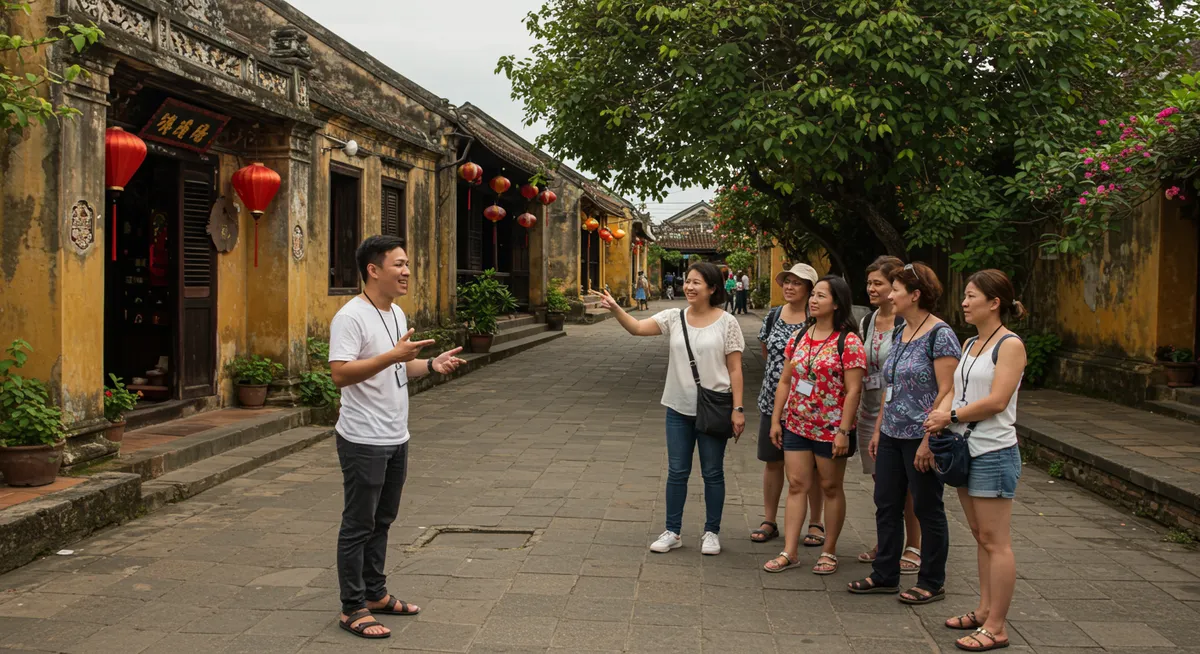
Hiring a Local Guide: Unlocking Hoi An’s Soul
For those seeking a richer, more immersive understanding of Hoi An, hiring a local walking tour guide is an invaluable investment. A local guide transforms mere sightseeing into a profound cultural journey. Here’s why:
- Deeper Historical & Cultural Context: A good guide won’t just point out the Fujian Assembly Hall; they’ll tell you the compelling stories of the Chinese traders who built it, explain the symbolism of its dragons, and share insights into the spiritual practices still observed today. They’ll illuminate the unique blend of Vietnamese, Chinese, Japanese, and European influences that shaped Hoi An into a UNESCO World Heritage site.
- Language Assistance & Authentic Interactions: Navigating local markets like the Central Market, asking questions of a lantern maker, or ordering the best bowl of *cao lau* from a street vendor becomes effortless with a guide. They bridge the language gap, facilitating genuine, memorable interactions you’d likely miss on your own.
- Access to Off-Beat Spots & Hidden Gems: Beyond the main tourist thoroughfares, Hoi An hides countless treasures. A local guide knows the quietest tailor shops, the best *banh mi* stall frequented by locals, a secret alley leading to a serene garden, or the perfect vantage point for capturing the Ancient Town’s lanterns at dusk.
- Specialized Knowledge: Many local guides offer specialized tours. If you’re a food enthusiast, a culinary walking tour will introduce you to authentic flavors like *mi quang* and *white rose dumplings* while explaining their origins. History buffs can delve deep into Hoi An’s trading port past, while photography tours reveal the best angles and times of day for stunning shots.
- Local Insights & Recommendations: Guides live and breathe Hoi An. They can offer invaluable tips on where to eat, shop, or even escape the crowds, ensuring your entire visit is more enjoyable.
While hiring a guide incurs a cost and involves adhering to a set schedule, the depth of insight and convenience they provide can significantly enhance your walking tour experience, allowing you to truly connect with the heart and soul of Hoi An.
Frequently Asked Questions
Q: Is Hoi An Ancient Town really walkable?
A: Absolutely! The Ancient Town is largely pedestrian-friendly, with many streets closed to vehicular traffic during certain hours, making it perfect for walking and soaking in the atmosphere.
Q: What’s the best time of day for a walking tour in Hoi An?
A: Early mornings (6-9 AM) are serene and cooler, perfect for photography and seeing locals start their day. Late afternoons into evenings (4 PM onwards) are vibrant, with lanterns lighting up and more street food vendors appearing.
Q: Do I need a tour guide for walking in Hoi An?
A: For the main Ancient Town, self-guided walks are easy and rewarding. However, a local guide can provide invaluable historical context, cultural insights, help navigate local markets, and introduce you to authentic street food or hidden spots you might miss.
Q: Is it safe to walk alone at night in Hoi An?
A: Yes, Hoi An is generally considered very safe, especially within the well-lit Ancient Town. Petty theft is rare but always be aware of your belongings. Enjoy the magical lantern-lit evenings!
Q: What if it rains during my walking tour?
A: Hoi An can experience rain, especially during the rainy season (Sept-Jan). A light rain jacket or compact umbrella is advisable. Walking in the rain can offer a unique, reflective experience of the town, with fewer crowds and glistening streets.
Hoi An truly comes alive when explored on foot. Each step reveals a new story, a vibrant color, or a delicious aroma. By following these practical tips and embracing the local spirit, you’re not just taking a walk; you’re embarking on an unforgettable journey into the heart of Vietnam’s most enchanting town. So lace up your shoes, pack your sense of adventure, and prepare to be captivated by Hoi An, one magical step at a time.