
Luang Prabang Hidden Gems: Ultimate Walking Tour Guide (2026)
Uncover Luang Prabang’s secrets on foot! Explore serene temples, local markets & hidden alleys with our self-guided walking tour. Practical tips & insights for an authentic experience.
On this page
Luang Prabang, a UNESCO World Heritage site, is renowned for its tranquil beauty, rich cultural heritage, and monastic traditions. While many visitors stick to the well-trodden paths, the true magic of this ancient capital reveals itself to those who explore on foot. Our comprehensive walking tour guide is designed for the curious traveler, leading you beyond the main street to uncover the hidden gems, quiet corners, and authentic local life that make Luang Prabang truly special. Lace up your walking shoes and prepare for an unforgettable journey into the heart of Laos.
Key Tips and Takeaways
- Start your walk early to enjoy cooler temperatures and observe local life.
- Always carry plenty of water to stay hydrated in the tropical climate.
- Dress respectfully, especially when visiting temples (shoulders and knees covered).
- Wear comfortable, sturdy walking shoes suitable for uneven paths and dusty roads.
- Embrace the ‘slow travel’ philosophy; don’t rush through your discoveries.
- Carry small denominations of Lao Kip for purchases from local vendors.
- Be mindful of the local culture and customs; observe before acting.
- Use offline maps and a portable power bank for your phone.
Why Explore Luang Prabang on Foot? The Undeniable Advantage
While tuk-tuks and bicycles offer convenience, truly unlocking the magic of Luang Prabang reveals itself when you surrender to the rhythm of your own two feet. This UNESCO World Heritage town, with its gentle pace and intricate tapestry of cultural wonders, is an absolute delight to explore on foot, promising an experience far richer than any hurried ride.
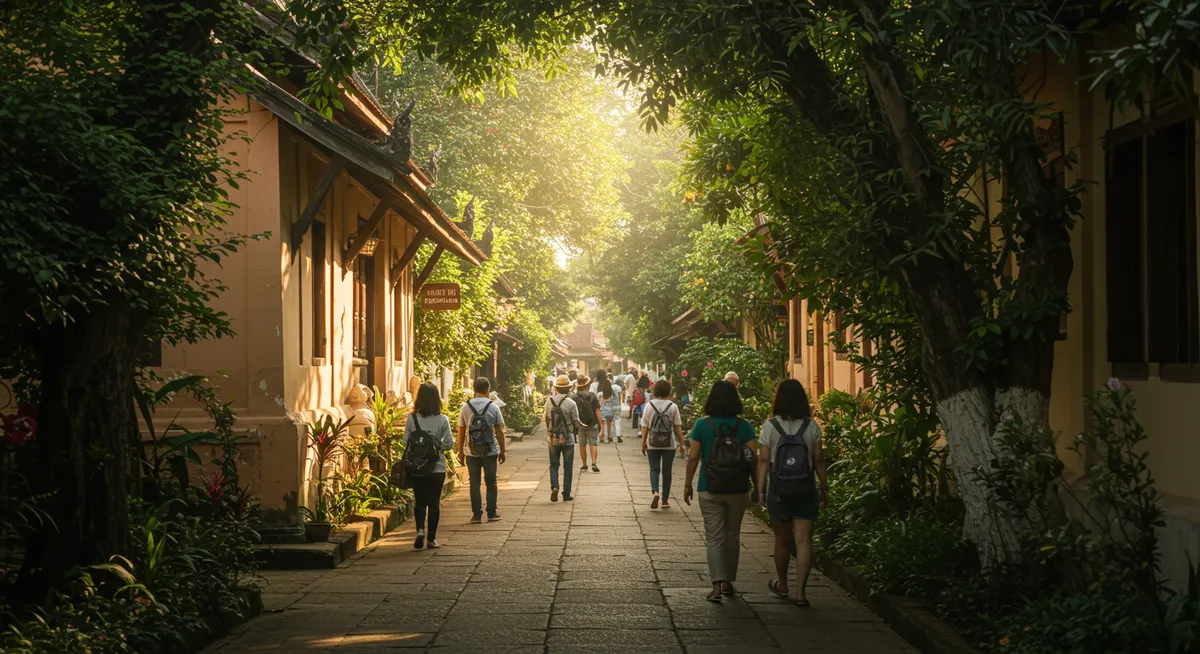
Walking through Luang Prabang offers an unparalleled sense of deeper immersion. You become an active participant in its daily life, rather than just an observer. The subtle aromas of sticky rice and freshly brewed Lao coffee waft from street-side stalls, the distant chanting from a nearby wat drifts on the breeze, and the soft rustle of palm trees adds to the serene soundtrack. You’ll notice the intricate details of a crumbling colonial facade, the vibrant colours of a monk’s robe, or the playful antics of children in a quiet lane – moments that are often missed when whizzing by.
The town’s layout, a charming labyrinth of main thoroughfares interspersed with countless hidden alleys and unexpected pathways, is tailor-made for discovery. It’s here, off the beaten track, that you’ll stumble upon true hidden gems: a family-run workshop crafting traditional textiles, a tiny temple courtyard adorned with ancient stupas, a peaceful guesthouse tucked away in a verdant garden, or perhaps a small, unassuming café serving the best Khao Soi you’ve ever tasted. These spontaneous finds are the essence of a walking tour, turning every corner into a potential revelation.
Beyond the sights, walking fosters spontaneous encounters. With no barrier between you and the local life, you’re more likely to exchange a friendly smile with a vendor at the morning market, observe monks during their afternoon strolls, or simply absorb the quiet hum of daily routines. This allows you to truly appreciate Luang Prabang’s famously slow pace. It’s a town that encourages you to linger, to breathe, and to let go of the rush. Walking reinforces this philosophy, allowing you to savour every moment, from the gentle ebb and flow of the Mekong River to the intricate carvings on a temple door.
Choosing to walk is an inherently environmentally friendly way to navigate this precious heritage site. It minimizes your carbon footprint and helps preserve the tranquil atmosphere that makes Luang Prabang so unique. It’s a respectful way to engage with a place that values its history and natural beauty.
To maximize your walking experience in Luang Prabang:
- Wear comfortable, breathable shoes: You’ll be doing a lot of exploring, often on uneven pavements or dirt paths.
- Stay hydrated: The tropical climate can be hot and humid. Carry a reusable water bottle.
- Dress respectfully: Especially when walking near temples, ensure your shoulders and knees are covered.
- Embrace the early mornings: Witness the serene alms giving ceremony on foot, or simply enjoy the cooler temperatures and quiet charm before the town fully awakens.
- Look up, down, and all around: The details are everywhere – from intricate rooflines to tiny shrines hidden in plain sight.
- Let yourself wander: While a map is helpful, sometimes the best discoveries are made when you simply follow your curiosity down an inviting lane.
By choosing to explore Luang Prabang on foot, you don’t just see the town; you truly feel its heartbeat, uncovering the subtle layers that make it an unforgettable destination.
Planning Your Hidden Gems Route: Essential Preparations
Embarking on a self-guided hidden gems walking tour in Luang Prabang promises an intimate encounter with this UNESCO World Heritage city. To ensure your adventure is as comfortable and enriching as possible, a little preparation goes a long way. Here’s how to set yourself up for an unforgettable exploration.
Optimal Timing for Your Walk
- Best Time of Year: The cool and dry season, spanning from October to February, is undeniably the most pleasant time to visit Luang Prabang for free walking tours in Luang Prabang. Temperatures are milder (typically 20-28°C), humidity is lower, and the skies are generally clear, making long strolls thoroughly enjoyable. While the hot season (March-May) can be intense, and the rainy season (June-September) brings refreshing downpours (and lush landscapes), the cool season offers ideal walking conditions.
- Ideal Time of Day: For any walking tour in Luang Prabang, aim for either the early morning or late afternoon.
- Early Morning (before 8 AM): This is truly magical. The air is cool and fresh, the city is still quiet, and you might even witness the traditional Sae Bat (alms giving ceremony) as monks collect offerings. It’s also perfect for beating the midday heat.
- Late Afternoon (after 4 PM): As the sun begins to dip, the light becomes softer, casting a beautiful glow on the temples and colonial architecture. It’s cooler than midday, offering comfortable conditions for a leisurely walk culminating in a sunset view from Mount Phousi or along the Mekong. Avoid walking between 11 AM and 3 PM when the sun is at its most intense.
What to Pack for Your Walking Tour
Lightweight and practical items are key to a comfortable exploration of Luang Prabang’s charms.
- Light Clothing: Opt for loose-fitting, breathable fabrics like cotton or linen. Given the tropical climate, these will keep you cool. Consider light colours that reflect sunlight.
- Comfortable Walking Shoes/Sandals: This is non-negotiable! Luang Prabang’s pavements can be uneven, and you’ll be covering significant distances. Ensure your footwear is well broken-in and offers good support.
- Hat & Sunglasses: Essential for protecting yourself from the strong equatorial sun. A wide-brimmed hat is highly recommended.
- Reusable Water Bottle: Staying hydrated is crucial. Carry a reusable bottle and refill it frequently. Many guesthouses and cafes offer filtered water, helping you reduce plastic waste.
- Small Backpack: A lightweight backpack is perfect for carrying your essentials: water, sunscreen, a small towel, camera, and any souvenirs you might pick up.
- Sun Protection: Beyond a hat and sunglasses, apply a high SPF sunscreen generously and reapply throughout the day, especially if you’re sweating. Seek shade whenever possible.
Respecting Local Customs & Health Considerations
- Dress Codes for Temples: Luang Prabang is a deeply spiritual city with numerous temples and monasteries. When visiting these sacred sites, it is imperative to dress respectfully. This means ensuring your shoulders and knees are covered. While some major temples might offer sarongs for rent, it’s always best to carry your own lightweight sarong or scarf to easily cover up when spontaneous temple visits arise. Modest dress is also a general sign of respect throughout the town.
- Basic Health:
- Hydration: As mentioned, drink plenty of water. Dehydration can quickly set in.
- Insect Repellent: Especially for early morning or late afternoon walks, apply insect repellent to guard against mosquitoes.
- Small First-Aid Kit: Pack essentials like blister plasters, antiseptic wipes, and pain relievers for minor scrapes or aches.
With these preparations in mind, you’ll be ready to comfortably uncover the hidden gems that make Luang Prabang so uniquely enchanting.
The ‘Hidden Gems’ Self-Guided Walking Itinerary: A Proposed Route
🌟 Local Expert Tip: Get the most out of your Luang Prabang visit with guided tours!
Luang Prabang, with its gentle pace and captivating blend of history, culture, and nature, is a dream for walkers. While the main street buzzes with activity, some of its most enchanting experiences lie just a few steps off the beaten path. This self-guided itinerary invites you to discover the town’s ‘hidden gems’ – serene temples, quiet riverside lanes, authentic local markets, and glimpses of everyday life that many visitors overlook.
Proposed Route: Discovering Luang Prabang’s Hidden Charms
Starting Point: We recommend beginning your journey near the Royal Palace Museum (National Museum), a central and easily recognizable landmark. This allows for a logical flow westward and then south towards the Nam Khan River.
1. Morning Serenity: Temples Off the Beaten Path
- From the Royal Palace, head southwest along Sisavangvong Road briefly, then turn right onto Kingkitsarath Road. Your first stop is Wat Visoun (Wat Wisunarat). While the main sim (ordination hall) is impressive, venture into the quieter back areas. Explore the surrounding grounds, where you might find smaller stupas, monks’ living quarters, and less-frequented shrines offering a peaceful atmosphere.
- Just across the road from Wat Visoun’s main entrance, you’ll find the venerable Wat Aham. Often overlooked in favor of its larger neighbor, Wat Aham is steeped in local spirit worship and has a more rustic, ancient feel. Take time to admire its distinctive architecture and the large banyan trees that shade its grounds, hinting at deeper spiritual connections.
- Continue westward (further down Kingkitsarath Road) to reach Wat Manorom (Wat Manolom). This temple, dating back to the 1370s, is one of Luang Prabang’s oldest. Its quiet compound and the distinctive architecture of its sim (particularly the tiered roof) offer a tranquil contrast to the more ornate temples along the main tourist routes. Look for the ancient stupa believed to contain Buddha’s footprints.
2. Riverside Whispers & Local Life (Nam Khan River)
- From Wat Manorom, navigate south towards the Nam Khan River. Instead of heading back to the main tourist bridge, explore the charming, narrow lanes that run parallel to the river’s bank, particularly east of the main tourist restaurant area.
- Here, you’ll encounter a more authentic side of Luang Prabang: traditional wooden houses on stilts, small family-run guesthouses with verdant gardens, and glimpses into local artisan workshops (though many are residential, you might spot weaving looms or paper-making setups from afar). This is a wonderful area to observe daily life, from children playing to locals tending their gardens.
3. Culinary Corners & Local Markets
- As you wander the Nam Khan riverside lanes, keep an eye out for smaller, localized morning markets. These aren’t the large ‘night market’ style but rather bustling spots where locals buy fresh produce, fish, and prepared foods. One such area is often found slightly north of the Nam Khan Bamboo Bridge (seasonal) or near Dara Market, but smaller clusters of vendors can appear anywhere.
- For a local snack, look for simple street food stalls selling khao soi (Luang Prabang noodle soup), steamed sticky rice with mango, or fresh fruit shakes. Don’t be afraid to try a local eatery slightly off the main streets; they often offer the most authentic and affordable flavors. Consider a stop at a hidden cafe down an alley for a refreshing Lao coffee.
4. Beyond the Centre: Village Trails & Viewpoints
- For a true glimpse beyond the immediate town center, cross the Nam Khan River. If it’s the dry season (typically November-May), the iconic Bamboo Bridge offers a charming, rickety walk. Otherwise, use the nearby Old Bridge.
- On the other side, explore the quiet lanes of Ban Xieng Mouane. This area provides a fascinating contrast, with more rural-feeling streets, small farms, and workshops, and a chance to see local life unfold without the tourist bustle. While not a dramatic viewpoint, walking along the riverbank here offers different perspectives of Luang Prabang’s peninsula and the surrounding hills. Consider a short walk further east along the river to Ban Phan Luang for a deeper immersion into a local village.
Practical Tips for Your Hidden Gems Walk:
- Best Time: Early morning (7-9 AM) is ideal for cooler temperatures and to observe local life at its most active, especially around markets and temples.
- Dress Code: When visiting temples, ensure your shoulders and knees are covered as a sign of respect.
- Hydration: Carry plenty of water. Luang Prabang’s humidity can be surprising.
- Footwear: Comfortable walking shoes are a must for exploring cobbled streets and uneven paths.
- Offline Maps: Download an offline map (e.g., Google Maps, Maps.me) as GPS can be invaluable in navigating the smaller lanes.
- Be Observant: This walk is about discovery. Look into courtyards, observe daily rituals, and engage with locals if opportunities arise.
- Respect Local Life: Be mindful of noise levels, especially near homes and monastic areas. Ask permission before photographing people.
Navigating Luang Prabang: Tips for the Independent Walker
🌟 Local Expert Tip: Get the most out of your Luang Prabang visit with guided tours!
Luang Prabang, with its compact peninsula layout and charming streetscapes, is a dream for independent walkers. While it’s easy to get around on foot, having a few navigation strategies in your back pocket will elevate your self-guided exploration, ensuring you uncover every hidden alley and serene temple without a hitch.
Mastering Offline Maps
Your smartphone is your best friend here, but connectivity can be fickle. Always download offline maps before you head out, ideally while you have strong Wi-Fi at your accommodation.
- Google Maps: Reliable for major roads, well-known landmarks like Wat Xieng Thong and Mount Phousi, and identifying the general direction of the Mekong and Nam Khan rivers. Download the “Luang Prabang area” for offline use.
- Maps.me: This app often shines for uncovering those true “hidden gems.” It boasts incredibly detailed mapping, including smaller pathways, guesthouses, and points of interest that might not appear on Google Maps. Many users contribute to its database, making it excellent for finding those tucked-away cafes or quiet temple courtyards. Download the Laos map pack for comprehensive coverage.
Recognizing Your Landmarks
Luang Prabang’s unique geography and prominent sites make for excellent natural navigation points:
- Mount Phousi: The central hill crowned by a golden stupa is visible from most parts of the peninsula and serves as an excellent cardinal reference point.
- The Two Rivers: The mighty Mekong River forms the western and northern boundary of the peninsula, while the smaller, gentler Nam Khan River flows along its eastern and southern edges. Walking along either river is a great way to orient yourself.
- Prominent Temples: Iconic temples like Wat Xieng Thong at the peninsula’s tip or Wat Mai on Sisavang Vong Road are easily recognizable and act as helpful markers for different areas.
Speaking a Little Lao Goes a Long Way
While many locals in tourist areas speak some English, knowing a few basic Lao phrases fosters connection and can be incredibly helpful if you get a little turned around and need to ask for directions (or just want to be friendly!).
- Sabaidee (sah-bai-dee): Hello. Use this with a warm smile.
- Khop Chai (kawp-chai): Thank you. Expressing gratitude is always appreciated.
The Importance of a Printed Map
Don’t underestimate the humble paper map! Many hotels, guesthouses, and tourist information centers offer free, basic maps of Luang Prabang. These are invaluable for:
- Getting a holistic overview of the peninsula’s layout.
- Marking potential points of interest or your current location.
- Serving as a backup if your phone battery dies or technology fails.
Navigating Roads vs. Pedestrian-Friendly Paths
Luang Prabang’s streets are generally quiet by Southeast Asian standards, but knowing where to walk makes a difference:
- Main Roads: Sisavang Vong Road, running through the center of the peninsula, is the busiest, especially in the evening during the Night Market. Kingkitsarath Road, paralleling the Nam Khan River, is also a main thoroughfare. While these have occasional motorbikes, they are still very walkable.
- Pedestrian-Friendly Paths & Alleys (Sois): This is where the magic of Luang Prabang truly unfolds. Many smaller lanes (often called *sois*) branch off the main roads, leading to quiet guesthouses, local homes, and hidden temples. These are generally very safe and offer the most immersive walking experience. Don’t be afraid to venture down a *soi* that looks promising; often, they connect to other streets or lead to beautiful riverside walks. Keep an eye out for occasional passing motorbikes even on these quieter paths.
By combining digital tools with traditional maps, recognizing key landmarks, and embracing the local pace, you’ll effortlessly navigate Luang Prabang’s enchanting streets, uncovering its many “hidden gems” one rewarding step at a time.
Staying Hydrated & Energized: Local Bites & Sips Along the Way
Embarking on a walking tour through Luang Prabang’s enchanting streets means you’ll be soaking in history, culture, and plenty of sunshine. To truly enjoy your journey and uncover those hidden gems without feeling drained, staying hydrated and energized is key. Fortunately, Luang Prabang offers a delightful array of local sips and bites that serve as perfect refreshment stops, adding another layer of authenticity to your experience.
Quench Your Thirst, Lao Style
- Authentic Lao Coffee: Prepare for a revelation. Lao coffee is typically strong, rich, and often served with a generous dollop of condensed milk, especially in its iced form (café nom yen). This sweet, robust pick-me-up is incredibly refreshing in the tropical heat. You’ll find small, often unassuming, street-side stalls and local eateries proudly brewing their coffee. Look for vendors with traditional drip filters or even small espresso machines. Many offer it in a plastic bag with a straw, a common and practical way to enjoy it on the go, allowing you to sip while continuing your walk.
- Freshly Squeezed Fruit Juices: As you wander, keep an eye out for vibrant fruit stalls. Luang Prabang is a paradise for fresh juices. Vendors skillfully blend a variety of tropical fruits like mango, passion fruit, pineapple, watermelon, and even sugarcane. These natural elixirs are not only delicious but also packed with vitamins and provide an instant energy boost. Ask for “no sugar” if you prefer your juice less sweet, as many vendors add a touch. They are typically made to order, ensuring maximum freshness and a cool, revitalizing break from your exploration.
Snack Smarter, Explore Further
For a quick energy boost that satisfies your sweet tooth and offers a taste of local life, look no further than Luang Prabang’s traditional snacks:
- Khao Nom Kok (Coconut Pancakes): These delightful little morsels are a must-try. Cooked in a special cast-iron dimpled pan over charcoal, Khao Nom Kok are bite-sized coconut hotcakes that are crispy on the outside and wonderfully soft and creamy on the inside. Often made with rice flour, coconut milk, and a hint of sugar, they are a comforting and sweet snack that’s perfect for a mid-walk treat. You’ll often find vendors, usually women, meticulously preparing these by the side of the road, particularly in morning markets or busy street areas near the Mekong River or main temples. The enticing aroma alone is enough to draw you in!
- Other Street Snacks: Don’t hesitate to try other small bites like grilled bananas, sticky rice with mango (seasonal), or various deep-fried savory snacks if you’re feeling peckish. While strolling, look for small pop-up stalls selling traditional Lao doughnuts or even fresh spring rolls. Follow your nose and trust your gut – literally!
Practical Tips for Street Purchases:
To ensure a smooth and enjoyable experience when grabbing these local delights:
- Carry Small Kip Notes: This is perhaps the most crucial tip. Street vendors often deal in small amounts, and having 5,000, 10,000, or 20,000 kip notes will make transactions much easier for both you and the vendor. They may not always have change for larger denominations, and it’s a sign of respect to be prepared.
- Look for Popular Stalls: A good rule of thumb is to choose vendors who have a steady stream of local customers. This usually indicates fresh ingredients, good quality, and a safe bet for a delicious experience.
- Hydration Beyond Beverages: While enjoying local sips, remember to supplement with bottled water. It’s readily available at convenience stores and small shops throughout the city. Staying consistently hydrated is crucial in Luang Prabang’s warm climate.
Embrace these opportunities to pause, refuel, and engage with the local culture. These humble refreshment stops are often some of the most memorable parts of exploring Luang Prabang on foot, offering a true taste of its hidden culinary gems.
Safety & Responsible Tourism for Walkers
Luang Prabang, with its serene charm and welcoming atmosphere, feels incredibly safe for walkers. However, like any travel destination, adopting a mindful approach to both personal safety and responsible tourism practices will significantly enhance your experience and help preserve the unique beauty of this UNESCO World Heritage city.
Safety for Walkers
While Luang Prabang’s pace is leisurely, staying aware of your surroundings is key. The city’s narrow streets are shared by pedestrians, bicycles, motorbikes, and the occasional tuk-tuk. Remember these tips:
- Traffic Awareness: Laos drives on the right. When walking on roads without sidewalks, always walk facing oncoming traffic (on the right side of the road) to easily spot approaching vehicles, especially motorbikes that might navigate tight spaces. Look both ways, even on one-way streets.
- Secure Valuables: While street crime is low, it’s always wise to keep your valuables secure and out of sight. Use a cross-body bag or a money belt, and avoid flashing expensive items. Leave unnecessary valuables in your guesthouse safe.
- Night Walking: Luang Prabang’s main areas are generally well-lit, but side streets and pathways leading to specific guesthouses can be darker. It’s best to avoid walking alone late at night in unlit or unfamiliar areas. Consider using a taxi or tuk-tuk if you’re returning to your accommodation late. A small flashlight can also be useful.
- Hydration & Sun Protection: The tropical climate means it gets hot. Carry plenty of water, wear a hat, and apply sunscreen, especially during your daytime explorations.
Responsible Tourism for Walkers
Your visit has a direct impact on Luang Prabang’s community and environment. By practicing responsible tourism, you contribute positively to its sustainability and cultural preservation:
- Respect Monastic Life: Luang Prabang is home to many temples and a large monastic community.
- Alms Giving (Tak Bat): If observing the daily alms giving ceremony, do so respectfully from a distance, without disturbing the monks or the ritual. Do not use flash photography. If participating, do so with reverence, ensuring you are appropriately dressed (shoulders and knees covered) and have purchased offerings from reputable, ethical sources. Never touch the monks.
- Temple Etiquette: When visiting wats (temples), dress modestly with shoulders and knees covered. Remove your shoes before entering temple buildings, and avoid pointing your feet at Buddha images or people.
- Ask Permission for Photos: Always ask for permission before photographing local people, especially children, and respect their decision if they decline. Be discreet when taking photos of monks.
- Minimize Waste: Help keep Luang Prabang clean. Refuse single-use plastics where possible – carry a reusable water bottle (many guesthouses offer refills), and decline plastic bags for small purchases. Dispose of your waste responsibly in designated bins.
- Support Local Businesses: Your purchases directly benefit the community. Shop at the local Night Market, eat at family-run restaurants, and consider tours or services provided by local guides. This ensures your tourism dollars directly support the people of Luang Prabang.
By keeping these simple guidelines in mind, you’ll not only ensure your own safety and comfort but also contribute to the cherished atmosphere that makes Luang Prabang such a remarkable destination for walking explorations.
Connecting Deeper: Extending Your Walking Exploration
While our curated walking tour unveils many of Luang Prabang’s iconic sights and charming alleys, the true magic of this ancient city often lies just beyond the obvious path. To truly connect with its spirit and people, consider extending your exploration through immersive experiences that are either a pleasant walk away or a short, inexpensive tuk-tuk ride from the main walking routes.
Unlocking Local Secrets with a Guide
For a deeper dive into specific traditions or to uncover the most authentic hidden gems Luang Prabang offers, hiring a local guide is invaluable. While you’ve experienced the main highlights, a knowledgeable local can lead you down lesser-known lanes, sharing personal stories, pointing out intricate architectural details you might miss, or introducing you to local artisans in their workshops. Imagine strolling through a quiet residential area, learning about daily life and ancient customs directly from someone who lives it. Your hotel or a reputable tourism office can connect you with certified guides who offer tailored experiences, allowing you to focus on specific interests like temple art, traditional crafts, or even the history of a particular neighbourhood.
Savoring Luang Prabang: A Cooking Class Adventure
One of the most delicious ways to extend your walking exploration is by embarking on a local cooking class. Many reputable schools, some of which are located centrally or offer convenient pick-ups, begin with a fascinating guided walk through a bustling local market. This isn’t just about ingredients; it’s a sensory journey where you’ll discover exotic produce, spices, and the rhythm of daily Lao commerce. Back in the kitchen, often an open-air pavilion nestled in a garden, you’ll learn to prepare classic Lao dishes like the fragrant *mok pa* (steamed fish with herbs) or the fresh and vibrant *laap* (minced meat salad). This hands-on experience not only provides a fantastic meal you’ve made yourself but also offers a deeper appreciation for the local culinary landscape, connecting you to the very heart of Lao culture through its food.
Participating in a Traditional Baci Ceremony
For a truly profound cultural immersion, seek out an opportunity to participate in a traditional Baci (also spelled *Sou Khuan*) ceremony. This ancient Lao spiritual blessing, involving the tying of white cotton strings around wrists, is a deeply moving experience intended to invoke good luck and well-being. While not a “walking tour” in the traditional sense, these ceremonies are often held in private homes, guesthouses, or cultural centres that are easily accessible by a short, scenic walk, especially in the cooler evening hours. Participating in a Baci offers an unparalleled glimpse into the spiritual fabric of Luang Prabang and allows you to witness the incredible warmth and hospitality of the local people firsthand. It’s a moment of quiet reflection and genuine connection that will undoubtedly become a cherished memory of your time in this tranquil city.
By engaging in these deeper experiences, you transform your visit from a tour into a journey of discovery. Each activity, whether walking through a vibrant market, mastering a new recipe, or receiving a traditional blessing, adds another layer to your understanding of Luang Prabang, enriching your travel memories far beyond the typical tourist path.
Frequently Asked Questions
🌟 Local Expert Tip: Get the most out of your Luang Prabang visit with guided tours!
Q: Is Luang Prabang safe for walking tours?
A: Yes, Luang Prabang is generally very safe for walking, even for solo travelers. Violent crime is rare. However, always be aware of your surroundings, especially at night, and take standard precautions like securing valuables.
Q: What’s the best time of day to do a walking tour in Luang Prabang?
A: The best times are early morning (from 6:00 AM) to witness the alms giving and enjoy cooler temperatures, or late afternoon (from 3:30 PM) as the heat subsides and the light becomes golden. Midday can be very hot and humid.
Q: Do I need a guide for a walking tour, or can I do it myself?
A: You can absolutely do a self-guided walking tour using this outline and good maps. However, hiring a local guide for part of your walk can offer invaluable cultural insights, historical context, and access to unique local experiences that you might otherwise miss.
Q: What kind of footwear is best for walking in Luang Prabang?
A: Comfortable, breathable walking shoes or sturdy sandals with good support are ideal. You’ll encounter uneven sidewalks, dirt paths, and potentially muddy areas during the rainy season. Slip-on shoes are convenient for temple visits where you’ll remove them frequently.
Q: What local etiquette should I be aware of while walking?
A: Always remove your shoes before entering temples or private homes. Dress modestly when visiting sacred sites. Avoid touching monks or nuns, and do not point your feet at people or Buddha images. A gentle ‘sabaidee’ (hello) is always appreciated.
Luang Prabang truly comes alive when explored on foot. Beyond the well-known landmarks, a network of quiet lanes, local communities, and serene spaces awaits the curious walker. By embracing this self-guided ‘hidden gems’ adventure, you’ll not only discover the lesser-seen beauty of this enchanting town but also forge a deeper, more personal connection with its culture and people. So, step out, wander freely, and let the gentle rhythm of Luang Prabang guide you to its most treasured secrets.