
Hanoi Walking Tour Budget Guide: Explore Affordably (2026)
Discover Hanoi on foot without breaking the bank! Our budget-friendly walking tour guide offers essential tips, routes, and local insights for an unforgettable, affordable adventure.
On this page
Hanoi, with its captivating blend of ancient traditions and bustling modern life, is a city best experienced on foot. Every corner of its Old Quarter, every serene lake, and every hidden alleyway tells a story, and there’s no better way to soak it all in than by exploring at your own pace. This comprehensive guide is designed for budget-conscious travelers keen to immerse themselves in Hanoi’s vibrant culture through walking tours, offering practical tips, essential gear advice, and local insights to ensure an enjoyable and affordable adventure.
Key Tips and Takeaways
- Always carry small denominations of Vietnamese Dong (VND) for street vendors and small purchases.
- Prioritize comfortable, sturdy walking shoes and break them in before your trip.
- Hydrate frequently throughout the day, especially in Hanoi’s humid climate.
- Learn the ‘Hanoi Shuffle’ technique for safely crossing busy streets – walk slowly and predictably.
- Embrace street food; it’s incredibly delicious, authentic, and budget-friendly. Look for stalls with many locals.
- Download offline maps (e.g., Google Maps, Maps.me) to navigate without constant data usage.
- Dress respectfully when visiting temples, pagodas, or the Ho Chi Minh Mausoleum (shoulders and knees covered).
- Learn a few basic Vietnamese phrases like ‘Xin chào’ (hello), ‘Cảm ơn’ (thank you), and ‘Bao nhiêu tiền?’ (how much?).
- Bargain politely and with a smile, especially in markets, but be prepared to walk away.
- Start your walking tours early in the morning to avoid the peak heat and crowds.
Why Walk Hanoi? The Budget-Friendly Advantage
Embarking on a walking tour through Hanoi isn’t just a mode of transport; it’s an integral part of the travel experience, especially if you’re mindful of your budget. While Grab bikes and taxis offer convenience, exploring Hanoi on foot unlocks a dimension of discovery that other methods simply can’t match. It’s the ultimate way to truly feel the city’s pulse.
The Budget-Friendly Advantage
First and foremost, walking is free! In a city where every Dong counts towards delicious street food, unique souvenirs, or an extra attraction, saving on transport adds up significantly. Instead of spending on multiple Grab rides navigating the Old Quarter’s labyrinthine streets, your travel budget can be reallocated to that extra bowl of pho, a captivating water puppet show, or an authentic Vietnamese coffee experience. Hanoi is already renowned as a budget-traveler’s paradise, and walking amplifies this advantage, allowing you to stretch your money further while gaining richer experiences.
Deeper Cultural Immersion & Serendipitous Discoveries
Walking slows you down, allowing you to absorb the kaleidoscope of sights, sounds, and smells that define Hanoi. You’ll notice the intricate details of colonial architecture contrasting with traditional Vietnamese shop-houses, witness local life unfolding on the pavements – from families sharing meals to artisans crafting goods, and catch the tantalizing aroma of grilled pork (bun cha) or brewing coffee wafting from hidden alleys (hẻm). This pace fosters a profound connection with the city, letting you peel back layers of its vibrant culture. Forget the rushed blur from a motorbike; walking allows you to step into the scene, not just observe it.
This flexibility also paves the way for serendipitous discoveries. You might stumble upon a charming, tucked-away temple, a lively local market bursting with exotic fruits, or a quirky independent art gallery you would never have found from a vehicle. The Old Quarter, especially, is a treasure trove of such surprises, where every turn can reveal a new delight – a street performer, a vibrant mural, or a vendor selling unique handicrafts. You have the freedom to stop, explore, engage, and truly get “lost” in the best possible way.
Actionable Tips for Your Hanoi Walking Adventure
- Comfortable Footwear is Key: Hanoi’s pavements can be uneven, crowded, and sometimes shared with motorbikes. Invest in well-worn, comfortable walking shoes.
- Stay Hydrated: Hanoi is hot and humid. Carry a reusable water bottle and refill often. Street vendors and mini-marts are ubiquitous.
- Offline Maps are Your Best Friend: Google Maps or Maps.me with downloaded offline maps are invaluable. The Old Quarter’s streets can be confusing, but landmarks like Hoan Kiem Lake or specific street names will help you reorient.
- Embrace the Flow of Traffic: Crossing streets in Hanoi is an art. Walk slowly and predictably; don’t make sudden stops or runs. The motorbikes will weave around you.
- Sun Protection: A wide-brimmed hat, sunglasses, and sunscreen are essential, especially during the warmer months.
- Take Breaks: Don’t try to power through. Pop into a local cafe for a refreshing iced coffee (cà phê sữa đá), find a bench by Hoan Kiem Lake, or duck into a temple for a cool, quiet respite.
- Observe and Engage: Keep your eyes open for street art, local interactions, and small details. A polite “Xin chào” (hello) can open doors to friendly exchanges.
Walking Hanoi is more than just sightseeing; it’s an immersive, sensory-rich journey that connects you intimately with the city’s soul, all while keeping your travel budget happily intact.
Preparing for Your Hanoi Walking Adventure
Embarking on a walking adventure through Hanoi’s labyrinthine streets is an incredible experience, but a little foresight goes a long way. Before your boots hit the pavement, take some time to tick off these essential pre-trip preparations, tailored for the unique challenges and charms of Vietnam’s bustling capital.
Visa and Entry Requirements
Always verify Vietnam’s current visa requirements for your nationality well in advance. While some countries benefit from visa exemptions for short stays, many visitors will need to apply for an e-visa or a traditional visa. Consult the official Vietnamese government immigration website for the most up-to-date information, and apply with ample lead time to ensure a stress-free arrival.
Secure Your Journey with Travel Insurance
Walking tours, while generally safe, can sometimes lead to unexpected bumps or scrapes, not to mention the potential for lost luggage or unforeseen medical emergencies. Comprehensive travel insurance is non-negotiable for your Hanoi trip. Ensure your policy covers medical expenses, emergency evacuation, trip cancellation, and personal belongings. It’s a small investment that offers immense peace of mind, allowing you to fully immerse yourself in Hanoi’s vibrant street life without worry.
Essential Mobile Apps for the Urban Explorer
- Offline Maps (Google Maps, Maps.me): Hanoi’s Old Quarter is a captivating maze. Download the Hanoi area on Google Maps or use Maps.me for reliable offline navigation. This is crucial for finding your way or locating hidden gems without relying on mobile data.
- Translation Apps (Google Translate): Bridge the language barrier with Google Translate. Download the Vietnamese language pack for offline use. Its camera translation feature is invaluable for deciphering menus or signs, making interactions smoother.
- Ride-Hailing (Grab): After a long day of walking, your feet might appreciate a break. Grab is a popular and affordable ride-hailing app (for both motorbikes and cars), perfect for quick trips back to your accommodation.
Mastering Basic Vietnamese Phrases
Locals genuinely appreciate visitors who make an effort to speak a few words of Vietnamese. These simple phrases will enhance your interactions, especially when haggling at markets or ordering food from street vendors:
- Xin chào (Sin chow): Hello
- Cảm ơn (Kam un): Thank you
- Xin lỗi (Sin loy): Excuse me / Sorry
- Bao nhiêu tiền? (Bow nyew tee-en?): How much?
- Dạ vâng (Ya vung): Yes (used by younger people to elders or in polite contexts)
- Không (Khom): No
A smile and a few polite words open doors and create memorable moments, especially in the tight-knit communities of the Old Quarter.
Understanding Vietnamese Dong (VND)
Vietnam uses the Dong (VND), and you’ll quickly become accustomed to handling large denominations. For example, 100,000 VND is roughly equivalent to a few US dollars. Familiarize yourself with the banknotes (500,000, 200,000, 100,000, 50,000, 20,000, 10,000 VND are common) to avoid confusion, particularly when making small purchases from street vendors where quick transactions are common. Always carry smaller denominations for street food, coffee, or market buys, as vendors may not always have change for large notes. ATMs are widely available, but be aware of withdrawal limits and potential transaction fees.
Essential Gear for Hanoi Walkers
💡 Pro Tip: Book your Hanoi adventures in advance through Viator for the best deals!
Hanoi’s vibrant streets are best explored on foot, but smart packing is key for comfort and safety. Here’s your essential gear checklist for an unforgettable walking adventure:
Your Feet: The Foundation of Your Exploration
- Comfortable, Sturdy Walking Shoes: This is non-negotiable. Hanoi’s sidewalks are a labyrinth of uneven pavements, bustling street food stalls, and darting motorbikes. You’ll encounter everything from broken tiles to cobblestones in the Old Quarter. Leave the flip-flops for beach days. Opt for well-worn, breathable sneakers or light hiking shoes with good arch support. Your feet will thank you after miles of exploring.
Dressing for Hanoi’s Dynamic Climate
- Weather-Appropriate Clothing (Layers are Key!): Hanoi’s weather is famously unpredictable.
- Hot & Humid (April – October): Think lightweight, breathable fabrics like cotton or linen. Pack light shirts, shorts, or skirts. Evenings can be muggy.
- Cooler & Damp (November – March): Hanoi winters can be surprisingly chilly and damp, often foggy. Pack layers – a light jacket, a sweater, and long pants are advisable.
- Light Rain Gear: Sudden, heavy tropical downpours (especially from May to September) are common. A compact, lightweight rain jacket or a small, foldable umbrella is an absolute must-have.
- Cultural Sensitivity: It’s respectful to cover your shoulders and knees when visiting temples, pagodas, or Ho Chi Minh’s Mausoleum. A light scarf is a versatile addition, doubling as sun protection or a quick modesty cover.
Shielding Yourself from the Sun
- Sun Protection: Hanoi’s sun can be intense, even on cloudy days. Protect yourself with:
- Wide-Brimmed Hat or Cap: Crucial for keeping the sun off your face and neck.
- High SPF Sunscreen: Apply liberally and reapply throughout the day.
- Sunglasses: Essential for protecting your eyes from glare and dust.
Staying Hydrated & Secure
- Hydration Solutions: Hanoi’s humidity demands hydration.
- Reusable Water Bottle: An eco-friendly choice, many cafes offer refills. Staying hydrated is vital.
- Electrolyte Tablets (Optional): On hot days, they help replenish salts lost through sweat.
- Small Daypack: A comfortable, lightweight daypack is perfect for carrying your water bottle, rain gear, sunscreen, camera, and any small souvenirs.
- Anti-Theft Measures: Hanoi is generally safe, but petty theft can occur in crowded areas.
- Cross-Body Bag with Secure Zippers: Wear it to the front. Avoid back pockets.
- Minimal Valuables: Leave passports/large cash in your hotel safe; carry only daily essentials.
- Awareness: Be mindful in busy areas like markets or intersections. Keep your phone tucked away.
With the right gear, you’re not just prepared for a walk; you’re ready for an authentic, unforgettable adventure through Hanoi’s vibrant heart.
Navigating Hanoi’s Bustle: Safety & Local Etiquette
Navigating Hanoi’s vibrant streets is an experience in itself – a dance of motorbikes, street vendors, and pedestrians. While the initial chaos can feel overwhelming, understanding how to move safely and respectfully through this beautiful city will enhance your walking tour exponentially. Embrace the organized chaos; it’s part of Hanoi’s unique charm!
Mastering the “Hanoi Shuffle”: Crossing Busy Streets
The first rule of walking in Hanoi: don’t wait for a gap in traffic; you’ll be there all day. Instead, embrace the “Hanoi Shuffle.”
- Walk Slowly and Predictably: Begin to cross the street at a steady, slow pace. Maintain your speed and direction. Motorbikes and cars are masters at flowing around you, but they need to anticipate your movement.
- Maintain Eye Contact (Briefly): Make eye contact with approaching drivers to signal your intention to cross. They’ll adjust their path.
- No Sudden Stops or Runs: Never stop abruptly or try to sprint across. This is the most dangerous thing you can do, as it disrupts the flow and makes you unpredictable.
- Use Locals as Shields (Discreetly): If you’re really nervous, find a local crossing the street and walk a step or two behind them. Let them pave the way!
Motorbike Awareness & Personal Safety
Motorbikes are king in Hanoi, and they are everywhere – sometimes even on sidewalks! Always be alert.
- Listen for Horns: Horns are not aggressive; they’re a warning. A quick honk usually means “I’m here, I’m coming through.”
- Assume They’re Coming: Look both ways, then look again. Motorbikes can appear from any direction.
- Secure Your Valuables: Be mindful of snatch theft, especially when walking near the curb or using your phone. Keep bags securely slung across your body and phones out of easy reach.
Common Scams & How to Avoid Them
While most Hanoians are incredibly honest and welcoming, a few bad apples can target tourists. Stay vigilant.
- Cyclo Drivers: Always negotiate and agree on the price *before* you get in, specifying whether it’s for the ride or per person, and for how long.
- “Free” Services/Gifts: Be wary of anyone offering “free” shoe shining, a guided tour, or a small gift. They will inevitably demand money afterward, often at an exorbitant rate. Politely decline.
- Friendly Strangers Guiding You: Sometimes, someone will offer to help you find a specific shop or attraction, only to lead you to an overpriced vendor or their friend’s shop. A polite “no, thank you” is sufficient.
Respectful Local Interactions
Engaging with locals is a highlight of any walking tour. A little cultural sensitivity goes a long way.
- Smile & Be Patient: A warm smile can open many doors. Patience is also key, especially in crowded markets or when language barriers exist.
- Dress Modestly: When visiting temples, pagodas, or other religious sites, ensure your shoulders and knees are covered.
- Ask Before Photographing People: Especially children or vendors. A gesture and a smile often work. If they decline, respect their wishes.
- Learn Basic Phrases: “Xin chào” (Sin Chow – Hello) and “Cảm ơn” (Gham Un – Thank you) will be greatly appreciated.
Bargaining Etiquette in Markets & with Street Vendors
Bargaining is an expected and fun part of shopping in Hanoi’s bustling markets (like Dong Xuan Market) and with street vendors.
- Start Low, Aim Fair: A good starting point is to offer 50% of the initial asking price and work your way up to 60-70%. Don’t haggle aggressively over a few cents; remember it’s their livelihood.
- Keep it Friendly: Bargaining should be a lighthearted exchange, not a confrontation. Smile, joke, and enjoy the process.
- Be Prepared to Walk Away: If you can’t agree on a price, a polite “Cảm ơn” and walking away often prompts the vendor to offer a better deal.
- Know When to Stop: For very cheap items, the effort of haggling might not be worth the minimal saving. Fixed-price shops and supermarkets do not typically bargain.
Budget-Friendly Walking Tour Options
💡 Pro Tip: Book your Hanoi adventures in advance through Viator for the best deals!
Hanoi is an incredible city to explore on foot, and thankfully, you don’t need a hefty budget to soak in its charm. The most economical way to experience Hanoi’s vibrant pulse is undoubtedly through self-guided walking tours. Arm yourself with a good map – either a traditional paper one from your hotel or, more practically, a reliable mapping app like Google Maps or Maps.me (which offers excellent offline functionality). Before you head out, download the Hanoi area map to avoid relying on spotty Wi-Fi or mobile data, saving both money and frustration.
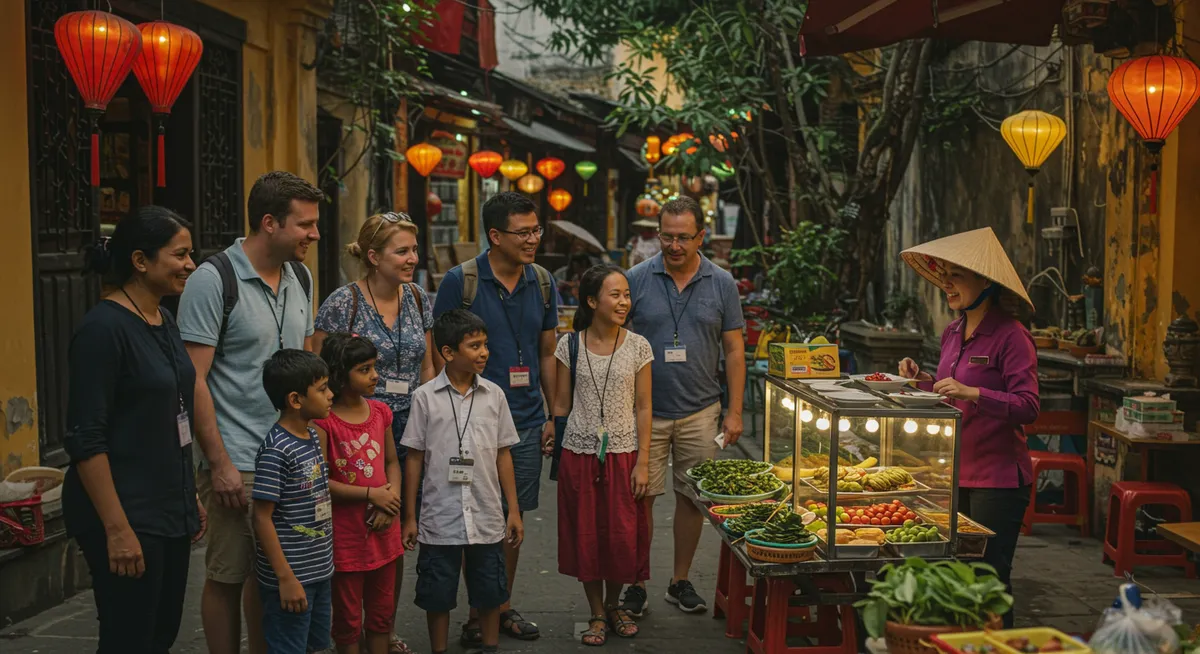
Your prime targets for free exploration are the **Old Quarter** and **Hoan Kiem Lake**. The Old Quarter is a labyrinth of 36 streets, each historically dedicated to a specific trade. Wander aimlessly through its narrow alleys, marvel at the traditional “tube houses,” and let the chaotic symphony of motorbikes, street vendors, and bustling cafes be your soundtrack. You’ll stumble upon hidden temples, quaint shops, and countless opportunities for delicious (and cheap!) street food. Just a stone’s throw away, **Hoan Kiem Lake** offers a tranquil escape. Walk its perimeter, admire the iconic Turtle Tower and Ngoc Son Temple (a small entrance fee applies to the temple if you wish to enter), and observe locals practicing Tai Chi in the mornings or simply enjoying the serene atmosphere. Combining these two areas makes for a perfect full-day self-guided adventure.
Another fantastic budget-friendly option is the “free” walking tour, a popular concept in many cities, including Hanoi. These are often led by enthusiastic local university students eager to practice their English and share their city’s history and culture. While technically free, **tipping is absolutely expected and essential**, as it’s how these guides earn their income. Think of it as a pay-what-you-feel model. A general guideline for a good experience in Hanoi would be to tip between 100,000 VND to 200,000 VND (approximately $4-8 USD) per person, depending on the tour’s length and your satisfaction. This provides a genuine exchange and supports local students.
If you’re looking for curated insights without breaking the bank, consider affordable paid walking tours, especially those focusing on **food** or **history**. Hanoi’s street food scene is legendary, and a food walking tour, while having a cost, often includes multiple tastings of local delicacies like bún chả, phở cuốn, and egg coffee, making it a meal and a tour combined! Historical walking tours can delve deeper into Hanoi’s rich past, from the French colonial era to the wartime history, offering context you might miss on your own. To find value, look for tours with smaller group sizes, which often offer a more personalized experience, or inquire about group discounts if you’re traveling with companions. Local tour operators or smaller, independent companies often offer more competitive prices than large international platforms. Always compare what’s included (food, entrance fees, transportation) to gauge the true value.
Must-See Hanoi on Foot (Free & Low Cost)
Hanoi is a city that truly comes alive when explored on foot. Its intricate network of streets, hidden alleys, and bustling markets offers an unparalleled sensory experience, often costing you nothing more than your energy. Don’t be intimidated by the traffic; embrace the flow and discover the city’s charm one step at a time.
Hoan Kiem Lake & Ngoc Son Temple (Exterior)
Begin your walking adventure at the serene Hoan Kiem Lake, the spiritual heart of Hanoi. This tranquil oasis provides a perfect loop for a leisurely morning or evening stroll. Watch locals practice tai chi at dawn, families gather in the cooler evenings, or simply observe the city’s rhythm unfold. Admire the iconic red Huc Bridge leading to Ngoc Son Temple (Temple of the Jade Mountain). While there’s a small fee to enter the temple itself, the exterior views and the bridge are stunning and completely free to enjoy, offering fantastic photo opportunities.
Hanoi Old Quarter’s Charm
From the lake, dive straight into the chaotic yet captivating charm of the Old Quarter. This labyrinth of ’36 Streets’ is a living museum, each traditionally specializing in a specific craft or trade. The best way to explore? Just wander! Let yourself get delightfully lost among the colonial architecture, bustling street food stalls, and artisan shops. Observe daily life, watch skilled craftsmen at work, and soak in the vibrant atmosphere. This immersive experience is entirely free, though you’ll be tempted by delicious (and cheap) street snacks at every turn.
Ho Chi Minh Mausoleum Complex (Exterior & Gardens)
For a dose of modern Vietnamese history, take a respectful walk towards the solemn Ho Chi Minh Mausoleum complex. While entering the Mausoleum itself requires specific timings and strict queues, the vast, tree-lined Ba Dinh Square and surrounding gardens offer a peaceful, free stroll. You can view the President’s former residence on stilts, the Presidential Palace (exterior), and the unique One Pillar Pagoda from the outside, soaking in the serene and historically significant atmosphere. Remember to dress modestly out of respect.
Temple of Literature & Quốc Tử Giám
A short walk from the Mausoleum is the serene Temple of Literature & Quốc Tử Giám, Vietnam’s first national university. This beautifully preserved Confucian temple complex offers a tranquil escape from the city’s hustle. With a modest entry fee, you can wander through its five harmonious courtyards, admiring ancient stelae mounted on stone turtles, traditional pavilions, and lush gardens – a fascinating glimpse into Vietnam’s scholarly past and architectural beauty.
Local Markets (Dong Xuan Market)
Immerse yourself in authentic local life at Dong Xuan Market, the largest covered market in Hanoi. It’s a true sensory overload in the best possible way! Navigate through narrow aisles packed with stalls overflowing with everything imaginable, from fresh produce and spices to textiles, electronics, and souvenirs. It’s free to walk through, observe the bustling trade, and absorb the vibrant energy. This is a prime spot for people-watching and capturing incredible photographs of daily Vietnamese commerce.
Unique Street Art Locations
Keep your eyes peeled for Hanoi’s burgeoning street art scene, turning your walk into a treasure hunt. The murals along Phung Hung Street, beneath the railway arches, depict traditional Hanoi life and are a fantastic, free outdoor gallery. You might also stumble upon smaller, intriguing pieces tucked away in alleys around the Old Quarter, reflecting contemporary Vietnamese culture and adding splashes of color to your urban exploration.
Practical Walking Tips for Hanoi:
- Comfortable Footwear: Hanoi’s sidewalks can be uneven, and you’ll be doing a lot of walking. Opt for comfortable, closed-toe shoes.
- Stay Hydrated: The climate is humid. Carry a reusable water bottle and refill often.
- Master Traffic Crossing: Be confident and predictable when crossing streets. Motorbikes will often flow around you rather than stopping.
- Best Times: Early mornings offer cooler temperatures and a glimpse into local life (e.g., tai chi at the lake). Evenings bring vibrant street food scenes and lively markets.
- Go with the Flow: Embrace the sensory overload, be open to spontaneous discoveries, and don’t be afraid to duck into an intriguing alley.
Fueling Your Walk: Budget-Friendly Food & Drink
A successful walking tour in Hanoi hinges on keeping your energy levels high, and thankfully, Vietnam’s capital offers an incredible array of delicious, budget-friendly options to fuel your journey. Street food isn’t just cheap; it’s a cornerstone of local culture and a sensory adventure you won’t want to miss.
Navigating Hanoi’s Street Food Scene Safely
While street food might spark safety concerns, smart choices ensure a fantastic experience. Here’s how to identify reputable vendors:
- Follow the Locals: Your golden rule. A stall teeming with Vietnamese diners signifies fresh ingredients, high turnover, and authentic flavors.
- Observe Cleanliness: Check the stall’s tidiness, vendor’s hands, and utensil handling. Look for clean surfaces and fresh ingredients.
- Hot and Fresh: Opt for dishes cooked to order, boiling, or freshly fried. High heat kills potential bacteria. Be slightly more cautious with raw salads unless the vendor is visibly meticulous.
Must-Try Dishes to Power Your Walk
Hanoi’s culinary landscape is diverse, but some dishes are non-negotiable for the walking explorer:
- Phở: The iconic Vietnamese noodle soup is perfect for a fortifying breakfast or a warming midday meal. Seek out local spots like Phở Bát Đàn or Phở Thìn for an authentic experience. Eating from a low plastic stool on the sidewalk is part of the charm.
- Bún Chả: Grilled pork with vermicelli noodles, often served with crispy spring rolls (Nem Rán). This Hanoi specialty is a hearty, flavorful lunch option that will keep you going for hours.
- Bánh Mì: The ultimate portable snack for walkers! This Vietnamese baguette sandwich is a quick, versatile, and incredibly satisfying bite. Fillings range from pâté and cold cuts to grilled pork or chicken. Grab one from a street cart and enjoy it on the move.
Embrace Hanoi’s Coffee Culture
Beyond food, Hanoi offers a unique coffee scene perfect for a walking tour break:
- Cà Phê Trứng (Egg Coffee): A rich, creamy, and surprisingly delicious Hanoi invention. It’s a must-try for a sweet energy boost. Find it at traditional spots like Café Giang or Café Lâm – cozy refuges perfect for a rest.
- Cà Phê Sữa Đá (Iced Coffee with Condensed Milk): An invigorating and popular choice for hot days, widely available at any local cafe.
- Streetside Cafes: Don’t shy away from tiny street-side spots with plastic stools. They offer cheap, excellent coffee and a front-row seat to observe daily Hanoi life.
Staying Hydrated on a Budget
Hanoi’s humidity means staying hydrated is crucial for comfortable walking. Here’s how to do it cheaply:
- Bring Your Own Reusable Bottle: Many guesthouses and cafes in the Old Quarter offer water refill services, often for a small fee or even free for customers. Look for “water refill” signs or simply ask.
- Cheap Bottled Water: Bottled water is widely available and very affordable at convenience stores (VinMart, Circle K) or small local shops if refills aren’t an option.
- Nước Mía (Sugarcane Juice): For a refreshing, natural electrolyte boost, try fresh sugarcane juice from a street vendor. It’s incredibly cheap and cooling.
By embracing Hanoi’s vibrant culinary scene, you’ll not only save money but also gain a deeper appreciation for the city’s rich culture – one delicious bite and refreshing sip at a time.
Rest & Rejuvenate: Managing Fatigue on Your Walk
When exploring Hanoi on foot, the sheer vibrancy and constant discoveries can make you forget how much ground you’re covering. However, even the most enthusiastic walker needs to manage fatigue to truly enjoy the experience. Pacing yourself is key to making your walking tour a pleasure, not a chore.
One of the most enjoyable aspects of Hanoi is its thriving cafe culture, offering perfect havens for strategic breaks. Instead of powering through, plan to pause every hour or so. Look for quán cà phê vỉa hè (sidewalk cafes) where you can grab a tiny plastic stool and observe street life while sipping on a refreshing cà phê sữa đá (iced condensed milk coffee) or a simple trà đá (iced tea). These breaks are not only cheap but also offer a genuine slice of local life. Around Hoan Kiem Lake, you’ll find plenty of benches under shady trees, ideal for a quick rest, people-watching, and rehydrating. Parks like Ly Thai To Park, adjacent to the lake, also provide green spaces to sit back and recharge your batteries amidst the urban bustle. Don’t hesitate to pop into a local quán ăn (eatery) for a light snack like bánh mì or a refreshing fruit juice to refuel.
Should your feet start protesting or you find a particular stretch of road less interesting to walk, don’t feel obliged to trudge on. Hanoi offers excellent and affordable alternatives to keep you moving. The Grab app is your best friend here, providing instant access to both car and motorbike taxis. A Grab Bike ride for a few kilometers can cost as little as 15,000-30,000 VND (less than $1.50 USD) and offers a fun, breezy way to cover longer distances or skip past busy, less scenic sections. Local buses are even cheaper, costing around 7,000 VND per ride, and while they might require a bit more navigation with Google Maps, they’re efficient for traversing major routes, especially if you need to reach areas outside the Old Quarter. Using these options can save your energy for the truly captivating parts of your itinerary.
Finally, managing personal comfort includes knowing where to find public restrooms. Unlike many Western cities, dedicated public toilets can be sparse and sometimes not up to desired cleanliness standards. Your best bet is to utilize the facilities at cafes, restaurants, or larger establishments like shopping centers. Trang Tien Plaza, just south of Hoan Kiem Lake, has clean, modern restrooms. When stopping for a drink or snack at a cafe, it’s generally expected and polite to use their facilities. It’s always wise to carry a small pack of tissues and a bottle of hand sanitizer, just in case. Prioritizing these practical breaks will ensure your Hanoi walking tour remains an energizing and delightful exploration rather than a test of endurance.
Connecting Deeper: Local Insights & Cultural Immersion
💡 Pro Tip: Book your Hanoi adventures in advance through Viator for the best deals!
A Hanoi walking tour is more than just ticking off landmarks; it’s an invitation to step into the vibrant pulse of local life. To truly connect with the city’s soul and make your budget go further through authentic experiences, focus on observing, engaging, and supporting the local community. This deeper immersion will transform your walk from a mere stroll into a memorable cultural journey.
Observe Daily Life with a Mindful Pace
Hanoi’s charm lies in its everyday rhythm. Instead of rushing from one attraction to the next, take the time to pause and absorb. Find a quiet spot at a sidewalk cafe, perhaps along the bustling Old Quarter streets or near Hoan Kiem Lake, and simply watch. Notice the intricate dance of motorbikes, the rhythmic calls of street vendors, or the morning exercises performed by locals around the lake. Pay attention to the details: the way street food is prepared, the intricate patterns of a traditional áo dài passing by, or the community gatherings in temple courtyards. These candid moments offer profound insights into Vietnamese culture and cost nothing but your time and attention.
Attend Free Local Events & Gatherings
Hanoi frequently hosts impromptu cultural showcases that are completely free and open to the public. During weekends, the streets around Hoan Kiem Lake transform into a lively pedestrian zone where you might encounter traditional music performances, folk games, or even spontaneous dance sessions. Keep an eye out for festivals (especially around traditional holidays like Tet), temple celebrations, or even public art installations. Simply wandering into a bustling market like Đồng Xuân Market can be an event in itself, offering a sensory overload of sights, sounds, and smells. Ask your hotel staff or a friendly local about any community events happening during your visit – they often have the best insider tips.
Interact Respectfully with Locals
One of the most rewarding aspects of travel is connecting with the people who call a place home. While language can be a barrier, a warm smile and a few basic Vietnamese phrases – ‘Xin Chào’ (hello) and ‘Cảm Ơn’ (thank you) – can open doors. Don’t be afraid to ask for directions (even if you think you know where you’re going!) or inquire about a local dish from a street vendor. Many Hanoians are genuinely curious and welcoming. When shopping or eating, engage in a brief, friendly chat. Remember to always ask for permission before taking someone’s photo, especially children, to show respect for their privacy.
Support Small, Local Businesses
For an authentic experience that also benefits the local economy, make a conscious effort to support small, family-run establishments during your walking tour. Skip the international chains and instead seek out the tucked-away pho stalls, the artisan workshops crafting traditional lacquerware or silk, or the tiny tea shops that have been serving generations. Not only will you discover unique souvenirs and delicious, authentic food, but you’ll also be contributing directly to the livelihoods of local families. Engaging with these businesses often provides a more personal interaction and a deeper understanding of Hanoi’s craftsmanship and culinary traditions, making your walking tour truly meaningful.
Expert Tips for the Savvy Budget Walker
Navigating Hanoi on foot offers an unparalleled immersion into its vibrant chaos and hidden charms, and it’s by far the most budget-friendly way to explore. As a savvy budget walker, you can amplify your experience and stretch your dong further with these expert tips.
Timing is Everything: When to Wander
- Best Time of Year: The shoulder seasons of Autumn (September-November) and Spring (March-April) offer the most pleasant walking weather in Hanoi. Expect comfortable temperatures, less humidity, and generally clear skies – perfect for long strolls. Summers (June-August) are hot and humid, while winters (December-February) can be surprisingly cool and damp, so pack accordingly.
- Best Time of Day: For the most authentic feel and cooler temperatures, lace up your shoes for an early morning (6-9 AM) expedition. You’ll witness the city waking up, street food vendors setting up, and locals doing their morning exercises around Hoan Kiem Lake. Alternatively, late afternoon/early evening (4-7 PM) transforms the city with bustling markets, glittering lights, and a vibrant street life. Avoid mid-day walks if possible due to intense heat and peak traffic.
Mastering Polite Declines & Savvy Spending
Hanoi’s lively streets mean you might encounter persistent vendors or cyclo drivers. A polite, but firm, “Khong cam on” (no, thank you) accompanied by a slight head shake and continued walking is usually effective. Avoid prolonged eye contact if you’re not interested, but always be respectful. Remember, a smile goes a long way!
- Feast Like a Local: The ultimate budget-friendly delight is street food. Look for small plastic stools spilling onto the pavement and queues of locals – these are signs of authentic, delicious, and incredibly cheap eats. A bowl of pho or bun cha can cost as little as 30,000-50,000 VND (about $1.20-$2 USD). Avoid restaurants catering explicitly to tourists, as prices will be significantly higher.
- Hydration on a Dime: Buy bottled water from convenience stores or small shops rather than tourist cafes. Better yet, carry a reusable water bottle and refill it at your accommodation or at cafes that offer filtered water. For a truly local experience, try bia hơi – incredibly cheap draught beer found at roadside establishments, often for under 10,000 VND a glass.
- Smart Navigation: While walking is king, if you need to cover a longer distance, use the Grab app (for motorbikes or cars) to get transparent, set prices. It’s often cheaper and safer than traditional taxis or cyclos, which might try to overcharge.
- Free & Low-Cost Attractions: Many of Hanoi’s most iconic spots are free to explore on foot, like Hoan Kiem Lake, the Old Quarter’s labyrinthine streets, and the iconic Long Bien Bridge. Many temples and pagodas have very low or no entry fees, offering cultural insights without breaking the bank.
Discovering Off-the-Beaten-Path Gems
The real magic of Hanoi often lies beyond the main tourist routes. Don’t be afraid to wander down the narrow ngõ (alleys) that branch off the main streets. These hidden passages reveal local life in its rawest form: tiny hidden temples, family-run workshops, makeshift kitchens, and children playing. Explore areas just outside the immediate Old Quarter, like the charming streets around Truc Bach Lake or the more residential areas near the Temple of Literature, for a quieter, more authentic glimpse into local life. Trust your intuition; if a small street or alley looks intriguing, take the detour!
Essential Walking Kit & Mindset
Prioritize comfortable, broken-in walking shoes. Light, breathable clothing is essential, along with a hat, sunglasses, and sunscreen. A small daypack for water, a portable charger (for your phone’s maps!), hand sanitizer, and tissues is highly recommended. Embrace flexibility; walking tours are about discovery, so allow for spontaneous detours. Be aware of your surroundings, especially the ubiquitous motorbikes, and cross streets confidently and predictably. Most importantly, engage your senses: smell the street food, listen to the constant hum of the city, and soak in the vibrant tapestry of Hanoi life.
Frequently Asked Questions
Q: Is Hanoi safe for walking tours?
A: Yes, Hanoi is generally very safe for walking tours. The main challenges are navigating the busy traffic and motorbikes, and being aware of petty theft in crowded areas. By following local etiquette for crossing streets and keeping your belongings secure, you’ll find it a safe and rewarding experience.
Q: How do I cross the street in Hanoi with all the motorbikes?
A: The key is to walk slowly, steadily, and predictably. Make eye contact with drivers if possible, and maintain a constant pace. The motorbikes will flow around you. Avoid sudden stops or changes in direction. It might feel counterintuitive at first, but it’s the safest way.
Q: What’s the best time of year to do a walking tour in Hanoi?
A: The best times are usually autumn (September to November) and spring (March to April) when temperatures are milder and humidity is lower. Summers (June-August) can be very hot and humid with frequent rain, while winters (December-February) can be cool and damp.
Q: Are ‘free’ free walking tours in Hanoi truly free?
A: Most ‘free’ walking tours in Hanoi are led by local university students looking to practice English and share their culture. While there’s no upfront cost, it’s customary and highly encouraged to tip your guide at the end of the tour based on your satisfaction. Consider it a donation for their time and effort.
Q: Can I find vegetarian/vegan street food options on a budget while walking in Hanoi?
A: Yes, Hanoi offers many delicious and affordable vegetarian/vegan options. Look for ‘Cơm Chay’ (vegetarian rice/dishes) restaurants, or dishes like ‘Phở Chay’ (vegetarian pho), ‘Bún Đậu Mắm Tôm Chay’ (vegetarian tofu and noodle dish, ensure it’s without shrimp paste), and various stir-fried vegetable dishes. Communicate your dietary needs clearly.
Hanoi truly comes alive when explored on foot. This budget-friendly walking guide empowers you to peel back the layers of this fascinating city, from its ancient heart to its modern pulse, without stretching your wallet. Embrace the sounds, sights, and scents, engage with the friendly locals, and discover the hidden gems that only walking can reveal. So lace up your shoes, grab your map, and embark on an unforgettable, affordable adventure through the enchanting streets of Hanoi!