
Luang Prabang Walking Tour: Explore Laos on Foot (2026)
Discover Luang Prabang’s serene beauty on foot! Our comprehensive walking tour guide offers practical tips, routes, and local insights for an unforgettable self-guided adventure in Laos.
On this page
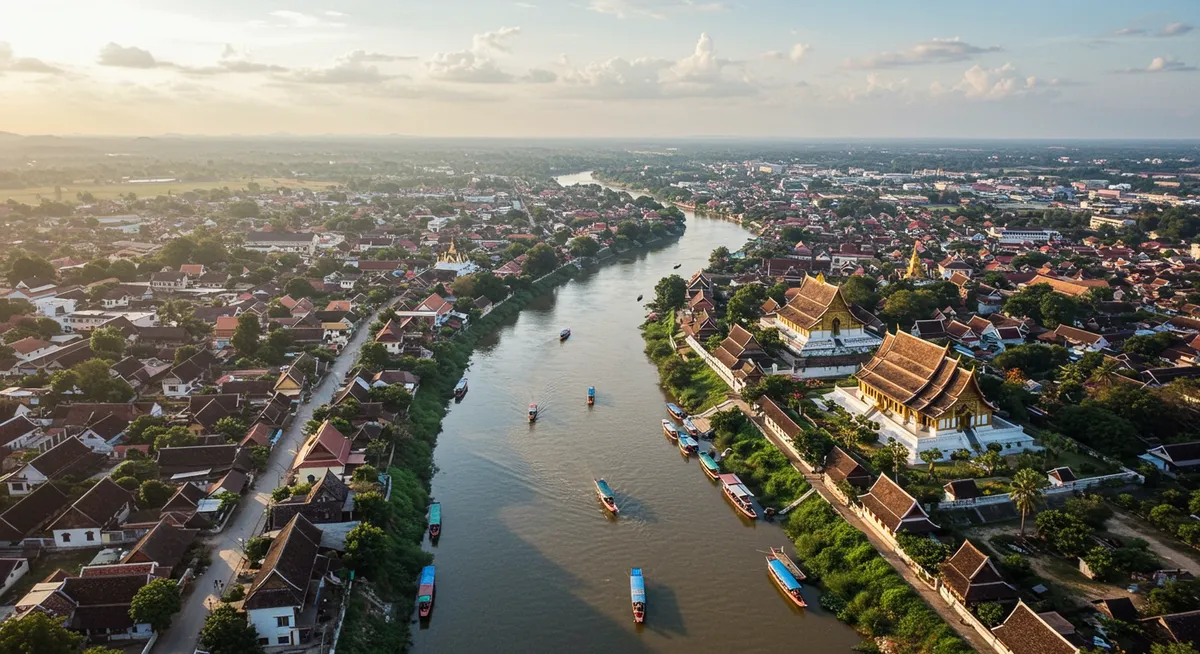
Luang Prabang, a UNESCO World Heritage site nestled at the confluence of the Mekong and Nam Khan rivers, is a town best experienced on foot. Its compact size, charming colonial architecture, spiritual ambiance, and vibrant street life practically beg to be explored at a leisurely pace. This comprehensive guide will equip you with everything you need to confidently and enjoyably navigate Luang Prabang’s enchanting streets, uncovering its hidden gems and immersing yourself in its unique culture through the power of walking.
Key Tips and Takeaways
- Always carry a refillable water bottle to stay hydrated.
- Dress modestly with shoulders and knees covered, especially when visiting temples.
- Wear comfortable, broken-in walking shoes.
- Be aware of motorbikes, as pavements can be limited.
- Embrace the slow pace; Luang Prabang is meant for leisurely exploration.
- Support local vendors and small businesses during your walks.
Why Walk Luang Prabang? The Pedestrian’s Paradise
Luang Prabang isn’t just a destination; it’s an experience best savored slowly, one step at a time. Nestled on a peninsula between the mighty Mekong and the gentle Nam Khan rivers, this UNESCO World Heritage town is remarkably compact and predominantly flat, making it an absolute paradise for pedestrians. Unlike sprawling metropolises, Luang Prabang’s layout practically invites you to explore on foot. Its manageable size means you can comfortably traverse much of the historic center in a single day, or better yet, leisurely over several, allowing its tranquil atmosphere to truly sink in. Forget the rush of taxis or the hustle of motorbikes; walking here aligns perfectly with the town’s serene, almost meditative pace.
The true magic of walking in Luang Prabang lies in the intimate details it unveils. As you wander, you’ll find yourself effortlessly slipping between magnificent golden-roofed temples and charming French colonial villas, each telling a story of the town’s rich past. Walking allows you to pause, admire intricate carvings on temple facades, appreciate the faded elegance of a shuttered balcony, or peek into a peaceful temple courtyard. Beyond the grand architecture, it opens a window into authentic local life. You’ll observe monks going about their daily rituals, children playing, vendors preparing street food with aromatic spices, and the gentle rhythm of daily commerce. Duck down a narrow soi (alleyway) and you might discover a hidden guesthouse, a family running a traditional craft shop, or a quiet local eatery that motor vehicles simply whiz past. This intimate scale of discovery is what transforms a simple sightseeing trip into a deeply immersive cultural journey.
From the iconic Wat Xieng Thong at the peninsula’s tip to the bustling Night Market near the Royal Palace Museum, virtually all of Luang Prabang’s key attractions are within comfortable walking distance. This unparalleled accessibility means you can easily visit multiple temples, meander along the riverfront, or stumble upon charming cafes and boutique shops without relying on external transport. By choosing to walk, you’re not just moving from A to B; you’re actively engaging with the local environment, supporting small businesses you encounter, and treading lightly on this precious heritage site. It’s the most sustainable and respectful way to explore, allowing for spontaneous conversations, unexpected discoveries, and a genuine connection with the community that makes Luang Prabang so special.
Here are some tips for making the most of your Luang Prabang walking adventure:
- Comfortable Footwear: Essential for hours of enjoyable exploration on paved and unpaved paths.
- Stay Hydrated: Carry a reusable water bottle, especially during warmer months. Many guesthouses offer free refills.
- Sun Protection: A hat, sunglasses, and sunscreen are highly recommended as the sun can be intense.
- Dress Respectfully: When visiting temples, ensure your shoulders and knees are covered. Light, breathable fabrics are best.
- Early Morning/Late Afternoon: These times offer cooler temperatures and softer light for photography, ideal for observing the alms giving ceremony or enjoying a riverside sunset.
- Embrace the Unplanned: Allow yourself to wander without a strict itinerary. Some of the best discoveries are made when you simply follow your curiosity down a new path.
- Be Mindful of Motorbikes: While generally low-traffic, be aware of occasional motorbikes, especially on main roads or narrower alleys.
Best Time to Lace Up: Seasons and Daily Rhythms
Timing is everything when you’re exploring a city on foot, and Luang Prabang is no exception. Understanding the rhythm of its seasons and daily life will dramatically enhance your walking tour experience, allowing you to comfortably soak in every detail of this UNESCO World Heritage gem.
Optimal Seasons for Strolling
For the most pleasant walking conditions, aim for Luang Prabang’s dry season, which generally runs from October to March. During these months, the temperatures are significantly cooler and the humidity much lower than the rest of the year. Days are typically sunny and crisp, making it a joy to wander through the quiet lanes, explore ancient temples, and stroll along the Mekong and Nam Khan rivers. This period avoids the intense heat of April and May, as well as the heavy rains of the monsoon season (May to September), which, while making the landscape lush, can also lead to muddy paths and less comfortable walking conditions.
Daily Rhythms: When to Lace Up
Luang Prabang truly comes alive at certain times of day, and strategic planning will ensure you’re out and about when the city is at its most charming for walkers:
-
Early Morning (5:30 AM – 9:00 AM): Embrace the Cool and Culture
This is arguably the absolute best time for a walking tour in Luang Prabang. The air is remarkably cool and fresh, offering a comfortable start to your day. It’s the perfect opportunity to participate in or respectfully observe the daily alms giving ceremony (Tak Bat), where saffron-robed monks walk silently through the streets. After the ceremony, continue your walk to the bustling Morning Market, where locals trade fresh produce and unique ingredients. The light is soft and beautiful for photography, and the streets are less crowded, allowing for a peaceful exploration of key temples like Wat Xieng Thong or the Royal Palace Museum grounds before the heat settles in. -
Late Afternoon & Early Evening (4:00 PM – 7:00 PM): Sunset Hues and Night Market Vibrancy
As the sun begins its descent, the city cools down again, inviting you back out for another delightful walk. Head towards Phou Si Hill (be prepared for a climb of over 300 steps!) for breathtaking panoramic sunset views over the Mekong and Nam Khan rivers. After soaking in the golden hour, descend directly into the heart of the Luang Prabang Night Market, which stretches along Sisavangvong Road. Walking through the market allows you to fully immerse yourself in the lively atmosphere, browse local handicrafts, sample delicious street food, and observe the vibrant evening scene.
Avoiding the Midday Heat
From around 10:00 AM to 3:30 PM, Luang Prabang can get quite hot, especially between March and May. This is an ideal time to take a break from extensive walking. Instead, consider:
- Retreating to your air-conditioned accommodation for a rest.
- Enjoying a long, leisurely lunch at a shaded riverside restaurant.
- Visiting an indoor attraction like the Royal Palace Museum or the UXO Visitor Centre.
- Indulging in a traditional Lao massage.
- Finding a cozy café for a refreshing drink and people-watching.
By planning your walking excursions around these optimal times and taking sensible breaks during the peak heat, you’ll ensure a comfortable and memorable exploration of Luang Prabang’s enchanting streets and cultural treasures.
Essential Gear for the Luang Prabang Walker
🌟 Local Expert Tip: Get the most out of your Luang Prabang visit with guided tours!
Embarking on a walking tour through Luang Prabang is an immersive way to experience its timeless charm. To ensure your explorations are comfortable, safe, and truly enjoyable, packing the right gear is paramount. The tropical climate, cultural nuances, and varied terrain—from ancient temple steps to riverside paths—all factor into what you’ll need. Here’s your essential packing list for making the most of your Luang Prabang walking adventure:
-
Comfortable, Breathable Walking Shoes: This is arguably your most important item. Luang Prabang’s pathways can be uneven, and you’ll encounter plenty of steps, especially if you plan to ascend Mount Phousi for sunset. Opt for well-ventilated sneakers or walking sandals that offer good support and are already broken in. Avoid brand-new shoes to prevent blisters.
-
Lightweight and Modest Clothing: Respect for local customs is vital, especially when visiting the numerous sacred temples (Wats) that dot the city. Both men and women should pack lightweight, breathable fabrics like cotton or linen that cover shoulders and knees. Loose-fitting long pants, skirts, or dresses are ideal. Quick-dry materials are a bonus given the humidity. Keep a light scarf handy for extra modesty if needed when entering temples.
-
Hat and Sunglasses: The Lao sun can be intense. A wide-brimmed hat offers crucial protection for your face and neck, while sunglasses with UV protection will shield your eyes from the tropical glare. Don’t underestimate the power of the sun, even on cloudy days.
-
High SPF Sunscreen: Non-negotiable! Apply a high SPF (30+) sunscreen liberally before heading out, and reapply frequently, especially if you’re sweating. Sunburn can quickly dampen your walking enthusiasm.
-
Insect Repellent: Mosquitoes are prevalent, particularly during dawn and dusk, and pose a risk of dengue fever. Pack a reliable insect repellent (containing DEET or picaridin) and apply it to exposed skin, especially if you’re walking near water or lush vegetation.
-
Refillable Water Bottle: Staying hydrated is absolutely crucial in Luang Prabang’s heat and humidity. Many guesthouses, cafes, and shops offer filtered water refills for a small fee or even free, helping you stay hydrated while reducing plastic waste. It’s an eco-conscious choice that’s becoming increasingly popular in the city.
-
Small Daypack: A comfortable, lightweight daypack is essential to carry your water, sunscreen, repellent, camera, and any souvenirs you might pick up. Choose one that sits well on your back and allows for good airflow.
-
Basic First-Aid Kit: For minor mishaps, a small kit with blister plasters (a walker’s best friend!), antiseptic wipes, pain relievers, and any personal medications can be a lifesaver. Small cuts and scrapes can easily become irritated in a humid climate.
-
Power Bank: Your smartphone will likely be your map, camera, and translation tool. A portable power bank ensures your device stays charged throughout long days of exploration, preventing you from getting lost or missing that perfect photo opportunity.
-
Compact Umbrella: Luang Prabang’s weather can be unpredictable. A compact umbrella serves dual purposes: it provides shade from the intense sun and offers protection during sudden, often heavy, tropical downpours. It’s much lighter than a rain jacket for quick showers.
By preparing with these essentials, you’ll be well-equipped to fully immerse yourself in the beauty and culture of Luang Prabang on foot, ensuring every step of your journey is a pleasant one.
Navigating Luang Prabang: Self-Guided and Organized Tours
🌟 Local Expert Tip: Get the most out of your Luang Prabang visit with guided tours!
Luang Prabang is a walker’s paradise. Its charming, compact town center is perfectly suited for exploration on foot, allowing you to truly soak in the tranquil atmosphere and discover hidden nooks.
Understanding Luang Prabang’s Layout for Walkers
Navigating Luang Prabang is intuitive due to its simple layout. The town center is nestled on a slender peninsula, hugged by the majestic Mekong River on one side and the serene Nam Khan River on the other. This natural boundary makes getting lost genuinely difficult! Your primary orientation points will be:
- Phousi Hill: Crowned with a stupa, it sits centrally, visible from everywhere – an excellent beacon.
- The Royal Palace Museum: Located at the base of Phousi Hill on Sisavang Vong Road, it’s another unmistakable landmark.
- The Rivers: Knowing which river you’re bordering (Mekong for sunsets, Nam Khan for quaint cafes) helps immensely.
For practical navigation, always download an offline map (Google Maps or Maps.me). They work without internet, ensuring you can pinpoint temples, guesthouses, and eateries even with spotty Wi-Fi.
Self-Guided Exploration: The Freedom of Foot
A self-guided walking tour offers unparalleled flexibility. Wander at your own pace, linger at sites like Wat Xieng Thong, or spontaneously stop for a fruit shake. Sisavang Vong Road forms the town’s spine, connecting key attractions, with smaller lanes inviting delightful detours.
Pros of Self-Guided Walking:
- Flexibility: Set your own schedule, pace, and route.
- Cost-Effective: It’s free, save for entrance fees.
- Personal Discovery: Stumble upon charming cafes, local shops, and quiet alleyways.
Tips for Self-Guiding:
- Comfortable Footwear.
- Hydration: Carry water.
- Early Mornings: Ideal for cooler temperatures and witnessing the Alms Giving Ceremony (Tak Bat).
- Mark Key Spots: Pin your accommodation, must-see temples, and eateries on your offline map.
Organized Walking Tours: Deeper Insights with Local Experts
While self-guided exploration is rewarding, a local guided walking tour offers invaluable context and insights you might miss. Luang Prabang offers various specialized free walking tours in Luang Prabang:
- Heritage & Cultural Tours: Delve into Luang Prabang’s UNESCO status, intricate temple architecture, Lao monarchy history, and Buddhist practices. Guides bring sites like the Royal Palace Museum and Wats to life with captivating stories.
- Food & Market Tours: Experience Luang Prabang’s culinary scene. Guides lead you through bustling morning markets, introducing exotic fruits, local spices, and traditional Lao dishes. Many culinary experiences start with a market walk to source cooking class ingredients.
Pros of Organized Walking Tours:
- Local Expertise: Guides offer historical context, cultural anecdotes, and insider tips.
- Deeper Understanding: Learn about Lao customs, Buddhism, and daily life from a local.
- Hidden Gems & Access: Tours might offer access to places or perspectives not easily found independently.
- Convenience: Logistics are handled.
Book tours through your guesthouse, local travel agencies along Sisavang Vong Road, or online platforms. Whether wandering freely or guided, walking is the most authentic and enriching way to experience the magic of Luang Prabang.
Iconic Walking Routes & Must-See Areas
Luang Prabang is truly a walker’s paradise, a town where the most memorable discoveries are often made on foot. Its compact peninsula, flanked by the Mekong and Nam Khan rivers, offers a delightful array of routes, each promising unique insights into the city’s rich heritage and serene lifestyle. Lace up your most comfortable shoes and prepare for an immersive experience.
The Royal Palace to Wat Xieng Thong: A Grand Promenade
Begin your iconic walk at the heart of the peninsula, near the Royal Palace Museum (Haw Kham), located on the main artery, Sisavangvong Road. This gentle, largely flat stroll eastward takes you through the very essence of Luang Prabang.
- Architectural Delights: As you wander, marvel at the beautifully preserved French colonial buildings, their charming architecture now housing boutique hotels, delightful cafes, and artisan shops.
- Temple Hopping: You’ll pass several significant temples. Don’t miss the ornate Wat Mai Suwannapumaham with its striking golden facade and the vibrant Wat Sen Soukaram. Pause to admire their intricate carvings and serene atmospheres. Remember to dress modestly when entering temples (shoulders and knees covered).
- Night Market Hub: By day, this stretch is bustling with local life; by evening, it transforms into the famous Luang Prabang Night Market, offering a treasure trove of handicrafts.
- The Grand Finale: Your destination, Wat Xieng Thong, awaits at the peninsula’s tip. This magnificent temple, with its sweeping multi-tiered roof and intricate tree-of-life mosaic, is considered one of the most important in Laos and is a truly breathtaking sight. Allow ample time to explore its various structures.
Practical Tip: This walk is best enjoyed in the cooler mornings or late afternoons. Grab a refreshing fruit shake or a traditional Lao coffee from one of the many cafes along the way.
Riverside Retreats: Mekong & Nam Khan Paths
For a different pace, explore the tranquil riverside paths. The Mekong River offers expansive views, especially at sunset, where you can watch long-tail boats ferry locals and witness daily life unfold along the banks. Along the quieter Nam Khan River, you’ll find charming bamboo bridges (seasonal, usually during the dry season), leafy cafes, and a more intimate atmosphere. These paths are perfect for an early morning jog or a peaceful evening stroll, offering glimpses into the more rural aspects of town life.
Phousi Hill: Panoramic Peaks
No walking tour of Luang Prabang is complete without conquering Mount Phousi. Located directly opposite the Royal Palace, this sacred hill offers 360-degree panoramic views of the entire peninsula, the confluence of the Mekong and Nam Khan, and the surrounding mountains. With over 300 steps to the summit, it’s a moderate climb but immensely rewarding.
- Best Time: While sunset is incredibly popular, the summit can get crowded. For a more serene experience and equally stunning views, consider sunrise or late afternoon.
- What to Bring: Wear comfortable shoes, and bring water, as the climb can be steep in parts.
- At the Top: Explore Wat Chom Si at the peak, and take in the breathtaking vistas.
Meandering Through the Side Alleys: Discovering Hidden Gems
Beyond the main thoroughfares, Luang Prabang’s true charm lies in its network of narrow, winding side alleys. Don’t be afraid to wander off the beaten path!
- Local Life: Here, you’ll find local homes, small guesthouses, and family-run eateries. It’s where you truly feel the pulse of authentic Luang Prabang life.
- Hidden Temples: Discover lesser-known but equally beautiful temples like Wat Aham and Wat Visoun, often nestled amongst residential areas.
- Artisan Workshops: Keep an eye out for local artisans at work, crafting textiles, silver, or paper goods.
Embrace the unexpected; some of Luang Prabang’s most enchanting moments are found when you simply let your feet guide you.
Safety and Local Etiquette for Pedestrians
Luang Prabang offers an incredibly pedestrian-friendly experience within its charming old town, but like any unfamiliar destination, a little preparation regarding safety and local customs goes a long way. Understanding these nuances will not only ensure your comfort but also enrich your interactions with the local community as you explore on foot.
Pedestrian Safety First
- Stay Hydrated: Luang Prabang’s tropical climate means heat and humidity are constant companions. When exploring on foot, especially during the warmer months (March to May), dehydration is a real risk. Always carry a refillable water bottle and replenish it frequently. Many guesthouses and cafes offer filtered water stations, making it easy to stay hydrated sustainably and reduce plastic waste.
- Watch Out for Motorbikes: While the old town has relatively quiet streets compared to bigger cities, motorbikes and scooters are ever-present. Pavements can be narrow, uneven, or sometimes non-existent, forcing pedestrians into the road. Always walk defensively, be aware of your surroundings, and anticipate traffic from both directions, especially when crossing streets or navigating the bustling market areas. Never assume a driver has seen you.
- Mind Your Footing: The charm of Luang Prabang’s historic streets sometimes comes with uneven surfaces. Cobblestones, cracked pavements, potholes, and open drains are common, particularly outside the main tourist thoroughfares. Wear comfortable, sturdy walking shoes with good grip and pay attention to where you step to avoid trips and falls. This is especially true after rain, when surfaces can become slippery.
Embracing Local Etiquette
Respectful behavior is highly valued in Lao culture. Adhering to these simple guidelines will demonstrate your appreciation and open doors to more genuine interactions:
- Dress Modestly: When visiting temples (Wats) – and generally when walking around town – it’s important to dress respectfully. Shoulders and knees should be covered for both men and women. Carrying a light sarong or scarf is a great way to ensure you’re always prepared for temple visits, even if you’re wearing shorts and a tank top for general strolling.
- Remove Shoes: Before entering any temple, private home, or even some local guesthouses and shops, always remove your shoes. Look for a pile of shoes outside the entrance as a clear indicator. This is a sign of respect and cleanliness, and often you’ll also be expected to take off your socks.
- Respect Alms Giving (Tak Bat): The daily morning alms giving ceremony is a profound spiritual tradition in Luang Prabang. If observing, do so from a respectful distance, quietly, and without interrupting the monks or using flash photography. Do not stand directly in their path. If you wish to participate, do so meaningfully and respectfully – dress appropriately (shoulders covered, barefoot, usually kneeling) and purchase offerings from legitimate vendors, preferably those assisting the monks directly, not street vendors who exploit tourists.
- Polite Bargaining at Markets: At the Night Market or Morning Market, a little polite bargaining is acceptable, especially for souvenirs or non-food items. However, do so with a smile and a good-natured attitude. Don’t expect huge discounts, and remember that a few thousand Kip (Lao currency) means more to the vendor than to you. Keep it light-hearted.
- General Cultural Sensitivity: A friendly “Sabaidee” (hello) goes a long way. Avoid touching people on the head, as it’s considered the most sacred part of the body. Likewise, avoid pointing your feet at people or sacred objects. Always ask permission before taking photos of people, especially monks. Embracing these small gestures of respect will enhance your experience and build positive connections with the local community, making your walking tour even more rewarding.
Integrating Your Walks with Local Experiences
While Luang Prabang is incredibly walkable, the true magic lies not just in covering ground, but in deeply connecting with the city’s heartbeat. Your walks are an invitation to slow down, engage your senses, and immerse yourself in the local rhythm. Don’t just stroll past; pause, observe, and participate.
Savour the Local Flavours: Cafes and Street Food
One of the simplest and most rewarding ways to integrate is through Luang Prabang’s vibrant food scene. As you wander, look for the unassuming local cafes, often with low plastic stools, where you can sip a potent Lao coffee (often served with condensed milk) and watch daily life unfold. These spontaneous stops offer a perfect vantage point to observe the city. Similarly, the aroma of street food is irresistible. Let your nose guide you to bustling stalls offering everything from a rich, coconutty khao soi to grilled meats and the ubiquitous sticky rice. Don’t hesitate to try something new – it’s an authentic, delicious experience that makes your walk truly memorable.
Market Wonders: Morning and Night
Your walking routes should absolutely include Luang Prabang’s dynamic markets. The Morning Market, located near the Royal Palace Museum, is a sensory feast best experienced early. Walk through as locals do their daily shopping, marvel at the fresh produce and the vibrant buzz of activity. It’s a raw, authentic glimpse into local life. In the evenings, your strolls will naturally lead you to the famous Night Market on Sisavangvong Road. This isn’t just for souvenir hunting; it’s a social hub. Observe the artisans meticulously laying out their wares, from intricate silks to handmade paper lamps. Practice respectful bargaining, and allow yourself to be absorbed by the lively, friendly atmosphere.
Respectful Observation: The Morning Alms Giving
For a profoundly moving experience, set your alarm early (around 5:30-6:30 AM, depending on the season) to respectfully observe the Tak Bat (Alms Giving) ceremony. Many walking tours will naturally lead you to the main street where monks walk in single file, collecting food offerings from devout locals. This is a sacred ritual, not a tourist attraction. Find a quiet spot, keep a respectful distance, turn off your flash, and maintain silence. It’s a powerful moment of spiritual grace that offers unique insight into Luang Prabang’s deep Buddhist roots. If you wish to participate, consult with your guesthouse or a local guide beforehand to ensure you understand the etiquette for appropriate dress and conduct.
Engage with the Crafts: Artisans and Shopkeepers
Luang Prabang is a UNESCO World Heritage site renowned for its traditional crafts. As you walk through charming streets, you’ll encounter numerous small shops and workshops showcasing silk weaving, wood carving, paper making, and silverwork. Don’t just window shop; step inside. Engage with the artisans and shopkeepers. A simple “Sabai Dee” (hello) and a genuine smile can open doors to fascinating conversations about their craft and culture. Supporting these local businesses directly contributes to the preservation of their heritage and provides you with unique, meaningful souvenirs that tell a story.
By consciously weaving these interactions into your daily walks, you’ll transform your Luang Prabang experience from a mere sightseeing trip into a rich, immersive journey that connects you deeply with the heart and soul of this enchanting city.
Sustainable Walking: Preserving Luang Prabang’s Charm
🌟 Local Expert Tip: Get the most out of your Luang Prabang visit with guided tours!
As you embark on your adventure exploring Luang Prabang on foot, embracing sustainable practices is paramount to preserving the city’s unique charm. Luang Prabang isn’t just a picturesque destination; it’s a UNESCO World Heritage site, rich in cultural heritage and natural beauty. Your mindful steps can contribute significantly to its longevity and the well-being of its local community, ensuring its magic endures for generations to come.
Minimizing Your Footprint, Maximizing Impact: One of the easiest ways to be a responsible walker is to reduce waste. The tropical climate means hydration is essential, but single-use plastics are a burden on this beautiful city. Consider carrying a reusable water bottle; many guesthouses and cafes now offer convenient refill services. When purchasing delicious snacks or unique souvenirs from the vibrant Night Market or a local shop, politely decline plastic bags and opt for a reusable tote bag you’ve brought along. Always dispose of any waste thoughtfully in designated bins, helping to keep Luang Prabang’s pristine streets and riverbanks clean for everyone to enjoy.
Stepping Up for Local Livelihoods: Walking through Luang Prabang naturally draws you into direct contact with its people and businesses. Make the most of this proximity by consciously supporting local enterprises. Skip the international chain stores and instead, savour a bowl of authentic khao soi at a family-run eatery, or grab a refreshing fruit shake from a friendly street vendor. The bustling Morning Market offers a fantastic glimpse into daily life and a chance to buy fresh produce or local delicacies. When admiring the exquisite textiles, intricate silverwork, or hand-made paper lanterns, make your purchases directly from the artisans you encounter. This ensures your money directly benefits the talented hands behind the crafts, strengthening the local economy and empowering the community.
Respecting Sacred Spaces and Nature: Luang Prabang is dotted with magnificent temples, like the revered Wat Xieng Thong, and the iconic Mount Phousi, offering breathtaking panoramic views. When visiting these sacred sites, remember to dress modestly, covering your shoulders and knees out of respect for local customs. Always remove your shoes before entering temple interiors. Walk quietly and mindfully, especially during religious ceremonies or when monks are present. At natural beauty spots, such as along the Mekong River banks or smaller local trails, stick to marked paths and avoid disturbing the natural flora and fauna. These simple acts ensure the serene atmosphere remains undisturbed for both locals and future visitors.
Conserving Resources and Engaging Respectfully: Water conservation is vital in Luang Prabang, a city nestled between two rivers. While your hotel might handle large-scale conservation, being mindful of your personal water usage – perhaps taking shorter showers – contributes to the collective effort. Engaging with the local culture through your camera lens requires utmost sensitivity. Photography, especially during the revered daily alms giving (Tak Bat), should be done with profound respect. Observe from a distance, avoid using flash, and never interrupt the ceremony or get physically close to the monks. If you wish to photograph individuals, always ask for permission first with a genuine smile. A simple “Sabaidee” (hello) and a respectful gesture can go a long way in fostering positive interactions. By walking responsibly, you don’t just see Luang Prabang; you become a part of its ongoing story of preservation and cultural respect.
Frequently Asked Questions
Q: Is Luang Prabang safe for walking alone?
A: Yes, Luang Prabang is generally very safe for solo walkers, even at night in well-lit areas. Petty theft is rare, but it’s always wise to be aware of your surroundings and keep valuables secure.
Q: How long does it take to walk around the main attractions?
A: The main peninsula area can be comfortably explored over 1-2 days at a relaxed pace. A dedicated half-day can cover the core historical sites, but allocating more time allows for deeper exploration of side streets and riverside paths.
Q: Do I need a tour guide for walking around Luang Prabang?
A: While it’s easy to explore independently, a local guide can significantly enhance your experience by providing historical context, cultural insights, and access to hidden gems you might otherwise miss. Many local companies offer specialized walking tours.
Q: What should I do if I encounter stray dogs?
A: Luang Prabang has many stray dogs, most of which are harmless and docile. It’s best to ignore them and avoid direct eye contact. They are generally more interested in finding food than in interacting with people.
Q: Are there many hills or challenging terrains for walking?
A: The main town area of Luang Prabang on the peninsula is relatively flat and easy to walk. The only significant climb is Phousi Hill, which has well-maintained stairs. Otherwise, it’s very pedestrian-friendly.
Walking is undeniably the most authentic and rewarding way to experience the soul of Luang Prabang. Every step reveals new textures, sounds, and sights – from the saffron robes of monks to the aroma of sticky rice and the intricate details of ancient temples. By embracing the pedestrian pace and following these practical tips, you’re not just moving through a town; you’re stepping into its story, creating a deep connection with its culture and people. So, put on your walking shoes, set off, and let Luang Prabang’s charm unfold before you.