
Hanoi Street Photography Walking Tour: Expert Tips & Guide (2026)
Capture Hanoi’s vibrant essence on foot! This guide offers practical tips, essential gear, and local insights for your street photography walking tour.
On this page
Hanoi, with its timeless charm, bustling streets, and hidden alleys, is a living canvas for street photographers. From the ancient allure of the Old Quarter to the serene beauty of its lakes, every corner offers a unique narrative. This guide is crafted for travelers eager to immerse themselves in Hanoi’s soul, transforming a simple walk into an unforgettable photography expedition. Discover how to safely and effectively capture the city’s authentic spirit on a dedicated walking tour.
Key Tips and Takeaways
- Pack light, but always carry extra camera batteries and plenty of memory cards.
- Wear comfortable, broken-in shoes and light, breathable clothing suitable for walking.
- Prioritize your safety: be constantly aware of traffic and protect your photography gear.
- Respect local culture: always ask for permission (or a gesture) before taking close-up portraits and be discreet.
- Embrace the unexpected; some of Hanoi’s best photographic moments are unplanned.
- Stay hydrated, especially in the heat, and take frequent breaks in cafes or shaded spots.
- Consider joining a local photography tour for unique insights and access to hidden gems.
Preparation is Key: Gear, Research & Mindset
Embarking on a street photography walking tour in Hanoi is an exhilarating experience, a sensory feast waiting to be captured. But like any successful expedition, meticulous preparation is your best friend. From the gear on your back to the attitude in your heart, being ready will significantly enhance your comfort, safety, and photographic yield.
Gear Up: Your Photography Arsenal
- Camera and Lenses: For street photography in Hanoi, versatility and discretion are key. A mirrorless camera often offers a lighter, less intrusive setup than a DSLR. Consider a versatile zoom lens (e.g., 24-70mm equivalent) or a fast prime lens (like a 35mm or 50mm) for capturing the candid moments without being too conspicuous. Avoid overly bulky telephoto lenses; they can make you stand out.
- Batteries and Memory Cards: Hanoi’s vibrant street life is ceaseless, and you’ll be shooting constantly. Pack at least two to three spare camera batteries and multiple high-capacity memory cards. You don’t want to miss that perfect shot of a bustling market or a cyclo driver because your battery died or your card is full.
- Camera Protection: A light, waterproof camera bag or a simple rain cover for your camera is invaluable. Hanoi’s weather can be unpredictable, with sudden downpours, especially during the monsoon season (May to September). A microfiber cloth is also essential to quickly wipe off dust, sweat, or light rain.
Dress for Success (and Comfort)
- Footwear: This cannot be stressed enough: wear extremely comfortable, broken-in walking shoes. Hanoi’s pavements can be uneven, crowded, and occasionally slippery. You’ll be covering many kilometers, so blisters are your worst enemy.
- Breathable Clothing: Hanoi is consistently warm and humid. Opt for lightweight, breathable fabrics like cotton or linen. Light colors will help reflect the sun. While generally informal, if you plan to visit temples or pagodas, pack something that covers your shoulders and knees out of respect.
- Rain Gear: Even outside of monsoon season, a light rain jacket or a compact poncho is a smart addition. Local vendors often sell cheap ponchos on the street if you get caught out, but having your own is more reliable.
- Sun Protection: A wide-brimmed hat, sunglasses, and high-SPF sunscreen are crucial to protect yourself from the tropical sun, especially during midday walks.
Security & Essentials
- Anti-Theft Bag: In crowded areas like the Old Quarter or night markets, a cross-body bag or a small backpack with anti-theft features (slash-resistant fabric, lockable zippers) can provide peace of mind for your valuable gear and documents. Keep it in front of you in dense crowds.
- Hydration: Carry a reusable water bottle. Staying hydrated is vital in Hanoi’s heat. You’ll find plenty of shops to refill.
- Small Denominations of VND: Have plenty of small Vietnamese Dong (VND) notes on hand for street food vendors, coffee, and small purchases. Bargaining is common, especially in markets.
- Portable Power Bank: Your phone will be indispensable for navigation, translation, and quick notes. A power bank ensures it stays charged.
Mindset & Pre-Trip Research
- Research Local Customs: A little research goes a long way. Understand basic Vietnamese etiquette: always ask permission before taking a close-up photo of someone, especially elders. A smile and a polite gesture can work wonders. Learn a few basic Vietnamese phrases like “Xin chào” (Hello), “Cảm ơn” (Thank you), and “Xin lỗi” (Excuse me). This shows respect and can open doors.
- Patience and Respect: Street photography is about observation and waiting for the right moment. Be patient. Don’t rush. Be respectful of people’s privacy and daily lives. Hanoi is a working city, not just a tourist attraction. Embrace the chaos, but do so with a gentle and understanding approach.
- Embrace the Unexpected: While planning is important, be open to spontaneity. Hanoi’s charm lies in its unexpected moments, hidden alleys, and impromptu interactions. Allow yourself to wander off your planned route and discover the magic.
Navigating Hanoi’s Photographic Hotspots on Foot
Hanoi is a vibrant, ever-moving canvas for street photographers. To truly capture its essence, lacing up your walking shoes and immersing yourself in its rhythm is paramount. This guide focuses on maximizing your on-foot photographic journey through Hanoi’s most iconic, and hidden, hotspots.
Practical Preparations for Your Walking Tour
- Timing is Everything: For optimal light and fewer crowds, aim for early mornings (6:00 AM – 8:00 AM) or late afternoons (4:00 PM – 6:00 PM). Early mornings are particularly serene around Hoan Kiem Lake.
- Comfort is King: Wear comfortable, breathable clothing and sturdy walking shoes. A wide-brimmed hat and sunglasses offer protection from the sun.
- Smart Packing: Carry a versatile camera lens (e.g., 24-70mm or 18-135mm), extra batteries, and plenty of memory cards. A small, lightweight backpack for water, a portable charger, and wet wipes is essential.
- Offline Navigation: Download offline maps (e.g., Google Maps) for seamless navigation through Hanoi’s intricate streets.
Navigating Hanoi’s Photographic Hotspots on Foot
- The Old Quarter: Daily Life Unfolding
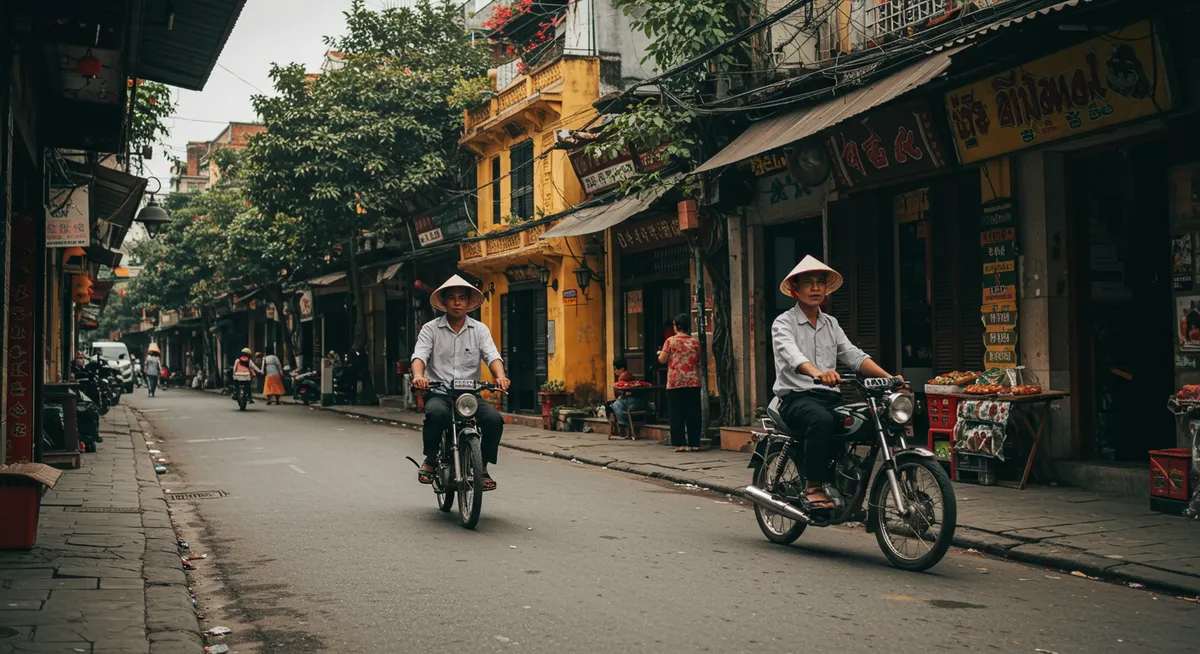
Walk: Allow yourself to get wonderfully lost in the 36 Streets. Observe daily life, street vendors, and colonial architecture. Mornings offer a quieter, reflective atmosphere before the bustle.
Shoot: Focus on candid moments – street vendors, local artisans, and the intricate details of shop displays. Capture the controlled chaos of scooters and the vibrant street scenes. - Hoan Kiem Lake: Morning Rituals & Serenity
Walk: Circle the lake at dawn to witness locals practicing Tai Chi and communal exercise. It’s a peaceful start to the day.
Shoot: Capture tranquil reflections, the iconic Turtle Tower, and the energy of morning routines. Look for beautiful silhouettes against the rising sun. - Train Street: Unique Perspectives (with Caution!)
Walk: This famous spot requires extreme caution. Check train schedules in advance and always adhere to local instructions. It’s a brief photo opportunity, not a leisurely stroll.
Shoot: Frame the unique narrowness of the street and residential life. If a train approaches, ensure you are in a designated safe zone well beforehand. Safety first! - Dong Xuan Market: Bustle & Portraits
Walk: Dive into Hanoi’s largest indoor market. Navigate crowded aisles and explore the bustling periphery for street food. Be prepared for sensory overload.
Shoot: Focus on the vibrant colors of goods, the dynamic interactions between vendors and customers, and expressive portraits (always ask permission with a smile or gesture!). - The French Quarter: Colonial Grandeur & Calm
Walk: Enjoy wider, tree-lined boulevards and impressive colonial architecture (Opera House, St. Joseph’s Cathedral). It’s a more relaxed stroll compared to the Old Quarter.
Shoot: Frame elegant facades, intricate balconies, and sweeping perspectives. Look for contrasts between old-world charm and modern life. - Hidden Alleys & Cafes: Authentic Discoveries
Walk: Duck into narrow alleys, often leading to charming residential areas, tiny temples, or secluded cafes. These offer glimpses into authentic, unfiltered Hanoi.
Shoot: Capture intimate moments of local life, unique architectural details, and the atmospheric lighting within these secret passages. Many hidden cafes provide unique vantage points.
Making the Most of Your Photographic Journey
- Be Observant & Patient: Street photography thrives on anticipation. Don’t rush; observe the flow of life and wait for moments to unfold.
- Respectful Engagement: A smile and polite gesture for permission go a long way when taking portraits. Most Hanoians are friendly and welcoming.
- Embrace the Chaos: Hanoi is a symphony of sights and sounds. Don’t fight its vibrant, sometimes overwhelming energy; embrace it. These elements define the city’s character and will enrich your photographs.
Mastering Street Photography Techniques in Hanoi
💡 Pro Tip: Book your Hanoi adventures in advance through Viator for the best deals!
Hanoi is a street photographer’s dream, a vibrant tapestry of life unfolding daily on its bustling sidewalks. Mastering street photography during your walking tour here isn’t just about snapping pictures; it’s about seeing, anticipating, and truly connecting with the city’s unique rhythm. Here’s how to elevate your shots and capture Hanoi’s soul.
Leveraging Hanoi’s Unique Light
The city’s natural light offers incredible opportunities:
- Golden Hour Magic: Early mornings (around 6-8 AM) and late afternoons (4:30-6 PM) bathe Hanoi in a soft, warm glow. This is prime time to capture the Old Quarter’s terracotta roofs shimmering, vendors setting up their stalls, or the Hoan Kiem Lake reflecting the sun. The light adds depth and mood, perfect for capturing the city waking up or winding down.
- Low Light & Night Charm: As dusk falls, Hanoi transforms. Lanterns illuminate ancient temples, food stalls glow with warm light, and neon signs paint the streets with vibrant hues. Experiment with higher ISO settings and wider apertures to capture the energy of Ta Hien Street or the Dong Xuan Market. For free walking tours in Hanoi, stability is key; use a wall, a lamppost, or even a sturdy bag as an impromptu tripod.
Mastering Composition in Motion
Hanoi’s dynamic environment demands quick compositional decisions:
- Rule of Thirds: An easy win on busy streets. Place key subjects—a cyclo driver, a street food vendor, or a person walking by—along the grid lines or intersections to create a more balanced and engaging image.
- Leading Lines: Look for natural lines that draw the viewer’s eye into your frame. Hanoi’s narrow alleyways, rows of motorbikes, or even the bustling pavements themselves can act as powerful leading lines, guiding attention towards your subject.
- Framing: Use architectural elements to frame your subjects. An ornate temple gate, the arch of a doorway in an old shop, or even the branches of a tree can create a natural frame around a person or scene, adding depth and context.
- Layering: Hanoi excels in visual layering. Try to capture multiple planes of interest—a foreground element (a market stall), a mid-ground subject (people interacting), and a background element (an ancient building). This technique adds complexity and tells a richer story.
Anticipating & Capturing Candid Moments
The heart of street photography lies in genuine moments:
- Observation is Key: Slow down and observe. Blend in. Watch for interactions—a vendor haggling, a child playing, an elderly person sharing a story. Often, the best shots come from patience and an understanding of local rhythms.
- Respectful Engagement: While candid shots are powerful, be mindful of local culture. A smile and a respectful nod can go a long way. If you want a portrait, a quick “Xin chào!” (hello) and gesture towards your camera can often get you permission.
- Visual Storytelling: Beyond a single shot, think about creating a narrative. Can you capture a sequence of images that tell the story of a specific activity, like the preparation of a traditional dish, or a day in the life of a street vendor? Look for details that add depth—weathered hands, traditional attire, the intricate patterns of goods.
Considering Black & White for a Timeless Feel
Hanoi’s charm often lies in its timelessness:
- Emphasize Texture & Light: Convert some of your shots to black and white, especially those featuring old colonial buildings, weathered faces, or intricate patterns like those found in traditional textiles. Without color, the focus shifts to texture, light, shadow, and composition, often resulting in powerful, evocative images.
Practical Walking Tour Photography Tips
- Gear Light, Walk Far: A mirrorless camera or a compact DSLR with a versatile prime lens (like a 35mm or 50mm equivalent) is ideal for walking tours. Leave heavy zoom lenses behind. Ensure batteries are charged and memory cards are clear.
- Comfort is Crucial: You’ll be doing a lot of walking. Wear comfortable shoes and light, breathable clothing.
- Stay Hydrated: Hanoi’s climate can be humid. Carry a water bottle.
- Be Present: While aiming for great shots, remember to also absorb the atmosphere. Sometimes, the best “photo” is the memory you create by simply being immersed in Hanoi’s beautiful chaos.
Ethical Photography & Local Etiquette
Navigating Hanoi’s vibrant streets with your camera is an exhilarating experience, but truly capturing its soul requires more than just technical skill; it demands respect, empathy, and an understanding of local customs. Embracing ethical photography and local etiquette will not only lead to more authentic and meaningful images but also foster positive interactions with the people of this remarkable city.
Asking Permission for Portraits & Non-Intrusive Shooting
- The Power of a Smile and a Gesture: For close-up portraits, especially of individuals whose faces will be the primary subject, always try to ask permission. A polite smile, a slight bow, and then gesturing to your camera is often enough. You can also try a simple “Cho tôi chụp ảnh được không?” (pronounced: chaw toy choop ahn duoc khong? – “Can I take a photo?”). Many street vendors, artisans, and working people in Hanoi are accustomed to tourists with cameras and are often happy to oblige, especially if you engage briefly.
- Be Prepared for “No”: Respectfully accept if someone declines. Move on gracefully without showing disappointment. Their comfort is paramount.
- Offering a Token of Appreciation: If you’ve photographed a vendor, consider buying something small from their stall as a genuine gesture of appreciation, rather than paying for the photo itself. This creates a positive exchange.
- Candid vs. Direct: For broader street scenes or candid moments, practice discretion. Use a telephoto lens to capture distant interactions without being intrusive, or shoot from the hip to capture the flow of life without pointing your camera directly at individuals. The goal is to observe and document, not to disrupt.
Understanding Cultural Nuances & Public Behavior
- Religious Sites: When visiting pagodas, temples, or any sacred space (like the Temple of Literature or Tran Quoc Pagoda), dress modestly, covering your shoulders and knees. Speak in low voices, avoid flash photography inside the main prayer halls, and be mindful of worshippers. Never walk in front of someone who is praying or performing rituals. Remove your shoes before entering certain areas as indicated.
- Private Spaces: Be respectful of people’s homes and private property. Avoid pointing your camera directly into open doorways or windows, even if they’re on a busy street. What might seem like a public view to you is someone’s private sanctuary.
- Children: While adorable, always seek parental permission before taking direct photos of children. Many parents are protective, and unsolicited photos can be seen as intrusive.
- General Demeanor: Maintain a low profile. Don’t block pathways, stand in the middle of busy intersections for a shot, or make a spectacle of yourself. Blending in helps you capture more authentic moments.
Staying Mindful of Your Surroundings & Avoiding Scams
Hanoi’s energy can be captivating, but it’s easy to get distracted when absorbed in photography. Staying aware is crucial for safety and avoiding common tourist pitfalls:
- Pickpockets & Bag Snatchers: Keep your camera bag secure and valuables out of sight, especially in crowded areas like the Old Quarter, around Hoan Kiem Lake, or at night markets. Don’t leave your camera dangling openly or set down on a café table while you’re focused on a shot.
- Traffic Awareness: Hanoi’s traffic is notoriously chaotic. Always look up from your viewfinder before stepping off a curb or crossing the street. Motorcycles are everywhere, and they don’t always yield. Your photographic quest should never compromise your safety.
- Over-Friendly Locals/Scammers: Some individuals might approach you offering unsolicited “help” or trying to sell you something while you’re clearly distracted by your camera. Politely decline and maintain your focus. Be wary of “helpful” cyclo drivers or souvenir sellers who suddenly appear when you’re deeply engrossed in a street scene. Always agree on a price *before* accepting any service.
- Gear Security: Never leave your camera gear unattended, even for a moment, whether at a street food stall, a café, or during a short break.
By integrating these ethical and practical considerations into your Hanoi street photography walking tour, you’ll not only capture incredible images but also contribute to a positive exchange between visitors and the local community.
Staying Safe & Healthy on Your Walking Tour
💡 Pro Tip: Book your Hanoi adventures in advance through Viator for the best deals!
Hanoi is an incredibly rewarding city for walking and street photography, but like any vibrant metropolis, it comes with its own unique considerations for staying safe and healthy. Navigating its bustling streets is part of the adventure, but preparation is key to ensuring an enjoyable and worry-free experience.
Mastering the “Hanoi Walk” and Traffic
One of the first things you’ll notice in Hanoi is the seemingly chaotic yet strangely harmonious flow of traffic, predominantly motorbikes. Crossing the street can feel daunting, but it’s an art form you’ll quickly learn. The key is to walk slowly, steadily, and predictably. Don’t stop abruptly or hesitate. Maintain a consistent pace, and motorbikes will flow around you like water around a rock. Make eye contact with drivers where possible, and avoid looking down at your camera viewfinder while crossing. Stick to sidewalks where they exist, but be prepared for them to be used for parking or vendors, occasionally requiring you to step into the street. Always be vigilant, especially at intersections.
Hydration and Strategic Breaks
Hanoi’s climate, particularly from April to October, is hot and humid, making dehydration a real risk. Even in cooler months, extensive walking can take its toll. Carry a reusable water bottle and refill it frequently; many cafes are happy to top you up. Don’t wait until you feel thirsty to drink. Plan regular breaks into your photography route. Pop into a local cafe for a refreshing cà phê sữa đá (iced coffee) or fresh coconut water. These breaks aren’t just for hydration; they offer fantastic opportunities to rest, people-watch, and capture candid moments from a relaxed vantage point.
Sun Protection is Non-Negotiable
The tropical sun in Hanoi is strong, even on cloudy days. Protect yourself from sunburn and heatstroke. Apply a high-SPF sunscreen generously and reapply throughout the day. A wide-brimmed hat or a cap is essential, as are good quality sunglasses to protect your eyes and reduce glare – helpful for framing shots. Consider wearing lightweight, breathable clothing that offers some skin coverage, like linen or cotton long-sleeved shirts, which can paradoxically feel cooler than exposing your skin to direct sun.
Prepare for Inclement Weather
Hanoi can experience sudden, heavy downpours, especially during the monsoon season (May to September). A light, packable rain jacket or a compact umbrella is a smart addition to your daypack. Crucially, protect your valuable camera gear. A dedicated rain cover or even just a sturdy plastic bag can save your equipment from water damage. Be mindful that sidewalks can become slippery or even temporarily flooded in heavy rain, so watch your footing.
Emergency Contacts and Local Support
Before you head out, have a small card with important local emergency numbers: Police (113), Ambulance (115), Fire (114). It’s also wise to have your embassy/consulate contact information handy. Most importantly, carry a card with your hotel’s name, address, and phone number written in Vietnamese; this is invaluable if you need a taxi or help from a local. Consider purchasing a local SIM card upon arrival for reliable access to data for maps, translation apps, and communication. While Hanoi is generally safe, being prepared ensures peace of mind as you explore.
Maximizing Your Experience & Connecting with Hanoi’s Walking Tour Ecosystem
To truly capture the soul of Hanoi through your lens, you need to immerse yourself beyond just pointing and shooting. The city offers a rich “walking tour ecosystem” that, when leveraged effectively, can transform your photography journey into an unforgettable cultural deep dive.
Leveraging Guided Photo Walks
For first-timers or those seeking specific shots and technical guidance, a dedicated photo walk led by a local expert is invaluable. These tours are designed to take you to photogenic spots often missed by general tourists – from the bustling alleys of the Old Quarter at dawn, the quiet charm around Hoan Kiem Lake, to the unique daily life along the railway tracks. Guides not only help with composition and lighting but also facilitate interactions with locals, often acting as translators, opening doors to authentic moments you might otherwise miss. Look for small-group tours that prioritize learning and personal attention over just ticking off landmarks.
Mastering Self-Guided Exploration
Once you’ve found your bearings, Hanoi is a fantastic city to explore on foot independently. Arm yourself with offline maps apps like Google Maps or Maps.me. Plan routes that weave through areas like the French Quarter for its colonial architecture, Tay Ho for lake views and modern life, or specific markets like Dong Xuan to capture vibrant commerce. Allow ample time for spontaneous detours; some of the best shots come from unexpected encounters down a narrow alley. Always have a fully charged phone and consider a power bank.
The Advantage of Local Guides for Unique Insights
Beyond photography-specific tours, consider hiring a general local guide for a day or half-day. Their deep understanding of Hanoi’s history, culture, and daily rhythms can lead you to nuanced perspectives and authentic interactions. They can help you respectfully approach vendors, artisans, or families for portraits, providing context that enriches your shots and your overall experience. This access often unlocks non-touristy corners and truly local scenes, fostering a deeper connection with the city.
Connecting with Hanoi’s Photography Community
Tap into local passion! Search for Hanoi-based photography groups on social media platforms like Facebook. Many local enthusiasts are keen to share their city and knowledge. Joining a casual meet-up or asking for recommendations can lead to hidden gems, insider tips on festivals or events, and even opportunities for collaborative photo walks. It’s a fantastic way to gain local insights and make new friends.
Integrating Photography with Local Flavors & Interactions
Your walking tour is not just about the visuals; it’s an opportunity to fully engage your senses. Don’t rush past a tempting street food stall. Sit down for a bowl of steaming *phở* or a refreshing glass of *cà phê trứng* (egg coffee). These moments of pause allow you to observe, absorb the atmosphere, and often capture candid, authentic shots of local life. Engage respectfully with vendors and locals – a smile, a nod, or a simple “Xin chào” (hello) can open doors to incredible interactions and more natural photographs. Remember to ask for permission before taking close-up portraits, especially of children or older individuals.
Practical Tips for Every Hanoi Walk
- Preparation is Key: Wear comfortable, broken-in walking shoes. Hanoi’s humidity means lightweight, breathable clothing is essential. Carry a small, quick-drying towel.
- What to Bring: A compact daypack for your camera gear (extra batteries, memory cards!), a reusable water bottle to stay hydrated, and a light rain poncho (especially during monsoon season). Hand sanitizer is also a good idea.
- Pace Yourself: Don’t try to cover too much ground. Slow down, observe, and let the city unfold around you. The best shots often emerge from patient waiting.
- Be Respectful & Aware: Always be mindful of your surroundings, especially the dense motorbike traffic. Practice situational awareness for your gear. When photographing people, a polite gesture or simple “Cho tôi chụp ảnh được không?” (May I take a photo?) goes a long way. A smile is universal.
Frequently Asked Questions
Q: Is Hanoi safe for solo street photographers?
A: Hanoi is generally very safe for solo travelers and photographers. The main ‘danger’ comes from navigating the dense motorbike traffic, not crime. As with any city, be mindful of your belongings in crowded areas and use common sense.
Q: What’s the best time of day for street photography in Hanoi?
A: Early mornings (6-8 AM) offer soft light and capture the city waking up with tai chi sessions and market setups. Late afternoons/golden hour (4:30-6 PM) provide warm light and capture the bustling evening scenes. Midday sun can be harsh but can create interesting contrasts and shadows.
Q: Should I bring a tripod for street photography in Hanoi?
A: Generally, a tripod is unnecessary and cumbersome for street photography in Hanoi, which thrives on candid, fast-paced moments. Most shots are handheld. A small monopod might be useful for stability in specific low-light situations, but it’s not essential.
Q: How do I deal with traffic while shooting in Hanoi?
A: Master the ‘Hanoi walk’: maintain a slow, steady, predictable pace when crossing streets, allowing motorbikes to flow around you. Avoid sudden movements. Use elevated vantage points (bridges, cafe balconies) for unique perspectives on traffic flow. Always look both ways, multiple times.
Hanoi is more than just a city; it’s an immersive experience waiting to be captured through your lens. By following these practical tips and embracing a respectful, curious mindset, your street photography walking tour will not only yield incredible images but also forge a deeper connection with Vietnam’s captivating capital. So, lace up your shoes, charge your camera, and step out to discover the vibrant stories unfolding on Hanoi’s streets.