
Can Tho Walking Tour: Hidden Gems & Local Secrets (2026)
Uncover Can Tho’s authentic charm on foot! Explore local markets, quiet canals, and secret eateries with our comprehensive walking tour guide. Your ultimate Can Tho adventure begins here.
On this page
Can Tho, the vibrant heart of the Mekong Delta, is often celebrated for its floating markets and picturesque canals. While these iconic attractions are a must-see, truly experiencing the city’s soul requires slowing down and exploring on foot. Our comprehensive walking tour guide invites you to step beyond the usual tourist trails, revealing the hidden gems and local secrets that make Can Tho a unique and unforgettable destination for the curious traveler. Get ready to immerse yourself in the sights, sounds, and flavors of this captivating city, one step at a time.
Key Tips and Takeaways
- Embrace the unexpected; Can Tho’s true charm often lies in spontaneous discoveries.
- Start your walks early (6:00 AM – 9:00 AM) to avoid the heat and experience vibrant local life.
- Always carry water, a hat, and sunscreen to stay comfortable and protected.
- Don’t be afraid to try street food from busy local stalls – it’s often the most authentic.
- A few basic Vietnamese phrases go a long way in connecting with locals and enhancing your experience.
Why Discover Can Tho On Foot?
While Can Tho is famous for its bustling floating markets best explored by boat, truly discovering the city’s unique charm and uncovering its ‘hidden gems’ is an experience best savored on foot. Walking allows you to peel back the layers of this Mekong Delta capital, moving beyond the well-trodden paths to experience its authentic pulse.
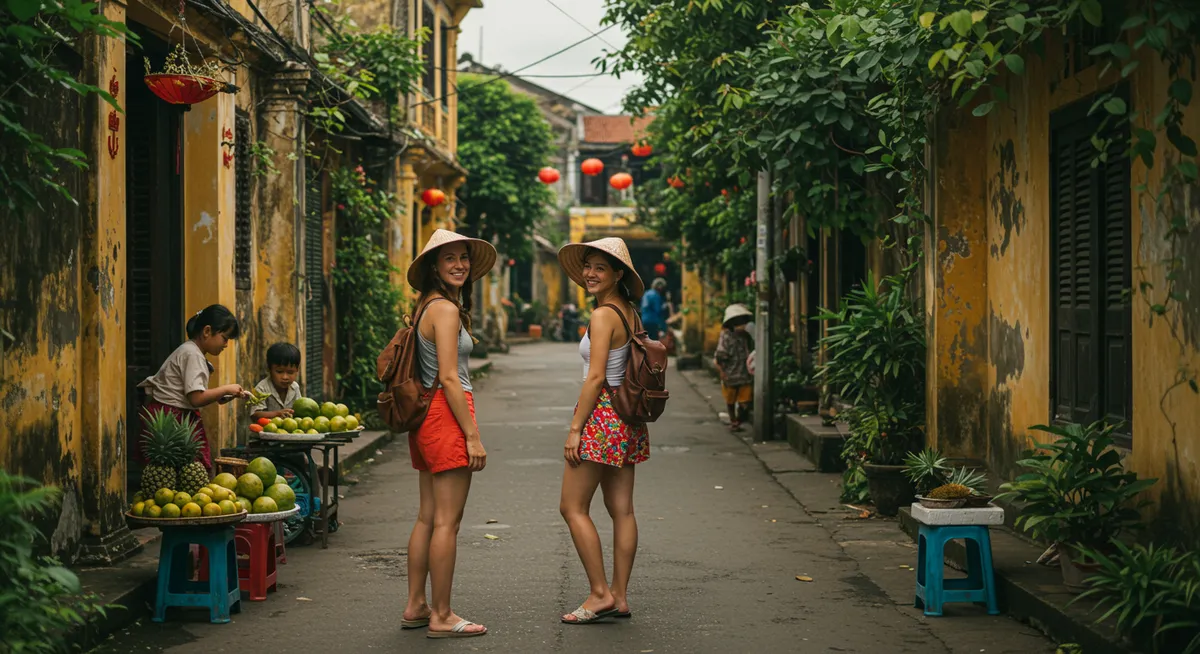
One of the most compelling reasons to explore Can Tho on foot is the unparalleled opportunity for **deeper cultural immersion**. The pace of walking slows everything down, allowing you to absorb the sights, sounds, and smells of daily life. You’ll witness locals going about their routines – vendors setting up their stalls, families enjoying breakfast at roadside eateries, children playing in quaint courtyards. Step off the main roads around areas like Ninh Kieu Wharf and you’ll find yourself in peaceful residential lanes, discovering charming pagodas tucked away, and observing the relaxed, friendly nature of the Mekong Delta people firsthand. This intimate connection is something you simply can’t achieve from a motorbike or car.
Walking is also your best tool for **discovering hidden alleys and emerging street art**. Can Tho’s urban landscape is evolving, and venturing into its narrower streets often reveals vibrant murals, small, quirky cafes, and traditional houses that tell stories of the city’s past. These aren’t typically marked on tourist maps, making their discovery a delightful personal achievement. It fosters natural **interaction with locals**. A smile, a simple ‘Xin chào’ (hello), or a gesture can open doors to brief, memorable exchanges. Don’t be shy to ask a local for directions or a food recommendation; their genuine warmth is a hallmark of Can Tho.
For the culinary adventurer, walking is the ultimate way to **find authentic food stalls**. The best *bánh xèo miền Tây* (Can Tho-style crispy pancake), flavorful *bún riêu cua đồng* (crab noodle soup), or a refreshing glass of local sugarcane juice are often found at unassuming street-side vendors or in bustling markets. Your nose will lead the way to these culinary delights. Look for places where locals congregate – a clear sign of delicious and affordable food. You can stop on a whim, sit on a tiny plastic stool, and enjoy a truly local gastronomic experience.
Perhaps most importantly, walking in Can Tho allows you to **set your own pace**. Linger at a beautiful temple, pause to admire intricate architecture, or simply enjoy a quiet moment by a small canal. There’s no rush, no timetable, just the freedom to explore what truly interests you. This leisurely pace also aligns with the city’s relaxed atmosphere, allowing you to fully unwind and embrace the local rhythm. Beyond the personal benefits, choosing to walk is an inherently **sustainable** way to travel, minimizing your environmental footprint and directly supporting the small businesses and vendors you encounter along your journey, fostering a more intimate and responsible travel experience in the heart of the Mekong Delta.
Essential Planning for Your Can Tho Walking Tour
To truly immerse yourself in the charm of Can Tho on foot and discover its hidden gems, a little foresight in planning goes a long way. This vibrant city in the Mekong Delta offers a unique experience, and being prepared ensures a comfortable and enriching adventure.
Optimal Timing for Your Stroll
Can Tho experiences a tropical climate, which means it can be warm and humid. The best time for a walking tour is during the dry season, typically from December to April. During these months, you’ll encounter less rainfall and more pleasant temperatures, making your explorations far more comfortable. Regardless of the season, aim to begin your walking tour either in the early mornings (before 9 AM) or late afternoons (after 3 PM). This strategy is crucial for several reasons: you’ll avoid the intense midday heat and humidity, dodge the busiest crowds (especially around popular markets), and enjoy softer light for photography. Plus, the mornings often offer a glimpse into the city as it awakens, while evenings hum with local life as vendors set up and people gather.
Recommended Tour Duration
For a comprehensive yet enjoyable walking tour of Can Tho, we recommend dedicating 2 to 4 hours. This duration allows ample time to cover significant ground, discover charming alleyways, pause for photos, interact with locals, and perhaps even savor some street food or a refreshing Vietnamese coffee. If you wish to delve deeper into specific neighborhoods or linger longer at a market, feel free to extend your exploration – the beauty of a self-guided walk is its flexibility.
What to Pack for Your Can Tho Walk
Packing smart is key to a comfortable Can Tho walking experience. Given the climate and the nature of exploration, here’s what you should definitely bring:
- Light, Breathable Clothing: Opt for loose-fitting, light-colored fabrics like cotton or linen. These will help you stay cool and comfortable in the tropical humidity.
- Comfortable Walking Shoes: This is non-negotiable! Choose broken-in, comfortable walking shoes or sturdy sandals that can handle uneven pavements, potential puddles, and long stretches of walking. Avoid brand new shoes or high heels.
- Hat and Sunscreen: A wide-brimmed hat and high-SPF sunscreen are essential to protect yourself from the strong tropical sun, even on overcast days.
- Insect Repellent: Especially if you plan to walk near canals or in shaded, greener areas, a good insect repellent will save you from pesky mosquito bites.
- Reusable Water Bottle: Staying hydrated is paramount. Carry a reusable bottle and refill it frequently. Many cafes and some shops might be willing to refill your bottle, reducing plastic waste.
- Small, Lightweight Backpack: A compact backpack is ideal for carrying your water bottle, camera, phone, wallet, and any small souvenirs you might pick up.
- Cash (VND): While some larger establishments accept cards, many street food vendors, local markets, and smaller shops operate on a cash-only basis. Have plenty of Vietnamese Dong (VND) in small denominations.
A Little Language Goes a Long Way
While many younger Vietnamese in tourist areas might speak some English, learning a few basic Vietnamese phrases will significantly enhance your interaction with locals and show your appreciation for their culture. Simple greetings like Xin chào (hello), a grateful Cảm ơn (thank you), or asking Bao nhiêu tiền? (How much?) can open doors to warmer interactions and more authentic experiences during your Can Tho walking adventure.
Navigating Can Tho Safely & Respectfully
🌟 Local Expert Tip: Get the most out of your Can Tho visit with guided tours!
Embarking on a walking tour through Can Tho’s vibrant streets offers an unparalleled way to immerse yourself in its local charm. To ensure your adventure is both safe and respectful, keep the following essential tips in mind. Can Tho, while generally more laid-back than Hanoi or Ho Chi Minh City, still bustles with its own unique energy, particularly concerning its ever-present motorbikes.
Navigating Can Tho Safely
-
Mastering Motorbike Traffic:
This is arguably your most important skill for walking in Vietnam. Can Tho’s streets are less chaotic than larger cities, but motorbikes are ubiquitous. When crossing a street, don’t rush. Make eye contact with approaching drivers (if possible), step out slowly and predictably, and maintain a steady pace. Do not suddenly stop or change direction. The motorbikes will flow around you. Always double-check for traffic coming from all directions, even on one-way streets, as bikes often disregard rules. Sidewalks can be obstructed by parked bikes, vendors, or businesses, so be prepared to share the road or carefully navigate obstacles.
-
Stay Hydrated & Sun-Smart:
Can Tho’s tropical climate means high humidity and intense sun. Carry a reusable water bottle and refill it frequently; bottled water is readily available from street vendors and convenience stores. Consider wearing a wide-brimmed hat, sunglasses, and applying high-SPF sunscreen, even on cloudy days. Light, breathable clothing is best. Try to plan longer outdoor walks for the cooler morning or late afternoon hours to avoid the midday heat (roughly 11 AM – 3 PM).
-
Guard Against Insects:
As part of the Mekong Delta, Can Tho has its share of mosquitoes, especially near waterways and during dawn/dusk. Apply insect repellent, particularly if you’re exploring areas close to the river or enjoying an evening stroll. Wearing light, long-sleeved shirts and trousers can also provide an extra layer of protection.
-
Secure Your Valuables:
While Can Tho is generally safe, petty theft can occur, especially in crowded markets like the Can Tho Market or during bustling events. Keep your wallet, phone, and passport in a secure, inaccessible place like a zipped front pocket or a cross-body bag worn to the front. Avoid overtly displaying expensive jewelry or electronics.
Respecting Local Customs & Etiquette
-
Dress Codes for Temples & Pagodas:
Can Tho is home to beautiful spiritual sites like Ong Pagoda and Munirangsyaram Pagoda. When visiting these sacred places, dress modestly. This typically means covering your shoulders and knees. It’s also customary to remove your shoes before entering the main worship areas. Observe locals and follow their lead.
-
Ask Permission for Photos:
While capturing the essence of Can Tho is tempting, always be respectful when taking photos of people, particularly children, vendors, or those in traditional dress. A friendly smile and a gestured request (“May I take a picture?”) will often be met with a nod or a welcoming smile. Respectfully accept a “no” if it’s offered.
-
Be Mindful of Noise Levels:
Can Tho has a more relaxed pace, but it’s still a bustling city. When walking through residential areas, narrow alleys, or near temples, be mindful of your voice level, especially during early mornings or late evenings. Avoid loud conversations or shouting, as this can be considered disruptive.
-
Engage Respectfully with Locals:
Can Tho residents are generally friendly and welcoming. Learning a few basic Vietnamese phrases like “Xin chào” (hello) and “Cảm ơn” (thank you) will go a long way and often elicit warm responses. When bargaining in markets, do so with a smile and good humor. Remember that patience and a friendly attitude are key to positive interactions and truly discovering Can Tho’s hidden gems.
Curated Routes: Can Tho’s Hidden Gems Revealed
While Can Tho is renowned for its floating markets, the true essence of the city often reveals itself when you venture beyond the well-trodden path on foot. These curated walking routes are designed to peel back the layers of the Mekong Delta’s largest city, guiding you to authentic local experiences and genuine ‘hidden gems’ only a pedestrian can truly discover.
Route 1: Old Can Tho & Backstreet Delights
Step back in time as you navigate the charming, often overlooked areas surrounding Ninh Kieu Wharf. This route delves into the narrow alleys and quieter residential streets that hum with local life, offering a glimpse of pre-war architecture and traditional trades.
- What to Expect: Discover beautifully preserved colonial-era shophouses, humble family-run artisan workshops (where you might see craftsmen making traditional incense sticks or processing nuts), and small, serene Buddhist pagodas like the Ông Temple (Chùa Ông) or perhaps a lesser-known communal house. The real reward here is stumbling upon street food stalls known only to residents – look for the aroma of sizzling *bánh xèo* (savory pancakes) or the rich broth of *hủ tiếu* (noodle soup) emanating from unassuming doorways. This is where you taste Can Tho’s culinary soul.
- Duration & Distance: Approximately 2-3 hours, covering 3-4 km. Pace yourself, as there are many photo opportunities and chances to interact with friendly locals.
- Practical Tip: Start early morning to catch locals enjoying breakfast and shops just opening. Don’t be afraid to wander down seemingly quiet alleys – many treasures lie just out of sight from the main roads.
Route 2: Riverside & Market Immersion
Beyond the bustling Ninh Kieu promenade, the Hau River’s banks hide vibrant neighborhood markets and traditional livelihoods. This route focuses on authentic riverside life away from the main tourist flow.
- What to Expect: Explore smaller, local wet markets (like Chợ Tân An or Chợ An Bình, rather than the large tourist hubs) where fresh produce, seafood, and household goods are traded with lively banter. You’ll encounter traditional craft workshops, perhaps seeing skilled artisans weaving sedge mats or making traditional sweets. A unique highlight is learning how to find and use the tiny, unassuming local ferries (*phà nhỏ*) that crisscross the Hau River to nearby islets like Cồn Ấu or Cồn Sơn. These quick, inexpensive hops offer stunning river views and access to more rural, fruit-laden landscapes.
- Duration & Distance: Allow 3-4 hours, including a ferry hop, covering 4-5 km.
- Practical Tip: Ask locals for directions to the nearest “bến phà nhỏ” (small ferry dock). Be ready to use simple Vietnamese phrases or gesture – it’s part of the adventure! Markets are best visited before 9 AM for the freshest produce and liveliest atmosphere.
Route 3: University Area & Youthful Vibes
Shift gears and explore a different facet of Can Tho’s cultural landscape around Can Tho University. This area pulsates with youthful energy, modern trends, and a burgeoning cafe culture.
- What to Expect: Stroll through the university campus (respecting student privacy) to observe daily life, then branch out into the surrounding streets. Here, you’ll find impressive, large-scale street art murals, trendy cafes with unique concepts and decor (many offering delicious local coffee blends and bubble tea), and independent bookshops. This district is a hub for student-friendly eateries offering affordable and innovative takes on Vietnamese street food, from fusion dishes to creative dessert spots. It’s a great place to feel the pulse of contemporary Can Tho.
- Duration & Distance: Approximately 2.5-3.5 hours, covering 3-4.5 km.
- Practical Tip: Visit in the late afternoon or early evening when students are out and about, creating a lively atmosphere. Many cafes offer free Wi-Fi, making them perfect spots to relax and people-watch. Don’t hesitate to try the smaller, bustling food stalls – they often serve up the most authentic and delicious student favorites.
A Foodie’s Walk: Taste Can Tho’s Authentic Flavors
Can Tho, often lauded for its serene waterways, truly reveals its soul through its vibrant street food scene. To genuinely ‘discover’ the city’s hidden culinary gems, a dedicated foodie walk is essential. Forget the tourist traps; we’re guiding you to the authentic flavors that locals cherish, often found tucked away in bustling alleys or humble, family-run stalls.
A walking tour allows you to fully immerse your senses. The sizzling sounds of a banh xeo being made, the fragrant aroma of simmering broth, the kaleidoscope of fresh fruits – these experiences are best discovered on foot. It’s an adventure for your taste buds, leading you off the main thoroughfares and into the heart of Can Tho’s culinary identity.
Must-Try Dishes on Your Foodie Walk:
- Banh Xeo: Start with this crispy, savory Vietnamese pancake. Look for stalls where they’re cooked fresh on a griddle, served with a generous plate of fresh herbs and dipping sauce.
- Bun Rieu: Seek out this rich and tangy crab noodle soup. Each vendor has their unique twist, often adding fresh blood curd or pork hock – don’t shy away from it, it’s a local favorite!
- Fresh Tropical Fruits: Can Tho boasts an abundance of juicy rambutan, creamy durian, sweet mangosteen, and dragon fruit. You’ll find vendors everywhere, especially around local markets.
- Vietnamese Coffee: No food tour is complete without a strong Ca Phe Sua Da (iced coffee with condensed milk) from a roadside stall or tiny café. It’s an invigorating pick-me-up!
Tips for Spotting Authentic Gems:
- Follow the locals: If a stall is packed with Vietnamese patrons, you’ve likely hit a winner.
- Observe cleanliness: While some spots might look rustic, good vendors maintain a clean cooking area and fresh ingredients.
- Small plastic stools: This is often a sign of an authentic, no-frills local eatery.
- Follow your nose: Let the enticing aromas guide you!
Suggested Areas for Your Culinary Expedition:
To begin, explore the numerous side alleys and smaller streets *away from* the immediate vicinity of Ninh Kieu Wharf. While the wharf has restaurants, the best street food is often found just a few blocks inland. Explore streets like Phan Chu Trinh, Ly Tu Trong, or the smaller alleys branching off them after 5 PM when many street vendors set up shop. The residential streets around Cong Vien Luu Huu Phuoc (Luu Huu Phuoc Park) often conceal fantastic, low-key food stalls catering purely to locals.
For fruits and daytime snacks, wandering through a local wet market like An Binh Market or Tan An Market offers a vibrant sensory experience and endless snacking opportunities. Remember that some markets are outside central walking areas, but the surrounding streets can be goldmines.
Practical Advice for Foodie Explorers:
- Go hungry, but pace yourself! You’ll want to try a little bit of everything.
- Carry small denominations of Vietnamese Dong: Most street vendors prefer cash and may not have change for large bills.
- Point and smile: Language barriers are common, but friendly gestures work wonders.
- Hand sanitizer is your friend: A quick hand wipe before and after eating is always a good idea.
- Stay hydrated: Can Tho can be hot, so sip on bottled water or fresh coconut water as you go.
Embrace the adventure, and let Can Tho’s incredible street food scene lead you on an unforgettable journey of taste. It’s here, amidst the humble stalls and bustling alleys, that you’ll truly savor the authentic pulse of the Mekong Delta.
Integrating Your Walk into Can Tho’s Broader Experience
While walking is undoubtedly the most intimate way to uncover Can Tho’s hidden gems, integrating your strolls with other modes of transport and activities will significantly enrich your overall experience. Think of walking as your primary lens for discovery within specific zones, complemented by efficient travel between them.
Seamless Transitions: From Foot to Floating
One of the most popular and highly recommended combinations is starting your day with a captivating morning walk and then seamlessly transitioning to an iconic riverine adventure. Imagine a leisurely dawn stroll along the vibrant Ninh Kieu Quay, soaking in the awakening city, perhaps grabbing a local breakfast from a street vendor. After this immersive ground-level exploration, you can easily hop onto a boat from the quay for the short journey to the legendary Cai Rang Floating Market. This allows you to experience the market’s bustling energy from the water, contrasting beautifully with your earlier pedestrian insights into urban life. Similarly, after walking through the intricate alleyways of the central market area, you might use a Grab or local taxi to reach a beautiful pagoda like Ong Pagoda or Munirangsyaram Pagoda, then explore their serene grounds on foot.
Strategic Use of Local Transport
- Grab (Motorbike/Car) & Taxis: For covering longer distances or returning to your accommodation after a lengthy walk, Grab (the popular ride-hailing app) is incredibly convenient and affordable. Whether you opt for a motorbike taxi (xe ôm) for a quick dash through traffic or a Grab car for more comfort, it’s an excellent way to bridge the gap between walking zones, such as traveling from the city center to the My Khanh Tourist Village or Phong Dien Floating Market (which is further afield). Local taxis are also readily available.
- Local Buses (Xe Buyt): For the more adventurous traveler keen on local immersion, Can Tho’s public bus system offers a budget-friendly way to reach specific neighborhoods or attractions slightly off the main tourist circuit. While route maps might require a bit of deciphering (Google Maps can help), catching a local bus provides a unique window into daily life and allows you to disembark and explore a new area entirely on foot.
Unlock Deeper Stories with Local Guides
To truly unearth Can Tho’s deepest secrets and gain invaluable local context, consider enhancing your walking experience with a local guide or joining a community-based tourism initiative. These specialized walks often focus on specific themes, offering insights you wouldn’t discover on your own:
- Foodie Walks: A local guide can lead you through hidden alleyways and bustling markets, introducing you to authentic street food stalls and regional delicacies, explaining their ingredients and cultural significance.
- Historical & Cultural Walks: Delve into the city’s past, visiting ancient temples, colonial-era buildings, and traditional craft workshops, with a guide narrating the rich history and vibrant traditions.
- Rural Life & Orchard Walks: Some initiatives offer walks through the lush fruit orchards or tranquil villages surrounding Can Tho, providing an intimate glimpse into Mekong Delta farming life and local customs.
These guides not only provide fascinating narratives but also facilitate interactions with local residents, transforming a simple walk into a profound cultural exchange. They are your bridge to truly understanding the pulse of Can Tho beyond its surface attractions.
Insider Tips for an Authentic Can Tho Walk
🌟 Local Expert Tip: Get the most out of your Can Tho visit with guided tours!
To truly unlock the magic of Can Tho on foot, moving beyond the well-trodden paths is key. These insider tips will help you connect authentically with the city and its warm-hearted people, ensuring your walking adventure is rich with genuine discoveries.
Insider Tips for an Authentic Can Tho Walk
-
Bargaining with a Smile
While food prices at local eateries (quán) and street stalls are generally fixed, you can respectfully bargain at markets and souvenir shops. At bustling spots like An Binh Market, a friendly negotiation for crafts or produce is common. Always smile, use gestures, and remember the goal is a fair, mutually agreeable price. A playful “Mắc quá!” (too expensive!) delivered with a grin can help.
-
Master Essential Vietnamese Phrases
Even a handful of Vietnamese words greatly enhance interactions. Locals in Can Tho appreciate the effort. Start with “Xin chào!” (Hello!) and “Cảm ơn!” (Thank you!). For prices, use “Bao nhiêu tiền?” (How much?). To politely get attention, try “Em ơi!” (younger) or “Anh ơi!” / “Chị ơi!” (older/same age). These simple phrases foster warmer exchanges.
-
Harness Offline Maps
Download offline maps of Can Tho (Google Maps or Maps.me) before heading out. This is crucial for navigating the city’s charming streets and hẻm (alleys) without data. Pin key locations like markets, temples, and food stalls. While GPS works offline, embrace that some smaller alleys aren’t perfectly mapped – this is where unexpected discoveries often begin!
-
Embrace Spontaneous Detours
Can Tho’s true essence often lies just around the next corner. Don’t fear veering off your planned route. Follow the scent of street food, or the sound of local chatter. You might discover a family craft, children playing, or a tranquil pagoda. These unscripted moments are often the most memorable, offering an unfiltered glimpse into daily Mekong Delta life.
-
Politely Ask for Directions
Can Tho locals are renowned for their friendliness. If lost or seeking recommendations (e.g., for Bánh Xèo), don’t hesitate to ask. Approach shopkeepers or friendly residents with a “Xin chào!” and a smile. Pointing on your map or showing a picture can bridge language barriers. Their eagerness to help often shines through. A simple “Cảm ơn!” shows your appreciation.
-
Support Small, Local Businesses
Your walking tour is a direct opportunity to contribute to the local economy. Choose small, family-run eateries, buy snacks from market vendors, and purchase souvenirs from independent artisans. Every dong you spend at these local establishments directly supports residents’ livelihoods and helps preserve Can Tho’s unique charm. You gain an authentic experience, and the community thrives.
Frequently Asked Questions
Q: Is Can Tho safe for walking alone?
A: Generally, yes. Can Tho is a relatively safe city. Stick to well-lit areas at night and be mindful of your belongings, especially in crowded markets. Motorbike traffic is the main hazard; always be aware and look both ways multiple times when crossing streets.
Q: How do I find the ‘hidden gems’ you mention without a guide?
A: Utilize offline maps and pre-save potential points of interest. Look for areas away from main tourist streets, observe where locals are congregating (especially for food), and don’t hesitate to politely ask shopkeepers or friendly locals for recommendations (using translation apps if needed). Being observant, curious, and open to detours is key to discovering these spots.
Q: What’s the best time of day to walk in Can Tho?
A: Early mornings (6:00 AM – 9:00 AM) are ideal for cooler temperatures and witnessing the city wake up, especially around markets. Late afternoons (4:00 PM – 6:00 PM) are also pleasant as the heat subsides and street food vendors emerge. It’s best to avoid walking during midday heat (11:00 AM – 3:00 PM).
Q: Can I combine a walking tour with a boat tour?
A: Absolutely! Many travelers combine an early morning walking tour of a neighborhood or the city center with an afternoon boat trip to Cai Rang Floating Market, a nearby fruit orchard, or a small canal network. It’s often recommended to do the walking portion first to experience the city’s unique pulse before heading out on the water, or vice-versa depending on your interest.
Can Tho offers a tapestry of experiences waiting to be unraveled, and there’s no better way to discover its authentic charm than on foot. By stepping away from the well-trodden path and embracing the rhythm of local life, you’ll uncover hidden gems, savor incredible flavors, and create lasting memories that go far beyond the typical tourist postcard. So lace up your shoes, hydrate, and prepare to embark on an unforgettable walking adventure through the heart of the Mekong Delta. Can Tho’s secrets are waiting for you to discover, one step at a time.
Looking for a complete guide? See our free walking tours in Can Tho. You might also enjoy Can Tho Walking Tour Safety: Essential Traveler Tips, Best Time for Can Tho Walking Tours: A Comprehensive Guide, Free Walking Tours Nha Trang: Explore Vietnam's Gem, and Free Walking Tours Ha Tien: Discover the Charm.