
Haiphong Photo Walk: Top Spots & Tips for Stunning Shots (2026)
Explore Haiphong’s best photography spots on foot! Get expert tips, gear advice & local insights for capturing stunning photos on your walking tour.
On this page
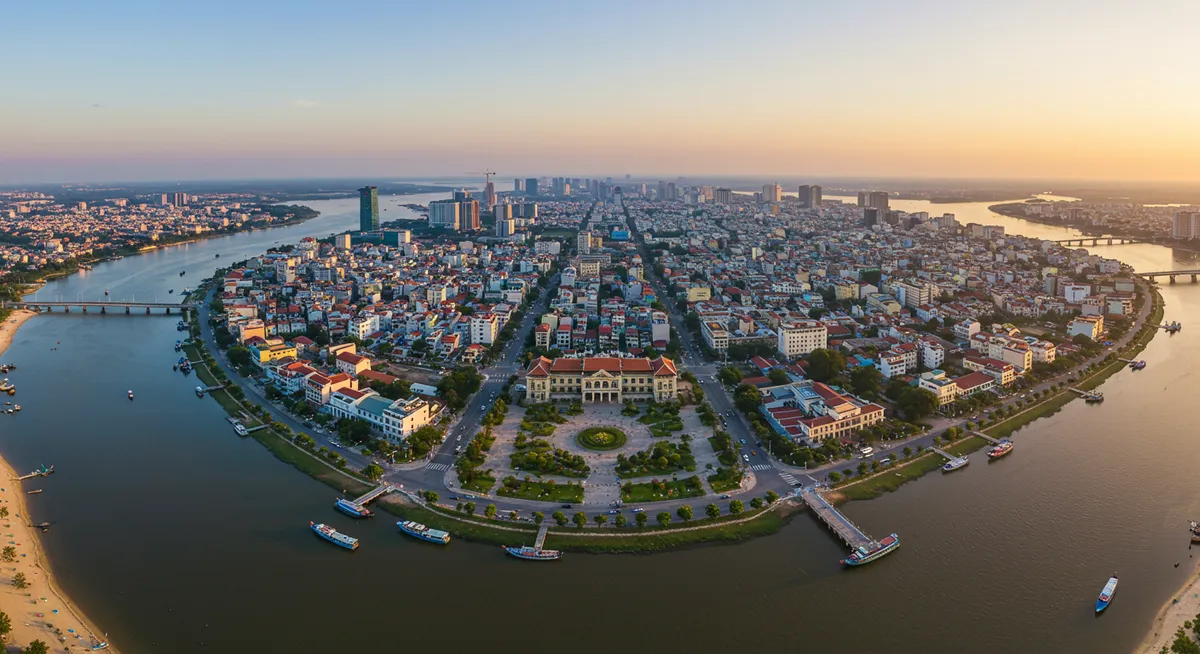
Haiphong, Vietnam’s vibrant port city, is a treasure trove for photographers. Beyond its industrial facade lies a charming blend of colonial architecture, bustling markets, tranquil lakes, and authentic local life. The best way to uncover these visual gems is on a walking tour, allowing you to immerse yourself in the city’s rhythm and capture its unique spirit. This guide will equip you with the knowledge to find the most picturesque locations and master techniques to bring Haiphong’s beauty to life through your camera.
Key Tips and Takeaways
- Always seek permission before photographing people, especially children, to show respect.
- Utilize golden hour (sunrise/sunset) for the most flattering light and rich colors.
- Explore side alleys and lesser-known streets for authentic local life and unique perspectives.
- Wear comfortable, sturdy walking shoes and stay hydrated throughout your tour.
- Balance your photography goals with genuinely experiencing Haiphong’s vibrant culture.
Why Haiphong is a Photographer’s Paradise on Foot
Haiphong, often overlooked by international travelers, is a vibrant port city brimming with authentic Vietnamese charm, making it a dream destination for photographers. Unlike more tourist-saturated cities, Haiphong offers a raw, unvarnished visual narrative, and exploring it on foot is the absolute best way to capture its soul.
Why Haiphong is a Visual Feast:
- Architectural Grandeur: The city proudly displays its French colonial heritage. Stroll around the beautiful Haiphong Opera House, the Municipal Theatre, and countless old villas adorned with crumbling plaster and intricate ironwork. These structures, often juxtaposed with more modern Vietnamese designs, offer endless opportunities for capturing fascinating contrasts and historical echoes. Look for the peeling paint and moss-kissed walls that tell stories of bygone eras.
- Electric Street Life: Haiphong’s streets are a dynamic canvas. From the bustling energy of markets like Cho Sat and Ga Tam Bac, where vendors in conical hats expertly arrange vibrant produce, to the rhythmic flow of motorbikes and the candid interactions of locals sipping coffee or playing checkers, every corner offers a candid moment waiting to be framed. The city’s authenticity shines through in its everyday routines.
- A Kaleidoscope of Colors: Haiphong explodes with color. Discover vivid street art murals, the bright hues of fresh fruit stalls, the striking red of the Vietnamese flag, and the traditional ao dai worn by local women. Even the old shop signs and the faded advertisements add to the city’s unique palette, creating visual interest at every turn.
- Raw Authenticity: Haiphong feels genuinely local. It’s a city where you’ll find fewer posed moments and more genuine interactions, allowing you to capture the true essence of Vietnamese life without the typical tourist filters.
How Walking Elevates Your Photography:
Walking through Haiphong provides an unhurried pace that is crucial for capturing great photos. It allows you to:
- Access Hidden Alleys (Ngõ): Step off the main thoroughfares into the labyrinthine network of narrow alleys. These “ngõ” are the city’s true arteries, revealing intimate glimpses into residential life, small businesses, and often unexpected splashes of greenery or street art. They are a treasure trove for unique perspectives and quiet observations.
- Observe Intimately: On foot, you can pause, observe, and wait for the perfect light or the decisive moment. You can notice the subtle details – a child’s toy left on a doorstep, the texture of an old wooden door, the steam rising from a street food stall – that tell a richer story.
- Engage Respectfully: Walking allows for more natural, less intrusive interactions with locals. A smile, a respectful gesture, or a simple “xin chào” (hello) can often open doors, making people more comfortable with you and your camera.
Practical Photography Tips for Your Walking Tour:
- Lightweight Kit: Opt for a comfortable camera strap and a lightweight setup. A prime lens (like a 35mm or 50mm) is excellent for street photography, offering good low-light performance and beautiful bokeh.
- Embrace the Golden Hours: Sunrise and sunset cast a magical, soft light, perfect for capturing the city’s architecture and street scenes with warm tones and long shadows.
- Look for Leading Lines and Frames: Use the city’s architecture – long streets, patterned railings, archways, and windows – to frame your subjects or guide the viewer’s eye through your composition.
- Capture Details: Don’t just focus on the grand scenes. Zoom in on textures, patterns, reflections in puddles, or the intricate details of local crafts. These small elements add depth and character to your photographic narrative.
- Practice Discretion and Patience: Be observant without being intrusive. Sometimes the best shot comes from waiting patiently for a natural moment to unfold. Always be mindful of people’s privacy, especially when taking portraits. A polite smile and a non-verbal request (pointing to your camera) can go a long way.
- Explore Local Markets: Cho Sat and Ga Tam Bac markets are sensory overload in the best way possible. The vibrant colors of fresh produce, the animated expressions of vendors, and the organized chaos make for incredible photo opportunities.
By slowing down and immersing yourself in Haiphong’s urban fabric, you’ll discover why this captivating city is truly a photographer’s paradise on foot, offering countless compelling visual stories waiting to be told through your lens.
Haiphong, often overlooked by international travelers, is a vibrant port city brimming with authentic Vietnamese charm, making it a dream destination for photographers. Unlike more tourist-saturated cities, Haiphong offers a raw, unvarnished visual narrative, and exploring it on foot is the absolute best way to capture its soul.
Why Haiphong is a Visual Feast:
- Architectural Grandeur: The city proudly displays its French colonial heritage. Stroll around the beautiful Haiphong Opera House, the Municipal Theatre, and countless old villas adorned with crumbling plaster and intricate ironwork. These structures, often juxtaposed with more modern Vietnamese designs, offer endless opportunities for capturing fascinating contrasts and historical echoes. Look for the peeling paint and moss-kissed walls that tell stories of bygone eras.
- Electric Street Life: Haiphong’s streets are a dynamic canvas. From the bustling energy of markets like Cho Sat and Ga Tam Bac, where vendors in conical hats expertly arrange vibrant produce, to the rhythmic flow of motorbikes and the candid interactions of locals sipping coffee or playing checkers, every corner offers a candid moment waiting to be framed. The city’s authenticity shines through in its everyday routines.
- A Kaleidoscope of Colors: Haiphong explodes with color. Discover vivid street art murals, the bright hues of fresh fruit stalls, the striking red of the Vietnamese flag, and the traditional ao dai worn by local women. Even the old shop signs and the faded advertisements add to the city’s unique palette, creating visual interest at every turn.
- Raw Authenticity: Haiphong feels genuinely local. It’s a city where you’ll find fewer posed moments and more genuine interactions, allowing you to capture the true essence of Vietnamese life without the typical tourist filters.
How Walking Elevates Your Photography:
Walking through Haiphong provides an unhurried pace that is crucial for capturing great photos. It allows you to:
- Access Hidden Alleys (Ngõ): Step off the main thoroughfares into the labyrinthine network of narrow alleys. These “ngõ” are the city’s true arteries, revealing intimate glimpses into residential life, small businesses, and often unexpected splashes of greenery or street art. They are a treasure trove for unique perspectives and quiet observations.
- Observe Intimately: On foot, you can pause, observe, and wait for the perfect light or the decisive moment. You can notice the subtle details – a child’s toy left on a doorstep, the texture of an old wooden door, the steam rising from a street food stall – that tell a richer story.
- Engage Respectfully: Walking allows for more natural, less intrusive interactions with locals. A smile, a respectful gesture, or a simple “xin chào” (hello) can often open doors, making people more comfortable with you and your camera.
Practical Photography Tips for Your Walking Tour:
- Lightweight Kit: Opt for a comfortable camera strap and a lightweight setup. A prime lens (like a 35mm or 50mm) is excellent for street photography, offering good low-light performance and beautiful bokeh.
- Embrace the Golden Hours: Sunrise and sunset cast a magical, soft light, perfect for capturing the city’s architecture and street scenes with warm tones and long shadows.
- Look for Leading Lines and Frames: Use the city’s architecture – long streets, patterned railings, archways, and windows – to frame your subjects or guide the viewer’s eye through your composition.
- Capture Details: Don’t just focus on the grand scenes. Zoom in on textures, patterns, reflections in puddles, or the intricate details of local crafts. These small elements add depth and character to your photographic narrative.
- Practice Discretion and Patience: Be observant without being intrusive. Sometimes the best shot comes from waiting patiently for a natural moment to unfold. Always be mindful of people’s privacy, especially when taking portraits. A polite smile and a non-verbal request (pointing to your camera) can go a long way.
- Explore Local Markets: Cho Sat and Ga Tam Bac markets are sensory overload in the best way possible. The vibrant colors of fresh produce, the animated expressions of vendors, and the organized chaos make for incredible photo opportunities.
By slowing down and immersing yourself in Haiphong’s urban fabric, you’ll discover why this captivating city is truly a photographer’s paradise on foot, offering countless compelling visual stories waiting to be told through your lens.
Top Haiphong Photography Spots for Your Walking Tour
Haiphong, with its blend of colonial charm, traditional Vietnamese culture, and bustling urban life, offers a wealth of photographic opportunities for the avid walking tourist. Lace up your comfortable shoes, charge your camera, and get ready to capture the city’s unique spirit. Here are some of the best photography spots to include on your Haiphong walking tour:
Haiphong Opera House & City Square: Begin your photographic journey at the majestic Haiphong Opera House, a stunning example of French colonial architecture. Its grand facade and the spacious City Square are perfect for wide-angle shots, capturing the architectural grandeur and the daily rhythm of city life. Early morning or late afternoon provides soft, flattering light, ideal for showcasing the intricate details and the vibrant yellow hue of the building. Look for reflections in puddles after a rain shower for a unique perspective.
Du Hang Pagoda: A serene escape just a short walk from the city center, Du Hang Pagoda offers a glimpse into traditional Vietnamese spiritual life. Focus your lens on the pagoda’s ornate gates, intricate carvings, and the peaceful gardens. Use a narrow aperture (higher f-stop) to keep all the beautiful architectural details sharp, and consider a slightly slower shutter speed to capture the tranquil atmosphere, especially if you want to blur any slow-moving visitors. Remember to be respectful of worshippers when taking photos.
Tam Bac Lake & Flower Garden: This picturesque urban oasis is a fantastic spot for scenic reflections and capturing Haiphong’s daily life. Stroll along the promenade, looking for reflections of the city skyline or the blooming flower gardens in the calm waters of the lake. During sunrise or sunset, the golden light creates magical hues on the water. This is also a great place for candid shots of locals relaxing, exercising, or enjoying the view – always be discreet and respectful.
Hang Kenh Communal House: Venture a little off the beaten path to discover Hang Kenh Communal House, an ancient wooden structure brimming with historical and cultural significance. Its unique architecture, massive wooden columns, and intricate dragon carvings provide excellent subjects for detailed shots. Look for interesting textures and play with light and shadow, especially inside the house where the light can be more dramatic. A wide-angle lens can help capture the scale of the structure, while a macro lens will highlight the exquisite craftsmanship.
Sat Market: For a vibrant explosion of colors and bustling activity, head to Sat Market. This authentic local market is a sensory feast and a prime location for capturing the energy of Haiphong. Focus on wide shots to convey the lively atmosphere, or use a telephoto lens to pick out interesting details like fresh produce, unique goods, or candid portraits of vendors and shoppers. Always ask permission before taking close-up portraits, and be mindful of your surroundings as it can be crowded.
Old Quarter Alleys: Lose yourself in the charming, narrow alleys of Haiphong’s Old Quarter. These hidden gems offer intimate street photography opportunities, revealing local life, unique storefronts, and interesting architectural details. Look for leading lines in the alleyways, play with light filtering through buildings, and be ready for spontaneous candid moments. These are ideal spots for capturing the authentic, less-staged side of Haiphong.
Food Streets (especially in the evening): As dusk settles, Haiphong’s food streets come alive with the aroma of sizzling dishes and the warm glow of countless food stalls. This is your chance for mouth-watering food photography and capturing the city’s vibrant evening ambiance. Get close-ups of the delectable dishes, experiment with bokeh effects from the streetlights, and capture the lively interaction between vendors and customers. A fast prime lens (e.g., 50mm f/1.8) is excellent for low-light conditions and creating creamy backgrounds.
Mastering Your Shots: Photography Tips for Haiphong
🎯 Insider Tip: Discover the best Ho Chi Minh City experiences with Viator Tours!
Haiphong, with its unique blend of colonial charm, bustling markets, and vibrant street life, offers an incredible canvas for photographers. As you embark on your walking tour, these tips will help you transform fleeting moments into stunning visual memories.
Composition: The Foundation of a Great Shot
- Rule of Thirds: Imagine a tic-tac-toe grid over your frame. Place your subject (like the iconic Haiphong Opera House, a street vendor, or a boat on Tam Bac Lake) along the lines or at their intersections for a more dynamic and engaging photo than simply centering it.
- Leading Lines: Utilize natural lines in the environment to draw the viewer’s eye into your shot. Think of the long, straight boulevards lined with trees, the intricate patterns of tiled sidewalks, or even the rows of market stalls at Cho Sat (Iron Market). They can lead to a distant landmark or a focal point.
- Framing: Look for natural frames to add depth and context. An archway in an old colonial building, the gap between two market umbrellas, or even the branches of a tree can beautifully frame your subject, adding a sense of intrigue.
Lighting: Harnessing Haiphong’s Glow
- Golden Hour Utilization: Early morning (around 6-8 AM) and late afternoon (4-6 PM) in Haiphong bathe the city in soft, warm light. This is ideal for capturing the pastel hues of colonial architecture, the serene reflections on Tam Bac Lake, or the busy port activities. The light is gentle and reduces harsh shadows.
- Managing Harsh Light: Mid-day sun can be strong. Seek shade to avoid blown-out highlights and deep shadows on faces. Alternatively, use harsh light creatively for dramatic high-contrast shots, especially for architectural details or interesting textures.
- Night Photography Basics: Haiphong comes alive at night. Capture the illuminated Opera House, the glowing lanterns of food stalls, or the neon signs of the bustling streets. Find a stable surface (a wall, a railing) or use a small monopod/tripod if possible. Increase your ISO and use a wider aperture to gather more light. Focus on the interplay of light and shadow.
People & Street Photography: Capturing the Soul of the City
- Respectful Engagement: Haiphong locals are generally friendly, but always be respectful. For close-up portraits, especially of vendors or older individuals, make eye contact and ask for permission, often with a simple gesture or a smile. A “Xin chào” (hello) goes a long way.
- Candid vs. Posed: For candid shots, blend in and observe daily life – people sipping coffee, children playing, or cyclo drivers waiting. For posed shots, gently direct your subject to a well-lit spot or ask them to continue their activity naturally while you compose.
- Capturing Emotions: Focus on moments that convey emotion – the concentration of a chef, the laughter of friends, the quiet contemplation of someone by the lake. These shots tell a deeper story.
Details & Textures: The Fabric of Haiphong
- Architectural Specifics: Beyond the grand colonial facades, zoom in on the intricate carvings, weathered paint, unique tiling, or ornate ironwork on balconies. These details speak volumes about the city’s history.
- Market Goods: Haiphong’s markets are a riot of color and texture. Focus on the vibrant piles of tropical fruits, the intricate patterns of traditional fabrics, the weathered hands of a fishmonger, or the glimmer of fresh seafood.
- Street Art & Worn Signs: Keep an eye out for faded murals, old hand-painted signs, or the rich textures of worn-out walls that tell a silent story of time and urban life.
Storytelling: Conveying a Sense of Place
Don’t just take individual photos; aim to build a narrative. Combine wide shots showing the environment, medium shots of people interacting, and close-ups of details. Your Haiphong walking tour is a journey, and your photos can tell that story – from the energetic pulse of the port to the serene corners of a hidden temple, or the everyday rhythm of life unfolding on the streets.
Post-processing: Enhancing Your Vision
Even basic edits can elevate your photos. On your phone or camera, learn to adjust exposure (brightness), contrast, white balance (color temperature), and saturation. Cropping can also significantly improve composition. These simple tweaks can make your Haiphong memories truly pop!
Practicalities for Your Photo Walking Tour
Embarking on a photography walking tour in Haiphong is an immersive experience, blending cultural discovery with the art of capture. To ensure your adventure is smooth, productive, and truly memorable, here are the essential practicalities to consider:
Best Time to Visit for Photography
- Morning (Sunrise to 10:00 AM): This is prime time, especially for capturing the vibrant pulse of local life. Haiphong’s markets, like the bustling Cho Sat or smaller street markets, come alive with incredible energy, colors, and human interest. The early morning light is soft and diffused, ideal for street photography and portraits, helping to avoid harsh shadows. It’s also cooler, making walking more comfortable.
- Late Afternoon (3:00 PM to Sunset): As the sun begins its descent, Haiphong bathes in the warm glow of the golden hour. This light is perfect for architectural shots of the city’s French Colonial buildings, the iconic Opera House, and the serene Tam Bac Lake area. Long, dramatic shadows add depth, and the sky often puts on a spectacular show, offering fantastic opportunities for cityscape and landscape photography as the lights of the city begin to twinkle.
Gear Essentials for Your Photo Tour
Keep it light but versatile. You’ll be covering ground, so efficiency is key:
- Camera Body: A lightweight mirrorless camera or a compact DSLR is ideal. Avoid bulky setups that might slow you down or draw unwanted attention.
- Versatile Lens: A general-purpose zoom lens (e.g., 24-70mm equivalent or an 18-200mm travel zoom) will cover most scenarios, from wide street scenes to close-up details of food or faces. A fast prime lens (like a 50mm f/1.8) can be excellent for low-light conditions or creating beautiful bokeh.
- Extra Battery: Non-negotiable! The excitement of continuous shooting, combined with Haiphong’s tropical humidity, can drain batteries faster than you expect. Carry at least one fully charged spare.
- Small Tripod/Monopod: A lightweight travel tripod or a compact monopod can be invaluable for steady shots in low light, especially around the Opera House or capturing night scenes. A GorillaPod is also a fantastic, portable option for creative angles.
- Comfortable Walking Shoes: This is paramount. Haiphong’s sidewalks can be uneven, and you’ll be on your feet for hours. Opt for breathable, supportive footwear.
- Hydration: A reusable water bottle is a must. Staying hydrated in Vietnam’s climate is crucial.
- Rain Protection: A light poncho or a compact umbrella is wise, especially during the rainy season (May to October), as tropical downpours can be sudden.
Safety & Security Tips
- Situational Awareness: Be mindful of your surroundings, especially in crowded areas like markets or busy intersections. Keep your camera strap securely around your neck or wrist.
- Protecting Your Gear: Use a quality, slash-proof camera bag. Avoid leaving your gear unattended or displaying expensive equipment unnecessarily. Be discreet when changing lenses or reviewing shots.
- Crossing Streets: Vietnamese traffic can be intimidating. Walk slowly and predictably, making eye contact with drivers. Don’t make sudden movements.
Local Etiquette for Photographers
- Ask for Permission: Always, always ask before taking close-up photos of individuals, especially vendors, the elderly, or children. A polite smile and a gesture, or a simple “Xin phép chụp ảnh được không?” (May I take a photo?) goes a long way. Respectfully accept a ‘no’.
- Dress Modestly: While on a street walking tour, comfortable, breathable clothing is fine. However, if your route takes you past temples or pagodas, ensure your shoulders and knees are covered as a sign of respect.
- Smile and Engage: A genuine smile and friendly demeanor can open doors to incredible photo opportunities and interactions with locals.
Transportation & Staying Hydrated
Haiphong’s central areas are largely walkable, making a walking tour ideal. To get to your starting points, convenient options include:
- Grab (Ride-hailing App): For both cars and motorbikes (GrabBike), it’s efficient and uses fixed pricing.
- Taxis: Readily available throughout the city.
- Xe Ôm (Motorbike Taxi): For a more local experience, haggle on the price beforehand.
Remember to stay well-hydrated throughout your tour. Purchase bottled water from street vendors or small shops frequently, especially during the warmer months. Enjoy the captivating sights and sounds of Haiphong, and happy shooting!
Integrating Photography into Your Haiphong Walking Tour
Haiphong, with its distinctive blend of French colonial architecture, bustling street life, and serene waterfronts, offers a treasure trove of photographic opportunities. Integrating your passion for capturing images into your walking tour isn’t just about snapping pictures; it’s about seeing the city through a different lens, planning intentionally, and allowing serendipity to guide your shots.
Planning Your Photographic Route
To maximize your visual yield, start by mapping out areas with high photographic potential. Consider grouping locations with similar themes: the elegant grandeur of the Haiphong Opera House and the nearby Post Office building for architectural shots, or the vibrant chaos of Sat Market and Ga Market for authentic street life and candid portraits. Plan your route to leverage the best light – the “golden hour” just after sunrise or before sunset casts a magical glow on colonial facades and the serene Tam Bac Lake. Midday light can be harsh, but it’s often perfect for capturing the deep shadows and textures in narrow alleyways or beneath the awnings of street food stalls.
Pacing Your Walk for Photography
A common pitfall for photographers on free walking tours in Haiphong is rushing. To truly capture Haiphong’s essence, build ample buffer time into your itinerary. Don’t be afraid to pause, observe, and wait for the perfect moment. That might mean lingering at a street corner to catch a motorbike whizzing past a vintage shop, or patiently observing vendors at the Flower Market to capture a genuine interaction. Keep your camera easily accessible – a strap across your body or a small sling bag allows for quick draws without breaking your stride for too long.
Pre-Scouting and Local Insights
Before you even arrive, harness the power of online resources. Google Maps Street View can give you a preliminary visual of an area, helping you identify potential compositions or obstacles. Explore Instagram hashtags like #Haiphong, #Haiphongstreet, or #Haiphongarchitecture to see what other photographers have captured and gain inspiration. You might even discover lesser-known alleyways or perspectives. While local photography meetups might be less frequent in Haiphong compared to larger cities, consider inquiring at reputable guesthouses or expat forums. Some local guides offer specialized “visual exploration” or photography tours, providing unparalleled access to hidden gems and insights into local life.
Photography Tips and Techniques for Haiphong
- Embrace the Light: For iconic landmarks like the Haiphong Opera House or the Du Hang Pagoda, aim for early morning or late afternoon for soft, directional light. For dynamic street scenes, overcast days can reduce harsh shadows, allowing for more balanced exposures.
- Focus on Storytelling: Beyond just capturing pretty pictures, aim to tell a story. Whether it’s the intense gaze of a vendor at the market, the intricate details of a temple’s roof, or the quiet beauty of a colonial doorway, think about what emotions or narratives you want to convey.
- Capture Motion: Haiphong is a city in motion. Experiment with slower shutter speeds (e.g., 1/30s or 1/15s) to create a sense of movement with blurring motorbikes or bustling crowds, while keeping your main subject sharp.
- Seek Out Details: Don’t just focus on the grand vistas. Look down at the patterns in the pavement, up at the decorative elements on old buildings, or zoom in on the textures of a delicious street food dish.
- Respect and Engage: When photographing people, especially close-up, a smile and a polite gesture (or a “Xin chào” – hello) can go a long way. Many locals are friendly and welcoming, but always be respectful of their privacy. Avoid pointing your camera directly at someone’s face without their acknowledgment, especially in more sensitive areas.
By thoughtfully integrating photography into your Haiphong walking tour, you’ll not only capture stunning images but also deepen your connection with this captivating Vietnamese city.
Expert Local Insights & Hidden Gems
While Haiphong boasts impressive landmarks, the true magic for photographers often lies beyond the main attractions. A walking tour allows you to slow down, observe, and truly immerse yourself in the city’s rhythms, uncovering photographic opportunities that fleeting glances miss. Here’s how to harness that local insight and capture the authentic soul of Haiphong.
Capturing Daily Routines & Local Interactions
Haiphong’s streets are a vibrant stage for everyday life. To photograph its pulse, consider walking in the early morning (before 7 AM) or late afternoon (after 4 PM). This is when the city wakes up or winds down, offering a flurry of activity.
- Street Vendors & Market Life: Seek out the bustling local markets like Chợ Sắt or smaller neighborhood markets where vendors skillfully arrange their produce. Capture the intricate process of a Bánh Đa Cua seller preparing bowls, or the colorful array of fresh flowers being sold. Look for candid shots of people interacting, bargaining, or simply going about their day.
- Movement & Energy: Haiphong is a city of constant motion. Focus on the dynamic flow of motorbikes, the focused expression of a craftsman, or children playing in an alleyway. Use a faster shutter speed to freeze motion, or a slower one to convey a sense of movement in busy scenes.
- Respectful Engagement: Always be mindful of personal space. A warm smile or a simple nod can go a long way. For close-up portraits, it’s best to ask permission, even if just with a gesture. Often, locals are delighted to be photographed, but respect their decision if they decline.
Seeking Out Authentic, Untouched Corners
The real ‘hidden gems’ are often found by veering off the main thoroughfares. Haiphong’s charm lies in its less-polished, everyday spaces.
- Explore the Hẻm (Alleys): Venture down the narrow alleyways that crisscross the older parts of the city, particularly around areas like Tran Phu Street or near Tam Bạc Lake. These hẻm reveal a different world: quiet courtyards, traditional houses with crumbling facades, small family businesses, and impromptu street-side shrines. Look for interesting textures, patterns, and slices of local domestic life.
- Architectural Details: Pay attention to the colonial-era buildings, even if they’re not grand landmarks. Many residential homes and shop fronts retain unique architectural elements, faded paint, and ornate ironwork that tell a story of Haiphong’s past. A telephoto lens can help isolate these details, or a wide-angle to capture the full context of a quaint street.
Highlighting Haiphong’s Unique Food Culture
Haiphong is a culinary powerhouse, and its food culture offers incredible photographic opportunities. This isn’t just about the dish itself, but the entire experience.
- From Prep to Plate: Focus on the process: the steam rising from a pot of Bánh Đa Cua, the skilled hands rolling Nem Cua Bể, or the vibrant colors of fresh ingredients laid out on a street stall. These ‘behind-the-scenes’ shots add depth to your food photography.
- Atmosphere & Ambiance: Capture the lively atmosphere of a bustling local eatery. Show people enjoying their meals, the interaction between vendors and customers, and the humble settings. Natural light is your best friend here – try to position yourself to use it effectively.
- Iconic Dishes: Don’t forget to capture the finished product of Haiphong’s specialties like Bánh Đa Cua, Nem Cua Bể, Bún Chả, or spicy bread (Bánh Mì Cay). Use shallow depth of field to make the dish pop, or include elements of the setting to add context.
Emphasizing Patience for the Perfect Shot
Photography on a walking tour in a dynamic city like Haiphong requires patience. Don’t rush your shots.
- Observe and Anticipate: Instead of just clicking, take a moment to observe the scene. What’s happening? What might happen next? Wait for that decisive moment – a smile, a gesture, the perfect light hitting a subject, or a person walking into an ideal composition.
- Find Your Vantage Point: Sometimes, the best shot isn’t found by rushing in. Stand back, assess the scene, and find an angle that tells the story effectively. This might mean waiting for the crowds to thin, or for a particular character to enter your frame.
- Let the City Unfold: Haiphong’s charm often reveals itself in unexpected moments. Give yourself the gift of time to simply exist in the environment, and the photographic opportunities will naturally present themselves.
Beyond the Lens: Experiencing Haiphong Fully
🎯 Insider Tip: Discover the best Ho Chi Minh City experiences with Viator Tours!
While Haiphong offers an endless canvas for your lens, from the charming French colonial architecture to the vibrant street life and serene pagodas, remember that the most profound memories are often captured not just by megapixels, but by your senses. A walking tour in Haiphong is a unique opportunity to truly breathe in the city, and balancing your photographic pursuits with genuine immersion will lead to a richer, more holistic experience.
Think of it as a dance between observation and capture. Pause your scrolling, lower your camera, and simply *be*. What are the sounds of Haiphong? The gentle clang of a bicycle bell, the distant call of a street vendor hawking bánh mì cay, the rumble of motorbikes passing by on a busy street like Dinh Tien Hoang. Close your eyes for a moment and take a deep breath – can you catch the aroma of freshly brewed Vietnamese coffee, or the sweet scent of cooking spices wafting from a humble eatery?
Engage with the locals. A simple smile, a polite “Xin chào” (hello), or “Cảm ơn” (thank you) can open doors to genuine connections. Observe the quiet dedication of a vendor meticulously arranging her produce at Sat Market, or the joyful laughter of children playing by Tam Bac Lake. These are the fleeting, unscripted moments that truly define a place, and often, it’s after you’ve observed them without a lens that the most authentic photographic opportunities present themselves.
Beyond the visual, Haiphong’s culinary scene is an experience in itself. Don’t just snap a picture of your bowl of Bánh Đa Cua (crab noodle soup); truly savor the rich broth, the chewy noodles, and the fresh seafood. Sit on a tiny plastic stool at a street-side stall, watch the city life unfold around you, and let the flavors create a memory. These moments of unadulterated enjoyment are just as valuable as any framed photograph.
When you do pick up your camera, your moments of immersion will have sharpened your eye:
- Seek Authenticity: Having observed the rhythm of Haiphong, you’ll be better equipped to spot genuine interactions and candid scenes. Wait patiently; the perfect shot often emerges from ordinary moments.
- Focus on Details: After soaking in the big picture, notice the intricate carvings on an old temple gate at Du Hang Pagoda, the weathered textures of a colonial-era building, or the vibrant patterns of traditional Vietnamese clothing.
- Light and Shadow: Pay attention to how Haiphong’s tropical light changes throughout your walk. Early morning offers soft, diffuse light perfect for street photography, while the golden hour near the Opera House or by the lake can create dramatic long shadows and warm tones.
- Respectful Photography: When photographing people, particularly vendors or those engaged in daily work, a quick smile or a gesture of permission goes a long way. Sometimes, a quiet, unobtrusive shot from a distance is best.
Allow yourself the luxury of setting your camera down for spells during your walking tour. Be present. Let Haiphong seep into your soul through every sense. The memories you forge beyond the lens will not only be more vivid and personal, but they will also inspire your photographic eye to capture the true essence of this captivating city.
Frequently Asked Questions
Q: What’s the best time of year for a photography walking tour in Haiphong?
A: The cooler, drier months from October to April are ideal for walking tours, offering pleasant temperatures and less humidity. While summer (May-September) can be hot and humid, it also brings vibrant lushness and specific cultural events.
Q: Do I need a professional camera, or can I use my smartphone?
A: While a dedicated camera provides more control and higher image quality, modern smartphones are incredibly capable of capturing stunning photos. Focus on strong composition, good lighting, and compelling storytelling, as these principles transcend gear limitations.
Q: Are there any areas where photography is restricted in Haiphong?
A: Generally, photography is open. However, always be respectful in religious sites (pagodas, temples) – often flash is prohibited, and some areas might have specific rules. It’s best to avoid photographing military installations or government buildings. When in doubt, observe what locals are doing or politely ask permission.
Q: How can I find local photo guides or groups in Haiphong?
A: You can check online travel forums, join local expat groups on social media, or inquire at your hotel for recommendations. Sometimes local photography clubs organize meetups that might welcome visitors, offering a unique local perspective.
Haiphong is a city that truly comes alive when explored on foot, and for photographers, it offers an endless canvas of stories waiting to be told. From its grand colonial architecture to its bustling markets and tranquil pagodas, every corner holds a unique visual narrative. By combining careful planning with respectful engagement and a keen eye, your Haiphong walking tour will not only yield stunning photographs but also create unforgettable memories of this captivating Vietnamese port city. So, lace up your shoes, charge your batteries, and embark on a visual adventure through Haiphong!