
Chau Doc Walking Tour: Unveiling Local Customs & Culture (2026)
Explore Chau Doc’s vibrant culture & local customs on a walking tour. Discover markets, temples, Cham villages, and Mekong life on foot. Practical tips & insights for travelers.
On this page
Chau Doc, a serene town nestled in Vietnam’s Mekong Delta, offers a unique tapestry of cultures – Vietnamese, Khmer, Cham, and Chinese – living in harmony. While many explore by boat or motorbike, free walking tours in Chau Doc unlock the true essence of this enchanting destination. Stepping onto its streets allows you to intimately connect with local life, observe daily customs, and uncover hidden gems that reveal Chau Doc’s authentic soul. This guide provides everything you need to embark on a safe, enjoyable, and culturally rich walking adventure.
Key Tips and Takeaways
- Start your walking tour early in the morning to beat the heat and witness the town come alive.
- Always carry plenty of water and reapply sunscreen regularly, especially when walking in direct sun.
- Dress modestly, especially when visiting religious sites; cover shoulders and knees as a sign of respect.
- Embrace the spontaneity of local interactions; a smile and a few basic Vietnamese phrases go a long way.
- Carry small denominations of Vietnamese Dong (VND) for market purchases and street food.
Why Walk Chau Doc? A Unique Cultural Tapestry
Chau Doc isn’t just a city; it’s a living, breathing mosaic of cultures, and there’s no better way to truly understand its heartbeat than on foot. While motorbikes might whisk you quickly between major sights, walking offers an unparalleled intimacy, peeling back layers to reveal the subtle nuances of daily life that often go unnoticed. It’s about engaging all your senses, not just your sight, and truly immersing yourself in the rhythm of this fascinating Mekong Delta town.
What makes Chau Doc uniquely captivating for a walking tour is its extraordinary multi-ethnic blend. Here, the majority Kinh Vietnamese population lives alongside vibrant communities of Khmer, Cham, and Chinese, each contributing distinct threads to the city’s cultural tapestry. Unlike larger, more bustling cities, Chau Doc’s compact nature allows you to literally walk from a Vietnamese market stall to a Cham mosque, then past a Chinese temple, all within a relatively short distance. This proximity is a gift for the curious traveler seeking deep cultural immersion.
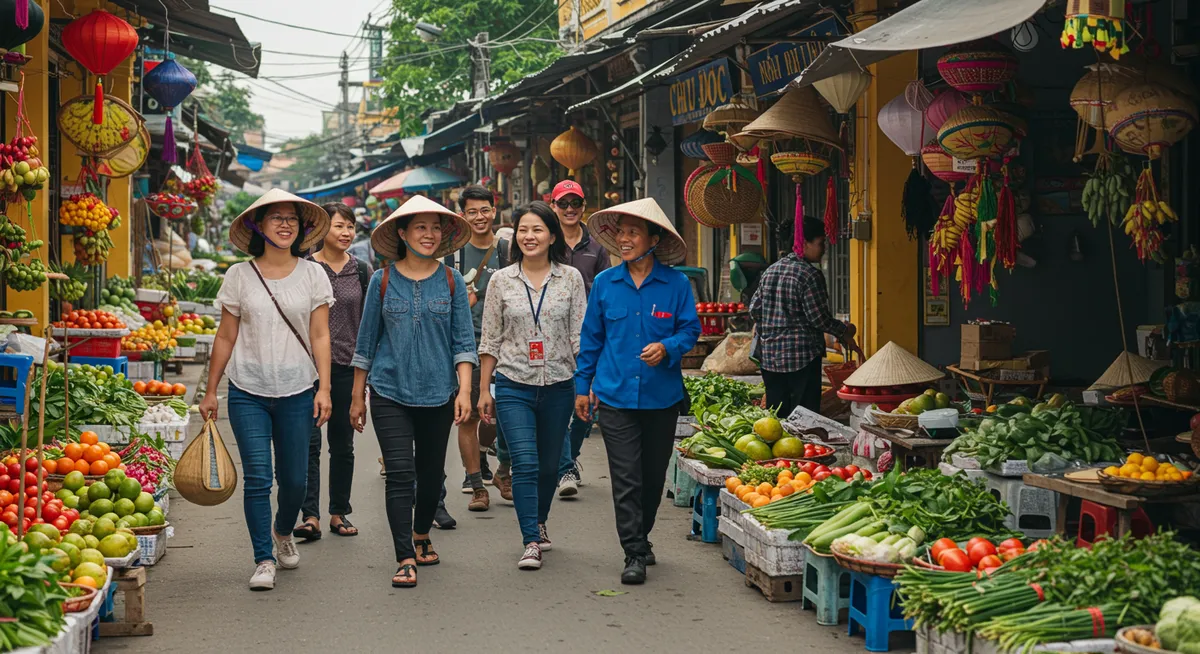
As you wander, you’ll witness everyday rituals unfold. Observe Vietnamese families setting up their sidewalk eateries, the aroma of pho and banh mi filling the air. Turn a corner, and you might find yourself near a Khmer temple, its intricate design and serene atmosphere a stark contrast, hinting at a long-standing spiritual heritage. Continue your stroll towards the Chau Giang district, accessible via a short ferry ride (which is also a walk-on experience!), and you’ll step into the heart of the Cham community. Here, the unique architecture of their mosques, the sight of women in traditional attire, and the opportunity to taste Cham delicacies like *tung lo mo* (beef sausage) truly highlight their distinct traditions. The old quarter, meanwhile, reveals strong Chinese influence through its traditional shophouses, ancestral altars, and vibrant pagodas, offering a glimpse into their long-standing mercantile and spiritual heritage.
Walking allows for spontaneous discoveries – a hidden alley market, a local artisan at work, or an unexpected temple tucked away from the main thoroughfare. It’s a chance to hear the cacophony of street vendors, smell the incense wafting from a pagoda, and feel the energy of local life. This unhurried pace encourages interaction, even if it’s just a smile and a nod, giving you authentic insights that a bus window could never provide.
To maximize your walking experience and fully appreciate Chau Doc’s unique cultural tapestry, keep these practical tips in mind:
- Footwear is Key: Comfortable, breathable walking shoes are non-negotiable. You’ll be covering varied terrain, from bustling sidewalks to quieter temple grounds.
- Stay Hydrated: The Mekong Delta heat can be intense. Carry plenty of water and don’t hesitate to utilize local shops for refreshing cold drinks.
- Dress Respectfully: When visiting religious sites (temples, pagodas, mosques), ensure shoulders and knees are covered. Light, loose clothing is best for comfort and cultural appropriateness.
- Be Observant & Curious: Look up, look down, and peer into doorways. Many of Chau Doc’s treasures, from intricate carvings to bustling family businesses, are hidden in plain sight.
- Embrace the Food: Don’t hesitate to try street food from vendors with busy queues – it’s often the freshest and most authentic way to sample local flavors, reflecting the diverse culinary traditions.
- Learn Basic Phrases: Even “Xin chào” (hello) and “Cảm ơn” (thank you) in Vietnamese can open doors to warmer interactions and show respect for the local culture.
Planning Your Chau Doc Walking Adventure
Embarking on a walking adventure in Chau Doc offers an unparalleled opportunity to truly immerse yourself in the city’s vibrant rhythm and discover its authentic local customs. Proper planning will ensure your exploration is both enjoyable and insightful.
Best Time to Stroll
The optimal time to visit Chau Doc for walking tours is during the dry season, typically from November to April. During these months, you’ll experience less rainfall and more comfortable temperatures, making extended walks much more pleasant. However, be prepared for hotter days from March to May, so hydrating regularly is crucial.
Regardless of the season, the golden rule for walking in Chau Doc is to start early. Aim to be out and about from sunrise (around 6:00 – 6:30 AM). This magical window offers several benefits: cooler temperatures before the midday heat sets in, the bustling Chau Doc Market in full swing with locals doing their morning shopping, vibrant street food vendors preparing breakfast, and the soft morning light perfect for photography. You’ll witness the city slowly awaken, offering a genuine glimpse into daily life. Afternoons can be very hot and humid, with much of the activity winding down.
Ideal Tour Duration & Focus
Chau Doc’s compact city center is highly walkable, allowing for flexible exploration durations:
- Half-Day Adventure (3-4 hours): Perfect for a focused exploration. You can easily cover the main Chau Doc Market, stroll along the Hau River promenade, and visit one or two significant landmarks like the majestic Sam Mountain temples (though getting to Sam Mountain requires transport, you can still visit key temples at its base or within the city). This duration is great for soaking in the atmosphere and sampling local delights without feeling rushed.
- Full-Day Immersion (6-8 hours): For a deeper dive, a full day allows you to meander through more neighborhoods, explore hidden alleys, spend more time engaging with local vendors, and discover specific places of worship like Ba Chua Xu Temple and Tay An Pagoda at a leisurely pace. You might even integrate a short boat trip on the river as part of your overall experience, combining it with your walking exploration. This duration provides ample time for spontaneous discoveries and allows for multiple food and drink breaks.
Suggested Walking Routes
Your Chau Doc walking adventure can be tailored to your interests, but here are some highly recommended paths:
- The Market & Riverfront Loop: Start at the sensory explosion that is Chau Doc Market (Chợ Châu Đốc). Spend time navigating its labyrinthine aisles, observing the fresh produce, spices, and local handicrafts. From there, head directly to the serene Hau River promenade. Walk along the waterfront, enjoying the gentle breeze and watching river life unfold, from bustling cargo boats to small fishing vessels. This loop offers an authentic slice of daily life.
- The Cultural & Spiritual Trail: Begin your journey at the iconic Ba Chua Xu Temple (Miếu Bà Chúa Xứ), a significant pilgrimage site. Nearby, explore the intricate architecture of Tay An Pagoda. Continue to discover other smaller pagodas and temples scattered throughout the city center, each offering a unique glimpse into local spiritual practices and beliefs. You’ll find a fascinating blend of Vietnamese, Chinese, and even Cham influences.
- Neighborhood Deep Dive: For the truly curious, venture off the main roads into the smaller residential streets and back alleys. This is where you’ll find daily life unfolding in its most organic form – children playing, neighbors chatting, and small home businesses operating. Remember to be respectful of local privacy and always ask before taking close-up photos of people.
Essential Gear for Your Walk
To ensure a comfortable and enjoyable walking tour, pack smart:
- Comfortable Walking Shoes: This is non-negotiable! The streets can be uneven, and you’ll be covering significant distances. Opt for breathable, broken-in footwear.
- Sun Protection: A wide-brimmed hat, high-SPF sunscreen, and sunglasses are vital to shield yourself from the intense Vietnamese sun.
- Insect Repellent: Especially if you’re out early morning or late afternoon, and particularly near the river or greener areas.
- Reusable Water Bottle: Staying hydrated is paramount in the tropical climate. Carry a full bottle and refill it whenever possible.
- Small Backpack or Daypack: To carry your water, camera, sunscreen, and any souvenirs you might pick up.
- Lightweight Rain Jacket or Poncho: Even during the dry season, brief, unexpected showers can occur.
- Camera or Smartphone: For capturing the vibrant scenes, but remember to be mindful and respectful of locals when taking photos.
With these preparations, you’re set to uncover the unique charm and local customs of Chau Doc on foot, creating lasting memories of your Vietnamese adventure.
Highlights of Your Local Customs Walking Tour
🌟 Local Expert Tip: Get the most out of your Ho Chi Minh City visit with guided tours!
Your “Highlights of Local Customs Walking Tour” in Chau Doc offers a profound journey into the heart of this vibrant Mekong Delta city. Prepare to immerse yourself in the daily rhythms, spiritual traditions, and unique cultural tapestry that define life here, all explored on foot to truly connect with the local essence.
Chau Doc Market: The City’s Pulsating Heart
Our walk begins at the Chau Doc Market, a kaleidoscope of sights, sounds, and smells. This bustling hub is where daily life unfolds. Observe the intricate dance of vendors and shoppers, a testament to local commerce. Here, you’ll witness food customs firsthand: the careful selection of fresh produce, exotic Mekong Delta fish, and an array of vibrant fruits. Engage in gentle bartering – it’s a customary part of the transaction, though always respectful. Don’t miss the chance to sample local snacks or a fresh coconut water; it’s a wonderful way to taste the local ingredients and interact with friendly vendors.
Riverfront & Floating Market View: Life on the Water
Strolling along the serene Chau Doc riverfront provides a captivating glimpse into riverine life, an integral part of the city’s identity. From this vantage point, you’ll observe the unique commerce of the floating market, where goods are exchanged directly from boat to boat – a centuries-old tradition. Take in the picturesque views of the Cham Village nestled on the opposite bank, its traditional stilt houses dotting the waterline, hinting at the next cultural immersion awaiting you.
Cham Village (Khanh Hoa / Chau Giang): A Different World
A short, authentic crossing via a local ferry transports you to the Cham Village, a fascinating enclave of Islamic culture. Your walk through this peaceful community reveals traditional stilt houses, many adorned with intricate details. Observe the Cham people’s unique customs, including their traditional weaving – watch as women create beautiful textiles using ancient techniques. This is a wonderful opportunity for respectful local interactions; remember to dress modestly and ask permission before taking photographs to honor their customs.
Sam Mountain & Pagodas/Temples: Spiritual Heights
Ascending (or at least exploring the base of) sacred Sam Mountain, your walk delves into Chau Doc’s profound spiritual traditions. This site is a significant pilgrimage destination, home to a diverse array of pagodas, temples, and local shrines, reflecting a blend of Buddhist, Taoist, and indigenous folk practices. Observe devotees offering prayers, burning incense, and performing rituals. The peaceful atmosphere offers a moment for reflection and insight into the deeply held beliefs of the local population. Remember to wear comfortable shoes for the walk and dress respectfully (shoulders and knees covered) when visiting religious sites.
Street Food & Local Eateries: A Culinary Adventure
No cultural tour is complete without a taste of local cuisine. Your final walking leg takes you to Chau Doc’s vibrant street food scene and local eateries. This is where culinary customs come alive. Be adventurous and try popular dishes like the iconic Bún Kèn, a unique Chau Doc-style fish noodle soup, or the flavorful Lẩu Mắm, a fermented fish hotpot that’s a Mekong Delta specialty. Observe local eating etiquette, from sharing dishes to the way chopsticks are used. And, of course, savor the rich Vietnamese coffee culture with a refreshing cà phê sữa đá (iced coffee with condensed milk) as a perfect end to your cultural exploration.
Navigating Chau Doc: Safety & Etiquette Tips
Walking through Chau Doc is an immersive experience, a vibrant tapestry of sights, sounds, and smells. To ensure your exploration is both enjoyable and respectful, here are essential safety and etiquette tips tailored specifically for this bustling Mekong Delta city.
Navigating the Streets: Safety First
- Traffic Awareness: The Motorbike Dance: Chau Doc’s streets, like much of Vietnam, are dominated by motorbikes. While perhaps not as overwhelming as Ho Chi Minh City, the sheer volume can be daunting for pedestrians.
- Crossing Roads: The key is to walk slowly, steadily, and predictably. Motorbike riders are adept at navigating around moving obstacles; sudden stops or sprints can be dangerous. Make eye contact if possible, and maintain a consistent pace.
- Sidewalks & Obstacles: Sidewalks are often used for parking, street food stalls, or even living spaces. Be prepared to step onto the road frequently, but always be vigilant for oncoming traffic, even on one-way streets.
- Stay Hydrated & Sun-Smart: Chau Doc’s tropical climate means heat and humidity are constant companions.
- Hydration: Carry a reusable water bottle and refill it frequently. Dehydration can quickly diminish your walking enjoyment. Look for roadside vendors selling fresh coconut water – a delicious and natural electrolyte boost.
- Sun Protection: The sun can be intense, especially between 10 AM and 3 PM. Wear a wide-brimmed hat, sunglasses, and apply high-SPF sunscreen regularly. Lightweight, long-sleeved clothing can also offer excellent protection. Consider starting your walks early in the morning or later in the afternoon to avoid the peak heat.
Cultural Sensitivity: Embracing Local Customs
- Dress Code for Religious Sites: Chau Doc is a melting pot of cultures, home to various Buddhist pagodas, temples (like the renowned Ba Chua Xu Temple), and Cham Muslim mosques. When visiting any religious site:
- Always dress modestly: shoulders and knees should be covered.
- Remove your shoes before entering temples, pagodas, or mosques. Follow local cues; if there’s a shoe rack, use it.
- Asking Permission for Photos: While the street scenes are incredibly photogenic, always be respectful when taking pictures of people.
- If you wish to photograph someone, especially children or the elderly, make eye contact, smile, and gesture politely for permission. A simple nod or wave is usually a good sign.
- Respectfully accept a ‘no’ if permission is declined. Avoid stealthy shots, as this can be seen as intrusive.
- Basic Vietnamese Greetings: A little effort goes a long way.
- ‘Xin chào’ (seen-chow): A friendly “hello” will be met with warmth and smiles.
- ‘Cảm ơn’ (gahm-uhn): “Thank you” is always appreciated.
- Appropriate Gestures: Be mindful of body language.
- When pointing, use an open hand rather than a single finger.
- Avoid pointing your feet at people or religious altars, as feet are considered the lowest part of the body.
- Bargaining Etiquette: At the bustling Chau Doc Market or small independent shops, bargaining is common and expected, but always do so politely and with a smile.
- Start by offering around 50-70% of the initial asking price and negotiate upwards.
- Maintain a friendly demeanor. It’s part of the cultural interaction, not a confrontation.
- Be prepared to walk away if you can’t agree on a price, but don’t haggle if you have no intention of buying. Once a price is agreed upon, honor it.
Connecting with the Local Ecosystem
A walking tour of Chau Doc is more than just sightseeing; it’s an invitation to step into the rhythms of local life and forge genuine connections. Enhancing your experience means actively engaging with the community, whose daily customs and traditions are the very fabric of this fascinating border town. Here’s how you can make your Chau Doc journey truly immersive and impactful.
One of the most rewarding ways to gain a deeper understanding of Chau Doc’s unique blend of cultures – Vietnamese, Khmer, Cham, and Chinese – is by **hiring a local guide**. While independent exploration is enriching, a local guide provides invaluable insights that only someone intimately familiar with the area can offer. They can navigate the winding alleyways of the market with ease, introduce you to a hidden temple, or explain the significance of a particular ritual during your walk around Sam Mountain. More than just translators, they are storytellers who can share anecdotes, historical context, and personal perspectives, transforming a simple stroll into a profound cultural lesson. Inquire at your guesthouse, a local tourism office, or through reputable online platforms for guides specializing in cultural immersion.
Your walking tour is also a prime opportunity to **support Chau Doc’s vibrant small businesses**. As you wander, look for opportunities to purchase directly from local artisans and vendors. The town is renowned for its **palm sugar products (đường thốt nốt)**; buying these directly from a family stall ensures your money goes back into the community. Similarly, the bustling Chau Doc Market and its surrounding streets are treasure troves of local handicrafts and, of course, incredible food. Don’t shy away from trying **bún cá** (fish noodle soup) or the unique **lẩu mắm** (fermented fish hotpot) at a busy, unassuming eatery. These culinary experiences, often found in simple, family-run establishments, offer authentic flavors and direct support to local families.
Engaging responsibly is key. When shopping, embrace polite bargaining, but remember the value of a fair price to the seller. Be mindful of your impact on the local environment and cultural heritage. For instance, if visiting a floating market by boat, consider purchasing drinks or snacks from vendors on the water to support their unique livelihoods. Respect local customs, particularly when visiting sacred sites like the Ba Chua Xu Temple or nearby pagodas on Sam Mountain. A simple nod or a polite greeting in Vietnamese can go a long way in showing respect.
For an even deeper dive into local life, consider a **homestay opportunity**. While less common within the immediate city center, homestays are available in the surrounding rural areas or along the Hau River. Spending a night or two with a local family offers an unparalleled chance to witness daily routines, share meals, and perhaps even participate in local activities like fishing or farming. This provides a genuine cultural exchange far beyond what a hotel can offer, allowing you to truly live like a local, even if just for a short while, and gain a profound appreciation for their way of life.
By consciously connecting with Chau Doc’s local ecosystem – from the expert guidance of a local to the warm hospitality of a homestay – your walking tour will transcend mere sightseeing, becoming an unforgettable journey of discovery and meaningful interaction.
Beyond the Walk: Extending Your Chau Doc Experience
🌟 Local Expert Tip: Get the most out of your Ho Chi Minh City visit with guided tours!
Your Chau Doc local customs walking tour provides an unparalleled immersion into the city’s vibrant street life and cultural tapestry. However, Chau Doc’s charm extends far beyond its bustling markets and historic streets. To truly grasp the essence of this Mekong Delta gem, consider complementing your on-foot explorations with these enriching experiences that offer different perspectives and deeper insights.
Mekong River Explorations by Boat
Having experienced Chau Doc’s pulse from its pavements, it’s time to see the city from its lifeblood: the Mekong River. A boat trip offers a unique vantage point, revealing how life intricately unfolds on and around the water. This is an essential complement to understanding the local economy and traditional livelihoods.
- Floating Fish Farms: Witness firsthand the incredible aquaculture industry that defines Chau Doc. Boats will take you through vast networks of floating houses, each doubling as a commercial fish farm. It’s a fascinating look into the scale of operation and the daily lives of families who live entirely on the river.
- Chau Doc Floating Market: While not as large as Cai Rang, Chau Doc still has its own vibrant floating market where locals exchange goods directly from their boats. It’s best experienced early in the morning, offering a genuine glimpse of riverine commerce.
- Cham Village Visits: Just across the Chau Doc River, accessible by a short ferry or a dedicated boat trip, are the peaceful Cham villages. These communities offer a stark contrast to the Vietnamese urban areas, with their unique culture, language, and the distinct architecture of their mosques. A walk through these quiet villages after a boat ride adds another layer to your cultural understanding.
- Practical Tip: Arrange boat trips directly from your hotel or by approaching boat owners along the riverfront. Negotiate prices beforehand, and consider going in the early morning for the most authentic experience and cooler temperatures.
Tra Su Cajuput Forest: A Natural Interlude
After navigating the city’s vibrant chaos, seek tranquility in the nearby Tra Su Cajuput Forest, an eco-tourism haven approximately 30 km from Chau Doc. While not a traditional walking tour, your journey within the forest involves gentle walking on wooden boardwalks and being rowed silently through emerald waterways, offering a different kind of exploration.
- What to Expect: Glide through a dense, pristine cajuput forest, teeming with diverse birdlife. It’s an opportunity to connect with Vietnam’s natural beauty and appreciate the region’s rich biodiversity. The elevated observation tower provides panoramic views of the forest canopy.
- Connecting to Your Walk: Think of it as an extension of your sensory experience. The walking tour engaged your senses with urban sights and sounds; Tra Su offers a meditative escape with the sounds of nature.
- Practical Tip: Hire a motorbike taxi (Xe Om) or a private car for the journey to Tra Su. Allow at least half a day for travel and exploration. It’s best visited in the morning to catch the birds in action.
Broader Mekong Delta Itineraries & Cambodian Connections
Chau Doc’s strategic location makes it an ideal launchpad or concluding point for more extensive Mekong Delta adventures or even cross-border journeys.
- Mekong Delta Exploration: Seamlessly link your Chau Doc experience to other famous Delta destinations like Can Tho (home to the larger Cai Rang Floating Market) or Sa Dec (known for its charming old houses and flower gardens). This allows you to compare and contrast the distinct local customs of different provinces within the Delta.
- Gateway to Cambodia: Chau Doc is a popular and convenient entry/exit point to Cambodia, particularly Phnom Penh, via speed boat. This proximity means you can feel the subtle influence of Cambodian culture in Chau Doc itself, especially in border markets.
- Practical Tip: Research bus routes for onward travel within Vietnam or inquire about speed boat services to Phnom Penh at local travel agencies. Even if not crossing, a visit to the Vinh Te Canal (linking the Mekong to the Gulf of Thailand and the Cambodian border) offers a glimpse into historical trade routes.
By blending your focused walking tour with these complementary activities, you’ll gain a holistic and deeply personal understanding of Chau Doc’s unique place in the Mekong Delta, truly extending your experience beyond the walk.
Responsible Tourism: Preserving Chau Doc’s Heritage
As you embark on your Chau Doc walking tour, you’re stepping into a vibrant tapestry of culture, history, and natural beauty. Your journey offers a unique opportunity to connect deeply with the local community and environment. By adopting responsible tourism practices, you not only enrich your own experience but also contribute positively to preserving Chau Doc’s distinctive heritage for generations to come.
Here’s how you can be a mindful traveler while exploring Chau Doc on foot:
Minimizing Environmental Impact
- Reduce, Reuse, Recycle: Chau Doc, like many Vietnamese cities, is working towards better waste management. As you walk, carry a reusable water bottle (many hotels and cafes offer refills) and a reusable shopping bag. Avoid single-use plastics wherever possible.
- Proper Waste Disposal: Public bins can be scarce. If you can’t find one, hold onto your trash until you return to your accommodation. Never litter, especially not along the riverbanks or near sacred sites like Sam Mountain.
- Respect Natural Spaces: If your walking path takes you near natural areas, like the trails around Sam Mountain or the river promenades, stick to designated paths and avoid disturbing local flora and fauna.
Cultural Preservation and Respectful Interactions
- Dress Modestly: When visiting temples, pagodas, or private homes (like the famous Ba Chua Xu Temple or Thoai Ngoc Hau Temple), ensure your shoulders and knees are covered. This shows respect for local customs and religious practices.
- Ask Before You Photograph: Chau Doc’s people are incredibly photogenic, but always ask for permission before taking someone’s picture, especially children or those engaged in religious activities. A simple gesture or “Xin phép chụp ảnh?” (May I take a photo?) goes a long way. Be especially discreet in markets or during ceremonies.
- Understand Local Etiquette:
- Remove your shoes before entering someone’s home or a temple.
- Use two hands when giving or receiving items, especially money or gifts, as a sign of respect.
- Avoid public displays of affection.
- Bargain respectfully and with a smile at local markets (like Chau Doc Market), but don’t over-haggle. A small difference in price means more to a local vendor than it does to you.
- Learn Basic Phrases: Even a few words of Vietnamese – “Xin chào” (hello), “Cảm ơn” (thank you), “Dạ vâng” (yes) – can open doors and demonstrate your appreciation for local culture. Locals genuinely appreciate the effort.
Contributing Positively to the Local Economy
- Support Local Businesses: When you purchase local crafts, enjoy a meal at a family-run restaurant, or buy fresh produce from a street vendor, your money directly benefits the local community. Seek out authentic products like Chau Doc’s famous dried fish (*mắm*), palm sugar, or traditional textiles.
- Fair Prices: Be prepared to pay a fair price for goods and services. While bargaining is common, remember that a few extra Vietnamese Dong can make a significant difference to a local family.
- Engage with Artisans: If you come across local artisans or craftspeople during your walk, take time to observe their work and consider purchasing directly from them. This supports their traditional skills and provides a more authentic souvenir.
By following these guidelines, your Chau Doc walking tour will not only be an unforgettable personal journey but also a positive force for the community and environment you explore. Enjoy the magic of Chau Doc, responsibly!
Frequently Asked Questions
Q: Is Chau Doc safe for walking tours?
A: Yes, Chau Doc is generally very safe for walking. Locals are friendly and welcoming. Be mindful of motorbike traffic, especially at intersections, and always be aware of your surroundings, just as you would in any unfamiliar town.
Q: Do I need a local guide for a walking tour in Chau Doc?
A: While it’s possible to explore independently, hiring a local guide significantly enriches your experience. They can provide invaluable insights into local customs, translate interactions, and help you discover places you might otherwise miss, enhancing cultural immersion.
Q: What’s the best time of year to visit Chau Doc for walking?
A: The dry season (November to April) offers the most comfortable weather for walking, with less humidity and rain. Early mornings are ideal for exploring before the heat of the day sets in and to witness daily routines at markets and along the river.
Q: How do I get to the Cham Village across the river?
A: The Cham Village (Khanh Hoa/Chau Giang) is easily accessible by a short, inexpensive local ferry ride from the Chau Doc riverfront. The ferry operates frequently throughout the day, offering a quick and authentic local experience.
Q: What local food should I definitely try during my walking tour?
A: Don’t miss Bún Kèn (a unique fish noodle soup), Lẩu Mắm (fermented fish hotpot), Bánh Bò Thốt Nốt (palm sugar sponge cake), and various fresh fruit smoothies. Be adventurous and try local street food vendors for an authentic taste.
A walking tour through Chau Doc is more than just sightseeing; it’s an intimate journey into the heart of its diverse communities and their timeless customs. By embracing the rhythm of life on foot, you’ll forge genuine connections, uncover hidden stories, and leave with a profound appreciation for this captivating corner of Vietnam. So lace up your shoes, open your senses, and let Chau Doc’s local customs guide your unforgettable exploration.