
Pakse Photography Walking Tour: Best Spots & Expert Tips (2026)
Discover Pakse’s best photography spots on foot! Get expert tips for stunning shots of temples, markets & sunsets. Your comprehensive Pakse walking tour photo guide.
On this page
Pakse, the charming capital of Champasak Province in Laos, offers a unique blend of natural beauty, bustling markets, and serene cultural sites, making it an absolute gem for photographers. And what better way to capture its essence than by exploring on foot? A walking tour allows you to slow down, absorb the atmosphere, and discover hidden photographic opportunities around every corner. This guide provides actionable advice and local insights to help you get the most stunning shots while safely and enjoyably navigating Pakse’s photogenic streets.
Key Tips and Takeaways
- Prioritize comfortable footwear and hydration for your walking tour.
- Always carry extra camera batteries and an empty memory card.
- Utilize golden hour (sunrise/sunset) for the most magical light.
- Ask permission before photographing people, especially monks.
- Be discreet and respectful when shooting candid street scenes.
- Look for unique details, textures, and patterns in everyday scenes.
- Embrace the challenge of natural light and varying weather conditions.
- Don’t forget to look up, down, and behind you for unexpected shots.
Why Pakse is a Photographer’s Paradise on Foot
Pakse isn’t just a gateway to the Bolaven Plateau; it’s a hidden gem for photographers, and its true beauty unfolds when explored on foot. This charming Laotian city offers a rare blend of accessible photographic opportunities, vibrant local life, and incredible natural light, making it a dream destination for capturing authentic Southeast Asian moments.
One of Pakse’s greatest advantages for photographers is the remarkable accessibility of its key sites. Unlike sprawling metropolises, Pakse’s core attractions are conveniently clustered, allowing you to seamlessly transition from ancient temples to bustling markets, serene riverfronts, and French colonial architecture, all within comfortable walking distance. This on-foot exploration means you can carry lighter gear, react instantly to fleeting moments, and truly immerse yourself in the city’s rhythm without the hassle of transportation.
The city’s vibrant local life is a constant source of captivating subjects. Early mornings bring the evocative sight of saffron-robed monks on their alms rounds, often against a backdrop of historic buildings. The bustling Pakse Market (or Dao Heuang Market) is a kaleidoscope of colors, textures, and human activity – from vendors arranging exotic fruits to locals bartering for fresh produce. Walking through these scenes allows you to observe, anticipate, and compose shots of genuine daily life. Don’t rush; pause to appreciate the intricate details of a street vendor’s stall or the spontaneous joy of children playing.
Pakse is blessed with stunning natural light, especially during the golden hours. The soft, warm glow of sunrise over the Mekong River casts a magical sheen on the cityscape, ideal for capturing the serene morning ambiance. Similarly, the sunset paints the sky in fiery hues, illuminating the riverfront and providing dramatic backdrops for silhouettes or landscape shots. Even midday light, if managed carefully, can be used to create stark contrasts and vibrant colors in shaded alleys or under the canopy of trees.
The immersive experience of walking allows you to ‘see’ Pakse in a way no vehicle can offer. You’ll notice the intricate carvings on a temple door, the fading grandeur of a colonial-era window, or the subtle expressions on a local’s face. This slower pace encourages a deeper connection with your surroundings, leading to more thoughtful compositions and powerful narratives in your photographs.
Practical Photography Tips for Walking Tours in Pakse:
- Embrace the Golden Hours: Plan your walks for early morning (6-8 AM) and late afternoon (4:30-6 PM) to take full advantage of the best light.
- Pack Light: A mirrorless camera or a high-quality compact is perfect. A versatile prime lens (e.g., 35mm or 50mm equivalent) or a standard zoom (24-70mm equivalent) will cover most scenarios.
- Look for Candid Moments: While iconic landmarks are beautiful, the true soul of Pakse lies in its everyday life. Be patient, observe, and capture spontaneous interactions.
- Ask for Permission: When photographing people, especially children or vendors, a simple nod and a smile, or asking “Sabai di?” (hello) before taking a picture, goes a long way. Most Laotians are incredibly friendly.
- Focus on Details: Don’t just shoot wide. Zoom in on textures, patterns, local crafts, food, and architectural elements that tell a story.
- Utilize Leading Lines and Framing: Pakse’s streets, market aisles, and temple doorways offer natural leading lines and frames that can add depth and interest to your compositions.
- Be Respectful: Always be mindful of local customs, especially around temples. Dress modestly and avoid disruptive behavior.
By lacing up your walking shoes and embracing the unhurried pace of Pakse, you’ll discover endless photographic opportunities and return home with a collection of images that truly capture the essence of this captivating Laotian city.
Essential Gear for Your Pakse Photo Walk
Embarking on a photo walk through Pakse is an adventure for the senses, but to truly capture its essence without feeling burdened, your gear choice is paramount. The goal here is minimalism and versatility. You’ll be navigating bustling markets, serene temple grounds, and the riverside promenade, so ease of movement and discretion are key to an enjoyable and productive photographic experience.
Camera & Lenses: Keep it Light, Keep it Versatile
- Camera Body: For a walking tour in Pakse, leave the heavy full-frame DSLR at home. A lightweight mirrorless camera or a compact DSLR is ideal. They offer excellent image quality without weighing you down, making those long stretches exploring Wat Luang or the Mekong River bank far more comfortable. An advanced smartphone (like the latest iPhone, Google Pixel, or Samsung Galaxy) can also be a surprisingly capable companion, especially for quick street shots or when you want to be extra discreet. Its always-on connectivity is a bonus for immediate sharing.
- Lens Choices: Resist the urge to pack your entire collection. A versatile zoom lens (e.g., 24-70mm equivalent or a standard kit lens like 18-55mm) will be your workhorse, capable of capturing everything from wide market scenes at the Pakse Morning Market to portraits of local vendors. Consider adding a small, fast wide-angle prime lens (e.g., 28mm or 35mm equivalent) for stunning temple interiors or expansive views from Wat Phou Salao. The wider aperture will also be a lifesaver in low-light conditions or for creating beautiful bokeh.
- Power Up: Pakse’s heat and humidity, combined with continuous shooting, can drain batteries quickly. Always carry at least two fully charged spare batteries for your camera. If relying on a smartphone, a compact power bank is indispensable, especially if you’re using GPS or browsing maps alongside your photography.
Personal Comfort & Protection: Embrace the Pakse Elements
- Footwear: This cannot be stressed enough: invest in comfortable, breathable walking shoes. You’ll be covering significant distances on varied surfaces – from paved sidewalks to dusty paths, and even uneven temple steps. Your feet will thank you after a day exploring the city’s charming lanes.
- Sun Protection: Pakse can be relentlessly sunny and hot. A wide-brimmed hat, sunglasses, and high-SPF sunscreen are non-negotiable. Not only will they protect your skin, but they’ll also help you stay comfortable and focused on your photography rather than the glare or heat.
- Hydration: Always carry a reusable water bottle. Staying hydrated is crucial in Laos’s tropical climate. There are plenty of places to refill or buy cold water, but having your own means you can sip as you go, keeping your energy levels up for that perfect shot.
The Discreet Carry: Your Photo Companion
- Camera Bag: Choose a small, lightweight, and discreet camera bag – preferably a cross-body sling or a small backpack. Avoid anything bulky or flashy that might draw unwanted attention. Your bag should comfortably fit your camera, one extra lens, spare batteries, and personal essentials like water and sunscreen. The less you have to fuss with, the more you can focus on the beauty of Pakse unfolding before your lens.
By prioritizing minimalism and practicality, you’ll be free to fully immerse yourself in the vibrant street life and serene landscapes of Pakse, capturing truly authentic moments without being weighed down.
Pakse’s Top Photography Spots (and How to Shoot Them)
🌟 Local Expert Tip: Get the most out of your Pakse visit with guided tours!
Pakse, with its unique blend of traditional Lao culture, colonial charm, and stunning natural backdrops, is a dream for any photographer on foot. As you explore the city’s streets and riverside paths, keep these prime locations and specific shooting techniques in mind to capture the essence of this vibrant destination.
Wat Phou Salao & The Golden Buddha
Perched high on a hill overlooking the confluence of the Mekong and Xe Don rivers, Wat Phou Salao offers unparalleled panoramic views of Pakse. The majestic Golden Buddha statue here is the focal point, creating an iconic silhouette against the sky. For the best light and atmosphere, plan your visit for either sunrise or sunset. A wide-angle lens (16-35mm or equivalent) is ideal for capturing the vastness of the landscape and the city sprawl beneath you. Experiment with framing the Golden Buddha against the vibrant sky, or use the intricate details of the temple complex as foreground interest for your cityscape shots. Don’t rush; take time to absorb the serene ambiance.
Pakse Morning Market (Talat Dao Heung)
Dive into the vibrant chaos of Talat Dao Heung, Pakse’s bustling morning market, a sensory explosion perfect for street photography. This is where you’ll capture authentic local life unfolding. Focus on candid moments: vendors haggling, shoppers browsing, the vivid colors of fresh produce, and the textures of textiles and local crafts. For respectful shooting, always prioritize discretion. Ask permission with a polite “Sabaidee” and a smile, especially before photographing individuals. A prime lens (like a 50mm) or a versatile zoom can help you capture intimate details without being overly intrusive. Look for interesting light filtering through awnings and the genuine expressions that tell a story.
Xe Don Riverfront & Bridge
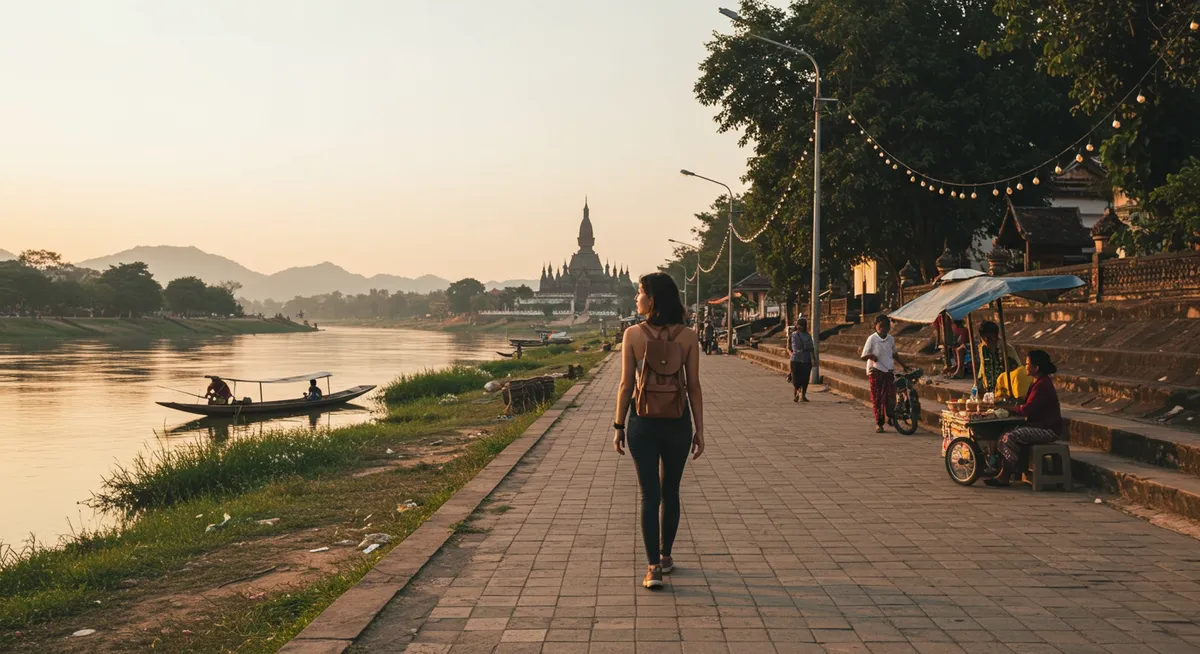
The tranquil Xe Don Riverfront and its impressive bridge offer a wealth of photographic opportunities, especially during the “golden hour” leading up to sunset. Stroll along the promenade, observing local life unfold – fishermen casting nets, children playing, and families gathering. This is prime territory for capturing stunning reflections on the water, whether it’s the bridge’s elegant structure or the fiery hues of the setting sun. Use the bridge’s leading lines to draw the viewer’s eye into your composition. Silhouettes of people, boats, or even the bridge itself against the dramatic Pakse sky can create powerful and memorable images. Don’t forget to look for the daily rituals of river life.
French Colonial Architecture (around Street 11 & 12)
As you wander the historic streets of Pakse, particularly around Street 11 and 12, you’ll encounter charming remnants of its French colonial past. These buildings are a treasure trove for architectural photography, evoking a sense of nostalgia. Focus on capturing intricate details: ornate balconies, faded pastel facades, decorative windows, and unique doorways. Pay close attention to how light and shadow play across the textured walls – early morning or late afternoon light can highlight these details beautifully. Look for patterns, repeating elements, and symmetrical compositions. Sometimes, framing a building with a passing cycler or a parked tuk-tuk can add a touch of local context and scale to your historical shots.
Local Life & Backstreets
Beyond the main attractions, Pakse’s true charm often lies in its quieter backstreets and the everyday life that unfolds within them. This is where true candid photography thrives. Dedicate time to simply wander, observe, and let moments come to you. You might discover children playing, vendors preparing food in their homes, or small family businesses at work. For discreet shots, especially of people, a slightly longer lens (e.g., 70-200mm) can be invaluable, allowing you to capture genuine interactions from a respectful distance without interrupting the scene. Be patient, be observant, and always approach with a friendly demeanor; sometimes the best shots come from genuine engagement, even if it’s just a smile and a nod.
Mastering Photography Techniques on the Go
🌟 Local Expert Tip: Get the most out of your Pakse visit with guided tours!
As you navigate the charming streets and scenic riverfront of Pakse on foot, every turn offers a potential masterpiece. Mastering a few key photography techniques will transform your walking tour snapshots into truly captivating memories. The beauty of walking is the freedom it gives you to pause, observe, and compose.
Harnessing Natural Light: Pakse’s Evolving Glow
Light is your best friend. In Pakse, the interplay of sun and shadow creates incredible photographic opportunities:
- Golden Hour: The hour after sunrise and before sunset bathes Pakse in a warm, soft light. Catch the early morning golden hour for stunning, crowd-free shots of the Mekong River or the giant Buddha statue at Wat Phou Salao. In the late afternoon, the sun dips behind the river, casting a magical glow over the riverfront promenade and local life.
- Blue Hour: Just after sunset or before sunrise, when the sky turns a deep indigo, Pakse takes on a mysterious, tranquil ambiance. This is perfect for capturing the illuminated Wat Luang or the subtle glow of streetlights reflecting on wet pavement after a brief shower, adding drama and mood to your urban shots.
Composition: Framing Pakse’s Soul
Thoughtful composition can turn an ordinary scene into an extraordinary one:
- Rule of Thirds: Imagine a tic-tac-toe grid over your frame. Place your subject (a local vendor, a monk, a landmark like the Japanese Bridge) at one of the intersections or along the lines for a more balanced and engaging image.
- Leading Lines: Use natural lines within the Pakse landscape to guide the viewer’s eye through your photo. Think of the Mekong’s sweeping curve, the long aisles of Pakse Market, temple pathways, or even the rows of colorful shophouses.
- Framing: Look for natural frames to add depth and context. A doorway of an old French colonial building, the window of a traditional Lao wooden house, or even tree branches along the river can beautifully frame your subject, drawing attention to what’s inside.
Capturing Motion and Life: Pakse’s Dynamic Spirit
Pakse is alive with movement. Don’t just static shots; embrace the dynamism:
- Motion Blur: For a sense of speed and energy, try a slightly slower shutter speed (e.g., 1/30s – 1/60s) to blur moving elements like a passing tuk-tuk, a cycling local, or the flowing water of the Mekong, while keeping your main subject (or the background) relatively sharp.
- Freezing Action: To capture crisp details of a street vendor preparing food, a child playing, or a monk walking briskly, use a faster shutter speed (e.g., 1/250s or higher).
Candid vs. Posed & Storytelling Through Images
- Candid Moments: On a walking tour, the most authentic moments often appear unexpectedly. Be observant and ready to capture unposed interactions – a smile at the market, locals enjoying a coffee, or a moment of quiet reflection at a temple. These tell the most genuine stories.
- Subtle Posed Shots: If you wish to photograph a local, always ask permission first with a respectful gesture or a simple “Sabaidee” (hello). Sometimes a brief interaction can lead to a more relaxed and beautiful portrait.
- Storytelling: Think beyond a single shot. Can a series of photos tell a narrative of your day? Perhaps a sequence showing the journey from the morning market to the river, or the intricate details of a specific temple visit, building a visual story of your Pakse experience.
Depth of Field for Street Photography
Control what’s in focus to emphasize your subject:
- Shallow Depth of Field (low f-number, e.g., f/1.8-f/4): Great for isolating a specific subject, like a portrait of a local, a beautiful dish of Lao food, or intricate details on a temple carving, blurring the background nicely (bokeh).
- Deep Depth of Field (high f-number, e.g., f/8-f/16): Ideal for capturing wide street scenes, bustling markets, or scenic landscapes where you want everything from foreground to background to be sharp and in focus, providing context for your subject.
Adjusting to Changing Light Conditions
Pakse’s light can shift rapidly from bright sun to shaded alleys or temple interiors:
- ISO: Increase your ISO (sensitivity to light) in low-light situations (e.g., inside Wat Phou Salao’s main hall, or after dusk) to avoid blurry shots, but be mindful of digital noise at very high ISOs.
- White Balance: Your camera’s auto white balance is often good, but manual adjustments can enhance colors. Use “Daylight” for bright outdoor scenes, “Cloudy” for overcast days, or “Tungsten/Incandescent” for indoor lighting like in cafes.
Embrace the journey, keep your camera ready, and let Pakse’s unique charm inspire your lens!
Navigating Pakse: Practical Tips for Photographers
Pakse offers a treasure trove of photographic opportunities, but maximizing your lens’s potential while on foot requires smart planning. Here’s how to navigate the city like a seasoned pro, ensuring both comfort and stunning captures.
Timing is Everything: Chasing the Light (and Avoiding the Heat)
- Early Morning (Sunrise – 9:00 AM): This is arguably the best time for walking and photography in Pakse. The air is cooler, allowing for comfortable exploration before the midday sun takes hold. More importantly, the light is incredibly soft and warm – perfect for golden hour shots. You’ll catch locals starting their day, monks collecting alms (be respectful and observe from a distance), and the Mekong and Sedone rivers bathed in gentle hues. This light is ideal for capturing the intricate details of temples or the bustling activity of morning markets without harsh shadows or blown-out highlights.
- Late Afternoon (4:00 PM – Sunset): As the day cools down, Pakse comes alive again. The golden hour returns, casting a beautiful glow over the city’s architecture and the rivers. This is fantastic for capturing silhouettes, vibrant street scenes, and the atmospheric charm of sunset views from riverside promenades or bridges. Avoid midday walks (10:00 AM – 3:00 PM) if possible; the heat is intense, and the overhead light is unflattering for photography, creating strong shadows and bleached skies.
Stay Hydrated & Comfortable
- Hydration is Key: Pakse’s tropical climate means you’ll sweat, even on a cool day. Carry a refillable water bottle and replenish it often. Many guesthouses and cafes offer water refills, or you can easily buy cold drinks from small shops. Dehydration can quickly sap your energy and focus, impacting your ability to enjoy the walk and concentrate on your shots.
- Footwear First: This cannot be stressed enough. Pakse’s pavements can be uneven, and you’ll be covering significant distances. Comfortable, broken-in walking shoes or sturdy sandals are non-negotiable. Save the fashion footwear for the evenings. Blisters are a photographer’s worst enemy!
- Dress Appropriately: Lightweight, breathable clothing is essential. Opt for natural fabrics that dry quickly. Given the cultural context and the likelihood of visiting temples, it’s wise to carry a light scarf or wear clothing that covers your shoulders and knees. A wide-brimmed hat, sunglasses, and high-SPF sunscreen are also vital for sun protection.
Navigation & Extending Your Journey
- Offline Maps & GPS: Before you head out, download offline maps of Pakse using apps like Google Maps or Maps.me. This will allow you to navigate without relying on mobile data, saving battery and ensuring you don’t get lost. GPS functionality will track your progress and help you find hidden alleyways or specific photo spots.
- Strategic Tuk-Tuks: While this guide focuses on walking, don’t hesitate to leverage Pakse’s ubiquitous tuk-tuks. They’re perfect for bridging longer distances between distinct photography zones or getting you back to your accommodation when you’re tired after a long day of shooting. For example, you might walk extensively around the city center and markets, then hop a tuk-tuk to Wat Phou Salao for sunset views or to a specific temple slightly further out. Always negotiate the fare before starting your ride.
Safety & Etiquette for Solo Walkers (Especially Photographers)
- Awareness & Valuables: Pakse is generally very safe, but as a solo traveler and photographer, always be aware of your surroundings. Keep your camera bag secure and close to your body. Avoid overtly displaying expensive gear, especially in crowded market areas.
- Respectful Photography: Laos is a conservative country. Always ask permission before photographing people, especially monks, children, or elderly individuals. A smile and a simple “Sabaidee” (hello) followed by a gesture towards your camera can go a long way. If they decline, respect their wishes. Avoid intrusive close-ups unless you have explicit permission.
- Evening Walks: While most areas are well-lit, it’s generally advisable for solo walkers, especially women, to stick to main thoroughfares or more populated areas after dark. Inform someone of your plans if you’re venturing out alone.
Ethical & Responsible Photography in Laos
Pakse, with its captivating blend of riverside life, historic temples, and bustling markets, offers endless photographic opportunities. As you embark on your free walking tours in Pakse, remember that you are a guest in a vibrant, living culture. Ethical and responsible photography isn’t just about good manners; it’s about fostering positive interactions, showing respect, and ultimately enriching your travel experience.
Here’s how to capture the spirit of Pakse respectfully and responsibly:
- Always Ask Permission, Especially from People: This is the golden rule. Whether it’s a vendor at Dao Heuang Market, children playing by the Mekong, or especially monks, a simple gesture, a smile, and a polite request goes a long way. Learn a few basic Lao phrases like “Sawadee” (hello) and “Khot thai dai bor?” (Can I take a photo?). If they say no, respect their wishes immediately and move on. Many locals, particularly older generations and children, may feel uncomfortable or consider it intrusive. A shared smile and a nod often suffice if language is a barrier.
- Dress Respectfully When Visiting Temples: When your walking tour takes you to revered sites like Wat Luang or the Golden Buddha at Wat Phou Salao, ensure your shoulders and knees are covered. This isn’t just a suggestion; it’s a mark of profound respect for religious customs and the sacredness of the space. Remove your shoes before entering any temple building (sim or viharn). Being appropriately dressed also makes locals more comfortable with your presence, potentially opening doors for more authentic interactions.
- Avoid Causing Disruption: Be mindful of your surroundings. Do not block pathways, especially in busy areas like the morning markets or during religious ceremonies. When photographing, be discreet. Avoid using flash indoors in temples or pointing large lenses intrusively at individuals going about their daily lives. Step back, observe, and wait for natural moments rather than staging them. Your presence should blend into the environment, not dominate it.
- Be Mindful of Private Property: Respect boundaries. Do not trespass into private homes, gardens, or businesses without explicit permission. Look for “No Photography” signs, though often, common sense and courtesy are your best guides. If you’re unsure, it’s always best to err on the side of caution and refrain from taking the shot.
- Contribute Positively to Local Interactions: Beyond just taking a photo, aim to connect. Buy a refreshing drink from a street vendor you’ve photographed, purchase some local snacks, or simply offer a genuine smile and a friendly greeting. Sometimes, the most memorable “photos” are not digital images but the mental snapshots of genuine human connection. These positive interactions often lead to more natural and beautiful photographic opportunities.
By following these guidelines, your walking tour through Pakse will not only yield incredible photographs but also leave you with a deeper appreciation for Lao culture and its welcoming people. Remember, photography is a powerful tool; wield it with respect and empathy.
Connecting Your Photo Walk to Broader Pakse Exploration
Your Pakse photography walking tour is more than just an opportunity to capture incredible images; it’s a dynamic launchpad for deeper exploration of this charming Lao city and its surrounding wonders. Think of your camera not just as a tool for immediate capture, but as a lens through which to scout future adventures, identify hidden gems, and connect more authentically with local life.
As you meander through Pakse’s streets, your feet become your guides to spontaneous culinary discoveries. A waft of garlic and chili might lead you to a humble noodle stall offering some of the best khao piak sen you’ve ever tasted, or a bustling corner market could reveal vibrant fruits and savory snacks perfect for a quick, authentic bite. These are prime photography moments – capture the steam rising from a bowl, the vivid colors of fresh produce, or the genuine smiles of vendors. Note down these spots; they’re not just for a quick lunch, but places you might want to revisit for a deeper culinary dive, perhaps even trying your hand at some food photography techniques or simply enjoying the local ambiance without the pressure of a full photo shoot.
Your urban walk naturally brings you to the banks of the Mekong and Xe Don rivers. While the immediate objective might be capturing the bustling river life or the iconic Pakse Japanese Bridge, this vantage point also serves as an inspiration for what comes next. Observe the longtail boats plying the waters; they could be your ticket to a tranquil sunset river cruise, offering breathtaking wide-angle opportunities as the sun dips below the horizon, painting the sky in fiery hues. Or perhaps you’ll spot a boat heading south, sparking the idea for a future excursion to the ancient Khmer ruins of Wat Phou Champasak, an extraordinary UNESCO World Heritage site that promises stunning architectural and historical photography.
Beyond the immediate cityscape, your walking tour provides an invaluable ‘ground-level’ understanding for planning extended photo opportunities. As you navigate the streets, you’ll gain a feel for the local rhythm, the best light at different times of day, and even potential bicycle or motorbike routes. This reconnaissance is crucial for preparing for day trips to the renowned Bolaven Plateau. Imagine pre-visualizing your shots of the majestic Tad Fane or Tad Yuang waterfalls, the lush coffee plantations, or the serene ethnic villages. Your initial walking tour in Pakse helps you understand the logistics and atmosphere, making subsequent, larger excursions more fruitful and less daunting.
Here’s how to make your photo walk a springboard for broader exploration:
- Map & Mark: Use your phone’s GPS to drop pins on interesting eateries, scenic viewpoints, or potential future photo locations you pass during your walk.
- Observe & Plan: Pay attention to light. If you see a beautiful alleyway bathed in golden hour light but you’re too early, make a mental or digital note to return later.
- Engage Locals: Don’t be afraid to ask friendly locals for recommendations on hidden spots, best times for specific views, or reliable transport for larger trips.
- Think Beyond the Frame: While focusing on your current shot, also consider what’s *around* it. Could this street lead to a fascinating market? Is there a path suggesting a scenic route to the river?
By treating your Pakse photo walk as the first chapter in a much larger photographic journey, you’ll not only capture fantastic immediate memories but also unlock a wealth of future adventures and unparalleled photographic experiences in southern Laos.
Local Insights & Hidden Gems for Unique Shots
🌟 Local Expert Tip: Get the most out of your Pakse visit with guided tours!
While Pakse boasts several well-known photo ops, the true magic often lies in uncovering its lesser-trodden paths and engaging with the rhythm of local life. This is where your walking tour transforms into a treasure hunt for truly unique and evocative shots, guided by a sense of curiosity and respect.
Market Alleyways: A Symphony of Everyday Life
The bustling Pakse Market is a visual feast, but venture beyond the main aisles into its narrow, winding alleyways. Here, you’ll find a more intimate glimpse into daily commerce and local interactions. Look for small family stalls selling specific produce, women preparing street food with practiced hands, or men loading goods onto motorbikes.
- Photography Tips: Embrace candid shots. Use a fast shutter speed to freeze motion, especially when people are bustling. Look for leading lines created by rows of stalls or natural frames formed by hanging goods. Don’t be afraid to shoot from a lower angle to capture the dynamic energy at ground level. A prime lens (e.g., 50mm) can help isolate subjects with beautiful background blur, making portraits pop. Always be mindful of personal space and offer a polite smile before snapping.
- Local Insight: Go early in the morning (6-8 AM) for peak activity and the freshest light, or later in the afternoon for a different, perhaps softer, ambiance as vendors wind down.
Serene Wats Off the Beaten Path
Beyond the grandeur of Wat Luang and the city views from Wat Phou Salao, Pakse has numerous smaller, more tranquil temples tucked away in residential areas. These lesser-known Wats offer a peaceful retreat and opportunities for serene architectural and spiritual photography, often devoid of tourist crowds.
- Photography Tips: Focus on intricate details like Naga carvings, vibrant murals, or the quiet devotion of locals. Utilize natural light filtering through open doorways for dramatic effect. A wide-angle lens can capture the overall peacefulness of the temple grounds, while a telephoto lens can isolate architectural elements or distant Buddha statues. Remember to dress respectfully (shoulders and knees covered) and always ask permission before photographing monks, or shoot from a distance to maintain their privacy. Look for reflections in polished floors after rain.
- Local Insight: Wander a few blocks inland from the Mekong River or away from the main thoroughfares. You might stumble upon hidden gems like Wat Phabat or Wat Thong, which offer a more authentic spiritual atmosphere.
Unique Vantage Points for Cityscapes
While Wat Phou Salao provides the classic panoramic view, seeking out alternative elevated spots can yield unique perspectives of Pakse. Consider rooftops of guesthouses or cafes in slightly higher areas, or even exploring the small hills just outside the city center by foot or bicycle for a different angle of the confluence of the Xe Don and Mekong rivers.
- Photography Tips: The golden hour (shortly after sunrise or before sunset) is ideal for warm, soft light that bathes the city. Blue hour (just after sunset or before sunrise) offers a magical glow as city lights begin to twinkle. Use a tripod for sharper long-exposure shots during these times, especially if capturing light trails from vehicles. A telephoto lens can compress distant elements, making the city appear more dense and dynamic.
- Local Insight: Chat with guesthouse owners; many have rooftop terraces that provide an unofficial viewpoint, especially for guests.
Capturing Craftspeople at Work
Pakse is home to various local artisans, though their workshops might be less overtly advertised. Finding opportunities to capture silk weaving, noodle making, or basket weaving can provide incredibly intimate and authentic photographic narratives.
- Photography Tips: Focus on the hands, tools, and expressions of the craftspeople. These are often highly tactile and detailed shots. Use a shallow depth of field to draw attention to their focused work. Natural light is best; avoid using flash which can be intrusive and alter the scene. Always ask for permission before photographing. A simple ‘Sabai dee’ and a gesture towards your camera often suffice. Consider purchasing a small item as a thank you for their time and cooperation.
- Local Insight: Ask vendors at the fresh market where certain goods are made, or inquire at local guesthouses about small family businesses that might welcome visitors. Sometimes, you’ll discover them simply by wandering residential streets near the market areas.
Frequently Asked Questions
Q: Is Pakse safe for walking tours with camera gear?
A: Generally, Pakse is very safe. Petty theft can occur, so always be aware of your surroundings, keep your camera gear secure and close to your body, especially in crowded market areas. Avoid walking alone in poorly lit areas at night.
Q: What’s the best time of day for photography in Pakse?
A: The ‘golden hour’ (an hour after sunrise and an hour before sunset) offers the best natural light. Early mornings are also great for market activity and cooler temperatures, while late afternoons are perfect for riverfront shots and cooler walking.
Q: Do I need a professional camera for a Pakse photo walk?
A: Not at all! While a DSLR or mirrorless camera offers more control, modern smartphones with good cameras can capture stunning images. The key is understanding composition, light, and subject matter, regardless of your equipment.
Q: How do I deal with the heat and humidity while walking?
A: Wear light, breathable clothing. Carry a reusable water bottle and refill it frequently. Plan your walks for early mornings or late afternoons to avoid the midday sun. Take breaks in shaded areas or cafes.
Q: Are there local photography guides in Pakse?
A: While not as common as in larger cities, some local tour operators or guesthouses might be able to connect you with locals who can offer guidance or share unique photo spots. It’s always worth asking at your accommodation.
Pakse, with its laid-back charm and captivating scenery, is an ideal destination for a photography walking tour. By lacing up your shoes, keeping your camera ready, and embracing both the planned sights and the unexpected discoveries, you’ll not only capture incredible images but also gain a deeper appreciation for this beautiful corner of Laos. So, step out, explore, and let Pakse’s vibrant life unfold through your lens – one memorable step at a time!