
Haiphong Walking Tours: Best Seasons & Expert Tips (2026)
Discover the ideal times to explore Haiphong on foot! This guide provides comprehensive tips, best routes, and local insights for safe and enjoyable walking tours.
On this page
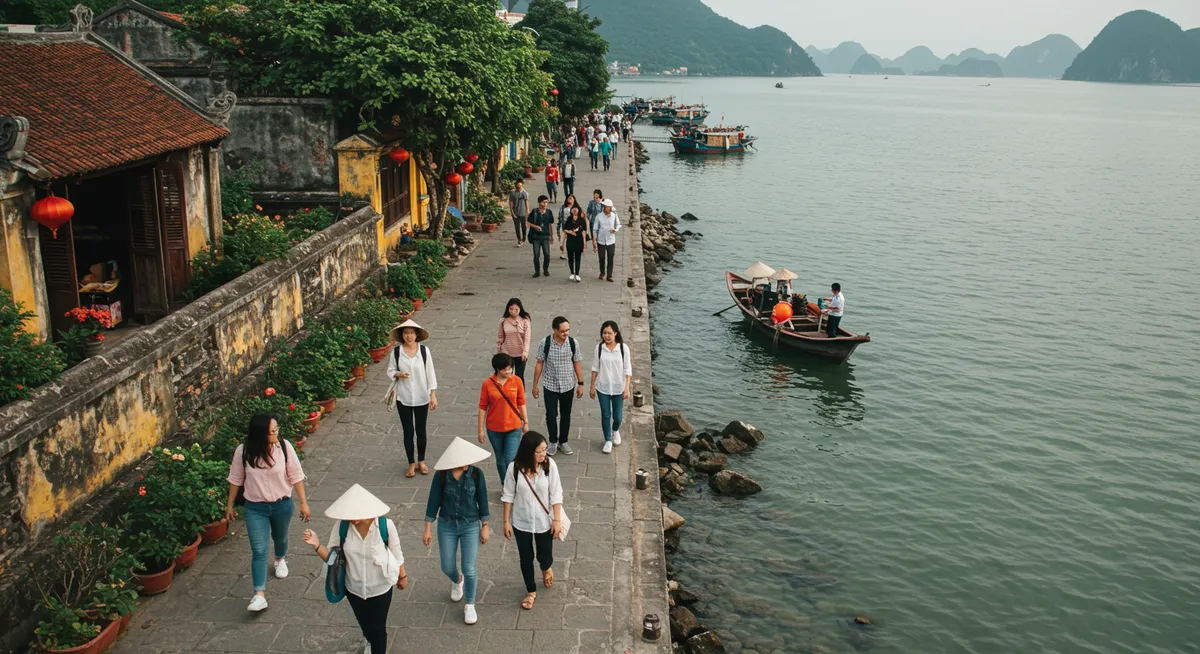
Haiphong, Vietnam’s vibrant port city, is a treasure trove waiting to be discovered on foot. Its tree-lined boulevards, colonial architecture, bustling markets, and legendary street food scene come alive when you immerse yourself in its rhythm as a pedestrian. But like any destination, timing is key to an optimal walking tour experience. This comprehensive guide will help you pinpoint the best seasons to lace up your shoes and explore Haiphong’s unique charm, complete with practical advice, safety tips, and local insights to make your journey truly unforgettable.
Key Tips and Takeaways
- Plan your Haiphong walking tour for Spring (March-April) or Autumn (September-November) for the most comfortable weather.
- Prioritize comfortable, broken-in footwear and adequate hydration, especially in warmer months.
- Immerse yourself in Haiphong’s street food culture; it’s an essential part of the walking experience.
- Consider a local guided tour to uncover hidden gems and deeper cultural insights.
- Always be aware of traffic, especially when crossing streets, and carry a small first-aid kit.
Why Haiphong is a Walker’s Paradise
Haiphong, often dubbed the “City of Red Flamboyant Flowers,” is an unsung hero for pedestrian explorers. Unlike some sprawling metropolises, Haiphong’s charm lies in its remarkably compact and navigable city center, making it an absolute dream for those who prefer to discover a destination on foot. Every turn reveals a new facet, seamlessly blending historical grandeur with vibrant modern life.
One of the most striking features for walkers is the city’s rich tapestry of **charming French colonial architecture**. Wide, tree-lined boulevards invite leisurely strolls, leading you past beautifully preserved buildings like the iconic Haiphong Opera House – a miniature replica of the Paris Opera House – and the stately Haiphong City Museum. Wander past former French residences, their weathered facades whispering tales of a bygone era. This architectural heritage provides a captivating backdrop for any urban exploration.
Beyond the grand buildings, Haiphong’s true spirit comes alive in its **vibrant street life**. The city pulses with an infectious energy that’s best experienced at ground level. Observe the daily rhythm: locals sipping iced coffee at sidewalk stalls, vendors bustling in impromptu markets, and the cheerful chatter of daily life. Tam Bac Lake, with its pleasant promenade and the picturesque Flower Garden (Vườn Hoa Nguyễn Du), offers a tranquil respite and excellent people-watching opportunities. Every alleyway holds the promise of a hidden gem.
For the walking foodie, Haiphong is nothing short of a paradise. Its **culinary delights** are legendary, and discovering them is an inherent part of the walking experience. No visit is complete without savouring a bowl of the city’s signature Bánh đa cua (red noodle soup with crab), found at countless humble eateries. Keep an eye out for Nem cua bể (square crab spring rolls) and the myriad of other street food treasures. The best way to find these authentic flavours is simply by following your nose and joining the queue of locals. Walking between food stops also conveniently helps to make room for more deliciousness!
The city’s key **attractions are remarkably accessible** on foot, typically within a 15-30 minute walk of each other in the central district. From the Du Hang Pagoda, offering a glimpse into spiritual life, to the bustling markets and the serene Tam Bac Lake, you can easily create a fulfilling itinerary without relying on taxis or Grab bikes. This interconnectedness allows for spontaneous detours and a deeper immersion into the city’s character.
Tips for a Rewarding Walk in Haiphong:
- Comfort is Key: Wear comfortable walking shoes. You’ll be covering a lot of ground.
- Stay Hydrated: The tropical climate means you’ll need plenty of water. Local vendors sell cold drinks everywhere.
- Embrace the Flow: Don’t be afraid to wander off the main streets. Some of Haiphong’s best discoveries are down smaller lanes.
- Look Up & Around: While navigating traffic, remember to take your eyes off the road for a moment to appreciate the architecture and daily life unfolding around you.
- Early Bird Gets the Worm: Morning walks (before 9 AM) are fantastic for cooler temperatures and witnessing the city wake up. Late afternoons are also pleasant.
In Haiphong, walking isn’t just a means of transport; it’s the very essence of the travel experience, offering an intimate, authentic connection to this captivating Vietnamese port city.
Understanding Haiphong’s Climate: A Walker’s Overview
Haiphong, like much of northern Vietnam, experiences a tropical monsoon climate characterized by two distinct seasons: a warm, humid wet season and a cooler, drier dry season. Understanding these climatic shifts is crucial for planning the most comfortable and enjoyable walking tours through the city’s vibrant streets, colonial architecture, and bustling markets. Your experience as a walker will significantly vary depending on when you visit.
The dry season, generally spanning from October to April, is widely considered the prime time for free walking tours in Haiphong. During these months, temperatures are delightfully mild, typically ranging from a pleasant 18°C to 28°C (64°F to 82°F). Humidity levels are significantly lower, and rainfall is minimal, often just a few light showers. This creates ideal conditions for extended strolls, allowing you to comfortably explore attractions like the Haiphong Opera House, the Du Hang Pagoda, or the charming streets of the French Quarter without the discomfort of oppressive heat or humidity. You’ll find yourself sweating less and enjoying the fresh air more, making it perfect for capturing those picture-perfect moments.
Practical Tips for Walking in Haiphong’s Dry Season:
- Layer Up: While days are warm, evenings and early mornings, especially from December to February, can be surprisingly cool, dropping to around 15°C (59°F). A light jacket or sweater is a wise addition to your packing list.
- Comfortable Footwear: With pleasant conditions, you’ll likely be walking more. Ensure your shoes are well broken-in and suitable for long distances on city pavements.
- Sun Protection: Even in cooler months, the tropical sun can be strong. Don’t forget sunscreen, a hat, and sunglasses, especially if you plan to be outdoors for extended periods.
Conversely, Haiphong’s wet season, from May to September, brings higher temperatures, often soaring to 30°C to 35°C (86°F to 95°F), coupled with intense humidity. This period is also characterized by frequent, heavy downpours, often occurring in the late afternoons, though they can be unpredictable. While the rains are typically short-lived and refreshing, they can temporarily halt your walking plans and lead to localized street flooding in some low-lying areas. Despite the challenges, the city remains lively, and with the right preparation, you can still have a rewarding walking experience.
Practical Tips for Walking in Haiphong’s Wet Season:
- Hydrate, Hydrate, Hydrate: The high heat and humidity mean you’ll sweat profusely. Carry ample water and drink frequently to avoid dehydration. Coconut water, readily available from street vendors, is also a fantastic natural electrolyte booster.
- Light, Breathable Clothing: Opt for loose-fitting, quick-drying fabrics like cotton or linen. Avoid heavy denim.
- Rain Gear: A compact umbrella or a lightweight, packable rain jacket is essential. Many locals simply duck under awnings or into shops during downpours, which can be part of the adventure!
- Appropriate Footwear: Choose waterproof or quick-drying sandals or shoes with good grip. Avoid heavy trainers or leather shoes that might get waterlogged.
- Early Bird or Night Owl: To beat the midday heat and humidity, plan your longer walks for early mornings (before 9 AM) or late afternoons/evenings (after 4 PM). Many of Haiphong’s markets and food stalls truly come alive as the sun sets.
- Flexibility is Key: Be prepared to adjust your itinerary. If a sudden downpour hits, pop into a café for a Vietnamese coffee or explore an indoor attraction like the Haiphong Museum.
Spring in Haiphong: The Blossom & Breeze Season (March-April)
🎯 Insider Tip: Discover the best Ho Chi Minh City experiences with Viator Tours!
As the chill of winter recedes and the vibrant energy of Tet (Lunar New Year) settles, Haiphong truly blossoms into its most inviting self during the spring months of March and April. This period, affectionately known as the “Blossom & Breeze Season,” offers the absolute best conditions for embarking on immersive walking tours throughout the city. Forget the sweltering heat of summer or the occasional dampness of winter; spring in Haiphong is a walker’s dream come true.
The primary draw for pedestrians during spring is the incredibly pleasant weather. Temperatures are blissfully mild, typically ranging from a comfortable 20-28°C (68-82°F), making extended explorations utterly enjoyable. Crucially, the humidity levels are significantly lower than in other seasons, meaning less stickiness and more refreshing air as you navigate Haiphong’s bustling streets and tranquil corners. Gentle, persistent breezes often sweep through the city, providing natural ventilation and a welcome respite from any direct sun, transforming what might otherwise be a tiring walk into a delightful stroll. Rain is also less frequent and usually lighter during this period, allowing for more uninterrupted outdoor time.
This optimal weather profoundly enhances various Haiphong experiences. Imagine leisurely walking along the tree-lined avenues, where new leaves unfurl in various shades of green, and local flora begins to burst with color – though Haiphong isn’t famed for specific cherry blossoms like other regions, the general verdancy and smaller local blooms are a beautiful backdrop. Spring’s mild climate makes exploring the vibrant Ga Market or the sprawling Sat Market a true pleasure; you can comfortably weave through the aisles, absorbing the sights, sounds, and enticing aromas of fresh produce, local delicacies, and handicrafts without feeling overwhelmed by heat or humidity. A leisurely stroll around the serene Tam Bac Lake becomes even more captivating, with the gentle breeze rustling the leaves and the city’s charming French colonial architecture reflected beautifully on the calm water. The cooler air also makes it ideal for seeking out Haiphong’s famous street food vendors, allowing you to comfortably savor delicious local dishes like Banh Da Cua (crab noodle soup) or Nem Cua Be (crab spring rolls) right on the pavement.
To make the most of your spring walking tours in Haiphong, here are some practical tips:
- Clothing: Opt for light, breathable fabrics like cotton or linen. Layers are excellent for adjusting to slight temperature changes between day and evening. A light jacket or a long-sleeved shirt might be useful for cooler mornings or evenings.
- Footwear: Prioritize comfort above all else. Sturdy, well-broken-in walking shoes or comfortable sandals are essential for navigating varied urban terrain, from paved sidewalks to bustling market alleys.
- Hydration: While the weather is milder, staying hydrated is still crucial. Carry a reusable water bottle and refill it frequently. Don’t hesitate to try local refreshing drinks like fresh coconut water (nuoc dua) or sugarcane juice (nuoc mia) from street vendors – they are delicious and help keep you cool.
- Sun Protection: Even with pleasant breezes, the sun can be strong. A wide-brimmed hat, sunglasses, and applying reef-safe sunscreen are highly recommended, especially if you plan to be outdoors for extended periods.
Spring in Haiphong offers a unique window to experience the city’s daily rhythms at their most comfortable. The streets are alive but not overly crowded, and the local population is fully engaged in their routines, providing an authentic glimpse into Haiphong life. Embrace the mild temperatures and gentle breezes, and discover why this season is truly the best for exploring Haiphong on foot.
Autumn in Haiphong: The Golden & Glorious Season (September-November)
As the intense summer heat and heavy rains recede, Haiphong transforms into a truly “golden & glorious” destination, making autumn (September to November) another prime time for immersive walking tours. This season ushers in a delightful shift in climate, offering refreshingly cooler temperatures, significantly lower humidity, and drier air, creating the perfect conditions for extended explorations on foot.
Imagine strolling along the tree-lined streets of the French Quarter, the air crisp and comfortable, allowing you to truly appreciate the city’s charming architecture without the sweat and fatigue of the hotter months. Daily temperatures during autumn typically range from a pleasant 20°C to 30°C, making midday walks enjoyable, unlike the intense midday heat of summer. The likelihood of heavy downpours diminishes significantly, ensuring clearer skies and more reliable walking weather.
Autumn in Haiphong also brings a wonderful sense of local life and cultural vibrancy. This period often coincides with the Mid-Autumn Festival (Tết Trung Thu), usually celebrated in late September or early October. Witness the city light up with colorful lanterns, enjoy traditional mooncakes, and observe local families gathering in parks like Tam Bac Lake, adding a festive and authentic layer to your walking experience. Beyond specific events, the comfortable weather simply encourages more outdoor activity, from bustling local markets to vibrant street-side coffee shops, allowing you to seamlessly blend in with daily Haiphong rhythms.
From a culinary perspective, the cooler temperatures enhance the joy of Haiphong’s renowned street food. Savor a piping hot bowl of Banh Da Cua (red noodle soup with crab), or indulge in crispy Nem Cua Be (crab spring rolls) from a sidewalk stall without breaking a sweat. The autumn air makes sitting outdoors for a traditional Vietnamese coffee or a refreshing tea a truly delightful experience.
Practical Walking Tips for Autumn in Haiphong:
- Footwear: Prioritize comfortable, breathable, and closed-toe walking shoes. While the rainy season largely ends, an occasional light shower can still occur, especially in early autumn, so water-resistant materials are a bonus.
- Layering: The key to comfort. Mornings and evenings can be pleasantly cool, while afternoons remain warm. Pack a light jacket, a cardigan, or a long-sleeved shirt that can be easily removed or put on.
- Sun Protection: Even with cooler temperatures, the sun can still be strong. Don’t forget sunscreen, sunglasses, and a hat, especially for midday walks.
- Hydration: Always carry a reusable water bottle. Staying hydrated is crucial, even when you don’t feel the intense heat.
- Best Walking Times: Early mornings (7:00-9:00 AM) and late afternoons/evenings (4:00-7:00 PM) are particularly pleasant for longer strolls, offering softer light and a more relaxed atmosphere. However, unlike summer, midday walks are also quite feasible.
Embracing Haiphong during autumn means experiencing its charm at its most comfortable and authentic. The agreeable climate, coupled with unique seasonal festivities and the enduring appeal of its culinary scene, makes this season a fantastic choice for any walking tour enthusiast.
Navigating Other Seasons: Summer & Winter Walking Tips
While spring (March-April) and autumn (September-November) often boast the most pleasant weather for Haiphong walking tours, the city remains vibrant and explorable throughout the year. With a few smart adjustments, you can still have an incredible walking adventure even during the hotter summer months or the cooler, damp winter.
Summer Walking: May to August
Haiphong summers can be characterized by heat, high humidity, and sudden, intense downpours. Don’t let this deter you; it just means planning your walks strategically.
- Embrace the Early Bird or Night Owl: The best times for comfortable walking are early mornings (before 9 AM) or late afternoons/evenings (after 5 PM). Many locals are out and about during these times, exercising or socializing, offering a genuine glimpse into Haiphong life. The air is cooler, and the light can be beautiful.
- Hydration is Key: Carry plenty of water. You’ll find convenient minimarts and street vendors selling bottled water everywhere. Hydrate constantly, even if you don’t feel thirsty. Consider electrolyte drinks if you’re prone to sweating a lot.
- Sun Protection: A wide-brimmed hat, sunglasses, and high SPF sunscreen are essential. Lightweight, breathable clothing (cotton or linen) will help keep you cool.
- Seek Shade: Plan routes that utilize the city’s tree-lined boulevards, like those around Tam Bạc Lake, or areas with more shaded walkways. Duck into covered markets or historic buildings for a cool reprieve.
- Be Rain Ready: Summer showers can appear suddenly and intensely. A lightweight, packable rain jacket or a small umbrella is highly recommended. Don’t worry if you forget one; vendors selling cheap ponchos and umbrellas pop up quickly when the skies open. Embrace it – a tropical downpour can be an experience in itself!
- Indoor Alternatives: When the heat or rain is too much, Haiphong offers delightful indoor escapes. Explore the Haiphong Museum for a historical perspective, browse the bustling Sắt Market (Iron Market) or Chợ Ga (Train Station Market) for local goods, or settle into a charming cafe for a Vietnamese iced coffee (cà phê sữa đá).
Winter Walking: December to February
Haiphong winters are generally mild compared to many Western countries, but they can be damp and surprisingly chilly, especially when combined with a breeze. Temperatures can hover around 15-20°C (59-68°F), but it can feel cooler due to humidity.
- Layers are Your Friend: The key to comfort is layering. Start with a long-sleeved base, add a sweater or fleece, and top with a light, wind-resistant jacket. You can easily add or shed layers as the day warms up or if you duck into a busy market or restaurant. A light scarf can also be surprisingly effective against the chill.
- Footwear Matters: Choose comfortable, closed-toe shoes that are water-resistant. Streets can be damp from occasional drizzles or residual humidity, and you’ll appreciate dry feet.
- Warm-Up Breaks: Use the cooler weather as an excuse to indulge in Haiphong’s famous hot dishes. Stop for a steaming bowl of bánh đa cua (crab noodle soup), a rich phở, or a warming local coffee. Many street food stalls offer covered seating perfect for a cozy break.
- Embrace the Atmosphere: The cooler, often misty, weather can lend a romantic or atmospheric feel to the city, particularly around the French colonial architecture. It’s also an excellent time to visit temples like Du Hang Pagoda, as the temperate air makes for pleasant explorations.
- Flexibility with Indoor Options: If a particular day is too damp or chilly for extensive outdoor walking, pivot to indoor activities. Besides museums and markets, consider a cooking class focused on Haiphong cuisine, or a visit to a local theater.
Regardless of the season, Haiphong promises a unique walking experience. By being prepared and adapting to the weather, you’ll discover the city’s charm and authenticity year-round.
Essential Gear & Safety Tips for Haiphong Walkers
To truly savor the charm and discover the hidden gems of Haiphong on foot, being well-prepared is key. From the bustling streets of the French Quarter to the serene pathways around Tam Bac Lake, having the right gear and knowing essential safety precautions will ensure your walking tours are comfortable, enjoyable, and worry-free. Here’s what you need to know:
Essential Gear for Haiphong Walkers
- Comfortable, Broken-In Walking Shoes: This is paramount. Haiphong’s sidewalks can be uneven; you’ll cover several kilometers. Opt for athletic shoes or sturdy sandals that are well-worn to prevent blisters.
- Lightweight & Breathable Clothing: Haiphong experiences high humidity. Pack lightweight, loose-fitting, and quick-drying fabrics like cotton, linen, or moisture-wicking synthetics to stay cool.
- Sun Protection: The Vietnamese sun can be intense, even on cloudy days.
- Wide-Brimmed Hat or Cap: Crucial for protecting your face and neck.
- High-SPF Sunscreen: Apply liberally to all exposed skin, reapplying often.
- Sunglasses: Protect your eyes from glare and UV rays.
- Reusable Water Bottle: Staying hydrated is non-negotiable. Carry a reusable bottle; filtered water refills and bottled water are readily available throughout Haiphong.
- Small, Secure Backpack: Ideal for carrying essentials (water, sunscreen, camera, snacks) while keeping hands free. Choose one with secure zippers, especially for crowded areas like the Sat Market.
- Basic First-Aid Kit: Include blister plasters, antiseptic wipes, pain relievers, and any personal medications for minor mishaps.
- Insect Repellent: Useful for evening walks or ventures near greener areas like Tam Bac Lake to ward off mosquitoes.
Safety Tips for Haiphong Walking Tours
- Master Road Crossing Etiquette: This is arguably the most important safety tip in Vietnam. Haiphong’s traffic is constant. Do not expect vehicles to stop. Walk slowly and predictably, maintaining eye contact; vehicles will flow around you. Never suddenly stop or dart. Be vigilant on major boulevards.
- Stay Aware of Your Surroundings: While Haiphong is safe, be mindful of your personal space, particularly in crowded markets or popular tourist sites. Keep an eye on your belongings.
- Secure Your Valuables: Avoid flashy displays of expensive items. Carry your wallet and phone in a secure, difficult-to-access pocket or a cross-body bag worn to the front.
- Know Emergency Contacts: Have your hotel’s address and phone number handy. Note local emergency numbers: Police (113), Ambulance (115), Fire (114). Also, keep your country’s embassy or consulate contact details.
- Respect Local Customs: Showing respect for local culture, like dressing modestly when visiting temples, enhances your experience. Haiphong people are generally very friendly and welcoming.
Top Walking Routes & Neighborhoods to Explore on Foot
🎯 Insider Tip: Discover the best Ho Chi Minh City experiences with Viator Tours!
Haiphong, often dubbed the “City of Red Flamboyant Flowers,” truly blossoms when explored on foot. Its charming streets, rich history, and vibrant local life unfold best with a leisurely stroll, revealing hidden gems and tantalizing flavors around every corner. Lace up your most comfortable shoes and prepare to immerse yourself in these top walking routes and neighborhoods:
The French Quarter (Tran Hung Dao & Dien Bien Phu Streets)
Step back in time as you wander through Haiphong’s elegant French Quarter. Tree-lined boulevards, stately colonial buildings, and grand avenues like Tran Hung Dao and Dien Bien Phu evoke a sense of bygone grandeur. Marvel at the Haiphong Opera House, a mini-replica of the Hanoi Opera House, and the imposing City Hall, testaments to the city’s architectural heritage. This area is perfect for leisurely walks, offering ample photographic opportunities with its distinct European flair. As you explore, keep an eye out for charming cafes serving strong Vietnamese coffee and delightful pastries. For a more substantial culinary adventure, Minh Khai Street, just a short walk away, buzzes with excellent street food options, including renowned Banh Mi Pate stalls.
Tam Bac Lake Area
The tranquil Tam Bac Lake is the vibrant heart of Haiphong, offering a refreshing contrast to the bustling city streets. A stroll along its scenic promenade is a favorite pastime for locals and visitors alike, especially in the late afternoon or early evening when the city lights reflect on the water. Admire the iconic bridges, enjoy the cool breeze, and observe daily life unfold – from elderly residents practicing Tai Chi to families enjoying a picnic. The area around the lake is a prime spot for sampling Haiphong’s most famous dishes. Look for numerous eateries specializing in Banh Da Cua (red noodle soup with crab) and Nem Cua Be (square crab spring rolls). The lively The Ky Dong food street, adjacent to the lake, offers an even broader array of local delicacies.
Sat Market and Nearby Old Quarter
For an authentic slice of Haiphong life, delve into the lively chaos of Sat Market (Chợ Sắt) and its surrounding Old Quarter. This isn’t just a market; it’s a sensory explosion of sights, sounds, and aromas. Navigate narrow alleys overflowing with fresh produce, spices, textiles, and household goods, witnessing the rhythmic pulse of local commerce. The true magic here lies in the street food. Within and immediately outside the market, you’ll discover vendors selling freshly made Banh Mi Que (baguette sticks), crispy Chao Quay (fried dough sticks), and an endless variety of snacks and simple, delicious meals. Embrace the bustling atmosphere, practice a friendly smile, and let your nose guide you to your next culinary discovery. It’s a fantastic spot for candid photography, capturing the city’s genuine character.
Le Chan Flower Garden
Find a moment of peaceful respite at the Le Chan Flower Garden, a beautiful green oasis dedicated to General Le Chan, Haiphong’s revered founder. This meticulously maintained garden offers a serene environment for a quiet stroll amidst vibrant seasonal blooms and well-manicured landscapes. It’s an ideal spot to relax, read a book, or simply enjoy the tranquility away from the urban hustle. While not a direct food street, its proximity to the Tam Bac Lake area means you’re never far from refreshments. Consider grabbing a refreshing drink or a light snack from a nearby vendor before settling down to appreciate the garden’s beauty, particularly enchanting during morning or late afternoon light.
Each of these distinct areas offers a unique walking experience, allowing you to connect with Haiphong’s history, culture, and culinary delights at your own pace. Wear comfortable shoes, stay hydrated, and be open to spontaneous discoveries – they’re often the most memorable.
Fueling Your Walk: Haiphong’s Street Food Delights
No Haiphong walking tour is complete without diving headfirst into its legendary street food scene. Think of food stops not just as refuels, but as integral cultural experiences that punctuate your exploration of the city. Haiphong is a culinary powerhouse, famous throughout Vietnam for its unique dishes, and tasting them amidst the bustling streets is part of the magic.
As you wander the city’s charming streets, keep an eye out for these must-try local delicacies, perfect for fueling your steps:
- Banh Da Cua (Red Noodle Soup with Crab): This is Haiphong’s undisputed culinary icon. Distinctive red noodles made from rice, a rich, savory crab broth, fresh crab meat, cha la lot (minced pork wrapped in betel leaves), and a medley of morning glory, water spinach, and fried shallots make for a complex, soul-warming bowl. It’s hearty enough to be a full meal and perfect for a lunch stop. Look for bustling stalls, often indicated by long queues of locals, especially around Le Chan or Cat Dai street.
- Nem Cua Be (Square Crab Spring Rolls): Unlike the typical cylindrical spring rolls, Haiphong’s Nem Cua Be are plump, square parcels bursting with fresh crab meat, minced pork, glass noodles, wood ear mushrooms, and eggs, all wrapped in rice paper and fried to a golden crisp. They’re typically served with fresh herbs and a tangy dipping sauce. These are excellent for a mid-afternoon snack, easily shared among walking companions, and can be found at many smaller eateries and street corners.
- Banh Mi Que (Haiphong Baguette Sticks): A simpler, yet incredibly addictive version of Vietnam’s famous baguette. These are long, thin, crispy baguettes filled with a unique paté (often pork liver) and a touch of chili sauce. They are light, cheap, and utterly delicious – the perfect on-the-go snack to grab and munch while continuing your walk. Keep an eye out for vendors with piles of these slender baguettes, often grilling them lightly before serving.
- Che (Sweet Soup/Dessert): After a morning of walking, cool down and satisfy your sweet tooth with a bowl of Che. Haiphong offers a wide variety, from Che Buoi (grapefruit sweetened soup) to Che Dau Xanh (mung bean sweet soup) with coconut milk and various jellies. It’s a refreshing, often vibrant, dessert that provides a delightful energy boost. Many cafes and street vendors specialize in Che, particularly in the afternoons and evenings.
Practical Tips for a Delicious and Safe Culinary Journey:
While the allure of street food is undeniable, a few precautions will ensure a smooth experience. Always look for vendors that are busy, as high turnover often indicates freshness. Observe their cleanliness – do they handle money and food with separate hands? Do they use fresh gloves? Trust your instincts. Don’t be afraid to ask locals for recommendations; your hotel staff or a friendly shop owner can point you to their favorite, reputable spots. Carry hand sanitizer, and if you’re sensitive, stick to cooked foods rather than raw vegetables or ice that hasn’t been made with filtered water. Embrace the adventure, savor the flavors, and let Haiphong’s incredible street food be a highlight of your walking tour!
Beyond Self-Guided: Joining Haiphong Walking Tours
While self-guided exploration offers unparalleled freedom, sometimes the richest travel experiences come from the guidance of a local expert. In Haiphong, stepping beyond your own map and joining a guided walking tour can unlock layers of the city you might otherwise miss, transforming your understanding of this vibrant port city.
Haiphong’s local guides are passionate storytellers, ready to share the city’s past, present, and future. You’ll find a variety of specialized tours designed to cater to different interests:
- Historical and Cultural Walks: Dive deep into Haiphong’s fascinating heritage. Guides can lead you through the elegant French Colonial Quarter, pointing out architectural nuances of buildings like the Haiphong Opera House or the former Governor’s Residence. They’ll explain the significance of landmarks such as the Du Hang Pagoda, dating back to the 10th century, or recount tales from the city’s crucial role in Vietnam’s modern history. You’ll gain context on Haiphong’s evolution from a bustling port to a thriving metropolis.
- Culinary Adventures (Food Tours): This is a must in Haiphong! A local food guide will be your culinary compass, navigating you through bustling street food alleys and hidden eateries. You’ll savor authentic Haiphong specialties like the iconic Banh Da Cua (red noodle crab soup), crispy Nem Cua Be (crab spring rolls), and the uniquely spicy Banh My Cay (chilli breadstick). Beyond just tasting, your guide will explain the ingredients, preparation methods, and the cultural significance of each dish, connecting you to the local food scene on a deeper level.
- Themed and Niche Tours: Depending on the season and local offerings, you might find tours focusing on specific markets, the vibrant flower gardens, or even walks highlighting local crafts and artisan workshops. These can offer a more focused insight into particular aspects of Haiphong life.
The Undeniable Benefits of a guided Haiphong Walking Tour
Opting for a guided tour, especially in a city like Haiphong where English isn’t widely spoken, offers numerous advantages:
- Local Insights and Storytelling: Guides provide authentic narratives, personal anecdotes, and cultural context that guidebooks simply can’t. They can answer your questions in real-time, offering a much richer understanding.
- Discover Hidden Gems: Locals know the secret alleyways, the best view points, and the most authentic, off-the-beaten-path eateries. Your guide can take you to places you’d never find on your own.
- Overcoming Language Barriers: A guide acts as your interpreter, making interactions with vendors, locals, and shopkeepers seamless and enjoyable. This is especially invaluable on a food tour!
- Safety and Navigation: Navigating bustling markets or unfamiliar neighborhoods can be daunting. A local guide ensures your safety and keeps you on the right track, maximizing your time.
- Efficiency: Guided tours are expertly planned to make the most of your time, ensuring a logical flow between attractions and experiences.
How to Find Reputable Operators in Haiphong
Finding a reliable guide for your Haiphong walking tour is key to a fantastic experience:
- Hotel Recommendations: Your hotel concierge or front desk staff can often recommend trusted local tour operators or independent guides they frequently work with.
- Local Tour Agencies: Search for Haiphong-based tour companies online. Smaller, specialized agencies may offer unique or bespoke experiences.
- Word-of-Mouth: Check travel forums or expat groups for Haiphong; often, travelers share recommendations for excellent local guides they’ve encountered.
When booking, don’t hesitate to communicate your interests or any dietary restrictions beforehand. This allows the guide to tailor the experience to your preferences. A guided walking tour in Haiphong is more than just sightseeing; it’s an immersive cultural exchange that will undoubtedly be a highlight of your visit.
Local Insights & Expert Tips for an Authentic Experience
🎯 Insider Tip: Discover the best Ho Chi Minh City experiences with Viator Tours!
Venturing through Haiphong on foot offers an immersive journey. These tips will help you connect with the local pulse and savor an authentic experience.
Embrace the Vibrant Chaos
Haiphong vibrates with energy: motorbikes weave, vendors call out, and street food aromas fill the air. It can feel chaotic initially, especially at intersections or markets. Our advice? Relax and lean into it. This beautiful disorder is part of Haiphong’s charm, a sensory feast. Observe the organized chaos of traffic, lively banter at food stalls, and the sheer industriousness of daily life. Letting go of expectations allows you to soak it all in.
Master a Few Key Phrases
While some locals speak English, a little Vietnamese earns smiles and goodwill, an effort locals deeply appreciate. Start with these essentials:
- Xin chào (Sin chow): Hello
- Cảm ơn (Kam un): Thank you
- Ngon quá! (Ngon kwa!): Delicious! (Perfect when enjoying Haiphong’s famous Bánh Đa Cua or Nem Chua Bể)
Even a simple “Xin chào” can transform an interaction.
Practice Respectful Photography
Haiphong offers endless photo opportunities, from colonial architecture to vibrant street scenes. When photographing people, especially vendors, try to make eye contact and offer a polite smile, nod, or even ask “Chụp ảnh được không?” (Chup ang durk kong? – “Can I take a photo?”). Be mindful of personal space, avoid interrupting transactions, and be discreet near temples or private residences.
Understand Local Customs & Etiquette
Enhance your experience with these cultural nuances:
- Bargaining: Common in local markets for non-food items. Do it with a friendly smile.
- Dress Modestly: When visiting pagodas or temples, ensure your shoulders and knees are covered.
- Eating Local: Embrace street food. It’s safe, delicious, and a cornerstone of Haiphong’s culinary identity. Look for stalls with plenty of local patrons.
Hit the Markets Early Morning
For an authentic glimpse into local life, set your alarm. Haiphong’s markets, like the bustling Chợ Sắt or smaller neighborhood wet markets, truly come alive before 8 AM. This is when fresh produce arrives and vendors set up. The atmosphere is vibrant, cooler, and less crowded, offering excellent photo opportunities. Witness the city waking up and engaging in its daily rituals.
Leverage Local Apps & Tech
- Google Maps: Reliable for navigation and finding local points of interest.
- Google Translate: Download the Vietnamese language pack for offline use. Its camera translation feature is incredibly helpful for reading menus or signs.
- Grab / Be: Primarily ride-hailing apps, but great for getting estimated walking times/distances. Also useful for identifying nearby popular restaurants or cafes via their food delivery sections (GrabFood, BeFood).
Keeping these insights in mind, your Haiphong walking tour will transform into an enriching, authentic exploration of this dynamic Vietnamese city.
Frequently Asked Questions
Q: Is Haiphong a walkable city for tourists?
A: Yes, Haiphong’s city center, particularly the French Quarter and areas around Tam Bac Lake, is very walkable. Many key attractions, markets, and food streets are within easy walking distance, allowing for immersive exploration.
Q: What should I wear for walking tours in Haiphong?
A: Opt for lightweight, breathable clothing (cotton or linen) suitable for a tropical climate. Long sleeves and pants can offer sun and mosquito protection. Comfortable, supportive walking shoes are essential. A hat and sunglasses are also highly recommended.
Q: Are Haiphong’s streets safe for pedestrians?
A: Haiphong is generally safe, but traffic can be chaotic. Always exercise caution, look both ways multiple times, and consider moving slowly with the flow of traffic when crossing busy roads. Sidewalks can be uneven or used for parking, so stay vigilant.
Q: Can I find English-speaking walking tour guides in Haiphong?
A: Yes, while Haiphong is less touristy than Hanoi or Ho Chi Minh City, you can find English-speaking guides. Check with reputable hotels, online tour platforms, or local travel agencies for guided walking tour options, especially those focusing on food or history.
Q: What’s the best time of day for a walking tour in Haiphong?
A: To avoid the midday heat and humidity, especially in summer, early mornings (7:00 AM – 10:00 AM) or late afternoons/evenings (4:00 PM onwards) are ideal. Early mornings are great for market visits, while evenings offer a vibrant street life ambiance.
Haiphong is a city that truly reveals its character to those who explore it on foot. By choosing the right season and equipping yourself with the practical advice shared in this guide, you’re set for an authentic and enriching experience. Whether you’re savoring the cool breezes of autumn, enjoying the gentle warmth of spring, or strategically navigating the other months, every step in Haiphong promises a new discovery. So, pack your best walking shoes, embrace the adventure, and let the Red Flamboyant City captivate your senses, one memorable stride at a time.