
Hanoi Walking Tour: What to Wear for Every Season (2026)
Explore Hanoi comfortably on foot! Learn what to wear for every season, from hot summers to cool winters. Get expert tips on footwear, sun protection, and cultural etiquette.
On this page
Hanoi’s bustling streets, ancient temples, and vibrant markets are best explored on foot. A walking tour allows you to soak in the city’s unique atmosphere, discover hidden gems, and truly connect with its rhythm. But to fully enjoy your urban adventure, knowing what to wear is paramount. This comprehensive guide will ensure you’re perfectly dressed for any weather, cultural occasion, and the demands of extensive walking in Vietnam’s charming capital.
Key Tips and Takeaways
- Prioritize comfort and practicality over fashion trends for optimal enjoyment.
- Layering is key for Hanoi’s fluctuating daily weather, regardless of the season.
- Always pack sun protection (hat, sunscreen) and light rain gear (umbrella/poncho).
- Invest in quality, broken-in walking shoes; consider waterproof options.
- Dress respectfully by covering shoulders and knees, especially when visiting religious sites.
Hanoi’s Climate & Your Walking Wardrobe Strategy
Hanoi’s charm is best explored on foot, but to truly enjoy its bustling streets, serene lakes, and historic quarters, understanding its climate is key to a comfortable wardrobe. Situated in a tropical monsoon zone, Hanoi is characterized by high humidity year-round and intense sun for much of the year. While it experiences four distinct seasons, the overarching principles for dressing remain consistent: prioritize comfort, breathability, and adaptability.
Regardless of when you visit, certain wardrobe staples are non-negotiable for a Hanoi walking tour:
- Lightweight, Breathable Fabrics: Think cotton blends, linen, and technical moisture-wicking synthetics. These materials are crucial for managing sweat and humidity, helping you stay cooler and drier. Avoid heavy denim or thick natural fibers that retain moisture.
- Quick-Drying Materials: Given the humidity and the potential for sudden downpours (especially in summer), quick-drying clothes are a lifesaver. This also makes washing and re-wearing easier.
- Sun Protection: The sun in Hanoi can be incredibly strong, even on cloudy days. A wide-brimmed hat, good quality sunglasses, and high-SPF sunscreen are absolute essentials. Consider lightweight long-sleeved shirts and long pants for added UV protection, mimicking how many locals dress to shield themselves from the sun.
- Comfortable Footwear: This is paramount. You’ll be doing a lot of walking, navigating uneven sidewalks, and stepping over various obstacles. Opt for broken-in, supportive walking shoes or sturdy sandals with good arch support. Closed-toe shoes are often preferred for protection against dust and unexpected puddles.
Seasonal Wardrobe Strategy:
While the general principles hold, here’s how to fine-tune your packing for Hanoi’s distinct seasons:
- Spring (March – April): Generally pleasant but can be damp and misty. You’ll still need light clothing, but a light jacket or cardigan for evenings and early mornings is advisable. Embrace layering as temperatures can fluctuate.
- Summer (May – August): Prepare for hot, intensely humid weather with frequent, heavy thunderstorms. This is when ultra-light, airy, and sweat-wicking fabrics are most critical. Think loose-fitting shorts, skirts, or light trousers, paired with tank tops or short-sleeved shirts. A small, quick-drying towel for dabbing sweat is a great idea. Don’t forget a lightweight poncho or umbrella for the sudden downpours.
- Autumn (September – November): Often considered the most comfortable time to visit. Temperatures are milder, and humidity is lower, making it ideal for walking. Light clothing is still your go-to, but you might find yourself reaching for a light jacket in the evenings. Sun protection remains important.
- Winter (December – February): Surprisingly cool, especially for a tropical city. While not freezing, temperatures can drop to 10-15°C (50-60°F), and the dampness can make it feel colder. Layers are your best friend. Pack long-sleeved shirts, sweaters, and a light-to-medium jacket. You might even want a scarf for chilly mornings.
By keeping these considerations in mind, you’ll be well-equipped to comfortably explore the enchanting sights and sounds of Hanoi on foot, come rain or shine.
Seasonal Breakdown: What to Pack for Each Season
Understanding Hanoi’s unique climate is crucial for a comfortable and enjoyable walking tour. The city experiences four distinct seasons, each bringing its own set of weather considerations. Packing smart ensures you’re prepared for everything from misty mornings to intense downpours, allowing you to focus on soaking in the sights, sounds, and flavors of this vibrant capital.
Spring (February – April)
Hanoi’s spring often arrives with a mild, humid embrace. Expect the air to feel heavy, often accompanied by a fine mist or light drizzle, especially in the early mornings. While temperatures are pleasant for walking, the humidity can make you feel warmer than the thermometer suggests. This season is beautiful for exploring temples and pagodas under a soft, diffused light.
- Light Layers: Breathable t-shirts or light long-sleeved tops are ideal. Pack a light sweater or cardigan for cooler evenings.
- Packable Rain Jacket/Windbreaker: Essential for unpredictable light rain or misty conditions. Look for something lightweight that can be easily stowed in a daypack.
- Comfortable, Breathable Shoes: Sneakers or comfortable walking shoes are perfect. Choose materials that dry relatively quickly, as streets can be damp.
- Small Umbrella: A compact umbrella can double as sun protection if the sun breaks through.
While the rain is typically light, Hanoi’s bustling streets can become slick, so good grip on your footwear is a plus.
Summer (May – August)
Prepare for Hanoi’s intense summer, characterized by hot, very humid weather and frequent, heavy downpours – the heart of monsoon season. Temperatures often soar above 30°C (86°F), and the humidity can make it feel much hotter. Afternoon thunderstorms are common and can be spectacular, but they clear quickly, leaving behind steamy conditions.
- Loose, Breathable Clothing: Think light cotton, linen, or moisture-wicking fabrics. Shorts, skirts, light dresses, and comfortable, loose-fitting trousers are best.
- Wide-Brimmed Hat: Crucial for sun protection, and surprisingly effective for keeping your face dry during light rain.
- Strong Sunscreen & Sunglasses: Protect yourself from the intense UV rays.
- Light Rain Gear: A lightweight, compact poncho or a sturdy umbrella is preferred over a full rain jacket, which would be too hot. Locals often use umbrellas for both sun and rain.
- Waterproof Sandals or Quick-Drying Shoes: You will encounter puddles and possibly brief street flooding during downpours. Quick-drying or waterproof footwear is non-negotiable.
- Reusable Water Bottle: Hydration is paramount. Fill up frequently to combat the heat and humidity.
Embrace the local custom of pausing for a cool drink during peak heat. The sheer volume of rain can be surprising, but it’s part of the Hanoi summer experience.
Autumn (September – November)
Often considered the most pleasant season in Hanoi, autumn brings milder temperatures and significantly less rain, making it ideal for extensive walking tours. The air is clearer, and the humidity drops, offering a comfortable environment to explore the Old Quarter’s labyrinthine alleys or leisurely stroll around Hoan Kiem Lake.
- Light Layers: T-shirts and light long-sleeved tops are generally sufficient during the day.
- Comfortable Walking Shoes: Your favorite sneakers or supportive walking sandals will serve you well. Since rain is less frequent, you have more flexibility with shoe types.
- Light Cardigan or Jacket: Evenings can be pleasantly cool, so a light outer layer is recommended for comfort.
This is arguably the best time to visit Hanoi for walking. The city feels vibrant and accessible without the extreme heat or chill.
Winter (December – January)
Hanoi’s winter is unique – it’s cool and damp, sometimes feeling surprisingly chilly due to the humidity, especially in the mornings and evenings. While temperatures rarely drop below 10°C (50°F), the pervasive dampness can make it feel colder. You might encounter a persistent drizzle or mist rather than heavy rain.
- Warmer Layers: Think long-sleeved shirts, sweaters, and perhaps a light fleece. Layering is key as temperatures can fluctuate throughout the day.
- Light Jacket (Waterproof Recommended): A windproof and ideally waterproof light jacket will protect against the damp chill and occasional drizzle.
- Closed-Toe Shoes: Sneakers or comfortable walking boots are highly recommended to keep your feet warm and dry on potentially damp streets.
- Socks: Essential for warmth and comfort.
- Scarf: A popular accessory among locals, a scarf provides warmth and adds a touch of style.
Don’t underestimate the Hanoi chill; locals often wear puffier jackets than you might expect for the temperature. Embrace the cozy atmosphere and warm up with a steaming bowl of pho!
Essential Gear for Every Hanoi Walker
💡 Pro Tip: Book your Hanoi adventures in advance through Viator for the best deals!
Embarking on a walking tour through Hanoi’s captivating streets is an immersive experience, but it requires smart preparation. The city’s dynamic environment – from bustling Old Quarter alleys to tranquil lakefronts – combined with its tropical climate, means your gear choice directly impacts your comfort and enjoyment. Here’s what you should always pack to conquer Hanoi on foot.
Footwear: Your Foundation for Exploration
This is arguably the most crucial item. Hanoi’s pavements can be uneven, and you’ll be navigating everything from bustling motorbike traffic to street food stalls. Prioritize comfort above all else.
- Broken-in Walking Shoes or Sneakers: Your best friends for long days on your feet. Ensure they offer good support and cushioning.
- Supportive Sandals: For Hanoi’s hot and humid months (May-September), supportive sandals (like Chacos, Tevas, or Keen-style) can be excellent. Ensure they have good grip and strap securely to your feet – flip-flops are generally not recommended for extensive walking due to lack of support and protection.
- Blister Prevention: Always carry blister plasters or medical tape. It’s better to be safe than sorry, especially when covering many kilometers.
Hanoi Insight: You’ll be dodging motorbikes, stepping over various street vendors’ wares, and navigating small gutters. Choose shoes you trust to keep you steady and protected.
Sun Protection: Shielding Yourself from the Tropical Rays
Hanoi’s sun can be deceptively strong, even on cloudy days. UV rays are potent year-round, so protection is non-negotiable.
- Wide-Brimmed Hat: Essential for protecting your face, neck, and ears. You can also buy stylish conical hats (nón lá) locally for both protection and a unique souvenir.
- Sunglasses: Protect your eyes from glare and dust, particularly important when navigating busy streets.
- High-SPF Sunscreen: Apply generously before you head out and reapply throughout the day, especially if you’re sweating. Even locals often cover up with lightweight long sleeves to avoid the sun.
Rain Gear: Be Ready for Sudden Showers
Hanoi’s weather can be unpredictable. Even outside the main rainy season (May-September), quick, heavy downpours are common. Don’t let a sudden shower cut your tour short!
- Lightweight, Packable Rain Jacket: A breathable, water-resistant jacket that folds down small is ideal.
- Small Umbrella or Poncho: A compact umbrella can be a lifesaver, providing immediate shelter. Alternatively, a cheap, disposable poncho bought locally is a budget-friendly option for unexpected downpours.
Hanoi Insight: Locals are masters of rain preparedness. Don’t be surprised to see motorbikes pulling over to don full rain suits or small umbrellas being used on the go. Embrace the adaptability!
Bags: Keeping Essentials Secure and Accessible
You’ll want a bag that’s comfortable to carry for hours and keeps your valuables safe while you’re navigating crowds.
- Small, Secure Backpack: Ideal for carrying a water bottle, camera, and a few essentials. Choose one with secure zippers.
- Crossbody Bag: A great option for keeping your phone, wallet, and passport close to your body and harder for pickpockets to access in crowded markets.
Hydration: Stay Refreshed and Energized
Hanoi’s heat and humidity mean you’ll sweat more than you realize. Staying hydrated is key to avoiding fatigue and enjoying your tour.
- Reusable Water Bottle: Environmentally friendly and cost-effective. While tap water is not safe to drink, many hotels offer filtered water for refilling. Otherwise, bottled water is widely available.
- Actionable Tip: Aim to drink frequently, even if you don’t feel thirsty. Look for small convenience stores (like Circle K or VinMart) or street vendors for chilled bottled water whenever you need a top-up.
Cultural Considerations: Dress with Respect
When embarking on a Hanoi walking tour, your attire is more than just a shield against the elements; it’s a statement of respect for local customs and traditions. Dressing appropriately not only helps you blend in but also ensures you have access to all the incredible sites Hanoi has to offer.
Respectful Attire for Sacred Sites
Hanoi is home to numerous beautiful pagodas and temples, such as the historic Temple of Literature, One Pillar Pagoda, and Quan Thanh Temple. These are active places of worship and cultural significance. To enter and show due respect, it’s essential to cover your shoulders and knees. This applies to both men and women. While locals are generally understanding of tourists, adhering to this simple guideline reflects positively on you and allows you to fully experience these tranquil spaces without issue.
- Practical Tip: Always carry a lightweight scarf or sarong in your daypack. It’s incredibly versatile for covering shoulders or knees when needed, and can also offer sun protection.
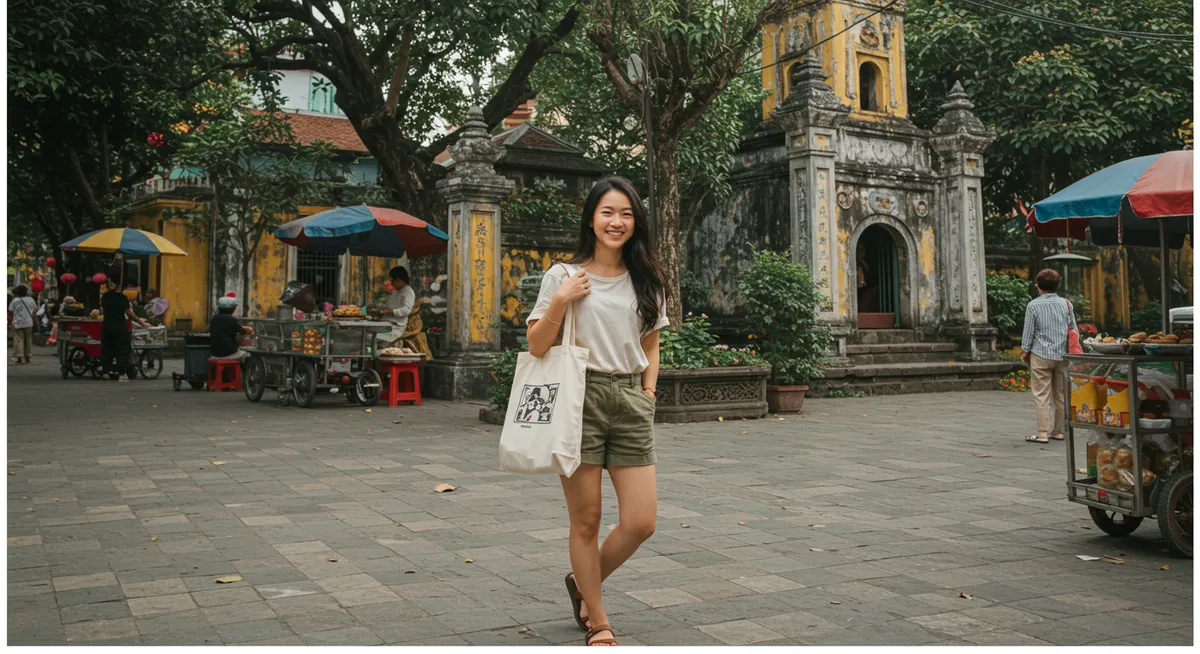
- Bottoms: Opt for capri pants, linen trousers, or skirts/dresses that fall below the knee. While shorts might be comfortable for walking in Hanoi’s heat, ensure they are modest and knee-length if you plan to visit religious sites.
General Modesty in Public
Beyond religious sites, a general sense of modesty in your everyday walking tour attire is appreciated throughout Hanoi. Vietnamese culture, while modernizing, still values conservative dress, especially in public spaces. Locals typically dress quite modestly, even in warm weather. You’ll observe women often wearing long-sleeved shirts or light jackets and long trousers or skirts, even on scooters.
Embracing a slightly more covered look helps you integrate more seamlessly into the local environment. It can lead to more natural interactions and fewer unwanted stares. Avoid very short shorts, mini-skirts, overly revealing tops (like low-cut necklines or bare midriffs), or excessive beachwear away from specific beach areas (which Hanoi doesn’t have anyway!).
The Art of Smart-Casual for Enhanced Experience
Think “smart-casual” for your Hanoi walking tour. This means comfortable, neat, and breathable clothing that isn’t overly formal but also not sloppy. Lightweight fabrics like cotton, linen, and breathable blends are perfect for Hanoi’s often hot and humid climate, allowing air circulation while keeping you covered.
- For Men: Lightweight trousers, comfortable jeans, or longer shorts paired with polo shirts, short-sleeved button-downs, or neat t-shirts work well.
- For Women: Maxi dresses, midi skirts, capris, linen trousers, and breathable blouses or t-shirts are excellent choices.
This style of dress allows you to comfortably navigate bustling streets, enjoy street food, enter cafes, and even venture into nicer restaurants or cultural performances without feeling out of place. It demonstrates respect and a willingness to understand the local way of life, enhancing your entire Hanoi walking experience.
Weather-Wise Dressing with Respect
Hanoi’s distinct seasons influence your wardrobe choices, but the principle of respectful dress remains constant.
- Hot & Humid (May – September): Prioritize loose-fitting, natural fabrics that dry quickly. Long-sleeved linen shirts or dresses can actually feel cooler than short sleeves in direct sun, offering both sun protection and modesty.
- Cooler (December – February): Layering is key. You’ll still want comfortable trousers or jeans, and can add sweaters, light jackets, or even a warmer coat depending on the day. Modesty is easily maintained with warmer layers.
- Shoulder Seasons (March-April, October-November): These are often pleasant, allowing for a mix of light layers. Always have that versatile scarf handy for sudden temple visits or a cooler breeze.
By dressing with respect for local customs, you’re not just following rules; you’re opening yourself up to a deeper, more meaningful connection with the vibrant culture of Hanoi.
Pro Tips for a Comfortable & Enjoyable Hanoi Walk
💡 Pro Tip: Book your Hanoi adventures in advance through Viator for the best deals!
Navigating Hanoi’s charming, bustling streets on foot is undoubtedly the best way to experience its vibrant pulse. To ensure your walking adventures are as comfortable and enjoyable as possible, a little preparation goes a long way. Here are some expert tips tailored specifically for a Hanoi walking tour, helping you embrace the city’s unique energy without breaking a sweat – or getting soaked!
Layering: Your Golden Rule for Hanoi’s Climate
Hanoi’s weather can be surprisingly fickle, especially during the shoulder seasons (spring and autumn) and even within a single day. Mornings might start cool and damp, quickly warming up to humid midday heat, only for evenings to bring a refreshing, sometimes chilly, breeze. The key? Layers!
- Light Base Layer: Start with a thin, breathable t-shirt.
- Mid-Layer: A light long-sleeved shirt, a thin cardigan, or a fleece vest works perfectly for cooler mornings or air-conditioned indoor stops.
- Outer Layer: A lightweight, packable rain jacket or windbreaker is invaluable. It’s not just for rain; it offers protection against wind and can serve as an extra layer if temperatures drop unexpectedly.
This approach allows you to easily adjust your clothing as the day’s temperature fluctuates, ensuring you’re comfortable whether you’re exploring the Old Quarter’s narrow alleys or relaxing by Hoan Kiem Lake.
Fabric Choices: Prioritize Quick-Dry and Moisture-Wicking
Hanoi’s humidity is a constant companion, regardless of the season. Cotton, while comfortable in dry climates, absorbs sweat and moisture, staying damp and heavy – a recipe for discomfort and chafing. Instead, opt for:
- Technical Fabrics: Look for shirts, shorts, and even underwear made from polyester, nylon, merino wool, or blends designed for activewear. These materials excel at wicking sweat away from your skin, drying quickly, and reducing odor.
- Breathability: Choose looser fits that allow air circulation, especially crucial during the hotter months (May to September).
Insect Repellent: A Small Bottle, Big Protection
Mosquitoes are a reality in tropical climates like Hanoi, especially during the warmer, more humid months and around dawn or dusk. A few bites can quickly spoil a pleasant evening stroll. Carry a small bottle of insect repellent with you and apply it to exposed skin, particularly around your ankles and arms. You can easily purchase effective local repellents at pharmacies or convenience stores across Hanoi.
Small Towel or Bandana: Your Multi-Purpose Companion
A small, quick-drying towel or a simple bandana might seem like an odd suggestion, but it’s incredibly useful in Hanoi. Use it to:
- Wipe away sweat during a hot afternoon walk.
- Dab your face after a sudden shower.
- Provide sun protection for your neck or head.
- Act as a makeshift barrier if you need to sit on a less-than-clean surface.
Power Bank: Keep Your Memories Alive
Hanoi is incredibly photogenic, from its ancient temples and colonial architecture to its bustling street food scene and vibrant markets. You’ll be snapping photos and videos constantly, using navigation apps, and perhaps translating menus. A fully charged power bank is non-negotiable to ensure your phone or camera battery doesn’t die mid-adventure. There’s nothing worse than missing that perfect shot because your battery gave up!
Local Insight: Where to Find Forgotten Essentials or Local Style
Forgot something? No worries, Hanoi has you covered! You can find almost anything you need:
- Convenience Stores: Chains like Circle K, VinMart, and FamilyMart are ubiquitous and stock basics like toiletries, snacks, water, and often small travel accessories.
- Pharmacies (Nhà Thuốc): Easily recognizable by their green crosses, these are excellent for insect repellent, sun cream, and basic medical supplies.
- Local Markets: For affordable and quick clothing fixes or to embrace a bit of local style, head to markets like Dong Xuan Market or the various smaller fabric and clothing stalls scattered around the Old Quarter. You might even find some surprisingly comfortable and breathable local apparel.
By keeping these tips in mind, you’ll be well-prepared to fully immerse yourself in the sights, sounds, and flavors of Hanoi on foot, ensuring a comfortable and truly unforgettable experience.
Connecting Your Wardrobe to the Hanoi Experience
Your wardrobe is more than just fabric on your back; it’s a crucial tool for unlocking the full magic of a Hanoi walking tour. Being thoughtfully dressed isn’t just about looking good; it’s about optimizing your comfort, blending seamlessly into the city’s vibrant tapestry, and gaining the confidence to explore every facet of this captivating destination, from bustling street food alleys to serene ancient temples.
Enhancing Your Walking Tour Experience
Hanoi is a city best explored on foot. Long stretches of walking through the Old Quarter’s labyrinthine streets, around Hoan Kiem Lake, or between historical sites demand practical attire. Comfortable, breathable clothing ensures you can endure the humidity and heat, allowing you to focus on the sights, sounds, and smells without distraction. When you’re comfortable, you’re free to linger longer at a street vendor, follow a captivating alleyway, or simply soak in the atmosphere, making for a richer, more immersive experience.
Dressing with a nod to local sensibilities also fosters a deeper connection. Hanoians generally dress neatly and practically. By choosing comfortable yet respectful attire, you signal an appreciation for local culture. This can lead to more genuine interactions, as you feel less like an obvious tourist and more like a temporary local. Whether you’re navigating the chaotic charm of a market or enjoying a quiet moment in a pagoda, blending in helps you feel more at ease and allows for a more authentic engagement with daily life.
Your attire impacts your confidence when visiting diverse sites. From the bustling energy of a pho stall where you’ll be squatting on a tiny plastic stool, to the serene grandeur of the Temple of Literature or Ngoc Son Temple, your outfit influences your comfort and freedom of movement. Appropriate dress, particularly covering shoulders and knees, is essential for showing respect at sacred sites, ensuring you can enter and fully appreciate these cultural treasures without concern.
Navigating Hanoi’s Seasons & Practical Tips
Hanoi’s tropical climate means humidity is almost a constant companion, but seasonal variations significantly impact your packing list:
- Summer (May – September): This is the hottest and wettest period. Expect high temperatures, intense humidity, and sudden, heavy downpours. Lightweight, moisture-wicking fabrics are crucial.
- Autumn (October – November): Often considered the most pleasant season for walking tours, with milder temperatures, lower humidity, and less rain. Ideal for extended explorations.
- Winter (December – February): Surprisingly cool, especially in the mornings and evenings, and can feel chilly. A light jacket or sweater is often needed, particularly for early morning street food adventures.
- Spring (March – April): Mild and humid, with occasional drizzles, leading to a generally comfortable walking climate.
Actionable Wardrobe Recommendations:
- Footwear is King: Above all, invest in comfortable, broken-in walking shoes or sneakers. You’ll be navigating uneven pavements, stepping over countless motorbikes, and clocking significant miles. Leave the fancy heels at home.
- Breathable Fabrics: Opt for natural materials like cotton, linen, rayon, or bamboo, which breathe well and help manage humidity. Synthetic blends designed for activewear can also be excellent for wicking away sweat.
- Modesty for Temples: Always carry a light scarf or sarong. While daily wear is casual, you’ll need to cover your shoulders and knees to enter temples and pagodas. Many have signs requesting modest dress, and some may deny entry if you’re not appropriately covered.
- Rain Preparedness: A lightweight, packable rain jacket or a compact umbrella is a must-have, especially during the rainy season, but even in dry months, sudden showers can occur.
- Sun Protection: A wide-brimmed hat, sunglasses, and reef-safe sunscreen are invaluable for protecting yourself from Hanoi’s strong sun during long hours outdoors.
- Layering: Even in hot months, a light layer can protect from sun or offer warmth in air-conditioned interiors. In cooler months, layers are essential for adapting to temperature changes throughout the day.
- Blend, Don’t Impose: While there’s no strict dress code for daily wear, Hanoians dress practically and neatly. Avoiding overly flashy or revealing attire will help you feel more at ease and respectful within the local context.
Frequently Asked Questions
Q: Are sandals suitable for free walking tours in Hanoi?
A: Yes, comfortable and supportive sandals can be suitable, especially during the hot summer months. However, ensure they offer good grip and support for uneven pavements. It’s always wise to pack a pair of closed-toe shoes as well for cooler days, rain, or if you prefer more protection.
Q: Do I need special clothes for temples and pagodas in Hanoi?
A: Yes, absolutely. When visiting religious sites like pagodas or temples, it’s essential to dress modestly. This means covering your shoulders and knees. Carrying a light scarf or sarong is a practical way to ensure you can quickly cover up when needed, allowing you to easily transition from street exploration to cultural sites.
Q: How much water should I carry on a Hanoi walking tour?
A: Given Hanoi’s heat and humidity, especially from May to September, staying hydrated is crucial. It’s recommended to carry at least 1-1.5 liters of water, especially if you plan to walk for several hours. While bottled water is readily available from street vendors, carrying a reusable bottle can help reduce plastic waste.
Preparing your wardrobe for a Hanoi walking tour is more than just packing clothes; it’s about setting yourself up for an immersive, comfortable, and unforgettable experience. By understanding Hanoi’s climate, respecting its culture through your attire, and equipping yourself with the right gear, you’ll be ready to embrace every step of your urban adventure. So, pack smart, step out confidently, and let Hanoi’s captivating charm unfold before you, one fascinating street at a time!