
Hoi An Photo Walk: Essential Tips for Stunning Shots (2026)
Unlock Hoi An’s photogenic charm on foot! Get expert tips on gear, best spots, lighting, and local insights for an unforgettable photography walking tour experience.
On this page
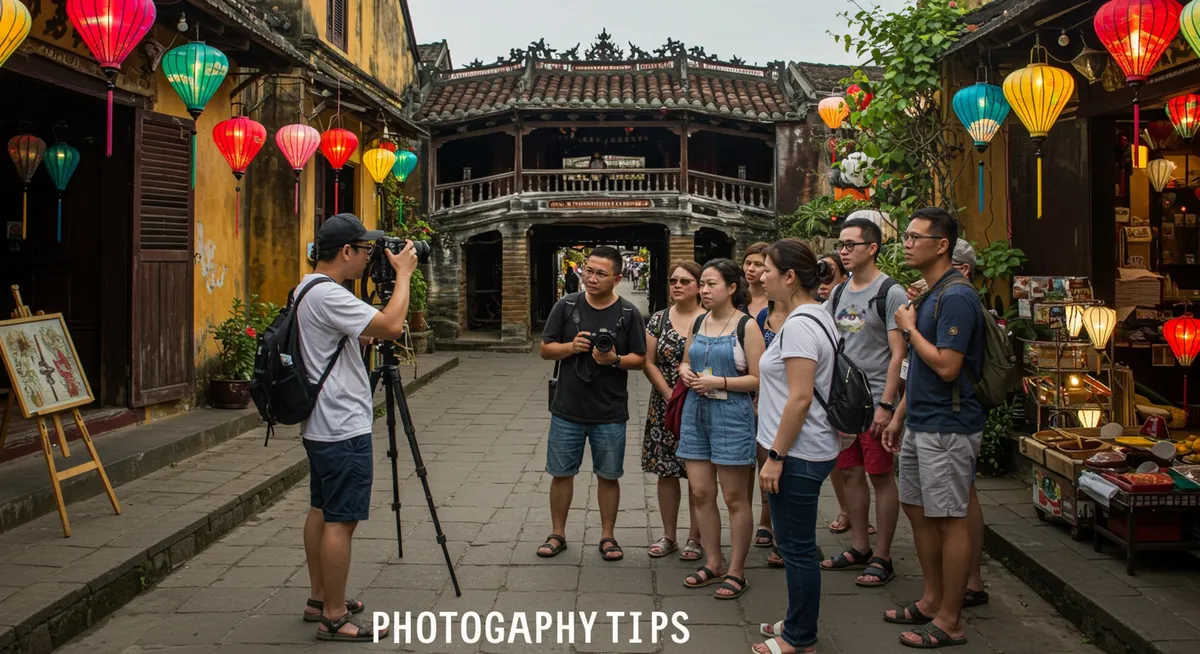
Hoi An, with its ancient yellow walls, vibrant lanterns, and serene river, is a living canvas for photographers. While its beauty is undeniable from any vantage point, there’s a unique magic to discovering its visual treasures on foot. A walking tour in Hoi An isn’t just about seeing; it’s about immersing yourself, feeling the pulse of the town, and capturing its essence through your lens. This guide will equip you with practical tips and local insights to make your Hoi An photography walking tour both rewarding and memorable.
Key Tips and Takeaways
- Prioritize golden and blue hours for the best light and atmosphere.
- Pack light but include extra batteries and memory cards.
- Always ask permission for close-up portraits and be respectful.
- Look beyond the obvious landmarks for unique compositions and local life.
- Stay hydrated, wear comfortable shoes, and be mindful of your surroundings.
- Embrace the slow pace of walking to discover hidden gems and perfect shots.
Why Hoi An is a Photographer’s Dream on Foot
Hoi An isn’t just a picturesque town; it’s a living canvas, and there’s no better way to capture its soul through your lens than on foot. Every corner offers a new perspective, a fresh burst of colour, or a captivating scene waiting to be immortalized. For photographers, a walking tour transforms the experience from passive sightseeing into an active pursuit of light, composition, and authentic moments.
The town’s unique visual charm is unparalleled. Its signature warm yellow walls, adorned with dark wooden shutters and vibrant potted plants, create a consistent, beautiful backdrop that’s instantly recognizable. Ancient shophouses blend Chinese, Japanese, and French colonial influences, offering intricate architectural details at every turn. As dusk settles, Hoi An transforms into a wonderland of glowing silk lanterns. Hundreds, if not thousands, of these handcrafted beauties illuminate the streets and reflect enchantingly on the Thu Bon River, providing endless opportunities for stunning low-light and long-exposure shots.
A walking tour affords you the luxury of a slow, deliberate pace. This is crucial for photography. You can pause, observe, and wait for the perfect moment – whether it’s a vendor arranging her wares, a tailor meticulously working on a garment, or children playing by the river. This unhurried exploration allows you to meticulously compose your shots, experiment with angles, and truly understand the rhythm of daily life unfolding around you. Vehicles are restricted in much of the Ancient Town, making walking the only way to truly immerse yourself.
Perhaps one of the greatest advantages of exploring Hoi An on foot is the access it grants to its myriad narrow alleys and hidden pathways. These charming, often vine-covered passages are inaccessible to cyclos or motorbikes and lead to quiet residential areas, traditional workshops, quaint cafes, and local eateries that offer authentic, less-crowded photographic opportunities. You’ll find candid moments of locals going about their day, away from the main tourist thoroughfares, providing a deeper, more intimate glimpse into Hoi An’s heart.
Practical Photography Tips for Your Hoi An Walking Tour:
- Best Time to Shoot: For the most magical light and fewer crowds, aim for early morning (6-8 AM) when locals are setting up and the light is soft. Late afternoon/dusk (4-7 PM) is ideal for capturing the golden hour glow and the spectacular lantern display as they begin to light up. The “blue hour” just after sunset provides a stunning ambient light.
- Comfortable Footwear is Key: You’ll be doing a lot of walking on cobblestone streets and uneven paths. Opt for breathable, comfortable shoes to avoid fatigue.
- Stay Hydrated: Hoi An can be hot and humid. Carry a reusable water bottle to stay refreshed throughout your exploration.
- Gear Essentials: A versatile zoom lens (e.g., 24-70mm or 18-135mm) will cover most situations. For captivating low-light shots of lanterns, consider a fast prime lens (f/1.8 or wider) or a small tripod/gorilla pod for longer exposures. Don’t forget extra batteries and a microfiber cloth for humidity.
Making the Most of Your Shots:
- Look Up, Down, and Around: Beyond the obvious, seek out interesting details like intricate roof tiles, hanging laundry, or reflections in puddles after rain.
- Engage Respectfully: When photographing locals, always try to make eye contact and offer a polite smile or a simple “Xin chào” (hello) to ask for permission, especially for close-up portraits.
- Embrace the Unexpected: Some of the best photos are spontaneous. Be ready for fleeting moments – a child’s laughter, a passing boat, or a quirky street art discovery.
- Cross the Bridges: The iconic Japanese Covered Bridge and the An Hoi Bridge (connecting the Ancient Town to An Hoi Islet) offer fantastic vantage points for river shots and townscapes.
- Explore Side Streets: Don’t stick to the main drag. Veer off into the narrow lanes to discover hidden courtyards, quiet temples, and authentic local life.
By embracing the slow pace and intimate access a walking tour provides, you’ll unlock Hoi An’s full photographic potential, returning home with not just images, but cherished memories of its captivating beauty.
Pre-Tour Photography Prep: What to Pack & Plan
Embarking on a walking photography tour in Hoi An is an absolute dream, but like any great adventure, it requires smart preparation. To ensure you capture every magical moment while staying comfortable and energized amidst the ancient town’s charm, here’s a comprehensive guide to what to pack and how to plan before you even step out the door.
Essential Camera Gear for Hoi An’s Charm
Hoi An is a feast for the eyes, offering countless photographic opportunities from bustling market scenes to tranquil lantern-lit evenings. Your gear choices will significantly impact your experience:
- Versatile Zoom Lens: While a prime lens offers stunning clarity, for a walking tour, a versatile zoom (e.g., 24-70mm equivalent or a superzoom like 18-200mm) is your best friend. It allows you to swiftly switch from wide-angle shots of the Japanese Covered Bridge to capturing intimate details of ancient houses or candid portraits of locals, all without changing lenses. This saves time and minimizes dust exposure.
- Extra Batteries: This is non-negotiable! Hoi An’s beauty will have you snapping away more than you expect, especially during the golden hour and at night when longer exposures drain power faster. Pack at least two fully charged spares.
- Ample Memory Cards: Ensure you have plenty of storage. It’s better to have too many than run out when that perfect lantern reflection or street vendor shot appears. Consider multiple smaller cards (e.g., 32GB or 64GB) rather than one large one, as it mitigates risk in case a card gets corrupted.
- Small, Lightweight Tripod: For those enchanting evening shots of lanterns glowing over the Thu Bon River, or capturing the stillness of ancient temples, a small, portable tripod (like a GorillaPod or a compact travel tripod) is invaluable. It’s light enough not to burden you on a walking tour but sturdy enough for low-light stability.
- Power Bank: Beyond your camera, your smartphone will likely be used for navigation, quick snaps, and social sharing. A fully charged power bank ensures your devices stay alive throughout your day of exploration.
Personal Comfort & Safety Essentials
Hoi An’s tropical climate and historic cobblestone streets demand practical considerations for your comfort:
- Comfortable Walking Shoes: This cannot be stressed enough. You’ll be covering significant ground on uneven surfaces. Leave the fancy sandals for dinner and opt for breathable, supportive sneakers or walking sandals. Your feet will thank you!
- Light, Breathable Clothing: Hoi An is warm and humid for most of the year. Pack lightweight, quick-drying fabrics. Long sleeves can also offer sun protection.
- Hat & Sunscreen: The Vietnamese sun can be intense. Protect yourself from sunburn and heatstroke with a wide-brimmed hat and high-SPF sunscreen.
- Reusable Water Bottle: Staying hydrated is crucial. There are plenty of cafes and shops where you can refill, reducing plastic waste while keeping you refreshed.
- Small, Secure Backpack: A lightweight daypack is perfect for carrying your camera gear, water bottle, and other essentials. Choose one that’s comfortable for extended wear and ideally has anti-theft features or can be worn on your front in crowded areas.
Pre-Tour Research & Shot Planning
Maximize your photographic output by doing a little homework:
- Research Locations: Before you go, use Google Maps, Instagram (search #HoiAnAncientTown, #HoiAnLanterns), and travel blogs to identify key landmarks and picturesque spots. Pin them on your map to help you navigate and prioritize.
- Visualize Shot Ideas: Think about the types of photos you want to capture – iconic landmarks like the Japanese Bridge, intricate details of old houses, candid street scenes, vibrant market life, or the magical glow of lanterns at night. Consider different times of day; early mornings offer soft light and fewer crowds, while evenings bring the spectacular lantern display.
- Cultural Sensitivity: When photographing locals, especially vendors or craftsmen, always ask for permission first, even if it’s just with a gesture and a smile. A respectful approach often leads to more genuine and memorable interactions, and ultimately, better photographs.
By preparing thoroughly, you’ll be ready to fully immerse yourself in Hoi An’s magic, ensuring a comfortable and incredibly rewarding photographic journey.
Timing is Everything: Chasing the Best Light in Hoi An
⭐ Recommendation: Don't miss out on amazing Hoi An tours - book now!
In Hoi An, where every alleyway seems painted with history and every reflection tells a story, mastering your photography often comes down to one crucial element: timing. Chasing the right light isn’t just about beautiful photos; it’s about experiencing the Ancient Town in its most magical and often, least crowded, states.
The Golden Hours: Sunrise & Sunset Spectacles
For that quintessential soft, warm glow that makes Hoi An’s mustard-yellow walls and terracotta roofs truly sing, you’ll want to target the “golden hours.”
- Sunrise (approx. 5:30 AM – 6:30 AM): This is arguably the best time for a walking tour photographer. The light is incredibly gentle, casting long, ethereal shadows across the empty streets. Crucially, the crowds are minimal. You can capture the iconic Japanese Covered Bridge, the silent Hoai River, and the quaint shopfronts without hordes of tourists in your frame. It’s a serene experience, allowing you to truly soak in the tranquility of the Ancient Town waking up. Don’t forget to grab a Vietnamese coffee from a street vendor as the town stirs.
- Sunset (approx. 5:30 PM – 6:30 PM): As the sun dips, Hoi An transforms into a vibrant canvas. The light turns intensely warm, bathing the architecture in rich oranges and pinks. This is an ideal time to photograph the reflections on the Thu Bon River and capture the initial flicker of lanterns coming to life. While more crowded than sunrise, strategically position yourself along the riverbanks or on the bridges to frame stunning shots of boats, bustling activity, and the changing sky.
The Magical Blue Hour: Lanterns Aglow
Just after sunset, as the last vestiges of daylight fade and before true darkness descends, lies the “blue hour” (approx. 6:30 PM – 7:30 PM). This is when Hoi An truly earns its nickname “City of Lanterns.” The deep blue sky perfectly contrasts with the warm, glowing lanterns, creating a magical, almost dreamlike atmosphere. For walking tour photographers:
- Embrace the Glow: Focus on the lantern-lined streets, the illuminated Japanese Covered Bridge, and the boats adorned with colourful lights on the river.
- Gear Up: A tripod is highly recommended for longer exposures to capture the vibrancy of the lanterns without motion blur. If you don’t have one, find a stable surface to rest your camera.
- Be Patient: This is a popular time, so be prepared to wait for clear shots or compose your images to include the gentle bustle, which can add to the charm.
Navigating the Midday Sun: Challenges & Opportunities
From late morning to mid-afternoon (approx. 10:00 AM – 3:00 PM), the sun in Hoi An can be harsh, creating strong contrasts and blown-out highlights. This is a good time for a walking tour break, perhaps enjoying a cooking class or exploring an indoor museum.
- Seek Shade: Utilise the deep eaves of the ancient houses, the cool interiors of temples, or the shade provided by trees to find softer, more even light for portraits or architectural details.
- Focus on Details: Harsh light can be great for emphasizing textures, patterns, and intricate carvings that might get lost in softer light.
- Utilize Reflections: After a rain shower, puddles on the ground can offer incredible reflective opportunities, turning the bright sky into an artistic element in your frame. The wet, shiny cobblestones also provide fantastic leading lines and reflections.
- Embrace High Contrast: Sometimes, the dramatic shadows of midday can create powerful, graphic compositions. Consider converting these shots to black and white for a timeless feel.
By understanding and planning your walking tour around Hoi An’s natural light cycles, you’ll not only capture breathtaking images but also experience the Ancient Town in its most beautiful and evocative forms.
Navigating Hoi An’s Most Photogenic Alleys & Spots
Hoi An is a photographer’s dream, a living canvas where every corner seems to tell a story. While the main landmarks are undeniably beautiful, the true magic of capturing Hoi An lies in its hidden alleys, subtle details, and vibrant everyday life. A walking tour is by far the best way to uncover these photographic gems, allowing you to immerse yourself in the town’s unique atmosphere at your own pace.
Ancient Town’s Yellow Walls, Wooden Doors, and Tiled Roofs
The iconic mustard-yellow walls of Hoi An’s Ancient Town are instantly recognizable. To truly capture their essence, venture beyond the main thoroughfares like Tran Phu or Nguyen Thai Hoc. Duck into the narrow side alleys – many are unnamed but lead to charming courtyards and quiet residences. Look for:
- Texture and Detail: Focus on peeling paint, intricate wooden carvings on doors, and the shadows cast by overhanging foliage. Early morning or late afternoon light (the ‘golden hour’) softens the yellow hue and enhances these textures.
- Framing: Use doorways, windows, or even potted plants to frame your subjects. A solitary bicycle leaning against a wall, or a local going about their day, can add depth and narrative.
- Rooftops: Don’t forget to look up! The ancient tiled roofs, often adorned with moss or small plants, offer a glimpse into Hoi An’s timeless character. Find a cafe with an upper-floor balcony for a unique perspective.
Lantern-Lined Streets at Night
As dusk descends, Hoi An transforms into a wonderland of glowing lanterns. This is arguably the town’s most photogenic period. The area around the Thu Bon River, particularly the pedestrianized streets, comes alive with thousands of silk lanterns of all shapes and sizes.
- Reflections and Bokeh: The soft glow of lanterns creates beautiful reflections on wet streets after a light rain, or in the river itself. Experiment with wide apertures to create pleasing bokeh (blurry backgrounds) with the myriad lights.
- Candid Moments: Capture the silhouettes of people walking past, the gentle movements of sampan boats adorned with lanterns, or the joyful faces of children.
- Low Light Tips: A tripod is ideal, but if you don’t have one, find a stable surface (a wall, a pillar) to lean against for sharper shots. Boost your ISO settings and consider a wider lens to capture more of the magical atmosphere.
Thu Bon River for Reflections and Boat Activity
The lifeblood of Hoi An, the Thu Bon River, offers endless photographic opportunities from dawn till dusk. Early morning sees the river shrouded in mist, with local fishermen beginning their day. In the evening, the river mirrors the lantern-lit town, creating a stunning visual symphony.
- Golden Hour Glow: Both sunrise and sunset paint the river in spectacular hues, perfect for capturing silhouettes of boats and their reflections.
- Daily Life: Focus on the wooden sampans carrying tourists, the smaller fishing boats, and the vendors along the riverbanks. Look for the interactions between locals and the river.
- Vantage Points: Walk along both sides of the river, cross the bridges, and even consider a short boat ride for different perspectives.
Local Markets and Street Food Stalls for Candid Shots
For vibrant, authentic photos that capture the pulse of Hoi An, head to the Hoi An Central Market, especially in the morning. Here, you’ll find a riot of colours, textures, and human activity.
- Action & Emotion: Photograph vendors arranging their produce, the steam rising from street food stalls, or the expressions of shoppers.
- Respectful Photography: Always be mindful and respectful when photographing locals. A smile and a gesture often go a long way. For close-up portraits, it’s polite to ask permission. Sometimes a small purchase from their stall can open doors.
- Details: Don’t just focus on the wide shots. Zoom in on piles of colorful spices, fresh herbs, exotic fruits, or the intricate process of making local delicacies like Cao Lau or Banh Mi.
Japanese Covered Bridge & Hidden Interiors
The iconic Japanese Covered Bridge is a must-see, but its popularity means it can be crowded. Visit early morning to capture it without hordes of tourists. Beyond this landmark, actively seek out the unique interiors of Hoi An:
- Beyond the Bridge: Explore the small temple inside the bridge for its intricate carvings and quiet ambiance. Capture the bridge from different angles along the river.
- Hidden Cafes: Hoi An is dotted with charming cafes tucked away down narrow lanes. Many have beautifully decorated interiors with antique furniture, vibrant tiles, and quirky details. A quick coffee offers a perfect opportunity to capture these unique spaces.
- Tailor Shops: Even if you’re not getting clothes made, peek into the tailor shops. The rolls of colorful fabrics, the whirring sewing machines, and the skilled tailors at work provide wonderful photo opportunities. Always ask if it’s okay to take photos inside.
Making the Most of Your Walking Tour
- Comfort is Key: Wear comfortable walking shoes. You’ll be covering a lot of ground!
- Hydrate: Hoi An can be humid. Carry a reusable water bottle.
- Go Beyond the Guidebook: Don’t just follow a set route. Allow yourself to get wonderfully lost in the labyrinth of alleys. Some of the best photos are found when you stumble upon an unexpected scene.
- Patience: Good photos often require patience. Wait for the right light, the right moment, or for people to move out of your shot.
- Look Up, Look Down, Look Around: Details are everywhere – from the intricate patterns on floor tiles to the vibrant bougainvillea spilling over ancient walls.
Mastering Photography Techniques on the Go
Hoi An is a photographer’s dream, a vibrant canvas teeming with life, colour, and captivating light. On a walking tour, you’ll be constantly presented with incredible photo opportunities. Mastering a few key techniques on the go will elevate your snaps from simple souvenirs to stunning visual stories.
Composition: Framing the Magic
- Rule of Thirds: Imagine your frame divided into nine equal sections by two horizontal and two vertical lines. Place your subject (like a local vendor, a specific lantern, or even the iconic Japanese Covered Bridge) along these lines or at their intersections for a more dynamic and engaging shot than just centering it.
- Leading Lines: Use the natural lines of Hoi An’s architecture and waterways to guide the viewer’s eye through your photo. Think about the ancient street alleys leading into the distance, the railing of the An Hoi Bridge, or the reflections of boats on the Thu Bon River drawing attention to a focal point.
- Framing: Look for natural frames that add depth and context. Hoi An offers endless opportunities with its ornate doorways, archways, bustling shop windows, or even the gaps between buildings, all perfect for framing a scene or subject.
- Symmetry: The town’s beautiful architecture, particularly around the Assembly Halls and reflected in the calm waters of the river during the early morning or evening, offers fantastic symmetrical compositions. Play with reflections for striking visual balance.
The Exposure Triangle: Mastering Light
Quick adjustments to your camera’s settings are key when moving through varied light conditions and subjects.
- Aperture (Depth of Field): Use a wide aperture (smaller f-number like f/1.8-f/2.8) to blur the background, making subjects like a vibrant lantern, a street food dish, or a portrait of a local tailor pop. For sweeping shots of the ancient town or river, a narrower aperture (larger f-number like f/8-f/11) will keep everything in sharp focus.
- Shutter Speed (Motion Blur vs. Sharpness):
- Fast Shutter (e.g., 1/250s or faster): Essential for freezing action, such as cyclos navigating the streets, children playing, or vendors at their stalls.
- Slow Shutter (e.g., 1/30s or slower): Experiment with motion blur to convey movement, like the serene flow of the river or the light trails of boats and motorbikes at dusk. Be mindful to keep your camera as stable as possible, using a railing or even leaning against a wall if a tripod isn’t practical on the go.
- ISO (Light Sensitivity): Keep your ISO as low as possible (e.g., 100-400) in bright daylight for the cleanest images. As the light fades or you step into shaded areas, you’ll need to increase your ISO (e.g., 800-3200) to maintain proper exposure, but be aware that higher ISO introduces more digital noise.
Colour Accuracy & Candid Street Life
- White Balance: Hoi An’s lighting changes dramatically throughout the day – from golden morning light to the warm glow of electric lanterns at night. Your camera’s auto white balance is often good, but manually selecting a preset (like ‘Cloudy’ on an overcast day or ‘Tungsten’ for indoor lighting) or even setting a custom white balance can ensure your photos capture the true, vibrant colours of the town’s yellow walls and colourful silks.
- Capturing Candid Street Life: The essence of Hoi An lies in its everyday moments. Be patient and observant. Look for unposed interactions, the craftsmanship of tailors, or the quiet dedication of street food vendors. Shoot from the hip occasionally to be less intrusive, or pre-focus and wait for the moment to unfold. Always be respectful; a quick nod or a smile can go a long way. The key is to blend in and capture authentic moments as they happen around you, rather than interrupting the flow of daily life.
Engaging with Locals: Ethical Photography & Cultural Sensitivity
⭐ Recommendation: Don't miss out on amazing Hoi An tours - book now!
Hoi An is a photographer’s dream, brimming with ancient charm, vibrant markets, and incredibly welcoming people. As you wander the lantern-lit streets and bustling alleys on your walking tour, you’ll undoubtedly feel the urge to capture every beautiful scene. However, a truly enriching experience goes beyond just snapping photos; it involves respectful interaction and cultural sensitivity, especially when photographing locals.
The Golden Rule: Always Ask for Permission
While candid street photography can be compelling, the most meaningful shots often come from a connection with your subject. This is particularly true for portraits, especially close-ups of individuals. Whether it’s an elderly lady selling fruit by the Thu Bon River, a tailor meticulously sewing a dress, or an artisan crafting lanterns, their livelihood and personal space deserve utmost respect.
- Acknowledge First: Before you even raise your camera, make eye contact and offer a warm smile. A friendly nod or gesture can go a long way.
- Learn Basic Phrases: A little effort goes a long way in showing respect. Say “Xin chào” (Sin Chow – Hello) to get their attention. Then, you can gesture to your camera and ask, “Chụp ảnh được không?” (Choop Ahn Doork Kong? – Can I take a photo?). Don’t worry if your pronunciation isn’t perfect; the effort is genuinely appreciated by locals.
- Respect Their Answer: If they nod or smile, proceed respectfully. If they decline or show discomfort with a shake of the head or a clear gesture, politely say “Cảm ơn” (Gahm Uhn – Thank you) and immediately move on. Their decision must always be respected without question or disappointment.
Engaging Beyond the Lens: Building Connections
Ethical photography isn’t just about permission; it’s about the interaction itself. On a walking tour, you’re not just an observer but a visitor in someone’s daily life. Make the encounter a positive exchange that benefits everyone.
- Offer to Show Photos: After taking a picture, offer to show the subject the result on your camera’s screen. This small gesture often brings genuine smiles and can be a wonderful moment of shared connection, bridging cultural gaps through a simple image.
- Consider a Purchase: If you’re photographing a vendor or artisan, consider making a small purchase from them (e.g., a local snack, a small lantern, a piece of silk). This acknowledges their work and provides tangible support, transforming a simple photo opportunity into a mutually beneficial interaction that directly contributes to the local economy.
- Be Mindful of Context: Avoid taking photos of people who are clearly busy, in a private moment, or appear distressed or tired. For instance, while the Hoi An Central Market is vibrant, try to avoid intrusive shots of vendors during peak business hours or when they’re handling personal matters.
Avoiding Intrusive Photography
On a busy walking tour, it’s easy to get caught up in the moment. However, remember that not all moments are meant for your lens, and some situations require extra discretion.
- Respect Privacy: Be particularly careful when photographing inside temples (always check for signs regarding photography), private homes, or when people are eating or relaxing in cafes. Avoid pointing your lens directly into open doorways or windows of residences.
- Be Discreet: If you’re attempting a more candid shot of a general scene (e.g., people walking through a bustling street), do so discreetly without drawing undue attention to yourself or your subjects. Use a zoom lens if necessary to maintain distance, rather than getting too close.
- Understand the Setting: Hoi An’s charm lies in its authenticity and the daily lives of its people. By being respectful and mindful, you contribute positively to the local atmosphere, ensuring that your photography enhances, rather than detracts from, the experience for everyone. Your thoughtful approach will not only yield more genuine photographs but also foster goodwill and positive memories for both you and the locals you encounter, making your Hoi An walking tour truly unforgettable.
Beyond the Lens: Staying Safe & Comfortable on Your Walk
While Hoi An’s ancient lanes beckon with countless photographic opportunities, navigating them comfortably and safely requires a few practical considerations beyond just framing your perfect shot. Being prepared for the local climate, traffic, and interactions will significantly enhance your walking tour experience.
Stay Hydrated & Protected from the Sun
Hoi An’s tropical climate means humidity and heat are constants, especially during the middle of the day. Dehydration can quickly sap your energy and enthusiasm. Always carry a reusable water bottle; many cafes and guesthouses are happy to refill it for you, helping you stay refreshed and eco-conscious. The sun can be surprisingly fierce, even on cloudy days. Protect yourself with:
- A wide-brimmed hat or cap: Essential for keeping the sun off your face and neck.
- High-SPF sunscreen: Apply liberally to all exposed skin, and reapply throughout the day, especially if you’re sweating.
- Sunglasses: Protect your eyes from the bright glare.
- Light, breathable clothing: Opt for natural fabrics like cotton or linen that allow air circulation. Consider long sleeves and trousers for extra sun protection without overheating.
Navigate the Lanes Like a Local
Even in the seemingly tranquil Ancient Town, you’ll encounter a symphony of two-wheeled traffic. While certain hours (typically 9 AM – 11 AM and 3 PM – 9:30 PM) restrict motorbikes and cars in the core, bicycles, cyclos, and even the occasional motorbike still navigate the narrow lanes. Awareness is key:
- Stay alert: Always look both ways, even on one-way streets, and be mindful of your surroundings, especially when stepping out from shops or cafes.
- Walk defensively: Assume motorbikes and cyclists might not see you. Make eye contact if possible.
- Keep to one side: Try to stick to the right side of the lane, allowing others to pass.
- Be patient: The pace of life is slower here, but traffic can still be chaotic. Take a deep breath and go with the flow.
Secure Your Camera Gear & Valuables
For photographers, protecting your precious equipment is paramount. Hoi An is generally safe, but common-sense precautions are always wise:
- Keep your camera secure: A cross-body or sling bag worn in front of you is ideal for quick access and security. Avoid letting expensive gear dangle loosely behind you.
- Mind your surroundings: When setting up a shot, be aware of people passing by, especially in crowded market areas.
- Rain protection: A sudden tropical downpour can happen. A small rain cover for your camera bag is a smart addition, even if you don’t expect rain.
- Valuables: Keep passports, excess cash, and credit cards securely stored in your hotel safe. Carry only what you need for the day.
Carry Small Denominations of Local Currency
Vietnamese Dong (VND) is the currency of choice. While larger shops and restaurants accept cards, many street food vendors, market stalls, and small souvenir shops prefer or even require cash. Always carry small denominations (10,000 VND, 20,000 VND, 50,000 VND, and 100,000 VND notes) for:
- Small purchases: Water, snacks, coffee, or a quick souvenir.
- Ease of transaction: Vendors may struggle to break large notes (e.g., 500,000 VND) for small purchases.
- Tipping: A small amount for a cyclo driver or helpful service.
Politely Decline Persistent Vendors
Hoi An’s charm comes partly from its vibrant market culture, meaning you’ll encounter many friendly vendors keen to show you their wares or offer a cyclo ride. While most are respectful, some can be persistent. A polite but firm refusal works best:
- A simple “Không, cảm ơn” (pronounced ‘kohng, gahm un’): This means ‘No, thank you’ and is usually effective.
- Gentle head shake and a smile: Often enough to convey you’re not interested without being rude.
- Don’t engage if not interested: If you make eye contact or start a conversation, they might assume you’re interested in buying. A quick, polite decline and continuing to walk is often the easiest approach.
By keeping these practical tips in mind, you’ll not only enhance your safety and comfort but also free your mind to truly soak in the timeless beauty of Hoi An, capturing those perfect shots with ease and confidence.
Integrating Your Photo Walk into Hoi An’s Wider Exploration
Your photography walk in Hoi An isn’t just an isolated activity; it’s a golden thread that can weave through and enrich your entire exploration of this enchanting town. Far from being a standalone event, a well-planned photo walk can beautifully complement your other Hoi An experiences, offering unique perspectives and deeper engagement.
Imagine starting your day with an early morning photo walk through the Ancient Town, capturing the soft light on ochre walls and the quiet bustle of vendors setting up. Once you’ve documented the market’s vibrant energy, seamlessly transition into a local cooking class, perhaps one that sources ingredients directly from the market you just photographed. This integration offers a tangible connection between your visual storytelling and culinary adventure.
Similarly, an afternoon photo walk focusing on the Thu Bon River and its surrounding life can naturally lead into a serene sunset boat tour. Your camera, having just captured the river’s daily rhythms, will be ready to seize the magical ‘golden hour’ reflections and the twinkling lanterns that illuminate the water. For those keen to explore beyond the Ancient Town’s core, consider a cycling trip to Tra Que Vegetable Village or An Bang Beach. These excursions offer distinct photographic opportunities – from the verdant fields and working farmers to the rustic fishing boats and beachside serenity – that can then be incorporated into a more extended, multi-location photo walk, showcasing the diverse facets of Hoi An life.
When considering your approach, you have two primary options: a self-guided exploration or joining an organized photography walking tour. Both offer distinct advantages:
- Self-Guided Freedom: This allows ultimate flexibility. You can linger longer at a spot that inspires you, change your route spontaneously, and truly follow your own photographic intuition. For this, ensure you have offline maps, fully charged batteries, and a comfortable pair of walking shoes. Embrace getting a little lost; often, the best shots are found off the beaten path.
- Organized Tour Insights: Joining a dedicated photography walking tour, led by a local expert, provides invaluable advantages. A guide can lead you to hidden alleys, local interactions, and optimal viewpoints you might otherwise miss. They can also offer technical advice on lighting, composition specific to Hoi An’s unique architecture, and help you navigate cultural sensitivities when photographing people. This option is particularly beneficial for those looking to improve their photography skills while gaining local context.
Whichever path you choose, the key is to embrace slow travel. Hoi An, with its gentle pace and intricate details, rewards those who take their time. A photography walk inherently encourages this; it forces you to pause, observe, and truly see your surroundings. Don’t rush from one checklist item to the next. Instead, allow yourself to be captivated by the aroma of street food, the sound of traditional music, or the laughter of children playing. These authentic moments, often fleeting, make for the most compelling photographs and the most memorable travel experiences.
Practical Integration Tips for Your Walking Tour:
- Pack Light: A comfortable daypack with just your essential camera gear (extra battery, memory card), water, and sun protection (hat, sunscreen) is ideal.
- Comfortable Footwear: Hoi An’s charming streets are best explored on foot, so prioritize comfortable, broken-in shoes.
- Respectful Interaction: When photographing locals, especially portraits, always ask for permission first. A warm smile and a gesture often suffice.
- Embrace the “Golden Hours”: Early morning (before 8 AM) and late afternoon (after 4 PM) offer the softest light and fewer crowds, perfect for captivating shots.
- Stay Hydrated: Hoi An’s humidity can be intense. Carry water and take breaks in shaded cafes.
By thoughtfully integrating your photography walking tour into your wider Hoi An itinerary, you’ll not only capture stunning images but also forge a deeper, more personal connection with this truly magical destination.
Post-Tour: Processing & Sharing Your Hoi An Memories
Your incredible Hoi An walking tour has concluded, but the magic of the ancient town doesn’t have to fade away. Now, it’s time to process, refine, and share the visual stories you captured along the lantern-lit streets and vibrant riverside. These post-tour steps are essential for truly cementing your Hoi An memories.
Refining Your Shots: Basic Photo Editing
You don’t need to be a professional editor to make your Hoi An photos shine. Simple adjustments can significantly enhance your images, bringing out the vibrant colours of the lanterns, the intricate details of the ancient architecture, or the soft glow of the golden hour over the Thu Bon River. Focus on these basic tweaks:
- Exposure & Brightness: Adjust to ensure your photos aren’t too dark or overexposed, especially crucial for capturing the nuanced light of Hoi An’s evenings.
- Contrast: Enhance the difference between light and dark areas to give your images more depth and pop.
- Highlights & Shadows: Recover detail in blown-out bright spots or overly dark shadows, common when shooting in varied light conditions found in narrow alleys or under the canopy of old trees.
- Colour & Saturation: A slight boost can bring out the rich yellows of the old buildings or the vivid hues of market produce, but avoid over-saturating to keep the authentic charm of Hoi An.
Many smartphones have excellent built-in editing tools, and free apps like Google Photos or Snapseed offer intuitive interfaces for these adjustments. Remember, the goal is to enhance, not distort, the beauty you witnessed.
Safeguarding Your Precious Memories: Backing Up Photos
This is arguably the most critical step. Imagine losing those stunning shots of the Japanese Covered Bridge at dawn or the bustling energy of the Central Market! Immediately after your tour, back up your photos. Consider multiple methods for redundancy:
- Cloud Storage: Services like Google Photos, Dropbox, or iCloud offer automatic syncing, meaning your photos are safe even if your device is lost or damaged.
- External Hard Drive: A physical backup provides an extra layer of security.
- Second Memory Card: If you used a camera, consider transferring photos to a second memory card as a temporary backup before you can access cloud or external storage.
Sharing Your Hoi An Adventure
Once your photos are edited and safely backed up, it’s time to share your incredible Hoi An story with the world, or just keep them for your personal enjoyment.
- Social Media: Share your favourite moments on platforms like Instagram or Facebook. Use relevant hashtags such as #HoiAnWalkingTour, #HoiAnMemories, #VietnamTravel, #AncientTown, and geotag specific locations like ‘Hoi An Ancient Town’ or ‘Japanese Covered Bridge’ to connect with other travellers and give context to your stunning visuals. A captivating caption about a local encounter or a beautiful sight makes your post even more engaging.
- Create a Digital Album: Organize your photos into a dedicated online album (e.g., Flickr, Google Photos private albums). This makes it easy to revisit your journey and share a curated collection with friends and family without overwhelming them with individual posts.
- Print Souvenirs: For a more tangible memory, select a few truly iconic shots to print. Imagine a framed print of the lantern-filled streets at night, a serene sampan boat on the Thu Bon River, or a candid shot of a local artisan. You can find local printing services in Hoi An if you’re still in Vietnam, or use online photo printing companies once you return home. These physical prints serve as beautiful, lasting souvenirs of your unique Hoi An adventure, allowing you to relive those serene strolls and vibrant discoveries long after you’ve left the ancient town.
Frequently Asked Questions
Q: What’s the absolute best time of day for photography in Hoi An?
A: For optimal lighting and fewer crowds, aim for sunrise (approx. 5:30 AM – 6:30 AM) and sunset (approx. 5:30 PM – 6:30 PM) for the ‘golden hour’. For capturing the magical lantern glow, ‘blue hour’ just after sunset is ideal.
Q: What camera gear is essential for a Hoi An walking tour?
A: A versatile lens (e.g., a 24-70mm equivalent or a prime lens like 50mm for street photography) is highly recommended. Always bring at least one extra fully charged battery, ample memory cards, and a small, comfortable backpack. A lightweight tripod can be useful for night shots of lanterns.
Q: Is it safe to walk around Hoi An with expensive camera gear?
A: Hoi An is generally very safe, but as with any tourist destination, common sense applies. Keep your gear secure in a cross-body or well-zipped bag. Be mindful of pickpockets in very crowded areas, especially during festivals or peak evening hours.
Q: Do I need to ask permission before taking photos of locals?
A: Yes, especially for close-up or direct portraits. A smile, a gesture, or a simple ‘Xin chào’ (hello) often works wonders. Most locals are friendly and happy to oblige. Always respect their decision if they decline.
Q: Are there any specific rules for photography inside temples or historical sites?
A: Most temples and assembly halls allow photography, but some may prohibit flash photography or have specific areas where photos are not allowed (e.g., altars). Always look for signage or ask a local attendant if unsure. Dress modestly when entering religious sites.
A photography walking tour in Hoi An is more than just capturing images; it’s an intimate journey into the heart of a UNESCO World Heritage site. By slowing down, observing, and connecting with the town on foot, you unlock unique perspectives and create truly personal memories. So, pack your camera, lace up your comfortable shoes, and prepare to be enchanted by the timeless beauty of Hoi An, one captivating step and one stunning shot at a time.