
Pakse Walking Tour: Your Essential Packing List Guide (2026)
Prepare for unforgettable Pakse walking tours! Discover the essential packing list, local tips, and safety advice for exploring Laos’ southern gem on foot.
On this page
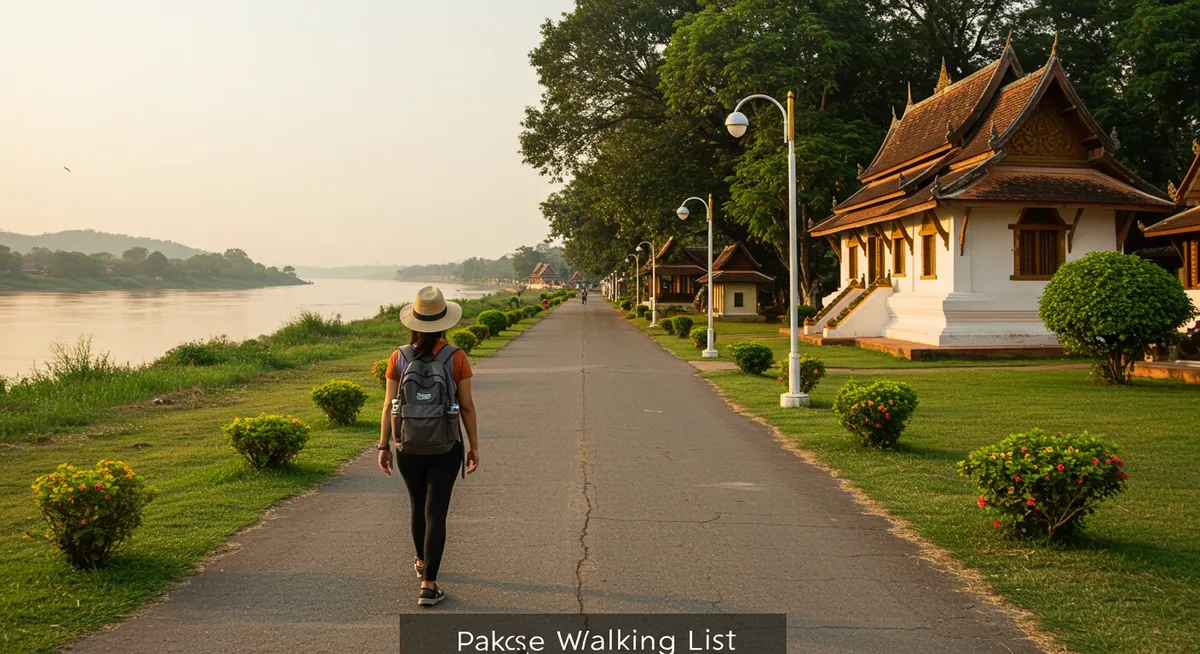
Pakse, the tranquil hub of Southern Laos, offers an incredible canvas for exploration on foot. From its Mekong riverside charm to bustling local markets and nearby natural wonders, walking tours provide an intimate perspective of this captivating city. But to truly immerse yourself in the experience safely and enjoyably, proper preparation is key. This guide helps you craft the perfect Pakse walking tour packing list, ensuring you’re ready for every step of your adventure.
Key Tips and Takeaways
- Prioritize comfortable, breathable, and well-broken-in footwear.
- Pack lightweight, quick-drying clothing suitable for heat and cultural modesty.
- Sun protection (hat, sunglasses, sunscreen) and constant hydration are non-negotiables.
- Always carry a small first-aid kit and effective insect repellent.
- Embrace the local pace, be mindful of traffic, and respect cultural norms.
Understanding Pakse’s Walking Environment
Stepping out for a walk in Pakse is an immersive experience, a delightful journey into the heart of southern Laos. To truly enjoy your explorations, it’s helpful to understand the unique environment you’ll be navigating. Pakse, while charming and relatively laid-back, presents its own set of considerations for the urban explorer.
Climate: Embracing the Tropical Warmth
Pakse boasts a quintessential tropical climate: hot and humid for much of the year. This means you can expect warm temperatures, often soaring, and a pervasive humidity that can make even short walks feel more strenuous. The dry season (roughly October to April) offers slightly cooler mornings and evenings, but the sun remains powerful throughout the day. The wet season (May to September) brings refreshing downpours, which often clear to reveal humid, sunny skies once more. For comfortable walking, we highly recommend planning your longer excursions for the early morning hours, typically before 9:00 AM, or in the late afternoon after 4:00 PM, when the sun’s intensity mellows.
Terrain: A Mix of Flat and Fissured
For the most part, Pakse is flat, making it generally easy to cover ground without significant inclines. This is good news for your legs! However, don’t expect perfectly paved sidewalks. Many areas, particularly outside the central tourist hubs, feature uneven surfaces. You’ll encounter cracked pavements, missing sections, potholes, loose gravel, and sometimes no dedicated sidewalk at all, meaning you’ll share the road with motorbikes and occasional cars. Near the Xe Don and Mekong Rivers, paths might be more rustic. Always keep an eye on the ground to avoid unexpected stumbles. Comfortable, sturdy walking shoes with good grip are paramount here, offering both support and protection.
Local Customs & Atmosphere: Respectful Immersion
Pakse, like the rest of Laos, is a place of deep respect and traditional values. When walking through neighborhoods or, especially, visiting temples (known as ‘wats’), observe local customs. Modesty in dress is highly valued; always ensure your shoulders and knees are covered when entering religious sites or engaging with local elders. A friendly “Sabaidee” (hello) will go a long way. The general atmosphere is relaxed and unhurried; adopt a similar pace to truly absorb the local rhythm. You’ll hear the gentle hum of motorbikes, the chatter of vendors, and the occasional calls of street food hawkers. Embrace the sensory experience – it’s part of Pakse’s charm.
The Importance of Adaptability
Ultimately, a successful walking tour in Pakse hinges on your adaptability. The unexpected is part of the charm – whether it’s a sudden downpour, a delightful street food cart you hadn’t anticipated, or a charming detour down an unpaved lane. Be prepared to adjust your plans, stay hydrated, protect yourself from the sun, and always approach interactions with a smile and an open mind. This willingness to embrace the local flow will transform your walk from a mere stroll into an unforgettable adventure.
Footwear: Your Most Crucial Choice
Of all the items on your Pakse walking tour packing list, your footwear is, without a doubt, your single most crucial choice. Think of your feet as your direct connection to the wonders of Pakse – from the bustling markets to the tranquil riverfront, and the spiritual serenity of its temples. The wrong shoes can quickly turn an exciting exploration into a painful ordeal, whereas the right pair will empower you to wander further, discover more, and enjoy every step.
Prioritize Comfort, Breathability, and “Broken-In” Status
Pakse’s climate is consistently warm and humid, and its urban landscape, while generally walkable, features a mix of uneven pavements, occasional dust, and the need to navigate busy streets and various surfaces. Your chosen shoes need to be up to the task.
- Sturdy Walking Sandals: These are often a fantastic choice for Pakse’s heat. Look for reputable brands offering excellent arch support, comfortable straps that won’t chafe, and a robust, grippy sole. Quality walking sandals (like those from Keen, Chaco, or Teva) allow your feet to breathe, minimizing sweat and discomfort. They’re perfect for urban explorations, strolling along the Xe Don River, and frequent temple visits where you’ll be slipping shoes on and off.
- Light Hiking Shoes or Trail Runners: For those planning longer walks, venturing slightly off the main thoroughfares, or exploring areas like Wat Phou Salao where you might encounter more varied terrain, light hiking shoes or trail runners provide superior support and protection. They offer better coverage against dust and debris, and their enhanced cushioning can make a significant difference on extended excursions. Ensure they are lightweight and highly breathable to combat the humidity.
- Absolutely NO New Shoes: This cannot be stressed enough. Do not, under any circumstances, bring brand-new shoes that you haven’t worn extensively. Even seemingly comfortable shoes can cause blisters, pressure points, and general misery when subjected to hours of walking in a new environment. Break in any potential walking shoes weeks before your trip, ensuring they are truly comfortable for long periods.
The Smart Strategy: Bring Multiple Pairs
One pair of shoes, no matter how perfect, is rarely enough for a multi-day walking tour in Pakse. We highly recommend packing at least two suitable pairs, ideally of different styles:
- Rotation for Comfort: Switching between shoes allows different parts of your feet to rest, preventing localized pressure and fatigue.
- Drying Time: In Pakse’s humidity, shoes can get damp from sweat or unexpected rain. Rotating pairs gives one pair ample time to dry out completely, which is crucial for hygiene and comfort. Nothing feels worse than putting on damp shoes in the morning.
- Versatility: Perhaps sandals for a casual market browse and an evening stroll, and closed-toe trail runners for a longer walk to a distant temple or an exploration of less paved areas. Consider bringing a very lightweight pair of flip-flops or slip-ons for short distances or easy removal at guesthouses and temples.
Pair your chosen footwear with moisture-wicking socks to further prevent blisters and keep your feet dry. By making smart choices about your footwear, you’ll be well-equipped to fully immerse yourself in the unique charm and walkability of Pakse, ensuring every step is a pleasure, not a pain.
Clothing for Comfort and Respect
🌟 Local Expert Tip: Get the most out of your Pakse visit with guided tours!
Navigating Pakse on foot means embracing its warm, tropical climate and vibrant local culture. Your clothing choices will significantly impact your comfort levels during extended walks and ensure you remain respectful when visiting important sites like temples. Think light, breathable, and versatile.
Beat the Heat with Breathable Fabrics
Pakse’s weather is consistently warm to hot, often humid, and prone to sudden downpours, especially during the green season (May to October). For maximum comfort while walking, prioritize lightweight, breathable fabrics. Cotton and linen are excellent natural choices, allowing your skin to breathe and helping to wick away sweat. Alternatively, modern moisture-wicking synthetics are fantastic for active wear, drawing perspiration away from your body to keep you feeling drier and cooler. Avoid heavy denim or thick materials that will trap heat and become uncomfortable quickly.
Dress for Respect: Shoulders and Knees Covered
One of the most important aspects of dressing for a walking tour in Pakse, or anywhere in Laos, is showing respect for local customs and religious sites. When visiting temples such as the beautiful Wat Luang, Wat Phou Salao, or any other sacred area, it is mandatory to cover your shoulders and knees. This applies to both men and women. For women, this means shirts that cover the shoulders and ideally the upper arms, and long skirts, dresses, or lightweight trousers that extend below the knee. For men, T-shirts or collared shirts are appropriate, along with long trousers or shorts that cover the knee. Even if you don’t plan a specific temple visit, you might stumble upon one unexpectedly, so it’s always best to be prepared. Loose-fitting long pants (like linen trousers) or maxi skirts/dresses are perfect for both comfort and cultural appropriateness during your daily explorations.
Sun Protection is Key
Beyond cultural considerations, covering up offers excellent sun protection. The equatorial sun in Pakse is intense, and long exposure can lead to sunburn and heat exhaustion. Opt for long-sleeved, light-colored shirts and long trousers or skirts. This approach not only respects local norms but also acts as a natural barrier against UV rays, reducing your reliance on heavy sun cream during your walks.
Be Prepared for Sudden Showers
Even outside of the peak rainy season, tropical downpours can occur with little warning. A lightweight, packable rain jacket or a simple poncho is an absolute must-have. It takes up minimal space in your daypack but will be invaluable for keeping you dry and comfortable if you get caught in a sudden deluge while exploring the Bolaven Plateau or walking along the Mekong Riverfront.
Don’t Forget Your Swimwear
While not for the walking tour itself, Pakse is a gateway to stunning natural attractions like the Tat Fan and Tat Yuang waterfalls, which often have refreshing pools for swimming. If your itinerary includes such excursions or your accommodation has a pool, remember to pack your swimwear. It’s a fantastic way to cool off after a hot day of exploration!
Sun Protection Essentials
🌟 Local Expert Tip: Get the most out of your Pakse visit with guided tours!
When you’re embarking on a walking tour of Pakse, understanding and preparing for the local climate is paramount. Pakse, like much of Southeast Asia, experiences intense, equatorial sun year-round. The combination of high temperatures, significant humidity, and direct sunlight means that sun protection isn’t just a recommendation—it’s a non-negotiable for a comfortable and safe exploration experience.
Whether you’re strolling along the Mekong River, exploring the intricate grounds of Wat Luang, or navigating the bustling morning markets, you’ll be exposed for extended periods. The sun’s UV index here often soars to extreme levels, even on seemingly overcast days. Protecting your skin and eyes is crucial to avoid painful sunburn, heatstroke, and long-term damage, allowing you to fully enjoy Pakse’s charm.
High SPF Sunscreen (SPF 50+ Broad-Spectrum)
- Why it’s crucial: Your first line of defense against Pakse’s powerful UV rays. Regular sunscreen won’t cut it; you need heavy-duty protection.
- Practical advice: Opt for a broad-spectrum sunscreen with an SPF of 50 or higher. Look for formulas that are water-resistant or sweat-proof, as the humidity and your physical exertion will quickly degrade less robust products. Apply generously to all exposed skin at least 20 minutes before heading out.
- Walking tour tip: Carry a travel-sized bottle with you and reapply frequently—every two hours, or more often if you’re sweating profusely or after wiping your face. Don’t forget often-missed spots like your ears, neck, the tops of your feet (if wearing sandals), and the back of your hands.
Wide-Brimmed Hat
- Why it’s crucial: A hat provides essential shade that sunscreen alone cannot. It protects your face, scalp, ears, and the back of your neck from direct sunlight, reducing the risk of sunburn and heat exhaustion.
- Practical advice: Choose a hat with a wide brim (at least 3 inches) that offers 360-degree coverage. Breathable materials like cotton or straw are ideal for comfort in the heat. A chin strap can be beneficial, especially if you plan to visit the riverfront or other breezy areas where your hat might take flight.
- Walking tour tip: While you might find basic hats for sale in Pakse’s markets, investing in a high-quality, lightweight, and packable wide-brimmed hat before your trip ensures optimal protection and comfort throughout your walking adventures.
UV-Protective Sunglasses
- Why it’s crucial: The intense glare from the sun can strain your eyes, cause headaches, and, over time, lead to serious eye conditions.
- Practical advice: Look for sunglasses that block 99-100% of both UVA and UVB rays. This is often indicated by “UV400” or “100% UV protection” on the label. Larger frames or wrap-around styles offer better coverage for the delicate skin around your eyes.
- Walking tour tip: Keep them on consistently when outdoors, even during shorter walks between shaded areas. Your eyes deserve the same meticulous protection as your skin when facing Pakse’s unforgiving sun.
By prioritizing these sun protection essentials, you’ll safeguard your health and significantly enhance your enjoyment of Pakse’s beautiful sights on foot. Stay smart, stay protected, and have an incredible walking tour experience!
Hydration and Nutrition on the Go
Exploring Pakse on foot is an incredibly rewarding experience, offering intimate glimpses into local life, bustling markets, and serene temples. However, Pakse’s tropical climate, characterized by warmth and humidity year-round, makes proper hydration and nutrition absolutely critical for an enjoyable and safe walking tour. Don’t underestimate the energy expenditure of navigating the city’s charming streets under the sun.
Stay Hydrated: Your Essential Companion
The single most important item for your Pakse walking tour is a reusable water bottle. We cannot stress this enough. Carrying one not only helps you stay hydrated but also significantly reduces plastic waste, aligning with sustainable tourism practices. Aim for a bottle with a capacity of at least 1-1.5 liters, as you’ll be refilling it frequently.
While dedicated public water refill stations are not as ubiquitous in Pakse as in some Western cities, many guesthouses, hotels, and even some cafes offer filtered water for guests, often for a small fee or even free if you’re a customer. Before heading out for your day’s adventure, ensure your bottle is full. Keep an eye out for businesses displaying signs that indicate water refills. It’s a smart strategy to top up whenever you get the chance.
Boost Your Electrolytes and Energy
Beyond plain water, consider packing electrolyte packets or tablets. In Pakse’s heat and humidity, you’ll be sweating more than usual, losing essential salts and minerals. Electrolytes help replenish these, preventing muscle cramps, headaches, and general fatigue. Simply mix them into your water bottle as needed, especially after a particularly strenuous stretch of walking or during the hottest part of the day.
To keep your energy levels steady throughout your explorations – whether you’re wandering through the lively morning market, climbing steps at Wat Phu Salao, or strolling along the Xe Don River – pack small, non-perishable snacks. Forget relying solely on finding convenient street food stalls, as you might be between them or simply prefer to have something on hand. Excellent choices include:
- Energy bars or granola bars: Compact, high in calories, and designed for sustained release of energy.
- Nuts (almonds, cashews, peanuts): Rich in healthy fats and protein, offering a satisfying and sustained energy boost.
- Dried fruit (raisins, apricots): A quick source of natural sugars for immediate energy.
- Trail mix: A combination of nuts, seeds, and dried fruit for a balanced snack.
These snacks are lightweight, easy to carry in a small daypack, and won’t spoil in the heat. They’re perfect for a quick refuel when you’re taking a break on a shaded bench or before you embark on the next leg of your walking tour. Being prepared with your own hydration and nutrition ensures you can fully immerse yourself in the beauty and culture of Pakse without energy dips or discomfort.
Health, Safety, and First Aid
Exploring Pakse on foot is an incredibly rewarding experience, offering an intimate glimpse into local life, vibrant markets, and riverside serenity. However, like any adventure, it pays to be prepared for minor health hiccups or safety considerations. Your personal well-being is paramount, so let’s ensure you’re equipped to handle common situations and keep enjoying your Pakse walking tour.
First and foremost, a basic first-aid kit is non-negotiable. Walking for extended periods, especially in a humid climate like Pakse’s, can lead to unexpected issues. Pack a small, lightweight pouch containing essentials such as various sizes of band-aids for minor cuts and scrapes you might pick up from uneven sidewalks or bustling market stalls. Include an antiseptic solution or wipes to clean any wounds thoroughly – crucial for preventing infection in a tropical environment. Pain relievers (like ibuprofen or paracetamol) are a must for headaches, muscle aches from long walks, or unexpected sprains. And perhaps the most vital item for any walking tour: dedicated blister treatment. Whether it’s specialized blister plasters or moleskin, having these on hand can save your feet and ensure you don’t miss a step of your Pakse exploration.
Beyond the standard kit, several items are particularly relevant for Pakse’s tropical setting. Insect repellent containing DEET or picaridin is an absolute essential. Mosquitos are prevalent, especially during dawn and dusk or near the Mekong River. While malaria risk in Pakse is generally low, dengue fever is present, making mosquito bite prevention a smart practice. Don’t let itchy bites detract from your experience! Next, a small bottle of hand sanitizer will be your best friend. From sampling delicious street food at the morning market to touching various surfaces, maintaining hand hygiene is key to avoiding stomach bugs. Public restrooms may not always have soap and water readily available, so this provides a quick and effective alternative.
Always carry any personal medications you require. While Pakse has pharmacies, specific brands or dosages might be difficult to find, especially for chronic conditions. Ensure you have enough for your entire trip plus a few extra days. Finally, a small, quick-dry towel might seem odd, but it’s incredibly practical. The heat and humidity in Pakse can lead to a lot of sweating, and having a small towel to wipe your brow, cool yourself down by dampening it with water, or even for impromptu seating on a bench, proves surprisingly useful. Being prepared for these small details will ensure your Pakse walking adventure is not just memorable, but also comfortable and safe.
Navigation and Communication Tools
Navigating an unfamiliar city like Pakse, especially on foot, is an adventure. While part of the charm is getting a little lost, having reliable tools ensures you can always find your way back, discover hidden gems, and stay connected. Here’s what to pack to keep you oriented and informed.
Your Digital Compass: Smartphone with Offline Maps
Your smartphone is your primary navigation tool. Before you even set foot on Pakse’s charming streets, ensure you’ve downloaded offline maps. This is crucial as Wi-Fi isn’t always reliable or available when you’re out exploring. For Pakse, we highly recommend:
- Google Maps: Within the app, you can download specific areas for offline use. Simply search for “Pakse,” tap on the city name at the bottom, and select “Download offline map.” This will allow you to use GPS navigation without an internet connection, invaluable for finding your way to Wat Phou Salao, meandering through the bustling Morning Market, or tracing the path along the Mekong River.
- Maps.me: This app is a favorite among travelers for its incredibly detailed offline maps, often showing pedestrian paths and smaller alleys that Google Maps might miss. It’s particularly useful for discovering the quieter corners of Pakse and navigating through neighborhoods. Download the Laos map pack before you arrive.
Power Up: Reliable Power Bank and Charging Cables
Using GPS and frequently checking maps can drain your phone’s battery surprisingly fast. A dead phone means no navigation, no communication, and no photos! Carry a high-capacity power bank (at least 10,000 mAh) and all necessary charging cables for your phone and the power bank itself. While some cafes in Pakse might offer charging points, relying on your own portable power source ensures you’re never left stranded, especially if you venture further afield to the Japanese bridge or beyond the main town center.
Stay Connected: Local SIM Card or eSIM
While offline maps are great, having real-time connectivity offers immense peace of mind. A local SIM card or an eSIM allows you to look up information on the fly, use translation apps, contact your guesthouse, or even hail a tuk-tuk if your feet are tired. Major providers like Unitel or Lao Telecom offer affordable data packages, readily available at Pakse International Airport or local shops. Unitel often has the best coverage in and around Pakse. For ultimate convenience, consider an eSIM, which you can purchase and activate before you even land.
Old School Reliable: Small Notebook and Pen
Don’t underestimate the power of a simple notebook and pen. It’s perfect for jotting down notes about places you want to remember, useful Lao phrases you pick up (like “Sabaidee” for hello or “Khop Jai” for thank you), names of local dishes to try at the night market, or even rough directions given by a friendly local. It’s a low-tech backup that never runs out of battery and can be surprisingly effective for communication when language barriers arise.
Essential Daypack Contents
🌟 Local Expert Tip: Get the most out of your Pakse visit with guided tours!
When embarking on a walking tour through the charming streets of Pakse, your daypack is more than just a bag; it’s your portable command center for comfort and convenience. The key is to choose a pack that is lightweight, comfortable to carry for extended periods, and appropriately sized. A capacity of 15-25 liters is generally ideal, offering enough space for essentials without feeling bulky. Crucially, ensure your chosen daypack comes with a built-in rain cover or is made of water-resistant material – Pakse’s weather can be unpredictable, with sudden downpours, especially during the rainy season (May to October).
Here’s a detailed breakdown of what to include in your Pakse walking tour daypack:
- Wallet with Small Lao Kip Denominations: While some larger establishments might accept credit cards, Pakse thrives on cash, particularly for street food vendors, local markets, and smaller shops. Having plenty of small bills (1,000, 5,000, 10,000, 20,000 LAK) will make transactions smoother and is often appreciated, as vendors may not always have change for larger denominations. This is vital for grabbing a refreshing coconut shake or a delicious bowl of khao piak sen from a roadside stall.
- Copy of Passport/Visa: While rarely requested on a casual walk, it’s always wise to carry a photocopy or digital image of your passport and visa. This serves as a quick reference for identification and can be invaluable in unexpected situations. Keep the original securely stored back at your accommodation.
- Small Umbrella: This is a true multi-tasker in Pakse. It offers essential protection from the intense equatorial sun, preventing sunburn and heatstroke during the hottest parts of the day. When the skies decide to open up, it’s also your immediate shield against sudden tropical downpours, which can materialize quickly even on what seemed like a clear day.
- Zip-Lock Bags: These unassuming items are incredibly versatile. Use them to protect electronics (phone, power bank) from moisture, especially if you get caught in a downpour. They are also perfect for stashing wet items like a damp towel or a rain-soaked umbrella, keeping the rest of your bag dry. They are excellent for carrying out any trash until you find a proper bin, helping to keep Pakse clean.
- Refillable Water Bottle: Staying hydrated is non-negotiable in Pakse’s heat and humidity. Carry a reusable bottle and refill it frequently from your hotel or cafes that offer filtered water. This is both eco-friendly and cost-effective.
- Sun Protection: Beyond the umbrella, a wide-brimmed hat, sunglasses, and high-SPF sunscreen are crucial to protect against the strong tropical sun, especially as you explore the Mekong riverfront or the Wat Phou Salao viewpoint.
- Insect Repellent: While exploring local neighborhoods or greener areas, mosquitoes can be present. A good repellent is advisable to prevent bites and potential discomfort or illness.
- Hand Sanitizer and Wet Wipes: After handling cash, exploring markets, or enjoying delicious street food, hand hygiene is paramount. These will be your best friends for quick clean-ups on the go.
- Portable Power Bank: Your phone will likely be your camera, map, and communication device. A power bank ensures you won’t run out of battery mid-exploration, especially crucial for navigating or capturing those scenic river views.
- Snacks: While Pakse has an abundance of delicious and affordable food, having a small energy bar or some dried fruit can be a lifesaver during longer walks, especially if you’re exploring areas slightly off the main tourist trails.
Packing smart for your Pakse walking tour will significantly enhance your comfort and allow you to fully immerse yourself in the city’s unique charm, from its bustling markets to its tranquil temples.
Local Insights & Expert Tips for Pakse Walkers
Walking in Pakse offers an authentic window into Lao life, but a few local insights can transform your strolls from pleasant to profoundly enriching. Beyond just packing the right gear, understanding the rhythm and nuances of the city will help you navigate like a seasoned explorer.
Optimal Walking Times for Pakse
- Early Morning (before 8:00 AM): This is arguably the best time to explore Pakse on foot. The air is cooler, the light is soft, and the city is gently stirring. You’ll see monks collecting alms, locals heading to the Dao Heuang Market for fresh produce, and riverside vendors setting up. It’s a wonderfully tranquil and authentic experience before the midday heat sets in.
- Late Afternoon (after 4:00 PM): As the sun begins its descent, Pakse comes alive again. The golden hour casts a beautiful glow over the Xe Don River, making it perfect for a leisurely walk along the promenade. Food stalls ignite with activity, and the cooler temperatures invite more locals out to socialize.
- Avoid Midday (11:00 AM – 3:00 PM): The sun can be intense. Plan your walking tours for the cooler parts of the day or seek shade indoors (e.g., visiting temples, museums, or enjoying a long lunch at a riverside restaurant).
Staying Hydrated is Key
Pakse’s tropical climate means hydration is non-negotiable. Always carry a reusable water bottle. You can easily find bottled water at minimarts and convenience stores throughout the city, or often refill at guesthouses and cafes. Look out for fresh coconut water, readily available from street vendors; it’s a refreshing and natural electrolyte boost that tastes incredible.
Navigating Traffic (Scooters)
Pakse’s roads are dominated by scooters and motorcycles. While traffic isn’t as chaotic as in larger Southeast Asian cities, it can still be intimidating. There are few marked pedestrian crossings, and vehicles generally don’t stop for pedestrians. The key is to be predictable: walk at a steady pace, make eye contact with approaching drivers, and avoid sudden movements. Most drivers will navigate around you. A confident, continuous pace is usually more effective than stopping or hesitating.
Basic Lao Phrases Go a Long Way
Lao people are incredibly welcoming, and making an effort to speak a few words of their language will be greatly appreciated. It opens doors to warmer interactions and genuine smiles.
- Sabaidee (sa-bai-dee): Hello/How are you? (Use for greetings and goodbyes)
- Khop Jai (khop-jai): Thank you
- Tao dai? (tao-dai?): How much?
- Bor Pen Nyang (bor-pen-nyang): No worries/You’re welcome
- Nam (nam): Water
A small phrasebook or a translation app on your phone can be invaluable.
Polite Haggling in Markets
While not expected in fixed-price shops or restaurants, haggling is common and often expected in local markets like Dao Heuang. Keep it friendly and polite, always with a smile. It’s more about the interaction than getting the absolute lowest price. Aim to meet somewhere in the middle. Don’t be afraid to walk away if you can’t agree on a price, but often a good-natured negotiation will lead to a fair deal.
Safely Trying Street Food
Pakse’s street food scene is a highlight! To minimize risk, observe where locals eat and look for stalls with high turnover, indicating fresh ingredients. Opt for food that is cooked to order and piping hot, such as grilled meats, noodle soups (like the delicious *Khao Piak Sen*), or fried rice. Trust your instincts – if a stall looks unhygienic, move on. Trying local delicacies is an integral part of the Pakse experience, and generally, street food is safe and incredibly tasty.
Respecting Local Culture
Laos is a deeply Buddhist country with a strong emphasis on politeness and respect. When visiting temples, ensure your shoulders and knees are covered. Remove your shoes before entering homes or temple buildings. Avoid touching people on the head, as it’s considered the most sacred part of the body. Point with an open hand rather than a finger, and always remain calm and avoid public displays of anger. Embrace the relaxed “sticky rice” culture; things move at a slower pace here.
Finding Supplies Locally
Pakse has numerous small minimarts and convenience stores scattered around for water, snacks, and basic toiletries. For a wider range of items, including local snacks and clothing, the Dao Heuang Market is your best bet. Pharmacies are also readily available for any minor medical needs. ATMs are common in the city center and usually accept international cards.
Connecting with Local Guides
For a deeper dive into Pakse’s history, culture, and hidden gems, consider hiring a local guide. They can provide invaluable insights, help with language barriers, and lead you to places you might otherwise miss. Many guesthouses and travel agencies in the city center (particularly around the Xe Don Riverfront) can connect you with reputable local guides. It’s a fantastic way to enhance your walking tour and support the local economy directly.
Frequently Asked Questions
Q: Is Pakse generally safe for walking tours?
A: Yes, Pakse is generally safe for walking. However, like any city, it’s important to be aware of your surroundings, especially traffic (scooters can be unpredictable) and maintain situational awareness, especially after dark.
Q: Can I wear shorts and tank tops while walking in Pakse?
A: For general walking around town, shorts and tank tops are commonly worn by tourists. However, when visiting temples or religious sites, it’s essential to cover your shoulders and knees out of respect. It’s advisable to carry a scarf or sarong to cover up as needed.
Q: Where can I refill my water bottle in Pakse?
A: Many guesthouses, cafes, and restaurants in Pakse offer filtered water refill stations, often for a small fee or even for free if you’re a customer. This is a great way to stay hydrated and reduce plastic waste. Look for signs or ask establishments.
Q: What’s the best time of year for free walking tours in Pakse?
A: The dry season, from October to February, generally offers the most comfortable weather for walking, with cooler temperatures and less humidity. However, walking tours are possible year-round with appropriate preparation for heat, humidity, and potential rain during the wet season (May-September).
With your Pakse walking tour packing list perfected, you’re not just preparing for a trip; you’re gearing up for an authentic, immersive adventure. Pakse’s charm truly unfolds with each step you take, revealing hidden alleyways, serene temples, and genuine local encounters. So, pack smart, step out confidently, and let the gentle rhythm of this Lao gem guide your unforgettable journey on foot.