
Pakse Hidden Gems: Self-Guided Walking Tour Guide (2026)
Discover Pakse’s true charm on foot! Explore secret temples, bustling local markets, and serene riverside paths with our comprehensive self-guided walking tour. Essential tips included.
On this page
Pakse, the bustling capital of Champasak Province, often serves as a gateway to the Bolaven Plateau and the 4,000 Islands. While many travelers rush through, the true essence of this Lao riverside town reveals itself to those who choose to explore on foot. A walking tour in Pakse isn’t just about seeing sights; it’s about immersing yourself in the rhythm of local life, discovering ‘hidden gems’ tucked away from the main tourist routes, and connecting with the town’s laid-back yet vibrant spirit. Lace up your shoes – Pakse is waiting to be uncovered, one step at a time.
Key Tips and Takeaways
- Start your walk early or late to beat the heat and experience local life.
- Always carry plenty of water, a hat, and sunscreen.
- Wear comfortable, closed-toe shoes suitable for uneven sidewalks and dirt paths.
- Dress respectfully, especially when entering temples (shoulders and knees covered).
- Engage with locals; a smile and a ‘Sabaidee’ go a long way.
- Don’t be afraid to venture down a charming alleyway – that’s where hidden gems truly lie.
Why Explore Pakse on Foot? The Unseen Charm
While motorbikes and tuk-tuks offer swift passage through Pakse, truly immersing yourself in the city’s understated beauty and vibrant pulse demands a slower, more deliberate approach: exploring on foot. This isn’t just about getting from A to B; it’s about unlocking the unseen charm, experiencing the authentic rhythm of Lao life, and discovering the hidden gems that often remain elusive to those in a hurry.
Direct Engagement with Local Life
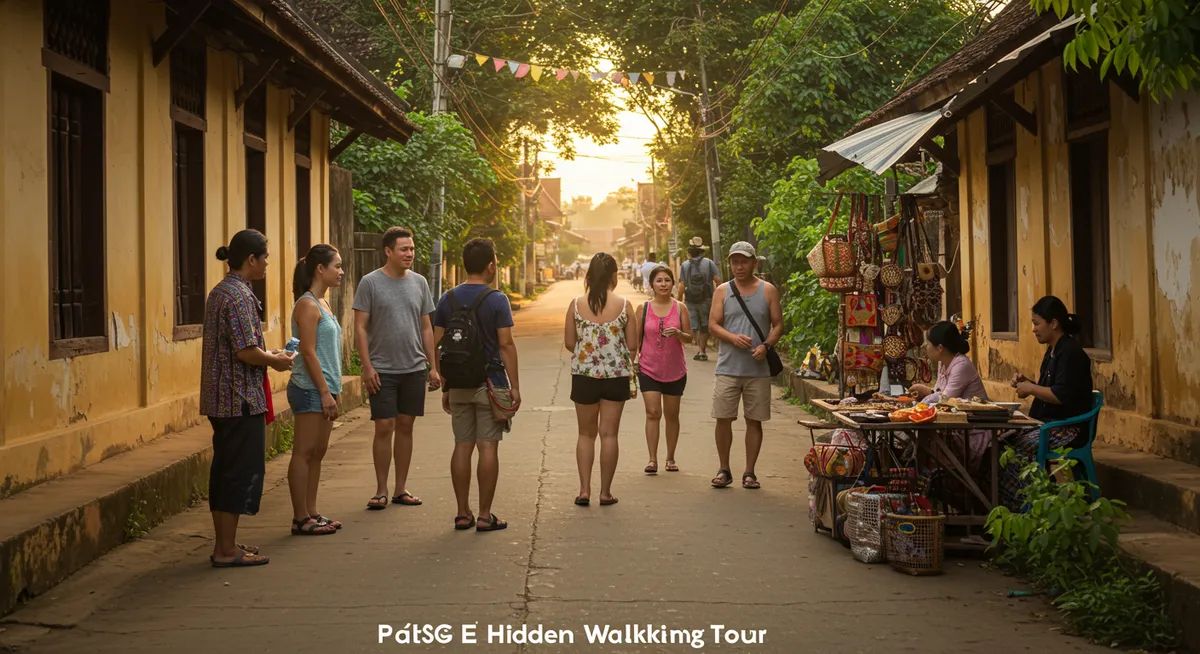
Walking through Pakse allows for an intimate connection with its people and daily routines. You’ll witness the morning alms giving (Tak Bat) as barefoot monks gracefully collect offerings, observe artisans at work in their open-fronted shops, and catch glimpses of children playing in narrow alleys. This direct interaction, often accompanied by friendly smiles and curious glances, fosters a deeper understanding of local customs and hospitality. It’s a sensory feast, from the chatter of market vendors near the Mekong River to the quiet hum of everyday life echoing from wooden stilt houses.
Discovering Authentic Street Food
Pakse’s culinary landscape truly comes alive when explored on foot. The enticing aromas will guide you to humble street stalls serving up delectable local specialties that larger restaurants might overlook. Imagine stumbling upon a cart selling freshly grilled Mekong fish (ping pa), a lady expertly preparing a steaming bowl of traditional Lao noodle soup (khao piak sen), or a vendor crafting vibrant fruit shakes right before your eyes. These spontaneous culinary discoveries, often found down unassuming side streets, are where the most authentic and delicious flavors of Pakse reside. Look for stalls bustling with locals – it’s always a good sign!
Unearthing Quiet Temples and Serene Alleys
Beyond the main thoroughfares, Pakse reveals a network of tranquil backstreets and serene temple grounds that are best explored on foot. You might find a small, uncrowded temple (wat) where you can sit in peaceful contemplation, or a quiet lane shaded by ancient trees, offering a respite from the midday sun. These moments of quiet discovery allow for reflection and a profound sense of connection to the city’s spiritual heart. It’s in these overlooked corners that Pakse’s true character, often characterized by its gentle pace and devout Buddhist culture, truly shines.
Flexibility and Deeper Immersion
The freedom of walking allows you to set your own pace, linger where you’re drawn, and deviate from any pre-planned route on a whim. If a particularly interesting shop catches your eye, or a vibrant street art mural beckons, you can stop and explore without the constraints of a tour schedule. This flexibility leads to unexpected encounters and a far richer cultural immersion than any organized tour can offer. You become an active participant in Pakse’s unfolding narrative, rather than a passive observer.
Embracing Sustainable Travel
Choosing to explore Pakse on foot is also a wonderful way to practice sustainable tourism. It significantly reduces your carbon footprint, minimizes your impact on the local environment, and directly supports the small, independent businesses – from street food vendors to local artisans – that contribute to the city’s unique charm. By walking, you’re not just seeing Pakse; you’re becoming a part of its vibrant, living tapestry, contributing positively to the community, and taking home truly authentic memories of this charming Lao city.
Practical Walking Tips for Pakse:
- Comfortable Footwear: Pakse is relatively flat, but good walking shoes are essential.
- Hydration is Key: Carry plenty of water, especially during the hotter months. Small shops and stalls are plentiful for refills.
- Timing Matters: Early mornings (before 9 AM) or late afternoons (after 4 PM) are ideal for comfortable walking, avoiding the peak heat.
- Respectful Attire: If visiting temples, ensure shoulders and knees are covered.
- Small Kip Notes: Essential for street food and small purchases.
- Offline Maps: Download Google Maps or a similar app for offline use. While getting a little lost is part of the fun, knowing your general direction is helpful.
Preparing for Your Pakse Walking Adventure
Embarking on a walking tour through Pakse, the charming capital of Champasak Province, is an incredibly rewarding way to uncover its hidden gems. However, to truly savor the experience and stay comfortable, a little preparation goes a long way. Pakse’s tropical climate demands smart choices, ensuring your exploration is filled with wonder, not discomfort.
Optimal Walking Times for Pakse
Pakse experiences significant heat and humidity, especially during the middle of the day. To beat the heat and enjoy more pleasant conditions, we highly recommend planning your walks for either the early morning (ideally before 9:00 AM) or the late afternoon (from around 4:00 PM onwards). During these times, temperatures are considerably cooler, the light is softer and more beautiful for photography, and you’ll often find local life buzzing at a more comfortable pace. Mid-day can be scorching, making prolonged outdoor activity less enjoyable and potentially draining, as well as exhausting.
Essential Items for Your Pakse Walking Pack
Your small daypack should be packed with purpose. Here’s what not to forget:
- Hydration is Key: Carry plenty of water. A reusable water bottle is ideal, as you can refill it at many guesthouses or purchase large bottles of water from shops. Dehydration can sneak up on you quickly in the tropical heat.
- Sun Protection: A wide-brimmed hat, high-SPF sunscreen, and sunglasses are non-negotiable. The Lao sun is powerful, even on cloudy days.
- Comfortable Footwear: Opt for sturdy, closed-toe walking shoes or sandals with good arch support. Pakse’s pavements can be uneven, dusty, or have unexpected obstacles, so protecting your feet is paramount. Avoid flip-flops for extended free walking tours in Pakse.
- Local Currency (Lao Kip): Carry small denominations of Kip. While some larger establishments accept cards, many street food vendors, market stalls, and smaller shops prefer cash. Having 5,000, 10,000, and 20,000 Kip notes will make transactions much smoother, as larger notes might be difficult for small vendors to break.
- Power Bank: Keep your phone and camera charged. You’ll be taking countless photos, and using offline maps can drain your battery quickly. Reliable Wi-Fi isn’t always a given when you’re out and about exploring.
- Offline Map/GPS: Download an offline map app (like Google Maps or Maps.me) of Pakse before you head out. This is invaluable for navigating the city’s charming but sometimes winding streets, especially when seeking out those hidden gems.
- Small First-Aid Kit: Include band-aids for potential blisters, antiseptic wipes, and any personal medications you might need.
Clothing Recommendations for Pakse Exploration
Dressing appropriately in Pakse serves both comfort and cultural respect:
- Light and Breathable Fabrics: Choose loose-fitting clothing made from natural, breathable materials like cotton, linen, or moisture-wicking synthetics. These will help you stay cool and comfortable in the humidity.
- Respectful Attire for Temples: When visiting Pakse’s beautiful temples (wats), it’s crucial to dress modestly. This means covering your shoulders and knees. For women, a light sarong or a large scarf can be easily draped over shoulders and wrapped around the waist if wearing shorts or a tank top. Men should avoid sleeveless shirts and short shorts. Generally, dressing modestly is appreciated throughout Laos, reflecting respect for local customs, even outside of temples.
By preparing thoughtfully, you’ll be well-equipped to fully immerse yourself in the unique charm and discoveries that await on your Pakse walking adventure.
The ‘Hidden Gems’ Route: A Suggested Itinerary
🌟 Local Expert Tip: Get the most out of your Pakse visit with guided tours!
Ready to uncover the authentic soul of Pakse beyond the typical tourist trail? This self-guided ‘Hidden Gems’ route is designed for the curious wanderer, leading you through less-traveled alleyways, serene temples, and bustling local markets. Wear comfortable shoes, stay hydrated, and embrace the spirit of discovery!
Starting Point: Riverside Promenade (near the Mekong/Xe Don confluence)
Begin your adventure early in the morning, ideally just after sunrise, at the peaceful confluence of the Mekong and Xe Don Rivers. This is where Pakse truly awakens. Watch local fishermen tend to their nets, observe monks on their alms rounds, and soak in the serene atmosphere as the morning light bathes the waters. It’s the perfect tranquil start before the town fully stirs.
Gem 1: Wat Phabat
From the confluence, head east along the Xe Don River a short distance to discover Wat Phabat. Often overshadowed by the more prominent Wat Luang, this charming temple is a true local gem. Known for its revered Buddha footprint relic (Phabat means ‘footprint of the Buddha’), it offers a glimpse into everyday Lao devotion. Take your time to observe the intricate carvings, listen to the gentle chants, and appreciate the peaceful ambiance away from the crowds. Remember to dress respectfully, covering shoulders and knees.
Gem 2: Old Town Alleyways (Muang Kao area)
Dive into the captivating maze of the Old Town (Muang Kao) alleyways. Just south of the main road, these narrow lanes are a living museum, showcasing Pakse’s colonial-era architecture – a blend of French and traditional Lao design. Wander aimlessly; you’ll stumble upon quaint local workshops, small family-run businesses, and vibrant murals. This is where Pakse’s daily life unfolds, offering fantastic opportunities for photography and quiet observation. Be respectful of private residences as you explore.
Gem 3: Local Morning Market (beyond Dao Heuang)
While Dao Heuang Market is central, we recommend venturing a little further for a truly authentic ‘talad sao’ (morning market) experience. Head to the smaller, less touristy market areas, often just a few blocks away from the main commercial arteries. Here, you’ll find an explosion of fresh produce, exotic spices, and local snacks. Engage with vendors, try some freshly made Khao Piak Sen (Lao noodle soup), or pick up some tropical fruits. It’s an immersive experience where you can witness the heartbeat of local commerce and community.
Gem 4: Xe Don Riverside Eateries
As your stomach begins to rumble, seek out the humble, family-run noodle shops and cafes dotted along the Xe Don River. Many of these unassuming spots offer incredibly authentic and delicious Lao dishes at local prices. Look for places serving Laap (minced meat salad) or Tom Saap (spicy Lao soup) with sticky rice. The simple settings often come with lovely river views, providing a perfect backdrop for a mid-day meal as you watch boats drift by.
Gem 5: Unmarked Viewpoints & Bridges
Continue your exploration by seeking out lesser-known pedestrian bridges or quiet riverbank spots. Pakse offers several small, unmarked paths leading down to the Xe Don River, especially on the western bank as you head north. These spots often provide unique, unobstructed perspectives of the town, its bridges, and the river life that defines Pakse. One such hidden gem is often found by simply walking along the river and keeping an eye out for small, unpaved trails or benches facing the water. The Xe Don Bridge itself, especially the older, less-trafficked sections, can offer good vantage points.
Ending Point: A Local Coffee Shop for a Well-Deserved Break
Conclude your ‘Hidden Gems’ tour by finding a cozy, local coffee shop. Pakse is renowned for its coffee, grown on the nearby Bolaven Plateau. Settle down with a traditional Lao coffee (often served strong with condensed milk) or a refreshing fruit shake. This is the perfect opportunity to rest your feet, reflect on the hidden treasures you’ve discovered, and simply watch the world go by in true Lao fashion. Many great spots can be found near the main streets, offering a comfortable blend of local charm and a place to recharge.
Safety & Etiquette for Walking in Pakse
🌟 Local Expert Tip: Get the most out of your Pakse visit with guided tours!
Embarking on a walking tour in Pakse offers an unparalleled way to immerse yourself in the city’s rhythm and discover its hidden corners. To ensure your explorations are not only enjoyable but also safe and respectful, understanding local customs and practical considerations is key. Here’s what you need to know:
Staying Safe While Walking in Pakse
- Navigating Traffic: Pakse, like many Southeast Asian cities, is dominated by motorbikes. While traffic is generally less frenetic than in larger capitals, vigilance is paramount. Sidewalks can be narrow, uneven, or non-existent in many areas. Always walk defensively, be aware of your surroundings, and look both ways multiple times before crossing a street. Make eye contact with drivers to ensure they’ve seen you. When no sidewalk is available, walk single-file facing oncoming traffic.
- Hydration and Heat Management: Pakse’s tropical climate means high temperatures and humidity, especially during the dry season (October to April). Heat exhaustion is a real risk for walkers. Carry plenty of water and hydrate frequently, even if you don’t feel thirsty. Consider electrolyte drinks. Wear light-colored, breathable clothing, a wide-brimmed hat, and sunglasses. Seek shade whenever possible, plan longer walks for cooler parts of the day (early morning or late afternoon), and take breaks to cool down.
- Footwear: Opt for comfortable, sturdy walking shoes that can handle uneven surfaces and potential puddles, especially during the wet season. You’ll be doing a lot of walking!
- Personal Belongings: While Pakse is generally a safe city, it’s always wise to keep valuables secure and out of sight. Use a cross-body bag or a front-worn backpack, and be mindful of your possessions in crowded market areas.
Respecting Local Etiquette in Pakse
- Dress Code for Temples (Wats): Laos is a deeply Buddhist country, and respecting its spiritual sites is essential. When visiting any temple or wat in Pakse, ensure your knees and shoulders are covered. This applies to both men and women. It’s also customary to remove your shoes before entering the main prayer hall (sim). Speak softly, and avoid pointing your feet towards Buddha images or people.
- Asking Permission for Photos: The people of Pakse are generally warm and friendly. However, it’s polite to always ask for permission before taking someone’s photograph, especially monks, children, or vendors. A simple smile and a gesture often suffice. Respect their decision if they decline.
- Polite Bargaining: At local markets, light bargaining is common, particularly for souvenirs or non-fixed price items. Do so with a smile and a good-natured attitude. Don’t haggle aggressively over small amounts; a few thousand Kip (Lao currency) difference is often negligible for you but significant for the vendor.
- The Power of a Smile: Laos is known as the “Land of a Million Elephants,” but it could equally be called the “Land of Smiles.” A genuine smile is a universal language and will open many doors and foster positive interactions.
- Basic Lao Greetings: Learning a few basic Lao phrases will be greatly appreciated by locals. “Sabaidee” (pronounced: sah-bye-dee) means hello, and “Khop Jai” (pronounced: kawp-jai) means thank you. Using these simple greetings shows respect and goodwill.
By keeping these safety tips and cultural courtesies in mind, you’ll be well-prepared to enjoy your Pakse hidden gems walking tour to the fullest, fostering positive interactions and creating lasting memories.
Beyond the Walk: Connecting to Pakse’s Broader Charm
Your “Pakse Hidden Gems” walking tour is more than just a stroll; it’s a foundational experience, a sensory primer that deepens your appreciation for this charming Laotian city. Think of it as connecting the dots, allowing you to seamlessly weave your walking discoveries into the broader tapestry of Pakse’s allure. The insights you gain on foot will empower you to explore further, whether you’re chasing the perfect coffee, prepping for a grand adventure, or simply unwinding as the sun dips below the horizon.
One of Pakse’s most celebrated exports is its coffee, primarily sourced from the verdant Bolaven Plateau. Your walking tour, especially if it meanders through local markets or past small cafes, will subtly introduce you to this rich heritage. After your walk, the aroma of freshly brewed coffee will be even more inviting. Head to a riverside cafe, or one of the many unassuming local spots you might have spotted, and treat yourself to an authentic Lao coffee – perhaps a sweet *kafeh nom sod* (iced coffee with condensed milk) – reflecting on the journey you’ve just completed and the source of this delicious brew.
For many, Pakse serves as the gateway to the breathtaking Bolaven Plateau. Your urban walking tour, by immersing you in the local rhythm and showcasing daily life, provides invaluable context before you venture into the region’s lush landscapes and roaring waterfalls. You’ll gain a better understanding of the local economy, the people, and the relaxed pace of life, making your subsequent Bolaven adventure feel even more authentic. Consider it your pre-game, giving you a ground-level perspective before ascending into the highlands.
The beauty of exploring Pakse on foot is that it unveils hidden culinary treasures. Once your walking tour concludes, you’ll be attuned to the subtle cues that reveal authentic local eateries and bustling street food stalls. No longer just a tourist looking for a restaurant, you’ll be an explorer, drawn to the sizzle of a grill or the chatter of locals. Seek out the vibrant night market near the river for a fantastic array of options, or venture into the smaller alleys you discovered during your walk for delectable *khao piak sen* (thick rice noodle soup), grilled *ping gai* (chicken), or fresh fruit shakes. Your feet led you to the genuine flavors of Pakse.
After a day of discovery, there’s no better way to unwind than by the tranquil Mekong River. The walking tour often concludes near the riverfront, making it effortless to transition from exploration to relaxation. Find a spot along the promenade, perhaps grab a cool Beerlao from a convenience store, or settle into one of the many riverside restaurants or bars. Witnessing the spectacular Pakse sunset, painting the sky in fiery hues over the river, is the perfect culmination of your day’s adventures, allowing you to reflect on the city’s charm.
While walking is undoubtedly the best way to uncover Pakse’s hidden gems, some of the city’s broader attractions are simply too far for a comfortable stroll. This is where local transport comes in handy. Once you’ve explored the central areas on foot, don’t hesitate to hop on a tuk-tuk for longer distances. Whether you’re heading to the majestic Golden Buddha (Wat Phou Salao) for panoramic views, the Champasak Palace for a glimpse of grandeur, or a specific restaurant across town, tuk-tuks are readily available. Always remember to agree on the fare before you start your journey. For the more adventurous, motorbike rentals are also an option for exploring slightly further afield. These local transport methods perfectly complement your walking explorations, allowing you to experience Pakse’s broader charm without missing a beat.
Expert Tips for a Memorable Walk
Walking through Pakse is an intimate journey, revealing the city’s true character far beyond what a car or motorbike allows. To truly unlock the magic of its hidden gems and create lasting memories, here are some expert tips forged from countless footsteps on its charming streets.
First and foremost, embrace the power of a few simple Lao phrases. A warm Sabaidee
(hello) will open doors and smiles, making you instantly more approachable. When you’re ready to leave, a genuine Khop Jai
(thank you) will show appreciation. These small gestures bridge cultural gaps and often lead to delightful, impromptu conversations with locals eager to share a piece of their world. Don’t be shy; even a few words go a long way in this friendly city.
Financial savvy on foot means always carrying small denominations of Lao Kip. While larger establishments might accept credit cards, many of Pakse’s best “hidden gems”—from bustling market stalls to charming street food vendors and small, independent shops—operate solely on cash. Having 5,000, 10,000, or 20,000 Kip notes readily available ensures smooth transactions and avoids awkward waits for change, especially during busy periods. It’s practical, polite, and makes you feel like a local.
One of the greatest joys of exploring Pakse is its culinary landscape. Be bold and try local street snacks! Seek out vendors with a steady stream of customers – a good sign of freshness and deliciousness. Don’t hesitate to ask for recommendations; a friendly vendor might point you to the best grilled Mekong fish, a freshly made batch of khao piak sen (noodle soup), or a sweet, sticky rice dessert you’d never find in a restaurant. Trust their expertise; they know their specialties best. Remember to carry hand sanitizer for convenience.
While having a general direction is helpful, allow for flexibility in your route. Pakse’s charm often lies in its unplanned discoveries. A vibrant temple tucked away down a side alley, a serene riverside cafe you hadn’t noticed on the map, or a local artisan’s workshop might just be a delightful detour away. Don’t be afraid to wander off the main thoroughfares. This is where the true “hidden gems” are found.
Finally, for seamless navigation, always use offline maps. Reliable mobile data can be spotty in certain areas of Pakse, particularly away from the city center. Apps like Google Maps or Maps.me allow you to download maps of the region beforehand, ensuring you can always find your way back to your guesthouse or pinpoint that intriguing temple, even without an internet connection. Mark your points of interest, and confidently explore the labyrinthine charm of Pakse on foot.
Frequently Asked Questions
Q: Is Pakse safe for walking tours?
A: Yes, Pakse is generally very safe for pedestrians. Locals are friendly and welcoming. The main considerations are traffic awareness (sidewalks can be inconsistent) and ensuring you stay hydrated and protected from the sun, especially during midday.
Q: How long does a typical walking tour of Pakse’s hidden gems take?
A: Our suggested ‘Hidden Gems’ route can take anywhere from 2 to 4 hours, depending on your pace, how many stops you make for photos or snacks, and how deeply you explore each spot. It’s designed to be flexible, allowing you to tailor it to your interests and energy levels.
Q: What’s the best time of year to visit Pakse for walking?
A: The dry season, from November to February, offers cooler temperatures and less humidity, making it ideal for walking. However, early mornings or late afternoons are recommended year-round to avoid the peak heat.
Q: Can I find food and drinks along the route?
A: Absolutely! One of the joys of walking in Pakse is discovering local eateries, coffee stalls, and street food vendors. We encourage you to try local snacks and drinks along the way, but always carry your own water bottle to stay hydrated.
Pakse, often perceived as merely a transit point, holds a captivating depth for those willing to explore beyond the obvious. By embracing a self-guided walking tour, you unlock the town’s true ‘hidden gems’ – not just historical sites or bustling markets, but the genuine warmth of its people, the quiet beauty of its backstreets, and the authentic flavors of Lao cuisine. So, step out with an open mind and a curious heart; Pakse’s most memorable experiences are often found just around the next corner, waiting to be discovered on foot.