
Luang Prabang Walking Tour: Cultural Immersion on Foot (2026)
Uncover Luang Prabang’s culture on foot. Our walking guide provides cultural insights, practical tips, and a comprehensive itinerary for an unforgettable journey.
On this page
Luang Prabang, a UNESCO World Heritage site, is a town that gently whispers tales of ancient kingdoms, spiritual devotion, and vibrant daily life. While tuk-tuks and bicycles offer convenience, truly immersing yourself in its unique charm means exploring on foot. A walking tour allows you to absorb the tranquil atmosphere, discover hidden alleys, witness daily rituals, and connect with the local culture at your own pace. This comprehensive guide is designed for travelers eager to experience Luang Prabang’s spiritual heart and cultural richness through the most authentic lens: walking.
Key Tips and Takeaways
- Start your walks early to avoid heat and witness the Alms Giving ceremony.
- Always dress modestly, especially when visiting temples, covering shoulders and knees.
- Stay hydrated; carry a reusable water bottle and refill often.
- Embrace getting lost in back alleys; they often reveal unexpected cultural insights.
- Engage with locals respectfully, a smile and a ‘sabaidee’ (hello) go a long way.
- Support local artisans and businesses by purchasing directly from them.
- Carry a small backpack for essentials like water, sunscreen, and a light sarong.
Why Walk Luang Prabang? The Immersive Experience
Luang Prabang, a UNESCO World Heritage site nestled at the confluence of the Mekong and Nam Khan rivers, isn’t just a place to visit; it’s a feeling to absorb. While tuk-tuks and bicycles offer convenience, truly experiencing the city’s ethereal charm and rich cultural tapestry is best achieved on foot. Walking allows you to peel back the layers of this ancient capital, transforming a mere sightseeing trip into a profoundly immersive journey.
The pace of life in Luang Prabang is inherently slow, and walking aligns perfectly with this rhythm. Unlike the hurried blur from a motorized vehicle, each step on the town’s quiet streets invites sensory immersion. You’ll notice the intricate carvings on golden temple eaves, the vibrant saffron robes of passing monks, and the serene colonial architecture that lines the avenues. The air carries the gentle chime of distant temple bells, the murmur of local conversations, and the tantalizing scent of grilling sticky rice or freshly brewed Lao coffee wafting from charming cafes. You might hear the rhythmic sweep of brooms outside a local guesthouse or the splash of water from a nearby river boat, sounds often lost when rushing by.
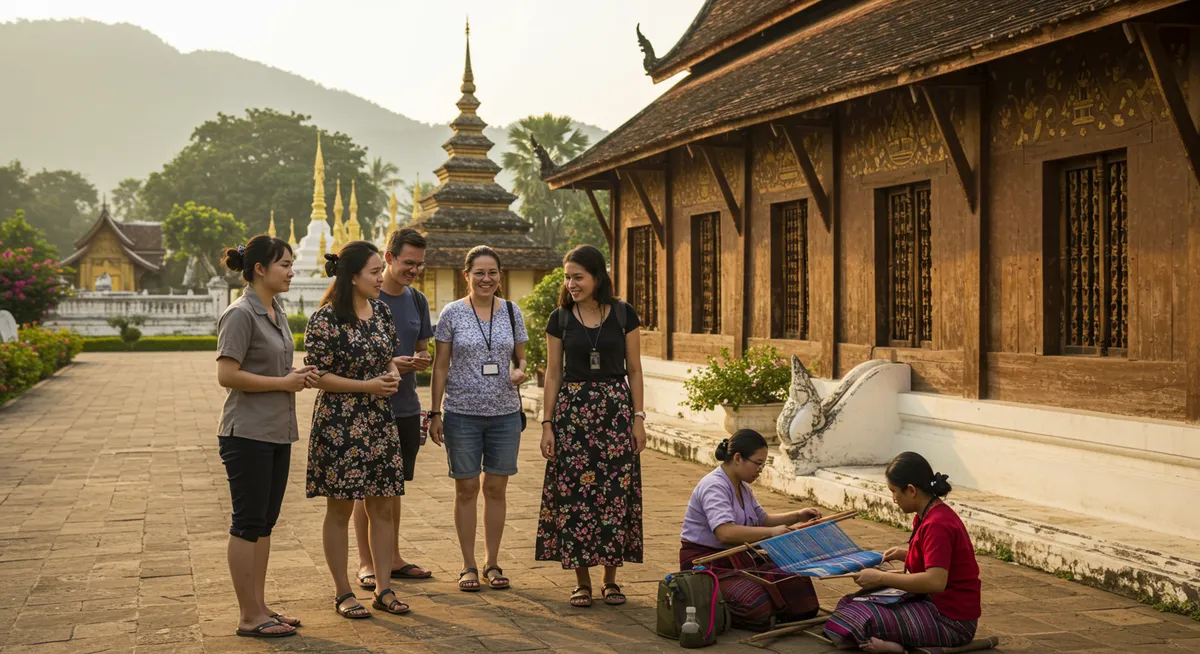
This deliberate pace is your secret weapon for discovering Luang Prabang’s hidden gems. Venture down a narrow alleyway and you might stumble upon a tiny, centuries-old *wat* (temple) rarely visited by tourists, an artisan quietly weaving silk on a traditional loom, or a local family preparing their morning meal. These spontaneous discoveries, moments of authentic daily life, are the true treasures of a walking tour. You can pause, observe, even engage, fostering a deeper connection with the place and its people that’s simply not possible when confined to a vehicle.
Walking also allows for unparalleled cultural insights. Imagine rising before dawn to respectfully witness the silent procession of monks during the daily alms giving (tak bat), their bare feet padding softly on the pavement. Being on foot enables you to position yourself thoughtfully, observe with reverence, and feel a part of this ancient ritual. Later, as you wander through the bustling morning market, you can linger to admire vibrant produce, sample exotic fruits, or exchange a smile with a vendor, gaining an intimate glimpse into local commerce and community life. It’s about feeling the texture of the cobblestone streets beneath your feet and understanding the subtle pulse of a town that lives by its own gentle rhythm.
To maximize your walking experience, practical preparation is key. Always wear comfortable, broken-in walking shoes, as you’ll be covering diverse terrains from smooth pavement to uneven pathways. Stay hydrated by carrying a reusable water bottle, especially during warmer months. Sun protection – a hat, sunglasses, and sunscreen – is essential. Aim for early morning or late afternoon walks when the temperatures are cooler and the light is softer, perfect for photography and comfortable exploration. Remember to dress respectfully, particularly when visiting temples, by covering your shoulders and knees. By embracing the simple act of walking, you unlock Luang Prabang’s profound beauty and cultural depth, transforming your visit into an unforgettable journey of discovery.
Preparing for Your Cultural Walk: Essentials & Best Practices
Embarking on a walking tour through Luang Prabang’s historic heart is an immersive journey, but a little preparation goes a long way in ensuring a comfortable and respectful experience. Understanding the local climate and customs will enhance your cultural exploration tenfold.
Optimal Timing for Your Walk
Choosing the right time of day is crucial for a pleasant walk in Luang Prabang, given its tropical climate. To avoid the midday heat and enjoy the city’s unique rhythms:
- Early Morning (Sunrise – 9:00 AM): This is arguably the most magical time. The air is cool and fresh, and the streets are relatively quiet before the main tourist influx. You can witness the serene Tak Bat (Alms Giving) ceremony, observe local life stirring, and explore the morning market as it comes alive with vendors selling fresh produce and local delicacies. Temples are often at their most peaceful.
- Late Afternoon (3:00 PM – Sunset): As the sun begins to dip, the temperatures become more agreeable, casting a beautiful golden light over the saffron-robed monks and ancient temples. This is perfect for leisurely strolls along the Mekong or Khan Rivers, discovering hidden alleys, or enjoying a refreshing drink at a riverside cafe before heading to the vibrant Night Market. Avoid walking between 10:00 AM and 2:00 PM, when the sun is at its most intense.
Essential Gear for a Comfortable Cultural Walk
Packing smart means you can focus on the sights and sounds, not discomfort.
- Comfortable Walking Shoes: This is non-negotiable! Luang Prabang’s pavements can be uneven, and you’ll encounter plenty of steps, especially at temples. Opt for breathable, broken-in sneakers or sturdy walking sandals.
- Lightweight, Breathable Clothing: Due to the humidity, choose loose-fitting garments made from natural fibers like cotton or linen. Pack items that dry quickly.
- Modest Attire: Crucially, bring clothing that covers your shoulders and knees. This is essential for respecting local customs, particularly when visiting temples (wats). A light sarong or shawl can be useful for quick coverage if needed.
- Sun Protection: The Laotian sun is strong. A wide-brimmed hat, high-SPF sunscreen, and sunglasses are vital to protect yourself from sunburn and heatstroke.
- Reusable Water Bottle: Staying hydrated is paramount. Many guesthouses and cafes offer water refill stations, which is an eco-friendly way to keep cool.
- Small Backpack: For carrying your water, camera, and any small purchases.
- Insect Repellent: Especially if you plan to walk near the rivers in the late afternoon or evening.
Basic Cultural Etiquette for Respectful Exploration
Luang Prabang is a deeply spiritual and traditional city. Showing respect for local customs will enrich your interactions and ensure a positive experience for everyone.
- Dress Code: Always ensure your shoulders and knees are covered when entering temples. Some temples provide sarongs for rent if you arrive unprepared.
- Remove Your Shoes: Before entering any temple (wat) or sometimes even private homes or guesthouses, always remove your shoes. Look for shoe racks or piles of shoes outside the entrance as a cue.
- Respect Monks: Monks are revered. Women should never touch a monk or hand anything directly to them. Give way to monks on paths and show deference. Avoid direct eye contact if possible.
- Head and Feet: The head is considered the most sacred part of the body, and the feet the lowest. Never point your feet at people, religious objects, or images of Buddha. Avoid touching anyone’s head.
- Alms Giving Observation: If observing the daily alms giving, do so from a respectful distance, do not interrupt the procession, and refrain from using flash photography.
- Photography: Always ask for permission before taking close-up photos of local people, especially children. A smile and a “Sabaidee” (hello) go a long way.
By preparing thoughtfully, you’re not just ready for a walk; you’re ready for an authentic, meaningful engagement with the heart and soul of Luang Prabang.
The Cultural Heartbeat: Recommended Walking Itinerary & Insights
🌟 Local Expert Tip: Get the most out of your Luang Prabang visit with guided tours!
Embark on a captivating journey through Luang Prabang’s cultural heart, much of which is easily accessible on foot. This walking itinerary guides you through the town’s most significant cultural landmarks, offering rich insights into its history, spirituality, and daily life.
A Spiritual Dawn & Royal Legacy
-
Alms Giving Ceremony (Tak Bat) – Early Morning Start: Begin your day before sunrise (around 5:30 AM – 6:30 AM, depending on the season) by respectfully observing the sacred Alms Giving Ceremony. Along Sakkaline Road and Kitsalat Road, saffron-robed monks walk in silent procession, collecting sticky rice and other offerings from devotees. This profound Buddhist ritual is a core part of Luang Prabang’s spiritual fabric. Practical Tip: Observe from a distance, do not use flash photography, and avoid disrupting the monks or participants. If you wish to participate, do so respectfully by purchasing offerings from a local vendor and dressing modestly.
-
Royal Palace Museum & Haw Pha Bang: After the ceremony, stroll towards the former Royal Palace, now the Royal Palace Museum. Explore the grand halls showcasing artifacts from the Lao monarchy, providing a fascinating glimpse into the country’s royal history before 1975. Within the palace grounds stands Haw Pha Bang, a beautiful temple housing the replica of the revered Phra Bang Buddha image, a symbol of Luang Prabang’s spiritual heritage. Local Insight: Note the blend of traditional Lao and French colonial architecture. Dress modestly (shoulders and knees covered) to enter the museum.
Temple Grandeur & Panoramic Vistas
-
Wat Xieng Thong: From the Royal Palace, a pleasant walk along the peninsula (follow the Mekong River) leads you to Wat Xieng Thong, the iconic ‘Golden City Temple.’ Considered a masterpiece of Lao temple architecture, its multi-tiered, sweeping roofs and intricate gold stenciling are mesmerizing. Don’t miss the “tree of life” mosaic on the rear wall of the sim (ordination hall) and the royal funeral carriage house. Cultural Significance: This temple was once used for royal coronations and houses important Buddhist relics.
-
Phousi Hill: For breathtaking panoramic views, ascend Phousi Hill, a sacred mound rising 150 meters from the heart of the town. Over 300 steps lead to the summit, crowned by Wat Chom Si stupa. The vistas of the Mekong and Nam Khan rivers converging, and the red-tiled roofs of Luang Prabang below, are unparalleled, especially at sunrise or sunset. Practical Tip: Wear comfortable shoes for the climb. It can get crowded during peak sunset hours, so consider an earlier or later visit for more tranquility.
Local Life & Artisan Wonders
-
Local Markets (Morning & Night): Experience the vibrant pulse of local life at Luang Prabang’s markets. The Morning Market, a bustling maze near the Royal Palace, offers fresh produce, local delicacies, and an authentic look at daily commerce. In the evening, the Night Market (on Sisavangvong Road) transforms the main street into a lively bazaar of handicrafts, textiles, and souvenirs. Actionable Tip: Engage with vendors (politely bargain at the Night Market!) and sample some incredible Lao street food.
-
Mekong Riverfront: Wind down your day along the Mekong Riverfront. Observe local life unfold as longtail boats ply the waters, and children play by the banks. Many riverside cafes and restaurants offer perfect spots to relax and watch a spectacular Luang Prabang sunset over the water. Local Insight: The Mekong is the lifeblood of Laos, historically and culturally. Consider a short boat trip for a different perspective.
-
Traditional Crafts & Artisan Workshops: Throughout your walk, keep an eye out for small shops and workshops showcasing Luang Prabang’s rich artistic heritage. From intricate silk weaving (like Ock Pop Tok) and delicate Saa paper making to skilled wood carving and intricate silversmithing, these crafts are vital to cultural preservation. Recommendation: Support local artisans by purchasing directly from their workshops, ensuring your visit helps sustain these invaluable traditions.
Beyond the Postcard: Discovering Local Life & Hidden Alleys
🌟 Local Expert Tip: Get the most out of your Luang Prabang visit with guided tours!
Beyond the bustling night market and the revered Alms Giving ceremony, Luang Prabang holds a quieter, more intimate charm waiting to be discovered. To truly grasp the pulse of this UNESCO World Heritage city, you need to step off the well-trodden tourist paths and allow yourself to wander. This section invites you to peel back the layers of Luang Prabang, venturing into the hidden alleys and local neighborhoods where authentic life unfolds.
While Wat Xieng Thong and Wat Mai are undeniably beautiful, seek out the smaller, less frequented temples. Just a short walk from the main street, you’ll find tranquil wats like Wat Pa Phai or Wat Nong Sikhamuang, often tucked away down narrow lanes. Here, you can observe monks in quiet contemplation, witness intricate details in the architecture without the crowds, and experience a profound sense of peace. Remember to dress respectfully, covering shoulders and knees, when entering any temple grounds.
The true magic of Luang Prabang lies in its labyrinthine backstreets, especially those crisscrossing the peninsula between the Mekong and Nam Khan rivers. These narrow arteries are where daily life thrives. You’ll stumble upon local guesthouses, small family-run shops selling everyday essentials, and houses with children playing in courtyards. Notice the blend of traditional Lao wooden homes and elegant French colonial-era villas, often with lush gardens peeking over walls. Each turn offers a new vignette – a woman weaving on a loom, a blacksmith at work, or the enticing aroma of local cooking.
Extend your walk beyond the immediate peninsula. Consider crossing the old bamboo bridge (seasonal) over the Nam Khan River to explore the quieter neighborhoods on the other side. Here, life moves at an even slower pace. Discover tiny, unassuming cafes serving delicious Lao coffee and sticky rice, or small eateries offering authentic local dishes at truly local prices. These are often places without English menus, but pointing and smiling will usually lead to a delightful culinary experience. Supporting these smaller establishments directly benefits the local community.
Here are some practical tips to enhance your “Beyond the Postcard” exploration:
- Embrace Getting Lost: Don’t rely solely on Google Maps. Let your curiosity guide you down interesting lanes. You can always reorient yourself by heading towards the river or Phou Si hill.
- Best Time to Explore: Early mornings (after Alms Giving) or late afternoons are ideal. The light is softer, and the heat less intense, making for a more comfortable stroll.
- Respectful Observation: Be mindful of privacy. If you wish to photograph people, always ask permission with a polite nod and smile. Observe daily life without intruding.
- Hydrate: Carry a reusable water bottle. Luang Prabang can be humid, and staying hydrated is key to enjoyable walking.
- Basic Lao Phrases: Learning “Sabaidee” (hello), “Khop Jai” (thank you), and “Pai Sai?” (where are you going?) can open doors and bring smiles.
- Comfortable Footwear: You’ll be doing a lot of walking on uneven sidewalks and dusty paths. Sturdy, comfortable shoes are a must.
- Support Local: When you find a small shop or eatery, consider making a purchase. Your patronage directly supports local families and keeps the authentic spirit of Luang Prabang alive.
Navigating Safely & Responsibly: Practical Tips for Walkers
As you embark on your Luang Prabang walking adventure, embracing the relaxed pace of this ancient city also means being mindful of your surroundings and respecting the local culture. A little preparation and awareness go a long way in ensuring a safe, enjoyable, and meaningful experience for both you and the community.
Navigating the Streets
While Luang Prabang is generally tranquil, its streets can be bustling, particularly with scooters, motorbikes, and tuk-tuks. Unlike many Western cities, pedestrians don’t always have the right of way. Sidewalks can be uneven, narrow, or non-existent in places, meaning you’ll often share the road with traffic. Our advice:
- Be Vigilant: Always look both ways, and don’t assume vehicles will stop for you, even at designated crossings.
- Make Eye Contact: Try to make eye contact with drivers to signal your intention.
- Walk Defensively: Be predictable in your movements and avoid sudden changes in direction.
- Use the Riverwalk: When possible, utilize the quieter paths along the Mekong and Nam Khan rivers for a more serene strolling experience.
Beating the Heat
Luang Prabang’s tropical climate means it can get very hot and humid, especially during the middle of the day. Staying hydrated and protected from the sun is crucial for comfortable walking tours.
- Hydrate Constantly: Carry a reusable water bottle and refill it frequently. Many guesthouses and cafes offer water refill stations for a small fee, helping reduce plastic waste.
- Sun Protection is Key: Wear a wide-brimmed hat, sunglasses, and apply high-SPF sunscreen regularly. Lightweight, long-sleeved clothing can also offer excellent sun protection.
- Walk Smart: Plan your longer walks for the cooler parts of the day – early mornings (perfect for the alms giving ceremony) or late afternoons into early evenings.
Cultural Etiquette & Temple Visits
Luang Prabang is deeply spiritual, home to numerous stunning temples (wats) and a large monastic community. Showing respect for local customs is paramount.
- Dress Code for Temples: When visiting wats, ensure your shoulders and knees are covered. This applies to both men and women. Scarves can be handy for spontaneous temple visits.
- Remove Shoes: Always remove your shoes before entering any temple building or someone’s home.
- Respect Monks: Monks are highly revered. Women should avoid touching monks or handing items directly to them. Always seek permission before taking photos of monks, especially during the alms giving ceremony.
- Polite Interactions: Greet locals with a friendly smile and a soft “Sabaidee.” Avoid pointing with your finger; instead, use your open hand. Never touch someone’s head (considered the most sacred part of the body) or point your feet at people or Buddha images.
Responsible Tourism in Practice
Your visit can have a positive impact. By practicing responsible tourism, you help preserve Luang Prabang’s unique charm and support its people.
- Support Local: Choose local guesthouses, restaurants, and shops. Buy handicrafts directly from artisans or community initiatives.
- Reduce Waste: Minimize your use of single-use plastics. Reusable bags, water bottles, and coffee cups are highly recommended.
- Bargain Respectfully: If you choose to bargain in markets, do so with a friendly demeanor and a smile. Remember that a few Kip more often means a lot more to the vendor than to you.
- Be Mindful with Photography: Always ask permission before taking photos of people, especially children. Avoid taking photos that could be seen as exploiting local traditions or poverty.
- Don’t Give to Beggars: While it may seem counterintuitive, giving money to child beggars can encourage them to stay out of school. Consider donating to reputable local charities instead.
By keeping these practical tips in mind, you’ll not only have a safer and more comfortable walking experience but also contribute to the sustainable future of this enchanting UNESCO World Heritage city.
Connecting with the Local Community & Ethics
A walking tour in Luang Prabang offers an unparalleled opportunity to connect with the city’s heart and soul. Beyond the stunning temples and Mekong vistas, it’s the warmth and resilience of the Lao people that truly define the experience. Engaging respectfully and ethically with the local community not only enriches your journey but also ensures your visit has a positive, lasting impact.
Respectful Engagement & Cultural Sensitivity
As you wander through Luang Prabang’s tranquil streets, you’ll encounter monks, vendors, and everyday residents. A little cultural awareness goes a long way:
- Greetings: Learn a few basic Lao phrases. A simple “Sa-bai-dee” (hello) with a friendly smile, often accompanied by a gentle ‘nop’ (a prayer-like hand gesture), will be greatly appreciated.
- Dress Modestly: This is especially crucial when visiting temples (wats), which are frequently encountered on any Luang Prabang walking tour. Ensure your shoulders and knees are covered. Carry a light scarf or sarong for quick coverage.
- Interacting with Monks: Luang Prabang is a spiritual center. Show reverence to monks; women should avoid touching them, and it’s polite to lower your gaze slightly if passing them closely. During the daily alms giving (Tak Bat) ceremony, observe respectfully from a distance. Do not interrupt the procession, use flash photography, or position yourself disrespectfully close.
- Patience and Politeness: Life in Laos moves at a gentler pace. Embrace it. A calm, patient demeanor and a ready smile will foster positive interactions. Avoid public displays of affection or raising your voice.
Supporting Local Businesses & Ethical Consumption
Your choices as a traveler have a direct impact. Use your walking tour to consciously support the local economy:
- Shop Locally: Instead of large chain stores, frequent the family-run stalls at the Night Market or the bustling Morning Market. Bargain respectfully, but remember that a few thousand Kip makes a significant difference to local vendors. Look for handicrafts, textiles, and unique souvenirs that are clearly handmade in Laos, such as those from Ock Pop Tok, which supports local artisans.
- Dine at Local Eateries: Skip the international chains and savor authentic Lao cuisine at family-owned restaurants and street food stalls. Try local delights like khao soi (Luang Prabang noodle soup), mok pa (steamed fish in banana leaves), or fresh fruit shakes. This not only offers a genuine culinary experience but also directly supports local families.
- Ethical Choices: When purchasing items like coffee or tea, inquire if they are locally sourced and roasted. Many cafes in Luang Prabang proudly serve Lao-grown beans.
Photography Ethics: Ask First!
Luang Prabang is incredibly picturesque, and it’s tempting to capture every moment. However, remember that behind every captivating scene are real people:
- Always Ask for Permission: Before taking someone’s photograph, especially children or elders, make eye contact and politely ask with a gesture or “Khaw toy rup dai bo?” (May I take your photo?). Respect their answer if they decline.
- Be Mindful of Children: While cute, avoid giving money or sweets to children, as it can inadvertently encourage begging. A genuine smile and interaction are far more valuable.
- Temples and Monks: When photographing inside temples, be discreet and do not use flash. Never disrupt prayer or ceremonies. For monks, maintain a respectful distance and only photograph them with their explicit permission, especially if you wish to capture them up close.
By integrating these ethical considerations into your Luang Prabang walking tour, you’re not just a visitor; you become a welcomed guest, fostering genuine connections and contributing positively to the beautiful community around you.
Extending Your Exploration: More on Foot & Local Transport
While Luang Prabang’s UNESCO-listed peninsula offers an abundance of walkable cultural gems, its charm truly radiates when you venture a little further afield. Combining your comfortable walking shoes with short, strategic rides on local transport is the perfect way to uncover more of this captivating city and its surrounding villages, enriching your “Luang Prabang walking tour cultural insights” experience immensely.
One of the most iconic ways to extend your exploration on foot is by crossing the seasonal Bamboo Bridge (typically erected during the dry season, November to May) over the Nam Khan River. A pleasant 15-20 minute stroll from the main street will bring you to the bridge’s entrance. For a small fee (usually 10,000-15,000 LAK, which helps maintain the bridge), you can enjoy a unique, slightly wobbly walk across to the village of Ban Phanom. Here, your walking tour continues amidst traditional Lao homes and vibrant weaving workshops. Witness artisans creating exquisite silk and cotton textiles on traditional looms – a fascinating glimpse into local craftsmanship and daily life. You can spend an hour or two wandering the quiet lanes before walking back across the bridge to the town center.
Beyond the Bamboo Bridge, short tuk-tuk rides open up a world of possibilities for combined walk-and-explore excursions. Consider taking a tuk-tuk just a few kilometers out to villages like Ban Xang Khong, known for its traditional Saa paper making and natural silk weaving. The ride is quick, but once you arrive, you can leisurely walk through the village, observing the craft processes and perhaps even trying your hand at making paper. Another excellent option is to head to Wat Phra Bat Tai, located slightly south of the peninsula, offering panoramic views of the Mekong, especially stunning at sunset. Walk around the temple grounds, absorb the tranquility, and then catch another tuk-tuk back.
When to Go Guided vs. Self-Guided:
- Self-Guided Exploration: Perfect for the main peninsula. Its compact size, clear signage (often in English), and numerous temples and cafes make it ideal for wandering at your own pace. You have the flexibility to linger, revisit spots, and follow your own interests without a strict schedule. This is often the most rewarding way to absorb the general atmosphere.
- Guided Walking Tours: For deeper cultural insights or venturing further afield, a local guide can be invaluable.
- Enhanced Understanding: A guide provides historical context, local anecdotes, and explanations of rituals or architectural details that you might otherwise miss. This is particularly beneficial for understanding the significance of the alms giving ceremony or the intricacies of temple art.
- Access & Logistics: For more specialized interests like visiting specific craft villages (beyond easy walking distance) or exploring less-trafficked areas, a guide can arrange transport efficiently, act as a translator, and ensure you connect respectfully with local communities. They often know the best times to visit and can help you avoid common tourist pitfalls.
- Supporting Local Economy: Hiring a local guide directly contributes to the community and often provides a more authentic experience.
In essence, start your Luang Prabang journey with a self-guided exploration of the peninsula, then consider a guided tour or a tuk-tuk adventure to expand your horizons and delve deeper into the rich cultural tapestry that extends beyond the main walking zone.
Frequently Asked Questions
🌟 Local Expert Tip: Get the most out of your Luang Prabang visit with guided tours!
Q: Is Luang Prabang easy to navigate on foot?
A: Yes, Luang Prabang’s peninsula is very compact and largely flat, making it exceptionally easy and enjoyable to navigate on foot. Most major attractions are within walking distance of each other.
Q: What’s the best time of day for free walking tours in Luang Prabang?
A: Early mornings (before 9 AM) are ideal for cooler temperatures, witnessing local life wake up, and observing the Alms Giving ceremony. Late afternoons (after 4 PM) are perfect for sunset views and exploring the night market.
Q: Are there any specific safety concerns for walkers in Luang Prabang?
A: Generally, Luang Prabang is very safe. Be aware of occasional scooters and tuk-tuks, especially on narrower streets. Stay hydrated due to the tropical climate and use sun protection. Walking alone at night in well-lit areas is usually fine.
Q: Can I observe the Alms Giving Ceremony (Tak Bat) on a self-guided walk?
A: Absolutely. The ceremony occurs daily around sunrise. Position yourself respectfully across the street from the monks and devotees, maintain a distance, remain silent, and do not use flash photography. Many guesthouses can provide specific viewing spot advice.
Q: Do I need special walking shoes?
A: Comfortable, breathable walking shoes or sandals are highly recommended, especially given the heat and humidity. You’ll be taking them off frequently when entering temples, so easy-to-remove footwear is a plus.
Luang Prabang truly unveils its soul when explored on foot. Beyond simply ticking off famous landmarks, a walking tour offers a profound cultural immersion – a chance to feel the rhythm of daily life, witness ancient traditions, and connect with the gentle spirit of the Lao people. Embrace the slow pace, allow yourself to wander, and let Luang Prabang’s enchanting charm lead you on an unforgettable journey of discovery.