
Ho Chi Minh City Walking Tour: Cultural Insights & Tips (2026)
Discover Ho Chi Minh City’s vibrant culture on foot! This guide offers comprehensive walking tour insights, practical tips, and local secrets for an unforgettable exploration of Saigon.
On this page
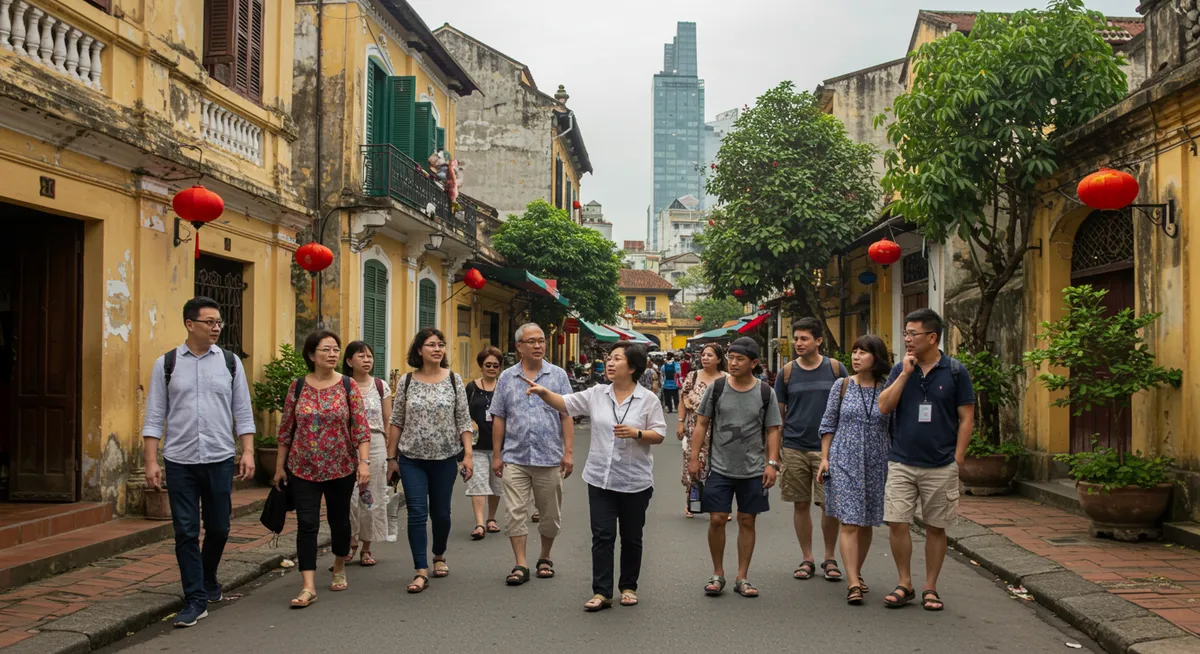
Ho Chi Minh City, often affectionately called Saigon, is a city best experienced on foot. Beyond the bustling traffic and modern skyscrapers lies a rich tapestry of history, vibrant markets, colonial architecture, and street-level culture waiting to be discovered. This comprehensive guide provides everything you need to embark on a fulfilling cultural walking tour, offering unique insights and practical advice for exploring Vietnam’s most dynamic metropolis at your own pace.
Key Tips and Takeaways
- Wear comfortable, breathable shoes – you’ll be doing a lot of walking!
- Stay hydrated: carry water and take frequent breaks in cafes.
- Master the art of crossing the street: walk slowly and predictably, letting motorbikes flow around you.
- Carry small denominations of Vietnamese Dong for street vendors and small purchases.
- Embrace the chaos – it’s part of Saigon’s charm!
- Start early to beat the heat and crowds, or explore in the late afternoon/evening.
Why Explore Ho Chi Minh City on Foot?
Ho Chi Minh City, often still affectionately called Saigon by locals, is a sprawling metropolis that truly comes alive when experienced on foot. While taxis and motorbike taxis offer quick transit, they whisk you past the very essence of the city. To genuinely connect with its vibrant pulse, discover its hidden gems, and absorb its unique atmosphere, there’s no better way than lacing up your shoes and exploring at a leisurely pace.
One of the most compelling reasons to walk HCMC is the sheer **sensory immersion**. The city is a symphony of sounds – the constant hum of motorbikes, the melodic cries of street vendors, the chatter of café patrons. It’s an intoxicating mix of aromas, from fragrant pho and grilling meats to tropical fruits and incense wafting from temples. Walking allows these sensations to wash over you, creating a deeper, more personal connection than any vehicle could offer. You’ll truly feel the energy of the city pulsating beneath your feet.
Walking is the key to unlocking Ho Chi Minh City’s labyrinthine network of **hẻm (alleys)**. These narrow, unassuming lanes are the city’s secret veins, often overlooked by those rushing by. Step into a *hẻm* and you’ll find hidden worlds: local noodle stalls serving generational recipes, bustling tailor shops, quiet communal living spaces, quirky cafes tucked away, and even ancient pagodas. Getting “lost” in a *hẻm* (safely, of course!) is where authentic local life unfolds, offering unparalleled photographic opportunities and genuine glimpses into daily routines that tourist buses simply can’t access.
Exploring on foot also naturally facilitates **authentic interactions with locals**. You’re no longer a spectator behind a window; you’re part of the streetscape. A smile, a nod, or even an attempt at a few Vietnamese words can open doors to friendly exchanges with street vendors, shopkeepers, or children playing. Witnessing daily life – the morning market rush, families sharing meals on tiny plastic stools, or impromptu sidewalk barbers – becomes an intimate experience, fostering a much richer understanding of Vietnamese culture.
Embracing the **slow travel advantage** in HCMC means you can pause whenever something catches your eye. Admire the intricate details of French colonial architecture juxtaposed with modern skyscrapers, linger at a street art mural, or simply grab a Vietnamese iced coffee (cà phê sữa đá) and watch the world go by. This unhurried pace allows for deeper observation, reflection, and appreciation of the city’s complex layers, from its historical grandeur to its bustling contemporary life.
Finally, walking helps you truly **appreciate the city’s scale and details**. You’ll notice how seamlessly ancient temples sit next to modern high-rises, the ingenious ways street vendors arrange their wares, and the vibrant life unfolding on every sidewalk. It’s a human-scale city in many respects, and being at ground level allows you to absorb the small nuances that collectively define Ho Chi Minh City’s magnetic charm.
Actionable Tips for Walkers:
- Wear Comfortable Shoes: This is non-negotiable. You’ll be covering a lot of ground on often uneven pavements.
- Stay Hydrated: HCMC is hot and humid. Carry water and stop frequently for refreshing drinks like fresh coconut water or sugar cane juice.
- Embrace the Flow: Crossing streets can feel daunting with the motorbike traffic. Walk purposefully, maintaining eye contact with riders, and they will usually navigate around you.
- Look Up and Around: So much of HCMC’s beauty lies above street level or tucked away. Don’t forget to glance up at balconies and into alleyways.
- Be Prepared to Stop: Whether for an impromptu snack, a photo op, or just to soak in the atmosphere, flexibility is key.
Planning Your Saigon Walking Adventure: Essential Routes & Themes
Embarking on a walking tour in Ho Chi Minh City (formerly Saigon) is truly the best way to immerse yourself in its vibrant pulse, uncover hidden gems, and witness its unique blend of history and modernity. While the city’s notorious traffic can seem daunting, many key attractions are remarkably walkable once you get the hang of it. Planning your route thoughtfully will maximize your experience, allowing you to delve into specific themes that resonate with your interests.
Essential Themed Walking Routes
Here are some curated routes to guide your Ho Chi Minh City cultural walking tour insights:
-
The Colonial Heritage Loop (District 1): This classic route transports you back to Saigon’s French colonial era. Start at the magnificent Saigon Central Post Office, a stunning architectural masterpiece designed by Gustave Eiffel. Just opposite lies the equally impressive Notre Dame Cathedral Basilica (currently undergoing extensive renovations, so exterior views are primary). From there, stroll down Dong Khoi Street, once dubbed “Rue Catinat,” past luxury boutiques and historic buildings like the grand Saigon Opera House and the opulent Hotel Continental Saigon. Continue towards the Ho Chi Minh City People’s Committee Building (City Hall) and Nguyễn Huệ Walking Street.
- Duration: 2-3 hours (leisurely pace, excluding interior visits).
- Mapping Tip: Easily navigable with Google Maps; many landmarks are visible from each other.
-
Cholon (Chinatown) Immersion (District 5): Experience a different side of Saigon in the bustling, sensory overload that is Cholon. Begin your exploration at the historic Thien Hau Temple, dedicated to the Goddess of the Sea, known for its intricate porcelain dioramas and incense coils. Wander through the narrow, chaotic lanes, absorbing the sights and sounds of traditional Chinese medicine shops, authentic eateries, and vibrant markets. Make your way to Binh Tay Market, a sprawling wholesale market (though often renovated, still culturally significant) to observe local commerce. Don’t miss a visit to the tranquil Quan Am Pagoda.
- Duration: 3-4 hours (allow time for getting lost and soaking it in).
- Mapping Tip: Download an offline map as GPS can sometimes be less precise in denser areas. Embracing getting slightly lost is part of the charm here.
-
War Remnants & Reunification Palace Area (District 1): This route offers a profound look into Vietnam’s recent history. Start at the solemn War Remnants Museum, a powerful and often harrowing experience detailing the Vietnam War. From there, it’s a short walk to the iconic Reunification Palace (Independence Palace), a pivotal site marking the end of the war. Its preserved 1960s architecture and underground command bunkers provide a fascinating glimpse into a crucial historical moment. You can also easily incorporate the nearby Ho Chi Minh City Museum for a broader historical context.
- Duration: 3-5 hours (depending on time spent inside museums/palace).
- Mapping Tip: These sites are very close to each other, making them easy to combine on foot.
-
Ben Thanh Market & Street Food Trails (District 1): For the culinary explorer, this route is a must. Centered around the iconic Ben Thanh Market, spend time browsing its endless stalls of souvenirs, clothing, and local produce. As evening approaches, the streets surrounding the market transform into a bustling night market, offering an incredible array of street food. Explore nearby alleys and small streets for local eateries (quán ăn) serving pho, banh mi, fresh spring rolls, and regional specialties. Consider joining a dedicated street food walking tour to uncover hidden gems.
- Duration: 2-4 hours (especially rewarding in the late afternoon/evening).
- Mapping Tip: Use your nose and eyes! While maps help, often the best food is found by following the crowd or the inviting aroma.
Practical Planning & Accessibility Tips
- Mapping Your Adventure: Google Maps is generally reliable, but consider downloading offline maps for areas like Cholon where connectivity might be spotty. Apps like Citymapper (if available for HCMC) or local public transport apps can also be useful, though walking is often preferable for discovery.
- Duration & Pacing: Most themed loops take 2-4 hours at a comfortable pace, excluding extensive time spent inside attractions. Factor in breaks for hydration, coffee, or simply soaking in the atmosphere.
- Accessibility & Footwear: Ho Chi Minh City’s pavements can be uneven, crowded, or non-existent, especially outside District 1. You’ll often be walking on the road shoulder. Wear comfortable, sturdy walking shoes. The tropical heat and humidity are significant; hydrate frequently.
- Best Time to Walk: Early mornings (before 9 AM) or late afternoons (after 4 PM) are ideal to avoid the midday heat and intense traffic.
- Safety & Awareness: Stay vigilant for motorbikes, even on sidewalks. Keep valuables secure and be mindful of your surroundings. Cross streets with caution – look both ways and walk steadily.
Must-See Cultural Landmarks & Hidden Gems
🎯 Insider Tip: Discover the best Ho Chi Minh City experiences with Viator Tours!
Ho Chi Minh City is a tapestry woven with threads of deep history, resilient spirit, and vibrant daily life. A cultural walking tour offers the unique opportunity to step directly into this narrative, allowing you to absorb the atmosphere at your own pace and discover both the grand landmarks and the quiet, authentic corners.
Colonial Grandeur & Presidential History
Begin your journey in District 1, where several iconic structures stand in close proximity, perfect for a contiguous walk.
- Notre Dame Cathedral Basilica of Saigon: A stunning testament to French colonial architecture, built with red bricks imported directly from France. While often undergoing restoration, its impressive façade and peaceful surroundings make for a compelling photo stop. Respectfully observe any ongoing church services.
- Saigon Central Post Office: Just opposite the Cathedral, this architectural marvel, often attributed to Gustave Eiffel, is a fully functional post office with grand arches and ornate details. Step inside to admire its vast, airy interior, historical maps, and send a postcard home.
- Reunification Palace (Independence Palace): A poignant symbol of Vietnam’s modern history. This 1960s architectural gem was the former residence and workplace of the President of South Vietnam during the Vietnam War. Explore its rooms, underground bunkers, and the very rooftop where helicopters evacuated the last Americans in 1975. Allow ample time (1.5-2 hours) for a comprehensive visit.
A Sobering Reflection
A short walk from the Palace brings you to a crucial, albeit somber, stop.
- War Remnants Museum: This powerful museum offers a harrowing, yet essential, insight into the brutalities of the Vietnam War. Exhibits include military hardware, photographic displays, and personal accounts. Be prepared for a very emotional experience. It’s recommended to visit earlier in the day to allow for reflection and avoid the largest crowds.
Spiritual Havens & Bustling Markets
Venture a little further to discover the city’s spiritual heart and its vibrant commercial hubs.
- Jade Emperor Pagoda (Chùa Ngọc Hoàng): A true hidden gem, this Taoist pagoda is revered for its intricate woodcarvings, statues of deities, and spiritual atmosphere. Step inside to witness locals praying amidst the lingering incense smoke. It’s a serene escape from the city’s hustle and bustle. Remember to dress modestly out of respect.
- Ben Thanh Market: This iconic, bustling market is a sensory overload in the best way. From fresh produce and local street food to handicrafts and souvenirs, it’s a quintessential HCMC experience. Be prepared to haggle for the best prices, and definitely try some local delicacies from the food stalls, especially around the perimeter in the evenings.
- Binh Tay Market (Chợ Bình Tây): Located in Cholon (Chinatown), this wholesale market offers a less touristy, more authentic glimpse into local commerce. While a bit further afield (consider a short Grab ride or taxi if your feet are tired), it’s fantastic for observing local life and purchasing goods at local prices.
- Saigon Opera House (Municipal Theatre): While not a primary walking tour destination, its magnificent French colonial architecture is worth admiring, particularly at night when illuminated. Check their schedule for potential evening cultural performances.
Discovering Hidden Gems & Local Life
Beyond the major landmarks, the true magic of a Ho Chi Minh City walking tour lies in its unscripted discoveries. Dare to wander down the narrow alleys, known as hẻm. Here, you’ll uncover:
- Local Temples and Shrines: Small, neighborhood pagodas or family shrines tucked away, offering a quiet glimpse into daily spiritual life.
- Quaint Coffee Shops & Street Food Stalls: Authentic local eateries where you can savour Vietnamese coffee or a bowl of pho just like the locals do.
- Community Life: Witness children playing, neighbours chatting, and the rhythm of everyday life unfold away from the main tourist arteries.
Remember to wear comfortable walking shoes, stay hydrated, and embrace the vibrant chaos. Each turn can reveal a new facet of Ho Chi Minh City’s incredible cultural tapestry.
Navigating the Bustle: Practical Tips for Walkers
Ho Chi Minh City, often affectionately called Saigon, pulses with an unparalleled energy. Its streets are a symphony of sounds, sights, and especially, movement. While this vibrancy is precisely what makes walking here so captivating, it also presents a unique set of challenges for pedestrians. Navigating the bustle requires a blend of awareness, patience, and a few practical strategies. Here’s how to master the urban ballet and enjoy your Ho Chi Minh City cultural walking tour to the fullest.
The first thing you’ll notice is the seemingly endless river of motorbikes. Crossing the street in Ho Chi Minh City isn’t about waiting for a gap; it’s about joining the flow. This might feel counterintuitive at first, but it’s the safest and most efficient method:
- Walk Slow and Steady: Don’t hesitate or make sudden movements. Maintain a predictable pace. Drivers will see you and anticipate your movement, weaving around you.
- Maintain Eye Contact: Look at drivers as you cross. This helps them acknowledge your presence.
- No Sprinting: Resist the urge to dash. A steady, unhurried pace allows traffic to flow around you.
- Beware of Turning Vehicles: Be extra vigilant for vehicles turning into or out of side streets.
- Look for Locals: If nervous, try to walk near a local. They are masters of this urban dance.
Ho Chi Minh City is a tropical metropolis, meaning heat and humidity are constant companions. Protecting yourself is crucial for an enjoyable walk:
- Hydrate Constantly: Carry a refillable water bottle and drink frequently. Bottled water is readily available from street vendors, convenience stores (like Circle K or VinMart), and cafes.
- Sun Protection is Key: Wear a wide-brimmed hat, sunglasses, and apply high-SPF sunscreen regularly. Consider lightweight, breathable long-sleeved fabrics for added sun protection, as many locals wear these to shield from the sun.
- Seek Shade: Plan routes to take advantage of shaded sidewalks or pop into a cafe for a cool-down break.
Your feet will be doing a lot of work, and having the right gear makes all the difference:
- Comfortable Footwear: This is non-negotiable. Choose breathable, well-cushioned walking shoes or sturdy sandals. You’ll encounter uneven pavements and puddles, especially after rain.
- Lightweight Bag: A small backpack or cross-body bag is ideal for carrying essentials. Be mindful of pickpockets, particularly in crowded areas like Ben Thanh Market. Keep your bag secure and close to your body.
- What to Carry: Besides water, bring your phone (for navigation and photos), a portable power bank, small denominations of Vietnamese Dong (VND) for street food and small purchases, hand sanitizer, and tissues.
While many people in tourist areas speak some English, a few basic Vietnamese phrases will go a long way in showing respect and enhancing your interactions:
- Hello: *Xin chào* (sin chow)
- Thank you: *Cảm ơn* (gam un)
- Excuse me / Sorry: *Xin lỗi* (sin loy)
- How much?: *Bao nhiêu tiền?* (bow nyoo tee-en?)
- Water: *Nước* (nook)
- Delicious!: *Ngon quá!* (ngon wah!) – great for street food!
Embrace the vibrant chaos of Ho Chi Minh City. With these practical tips, you’ll confidently navigate its bustling streets and truly immerse yourself in its captivating cultural tapestry.
Taste of Saigon: Integrating Food & Drink Stops
One of the most enriching aspects of any Ho Chi Minh City cultural walking tour is the unparalleled opportunity to immerse yourself in its vibrant food and drink scene. HCMC, often still affectionately called Saigon, truly lives and breathes through its culinary offerings, from bustling street food stalls to hidden alleyway eateries and quaint local cafes. Integrating these stops isn’t just about refueling; it’s a vital part of understanding the city’s soul and daily rhythm.
As you navigate the city on foot, allow your senses to guide you. The aroma of simmering broth, sizzling meats, and robust coffee will inevitably draw you in. Don’t be afraid to pull up a plastic stool at a small, unassuming spot. These are often where the most authentic flavors reside. Remember, the best places usually have a crowd of locals, a good sign of quality and freshness.
Must-Try Bites for Your Walking Tour:
- Phở: While a national dish, Saigon’s Phở often features a sweeter broth and a wider array of fresh herbs. Look for a busy Phở stall; the turnover ensures fresh ingredients.
- Bánh Mì: The iconic Vietnamese baguette sandwich is a perfect on-the-go snack. Find a vendor with a constant line and choose from various fillings like grilled pork (bánh mì thịt nướng), pâté, or cold cuts.
- Bún Thịt Nướng: A refreshing bowl of vermicelli noodles with grilled pork, fresh herbs, pickled carrots, and a delicious fish sauce dressing. Ideal for a light lunch.
- Cơm Tấm: Or broken rice, a hearty staple often served with grilled pork chop (sườn nướng), a fried egg, and a savory fish sauce. A fulfilling stop after a long walk.
- Gỏi Cuốn: Fresh spring rolls, often filled with shrimp, pork, vermicelli, and herbs, served with a rich peanut dipping sauce. A lighter, fresh option.
Embrace the Local Café Culture:
No walking tour in Ho Chi Minh City is complete without experiencing its legendary coffee culture. Make regular stops to hydrate and soak in the atmosphere. The undisputed king is Cà Phê Sữa Đá – rich, dark Vietnamese coffee brewed with a phin filter, mixed with condensed milk, and poured over ice. It’s a perfect pick-me-up for the tropical heat and a social ritual for locals. Look for small, independent cafes rather than large chains for a more authentic experience.
Hygiene Tips for Street Food Savvy Travelers:
While the allure of street food is strong, a few practical tips will ensure your culinary adventures remain delightful:
- Look for High Turnover: Stalls that are busy and constantly cooking and serving food are generally safer, as ingredients are fresh.
- Observe Cleanliness: Pay attention to how food is handled, the cleanliness of utensils, and the general tidiness of the stall.
- Eat Cooked Food: Opt for dishes that are cooked fresh and served hot. While raw herbs are common, ensure they look fresh and clean.
- Bottled Water is Your Friend: Always stick to bottled water for drinking and even for rinsing your mouth if you’re sensitive.
- Hand Sanitizer: Carry a small bottle of hand sanitizer and use it before and after eating.
Integrating food stops allows you to pace your Ho Chi Minh City cultural walking tour, offering moments of rest, hydration, and deep cultural immersion. It transforms a simple walk into a multi-sensory journey, revealing the true “Taste of Saigon” one delicious bite at a time.
Beyond Self-Guided: Connecting with HCMC’s Walking Tour Ecosystem
While Ho Chi Minh City invites endless self-guided exploration, tapping into its diverse walking tour ecosystem can unlock deeper insights and more enriching experiences. Beyond simply wandering, consider these fantastic options to connect with the city’s pulse and history.
Free Student-Led Tours
A truly unique and authentic way to experience HCMC is through its network of free student-led tours. Organizations like Saigon Hotpot (and similar initiatives by local universities) connect eager English-speaking students with international visitors. These tours are fantastic for:
- Cultural Exchange: A genuine opportunity for students to practice English and for you to gain a youthful, local perspective.
- Authentic Insights: Students often share personal anecdotes and show you spots off the typical tourist trail, from local coffee shops to hidden alleyway temples.
- Budget-Friendly: Tours are free; you only cover your own expenses (e.g., coffee, entrance fees if any). A sincere tip for their time and effort is always appreciated.
While less structured than professional tours, these offer a charming, unvarnished look at daily life in HCMC.
Professional Guides & Small Group Tours
For a deep dive into Ho Chi Minh City’s complex history, vibrant culture, or specific niches, professional local guides and small group tours are invaluable. These options offer:
- In-depth Knowledge: Licensed guides possess extensive historical, architectural, and cultural expertise, bringing landmarks like Notre Dame Cathedral, Central Post Office, or the War Remnants Museum to life.
- Hidden Gems & Navigation: They can expertly lead you through bustling markets like Ben Thanh or reveal hidden pagodas and vibrant street art in obscure alleyways you might otherwise miss.
- Tailored & Thematic Experiences: Many offer customizable tours focused on specific interests (e.g., the city’s French colonial past, its thriving street food scene, or the legacy of the Vietnam War). Small group tours are often thematic (e.g., “Saigon Street Food Walking Tour”) with curated routes and professional commentary.
- Language Barrier Assistance: A local guide is incredibly helpful in communicating with vendors, explaining local customs, and ordering food, ensuring a smoother, more confident exploration.
Your Digital Navigator: Mobile Apps
Even if you opt for a professional tour, mobile apps remain indispensable for supplementing your experience or for purely self-guided adventures:
- Google Maps: Your essential companion for navigation. Download offline maps of Ho Chi Minh City to save data, pin points of interest (POIs) like Bui Vien Walking Street, Independence Palace, or the Fine Arts Museum, and plan walking routes between landmarks.
- Grab: While primarily a ride-hailing app, Grab’s map feature is excellent for understanding local geography and finding specific addresses. You can also use GrabFood to order quick snacks or drinks to a nearby park bench during your stroll.
- Translation Apps: Tools like Google Translate can bridge communication gaps with locals you encounter.
When to Guide vs. Self-Explore: A guide is highly beneficial for first-time visitors seeking historical context, navigating complex areas (like sprawling markets or dense alleyways), or exploring niche interests. For those who prefer to wander at their own pace, discover serendipitously, or revisit familiar areas, self-exploration with the aid of mobile apps offers ultimate flexibility and a sense of personal discovery.
Safety & Responsible Tourism While Walking
🎯 Insider Tip: Discover the best Ho Chi Minh City experiences with Viator Tours!
Ho Chi Minh City is generally a safe and welcoming destination, but like any bustling metropolis, a little awareness goes a long way. As you navigate the city on foot, being prepared for common urban challenges will ensure your cultural walking tour remains a joyful and trouble-free experience.
Navigating Common Scams
- Cyclo Scams: While an iconic Ho Chi Minh City experience, be wary of cyclo (pedicab) drivers. Always negotiate and firmly agree on the price *before* you get in, specifying currency (VND) and duration. Some drivers will demand exorbitant fees mid-ride or upon arrival. For transparent pricing, consider using ride-hailing apps like Grab for motorbikes or cars.
- Fake Tours & “Student” Guides: Be wary of overly friendly individuals approaching you on the street offering “student tours” or “amazing deals.” Always book your tours through reputable hotels, established agencies, or online platforms with verified reviews to avoid overpriced or non-existent experiences.
- Unsolicited Services: Politely decline unsolicited offers for shoe shining or “free” photo opportunities from individuals in traditional attire near tourist sites. These often come with a hefty, unexpected price tag.
Petty Crime Prevention
While violent crime is rare, petty theft, particularly pickpocketing and bag snatching by motorbike riders, is a concern in crowded areas like Ben Thanh Market, Bui Vien Walking Street, and major intersections. Always keep your valuables secure:
- Wear your backpack on your front in crowded areas.
- Carry your day bag or purse cross-body, not dangling from your shoulder.
- Keep phones and wallets in front pockets or zipped inner compartments.
- Avoid openly displaying expensive cameras or jewelry.
- Be particularly vigilant when using your phone or checking maps near roadsides. Motorbike riders are adept at snatching phones from unsuspecting pedestrians.
Respecting Local Customs & Dress Codes
Ho Chi Minh City is modern, but respecting local customs, especially near religious sites, is crucial for a positive cultural exchange:
- Dress Modestly: When visiting pagodas, temples (e.g., Jade Emperor Pagoda), or churches (e.g., Notre Dame Cathedral), ensure your shoulders and knees are covered. It’s wise to carry a lightweight scarf or sarong for impromptu modesty.
- Inside Temples: Remove your shoes before entering the main prayer halls. Speak softly, and be mindful not to point your feet towards altars or Buddha statues.
- Photography: Always ask for permission before taking close-up photos of individuals, particularly monks or children.
- Bargaining: In local markets, bargaining is common and expected, but do so respectfully and with a smile. It’s part of the cultural experience.
Minimizing Your Environmental Impact
Your Ho Chi Minh City walking tour is an excellent way to reduce your carbon footprint. Help keep the city clean and beautiful:
- Dispose of Trash Properly: Use designated rubbish bins. Avoid littering, even small items, as Vietnam faces significant waste management challenges.
- Reduce Plastic Use: Vietnam struggles with single-use plastics. Carry a reusable water bottle and refill it where possible (many hotels and cafes offer water refilling stations). Decline plastic straws, bags, and cutlery when you can.
- Support Local, Sustainable Businesses: Opt for local eateries and shops that prioritize eco-friendly practices and contribute to the local economy.
Local Insights & Expert Tips for an Authentic Experience
Ho Chi Minh City, known to locals as Saigon, is a city that pulses with an unparalleled energy. To truly unlock its secrets and savor an authentic experience on foot, you need to go beyond the typical tourist path and embrace its unique rhythm. Here are our expert tips for immersing yourself deeply into the heart of this captivating metropolis:
Timing Your Exploration
- Early Morning (6:00 AM – 9:00 AM): This is arguably the best time to walk. The air is cooler, the infamous motorbike traffic is lighter, and the city awakens with a fascinating daily ritual. You’ll witness locals enjoying their morning pho, practicing tai chi in parks like Tao Dan, and bustling street markets coming alive. It’s a calmer, more authentic view of Saigon before the midday rush and heat.
- Late Afternoon/Early Evening (4:00 PM – 7:00 PM): As the sun begins to set, the oppressive heat subsides, and the city transforms into a vibrant hub of street food vendors and evening commuters. The atmosphere is electric, perfect for exploring districts like District 1 and District 3, where you can easily transition from sightseeing to enjoying a delicious street-side dinner. Avoid walking extensively during the scorching midday hours (11:00 AM – 3:00 PM).
Embracing the Sensory Overload
Saigon is a symphony for the senses, and the key to enjoying it is to surrender to the experience. Don’t fight the constant honking of motorbikes, the calls of street vendors, or the intoxicating aromas of Vietnamese coffee and sizzling street food. Instead, take a deep breath and let it all wash over you. The kaleidoscope of colors from vibrant fruit stalls, the rush of air as motorbikes whiz past, and the chorus of everyday life are all part of the city’s unique charm. Allow yourself to be fully present and observe the organized chaos – it’s truly magnificent.
Observing Local Life from a Cafe Stool
Vietnamese cafe culture is legendary, and it offers the perfect vantage point for people-watching. Seek out a small, unassuming sidewalk cafe (quán cóc) with low plastic stools, order a strong cà phê sữa đá (iced milk coffee), and simply watch the world go by. Witness the incredible ballet of motorbike traffic, families sharing meals, and vendors expertly navigating their wares. Some cafes in the older parts of District 1 or 3 even offer balcony seating, providing a bird’s-eye view of the bustling streets below. It’s a moment of calm amidst the urban storm.
Bargaining Politely in Markets
When venturing into markets like Ben Thanh Market or Binh Tay Market, expect to bargain, especially for souvenirs, clothing, and non-food items. The general rule of thumb is to start at about 50% of the asking price and aim to settle around 20-30% below the initial quote. Always approach it with a friendly smile, good humor, and a respectful tone. If a vendor isn’t budging, it’s perfectly acceptable to politely walk away – often, they’ll call you back with a better offer. Remember, street food and everyday essentials generally have fixed prices, so bargaining isn’t necessary there.
Be Open to Spontaneous Encounters
One of the most enriching aspects of walking through Ho Chi Minh City is the opportunity for unexpected interactions. Vietnamese people are often curious and friendly, particularly towards foreigners. Don’t be surprised if someone approaches you to practice their English, offer directions, or simply share a smile. Embrace these moments! You might be invited to share a cup of tea, try a local snack, or even get a spontaneous tour of a hidden alleyway. These unplanned connections often become the most memorable parts of your journey, offering genuine insights into the local way of life. A simple “Xin chào” (hello) goes a long way!
Frequently Asked Questions
Q: Is it safe to walk alone in Ho Chi Minh City?
A: Generally, yes, Ho Chi Minh City is safe for solo walkers during the day. However, always be aware of your surroundings, especially in crowded areas like markets, to prevent pickpocketing. Avoid walking alone in poorly lit or isolated areas at night. Stick to main thoroughfares and well-populated areas.
Q: What’s the best way to cross busy roads in HCMC?
A: The key is to walk slowly, confidently, and predictably. Maintain a steady pace, make eye contact with oncoming riders if possible, and allow them to flow around you. Do not suddenly stop, run, or change direction. It might feel counter-intuitive at first, but it’s the safest way to navigate the traffic ‘river’.
Q: What should I wear for a walking tour in Ho Chi Minh City?
A: Opt for lightweight, breathable clothing (cotton or linen) due to the heat and humidity. Comfortable walking shoes are a must. For visiting temples or pagodas, ensure your shoulders and knees are covered as a sign of respect. A hat and sunglasses are also recommended for sun protection.
Q: Can I easily find restrooms while walking?
A: Public restrooms can be scarce. It’s often best to use restrooms in cafes, restaurants, or shopping malls where you might stop for a break or a meal. Always carry some tissues or hand sanitizer, as facilities may not always provide these.
Q: How do I deal with street vendors or touts?
A: A polite but firm ‘no, thank you’ (‘Không, cám ơn’ in Vietnamese) is usually sufficient. If someone is persistent, maintain eye contact, repeat ‘no,’ and continue walking. Avoid engaging in long conversations if you’re not interested in purchasing anything. Be wary of overly friendly strangers who offer to ‘help’ you with directions or offer unsolicited services.
Ho Chi Minh City is a symphony of sights, sounds, and smells that truly comes alive when experienced on foot. By embracing the rhythm of the city, armed with practical tips and an open mind, you’ll unlock layers of culture, history, and local charm that remain hidden to those who only see it from a vehicle. So lace up your shoes, pack your sense of adventure, and prepare to embark on an unforgettable cultural journey through the captivating streets of Saigon. Every alleyway holds a story, and every corner offers a new discovery – your next adventure awaits!