
Hanoi Food Tour: Ultimate Culinary Walking Guide (2026)
Explore Hanoi’s vibrant street food scene on foot! Discover essential tips, top dishes, and safety advice for an unforgettable culinary walking tour.
On this page
Hanoi, a city pulsating with life, offers an unparalleled culinary adventure best savored on foot. A walking tour isn’t just about getting from one delicious stop to the next; it’s an immersive dive into the sights, sounds, and aromas that define this enchanting Vietnamese capital. This guide will equip you with practical tips, local insights, and actionable advice to navigate Hanoi’s bustling streets and discover its legendary street food treasures safely and enjoyably.
Key Tips and Takeaways
- Always carry small Vietnamese Dong (VND) bills for street food vendors.
- Stay hydrated; Hanoi’s heat can be intense. Carry a reusable water bottle.
- Wear comfortable, broken-in walking shoes – you’ll cover a lot of ground.
- Embrace the local dining style: plastic stools, shared tables, and lively atmospheres.
- Use offline maps (e.g., Google Maps) for navigation, especially in the Old Quarter’s maze-like alleys.
- Be patient and observant when crossing streets; go with the flow of local pedestrians and motorbikes.
- Look for busy street food stalls; high turnover usually indicates fresh food and good hygiene.
- Don’t be afraid to try new things, even if you don’t recognize them – that’s where the magic happens!
- Learn a few basic Vietnamese phrases like ‘Xin chào’ (hello), ‘Cảm ơn’ (thank you), and ‘Ngon quá!’ (delicious!).
Why Explore Hanoi’s Food Scene on Foot?
Exploring Hanoi’s vibrant food scene on foot isn’t just a suggestion; it’s arguably the *only* way to truly experience it. The city’s culinary heart beats on its sidewalks, in its narrow alleys, and amidst the controlled chaos of its street stalls. Unlike touring by taxi or even motorbike, walking offers an unparalleled level of immersion and discovery.
One of the most compelling reasons to undertake a walking food tour in Hanoi is the **discovery of hidden gems**. The city’s most authentic and delicious eateries are often tucked away in unassuming storefronts, down slender *hẻm* (alleys), or behind market stalls that would be impossible to spot from a moving vehicle. By walking, you’re free to peer into these nooks, follow the tantalizing aromas, and observe where locals gather – often the best indicator of a truly great meal. It allows you to peel back the layers of the city, revealing culinary secrets known only to residents.
A walking tour offers incredible **flexibility and a heightened sensory experience**. You dictate the pace, allowing you to linger over a bowl of phở, pause to watch fresh spring rolls being expertly crafted, or quickly dart into a *chè* (sweet soup) shop that catches your eye. This freedom enables you to fully engage all your senses: the sizzle of bánh xèo on a hot griddle, the fragrant steam from a bún chả broth, the kaleidoscope of colors at a fruit stall, and the lively chatter of vendors and diners. It’s a symphony for your palate and your soul.
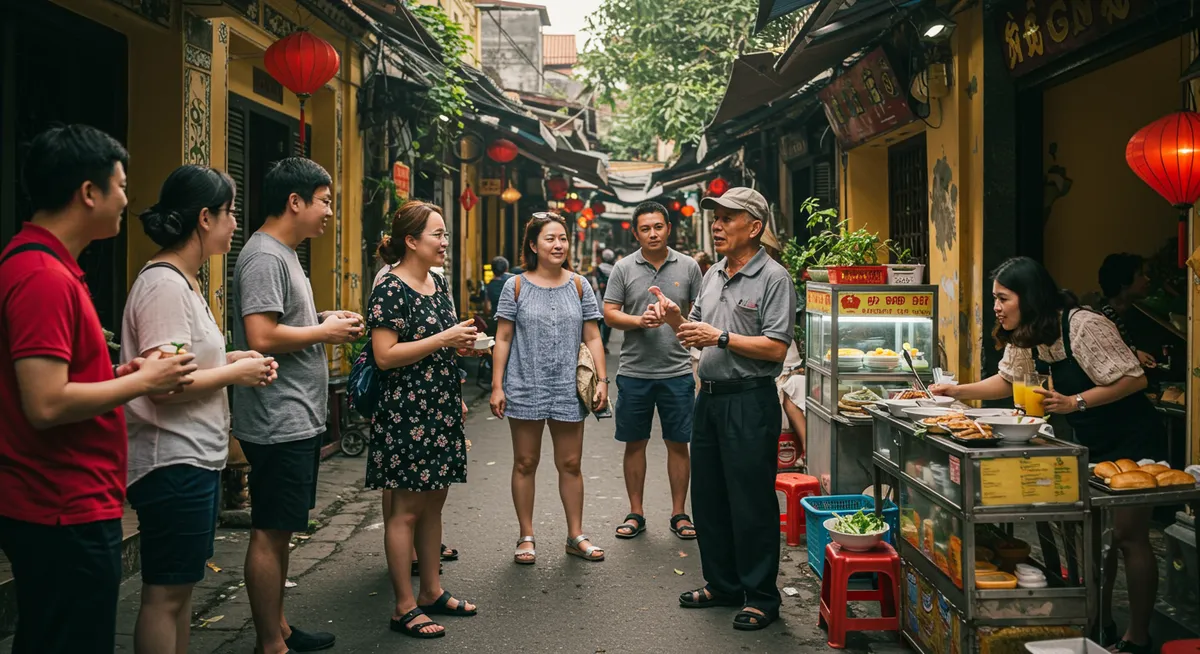
Beyond the food itself, walking facilitates invaluable **interaction with locals** and provides a deeper connection to Hanoi’s food ecosystem. Eating street food often means shared tables, communal plastic stools, and a chance to exchange smiles or simple phrases with vendors and fellow diners. You’ll witness the daily rituals of food preparation, from market to plate, understanding how deeply intertwined food is with Vietnamese culture and daily life. It’s an authentic glimpse into the fabric of the city that you simply can’t get any other way.
Practical Tips for Your Hanoi Walking Food Adventure:
- Wear Comfortable Shoes: You’ll be covering significant ground, often on uneven pavements. Comfort is paramount.
- Dress Light and Breathable: Hanoi’s humidity can be intense. Loose, light clothing will keep you much more comfortable.
- Hydrate: Carry a reusable water bottle and replenish often. Street vendors also sell bottled water readily.
- Cash is King: Many street food stalls and small eateries are cash-only. Have plenty of Vietnamese Dong (VND) in small denominations.
- Hand Sanitizer & Wet Wipes: Essential for maintaining hygiene between stops.
- Embrace the Chaos: Hanoi’s streets are bustling, loud, and sometimes overwhelming – but that’s part of their charm! Dive in with an open mind and a sense of adventure.
- Go Where the Locals Go: A bustling stall packed with Vietnamese diners is almost always a sign of excellent food. Don’t be shy; point to what you want or use a translation app.
- Try Small Portions: The beauty of a walking food tour is the ability to sample many different dishes. Order smaller portions at various places to maximize your tasting opportunities.
- Consider a guided Tour: While self-guided is fun, a local food guide can navigate language barriers, explain dishes, and lead you to truly obscure but incredible spots.
Planning Your Hanoi Culinary Walking Tour
Embarking on a culinary walking tour in Hanoi is an exhilarating journey for your taste buds, but a little thoughtful planning goes a long way to ensure it’s a seamless and delightful experience. From navigating the bustling streets to uncovering the best bites, here’s how to prepare for your gastronomic adventure.
Choosing the Best Time to Go
- Time of Year: The weather in Hanoi can significantly impact your walking comfort. The ideal times for a food tour are during the cooler, drier months of Autumn (September to November) and Spring (March to April). During these periods, temperatures are pleasant, and humidity is lower, making extended walks enjoyable. Avoid the scorching heat and high humidity of summer (June-August) unless you plan your tour for very early mornings or evenings, and prepare for sudden downpours. Winter (December-February) is cooler and can be damp, but still manageable if you dress warmly.
- Time of Day: Hanoi’s food scene truly comes alive at specific times. For a full experience, consider starting your tour in the early morning (7-9 AM) to witness locals enjoying their breakfast rituals, often involving steaming bowls of Phở or Bún chả. This also offers cooler temperatures for walking. Late afternoon/early evening (4-7 PM) is another fantastic window, as street vendors begin setting up for dinner service, creating a vibrant atmosphere and offering a fresh array of dishes. Aiming for these times often means encountering food at its freshest, though be prepared for bustling crowds at popular spots.
Self-Guided vs. Guided Tours: Which is Right for You?
- Self-Guided Tour:
- Pros: Offers ultimate flexibility in terms of pace, itinerary, and budget. You can linger longer at spots you love and bypass those that don’t appeal. It’s a fantastic way to feel like a true explorer.
- Cons: Can be challenging due to language barriers, especially when ordering or asking about ingredients. You might miss out on historical context or local anecdotes about the food and culture. There’s also a risk of falling into tourist traps or missing truly authentic, harder-to-find gems. Navigating the maze-like Old Quarter efficiently without local knowledge can be tricky.
- Guided Tour:
- Pros: A local guide provides invaluable insights into Vietnamese cuisine and culture, helps navigate the busy streets, handles all ordering (bypassing language issues), and ensures you try authentic dishes from reputable stalls. Many tours also include interesting historical tidbits about the food and the city. It’s a great way to ensure food safety and discover hidden culinary treasures you might otherwise overlook.
- Cons: Less flexible with the itinerary and pace, and certainly more expensive than a self-guided option. However, the value in terms of knowledge, convenience, and authenticity often outweighs the cost.
- How to Find Reputable Guides: Look for well-reviewed companies on platforms like TripAdvisor or Google Maps. Prioritize small group tours for a more personalized experience. Hotels can also offer trusted recommendations.
Mapping Your Culinary Route for Efficiency
Whether self-guided or with a tour, efficiency is key to maximizing your food stops without excessive walking. The Old Quarter is incredibly dense with food vendors, making it ideal for a walking tour. Plan your stops geographically, grouping eateries that are close to each other. For example, start with a Phở breakfast, then a short walk to a Bún chả lunch spot, followed by a Cà phê trứng (egg coffee) and a dessert like Chè (sweet soup) in the same vicinity. Utilize Google Maps to pin your chosen spots and check their opening hours in advance. Don’t try to cram too much in; savor each dish and the atmosphere.
Budgeting for Your Culinary Delights
One of the joys of eating in Hanoi is how incredibly affordable it is, especially street food. For a self-guided tour, individual dishes like Phở or Bún chả typically range from 30,000 VND to 60,000 VND (~$1.20-$2.50 USD). Drinks like Bia Hơi (local draft beer), Trà đá (iced tea), or Cà phê sữa đá (iced condensed milk coffee) are usually 10,000 VND to 30,000 VND (~$0.40-$1.20 USD). Desserts average around 15,000-30,000 VND. If opting for a guided tour, budget typically ranges from $30-$60 USD per person for a half-day tour, which often includes all food and drinks. Always carry plenty of small Vietnamese Dong (VND) denominations, as many street vendors don’t accept cards and prefer exact change.
Essential Gear for Your Hanoi Food Adventure
💡 Pro Tip: Book your Hanoi adventures in advance through Viator for the best deals!
Embarking on a culinary journey through Hanoi’s bustling streets is an incredible experience, but to truly savor every bite and absorb the vibrant atmosphere, you need to be well-prepared. A food walking tour means being on your feet for extended periods, navigating busy sidewalks, and soaking in the unique local environment. Here’s a detailed guide to the essential gear that will make your Hanoi food adventure comfortable, safe, and utterly unforgettable.
The Absolute Essentials
- Comfortable Walking Shoes: This is non-negotiable. Hanoi’s Old Quarter, while charming, features uneven pavements, bustling motorbikes that sometimes spill onto sidewalks, and plenty of ground to cover. Choose broken-in sneakers or comfortable walking sandals that offer good support. Blisters are the fastest way to ruin a delicious day out!
- Lightweight & Breathable Clothing: Hanoi’s tropical climate means humidity and heat are often factors, especially during the warmer months (May-September). Opt for light, loose-fitting fabrics like cotton, linen, or moisture-wicking materials. Think shorts, skirts, t-shirts, or sundresses. Layers aren’t typically necessary for the daytime heat.
- Small Backpack or Crossbody Bag: Keep your hands free for delicious food and photos! A small backpack or a secure crossbody bag is ideal for carrying your essentials. In crowded areas like Dong Xuan Market or during peak hours in the Old Quarter, wear your bag on your front or keep it securely zipped to deter pickpockets.
- Reusable Water Bottle: Staying hydrated is crucial in Hanoi’s heat and humidity. While you’ll be stopping for food, carrying your own water means you can sip whenever needed. Many cafes and even some street food stalls might be willing to refill it for you.
- Portable Phone Charger/Power Bank: Your phone will be your map, your translator, and your camera. All that activity can quickly drain its battery. A portable charger ensures you won’t miss out on capturing a stunning dish or navigating back to your hotel.
Handy Extras for Hanoi’s Unique Environment
- Wet Wipes & Hand Sanitizer: A must-have for any street food tour! While vendors generally maintain good hygiene, you’ll be touching various surfaces and eating with your hands (like with Bún Chả). These will keep your hands clean before and after enjoying those scrumptious bites.
- Hat & Sunscreen: The sun in Hanoi can be surprisingly strong, even on cloudy days. Protect your skin and face from harmful UV rays. A wide-brimmed hat also offers a bit of shade, making those daytime walks more pleasant.
- Small, Compact Umbrella: Hanoi’s weather can be unpredictable, especially during the rainy season (roughly May to September). Sudden, intense downpours can occur without much warning. A small, foldable umbrella can be a lifesaver, providing protection from both rain and harsh sun.
- Vietnamese Dong (VND) in Small Denominations: Most street food vendors and smaller eateries in Hanoi operate on a cash-only basis. Always carry plenty of Vietnamese Dong (VND), especially in small denominations (10,000, 20,000, 50,000 VND notes). This makes transactions smoother, avoids issues with vendors not having change for large bills, and ensures you can pay for every delicious morsel without hassle.
Being well-equipped means you can focus entirely on the incredible flavors and vibrant atmosphere of Hanoi. With these essentials, you’re all set for an amazing culinary exploration!
Navigating Hanoi’s Bustling Streets & Food Alleys
Hanoi’s charm lies in its vibrant chaos, especially within the labyrinthine lanes of the Old Quarter. For any successful Hanoi walking tour, particularly one focused on its incredible food, mastering the art of navigating these bustling streets is paramount. It’s an immersive experience that requires patience, awareness, and a willingness to embrace the local rhythm.
Mastering Hanoi’s Traffic & Street Crossing
Forget everything you know about pedestrian crossings. In Hanoi, traffic lights are often seen as suggestions, and motorbikes rule the road. The key is not to run, but to walk slowly and predictably. Imagine yourself as a pebble in a flowing river; the bikes will naturally flow around you. Make eye contact with approaching drivers if possible, maintain a steady pace, and never stop abruptly or backtrack once you’ve committed to crossing. It feels counter-intuitive at first, but this ‘human flow’ is the safest way. Be particularly mindful when exiting food stalls onto busy streets, as bikes often pull up right to the curb.
Pedestrian Etiquette & Awareness
Sidewalks are often shared spaces, doubling as parking lots, makeshift markets, and outdoor seating for eateries. Be prepared to step off the curb frequently to avoid obstacles or groups of people. Always be aware of your surroundings – motorbikes can appear from any direction, and even on the sidewalk, you might encounter vendors pushing carts or other pedestrians. Keep your valuables secure and out of sight, especially in crowded areas like Dong Xuan Market or the night markets.
Common Scams to Avoid
While Hanoi is generally safe, a few common scams target unsuspecting tourists:
- Unsolicited Photo Ops: Women carrying traditional conical hats (nón lá) and fruit baskets might offer you a photo. While seemingly friendly, they’ll often demand an exorbitant fee afterwards. Politely decline if you’re not interested in paying.
- Shoe Shine: Someone might “accidentally” scuff your shoes, then offer an immediate, overpriced shine. Be firm and move on.
- Cyclo Rides: Agree on a price *before* starting your journey, and clarify whether it’s for the whole ride or per person, and whether it’s for a minute or a longer duration.
A simple, firm “Không, cảm ơn” (No, thank you) with a smile and continuing to walk is usually effective.
Utilizing Offline Maps & Technology
Before heading out, download offline maps of Hanoi (e.g., Google Maps or Maps.me). This is crucial for navigating the often-interconnected and confusing alleys of the Old Quarter, especially when seeking out hidden food gems. A portable power bank for your phone is also a lifesaver, ensuring your navigation and camera are always ready.
Basic Vietnamese Phrases for Food & Gratitude
Locals genuinely appreciate visitors who make an effort to speak a few words. For your food-focused tour, these are invaluable:
- Cảm ơn (kaam uhn): Thank you
- Ngon quá (ngon kwah): Delicious!
- Bao nhiêu tiền? (baow nyew tyan): How much money?
- Cái này (kai nai): This one (useful for pointing at dishes)
Learning even these few phrases will enhance your interactions and open doors to more authentic experiences. Embrace the controlled chaos, maintain your sense of humor, and be prepared for an unforgettable sensory adventure!
Must-Try Dishes & Iconic Food Stops in Hanoi
💡 Pro Tip: Book your Hanoi adventures in advance through Viator for the best deals!
Hanoi’s culinary scene is a vibrant, aromatic tapestry best explored on foot. Each turn in the Old Quarter or alley off Hoan Kiem Lake presents a new opportunity to delight your senses. Here’s your walking tour guide to the essential tastes of Hanoi, where every bite tells a story.
-
Pho (Beef/Chicken Noodle Soup): The quintessential Vietnamese dish, Pho is a fragrant noodle soup available with beef (Pho Bo) or chicken (Pho Ga). Look for bustling street-side stalls or small, family-run eateries, especially around the Old Quarter (e.g., Bat Dan Street for Pho Bo). A steaming bowl of Pho is the perfect start to a day of walking, warming you from the inside out.
-
Bun Cha (Grilled Pork with Vermicelli): A Hanoi specialty, Bun Cha features succulent grilled pork patties and slices of pork belly served with a bowl of sweet, sour, and savory dipping sauce, fresh vermicelli noodles, and a generous plate of herbs. It’s often enjoyed for lunch. Seek out humble eateries where you can smell the pork grilling from down the street – often found in narrow alleys. The famous ‘Bun Cha Huong Lien’ (Obama Bun Cha) is a notable stop, but countless smaller spots offer equally authentic experiences.
-
Banh Mi (Vietnamese Baguette Sandwich): The Vietnamese baguette sandwich is a quick, portable, and utterly delicious snack, ideal for grabbing on the go during your walk. Crispy on the outside, soft on the inside, stuffed with various fillings like pâté, cold cuts, grilled pork, fresh herbs, and chili. You’ll find Banh Mi carts on almost every street corner, particularly vibrant around Hoan Kiem Lake and the Old Quarter. Just point to what you want!
-
Egg Coffee (Ca Phe Trung): More a dessert than a drink, this unique Hanoi creation is a must-try. A rich, creamy, whisked egg yolk foam sits atop strong Vietnamese coffee. It’s surprisingly delicious and indulgent. Many cafes, especially those with scenic views in the Old Quarter or near Hoan Kiem Lake, offer it. Look for cafes on small side streets or even hidden upstairs – a great way to rest your feet and enjoy the view during your tour.
-
Nem Ran (Fried Spring Rolls): Crispy, savory, and incredibly addictive, Nem Ran are Vietnamese fried spring rolls, typically filled with minced pork, glass noodles, and vegetables. Served with a dipping sauce (Nuoc Cham), they make an excellent appetizer or shared snack. Many local restaurants and street food stalls serve these; they’re easy to find alongside other dishes like Bun Cha or as a standalone treat.
-
Cha Ca (Turmeric Fish with Dill): This iconic Hanoi dish features turmeric-marinated fish (often catfish or snakehead fish) pan-fried with dill and spring onions at your table. It’s served with vermicelli noodles, peanuts, and a dipping sauce. While a bit more of a sit-down experience, it’s worth planning for. Cha Ca La Vong is the most famous, but smaller, equally authentic restaurants specialize in this dish throughout the Old Quarter.
-
Banh Cuon (Steamed Rice Rolls): Delicate, steamed rice paper rolls filled with minced pork and wood ear mushrooms, Banh Cuon are often served with fried shallots, fresh herbs, and Nuoc Cham. They are a light, fresh option, perfect for breakfast or a light lunch. You’ll often find specialists for Banh Cuon in dedicated small eateries, often recognizable by the steaming apparatus out front, particularly in the quieter parts of the Old Quarter.
-
Local Desserts: Beyond egg coffee, keep an eye out for refreshing local desserts. Che (sweet soups/puddings with various ingredients like beans, jellies, and fruits) are perfect for cooling down on a warm day. You’ll find stalls selling Che around busy intersections or near schools. Fresh fruit stands are also abundant, offering delicious, hydrating options as you walk.
As you embark on your food journey, remember to look for stalls or restaurants that are busy – a good sign of quality and freshness. Don’t be afraid to try places with small plastic stools; these are often where the most authentic flavors reside. Carry small denominations of VND. Most importantly, embrace the adventure – some of the best culinary discoveries are made by simply following your nose down a bustling Hanoi alley!
Hygiene & Safety Tips for Street Food Enthusiasts
One of the most thrilling aspects of a Hanoi walking tour is undoubtedly diving headfirst into its world-renowned street food scene. The aroma of aromatic pho broth, the sizzle of bánh xèo, and the vibrant colours of fresh ingredients beckon from every corner. However, for many first-time visitors, concerns about hygiene and safety can cast a slight shadow. Fear not! With a few practical tips, you can confidently navigate Hanoi’s culinary landscape and savor every delicious bite without worry.
Your journey to safe street food begins with observation. As you wander through the bustling alleys of the Old Quarter or around Hoan Kiem Lake, keep an eye out for these tell-tale signs of a reputable vendor:
- Follow the Crowd: This is perhaps the golden rule of street food. A stall teeming with locals is almost always a good sign. High customer turnover means ingredients are constantly fresh and cooked quickly. Locals know best, and their continued patronage speaks volumes about quality and cleanliness.
- Observe the Food Preparation: Before you even sit down on those iconic low plastic stools, take a moment to watch. Is the vendor wearing gloves? Are different utensils used for raw and cooked ingredients? Does the workspace look reasonably clean and tidy, despite the bustling environment? Pay attention to how ingredients are handled – ideally, they shouldn’t be left exposed for long periods.
- Freshness is Key: Visually inspect the ingredients. Vegetables should look crisp and vibrant, meats should appear fresh (not discolored), and seafood should be glistening, not dull. If you’re ordering a dish with fresh herbs, ensure they look recently picked, not wilted.
- Opt for Cooked-to-Order Dishes: Dishes that are cooked fresh in front of you, like a stir-fried noodle dish, sizzling grilled meats, or a bowl of steaming hot pho, are generally the safest bet. The high heat involved in cooking kills most harmful bacteria. Be a little more cautious with dishes that have been sitting out for a long time, especially in the warm Hanoi climate.
Beyond choosing your vendor wisely, understanding how to manage your hydration is crucial for a smooth walking tour experience:
- Stick to Bottled Water: This cannot be stressed enough. Tap water in Hanoi is not safe for drinking. Always buy sealed bottles of water, which are readily available everywhere, from street vendors to convenience stores. Most reputable street food stalls will also sell bottled water.
- Be Wary of Ice: While many places use commercially produced, filtered ice (often recognizable by its cylindrical shape with a hole in the middle), some smaller vendors might use ice made from tap water. If you’re concerned, it’s safer to politely ask for your drink without ice (“không đá” in Vietnamese). When in doubt, avoid it.
Finally, a small but mighty tool for your hygiene arsenal is a pocket-sized bottle of hand sanitizer. Use it liberally before and after eating, especially since you’ll be handling shared utensils and often eating with your hands. By following these simple, practical tips, you’ll not only stay safe but also unlock the true magic of Hanoi’s extraordinary street food, making your walking tour an unforgettable culinary adventure.
Maximizing Your Culinary Experience: Local Insights
Hanoi’s culinary scene is an intoxicating blend of tradition, innovation, and street-side charm. To truly savor the city on your walking tour, you need to go beyond just eating – you need to immerse yourself. Here’s how to maximize your culinary exploration and unlock an authentic taste of Hanoi.
Dare to Be Adventurous
- Embrace the Unknown: Some of the best food in Hanoi comes from unassuming stalls, often specializing in just one or two dishes. Don’t be afraid to try something you’ve never seen before. Skip the familiar Western options and dive headfirst into local specialties like Bún Chả (grilled pork with vermicelli), Phở Cuốn (fresh pho rolls), or Bánh Cuốn (steamed rice rolls). Your taste buds will thank you for the adventure.
- Look for Busy Stalls: A crowd is usually a good sign. High turnover means fresh ingredients and a beloved recipe. Don’t let the simplicity of a setup deter you; often, these are the places where authentic, delicious food is found.
Befriend the Plastic Stool and Roadside Culture
- It’s the Authentic Vibe: In Hanoi, dining isn’t just about the food; it’s about the atmosphere. The tiny plastic stools and tables spilling onto sidewalks are an iconic part of the experience. Embracing this communal, bustling environment is key to feeling the city’s pulse.
- Practicality for Walking Tours: These informal setups are perfect for a walking tour. You can easily hop from one spot to another, grabbing a quick bite or a refreshing drink without the formality of a sit-down restaurant. It’s an efficient way to sample many dishes.
- Hygiene Hints: While street food is generally safe, look for stalls where food is cooked fresh in front of you, where dishes are washed, and where the overall area appears clean. Trust your gut feeling.
Engage with Local Vendors
- Bridge the Language Barrier: Even if you don’t speak Vietnamese, a smile, a nod, and pointing to what you want go a long way. Learning a few basic phrases like “Cảm ơn” (thank you) or “Ngon quá!” (delicious!) will endear you to vendors and enhance your experience.
- Observe and Learn: Watch how locals order and eat. This can give you clues about dipping sauces, condiments, or even the proper way to mix your soup. Don’t be shy; vendors are often happy to guide you with gestures.
- It’s More Than Just a Transaction: These interactions, however brief, connect you to the heart of Hanoi. You’ll often find warmth, curiosity, and genuine appreciation from the people preparing your food.
Understand Local Dining Customs
- Chopstick Etiquette: Never stick your chopsticks upright in your rice bowl – this resembles incense sticks offered to the dead and is considered bad luck. Lay them across your bowl or on a chopstick rest.
- Sharing is Caring: Many dishes, especially side dishes, are meant to be shared. Don’t be surprised if your companions dig into the same plate.
- Condiments are Your Friend: Most tables will have an array of chili, garlic vinegar, fish sauce, and fresh herbs. Use them to customize your dish, but always taste first!
- Paying Up: Usually, you pay after you’ve finished eating. Sometimes the vendor will come to your table, or you might go to the counter. Cash (VND) is king, especially at street stalls.
Unlock Hidden Gems: Ask a Local!
The best way to find truly authentic and delicious food is through local recommendations. Don’t hesitate to ask your hotel staff, a friendly shopkeeper, or even your walking tour guide:
- “Quán ăn nào ngon nhất?” (Which restaurant is the best?)
- “Bạn giới thiệu món gì?” (What do you recommend?)
- Be specific if you have a craving: “Bún chả ngon?” (Good bun cha?)
Locals know the places that tourists rarely find – the hole-in-the-wall eateries serving generations-old recipes, or the spots famous for just one perfect dish. These insights will lead you to unforgettable culinary discoveries.
Beyond the Bites: Connecting with Hanoi’s Culture
While the irresistible aromas and flavors are undoubtedly the main draw of any Hanoi walking food tour, the true magic lies in how these culinary adventures peel back the layers of Vietnamese culture. A well-designed food tour isn’t just a series of delicious stops; it’s a dynamic, immersive journey that connects you deeply with the rhythm, traditions, and daily life of this ancient city.
Observing Daily Life & Hanoi’s Heartbeat: As you navigate the narrow lanes and bustling boulevards between bites of Bún Chả or sips of egg coffee, your eyes will feast on as much as your palate. Walking allows you to witness the city’s authentic pulse: street vendors meticulously arranging their wares, families sharing meals on tiny plastic stools, elderly residents practicing Tai Chi by Hoan Kiem Lake, and the organized chaos of motorbikes weaving through traffic. You’ll notice the intricate architecture, the faded grandeur of colonial buildings juxtaposed with vibrant street art – details easily missed from a taxi or cyclo. This direct engagement with the urban tapestry provides a profound sense of Hanoi’s unique energy.
Food as a Cultural Lens: In Vietnam, food is far more than sustenance; it’s a cornerstone of community, tradition, and family. Each dish tells a story – of history, regional influences, or recipes passed down through generations. Your guide can illuminate the societal significance of shared meals, explain why certain dishes are eaten at specific times, or detail the cultural importance of ingredients. For instance, understanding the communal nature of street-side dining, where strangers often share tables, highlights the warmth and openness of Vietnamese people. Appreciating the meticulous preparation that goes into seemingly simple street food reveals a dedication to craft and quality inherent in the culinary landscape.
Beyond the Plate: Discovering Local Crafts & Markets: Many food tour routes naturally intertwine with other cultural hotspots. You might find your Phở stop just steps away from a traditional silk shop on Hang Gai Street, or your dessert vendor tucked beside a bustling section of Dong Xuan Market. This proximity offers fantastic opportunities to delve deeper into Hanoi’s non-food related cultural offerings. Take a few extra moments to browse the vibrant stalls of fresh produce, admire intricate lacquerware, or observe artisans at work. These unplanned detours enrich your understanding of Hanoi’s economy, its artistic heritage, and the daily commerce that fuels the city.
Making the Most of Your Cultural Walking Tour:
- Dress for Success: Wear comfortable, broken-in walking shoes – Hanoi’s pavements can be uneven. Opt for light, breathable clothing to combat the humidity.
- Pack Smart: Bring a small backpack for essentials like bottled water, hand sanitizer, wet wipes, and a portable charger. An umbrella or lightweight rain jacket is also wise, especially during rainy seasons.
- Embrace Local Currency: Have plenty of small Vietnamese Dong (VND) denominations on hand for street vendors and small purchases; many places don’t accept cards.
- Engage with Your Guide: Your guide is a treasure trove of local knowledge. Ask questions about anything that piques your interest – local customs, historical anecdotes, the stories behind the food, or even language tips.
- Be Observant & Respectful: Look beyond your plate. Notice how locals interact, the details of their daily routines, and the architecture. When taking photos, always be respectful and ask permission if photographing people up close.
- Stay Hydrated: Walking in Hanoi’s climate can be tiring. Drink plenty of water throughout your tour.
- Be Mindful of Traffic: Crossing streets in Hanoi is an art form. Observe how locals do it – slow, steady, and predictable movements are key. Your guide will often lead the way.
By approaching your Hanoi food walking tour with an open mind and a curious spirit, you’ll discover that every bite, every step, and every observation builds a richer, more nuanced appreciation for Vietnam’s captivating capital.
Frequently Asked Questions
💡 Pro Tip: Book your Hanoi adventures in advance through Viator for the best deals!
Q: Is street food in Hanoi safe to eat?
A: Generally, yes, but follow a few simple rules: choose stalls with high turnover, observe food preparation, and look for signs of cleanliness. Many locals eat street food daily. Stick to bottled water and be cautious with ice.
Q: What’s the best time of day for a food walking tour in Hanoi?
A: Late afternoon (3-6 PM) is excellent as the city comes alive with street food vendors setting up for dinner, and the heat often subsides. Morning (7-10 AM) is also good for breakfast items like Pho. Avoid peak midday heat.
Q: Do I need a local guide for a Hanoi food tour?
A: While not strictly necessary (a self-guided tour is very doable), a local guide can enhance your experience significantly by providing cultural context, translating, helping you navigate, and introducing you to hidden gems you might otherwise miss. Many free walking tours in Hanoi are led by university students.
Q: How much cash should I bring for a food tour?
A: Street food is very affordable. VND 100,000-200,000 (approx. $4-8 USD) per person can get you multiple dishes and drinks. Always carry small denominations (10,000, 20,000, 50,000 VND notes) as vendors may not have change for large bills.
Q: What if I have dietary restrictions or allergies?
A: It can be challenging but not impossible. Learning key Vietnamese phrases for ‘no meat,’ ‘no peanuts,’ etc., is helpful. Informing a local guide beforehand is best. For severe allergies, caution is advised as cross-contamination can occur.
Hanoi’s culinary landscape is a sensory symphony, and there’s no better way to experience it than on foot. Armed with these practical tips and local insights, you’re ready to embark on an unforgettable gastronomic journey through its vibrant streets. So tie your laces, bring your appetite, and prepare to discover the heart and soul of Hanoi, one delicious bite at a time. The city truly comes alive when you immerse yourself in its food, culture, and the unforgettable rhythm of daily life.