
Hanoi Walking Tour Safety & Etiquette Guide (2026)
Hanoi walking tour safety tips: navigate traffic, avoid scams, stay hydrated, and respect local customs for an unforgettable and secure urban adventure.
On this page
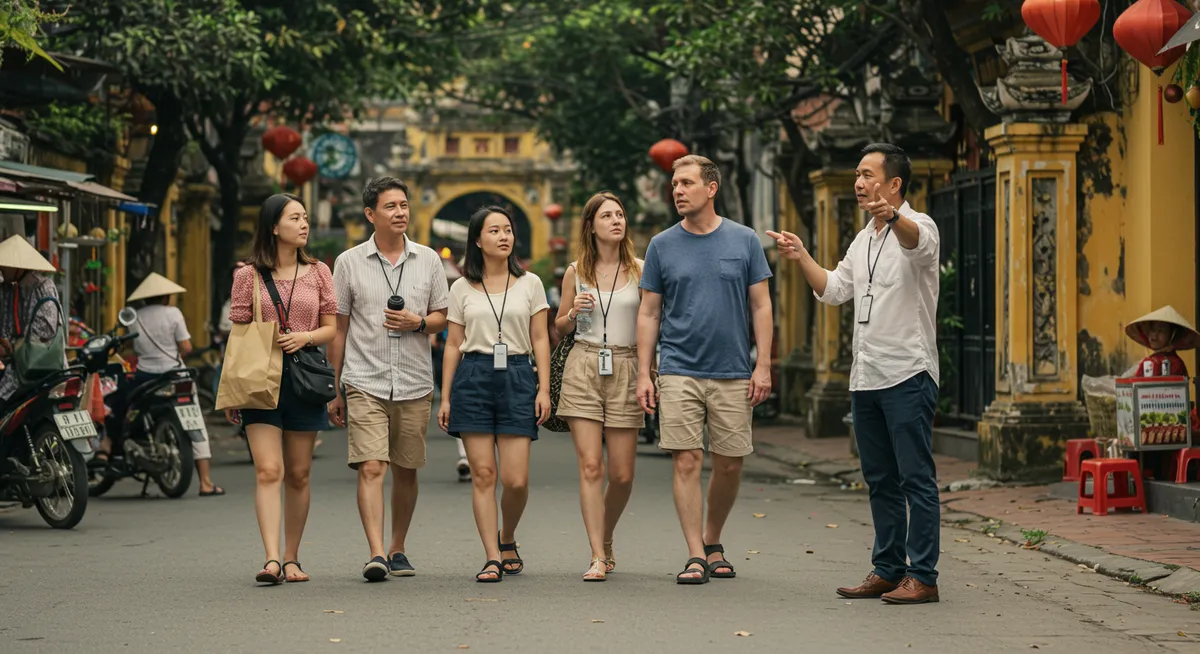
Hanoi’s charm is best absorbed on foot, allowing you to immerse yourself in its bustling streets, ancient temples, and vibrant markets. While free walking tours in Hanoi offer an unparalleled way to experience the city’s heartbeat, navigating this dynamic urban landscape safely requires a bit of preparation and local insight. This comprehensive guide provides essential safety tips, etiquette advice, and practical information to ensure your Hanoi walking tour is both memorable and secure.
Key Tips and Takeaways
- Walk with purpose, not hesitation, especially when crossing roads.
- Keep valuables secure and out of sight, especially in crowded areas.
- Stay hydrated and protect yourself from the sun and heat.
- Always bargain politely and with a smile, if applicable.
- Have offline maps and emergency contacts readily available.
- Respect local customs, dress appropriately, and be mindful of your surroundings.
Mastering Hanoi’s Unique Traffic Dance
Hanoi’s streets are an exhilarating, chaotic ballet – a symphony of motorbikes, scooters, and a surprisingly organic flow that, once understood, becomes part of the city’s unique charm. For first-time visitors, crossing the road can feel like an Olympic sport, but with a few insider tips, you’ll be dancing with the best of them in no time, ensuring your walking tour remains safe and enjoyable.
The Art of the ‘Hanoi Wave’
Forget everything you know about traffic lights and pedestrian crossings in your home country. While traffic signals exist, they’re often more suggestions than strict rules, particularly for the ubiquitous motorbikes. The key to crossing a busy Hanoi street is mastering the ‘Hanoi Wave’ – a technique of slow, steady, and predictable movement. Here’s how:
- Commit and Go: Once you decide to cross, step off the curb with confidence. Hesitation is your enemy, as it makes your movements unpredictable to drivers.
- Maintain a Steady Pace: Walk at a consistent, slow-to-moderate speed. Do not stop suddenly, speed up, or dart around. The motorbikes and cars are accustomed to flowing around a moving obstacle; they anticipate your trajectory.
- Eye Contact (or Lack Thereof): You might not make direct eye contact with drivers. Instead, they’re looking at your body language and anticipating where you’ll be. Trust that they will swerve to avoid you.
- No Running: Resist the urge to sprint. This is dangerous and makes you unpredictable.
- Stay Alert: Keep your eyes on the traffic flow, not your phone or companions. Be aware of vehicles turning into your path from side streets.
Sidewalk Etiquette (or the Lack Thereof)
In Hanoi, sidewalks are much more than just pedestrian paths. They are bustling extensions of shops, impromptu parking lots for hundreds of motorbikes, outdoor eateries, and even residential living spaces. This means:
- Obstacle Course: Be prepared to weave around parked bikes, vendors selling their wares, outdoor kitchens, and even small altars. Your path will rarely be a straight line.
- Share the Space: Occasionally, motorbikes will use the sidewalk to bypass street congestion. Always be vigilant, even when you think you’re in a safe zone. Listen for horns and be prepared to step aside.
- Walk Single File: In congested areas, walking in single file is often the most practical and courteous way to navigate.
Awareness of Vehicle Flow
Hanoi’s traffic moves like a liquid, flowing around obstacles and finding paths. Understanding this flow is crucial:
- Look Both Ways (and then some): While general traffic flows on the right, motorbikes are incredibly agile and may come from unexpected directions, including occasionally against the flow on smaller streets or across intersections. Always double-check.
- The Horn is a Warning, Not a Threat: Drivers use their horns constantly, not usually out of aggression, but to signal their presence. It means “I’m here, I’m coming through,” not “Get out of my way!” Acknowledge it and continue your predictable movement.
- Beware of Electric Bikes: Many new scooters are electric and virtually silent, making them harder to detect by sound. Always look.
Seeking Safe Pedestrian Zones
While mastering the traffic dance is essential, Hanoi does offer some respites for pedestrians:
- Hoan Kiem Lake Walking Streets: On weekend evenings (typically Friday, Saturday, and Sunday from 7 PM to midnight, though times can vary), the streets surrounding Hoan Kiem Lake are closed to vehicular traffic, becoming a vast pedestrian zone filled with street performers, games, and locals enjoying the cooler air. This is a fantastic place for a relaxed stroll.
- Designated Crosswalks/Lights: Where available, use marked crosswalks and traffic lights, but never assume vehicles will stop completely. Always look before stepping out, even on a green light.
- Follow a Local (Discreetly): If a crossing feels particularly daunting, wait for a local to cross and subtly follow a few steps behind them, mirroring their steady pace.
By adopting these practices, you’ll not only navigate Hanoi safely but also gain a deeper appreciation for the city’s vibrant, pulsating energy. Embrace the flow, trust the system, and enjoy your walking adventure!
Personal Security & Situational Awareness
While Hanoi is generally a safe city for travelers, maintaining a keen sense of personal security and situational awareness is paramount, especially when navigating its bustling streets on foot. Petty theft and common tourist scams, though not widespread, can occur, particularly in crowded areas frequented by visitors.
Protecting Your Valuables from Petty Theft
Crowded areas like the Old Quarter, around Hoan Kiem Lake, and busy markets such as Dong Xuan are prime spots for opportunistic pickpockets and bag snatchers. Here’s how to minimize your risk:
- Secure Your Bag: Always wear backpacks on your front in dense crowds. For shoulder bags, wear them cross-body with the bag resting in front of you. Be especially mindful of bag snatching attempts by thieves on motorbikes; keep your bag on the side of your body *away* from the street or traffic flow.
- Keep Valuables Hidden: Avoid flashing large sums of cash, expensive phones, or cameras. Keep your wallet in a front pocket, not a back one, and use a money belt or hidden pouch for passports, credit cards, and significant cash amounts. Only carry what you need for the day.
- Be Wary of Distractions: Thieves often work in pairs or groups, one distracting you while another attempts to pickpocket. Be cautious of unsolicited “help,” accidental bumps, or sudden commotions.
- Leave Non-Essentials: Store extra cash, passports, and valuable jewelry in your hotel room safe.
Maintaining a Low Profile and Situational Awareness
Blending in can significantly reduce your visibility as a target:
- Dress Discreetly: Comfortable, modest clothing is best. Avoid flashy jewelry or designer labels that scream “tourist.”
- Navigate Smartly: If you need to check your map or phone, step into a doorway or a less crowded spot. Avoid standing in the middle of a busy sidewalk looking obviously lost, which can draw unwanted attention.
- Stay Alert: Be aware of your surroundings, not just your phone screen. Observe people around you and trust your gut feeling if something feels off.
Avoiding Common Tourist Scams in Hanoi
Scams are less about direct harm and more about overcharging or misleading tourists. Knowing common ones helps you avoid them:
- Xe Ôm (Motorbike Taxi) & Taxi Scams: The classic “inflated fare” or “meter rigging” scam.
Solution: The best defense is to use ride-hailing apps like Grab (for both motorbikes and cars). Fares are set upfront, rides are tracked via GPS, and you can pay through the app, eliminating cash disputes. If you must flag a taxi, choose reputable companies (e.g., Mai Linh or Vinasun, though Vinasun is more common in the south) and ensure the meter is running. For xe ôm, *always* agree on the price before getting on.
- Inflated Prices & Bargaining: Many vendors, especially in markets, will quote a higher “tourist price.”
Solution: Bargaining is expected and part of the cultural experience. Aim to negotiate down by 20-50% depending on the item. If you feel the price is exorbitant, politely walk away. Don’t be afraid to compare prices at different stalls.
- Fake Goods & Unsolicited Help: Be skeptical of overly friendly strangers who immediately offer tours, suggest shops, or want to “practice their English” – they often have an ulterior motive involving commission. Similarly, be wary of shops selling suspiciously cheap “designer” goods.
- Shoe Shine Scams: Sometimes, a shoe shiner might aggressively start shining your shoes without your consent, then demand a high fee. Politely but firmly decline such unsolicited services.
By staying vigilant, planning your movements, and leveraging modern conveniences like ride-hailing apps, you can navigate Hanoi safely and enjoy its vibrant energy without incident.
Health & Hydration on the Go
💡 Pro Tip: Book your Hanoi adventures in advance through Viator for the best deals!
Hanoi’s captivating allure often comes with a warm, humid climate that can be surprisingly intense, especially during extensive walking tours. Prioritizing your health and hydration is fundamental to enjoying the city’s vibrant energy safely and comfortably. The tropical conditions, particularly from April to October, demand proactive preparation.
Stay Hydrated, Stay Energized: The humidity can lead to rapid, unnoticed dehydration. Carry ample bottled water (1-2 liters recommended) or a refillable bottle for consistent sips. Bottled water is cheap and readily available at countless convenience stores and street stalls. Always stick to sealed bottled water or filtered water for drinking and brushing teeth; avoid tap water.
Sun Protection is Non-Negotiable: Hanoi’s sun, even on overcast days, is incredibly strong. Protecting your skin and head is crucial to prevent sunburn and heat-related illness. Wear a wide-brimmed hat and quality sunglasses. Apply high-SPF sunscreen (30+) every two hours, especially with sweating, covering all exposed areas. Opt for lightweight, breathable fabrics in light colors; observing locals often wearing long sleeves and trousers for sun protection can be a smart strategy.
Navigate Street Food Safely: Hanoi’s legendary street food is an unmissable experience, but smart choices are key to avoiding an upset stomach. Opt for busy stalls with high turnover, indicating fresh ingredients. Observe hygiene: look for clean surfaces, proper food handling, and food cooked to order. Be cautious with ice in drinks unless you’re certain it’s made from filtered water (solid, bullet-shaped cubes are usually safer). Always use hand sanitizer before eating.
Recognize Heat Exhaustion & Heatstroke: Understanding the signs of heat stress allows for quick action. Heat exhaustion symptoms include heavy sweating, clammy skin, headache, dizziness, nausea, muscle cramps, and fatigue. If experienced, immediately seek shade or an air-conditioned spot, sit down, and rehydrate slowly. Heatstroke is a medical emergency with symptoms like high body temperature, hot/dry skin (or profuse sweating), confusion, slurred speech, rapid pulse, or loss of consciousness – call for immediate medical help.
Carry a Basic First-Aid Kit: While pharmacies (`hiệu thuốc`) are common, having a few essentials on hand can mitigate minor issues common on walking tours. Include blister plasters/band-aids, antiseptic wipes for minor cuts, pain relievers (ibuprofen/paracetamol) for headaches, and anti-diarrhea medication. Insect repellent is also advisable, especially in evenings or near green spaces.
By proactively managing your health and comfort, you’ll be much better equipped to fully immerse yourself in Hanoi’s vibrant tapestry, transforming potential challenges into minor considerations for an unforgettable journey.
Respecting Local Culture & Etiquette
A significant part of having an incredible Hanoi walking tour experience, and indeed, a safe one, involves immersing yourself respectfully in the local culture. The Vietnamese people are incredibly welcoming, and showing consideration for their customs will not only enrich your journey but also ensure smoother, more positive interactions.
Dress Code & Religious Sites
When embarking on your Hanoi walking tour, consider both comfort and cultural sensitivity. While the city’s climate is often hot and humid, it’s wise to pack lightweight, breathable clothing that offers good coverage. This is especially important when visiting religious sites like pagodas and temples, which you’ll undoubtedly encounter on your walks. Always ensure your shoulders and knees are covered before entering these sacred spaces. Many pagodas will have scarves or sarongs available for loan if you forget, but it’s best to be prepared. Dressing modestly not only shows respect but can also help you blend in more and potentially avoid unwanted attention, contributing to your personal safety on the bustling streets.
Respectful Photography
Hanoi is a photographer’s dream, from its ancient architecture to its vibrant street life. However, always exercise discretion and respect when taking photos. When photographing people, particularly street vendors, older individuals, or children, it is always courteous to ask for permission first. A simple smile and gesture with your camera, or learning a phrase like “Cho phép tôi chụp ảnh được không?” (May I take a photo?), goes a long way. Respect a polite refusal. Inside religious sites, avoid using flash, especially during ceremonies, and never pose irreverently with Buddha statues. Your awareness of your surroundings while focusing on your camera is also a safety note; ensure you’re not stepping into traffic or blocking pathways while capturing that perfect shot.
Polite Bargaining & Vendor Interactions
Bargaining is a common practice in many Hanoi markets, like Dong Xuan Market or the Night Market, but it should always be done politely and with a smile. It’s an interaction, not a confrontation. Start by asking for the price (“Bao nhiêu tiền?”) and then offer a fair counter-price that you’re comfortable with. Remember that a small difference might mean much more to the vendor than to you. If you agree on a price, commit to the purchase. When interacting with street vendors, whether buying food or souvenirs, always be polite, even if you’re declining a purchase. A simple “Không, cảm ơn” (No, thank you) with a smile is usually sufficient. Keep your cash secure and out of sight to deter opportunistic pickpockets, particularly in crowded market areas.
General Public Etiquette
Beyond specific sites, general respectful behavior enhances your walking tour experience. When entering a local home or some smaller shops, observe whether others remove their shoes and follow suit. Avoid public displays of affection, as Vietnamese culture is generally more reserved. Be mindful of your volume; avoid shouting or being overly loud, especially in residential areas. When pointing, use an open hand rather than an index finger, as it’s considered less impolite. Lastly, and crucially for your safety on Hanoi’s notorious streets, never challenge traffic. Cross streets confidently and slowly, making eye contact with approaching drivers and motorcyclists, who will generally flow around you. Respecting these small nuances not only makes you a welcome visitor but also contributes to a smoother, safer, and more authentic exploration of Hanoi.
Smart Navigation & Emergency Preparedness
💡 Pro Tip: Book your Hanoi adventures in advance through Viator for the best deals!
Smart Navigation: Master the Maze of Hanoi
Hanoi’s Old Quarter, while incredibly charming, can feel like a beautiful labyrinth. Its narrow streets and bustling alleys are a joy to explore on foot, but effective navigation is key to maximizing your experience and staying safe. Don’t rely solely on an active internet connection, as signals can be spotty in dense areas or specific buildings.
- Download Offline Maps: Before you even step out of your hotel, download offline maps of Hanoi (Google Maps or Maps.me are excellent choices). This allows you to pinpoint your location, find your way back to your hotel, or locate your next destination even without data. Mark key locations like your accommodation and pre-planned meeting points.
- Utilize Recognizable Landmarks: Hanoi is rich with iconic sights that serve as fantastic natural waypoints. Familiarize yourself with major landmarks like Hoan Kiem Lake, St. Joseph’s Cathedral, or the iconic gates of the Old Quarter (e.g., Quan Chuong Gate). Use these as anchors to reorient yourself if you feel lost. Remember that a short walk often brings you back to a familiar street if you keep a general direction in mind.
- Invest in a Local SIM Card: For minimal cost, a local SIM card (Viettel, Mobifone, Vinaphone) is an invaluable asset. It provides reliable data for on-the-go map checks, translation apps, and crucial access to ride-hailing services like Grab (for bikes or cars) if you need a quick lift or feel disoriented. Plus, it allows you to make local calls if needed for emergencies or contacting tour guides.
Emergency Preparedness: Your Safety Net in Hanoi
While Hanoi is generally safe for tourists, being prepared for unexpected situations is paramount. A little foresight can make a big difference in turning a potential crisis into a manageable inconvenience.
- Know Essential Emergency Contacts: Save these numbers to your phone, and consider writing them down on a small card in your wallet:
- Police: 113
- Fire: 114
- Ambulance: 115
- Your country’s Embassy in Hanoi: Look up their main phone number and consular assistance number before you travel.
- Your hotel’s reception number: They can often provide immediate assistance or translation services.
- Have a Plan for Lost Items & Unexpected Situations:
- Lost Items: If you lose something valuable (e.g., wallet, phone), retrace your steps immediately. Inform the nearest legitimate shop or restaurant staff – locals can sometimes be incredibly helpful. For serious losses, file a police report. Always keep digital copies of important documents (passport, visa) on your phone or in a cloud service.
- Unexpected Situations: If you’re traveling with companions, designate a pre-arranged meeting point if you get separated (e.g., “Meet by the turtle tower at Hoan Kiem Lake”). If you experience a minor accident or feel unwell, having your hotel’s contact info readily available can help.
- Travel Insurance is Non-Negotiable: This is perhaps the single most important aspect of emergency preparedness. Comprehensive travel insurance covers medical emergencies (including hospitalization and repatriation), trip interruptions, and lost luggage. Do not travel without it. Ensure your policy covers the specific activities you plan to do, like extensive walking tours. It’s your ultimate safety net.
Choosing Your Walking Tour & Guide Wisely
Embarking on a walking tour in Hanoi offers an unparalleled way to immerse yourself in the city’s vibrant culture and bustling street life. To ensure your experience is both enriching and safe, making informed choices about your tour and guide is paramount. Prioritizing safety from the outset allows you to relax and truly absorb the magic of Hanoi.
Selecting a Reputable Walking Tour Operator
Before you step out, thorough research is key. Look for operators with a strong track record of safety and positive traveler reviews on platforms like TripAdvisor and Google Maps. Pay attention to comments regarding guide professionalism, clear communication, and how safety aspects (like navigating traffic or providing water) are handled. A good operator will have transparent itineraries, accessible contact information, and ideally, provide a brief safety orientation.
- Check Credentials: Look for registered businesses with clear contact details.
- Read Reviews Thoroughly: Prioritize recent reviews mentioning safety, guide knowledge, and group management.
- Inquire About Group Size: Smaller groups allow for better guide attention and easier navigation through crowded areas like the Old Quarter.
Group Tours vs. Solo Exploration: A Safety Perspective
While solo exploration offers freedom, joining a guided group tour in Hanoi significantly enhances your safety, especially for first-timers. The city’s sensory overload—chaotic traffic, narrow alleys, and constant activity—can be overwhelming. A group tour offers distinct safety advantages:
- Safety in Numbers: Moving with a group provides inherent security, making you less of an isolated target for opportunistic petty crime.
- Expert Navigation: Your guide will expertly lead you through confusing labyrinthine streets and efficiently across busy intersections, crucial for avoiding traffic hazards.
- Shared Vigilance: A group collectively shares awareness, with your guide acting as a primary lookout for potential issues.
- Emergency Preparedness: Reputable tour operators have protocols for emergencies, and your guide is trained to respond and assist.
Solo exploration places full responsibility for navigation, safety, and problem-solving on your shoulders. If exploring independently, ensure you have offline maps, emergency contacts, a well-charged phone, and always remain highly vigilant.
The Indispensable Local Guide: Your Safety and Cultural Bridge
Hiring a local Hanoi guide is arguably the single most impactful decision for both your safety and the depth of your experience. More than just a navigator, a local guide is your interpreter of culture, customs, and safety protocols unique to Hanoi:
- Traffic Negotiation: They understand Hanoi’s unspoken traffic rules, guiding you safely across streets where pedestrians and motorbikes seemingly merge.
- Cultural Nuances: They help you avoid accidental cultural missteps and offer invaluable insights into local etiquette.
- Identifying Safe Spots: A local guide knows where to find trustworthy street food vendors and reputable shops, minimizing risks of foodborne illness or scams.
- Language and Emergency Support: In an emergency, your guide is your crucial link to local services and can translate effectively.
- Community Support: Choosing a local guide directly contributes to the local economy and fosters sustainable tourism.
Ultimately, a well-chosen tour and a knowledgeable local guide transform a potentially stressful walk into a seamless, safe, and profoundly memorable journey through the heart of Hanoi.
Practical Packing for Your Hanoi Walk
Navigating Hanoi on foot is an immersive and rewarding experience, but the city’s unique charm also presents practical considerations. Packing smart is crucial for both your comfort and safety. Here’s a breakdown of essential items to ensure your Hanoi walking tour is as enjoyable and secure as possible.
Footwear: Your Foundation for Exploration
Hanoi’s sidewalks are a thrilling, chaotic mosaic of motorbike parking, street food stalls, and unexpected cracks. Comfortable, broken-in walking shoes or sturdy sneakers are non-negotiable. Avoid new shoes, high heels, or flimsy sandals for extensive walking, as blisters and uneven terrain can quickly spoil your exploration. Look for shoes with good ankle support and sturdy soles to navigate the city’s sometimes unpredictable surfaces. Traction is also key, especially during the rainy season when streets can become slippery.
Clothing: Beat the Heat and Respect Local Customs
Hanoi’s tropical climate means heat and humidity are constant companions. Pack light, breathable, moisture-wicking fabrics like cotton, linen, or quick-dry synthetics. Light colors will also help reflect the sun. While exploring, consider clothing that covers your shoulders and knees – this is not only excellent for sun protection but also shows respect when visiting temples, pagodas, or other religious sites. A light scarf can be versatile for covering up or drying sweat. Evenings can be slightly cooler, or air-conditioned interiors can be chilly, so a light cardigan or long-sleeved shirt might be useful for layering.
Small Backpack or Daypack: Your Mobile Command Center
A small, lightweight daypack is ideal for carrying your essentials while keeping your hands free. Choose one that is comfortable and secure. Consider features like hidden zippers or slash-resistant fabric for added peace of mind, especially when navigating crowded areas like the Old Quarter or night markets. Always wear your backpack on your front in densely packed spaces to deter pickpockets and keep your valuables secure and visible.
Hydration: Stay Refreshed
The Hanoi heat can be deceptive, making dehydration a real risk. A reusable water bottle is an absolute must. Not only does it help you stay hydrated, but it also minimizes plastic waste. Many cafes, restaurants, and even some street vendors will happily refill your bottle, often for a small fee or even free. Plan to carry at least 1-1.5 liters and refill frequently.
Portable Charger & Connectivity: Powering Your Journey
Your smartphone will be invaluable for navigation (Google Maps is highly recommended), translation apps, calling a Grab taxi/bike, and capturing photos. A portable charger (power bank) and charging cables are essential to ensure your phone doesn’t die mid-adventure, especially in an unfamiliar city where you might rely on it for safety and directions. Having a local SIM card (readily available) or an eSIM will also ensure consistent connectivity.
Hygiene & Health Essentials: Prepared for Anything
- Hand Sanitizer: Indispensable for cleanliness, especially after handling cash, using public transport, or before enjoying delicious street food.
- Small First-Aid Kit: Pack basics like band-aids, antiseptic wipes, pain relievers, and any personal medications. Minor scrapes from navigating bustling streets or unexpected blisters are common.
- Sun Protection: A wide-brimmed hat, sunglasses, and high-SPF sunscreen are crucial to protect against Hanoi’s intense sun.
- Small Umbrella or Rain Poncho: Especially during the rainy season (May to October), sudden downpours are common. A compact umbrella or lightweight poncho can be a lifesaver.
- Wet Wipes/Tissue Paper: Many public restrooms in Hanoi may not provide toilet paper, so these are always handy.
- Photocopy of Passport/Visa: Keep a digital copy on your phone and a physical photocopy separate from your actual documents for emergencies.
- Small Denominations of VND: While cards are accepted in many places, street vendors, small shops, and local eateries often prefer or only accept Vietnamese Dong, particularly in smaller notes.
By packing mindfully, you’ll be well-equipped to fully embrace the vibrant energy and captivating sights of your Hanoi walking tour, confident in your comfort and preparedness.
Frequently Asked Questions
Q: Is Hanoi safe for solo female travelers walking alone?
A: Generally, Hanoi is considered safe for solo female travelers, but common sense and vigilance are key. Stick to well-lit, populated areas, especially after dark. Avoid isolated alleyways. Many solo travelers opt for reputable group walking tours to enhance safety and meet fellow explorers.
Q: How do I deal with persistent street vendors?
A: A polite but firm ‘No, thank you’ (Không, cảm ơn – pronounced ‘kom kam un’) or a slight shake of the head usually suffices. If you’re not interested, it’s often best to avoid making eye contact or stopping, but always remain respectful and courteous.
Q: What’s the best way to carry money and documents securely?
A: Use a money belt or a secure pouch worn under your clothes for large sums of cash, passports, and essential documents. Carry only a day’s worth of cash in an easily accessible but secure pocket. Keep digital or physical copies of important documents separate from the originals.
Q: Should I be worried about tap water or ice in drinks?
A: It is strongly advised not to drink tap water in Hanoi. Always use bottled water for drinking and brushing teeth. For ice, most reputable hotels, restaurants, and cafes use purified ice, which is generally safe. Exercise caution at smaller, less established street stalls.
Hanoi is an incredible city waiting to be explored on foot. By understanding its unique rhythm and adhering to these safety guidelines and local etiquette, you’ll unlock a truly authentic and unforgettable walking tour experience. Embrace the adventure responsibly, and let Hanoi’s vibrant energy captivate you with confidence and peace of mind.