
Hanoi Cultural Walking Tours: Insights & Practical Tips (2026)
Uncover Hanoi’s rich culture and hidden gems on foot. Our comprehensive guide offers practical tips, iconic routes, and local insights for an unforgettable walking tour experience.
On this page
Hanoi, a city pulsating with history, tradition, and vibrant daily life, is best experienced on foot. A walking tour allows you to peel back its layers, absorb the aromas of street food, witness ancient rituals, and engage with the friendly locals. This guide provides comprehensive information and actionable advice to help you navigate Hanoi’s charming chaos and discover its profound cultural insights at your own pace.
Key Tips and Takeaways
- Prioritize comfortable, sturdy footwear; you’ll be doing a lot of walking on uneven surfaces.
- Embrace the chaos! Hanoi’s charm lies in its vibrant, bustling streets. Learn to ‘go with the flow’ of traffic.
- Carry small denominations of Vietnamese Dong for street food, drinks, and small purchases.
- Always stay hydrated, especially during warmer months. Bottled water is widely available.
- Learn a few basic Vietnamese phrases – a simple ‘Xin chào’ (hello) and ‘Cảm ơn’ (thank you) go a long way.
- Consider a guided food walking tour to safely explore Hanoi’s legendary street food scene.
- Download an offline map and a translation app for easy navigation and communication.
Why Walk Hanoi? The Unbeatable Immersion
Hanoi isn’t just a city to be seen; it’s a city to be felt. While taxis and motorbikes offer convenience, they often insulate you from the very essence of its chaotic charm. To truly unlock the soul of Vietnam’s capital, there is no substitute for walking; it’s an immersive journey that engages all your senses, reveals hidden layers, and connects you directly with the pulse of local life.
A Symphony for the Senses
Walking through Hanoi is a full-body experience. The air is thick with a captivating mélange of aromas: the sweet perfume of frangipani mingling with the savoury notes of sizzling bún chả and the rich, earthy scent of Vietnamese coffee. Your ears will be serenaded by a constant symphony – the persistent honk of motorbikes, the melodic cries of street vendors, the gentle clinking of ice in a refreshing cà phê sữa đá, and distant temple bells. Visually, every turn unveils a new tableau: vibrant street art, a grandmother expertly balancing a fruit basket, or the intricate details of a French colonial villa beside a narrow ‘tube house’. It’s an overwhelming, yet utterly delightful, assault on the senses best absorbed at a pedestrian pace.
Unveiling Hanoi’s Hidden Alleys (Ngõ & Hẻm)
Hanoi’s magic often lies tucked away from main thoroughfares, in its labyrinthine network of narrow alleys, known as ngõ or hẻm. These aren’t just shortcuts; they are vibrant micro-communities teeming with life, impossible to navigate by car or even large motorbike, making them your exclusive realm on foot. Here, you’ll stumble upon tiny family-run eateries serving secret recipes, serene communal courtyards, bustling local barbershops, and perhaps even a forgotten temple or whimsical street art. Walking allows you the freedom to duck down any intriguing lane, leading to spontaneous discoveries that form the most cherished memories of your trip.
Direct Interaction and Cultural Immersion
At a walking pace, you become part of the urban fabric. Exchange smiles with local vendors, observe children playing traditional games, or witness the daily ritual of locals gathering for bia hơi. This proximity fosters genuine interactions that deepen your understanding of Hanoi’s unique sidewalk culture. You’ll gain unfiltered insights into the remarkable resilience, warmth, and ingenuity of its people, observing daily routines and traditions you simply can’t from behind a car window. This authentic glimpse into daily life makes Hanoi so captivating.
Flexibility and Personal Pace
Walking grants you unparalleled flexibility. Linger at a bustling market, detour into a quiet pagoda, pause for a perfect photo of a classic cyclo, or simply sit on a tiny plastic stool to sip Vietnamese coffee and watch the world go by. Walking allows you to dictate your own rhythm, follow your instincts, and truly savour every moment without the constraints of a vehicle or rigid itinerary. This freedom is crucial for absorbing the city’s intricate cultural tapestry, connecting ancient traditions with its vibrant, modern pulse at your own leisure.
Actionable Tip: Always wear comfortable, sturdy shoes. Be prepared for uneven pavements and the occasional motorbike venturing onto the sidewalk. Carry a small bottle of water, stay hydrated, and embrace getting a little wonderfully lost!
Planning Your Hanoi Walking Adventure: Key Considerations
Embarking on a walking tour in Hanoi is an exhilarating way to truly immerse yourself in the city’s vibrant pulse. However, a little foresight can significantly enhance your experience. Here’s what you need to consider when planning your Hanoi walking adventure:
Optimal Time to Walk: Embracing Hanoi’s Climate
Hanoi experiences distinct seasons, and choosing the right time can make all the difference for a comfortable walk. The dry season (October to April) is generally considered the best, offering cooler, drier weather. October to December often provides pleasant, mild temperatures with less humidity, ideal for extended strolls. January to March can be cooler, sometimes misty, but still very walkable. The hot and humid rainy season (May to September) brings high temperatures, intense humidity, and frequent sudden downpours. While walking is still possible, be prepared with light, breathable clothing, plenty of water, and an umbrella or rain poncho. Always check the forecast a day or two before to dress appropriately and pack essentials.
Ideal Tour Duration: Half-Day vs. Full-Day Immersion
Hanoi’s Old Quarter is incredibly dense, meaning you can cover a lot of ground in a short time, yet still find endless corners to explore. Consider your fitness level and interests when deciding on duration:
- Half-Day (3-4 hours): Perfect for a focused exploration, such as delving deep into the Old Quarter’s 36 Streets, enjoying a specific food tour, or visiting key landmarks around Hoan Kiem Lake. It allows you to absorb the atmosphere without becoming overwhelmed and leaves time for other activities.
- Full-Day (6-8 hours): For a more comprehensive experience, a full-day tour allows you to combine areas (e.g., Old Quarter with the French Quarter or cultural sites like the Temple of Literature). This option offers deeper insights and often includes multiple food stops. Be prepared for significant walking and sensory input; comfortable shoes are non-negotiable!
Self-Guided vs. Guided Tours: Unlocking Hanoi’s Secrets
Both options offer unique benefits depending on your travel style:
- Self-Guided Tours:
- Pros: Utmost flexibility to wander at your own pace, stop anywhere you wish, and follow spontaneous curiosities. It’s budget-friendly and allows for truly personal discoveries.
- Cons: Navigating Hanoi’s chaotic Old Quarter can be challenging, and you might miss out on invaluable local context, hidden alleys, and the stories behind the sights. Language barriers can also hinder interactions.
- Tip: Download offline maps (like Google Maps or Maps.me) and consider a reputable audio guide. Research key points of interest beforehand to make the most of your autonomy.
- Guided Tours:
- Pros: A local guide provides unparalleled insights into history, culture, and daily life, helping you navigate the labyrinthine streets safely. They can lead you to the best street food stalls, introduce you to local artisans, and even help with bargaining. Their expertise unlocks hidden stories and provides a deeper understanding of Hanoi.
- Cons: Less flexibility in pace and itinerary, and typically comes with a cost.
- Tip: Look for small-group tours specializing in cultural insights or food experiences. Read reviews to ensure the guide is knowledgeable and engaging. This is often the best way to truly connect with Hanoi.
Setting Realistic Expectations: Embracing the Bustle
Hanoi is a symphony of honking scooters, bustling markets, and lively street life. Walking here is an experience in itself, but it’s not a serene stroll through a park. Streets can be narrow, pavements often uneven or occupied by vendors and motorbikes, and crossing roads requires a confident step and keen observation. Even short distances can take longer than anticipated due to the constant weaving and sensory overload.
Expect a slower pace than you might be used to, frequent stops to observe the vibrant scenes, and a constant awareness of your surroundings. Embrace the delightful chaos; it’s an intrinsic part of Hanoi’s charm. Wear comfortable, sturdy shoes and stay hydrated by carrying water or purchasing refreshing drinks from street vendors. Don’t try to cram too much into one day – allow time for unexpected discoveries and simply soaking in the atmosphere.
Iconic Cultural Walking Routes: Must-See Areas & Themes
💡 Pro Tip: Book your Hanoi adventures in advance through Viator for the best deals!
Hanoi is a city best explored on foot, its rich tapestry of history, culture, and daily life unfolding with every step. These iconic walking routes offer deep dives into the soul of the city, providing invaluable Hanoi cultural insights for an unforgettable journey.
The Old Quarter: Hanoi’s Ancient Heartbeat
Immerse yourself in the captivating chaos of Hanoi’s Old Quarter, a labyrinth of narrow streets, each historically dedicated to a specific guild or trade. Wander through “36 Streets” like Hang Bac (Silver Street) or Hang Gai (Silk Street), observing artisans at work and the vibrant street life. Expect a sensory overload of sights, sounds, and smells – from the sizzle of street food stalls offering authentic Bún chả or Phở, to the aroma of incense from tucked-away ancient temples. This is where you’ll witness traditional tube houses and bustling markets.
- Walking Tip: Wear sturdy, comfortable shoes. The uneven pavements and constant motorbike traffic demand attention. Dive into the small alleys and courtyards for hidden gems.
- Cultural Insight: Observe the unique rhythm of Hanoi life, where ancient traditions blend seamlessly with modern commerce. Don’t be afraid to try street food from a busy stall – it’s often the freshest and most delicious!
The French Quarter: Colonial Grandeur & Serene Boulevards
In stark contrast to the Old Quarter’s frenzy, the French Quarter offers a glimpse into Hanoi’s colonial past. Stroll along wide, tree-lined boulevards adorned with elegant, ochre-colored French colonial villas and grand public buildings. Key landmarks include the magnificent Hanoi Opera House and the National Museum of Vietnamese History. This area is perfect for architecture enthusiasts seeking a more tranquil walking experience, punctuated by chic cafes.
- Walking Tip: This route is generally flatter and less crowded, making for a more relaxed walk.
- Cultural Insight: Witness the architectural legacy of French rule and how it has been integrated into modern Vietnamese identity.
Hoan Kiem Lake & Surrounding Temples: The City’s Green Oasis
At the very heart of Hanoi lies the serene Hoan Kiem Lake (Lake of the Returned Sword), a spiritual and recreational hub. A leisurely walk around its perimeter allows you to admire the iconic red Huc Bridge leading to Ngoc Son Temple on Jade Islet, and the ancient Turtle Tower. This area is particularly vibrant in the early mornings with locals exercising, or on weekend evenings when the surrounding streets are pedestrianized, becoming a lively cultural space.
- Walking Tip: Visit during the weekend pedestrian zone (Friday evening to Sunday evening) for a truly immersive, traffic-free experience.
- Cultural Insight: Learn about the legendary golden turtle and the sword, pivotal to Vietnam’s fight for independence. Observe the harmony of nature, spirituality, and urban life.
Temple of Literature & National University: A Journey Through Academia
Step back in time at the Temple of Literature & National University (Văn Miếu – Quốc Tử Giám), Vietnam’s first national university, established in 1070. This remarkably well-preserved complex of courtyards, pavilions, and temples dedicated to Confucius offers a tranquil escape. Marvel at the ancient stelae mounted on stone turtles, inscribed with the names of successful scholars, a testament to Vietnam’s enduring respect for education.
- Walking Tip: Allow ample time to explore the five courtyards at a leisurely pace. The site is relatively flat and easy to navigate.
- Cultural Insight: Understand the profound influence of Confucianism on Vietnamese society and education.
Lesser-Known Local Market Walk: An Authentic Glimpse
For an unfiltered taste of local Hanoi life, embark on a walk through a bustling local market. While Dong Xuan Market is famous, consider venturing to a smaller, more neighborhood-focused market like those that pop up on side streets in the mornings. Here, you’ll witness daily bartering, discover exotic fruits, spices, and fresh produce, connecting you with Hanoi’s residents. It’s an authentic, raw, and vibrant cultural immersion beyond the main tourist trails.
- Walking Tip: Go early in the morning for the freshest produce and most active scenes. Be respectful when taking photos, and always ask permission.
- Cultural Insight: This is where the real Hanoi shops. Observe local customs, the art of negotiation, and the incredible variety of ingredients that define Vietnamese cuisine.
Deeper Cultural Immersion: Beyond the Main Sights
While Hanoi’s iconic landmarks like Hoan Kiem Lake, the Old Quarter’s bustling streets, and the Temple of Literature are essential stops, true cultural immersion comes from stepping off the well-trodden path. A walking tour provides the perfect pace to slow down, observe, and engage with the city’s living traditions. This section guides you on how to peel back the layers and experience Hanoi’s authentic pulse.
Engaging with Street Food Vendors: More Than Just a Meal
Hanoi is a global street food capital, but eating here is a communal ritual. Don’t just order and leave; take time to observe the preparation, the rhythm of the vendor’s movements, and the interactions among locals. Your walking tour is an opportunity to linger. For instance, watch how a bowl of bún chả is assembled, or how the delicate rolls of phở cuốn are made right before your eyes. Try to learn a few simple Vietnamese phrases like “Cảm ơn” (thank you) – it goes a long way in fostering connections and might even earn you a smile and extra chili!
Observing Traditional Craftspeople at Work
Many of the Old Quarter’s “36 Guild Streets” still house artisans continuing age-old crafts. While some have become tourist-oriented, you can still find genuine workshops. Stroll down streets like Hang Gai (silk), Hang Bac (silver), or Hang Quat (fans and votive offerings). Instead of just browsing, pause to watch a tailor meticulously stitch a custom ao dai, or a silversmith hammering intricate designs. Their dedication to craft offers a window into Hanoi’s heritage and the value placed on handmade quality.
Participating in Local Activities: A Glimpse of Daily Life
The early mornings around Hoan Kiem Lake are a fantastic example of Hanoi’s community spirit. Join locals practicing Tai Chi, aerobics, line dancing, or playing *đá cầu* (foot shuttlecock). Even if you don’t participate, simply observing the vibrant energy of the community starting their day is a profound cultural experience. You might spot elderly women practicing traditional fan dances or groups enjoying brisk walks. This relaxed interaction provides unparalleled insight into Hanoian daily routines and social life.
Visiting Less-Frequented Pagodas and Temples
Beyond the famous Tran Quoc Pagoda, Hanoi is dotted with countless smaller, serene pagodas that offer a more intimate spiritual experience. Consider wandering to places like Quan Su Pagoda (a significant center for Vietnamese Buddhism) or Chua Boc Pagoda. These quieter sites allow you to observe local devotees performing rituals, lighting incense, and making offerings without the crowds. It’s a chance for quiet contemplation and a deeper understanding of the spiritual customs that permeate Vietnamese life.
Learning About Daily Rituals and Rhythms
As you walk, be observant of the subtle rituals that shape daily life. Notice the small ancestral altars in shops and homes, often adorned with fruit and incense. Pay attention to how people interact in the wet markets – the bargaining, the exchange of greetings. Observe the art of sidewalk tea drinking, a quintessential Hanoian pastime where conversations unfold over small cups of green tea. These seemingly small details offer a profound understanding of Hanoian customs, respect for elders, and community bonds.
Practical Tips for Deeper Immersion:
- Slow Down: Resist the urge to rush. Allow yourself to pause, observe, and absorb.
- Be Respectful: When entering pagodas, dress modestly (shoulders and knees covered) and remove your shoes. Ask permission before taking close-up photos of individuals.
- Learn Basic Phrases: Even a few words in Vietnamese will be appreciated and open doors to interactions.
- Be Open and Curious: Approach every encounter with an open mind and a willingness to learn.
- Consider a Local Guide: For truly unparalleled insights, a local guide can bridge language barriers and explain nuances you might otherwise miss.
Practical Tips for a Safe & Enjoyable Walk
💡 Pro Tip: Book your Hanoi adventures in advance through Viator for the best deals!
Hanoi offers an unparalleled walking experience, but its vibrant energy comes with a few unique challenges. Navigating the city safely and comfortably will significantly enhance your cultural exploration. Here’s how to ensure your Hanoi walking tour is both enjoyable and secure:
Mastering Hanoi’s Traffic
- The Art of Crossing: Hanoi’s traffic, particularly the ceaseless flow of motorbikes, can seem daunting. The key is to walk slowly, steadily, and predictably. Don’t dart or make sudden movements. Maintain eye contact with drivers, and allow the traffic to flow around you like a river. They are incredibly adept at anticipating your movement. Confidence and a consistent pace are your best allies.
- Pavement Awareness: Be mindful that motorbikes often use pavements as shortcuts, especially in the Old Quarter. Always keep an eye out for vehicles coming from unexpected directions.
Essential Gear for Your Walk
- Comfortable Footwear: This is non-negotiable! Hanoi’s pavements can be uneven, slippery, and sometimes nonexistent. Pack well-broken-in, supportive walking shoes that can handle long distances and varied terrain.
- Hydration is Key: Hanoi’s tropical climate means heat and humidity are constant companions. Carry a reusable water bottle and replenish it frequently. You’ll find bottled water readily available from street vendors and convenience stores. Alternatively, embrace local refreshment like fresh coconut water or ‘nuoc mia’ (sugarcane juice).
- Sun Protection: The sun can be intense. A wide-brimmed hat, sunglasses, and high-SPF sunscreen are vital to protect yourself from UV rays.
- Light & Breathable Clothing: Opt for natural fabrics that wick away moisture.
Engaging with Street Vendors
- Polite Decline: Hanoi’s street vendors are an integral part of its charm. If you’re not interested in a purchase, a polite but firm “Không, cảm ơn” (No, thank you) with a smile usually suffices.
- Bargaining Basics: For souvenirs or non-food items, polite bargaining is expected and part of the cultural exchange. Start by offering about half the asking price and negotiate upwards. For street food, prices are generally fixed.
- Be Aware of ‘Conical Hat’ Tricks: Some vendors might try to place a non la (conical hat) or a basket of fruit on you for a photo opportunity, then demand payment. Politely but firmly decline if you don’t wish to purchase.
Basic Vietnamese Phrases
Locals greatly appreciate any effort to speak their language. Learning a few basic phrases can open doors and enhance your interactions:
- Xin chào (Sin chow): Hello
- Cảm ơn (Cam urn): Thank you
- Không, cảm ơn (Khong, cam urn): No, thank you
Staying Aware and Safe
- Sensory Overload: Hanoi is a symphony of sights, sounds, and smells. While captivating, this can be distracting. Remain alert to your surroundings, especially when navigating crowded markets or busy streets.
- Personal Belongings: While generally safe, petty theft can occur in crowded areas. Keep your valuables (phone, wallet, camera) secure in a cross-body bag or a front pocket. Avoid keeping phones in back pockets or holding them loosely, as snatch-and-grab incidents from passing motorbikes can happen. Only carry what you need for the day.
Connecting with Hanoi’s Walking Tour Ecosystem
Navigating Hanoi’s labyrinthine streets and rich cultural tapestry is an experience best enjoyed on foot, and fortunately, the city boasts a vibrant walking tour ecosystem designed to enhance your exploration. Connecting with the right tour can unlock layers of insight you might otherwise miss, transforming a simple stroll into a profound cultural journey.
For a structured and in-depth experience, consider booking with reputable local tour operators. These companies often employ professional, licensed guides who possess deep knowledge of Hanoi’s history, architecture, and hidden gems. They can offer meticulously planned itineraries covering iconic areas like the Old Quarter, the French Quarter, or specific historical sites such as the Temple of Literature or Hoa Lo Prison. Opting for a smaller group tour can provide a more intimate experience, allowing for personalized questions and richer storytelling. Always check their credentials and read recent reviews on platforms like TripAdvisor to ensure quality and reliability.
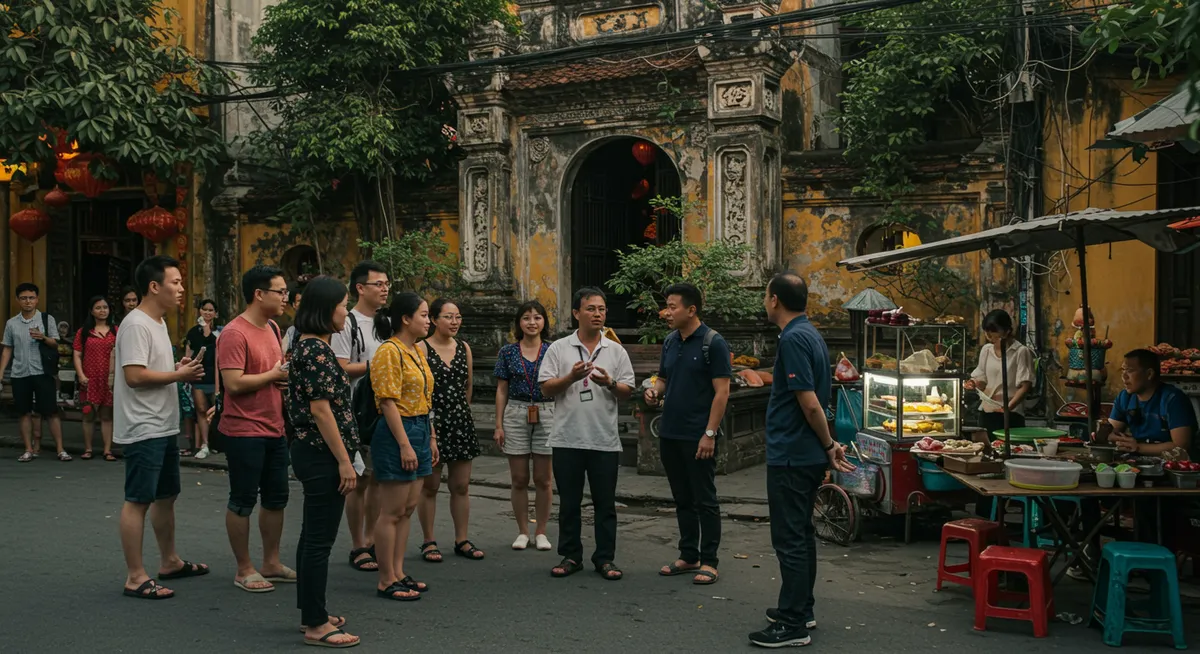
A popular and budget-friendly option are the free walking tours in Hanoi, which operate on a tip-based model. Many of these are expertly led by local university students eager to practice their English and share their love for Hanoi. They provide a fresh, often humorous, and incredibly authentic perspective on daily life, local customs, and the city’s pulse. While the tour itself is “free,” a generous tip at the end is customary and well-deserved, reflecting the value you received. These tours often focus on the Old Quarter, offering an excellent orientation to its bustling streets and hidden alleyways.
Beyond general city tours, Hanoi offers an array of specialized walking tours catering to diverse interests:
- Food Tours: An absolute must in Hanoi! These tours will lead you through local markets and bustling street food stalls, introducing you to iconic dishes like pho, bún chả, and the famous egg coffee (cà phê trứng), while providing insights into Vietnamese culinary traditions.
- History & War Tours: Delve deeper into specific periods, visiting sites like the Ho Chi Minh Mausoleum complex or learning about the city’s resilience during wartime.
- Art & Craft Tours: Explore the city’s artistic side, visiting traditional craft villages within the city, art galleries, or streets famous for specific handicrafts.
- Photography Tours: For keen photographers, these tours are designed to take you to the most photogenic spots at the best times, offering tips on capturing Hanoi’s unique charm.
Regardless of the type, the true value of any guided walking tour lies in the local guide. They are not just navigators; they are storytellers, cultural interpreters, and living encyclopedias. A good local guide can seamlessly navigate language barriers, introduce you to friendly vendors, share personal anecdotes, and explain the ‘why’ behind Hanoi’s traditions, beliefs, and daily rituals. Their insights transform mere sightseeing into genuine cultural understanding.
Local Insights & Expert Tips for Authentic Experiences
To truly unlock the soul of Hanoi on foot, move beyond the main tourist arteries and embrace the city’s nuanced rhythm. These local insights and expert tips will help you peel back the layers and experience a more authentic Hanoi, connecting with its vibrant culture and warm-hearted people.
Mastering the Clock: Best Times for Unique Experiences
- Early Risers Get the Real Deal: Aim to start your walking tour before 7:00 AM, especially if exploring the Old Quarter or around Hoan Kiem Lake. This is when the city truly wakes up: locals perform tai chi by the lake, street vendors set up their stalls, and the aroma of fresh phở fills the air. Dong Xuan Market is a chaotic, vibrant spectacle of wholesale life at this hour, offering a glimpse into Hanoi’s commercial heart before the tourist rush.
- Mid-morning Calm: Between 9:00 AM and 11:00 AM is ideal for visiting historical sites like the Temple of Literature or the Imperial Citadel, as tour groups are often still arriving or just starting. The streets of the Old Quarter are also slightly less frenetic than at midday.
- Chasing the Sunset & Night Vibe: The late afternoon brings a different energy. While Train Street can be crowded, timing your visit for just before a scheduled train (check online schedules) offers an exhilarating experience. The Old Quarter truly comes alive after dark, particularly around Beer Street (Ta Hien), but be prepared for dense crowds.
Unveiling Hidden Gems: Coffee & Courtyards
- The Art of Sidewalk Coffee: Beyond the famous egg coffee spots (like Giang Cafe or Dinh Cafe, worth a visit!), look for tiny, unassuming cafes with plastic stools spilling onto the sidewalk. These are where locals gather, chat, and watch the world go by. Don’t be afraid to try one – it’s an integral part of Hanoi’s social fabric.
- Courtyards and ‘Ngo’ Alleys: Hanoi is a labyrinth of narrow alleys, known as ‘ngo’ or ‘hem’. These aren’t just shortcuts; they are communal living spaces. Wander into a quiet ngo and you might discover hidden temples, family businesses, or charming residential courtyards. These are micro-neighborhoods where children play, neighbors share meals, and daily life unfolds genuinely. Walk slowly, observe respectfully, and remember you’re entering someone’s living space.
Respecting the Culture: Essential Etiquette
- Dress Modestly: When visiting temples, pagodas, or other religious sites, ensure your shoulders and knees are covered as a sign of respect.
- Ask Before You Snap: While locals are generally accustomed to tourists, always ask permission before taking close-up photos of individuals, especially children. A simple smile and gesture often suffice.
- Bargain with a Smile: In markets, bargaining is expected but do so politely and with a friendly demeanor. It’s part of the interaction, not a confrontation.
- Remove Your Shoes: If invited into a local home or entering certain temples/pagodas, always remove your shoes at the entrance.
- Chopstick Etiquette: Never stick your chopsticks upright in your rice bowl; it resembles incense sticks used at funerals and is considered bad luck.
- Patience is a Virtue: Hanoi can be overwhelming at times with its sensory overload. Embrace the chaos, be patient, and approach every interaction with a genuine smile – it goes a long way.
By immersing yourself in these local insights, your Hanoi walking tour will transform from a mere sightseeing trip into a deeply authentic and memorable cultural exploration.
Frequently Asked Questions
Q: Is Hanoi safe for walking tours?
A: Generally, Hanoi is very safe for walkers. Petty theft can occur, so be mindful of your belongings. The main challenge is navigating traffic, but locals are accustomed to pedestrians, and crossing streets becomes an art form you’ll quickly learn.
Q: How do I cross the street in Hanoi?
A: Walk slowly and deliberately. Maintain eye contact with oncoming drivers/riders. They will generally flow around you. Do not make sudden stops or changes in direction. It might feel intimidating at first, but it’s effective.
Q: What’s the best time of day to do a walking tour?
A: Early mornings (6:00-9:00 AM) are fantastic for witnessing local life, enjoying cooler temperatures, and lighter traffic. Late afternoons (3:00-6:00 PM) are also good, offering a vibrant atmosphere as the city comes alive for evening activities. Avoid midday during summer due to heat.
Q: Should I join a free walking tour in Hanoi?
A: Yes, many student-led free walking tours offer excellent cultural insights and a chance to support local students. While technically ‘free’, it’s customary and appreciated to tip your guide at the end based on your experience.
Q: Can I bring my children on a walking tour in Hanoi?
A: Yes, but be prepared for the pace and crowds. Younger children might benefit from shorter tours or stroller use. Traffic can be overwhelming for little ones, so extra vigilance is required. Focus on engaging them with sights, sounds, and tastes.
Hanoi reveals its true essence to those who explore it on foot. Every alleyway, every bustling market, and every quiet temple corner tells a story waiting to be discovered. By embracing the unique rhythm of the city and following these practical tips, you’re not just taking a tour; you’re embarking on a deeply personal journey into the heart and soul of Vietnamese culture. So lace up your shoes, step out, and let Hanoi unfold before you.