
Danang Walking Tour: Your Essential Packing List (2026)
Prepare for your Danang walking adventure! This essential packing list covers climate, footwear, sun protection, and local tips for a safe, enjoyable exploration.
On this page
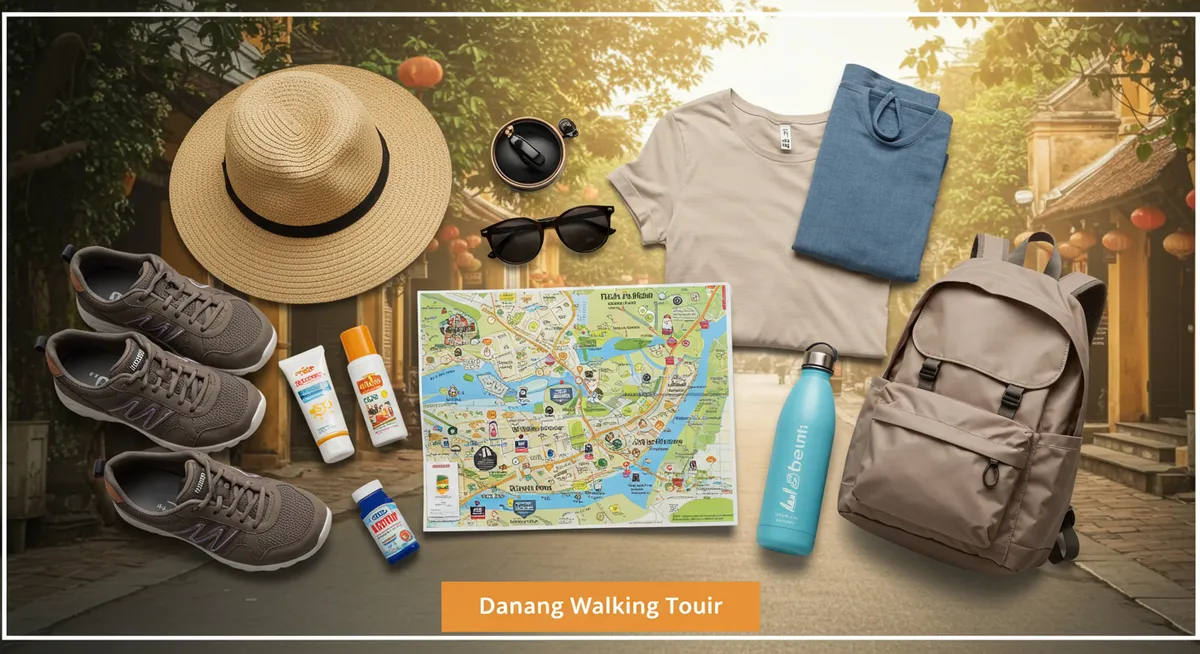
Danang, with its stunning coastline, vibrant markets, and rich cultural sites, is a city best explored on foot. A walking tour allows you to soak in the atmosphere, discover hidden gems, and connect with local life in a way no other mode of transport can. But to truly enjoy the experience, smart packing is key. This comprehensive guide provides an actionable packing list, ensuring you’re well-prepared for every step of your Danang walking tour, come rain or shine.
Key Tips and Takeaways
- Prioritize comfort over style for footwear; broken-in walking shoes are essential.
- Layer clothing and pack light, breathable fabrics suitable for tropical heat and humidity.
- Always carry sun protection (hat, sunglasses, sunscreen) and be prepared for sudden rain.
- Stay hydrated by carrying a reusable water bottle and consider electrolyte supplements.
- Embrace local currency for small purchases and respect local customs, especially regarding attire.
Understanding Danang’s Tropical Climate
Danang, nestled along Vietnam’s central coast, boasts a quintessential tropical monsoon climate. This translates to one key takeaway for any walking tour enthusiast: expect heat and humidity year-round. Understanding this fundamental characteristic is crucial for packing smart and ensuring a comfortable, enjoyable experience as you explore the city on foot.
The city experiences two distinct seasons. The first is the Dry Season, running roughly from January to August. During these months, Danang baskes in abundant sunshine with minimal rainfall. Temperatures frequently soar above 30°C (86°F) and can feel even hotter due to the persistent humidity. For your walking adventures, this means intense sun exposure, a high risk of dehydration, and the need for constant sun protection. Imagine strolling through the vibrant Han Market or across the Dragon Bridge under a clear, blazing sky – exhilarating, but demanding on your body if not prepared.
Conversely, the Rainy Season typically spans from September to December. While temperatures remain warm and humid, this period sees a significant increase in precipitation. Don’t envision continuous drizzle; rather, prepare for sudden, heavy downpours that can last from a few minutes to several hours, sometimes accompanied by stronger winds or even typhoons (though less common directly over Danang). Walking during this time means navigating potentially slippery pavements, unexpected drenchings, and the need for quick-drying gear. Think about exploring the charming streets of the Old Quarter or the riverside promenade when the skies open up – a different kind of adventure, but one that requires foresight in your packing.
Regardless of the season, the high humidity is a constant companion, making even moderate temperatures feel warmer and increasing perspiration. This perpetual moisture in the air significantly influences how your body regulates heat and how quickly your clothes dry. The strong tropical sun also means a high UV index throughout the year, necessitating diligent protection against harmful rays even on cloudy days.
Given these climatic conditions, your packing choices for a Danang walking tour should prioritize two things: comfort and protection. Opt for lightweight, breathable fabrics like cotton, linen, or technical moisture-wicking synthetics that allow air circulation and dry quickly. Avoid heavy denim or thick materials that trap heat and moisture. Sun protection is non-negotiable: a wide-brimmed hat, UV-protective sunglasses, and high-SPF sunscreen are essential. For footwear, choose comfortable, well-ventilated walking shoes or sandals that offer good support and are ideally quick-drying, especially during the rainy season.
Beyond clothing, remember to stay hydrated. Always carry a reusable water bottle, filling up at your hotel or local cafes. Consider starting your walking tours early in the morning or later in the afternoon to avoid the peak heat of midday. By understanding Danang’s tropical embrace, you’ll be well-equipped to fully enjoy every step of your discovery.
Comfortable Footwear: Your Foundation for Exploration
When embarking on a Danang walking tour, your feet will be your primary mode of transport and your most important tools for exploration. Comfortable footwear isn’t just a suggestion; it’s the absolute cornerstone of an enjoyable and blister-free adventure. Think of your shoes as your foundation – if it’s shaky, your entire experience can crumble.
Your top priority should be a pair of well-worn, broken-in walking shoes or sneakers. This cannot be stressed enough: do NOT bring brand new shoes. The tropical humidity and the sheer amount of walking you’ll do exploring Danang’s vibrant streets, bustling markets like Han Market, and perhaps even ascending the steps of the Marble Mountains or Linh Ung Pagoda, will quickly turn new, stiff shoes into instruments of torture. Blisters are the enemy of discovery, and a pre-worn pair will ensure your feet are happy from the first step to the last.
Opt for shoes with excellent arch support and ample cushioning. While Danang boasts many well-paved sidewalks, you’ll encounter varied surfaces – from smoother promenades along My Khe Beach to potentially uneven paths in older districts or stone steps at temples. Good grip is essential to navigate confidently, especially if it rains, as surfaces can become slippery.
Material choice is also paramount given Danang’s warm and often humid climate. Prioritize breathability. Shoes made with mesh uppers are far superior to leather or heavy synthetic materials, allowing air circulation to keep your feet cooler and drier. This ventilation is crucial to prevent discomfort, chafing, and the dreaded “swamp foot” feeling that can arise after hours of walking in high humidity.
Considering the extensive ground you’ll cover – whether strolling across the iconic Dragon Bridge, meandering through the lively night markets, or exploring the cultural nuances of the city – adequate support and comfort will dictate your endurance and mood. Imagine trying to appreciate the intricate carvings at a pagoda with aching feet! Your chosen footwear should feel snug but not tight, allowing your toes a little wiggle room, especially as your feet might swell slightly in the heat.
Finally, it’s wise to pack a secondary pair of comfortable, lightweight shoes. This could be a sturdy pair of walking sandals (ensure they have good arch support, not just flat flip-flops) or another pair of comfortable sneakers. This serves multiple purposes: as a backup if your primary shoes get soaked in a sudden tropical downpour, if you develop a hot spot and need a change, or simply for evenings when you might want a slightly different look without sacrificing comfort for a casual dinner stroll. Having options ensures you’re prepared for anything Danang throws your way.
Smart Clothing Choices: Stay Cool and Protected
🎯 Insider Tip: Discover the best Da Nang experiences with Viator Tours!
Danang’s tropical embrace often comes with a generous dose of sunshine and humidity, especially during your walking tours. To ensure you stay comfortable, cool, and protected while exploring the city’s charming streets, bustling markets, and serene cultural sites, your clothing choices are key.
Your first line of defense against the tropical heat and pervasive humidity is smart fabric selection. Opt for materials that are lightweight and highly breathable. Consider packing a mix of:
- Moisture-Wicking Synthetics: Fabrics like polyester blends are excellent as they pull sweat away from your skin, helping it evaporate faster. This is crucial for long walks, preventing chafing and keeping you feeling drier, even in Danang’s humid climate. They also tend to dry quickly after a wash or if you encounter a sudden tropical downpour.
- Natural Fibers: Cotton and linen are classic choices for hot weather due to their excellent breathability. They allow air to circulate freely, offering a light, airy feel against your skin. While they might absorb more moisture than synthetics, their comfort factor for casual strolling is undeniable. Look for lightweight weaves to maximize their cooling properties.
Beyond fabric, the color and fit of your clothes play a significant role. Always lean towards light colors – whites, pastels, and earth tones – as they reflect sunlight, keeping you cooler than dark colors which absorb heat. Choose loose-fitting clothing. Baggy shirts, flowy skirts, and relaxed trousers allow for better air circulation around your body, minimizing sweat buildup and maximizing comfort as you wander through places like the Han Market or along the Dragon Bridge.
Cultural Sensitivity: Dressing with Respect
While comfort is paramount, cultural respect is equally important, particularly when your walking tour takes you to religious sites or local homes. Danang is home to beautiful pagodas and temples, such as the stunning Linh Ung Pagoda with its towering Lady Buddha, or the ancient pagodas nestled within the Marble Mountains. When visiting these sacred places, it’s essential to dress modestly.
- Cover Shoulders and Knees: Pack items that adequately cover both your shoulders and knees. This applies to both men and women. For instance, a lightweight, long-sleeved shirt or a modest t-shirt paired with long shorts, capris, or loose trousers would be appropriate. Women might find long skirts or flowy dresses comfortable and respectful.
- Pack a Sarong or Scarf: A lightweight scarf or sarong is an absolute lifesaver. It can be easily carried in your daypack and quickly wrapped around your shoulders or waist to provide instant coverage before entering a temple or pagoda. This offers flexibility, allowing you to wear shorter items for general walking and adapt instantly for cultural visits.
- Entering Homes: If your walking tour includes a visit to a local home, remember to remove your shoes before entering, a common sign of respect. Modest clothing is also appreciated in such private settings.
By thoughtfully selecting your wardrobe with these tips in mind, you’ll not only stay cool and comfortable under the Danang sun but also demonstrate respect for the local culture, enhancing your overall walking tour experience.
Sun and Rain Protection: Be Prepared for Any Weather
Danang’s tropical climate means you can experience intense sunshine and sudden downpours, sometimes even on the same day! Being prepared for both is key to an enjoyable and comfortable walking tour experience in this vibrant city. Don’t let unpredictable weather dampen your exploration of iconic spots like the Dragon Bridge, My Khe Beach, or the bustling Han Market.
Sun Protection: Your Essential Shield Against the Tropical Sun
The equatorial sun in Danang can be incredibly strong, even on seemingly cloudy days. Protecting your skin and eyes is paramount, especially when spending hours outdoors on a walking tour, exploring the city’s charming streets and waterfronts.
- Wide-Brimmed Hat or Cap: A wide-brimmed hat is your best friend against Danang’s intense sun. It offers excellent protection for your face, ears, and neck, areas often exposed and prone to sunburn. A baseball cap is a good alternative, though it provides less all-around coverage. Look for breathable materials to combat the humidity.
- UV-Protection Sunglasses: High-quality sunglasses are non-negotiable. Danang’s bright sun, combined with reflective surfaces like the Han River and the expansive beaches, can cause significant eye strain and long-term damage. Opt for sunglasses that block 99-100% of UVA and UVB rays to ensure proper protection.
- High-SPF (50+) Broad-Spectrum Sunscreen: This is arguably the most crucial item for sun protection. Choose a broad-spectrum sunscreen with an SPF of 50 or higher. Apply a generous amount to all exposed skin before you start your tour, and reapply frequently – every 2-3 hours, or more often if you’re sweating profusely (which is common in Danang’s humidity) or wiping your face. Don’t forget often-missed spots like the tops of your feet (if wearing sandals), ears, and neck. While sunscreen is available locally, bringing your preferred brand and type is highly recommended for consistent protection.
Rain Protection: Be Ready for Sudden Tropical Showers
While Danang boasts plenty of sunny days, tropical showers can materialize quickly, especially during the rainy season (roughly September to December). Even outside these months, brief, heavy downpours are not uncommon and can catch unsuspecting travelers off guard.
- Compact, Lightweight Umbrella: A small, foldable umbrella is incredibly versatile. It provides excellent protection during sudden tropical downpours and can even double as a personal sunshade on intensely hot days, offering a bit of relief from the direct sun. Look for one that’s sturdy enough to withstand a bit of wind but light enough not to be a burden in your daypack.
- Foldable Rain Jacket or Poncho: For a hands-free approach, a lightweight, packable rain jacket or a simple poncho is an excellent choice. Ponchos are particularly good for covering you and a small backpack, keeping your belongings dry too. These are ideal for keeping you dry while you continue exploring, whether navigating the bustling streets or admiring the city’s architecture. During Danang’s peak rainy season, carrying one of these is non-negotiable; even a brief shower can leave you drenched.
Before heading out for your Danang walking adventure, always check the local weather forecast, but be prepared for rapid changes. The weather can shift dramatically from bright sunshine to a sudden downpour within minutes. Having both sun and rain protection readily accessible in your daypack ensures your comfort and allows you to fully immerse yourself in the beauty and culture of Danang, come rain or shine!
Hydration and Snacks: Fuel Your Journey
Danang’s tropical climate is a key part of its allure, but it also demands a proactive approach to staying hydrated and energized, especially when embarking on a walking tour. The city’s warm temperatures and humidity, particularly during the dry season (February to August), can lead to rapid dehydration if you’re not prepared. Don’t let thirst or low energy cut your exploration short!
Hydration is Your Top Priority
Make a reusable water bottle your non-negotiable companion. We highly recommend one with a capacity of at least 1 to 1.5 liters. Not only is this an eco-conscious choice, significantly reducing plastic waste, but it’s also far more economical than constantly buying single-use bottles. Sip frequently throughout your tour, even before you feel thirsty – by then, you’re already on your way to dehydration.
While dedicated public water refill stations aren’t as common in Danang as in some Western cities, staying hydrated is still relatively easy. Many cafes and restaurants are usually happy to top up your bottle if you purchase something from them. Alternatively, convenience stores like VinMart, Circle K, or FamilyMart are ubiquitous across Danang, offering chilled bottled water at very affordable prices. Always carry some small Vietnamese Dong (VND) for these quick, essential purchases.
For longer walking tours, or if you’re particularly prone to sweating, consider packing electrolyte tablets or powder. A small sachet mixed into your water can quickly replenish essential salts and minerals lost through perspiration. This is crucial for preventing fatigue, muscle cramps, and headaches often associated with heat exhaustion. They can truly be a game-changer for maintaining your stamina in Danang’s humidity.
Snacks: Your Energy Boosts
Walking tours, by nature, require sustained energy, and hunger can strike unexpectedly. Pack lightweight, non-perishable snacks that provide a quick and efficient boost without weighing you down. Avoid anything that can melt easily (like chocolate) or is prone to spoiling in the heat.
Here are some excellent choices:
- Granola Bars or Energy Bars: Compact, calorie-dense, and readily available in most supermarkets.
- Dried Fruit: Raisins, apricots, or mango pieces offer natural sugars for quick energy. They’re easy to carry and provide essential vitamins.
- Nuts and Seeds: Almonds, cashews, peanuts, or a pre-mixed trail mix provide healthy fats and protein for more sustained energy release.
Planning ahead for hydration and snacks ensures you can fully immerse yourself in the vibrant sights, sounds, and flavors of Danang without energy dips or discomfort. Fuel your adventure wisely, and you’ll have the stamina to explore every bustling market and serene temple!
Safety and First Aid Essentials
🎯 Insider Tip: Discover the best Da Nang experiences with Viator Tours!
Exploring Danang on foot is an incredibly rewarding experience, offering an intimate glimpse into the city’s vibrant culture, delicious street food, and stunning riverside vistas. However, like any adventure, preparation is key – especially when it comes to your health and safety. While Danang is generally a safe city, a small, personal first-aid kit can be a true lifesaver for unexpected minor mishaps, ensuring your walking tour remains enjoyable and uninterrupted.
Here’s a breakdown of essential items to pack for your Danang walking tour, focusing on safety and first aid:
Your Personal First-Aid Pouch
- Band-Aids and Antiseptic Wipes: Danang’s pavements can be uneven, and minor scrapes or cuts are always a possibility, especially when navigating bustling markets or pedestrian areas. Antiseptic wipes are crucial for cleaning wounds before applying a band-aid, preventing infection in a humid climate.
- Blister Treatment (Moleskin/Compeed): This is a non-negotiable for any walking tour! Even with comfortable shoes, the combination of heat, humidity, and extensive walking can lead to blisters. Applying moleskin or blister patches at the first sign of friction can save your feet from painful sores and keep you walking comfortably.
- Pain Relievers: Pack a small amount of your preferred over-the-counter pain reliever (e.g., ibuprofen, paracetamol). These are invaluable for headaches (perhaps from the tropical sun), muscle aches after a long day of exploring, or minor sprains.
- Personal Prescription Medications: If you take any daily medications, ensure you have an ample supply. Keep them in their original packaging with your doctor’s prescription if possible, especially for international travel, to avoid any issues at customs.
Beyond the Basic Kit
- Hand Sanitizer: With an abundance of enticing street food stalls and local eateries, you’ll want to keep your hands clean before digging into a bowl of *mì Quảng* or a refreshing *chè*. A small bottle of alcohol-based hand sanitizer is perfect for on-the-go hygiene, particularly before and after meals, and after handling money.
- Insect Repellent: While not a major concern during the day in the city center, insects, particularly mosquitoes, can be present, especially during evenings or near water bodies like the Han River or along My Khe Beach. If your walking tour extends into dusk, a DEET-based or natural repellent will help ward off annoying bites.
- Whistle for Emergencies: A simple whistle can be a surprisingly effective safety tool. In a crowded environment like a market or during an unexpected situation, it can attract attention quickly if you feel unsafe or need assistance.
Remember to stay hydrated throughout your walk in Danang’s tropical climate by carrying a reusable water bottle. While serious injuries are rare, knowing the local emergency number (115 for ambulance services) is always wise. For minor issues or to replenish supplies, look for a “Nhà Thuốc” (pharmacy), easily found throughout the city. By preparing thoughtfully, you can focus on soaking in all the beauty and excitement Danang has to offer, confident in your ability to handle small bumps along the road.
Navigation and Technology: Stay Connected
In the bustling streets of Danang, your smartphone isn’t just a communication device; it’s your primary navigation tool, translator, and memory keeper. To ensure a seamless and stress-free walking tour experience, smart preparation of your tech arsenal is key.
First and foremost, a fully charged smartphone is non-negotiable. Before you even step out of your hotel, ensure it’s topped up. For navigating Danang’s vibrant alleyways and expansive boulevards, downloading offline maps is an absolute game-changer. Both Google Maps and Maps.me allow you to download entire city or region maps, meaning you can find your way even without a data connection. This is invaluable when exploring areas like the intricate streets around the Han Market, or discovering hidden coffee shops where Wi-Fi might be spotty. Mark your hotel, key attractions like the Dragon Bridge, and any must-try eateries before you set off; this way, you’ll always have a reference point at your fingertips.
A reliable translation app is another essential digital companion. While many people in Danang’s tourism hotspots speak English, venturing into local markets or smaller eateries will often require some Vietnamese. Google Translate, with its offline translation packs for Vietnamese, can bridge this language gap. Imagine confidently ordering a bowl of Mì Quảng from a street vendor or asking for directions to a lesser-known pagoda – it significantly enhances your interaction with the local culture and makes your Danang experience more authentic.
For uninterrupted connectivity and real-time information, investing in a local Vietnamese SIM card is highly recommended. Major providers like Viettel, Mobifone, or Vinaphone offer affordable data packages that are easy to purchase upon arrival at Danang International Airport or at authorized stores in the city center. A local SIM allows you to use ride-hailing apps like Grab (perfect for when your feet are tired or to reach destinations slightly further afield like Linh Ung Pagoda), look up instant reviews of nearby restaurants, check opening hours of attractions, or simply stay in touch with travel companions. This constant connection ensures you’re never truly lost and can adapt your walking route on the fly based on current information.
With constant GPS usage, photo-taking, and app-checking, your phone’s battery will drain quickly. A portable power bank and charging cables are absolute must-haves. Look for one with sufficient capacity (10,000mAh or more) to provide multiple full charges, ensuring your navigation and communication tools stay powered throughout your explorations of Danang’s stunning sights and sounds. Remember to charge both your phone and power bank overnight.
Finally, while modern smartphones boast impressive cameras, if photography is a significant part of your travel experience, consider bringing a lightweight, compact camera. This allows you to capture the vibrant hues of the Han River at sunset, the intricate details of a temple, or the bustling energy of a market without draining your phone’s battery, leaving it free for essential navigation and communication.
Personal Comfort and Convenience Items
When embarking on a walking tour through the vibrant streets of Danang, keeping your personal comfort and convenience in mind can significantly enhance your experience. Forget lugging a cumbersome backpack; instead, opt for a small, lightweight daypack or a secure cross-body bag. This allows you to keep your hands free for snapping photos of the Dragon Bridge, sampling delicious street food, or navigating bustling markets like Han Market. Choose something compact yet spacious enough for your essentials, ensuring it sits comfortably for hours of exploration.
Here are the crucial items to pack in your personal comfort kit:
- Wet Wipes and Travel-Size Tissues: Danang’s tropical climate means humidity and sweat are often part of the daily forecast. Wet wipes are a godsend for a quick refresh, whether it’s wiping sticky hands after indulging in some Banh Xeo or cooling down your face. Travel-size tissue packs are equally invaluable, especially since many public restrooms in Vietnam may not consistently provide toilet paper. They’re also perfect for dabbing sweat or cleaning up minor spills as you explore.
- Small Quick-Dry Towel: A compact microfiber towel is a multi-purpose hero for your Danang walking tour. It can be used to wick away sweat on a humid day, providing instant relief. More importantly, Danang’s weather can be unpredictable, with sudden tropical downpours capable of appearing almost out of nowhere. A quick-dry towel is excellent for drying off your face and arms, or even quickly wiping down a bench before you take a rest. Its fast-drying nature means you won’t be stuffing a soggy cloth back into your bag.
- Foldable Shopping Bag: Danang is a shopper’s delight, from the bustling aisles of Han Market and Con Market, overflowing with local handicrafts, fresh produce, and unique souvenirs, to charming independent boutiques. You’ll likely find yourself tempted by unexpected treasures. A lightweight, foldable shopping bag (preferably reusable to minimize plastic waste) is perfect for stashing away any purchases, big or small, without needing to juggle multiple plastic bags. It’s an eco-friendly and practical addition that saves you from awkward carrying situations.
- Hand Sanitizer: While not explicitly mentioned in the prompt, a small bottle of hand sanitizer is a wise companion, especially when you’re frequently touching surfaces, enjoying street food, or before a meal in a local eatery.
These small additions to your walking tour kit will make a significant difference in your comfort, allowing you to fully immerse yourself in the sights, sounds, and flavors of Danang without minor inconveniences interrupting your adventure.
Local Insights: Culture, Cash, and Connectivity
As you embark on your Da Nang walking tour, truly immersing yourself means understanding the local rhythm. Beyond what to pack in your bag, consider how to interact with the city’s unique culture, manage your finances on the go, and stay connected.
Cash: Small Notes, Big Convenience
While larger establishments and modern cafes in Da Nang increasingly accept credit cards, cash remains king for many quintessential walking tour experiences. Think bustling street food stalls, charming local coffee shops, vibrant markets like Han Market or Con Market, and small family-run businesses. These places often operate on thin margins and prefer cash, sometimes even struggling to make change for large denominations like 500,000 VND notes.
Actionable Tip: Before venturing out, break larger notes at ATMs or larger supermarkets/convenience stores. Carry a good stash of 10,000, 20,000, 50,000, and 100,000 VND notes. This makes transactions smoother and faster, especially when grabbing a quick Banh Mi or a refreshing coconut water from a street vendor. Tipping is not mandatory in Vietnam but is always appreciated for good service, especially for your tour guide or restaurant staff – smaller notes are ideal for this too.
Culture: Respectful Attire & Local Etiquette
Da Nang is a city rich in spiritual sites, from the iconic Linh Ung Pagoda on Son Tra Peninsula with its towering Lady Buddha to the serene Phap Lam Pagoda tucked within the city. Your walking tour might naturally lead you to these beautiful places. When visiting any religious site, showing respect through your attire is paramount. This means covering your shoulders and knees. While Da Nang’s climate is warm, packing a light, airy long-sleeved shirt or a pair of lightweight trousers, or even a versatile scarf or sarong, is a smart move. You can easily slip these on over shorts or tank tops when entering a temple.
Actionable Tip: Always observe local customs. If you see locals removing their shoes before entering a temple or someone’s home, follow suit. A nod, a smile, and a polite “Xin chào” (hello) go a long way in fostering positive interactions with the friendly locals.
Connectivity: Seamless SIM for Da Nang Navigatio
Staying connected in Da Nang is incredibly easy and affordable, and it will significantly enhance your walking tour experience. A local SIM card provides seamless access to Google Maps for navigation, Grab (the popular ride-hailing app), translation tools, and of course, keeping in touch with loved ones.
Actionable Tip: You can purchase a local SIM card with a data plan right upon arrival at Da Nang International Airport (DAD) or at numerous kiosks and phone shops downtown. Providers like Viettel, Mobifone, and Vinaphone offer excellent coverage. Ensure your phone is unlocked before you travel to use a local SIM. Having reliable internet access means you can explore with confidence, find the best local eateries recommended by your guide, or even hail a Grab if your feet need a rest from walking.
Pre-Tour Preparation: Before You Step Out
Embarking on a walking tour in Da Nang is an incredible way to experience the city’s vibrant energy and discover its hidden gems. However, a fantastic experience often begins long before you take your first step. Proper pre-tour preparation is key to ensuring comfort, safety, and maximum enjoyment, especially in a tropical climate like Da Nang’s.
Check the Da Nang Forecast Daily
Da Nang experiences a tropical monsoon climate, meaning the weather can be quite dynamic. Even during the dry season (typically January to August), unexpected downpours can occur, and the sun’s intensity can be surprisingly fierce. During the rainy season (September to December), sustained rain is more common. Before heading out each day, make it a habit to check a reliable weather forecast app for Da Nang. This will help you decide whether to pack an umbrella or a light rain jacket, or if it’s going to be a scorching day requiring extra sun protection like a wide-brimmed hat, sunglasses, and generous amounts of sunscreen. Being prepared for both sun and potential showers will make your walk much more pleasant.
Hydrate, Hydrate, Hydrate!
Given Da Nang’s warm and humid conditions, staying well-hydrated is non-negotiable. Begin your hydration efforts the night before your planned walk by drinking plenty of water. Avoid excessive alcohol consumption, which can contribute to dehydration. On the morning of your walking tour, continue to hydrate steadily. Carry a reusable water bottle with you; it’s eco-friendly and you can easily refill it at your hotel or purchase inexpensive bottled water from countless convenience stores (like Circle K or VinMart) and local *tạp hóa* (small shops) throughout the city. Don’t wait until you feel thirsty; sip water regularly throughout your walk to prevent fatigue and heat-related issues.
Inform Someone of Your Route
Even if you’re an experienced solo traveler, it’s always a smart safety practice to let someone know your plans. Inform your hotel reception, a travel companion, or a trusted friend or family member back home about your intended walking route and your estimated return time. Provide as much detail as possible, such as the areas you plan to explore (e.g., “walking along the Han River to Dragon Bridge and then exploring Sơn Trà Night Market”). This simple step provides peace of mind and an extra layer of safety, especially in an unfamiliar city.
Emergency Contacts & Basic Phrases
Ensure your emergency contacts are easily accessible. Save important numbers in your phone under “ICE” (In Case of Emergency) and consider having a physical note with key contacts like your hotel’s phone number, your travel insurance emergency line, and your embassy’s local contact details. While Da Nang is generally safe, it’s always best to be prepared.
Learning a few basic Vietnamese phrases can significantly enhance your interactions and show respect for the local culture. Even a small effort can go a long way! Here are some essential phrases:
- Xin chào (sin chow): Hello
- Cảm ơn (gam un): Thank you
- Xin lỗi (sin loy): Excuse me / Sorry
Locals genuinely appreciate it when visitors try to speak their language, and it can often lead to warmer interactions and a more authentic experience. Knowing these phrases can be particularly helpful when navigating markets or asking for simple directions.
Frequently Asked Questions
🎯 Insider Tip: Discover the best Da Nang experiences with Viator Tours!
Q: Is Danang safe for solo female walkers?
A: Yes, Danang is generally considered safe for solo female travelers. However, like any city, it’s wise to exercise common sense: be aware of your surroundings, avoid walking alone in poorly lit areas at night, and keep valuables secure. Local people are often friendly and helpful.
Q: What’s the best time of year for free walking tours in Danang?
A: The dry season (January to August) is ideal, with sunny skies and lower humidity. However, June to August can be very hot, so early morning or late afternoon walks are best. The rainy season (September to December) can bring heavy showers, but they are often short, so a compact umbrella or poncho suffices.
Q: Can I find clean public restrooms easily during a walking tour?
A: Public restrooms specifically designated for tourists are not always plentiful or well-maintained. It’s often best to utilize restrooms in cafes, restaurants, shopping malls, or hotels when opportunities arise. Always carry hand sanitizer and tissues.
Q: Do I need to speak Vietnamese to get around Danang on foot?
A: While it’s not essential, knowing a few basic Vietnamese phrases (hello, thank you, excuse me) will be appreciated. Many people in tourist areas have some English proficiency. Using a translation app on your phone can also be very helpful for communication and understanding street signs.
Equipped with this comprehensive packing list and local insights, you’re now ready to embark on an unforgettable walking adventure through Danang. Exploring on foot offers a unique perspective, allowing you to engage with the city’s rhythms, savor its flavors, and uncover its hidden treasures. So, lace up your comfortable shoes, pack smart, and step out to experience the vibrant heart of Danang, one exciting stride at a time!