
Pakse Walking Tours: Cultural Insights & Local Life (2026)
Unlock Pakse, Laos on foot! Our comprehensive guide to cultural walking tours offers local insights, practical tips, and must-see stops for an authentic exploration.
On this page
Welcome to Pakse, the charming capital of Champasak Province in southern Laos! While many think of this city as a gateway to the Bolaven Plateau, Pakse itself holds a treasure trove of cultural insights waiting to be uncovered. There’s no better way to delve into its authentic charm, observe daily life, and truly connect with its heritage than by exploring its streets on foot. This guide is crafted for the intrepid traveler eager to embrace the walking tour experience, offering practical advice and local wisdom to ensure a safe, enjoyable, and deeply enriching journey through Pakse’s vibrant tapestry.
Key Tips and Takeaways
- Start your walking tours early to avoid the midday heat and enjoy cooler temperatures.
- Always carry plenty of water, wear comfortable shoes, and use sun protection (hat, sunscreen).
- Embrace the local street food scene – it’s safe, delicious, and a true cultural experience.
- Learn a few basic Lao phrases; ‘Sabaidee’ (hello) and ‘Khop Chai’ (thank you) go a long way.
- Be mindful of local etiquette, especially when visiting temples (dress modestly, remove shoes).
- For longer distances or when tired, don’t hesitate to hail a tuk-tuk or shared taxi.
Why Walk Pakse? The Unforgettable Charm of Exploring on Foot
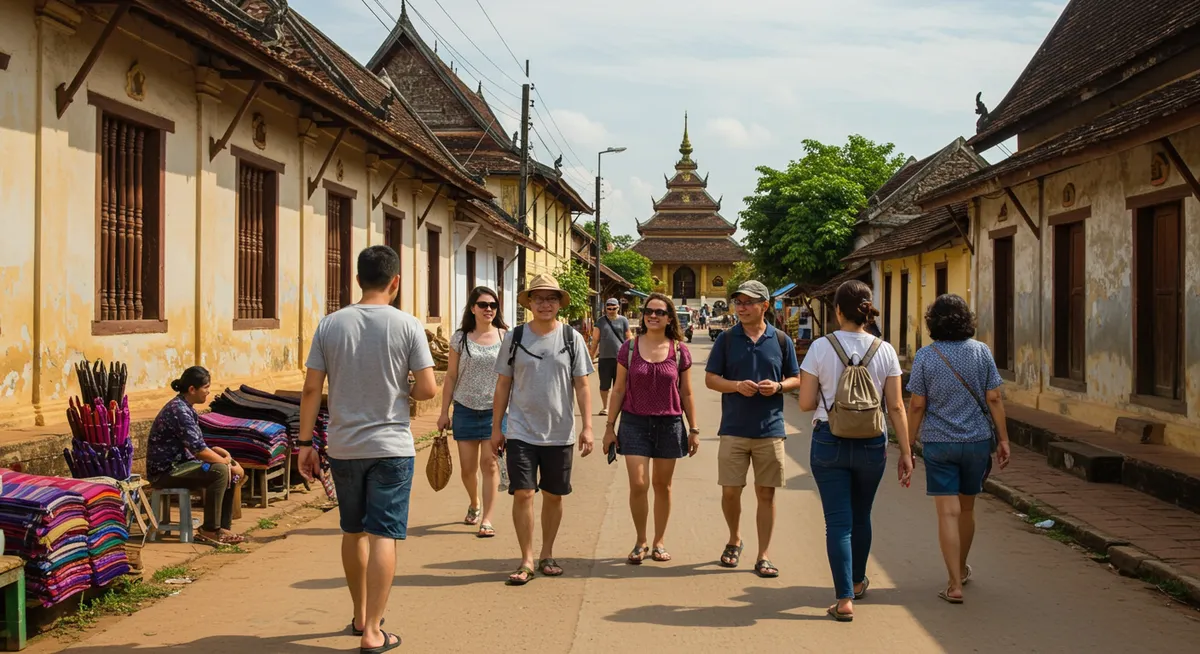
While Pakse might seem like a city best navigated by motorbike or tuk-tuk, we’re here to champion a different, infinitely more rewarding mode of exploration: on foot. To truly unlock the soul of this charming southern Lao city, there’s no better way than to lace up your shoes and step into its gentle rhythm. Cultural insights Pakse walking tours aren’t just about seeing sights; they’re about feeling the city’s pulse, one step at a time.
Walking through Pakse offers unparalleled cultural immersion. You’ll find yourself meandering through bustling morning markets like the vast Dao Heuang, where the vibrant sights, sounds, and smells of fresh produce and local delicacies create an intoxicating sensory experience. Beyond the main thoroughfares, hidden alleyways reveal charming guesthouses, small family-run eateries serving authentic Lao dishes, and quiet temples like Wat Luang where monks go about their daily routines. These are the genuine, often unlisted ‘gems’ that larger vehicles simply whiz past.
On foot, serendipitous encounters become commonplace. A warm ‘Sabai dee’ (hello) exchanged with a local vendor, a shared smile with children playing in the street, or an impromptu chat over a cup of delicious Lao coffee are moments that enrich your journey far beyond any guidebook. You’ll witness the city waking up with the monastic alms rounds, observe the gentle pace of riverside life along the Xe Don and Mekong, and truly appreciate the relaxed, yet vibrant, rhythm that defines Pakse. This intimate proximity allows for authentic connection, fostering a deeper understanding of Lao life.
Opting for a walking tour is also a conscious choice for sustainable travel, reducing your carbon footprint while embracing the ‘slow travel’ philosophy. It encourages you to linger longer, absorb more, and truly appreciate the intricate details of your surroundings. To make your Pakse walking experience seamless and enjoyable, remember these actionable tips:
- Comfortable Footwear: Pakse’s pavements can be uneven; good walking shoes are a must.
- Hydration is Key: The tropical climate means you’ll sweat; carry plenty of water.
- Sun Protection: A hat, sunglasses, and sunscreen are essential, especially during midday.
- Small Denominations: Have small Kip notes ready for street food, snacks, or small purchases.
- Respect Local Customs: Dress modestly when visiting temples and always ask before taking photos of people.
In essence, exploring Pakse on foot transforms a mere sightseeing trip into a rich, personal adventure. It’s an invitation to connect, discover, and truly live the cultural insights Pakse walking tours promise, leaving you with memories far more vivid and meaningful than any rushed itinerary could provide.
Planning Your Pakse Walking Adventure: Essential Preparations
Embarking on a walking tour in Pakse offers an unparalleled opportunity to truly immerse yourself in the city’s rhythm, from its bustling markets to its serene temples and picturesque riverfronts. To ensure your Pakse walking adventure is comfortable, enjoyable, and safe, a little preparation goes a long way.
Ideal Times for Your Walk
Timing is key when exploring Pakse on foot, primarily due to its tropical climate. The absolute best time of year for walking tours is during the **dry season, from October to February**. During these months, temperatures are cooler and humidity is lower, making extended periods of walking much more pleasant. The wet season (May to September) brings high humidity and heavy rainfall, which can make walking challenging, though the landscape is incredibly lush.
Regardless of the season, the ideal time of day for walking in Pakse is in the **early morning (from sunrise until around 9:30 AM)** or in the **late afternoon (from 4:00 PM onwards)**. Early mornings offer cooler temperatures, beautiful light, and the chance to witness local life awakening – monks collecting alms, vendors setting up at the morning market, and the city stirring. Late afternoons provide stunning sunset views over the Mekong and cooler air as the day winds down. Avoid walking during the scorching midday heat (10:00 AM – 3:00 PM) to prevent sunstroke and exhaustion.
Recommended Walking Durations
Pakse is a compact city, making it very walkable. You can tailor your walks to suit your energy levels and interests:
- Short Strolls (1-2 hours): Perfect for exploring a specific area like the Pakse Morning Market, a concentrated loop around a few temples, or a leisurely walk along the Xe Don Riverfront.
- Mid-Length Explorations (2-4 hours): Ideal for combining several key sights, such as a walk from the central market to Wat Luang and then along the Xe Don river, perhaps crossing the bridge for different perspectives. This allows for ample stops for photos and breaks.
- Extended Adventures (4+ hours): For the more ambitious, combine several neighborhoods, visit the Golden Buddha on the hill (which requires a tuk-tuk up but allows for a walk down), or simply take your time to discover hidden alleys and local eateries. Always listen to your body and don’t hesitate to hail a local tuk-tuk for a break or a ride back.
Essential Packing List for Walkers
Packing smart will greatly enhance your walking experience:
- Comfortable Footwear: This is paramount! Opt for broken-in, breathable walking shoes or sturdy sandals with good arch support. Pakse’s pavements can be uneven and dusty.
- Hydration: A reusable water bottle is non-negotiable. Staying hydrated in the tropical heat is crucial. Many guesthouses and cafes offer water refills.
- Sun Protection: The sun in Pakse is strong. Pack a wide-brimmed hat, sunglasses, and high-SPF sunscreen.
- Small Daypack: A lightweight backpack is perfect for carrying your water, camera, phone, insect repellent, and any small souvenirs you might pick up.
- Lightweight Clothing: Wear breathable, loose-fitting clothing made from natural fabrics (cotton, linen) that cover your shoulders and knees, especially when visiting temples, out of respect for local customs.
- Basic First-Aid: A small kit with band-aids for blisters, antiseptic wipes, and any personal medications.
- Insect Repellent: Particularly important during the wet season or if you plan to walk near green areas, to protect against mosquitoes.
Basic Health Considerations
Prioritizing your health is vital. Always ensure you are drinking plenty of water to prevent dehydration. Be aware of the signs of heat exhaustion (dizziness, nausea, excessive sweating) and take frequent breaks in the shade. While street food is a delightful part of the Pakse experience, choose vendors with high turnover and visible hygiene practices. Keep an eye on your feet for any developing blisters and address them promptly. A proactive approach to these simple considerations will ensure your walking tours are as enjoyable as they are enriching.
Must-See Cultural Stops on Your Pakse Walking Tour
🌟 Local Expert Tip: Get the most out of your Pakse visit with guided tours!
As you embark on your cultural walking tour of Pakse, prepare to delve into the heart of Southern Laos. This compact, pedestrian-friendly city offers a rich tapestry of spiritual sites, bustling markets, and historical echoes, all best discovered on foot. Lace up your comfortable shoes and let’s explore the must-see cultural stops.
Wat Luang: The Spiritual Heartbeat
Your journey begins at Wat Luang, Pakse’s most significant temple. Peacefully nestled on the Xe Don River banks, this complex is an oasis of tranquility. Wander its grounds to admire ornate Lao architecture, a stunning golden stupa, and murals. As an active place of worship and learning, it offers a genuine glimpse into Lao Buddhist life.
- Walking Tip: Easily accessible from central Pakse. Allow 45 minutes to an hour for exploration.
- Cultural Insight: Dress respectfully (shoulders and knees covered) and remove shoes before entering temple buildings.
Wat Phou Salao: Golden Buddha with Panoramic Views
For truly memorable vistas, head towards Wat Phou Salao, home to the iconic Golden Buddha statue overlooking the Mekong. Reaching this hilltop temple requires crossing the main Xe Don River bridge, followed by a steep ascent of numerous steps. For fit walkers, it’s a rewarding challenge. Alternatively, consider a short tuk-tuk ride for the ascent, especially in the heat – the panoramic views from the top, particularly at sunrise or sunset, are absolutely worth it!
- Walking Tip: The bridge walk offers great river views. For the climb, wear comfortable shoes and bring water.
Dao Heuang Market: A Sensory Immersion
Dive headfirst into local life at Dao Heuang Market (also known as the New Market). This sprawling, bustling hub is a feast for the senses, where the vibrant pulse of Pakse truly comes alive. From fresh produce and spices to local handicrafts and sizzling street food, it’s an authentic slice of Lao daily routine. It’s a place to observe, interact, and taste.
- Walking Tip: A short walk from the city center, the market is best explored by meandering. Be prepared for crowds.
- Local Insight: Engage with vendors, try a local snack (like sugarcane juice or Lao sausage). Small denominations of Kip are useful.
French Colonial Architecture: Echoes of the Past
As you wander through Pakse’s older streets, particularly near the riverfront and central market, you’ll encounter charming remnants of its French Colonial past. Elegant, though sometimes weathered, shophouses, villas, and administrative buildings stand as silent witnesses to a bygone era. Their unique architectural styles blend seamlessly with local Lao designs. These streets invite leisurely exploration, offering a different perspective on the city’s history.
- Walking Tip: Allow yourself to get a little lost. Look up at facade details and notice unique doorways.
Mekong Riverfront Promenade & Local Neighborhoods
No walking tour of Pakse is complete without a leisurely stroll along the Mekong Riverfront promenade. This wide, paved path offers picturesque views of the mighty Mekong, especially enchanting at sunset. It’s a popular spot for locals to exercise, socialize, and enjoy evening street food. Beyond the riverfront, venture into the surrounding local neighborhoods. Here, you’ll discover the quieter rhythm of Pakse life: small family-run businesses, local eateries serving authentic Lao dishes, and children playing. This is where you truly feel the pulse of the city beyond its main attractions.
- Walking Tip: The promenade is ideal for an easy, flat walk. In neighborhoods, move at a slow pace and be respectful.
- Actionable Tip: Purchase delicious grilled skewers or a fresh fruit shake from a riverfront vendor for an authentic evening experience.
Immersing in Local Life: Beyond the Landmarks
🌟 Local Expert Tip: Get the most out of your Pakse visit with guided tours!
While Pakse’s iconic landmarks like Wat Luang and the Golden Buddha offer stunning photo opportunities, the true magic of this city unfolds when you step off the well-trodden path and immerse yourself in the everyday rhythm of local life. A walking tour provides the perfect vantage point to connect authentically with the culture, offering insights far beyond any guidebook.
Savoring Local Flavors: Street Food & Coffee Culture
One of the most delightful ways to engage with Pakse is through its vibrant street food scene. As you wander, follow your nose to the bustling stalls, especially around the Mekong riverside in the evenings or within the expansive Dao Heuang Market during the day. Don’t be shy! Try local staples like Khao Piak Sen (Lao noodle soup), freshly grilled fish, or the ubiquitous sticky rice. Look for stalls popular with locals – a good sign of delicious and safe food. Carry small denominations of Lao Kip (LAK) for easy transactions.
Pakse is also the gateway to the Bolaven Plateau, renowned for its coffee. Seek out unassuming local coffee shops (“cafés” or “ร้านกาแฟ”). Here, you’ll find authentic Lao coffee, often served strong with condensed milk, a sweet and invigorating treat. These spots are fantastic for people-watching and observing the local pace of life. Take a seat, enjoy your brew, and let the city’s sounds wash over you.
Observing & Engaging: Daily Life and Respectful Interaction
Simply by walking, you’ll become an observer of daily routines. Early mornings along the river reveal locals exercising or gathering. Mid-day, residential alleys offer glimpses of family life, children playing, and daily chores. Be discreet and respectful, avoiding direct intrusion into private moments.
When interacting with locals, a friendly smile goes a long way. Learn a few basic phrases: “Sabaidee” (hello) and “Khop Jai” (thank you). Vendors are generally warm and appreciate your business. Bargaining is not common for street food or small items. When encountering Buddhist monks, observe from a distance, especially during morning alms rounds (Tak Bat). Women should never touch monks or hand things directly to them; place items down. Always ask for permission before taking photos of people.
Discovering Local Crafts & Understanding Customs
Beyond the markets, keep an eye out for smaller, independent shops selling local handicrafts. You might find exquisite Lao silk textiles, intricate wood carvings, or traditional silver jewelry. These unique items make wonderful, authentic souvenirs and directly support local artisans. Some craft shops are often found near the main arteries or nestled in quieter side streets, so keep exploring!
Understanding a few local customs will greatly enhance your experience. The traditional Lao greeting is the “Nop” – pressing your palms together as if in prayer, often accompanied by a slight bow. Use this when greeting elders, monks, or showing respect. When visiting temples (wats), dress modestly; ensure your shoulders and knees are covered. Always remove your shoes before entering temple buildings or someone’s home. Remember to use your right hand for giving or receiving items, and avoid touching people’s heads. These small gestures show respect and appreciation for the local culture, opening doors to more meaningful interactions.
Navigating Pakse: Practical Tips for Walkers
Navigating Pakse on foot is one of the most rewarding ways to truly absorb its unique atmosphere, but a little preparation goes a long way. This section offers practical tips to ensure your walking adventures are seamless, safe, and utterly enjoyable.
Your Digital Compass: Offline Maps are Essential
While Pakse offers a relaxed pace, Wi-Fi can be intermittent, making reliable offline navigation a must. Before you head out, or when you have a strong connection:
- Google Maps: Download the entire Pakse region. This allows you to pinpoint your location, find restaurants, and locate points of interest even without data.
- Maps.me: This app is a favorite among walkers and cyclists for a reason. Its detailed maps often highlight smaller alleyways, footpaths, and points of interest that Google Maps might miss. It’s entirely offline, perfect for deep dives into local neighborhoods.
Having a downloaded map will save you from getting lost and allow you to explore with confidence, focusing on the sights rather than your signal.
Deciphering Pakse: Signage and Basic Phrases
While many tourist-centric areas will have English transliterations, much of Pakse’s signage is in Lao script. Don’t let this deter you!
- Translation Apps: Utilize a camera-based translation app like Google Translate. Point your phone at a sign, and it can provide an instant translation, helping you understand street names or shop signs.
- Key Landmarks: Familiarize yourself with the Lao script for major landmarks you plan to visit, though most will also have English names displayed.
Learning a few basic Lao phrases will greatly enhance your interactions and endear you to the locals. They genuinely appreciate the effort:
- Hello: Sabaidee (pronounced Sa-bai-dee)
- Thank you: Khop chai (pronounced Kop-chai)
- How much?: Tao dai? (pronounced Tao-dai?)
A friendly Sabaidee as you pass by, or a grateful Khop chai after a purchase, goes a long way in fostering positive cultural exchanges.
Safety First: Navigating Pakse’s Streets
Pakse traffic is less intense than in major Southeast Asian cities, but vigilance is still key:
- Traffic Flow: Motorbikes are prevalent and may sometimes use sidewalks. Always be aware of your surroundings, make eye contact with drivers before crossing, and be prepared for unpredictable turns.
- Street Conditions: Pavements can be uneven, with occasional potholes or open drains. Sturdy, closed-toe shoes are recommended, especially at night when visibility is lower. Watch your step!
- Sun Protection: The midday sun in Pakse can be fierce. Wear a hat, sunglasses, apply sunscreen, and carry plenty of water to stay hydrated.
When to Hop on a Tuk-Tuk
While walking is ideal for exploring the riverside promenade, bustling markets, and central wats, Pakse is sprawling enough that you won’t want to walk everywhere. Tuk-tuks are your friendly local transport solution:
- Longer Distances: For trips to the bus station, airport, or further-flung attractions like Wat Phou Salao for sunset views (highly recommended!), a tuk-tuk is a practical choice.
- Beating the Heat: When the midday sun is at its peak, or your legs are simply tired after a long day of exploration, don’t hesitate to flag one down.
- Night Travel: After dark, for convenience and safety, it’s often wise to use a tuk-tuk, especially if you’re heading outside the main tourist areas.
Always agree on the fare before you start your journey to avoid any misunderstandings. Most drivers are fair, and a little negotiation is common.
Armed with these practical tips, you’re ready to confidently navigate the charming streets of Pakse, experiencing its culture and beauty one step at a time.
Connecting with Pakse’s Walking Tour Ecosystem
Choosing how you navigate Pakse’s charming streets and discover its cultural heart is a key part of your adventure. Whether you prefer the insights of a local expert or the freedom of self-discovery, understanding Pakse’s walking tour ecosystem will help you tailor your experience for maximum impact and enjoyment.
Guided Tours: Unlocking Deeper Cultural Insights
For an truly enriching cultural immersion, opting for a guided walking tour is highly recommended. While Pakse’s tourism infrastructure is growing, it retains an authentic, less-commercialized feel, making local guides invaluable. They offer much more than just navigation; they provide a living bridge to the city’s soul.
- Authentic Storytelling: Local guides can share personal anecdotes, historical context, and the nuances of Lao traditions that you simply won’t find in guidebooks. Imagine understanding the significance of the offerings at a local temple like Wat Phou Salao, deciphering the symbolism in traditional architecture, or gaining insight into the daily rhythm of life along the Xe Don River.
- Hidden Gems: They know the secret alleyways, the best local coffee stalls serving authentic Bolaven Plateau brews, and the community initiatives tucked away from the main tourist paths. A guide might lead you to a quiet riverside shrine or a small artisan workshop you’d otherwise overlook.
- Language and Etiquette: Navigating language barriers and understanding local customs (such as appropriate dress for temples or respectful interactions in markets) becomes effortless with a local by your side. They can facilitate meaningful interactions with vendors at Dao Heuang Market or explain the intricacies of a local festival if one is happening.
- Direct Economic Support: Hiring a local guide directly contributes to their livelihood and the broader Pakse economy. This is a powerful form of responsible tourism, ensuring your travel dollars empower the community. Enquire at reputable guesthouses or small, locally-owned tour operators in the city center for guide recommendations. While formal “community-based tourism” walking tours might be less explicitly advertised than in other parts of Laos, choosing a guide directly employed by a local family or small business achieves the same positive impact.
Self-Guided Adventures: Pace Your Own Discovery
If you prefer to explore at your own leisure, a self-guided walking tour of Pakse offers incredible flexibility. The city’s relatively compact and walkable center makes it ideal for independent exploration.
- Planning is Key: Arm yourself with an offline map (like Google Maps or Maps.me) and pinpoint key attractions such as the French colonial architecture along the Mekong, the vibrant Dao Heuang Market, and the various wats (temples). Researching a bit about these sites beforehand will deepen your appreciation.
- Practical Essentials: Pakse can be hot and humid, so carry plenty of water, wear comfortable walking shoes, and use sun protection (hat, sunscreen). Always have some kip (Lao currency) for snacks, drinks, or small purchases from street vendors.
- Embrace Serendipity: Allow yourself to wander off the main streets. You might stumble upon a quiet neighborhood, a charming café, or a local noodle shop that becomes a highlight of your trip. Observe local life, from monks collecting alms in the early morning to families enjoying the riverside promenade in the evenings.
- Respectful Engagement: Even when self-guided, remember to dress respectfully, especially when visiting temples. A sarong or light scarf can be invaluable for covering shoulders or knees if you’re wearing shorts.
Whether guided or self-propelled, your walking tour in Pakse promises authentic encounters. By engaging with local businesses, guides, and communities, you not only enrich your own journey but also contribute positively to the vibrant fabric of this charming Lao city.
Safety & Comfort: Your Pakse Walking Checklist
While exploring Pakse on foot offers unparalleled cultural insights, ensuring your safety and comfort is paramount for an enjoyable experience. Here’s your practical checklist to navigate the city confidently and respectfully.
Stay Hydrated and Sun Protected
- Hydration is Key: Pakse’s tropical climate means high temperatures and humidity year-round. You’ll sweat more than you realize. Carry a reusable water bottle and refill it frequently; bottled water is readily available at mini-marts and restaurants throughout the city. Aim to drink water even if you don’t feel thirsty, especially before and during your walks.
- Battle the Sun: The equatorial sun in Laos is intense. Always wear a wide-brimmed hat, sunglasses, and apply a high SPF sunscreen (minimum SPF 30, reapply often, especially if sweating). Light-colored, loose-fitting clothing made from breathable fabrics (like cotton or linen) will help keep you cool and protect your skin. Seek shade whenever possible, particularly during the peak sun hours of 10 AM to 4 PM.
Navigating Pakse’s Streets
- Traffic Awareness: While Pakse is generally less chaotic than larger Southeast Asian cities, traffic can still be unpredictable. Motorbikes are prevalent, and pedestrian crossings are rare, with traffic signals being a novelty. Always look both ways, and don’t assume vehicles will stop for you. Make eye contact with drivers if possible, and cross confidently but cautiously. Many locals will simply walk slowly into the street, allowing traffic to flow around them – this can be a surprisingly effective (if unnerving) method.
- Dealing with Street Vendors: You’ll encounter friendly vendors, especially around the morning market, night market, and along the Mekong riverside. A polite “Baw” (no, thank you) or a simple shake of the head with a smile is usually sufficient if you’re not interested. If you are buying, bargaining is common practice, but always be respectful and keep negotiations light-hearted.
Personal Preparedness and Safety
- Emergency Contacts & Basic First Aid: Keep a list of important phone numbers (your hotel, local embassy/consulate, travel insurance) stored both digitally and on a physical card. Carry a small first-aid kit with essentials like antiseptic wipes, band-aids, pain relievers, and any personal medications. Minor scrapes from uneven pavements are common.
- Secure Your Valuables: Pakse is generally safe, but opportunistic petty theft can occur, particularly in crowded areas like the markets or bus stations. Use a cross-body bag or money belt, keep your wallet in a front pocket, and avoid flashing large amounts of cash or expensive electronics. Only carry what you need for the day.
- Avoid Walking Alone Late at Night: While Pakse’s riverside area and main streets are reasonably well-lit, many smaller side streets can be dark and quiet after dusk. It’s always advisable to use a tuk-tuk, taxi, or ride-hailing app if you’re out late, especially if you’re alone or unfamiliar with the area.
Respecting Local Customs and Personal Space
- Dress Modestly: When visiting temples (wats) or other religious sites, ensure your shoulders and knees are covered. Even when walking around town, modest attire is appreciated, reflecting respect for Lao culture.
- Be Mindful of Personal Space: Lao people are generally gentle and reserved. While in crowded markets, you might be brushed against, always be aware of your own movements. Avoid overly boisterous behavior or public displays of affection. A polite nod or a “Sabaidee” (hello) will go a long way in fostering positive interactions.
Recommended Pakse Walking Tour Itineraries (Self-Guided Suggestions)
🌟 Local Expert Tip: Get the most out of your Pakse visit with guided tours!
Discovering Pakse on foot offers an authentic and intimate perspective of this charming Lao city. These self-guided itineraries are designed to help you explore different facets of Pakse, allowing you to delve into its vibrant markets, serene temples, colonial past, and local life at your own pace.
1. Morning Market & Temple Loop: A Glimpse of Local Life & Spirituality
- Duration: 2-3 hours
- Best Time: Early morning (6:30 AM – 9:00 AM) for peak market activity and cooler temperatures.
- Route: Start at Dao Heuang Market → Walk north along Road 13 → Turn right towards Wat Luang.
- Highlights:
- Dao Heuang Market (Talad Dao Heuang): Begin your walk immersed in the sensory explosion of Pakse’s largest market. Witness locals trading fresh produce, exotic fruits, textiles, and household goods. It’s a fantastic spot for people-watching and trying local snacks like fresh spring rolls or a bowl of Khao Piak Sen (Lao noodle soup). Remember to observe and respect local customs.
- Road 13: As you head north from the market, you’ll pass various local shops and eateries, offering a true taste of everyday Pakse.
- Wat Luang: Conclude your loop at Pakse’s oldest and most revered temple. This beautiful temple complex, with its ornate architecture and tranquil grounds, offers a serene escape and a deep dive into Lao Buddhist culture. Pay attention to the intricate murals depicting Buddhist Jataka tales. Remember to dress respectfully (shoulders and knees covered) when entering temple grounds.
- Practical Tip: Wear comfortable walking shoes. The market can be busy, so be mindful of your belongings.
2. Afternoon Riverfront & Colonial Charm: Sunset Views & Architectural Heritage
- Duration: 2-2.5 hours
- Best Time: Late afternoon (4:00 PM – 6:00 PM) to catch the golden hour and sunset over the Mekong.
- Route: Start near the French Bridge → Stroll along the Mekong Riverfront (often called the "Boardwalk") → Explore the old French Quarter streets.
- Highlights:
- Mekong Riverfront Promenade: Enjoy a leisurely walk along the paved riverside. The Mekong here is wide and impressive, offering stunning views, especially as the sun begins to set. You’ll see locals exercising, children playing, and vendors setting up stalls selling street food and drinks.
- Old French Quarter: Just a block or two inland from the river, you’ll find charming tree-lined streets dotted with well-preserved French colonial buildings. Many have been converted into guesthouses, cafes, and restaurants, retaining their old-world charm. Look for the distinct architectural details and imagine Pakse during its colonial era.
- Café & Sundowner Spot: Consider stopping at one of the riverside or colonial-era cafes for a refreshing drink or to simply soak in the atmosphere. It’s an ideal spot for photography as the light changes.
- Practical Tip: Bring water and sun protection (hat, sunscreen), as even late afternoon can be warm.
3. Local Neighborhood Discovery: Hidden Alleys & Daily Rhythms
- Duration: 1.5-2 hours
- Best Time: Mid-morning (9:30 AM – 11:30 AM) or early afternoon (2:00 PM – 4:00 PM) when daily life is in full swing but avoids market crowds.
- Route: Choose an area slightly off the main thoroughfares, perhaps east of Road 13. A good starting point could be near the Vietnamese Temple (Chua Phat Tich) or the Chinese Temple.
- Highlights:
- Residential Streets & Alleys: Venture into the narrower side streets and alleys. This is where you’ll observe authentic daily life: children playing, women preparing meals, small family-run businesses operating out of their homes. You might stumble upon a local tailor, a bicycle repair shop, or a tiny eatery serving incredible Lao coffee.
- Community Temples & Shrines: Beyond the main temples, you’ll discover smaller, local wats or shrines that serve specific neighborhoods. These offer a more intimate look at community spiritual practices.
- Local Eateries: Keep an eye out for unassuming food stalls or noodle shops packed with locals – these are often signs of delicious, authentic, and inexpensive meals. Don’t be afraid to point and smile!
- Practical Tip: Be respectful of privacy and ask before taking photos of people. Embrace getting a little bit lost – it’s often how the best discoveries are made!
Frequently Asked Questions
Q: Is Pakse safe for walking tours?
A: Yes, Pakse is generally very safe for walking. Like any city, be aware of traffic, especially scooters, and watch your step on uneven sidewalks. Basic precautions like not walking alone late at night and securing valuables are always advised.
Q: What’s the best time of year to walk in Pakse?
A: The cooler, dry season from November to February is ideal for walking, with pleasant temperatures. March to May is very hot, and June to October is the rainy season, which can make walking challenging but offers lush landscapes.
Q: Do I need a guide for free walking tours in Pakse?
A: While self-guided tours are perfectly feasible with maps and this guide, a local guide can significantly enhance your experience by providing deeper cultural insights, historical context, and facilitating interactions you might otherwise miss. It also supports the local economy.
Q: How do I get around Pakse if I get tired of walking?
A: Pakse is well-served by tuk-tuks and jumbos (larger shared tuk-tuks). These are readily available on main streets and near attractions. Agree on the fare before starting your journey.
Q: What local etiquette should I be aware of while walking?
A: Dress modestly, especially when visiting temples (shoulders and knees covered). Always remove your shoes before entering homes or temples. Don’t point your feet at people or Buddha images. Ask permission before taking photos of people, especially monks or tribal villagers. A polite ‘Sabaidee’ (hello) is always appreciated.
Pakse, with its relaxed pace and rich cultural tapestry, truly comes alive when explored on foot. Beyond the popular attractions, walking offers a unique vantage point into the daily rhythms and authentic charm of this Laotian city. Embrace the freedom of discovery, follow the scent of street food, listen to the distant chanting from temples, and let your feet guide you through an unforgettable cultural journey. So, lace up your shoes, pack your sense of adventure, and step into the heart of Pakse – a city waiting to share its stories, one walk at a time.