
What to Wear in Vienna: Walking Tour Packing Guide (2026)
Navigate Vienna’s enchanting streets comfortably! Discover expert tips on what to wear for walking tours in Vienna, season by season, ensuring a perfect exploration.
On this page
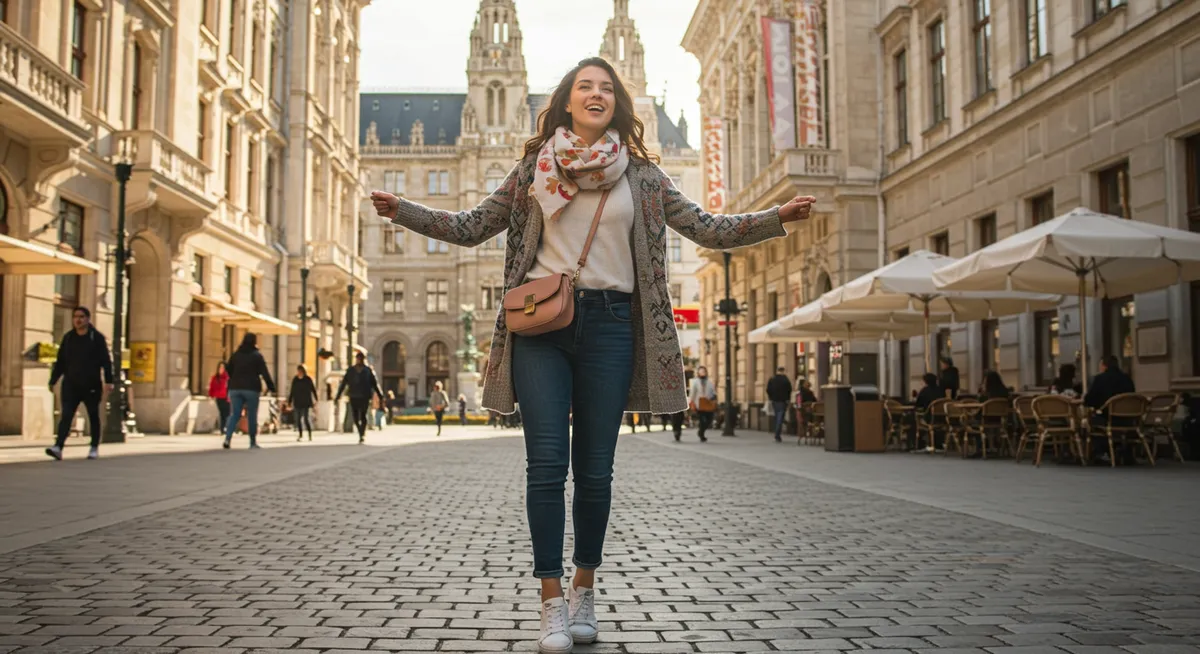
Vienna, a city of imperial grandeur, artistic masterpieces, and charming alleyways, is best explored on foot. To truly immerse yourself in its history and beauty through a walking tour, being comfortably and appropriately dressed is paramount. This guide will help you pack smart, ensuring your Viennese adventures are as enjoyable as they are memorable, no matter the weather.
Key Tips and Takeaways
- Prioritize comfortable, supportive footwear above all else.
- Master the art of layering to adapt to Vienna’s unpredictable weather.
- Always carry a compact umbrella, regardless of the forecast.
- Don’t forget sun protection, even on cloudy days.
- Smart casual is generally preferred by locals – comfort doesn’t mean sacrificing style.
The Foundation: Comfort is King for Vienna’s Cobblestones
Before you even think about the chic scarves or practical rain jackets for your Viennese adventure, let’s talk about the absolute non-negotiable foundation of any successful walking tour in this grand city: your feet. Vienna’s charm lies in its pedestrian-friendly historic core, a labyrinth of stunning architecture, imperial palaces, and charming side streets. However, many of these picturesque paths are paved with the very things that can make or break your day: uneven cobblestones. This is why comfort is king, not just a suggestion, for your footwear.
Your primary concern should be supportive, comfortable, and, crucially, broken-in shoes. Forget brand-new sneakers you haven’t worn before – they are a recipe for blisters and misery. Similarly, high heels, delicate ballet flats, or unsupportive sandals are simply not designed for the extensive walking (often 10,000+ steps a day!) you’ll do exploring the Ringstrasse, Schönbrunn Palace gardens, or the meandering streets of the First District. Opt for well-cushioned walking shoes, sturdy athletic sneakers, or comfortable, low-heeled boots (especially in cooler months) that offer excellent arch support and shock absorption. Your ankles and arches will thank you when navigating the ancient, sometimes slippery, stones.
Beyond footwear, effective layering is the cornerstone of comfort for urban walking tours. Vienna’s weather can be surprisingly fickle, especially during shoulder seasons. A crisp morning can give way to a warm afternoon, or a sunny sky can suddenly turn to a brisk shower. The key is to dress in versatile layers that you can easily add or shed as temperatures fluctuate or as you transition between the outdoors and the often warm interiors of museums, cafés, and churches. Think three main components:
- Base Layer: A breathable, moisture-wicking top (like merino wool or a synthetic blend) worn next to your skin. Avoid cotton for this layer if you tend to sweat, as it retains moisture and can leave you feeling cold and damp during prolonged activity.
- Mid-Layer: A fleece, sweater, or light jacket for insulation. This is your primary warmth provider.
- Outer Layer: A windproof and water-resistant jacket. Vienna can experience sudden, short rain showers, especially in spring and autumn. A packable shell is invaluable.
When selecting fabrics, prioritize breathability and comfort. Cotton and linen are excellent for warmer days, offering natural breathability and coolness. For cooler weather or as a base layer, merino wool is a fantastic choice – it regulates temperature, resists odor, and wicks moisture effectively. Moisture-wicking socks, made from merino wool or synthetic blends, are also essential for preventing blisters on long walking days. Avoid overly bulky or restrictive clothing that might hinder your movement or make you overheat during active exploration. Remember, you’ll be on your feet for hours, so unrestricted movement is key.
Consider the specific seasonal nuances of Vienna: summers can be hot, requiring lighter, breathable fabrics and good sun protection. Winters demand insulated layers, waterproof boots, and perhaps even thermal underwear. Spring and autumn are the trickiest, making adaptable layering absolutely essential. Always check the local forecast before heading out, but be prepared for unexpected changes. With the right broken-in shoes and adaptable layers, you’ll be ready to conquer Vienna’s charming cobblestones and immerse yourself fully in its imperial grandeur, from the Hofburg Palace to the bustling Naschmarkt.
Vienna’s Seasons: A Guide to Weather-Wise Dressing
Vienna’s charm is undeniable, but its weather can be a bit of a chameleon. To truly savor the city’s cobbled streets, imperial palaces, and hidden courtyards on foot, knowing how to dress for its often unpredictable climate is paramount. Forget packing for just one season; in Vienna, you might experience several in a single day!
The golden rule for any Viennese walking tour, regardless of the calendar, is **layering**. This strategy allows you to adapt seamlessly as you transition from a sunny park stroll to the cooler interiors of a church or the sudden chill of an afternoon shower.
Spring (März, April, Mai)
Spring in Vienna can be beautifully mild, with blooming gardens and pleasant sunshine. However, it’s also notorious for its variability. A warm, sunny morning can quickly give way to a cool, breezy afternoon, or even a sudden downpour. It’s not uncommon for March to bring a final dusting of snow, while May can feel almost like summer.
- Upper Body: Light long-sleeved tops, adaptable cardigans or fleeces, and a waterproof or water-resistant jacket.
- Lower Body: Comfortable walking trousers or sturdy jeans.
- Footwear: Waterproof walking shoes with good grip are essential, as pavements can be damp.
- Accessories: A compact umbrella or packable rain poncho is a must-have. A light scarf can offer warmth on cooler days or style on warmer ones.
Summer (Juni, Juli, August)
Viennese summers can be delightfully warm and sunny, perfect for leisurely strolls. However, they can also bring high humidity and sudden, intense thunderstorms, especially in July and August. Temperatures can soar, making sun protection vital.
- Upper Body: Breathable fabrics like cotton or linen tops. For evenings, a light jacket or cardigan is advisable as temperatures can drop, and air-conditioned interiors can be cool.
- Lower Body: Shorts, light skirts, or breathable walking trousers.
- Footwear: Ventilated walking shoes or comfortable, supportive sandals are ideal. Avoid flimsy flip-flops for extended walking tours.
- Accessories: A wide-brimmed hat, sunglasses, and high-factor sunscreen are non-negotiable. Carry a reusable water bottle to stay hydrated, as you’ll be doing a lot of walking.
Autumn (September, Oktober, November)
Autumn is often considered one of the most beautiful times to visit Vienna, with crisp air and stunning fall foliage. Early autumn can still be mild, but by October and November, temperatures drop significantly, and days can be damp and foggy, especially along the Danube.
- Upper Body: Versatile layers are key: long-sleeved tops, sweaters, and a medium-weight, waterproof or water-resistant coat.
- Lower Body: Sturdy trousers or warm jeans.
- Footwear: Comfortable, waterproof walking boots are highly recommended as paths can be wet from rain or morning dew.
- Accessories: A warm scarf, gloves, and a robust umbrella will be your best friends.
Winter (Dezember, Jänner, Februar)
Winter in Vienna is cold, often bringing snow, ice, or just damp, chilly conditions. Days are short, and the air can bite, particularly when walking through open squares or along the river. Dressing warmly is not just about comfort; it’s about staying safe and healthy during your exploration.
- Upper Body: Thermal base layers, warm sweaters or fleeces, and a heavy, insulated, waterproof winter coat.
- Lower Body: Lined trousers or thermal leggings worn under regular trousers.
- Footwear: Insulated, waterproof boots with excellent grip are absolutely essential for navigating potential snow and ice.
- Accessories: A warm hat that covers your ears, thick gloves or mittens, and a heavy scarf are vital to protect against the biting wind. Hand warmers can also be a game-changer for extended outdoor time.
Before heading out for your Viennese walking adventure, always check the local forecast (e.g., on ZAMG.at for Austria’s official weather service). However, remember Vienna’s knack for surprises, and pack a “just in case” layer or accessory. Your comfort will directly impact your enjoyment of this magnificent city on foot!
Spring (March – May): Blossoms and Breezes
💡 Pro Tip: Book your Vienna adventures in advance through Viator for the best deals!
Spring in Vienna, from March through May, is a truly enchanting time. The city awakens from its winter slumber, with blossoms erupting in vibrant colours across parks like Schönbrunn Palace Gardens and the Volksgarten, and outdoor cafés slowly begin to fill. However, as delightful as the scenery is, the weather during this period is famously transitional and can be quite unpredictable. Think of it as Vienna’s way of keeping you on your toes!
Mornings in March and early April can still carry a distinct chill, reminiscent of late winter, often hovering around 5-10°C (41-50°F). By afternoon, the sun might emerge, warming things up considerably to a comfortable 15-20°C (59-68°F), making for perfect walking conditions. Late April and May generally bring milder temperatures, but even then, sudden shifts are common. The key phrase for spring in Vienna is “four seasons in one day.” You might start your walking tour under crisp, clear skies, find yourself peeling off layers by lunchtime, and then need an umbrella before the afternoon is out.
To fully enjoy Vienna’s blossoming beauty without weather worries, strategic layering is your absolute best friend. Here’s what we recommend for your spring walking tours:
- Light Layers for Flexibility: Start with a comfortable, long-sleeve top made from breathable material like cotton or a merino wool blend. Over this, a light cardigan, fleece, or a thin wool sweater is perfect. These mid-layers are easy to add or remove as the temperature fluctuates throughout the day, allowing you to adapt seamlessly.
- Waterproof and Windproof Outer Layer: This is arguably the most crucial item for spring in Vienna. A packable, waterproof, and windproof jacket is non-negotiable. Even on sunny mornings, a sudden spring shower can roll in quickly, and the Danube’s breeze can feel surprisingly nippy, especially when walking along the Ringstrasse or by the river. Look for something lightweight enough to tie around your waist or stuff into your daypack when not needed.
- Comfortable, Closed-Toe Walking Shoes: Pavements in Vienna can be damp or wet, especially after a shower. Opt for comfortable, broken-in walking shoes or sneakers that offer good support and have a decent grip. While not strictly necessary, a water-resistant pair can be a lifesaver on particularly wet days, keeping your feet dry as you explore cobblestone streets and historical squares.
- The Essential Umbrella: Do not leave your hotel without one! A compact, sturdy umbrella will be invaluable. Vienna’s spring showers, while sometimes short-lived, can be heavy, and you don’t want to be caught unprepared while admiring St. Stephen’s Cathedral or strolling through the MuseumsQuartier.
- Light Scarf (Optional but Recommended): A light scarf can offer extra warmth during chilly mornings and adds a touch of Viennese elegance.
While checking the weather forecast before you head out each morning is always a good idea, remember that Vienna’s spring can be notoriously fickle. Embrace the versatility, pack smart, and you’ll be perfectly poised to enjoy the city’s blossoming charm, come rain or shine (or both!).
Summer (June – August): Sunshine and Strolls
Summer in Vienna, from June to August, is a magical time for walking tours. The city truly comes alive with vibrant outdoor cafés, bustling markets, and sun-drenched architectural marvels. While the sunshine is abundant and perfect for exploration, Viennese summers can also bring significant heat, with daytime temperatures often soaring into the high 20s or even low 30s Celsius (70s to 90s Fahrenheit). To ensure your walking tour is an enjoyable rather than an exhausting experience, thoughtful packing is paramount.
For daytime strolls through Vienna’s historic streets, such as the grand boulevards of the Ringstrasse or the expansive gardens of Schönbrunn Palace, light, breathable fabrics are your best friends. Think natural fibers like cotton, linen, and rayon. These materials allow your skin to breathe and help wick away moisture, keeping you cooler and more comfortable. Opt for loose-fitting clothing – flowy dresses, relaxed-fit trousers, comfortable shorts, and airy tops. This not only aids in ventilation but also prevents chafing during long periods of walking.
When it comes to footwear, prioritize comfort and breathability. Breathable sneakers with good arch support are ideal, especially for covering extensive ground on Vienna’s charming but sometimes uneven cobblestone streets. If you prefer sandals, ensure they are specifically designed for walking, with cushioned soles and secure straps – avoid flimsy flip-flops that offer no support. Your feet will thank you after navigating the vast Hofburg complex or exploring the winding lanes of the Innere Stadt.
Sun protection is absolutely non-negotiable under the Viennese summer sun. Pack a wide-brimmed hat to shield your face and neck from direct sunlight; not only practical, but a stylish hat can also add a touch of Viennese flair to your ensemble! Sunglasses are essential to protect your eyes from glare reflecting off historic buildings and shimmering Danube waters. And most importantly, apply a high-SPF sunscreen generously to all exposed skin and reapply regularly, especially if you’re sweating. Carrying a reusable water bottle is also highly recommended; many public fountains in Vienna offer refreshing drinking water.
While days can be hot, Viennese evenings in summer often bring a pleasant drop in temperature, especially after sunset. Many of Vienna’s magnificent museums, palaces, and even some cafés and restaurants are air-conditioned, which can feel quite chilly after being out in the heat. For these transitions, a light shawl, cardigan, or a thin long-sleeved shirt is an absolute must-have. This versatile layer will keep you comfortable whether you’re enjoying an outdoor dinner on the Graben, attending a classical concert, or simply heading back to your accommodation after a long day of sightseeing. It’s also invaluable for a quick coffee stop where the AC might be blasting.
In summary, for a fantastic summer walking tour experience in Vienna, think comfort, breathability, and sun safety. Layering for cooler evenings or air-conditioned interiors will ensure you’re prepared for all aspects of a delightful Viennese summer day.
Autumn (September – November): Golden Hues and Crisp Air
💡 Pro Tip: Book your Vienna adventures in advance through Viator for the best deals!
As Vienna transitions from summer’s warmth, autumn unfolds a breathtaking spectacle of golden hues, crisp air, and a unique charm that makes walking tours incredibly rewarding. From September to November, the city’s parks, boulevards, and even its historic courtyards transform into a painter’s palette, offering stunning backdrops for your explorations. However, the weather can be quite variable, demanding a smart approach to your wardrobe.
Similar to spring, strategic layering is absolutely paramount for autumn in Vienna. The key is to be prepared for fluctuating temperatures throughout the day, and for the gradual but significant shift from mild early autumn days to decidedly chilly late autumn conditions.
- Early Autumn (September): While days can still be pleasantly mild, even feeling like a continuation of late summer, mornings and evenings cool down considerably. Start with long-sleeved shirts as your base. A light to medium-weight sweater or cardigan will be perfect for layering, easily donned or doffed as temperatures change. A light jacket, preferably one that offers some wind and light rain resistance, will be essential for those cooler stretches, especially if you plan evening walks through areas like the Ringstrasse or by the Danube Canal.
- Mid-Autumn (October): This is arguably Vienna’s most picturesque autumn month, with vibrant fall foliage reaching its peak in places like Schönbrunn Gardens, the Prater, and the Vienna Woods. However, temperatures drop noticeably, and the air truly becomes crisp. You’ll definitely want warmer sweaters and thicker long-sleeved shirts. A medium-weight jacket becomes a necessity, and ensuring it’s water-resistant or even waterproof is crucial, as autumn showers become more frequent. Consider a softshell or a lightly insulated jacket that can handle both a chill and a drizzle.
- Late Autumn (November): Towards late autumn, the weather can turn quite cold and often damp. Frosty mornings are common, and the days are shorter and often grey. This period demands much warmer layers. Think thick wool or fleece sweaters, thermal long-sleeved shirts as a base layer, and a robust, insulated, and ideally waterproof medium to heavy-weight jacket. A warm scarf is no longer an accessory but a necessity, protecting your neck and chest from the chill. Gloves and a hat might also become your best friends, especially if you’re planning to spend extended periods outdoors, perhaps visiting the Christmas markets that typically begin opening mid-November.
Regardless of the month, your footwear choice is non-negotiable for a successful Vienna walking tour in autumn. Sturdy, comfortable, and waterproof or water-resistant walking shoes or ankle boots are highly recommended. Vienna’s historic center boasts charming cobblestone streets and uneven pavements, which can be unforgiving if your shoes aren’t up to the task. Keeping your feet dry and warm will significantly enhance your comfort and enjoyment, especially if you’re exploring the sprawling grounds of Schönbrunn Palace or the paths of Stadtpark.
In summary, pack versatile layers that can be combined or removed as Vienna’s autumn weather dictates. A good quality, water-resistant outer layer is your shield against unexpected rain, and don’t underestimate the power of a warm scarf, especially as November approaches. With the right gear, you’ll be perfectly prepared to immerse yourself in the golden glow and crisp air of Vienna’s enchanting autumn.
Winter (December – February): Festive Frost and Cozy Coats
Vienna in winter, from December through February, transforms into a truly magical wonderland, often blanketed in a delicate layer of snow and adorned with festive lights. While incredibly picturesque, especially during the famous Christmas markets (think Christkindlmarkt at Rathausplatz or Schönbrunn Palace’s cultural market), the temperatures can be bracingly cold, often hovering around freezing point or dipping well below. Snowfall is common, and icy patches can form on sidewalks and cobbled streets. For your winter walking tours, the key is to prioritize warmth, dryness, and safety.
Embrace the power of layering to navigate Vienna’s crisp winter air effectively. You’ll be transitioning frequently between the biting cold outdoors and the wonderfully heated interiors of museums, churches, and iconic Viennese coffee houses. This strategy allows you to shed or add layers as needed, ensuring continuous comfort.
- Thermal Base Layers: Start with a high-quality thermal base layer (long-sleeved top and leggings). Merino wool or synthetic options are excellent as they wick away moisture, keeping you dry even if you work up a slight sweat, which is crucial for staying warm.
- Warm Mid-Layers: Over your base, add insulating layers like fleece jackets, wool sweaters, or down vests. A couple of thinner mid-layers can be more effective and versatile than one bulky one.
- Insulated, Waterproof Outer Coat: This is your primary defense. Invest in a heavy, insulated, and *waterproof* (not just water-resistant) winter coat. Look for features like a hood and extended length for maximum coverage against wind, snow, and sleet. Brands designed for cold climates are ideal.
- Essential Accessories: Don’t underestimate the heat loss from your extremities. A warm, woolly hat that covers your ears, insulated and waterproof gloves or mittens, and a thick scarf are non-negotiable. These will make a significant difference in your comfort during extended outdoor exploration.
- Waterproof Boots with Excellent Grip: This is paramount for safety. Vienna’s charming cobblestone streets can become incredibly slippery when wet, snowy, or icy. Choose insulated, waterproof boots with sturdy, non-slip soles. Regular sneakers simply won’t cut it. Consider bringing extra warm socks (wool or thermal) to keep your feet toasty and dry.
While the allure of a steaming Glühwein at a Christmas market or a warm goulash soup in a traditional Beisl is strong, remember that you’ll be spending considerable time outdoors. Being adequately dressed will allow you to fully immerse yourself in the festive atmosphere, admire the Hofburg Palace, stroll through the Belvedere gardens, or explore the festive streets without the distraction of being miserably cold. Always check the daily forecast, but err on the side of caution; it’s easier to remove a layer than to conjure one up when you’re shivering.
Beyond the Basics: Essential Accessories for Your Vienna Walk
While comfortable shoes and appropriate layers form the bedrock of your Vienna walking tour wardrobe, a few key accessories can significantly elevate your comfort, preparedness, and overall enjoyment on the city’s charming streets. Think of these as your personal toolkit for navigating Vienna’s imperial grandeur with ease.
-
A Small Daypack or Crossbody Bag: Freeing up your hands is paramount when you’re snapping photos of Schönbrunn Palace, consulting your map in the labyrinthine Hofburg, or simply enjoying a traditional Viennese coffee. A compact daypack allows you to comfortably carry your essentials without feeling cumbersome. A crossbody bag, kept in front of you, offers added security against pickpockets in crowded areas like Stephansplatz or along the Graben, allowing you to focus on the stunning architecture rather than your valuables.
-
Reusable Water Bottle: Staying hydrated is crucial, especially during warmer months or on longer walking routes. Vienna boasts some of the best tap water in the world, sourced directly from alpine springs (Hochquellwasser). Many public fountains provide free, refreshing water, and some cafes are happy to refill your bottle. This not only keeps you feeling energetic but also helps you save money and reduce plastic waste – a win-win for you and the environment.
-
Compact Umbrella: Vienna’s weather can be delightfully unpredictable. A clear morning can quickly turn into an afternoon shower, even outside of traditional rainy seasons. A small, sturdy umbrella is your best friend against sudden downpours or even a light drizzle that could dampen your spirits. It’s light enough to forget you’re carrying it until you suddenly need it, saving you from a dash for cover or an impulse purchase from a street vendor.
-
Portable Phone Charger (Power Bank): Your smartphone will be working overtime – for navigation (Google Maps is invaluable), capturing endless photos of baroque masterpieces, checking public transport schedules, and staying connected. A dead battery can quickly derail your exploration. A fully charged power bank ensures you remain powered up, allowing you to capture every memorable moment and confidently find your way back to your hotel after a long day of sightseeing.
-
Basic First-Aid Kit (especially Blister Plasters): Vienna’s historic center is charmingly paved with cobblestones and can involve significant walking distances between its magnificent sights. Even the most comfortable shoes can sometimes lead to friction. Having blister plasters (Compeed-style are highly recommended!), a few pain relievers, and antiseptic wipes on hand can be a trip-saver. A small kit tucked into your bag means minor inconveniences won’t interrupt your exploration of Vienna’s wonders.
-
Sunglasses for All Seasons: Don’t reserve your shades just for summer. Vienna can be surprisingly bright, even on crisp autumn or winter days. The low winter sun can be particularly glaring, and reflection off snow (if you’re visiting during a snowy period) can be intense. Protecting your eyes from glare and UV rays ensures comfortable viewing of the city’s stunning architecture and vibrant street life, no matter the time of year.
Equipping yourself with these essential accessories means you’re prepared for Vienna’s dynamic weather and the demands of extensive walking, allowing you to immerse yourself fully in the city’s unique charm and history.
Local Insights & Practical Tips for Walking Vienna
Vienna is a city best explored on foot, where every cobblestone street and grand boulevard tells a story. To truly immerse yourself like a local and ensure a comfortable experience, understanding the Viennese approach to daily life – particularly how they dress and navigate their city – is key.
Embracing Viennese Style: Smart Casual & Comfort
One of the first things you’ll notice about Viennese locals is their understated elegance combined with practicality. While not overly formal, a “smart casual” approach is common. This means neat attire and well-maintained shoes, presenting a polished yet comfortable appearance. For your walking tours, this translates directly: prioritize comfort above all else. Think comfortable, supportive walking shoes (this cannot be stressed enough!), well-fitting trousers or skirts, and versatile tops. You’ll blend in seamlessly, and your feet will thank you after miles of exploring magnificent palaces and charming alleyways.
Navigating Vienna’s Whimsical Weather
Vienna’s weather can be delightfully unpredictable. Always check the daily forecast, but be prepared for sudden shifts – a sunny morning can turn into a breezy, drizzly afternoon. This is where strategic packing for your Vienna walking tours comes into play, informing what to wear for Vienna walking tours:
- Layer Up: This is your golden rule. A light base, a warm mid-layer (fleece or sweater), and a waterproof and windproof outer shell will see you through most conditions from autumn to spring.
- Spring & Autumn (March-May, September-November): Expect pleasant temperatures but be ready for rain and cooler evenings. A light waterproof jacket and comfortable walking shoes are essential.
- Summer (June-August): Days can be warm to hot, so breathable fabrics like cotton or linen are ideal. Sun protection (hat, sunglasses, sunscreen) is crucial. However, evenings can cool down, and thunderstorms are common, so a light scarf or packable jacket for air-conditioned interiors or sudden downpours is wise.
- Winter (December-February): It gets cold! Insulated, waterproof boots with good grip (for potential ice or snow) are a must. Layer with thermal underwear, a warm sweater, a heavy coat, gloves, a hat, and a scarf to stay toasty.
Regardless of the season, comfortable, broken-in footwear is your most important item. A small, packable umbrella or a light rain jacket is also a good idea year-round.
Smart Strategies for the Urban Explorer
- Leverage Public Transport for Strategic Breaks: Vienna boasts an incredibly efficient and clean public transport system (U-Bahn, Strassenbahn, Bus). Don’t hesitate to use it to cover longer distances between districts, especially if your feet need a break or if sudden bad weather rolls in. A short ride can refresh you, saving energy for more concentrated walking within a specific area.
- Stay Hydrated: Walking can be thirsty work! Vienna has excellent tap water, and you’ll find numerous public drinking fountains, particularly in parks and popular squares, offering refreshing spring water. Keep a reusable water bottle handy. Cafés are also abundant if you prefer to sit down for a coffee or a glass of water.
- Embrace the Detour & The Unexpected: While following a guide or a mapped route is great, allow yourself the freedom to wander down an intriguing side street, pop into a quiet courtyard, or linger a little longer at a charming spot. Some of Vienna’s best discoveries are made when you let curiosity lead the way.
By adopting these local insights and practical tips, you’ll not only dress appropriately for Vienna’s weather and urban landscape but also maximize your enjoyment of its walkable wonders, ensuring a truly unforgettable experience.
Connecting to Vienna’s Vibrant Walking Tour Scene
💡 Pro Tip: Book your Vienna adventures in advance through Viator for the best deals!
Vienna is a pedestrian’s paradise, offering an incredible array of walking tours from historical explorations of the Hofburg, to culinary journeys tasting Viennese pastries, or themed excursions like the “Third Man” film noir tour. These immersive experiences are best enjoyed when you’re fully present, and surprisingly, what you wear plays a significant role.
Appropriate attire is key to your comfort and tour engagement. Most Vienna walking tours span 2-3 hours, involving considerable walking and standing, often on cobblestones. Distractions like blisters or discomfort from weather shifts mean missing out on your guide’s rich narratives. Joining a guided tour is highly recommended; local experts reveal hidden gems and stories. To truly absorb these insights, you need to be comfortable and prepared for Vienna’s famously changeable weather.
Navigating Vienna’s Weather: What to Wear Season by Season
Vienna’s weather can be dynamic, so preparation is key to an enjoyable walking tour. Here’s a seasonal breakdown:
- Spring (March – May): Expect mild, often unpredictable temperatures. Layers are essential! Think light sweaters or long-sleeved tops, a waterproof and windproof jacket, and a compact umbrella. Schönbrunn Palace gardens in bloom enhance spring tours.
- Summer (June – August): Summers can be warm to hot, reaching 25-30°C, with occasional thunderstorms. Opt for lightweight, breathable fabrics like cotton or linen. Sun protection is crucial: a wide-brimmed hat, sunglasses, and high-SPF sunscreen. Comfortable, open-toed walking sandals or breathable sneakers are ideal. Always carry a refillable water bottle.
- Autumn (September – November): As leaves turn golden, Vienna offers crisp air, but temperatures can drop quickly, especially towards November. Layers are essential, including a warmer jacket, a scarf, and possibly gloves for later autumn. Waterproof shoes are a must as rain becomes more frequent. A sturdy umbrella is wise.
- Winter (December – February): Winters are cold, often around or below freezing, with a chance of snow or sleet. For walking tours, especially exploring the enchanting Christmas markets, warmth is paramount. Dress in multiple layers: thermal base layers, a warm sweater or fleece, a heavy waterproof and insulated winter coat, a hat, warm gloves, and a scarf. Waterproof, insulated boots with good grip are non-negotiable.
Regardless of the season, a few essentials remain constant: always wear comfortable, broken-in walking shoes (never new ones!), and carry a small, lightweight backpack. This allows you to stash items like your water bottle, a light snack, a portable power bank, and that ever-important umbrella or foldable rain jacket. By dressing wisely, you’ll be free to immerse yourself fully in Vienna’s captivating stories and stunning sights, making your walking tour truly unforgettable.
Frequently Asked Questions
Q: Do I need special hiking boots for free walking tours in Vienna?
A: No, unless you plan specific trails outside the city. For exploring Vienna’s streets and parks, comfortable, supportive walking shoes, sneakers, or city boots with good arch support and cushioning are perfectly sufficient.
Q: Is it okay to wear jeans for Vienna walking tours?
A: Yes, comfortable jeans are generally acceptable for casual walking tours. However, for hotter summer days, consider lighter, more breathable alternatives like chinos or linen trousers. In winter, insulated jeans or thermal leggings underneath can add warmth.
Q: How do locals typically dress for walking around Vienna?
A: Viennese locals tend to dress in a smart-casual manner. While comfort is important, they generally avoid overly casual attire like sweatpants. Think well-fitting jeans, comfortable trousers, stylish sneakers or sensible boots, and practical but fashionable outerwear.
Q: What if it rains unexpectedly during my walking tour?
A: Unexpected rain is common in Vienna. Always carry a small, collapsible umbrella and wear or pack a water-resistant outer layer (jacket or poncho). Many indoor attractions offer shelter, and public transport is excellent for quick escapes from the rain.
With this comprehensive guide, you’re now equipped to dress wisely for your Viennese walking adventures. Embracing Vienna on foot is an unparalleled experience, allowing you to discover its hidden courtyards, grand boulevards, and vibrant culture at your own pace. Dress smart, step out confidently, and let the magic of Vienna unfold before you, one comfortable step at a time.