
Nha Trang Walking Tour Safety: Your Essential Guide (2026)
Explore Nha Trang safely on foot! Discover practical tips for preparing, what to bring, and navigating the city like a local on your unforgettable walking tour.
On this page
Nha Trang, with its stunning coastline, vibrant markets, and rich cultural sites, is a walker’s paradise. Exploring this beautiful Vietnamese city on foot offers an unparalleled experience, allowing you to truly immerse yourself in its sights, sounds, and flavors. However, like any bustling city, a safe and enjoyable walking tour requires preparation and awareness. This comprehensive guide provides expert tips to ensure your Nha Trang walking adventures are not only memorable but also secure and comfortable.
Key Tips and Takeaways
- Hydrate constantly: Carry and drink plenty of water.
- Wear comfortable, broken-in walking shoes.
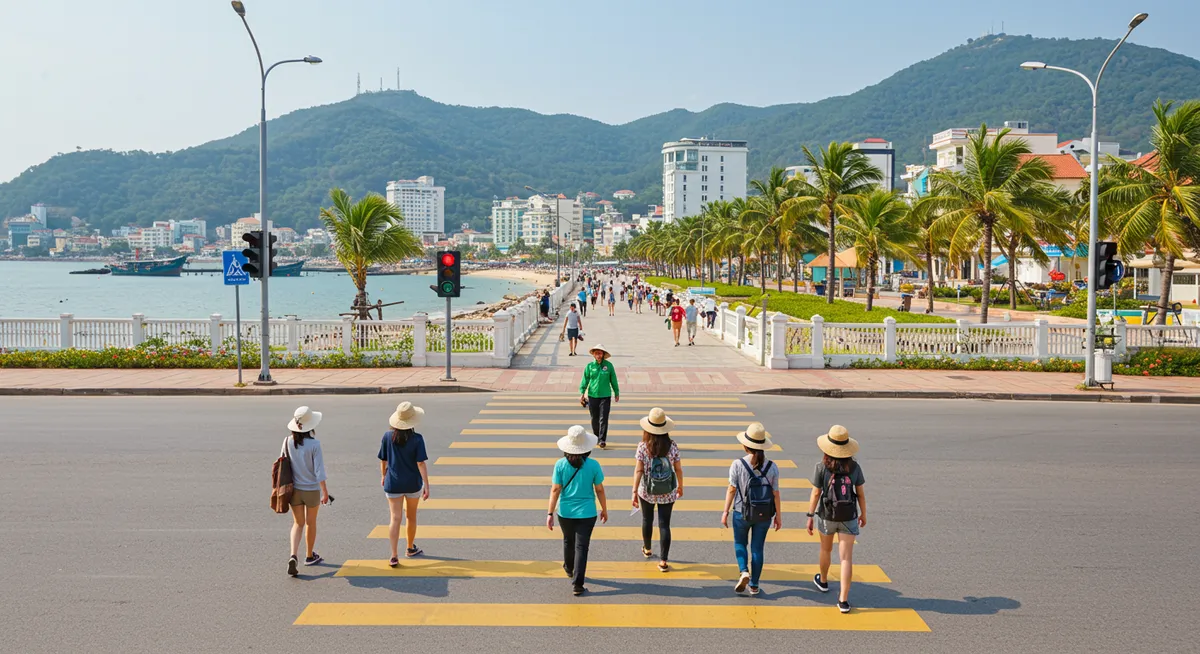
- Be traffic-aware: Walk slowly and predictably when crossing streets.
- Secure valuables discreetly: Use a cross-body bag or money belt.
- Respect local culture: Dress modestly at temples and be polite.
- Know emergency contacts: Have local police and hotel numbers handy.
Pre-Walk Preparation: Setting the Stage for Safety
Before you even lace up your shoes for a delightful stroll through Nha Trang, laying the groundwork for a safe and enjoyable journey is paramount. Think of this as your essential pre-walk checklist.
Research Your Routes Thoroughly: Nha Trang offers diverse walking experiences, from the bustling city center to the serene beachfront promenade and charming back alleys. Familiarize yourself with your intended path using online maps (e.g., Google Maps) to scout for pedestrian-friendly areas and potential hazards like heavy traffic. Ask your hotel concierge for advice on safe and scenic trails. For instance, the wide, flat Trần Phú Beachfront is perfect for a leisurely walk, while exploring areas around Long Son Pagoda involves more inclines and narrower streets. Knowing the terrain helps choose appropriate footwear and prepare for the effort.
Check the Weather Conditions: Nha Trang’s tropical climate means intense sun and high humidity are common. While the dry season (January to August) offers sunshine, sudden, brief downpours can occur. The wet season (September to December) brings more frequent and heavier rain. Always check the local forecast. Prepare for sun exposure with a wide-brimmed hat, sunglasses, and high-SPF sunscreen. Consider packing a lightweight poncho or compact umbrella, especially during rainy months. Heavy rain can make pavements slippery and reduce visibility, so adjusting plans might be safest.
Inform Someone of Your Plans: This crucial safety step is often overlooked. Let your hotel reception, a trusted friend, or family member know your intended walking route and estimated return time. If venturing off main tourist paths or planning a longer excursion, this becomes even more vital. Carry a fully charged mobile phone with local emergency numbers. Having someone aware provides an important safety net when exploring unfamiliar territory.
Assess Your Physical Fitness: Be realistic about your current fitness level. While much of central Nha Trang is flat, heat and humidity can make even short walks feel strenuous. If planning to ascend to viewpoints like Po Nagar Cham Towers or explore hills for panoramic views, be prepared for inclines. Start with shorter, less demanding walks and gradually increase your distance. Listen to your body, take breaks when needed, and prioritize hydration by carrying plenty of water. It’s a holiday, not a race!
Consider Travel Insurance Specific to Walking Activities: While general travel insurance is always recommended, review your policy to ensure it adequately covers walking tours or light adventure activities. In case of an accident – perhaps a slip, sprained ankle, or heat exhaustion – comprehensive coverage is invaluable. Check if your policy includes medical evacuation, personal liability, and coverage for gear. A small investment in the right insurance can save significant stress and costs in an unforeseen situation during your Nha Trang walking adventure.
Essential Gear: What to Pack for Your Nha Trang Stroll
Embarking on a walking tour in Nha Trang is a fantastic way to soak in the city’s vibrant atmosphere, from its bustling markets to its serene beachfront. However, the tropical climate – characterized by consistent heat and humidity – demands smart packing. Having the right gear isn’t just about comfort; it’s about safety and ensuring you can fully enjoy every step of your adventure. Here’s a detailed checklist of what to pack for your Nha Trang stroll:
- Comfortable, Breathable Walking Shoes: This is arguably the most critical item. Choose shoes that are already broken in, offer good arch support, and are made of breathable materials (like mesh or canvas) to combat the heat and humidity. Sneakers or sturdy walking sandals are ideal. Avoid brand-new shoes or flip-flops for extended walks, as blisters and discomfort can quickly ruin your day on Nha Trang’s varied pavements and potentially uneven surfaces.
- Lightweight, Breathable Clothing: Opt for loose-fitting garments made from natural fabrics like cotton or linen, or moisture-wicking synthetics. Light colors will reflect the sun’s rays, keeping you cooler. Pack multiple changes if you plan extended walks, as you’ll likely sweat. While Nha Trang is relatively casual, consider a light sarong or long-sleeved shirt if you anticipate visiting any temples or cultural sites that require more modest attire.
- Essential Sun Protection: Nha Trang’s sun can be incredibly intense, even on cloudy days.
- Wide-Brimmed Hat: A hat offers crucial shade for your face, neck, and ears. Choose one that’s lightweight and easily packable.
- UV-Protective Sunglasses: Protect your eyes from the strong glare, especially when walking near the beach or open areas.
- High-SPF Sunscreen: Apply a broad-spectrum sunscreen with SPF 30 or higher liberally and frequently, even if you feel you’re mostly in the shade. The tropical sun can cause sunburn quickly.
- Reusable Water Bottle: Hydration is non-negotiable in Nha Trang’s heat. Carry a large reusable water bottle and refill it whenever possible. Many cafes, hotels, and even some street vendors will be happy to top you up, helping you stay refreshed and reduce plastic waste.
- Small, Lightweight Backpack or Daypack: A compact bag is essential for carrying your water, sunscreen, camera, and any small souvenirs you might pick up. Choose one with comfortable straps that won’t chafe or become heavy on your shoulders.
- Basic First-Aid Kit: For minor mishaps, a small kit can be a lifesaver. Include band-aids for blisters or small cuts, antiseptic wipes, pain relievers, and perhaps some insect repellent. If you’re prone to upset stomachs, anti-diarrhea medication can also be a wise addition when traveling.
- Portable Power Bank: Your phone will be working hard with navigation apps, translation tools, and snapping photos of Nha Trang’s picturesque scenery. A fully charged power bank ensures you won’t run out of battery mid-tour.
- Local SIM Card or Data Plan: Having access to data is invaluable for navigation (Google Maps is highly recommended), emergency calls, looking up information about attractions, or using translation apps. You can easily purchase a local SIM card upon arrival in Nha Trang.
By preparing these essentials, you’ll be well-equipped to comfortably and safely explore the beautiful coastal city of Nha Trang on foot, making the most of every discovery.
Navigating Nha Trang’s Streets: Traffic & Pedestrian Wisdom
🎯 Insider Tip: Discover the best Nha Trang experiences with Viator Tours!
Navigating the bustling streets of Nha Trang on foot is an essential part of immersing yourself in the city’s vibrant energy. While the sheer volume of motorbikes can initially seem daunting, Vietnamese traffic operates with a unique, surprisingly fluid logic. Understanding this rhythm is key to confidently and safely enjoying your walking tours.
Think of Nha Trang’s main thoroughfares, like Trần Phú Street or the smaller arteries leading to markets, as a slow-moving river of motorbikes. Unlike Western traffic where pedestrians wait for gaps, in Vietnam, you often become part of the flow. The secret to crossing a busy street lies in predictability, not speed or frantic dashes. Here’s how to master the art of the Nha Trang street crossing:
- The Predictable Pace: The golden rule is to walk slowly, steadily, and at a consistent pace. Do not suddenly stop, speed up, or change direction. Motorbike riders are accustomed to pedestrians and will anticipate your movement, flowing around you like water around a rock. They are remarkably adept at avoiding collisions if you give them a predictable path.
- No Sudden Movements: Resist the urge to panic or make a quick dash. Such unpredictable actions are what lead to close calls. Maintain eye contact (if possible) with approaching drivers, but primarily focus on your steady forward motion.
- Eyes Up, Not Down: Keep your head up and eyes scanning the traffic around you at all times. Be aware of bikes coming from all directions, including those turning into or out of side streets, or even contra-flow on what appears to be a one-way street.
- Group Power: If you’re walking with others, crossing as a small group can offer a psychological advantage, as drivers will see a larger ‘obstacle.’ However, each person in the group should still maintain their own predictable pace.
Beyond crossing streets, navigating Nha Trang’s sidewalks (or vỉa hè) presents its own set of charming challenges. While designed for pedestrians, these often double as parking lots for motorbikes, impromptu outdoor kitchens for street food vendors, or even short-cuts for bikes trying to avoid traffic. Be prepared to step off the curb and onto the street occasionally to bypass obstacles. Always be mindful of motorbikes that might suddenly pull out from a parked position or even use the sidewalk as a bypass during peak hours.
Staying alert and minimizing distractions is paramount for a safe and enjoyable walking tour. While the city offers countless photo opportunities, save the extensive photo-taking for when you’ve reached a safe stopping point, like a park bench or a cafe. Here are some critical tips:
- Put Away the Phone: Texting, browsing, or even detailed map reading while walking through busy areas is highly discouraged. Keep your eyes on the road and surroundings.
- Earbuds Out (or Low): Resist the temptation to fully immerse yourself in music or podcasts. You need to hear approaching traffic, especially the tell-tale rumble of an engine or a friendly honk.
- Be Aware of Your Valuables: While Nha Trang is generally safe, in crowded areas or markets, it’s wise to keep bags zipped, backpacks on your front, and valuables secure and out of sight.
Embrace the organized chaos! Once you understand the unspoken rules of the road, navigating Nha Trang on foot becomes an exhilarating part of your adventure, offering you a truly authentic glimpse into daily Vietnamese life.
Personal Security: Protecting Yourself & Your Valuables
While Nha Trang is generally a safe and welcoming city for tourists, like any popular destination, it pays to be vigilant and proactive about your personal security, especially when enjoying a walking tour through bustling areas. A little awareness goes a long way in ensuring your focus remains on the incredible sights, sounds, and tastes around you.
Protecting Your Valuables from Pickpocketing and Bag Snatching:
Crowded spots are often targets for opportunistic thieves. When you’re exploring vibrant areas like the Dam Market, Nha Trang Market, or strolling along the busy beachfront promenade and around popular attractions like Po Nagar Cham Towers, it’s wise to be extra cautious. Here are some practical tips:
- Bag Smart: Opt for a cross-body bag worn to the front, with the flap or zipper facing your body. Anti-theft backpacks with hidden zippers or slash-resistant material are also excellent choices. Avoid carrying backpacks on one shoulder or bags that hang loosely at your side.
- Secure Your Pockets: Never keep your wallet or phone in your back pocket. Front pockets are better, but zipped pockets are best. Consider securing your phone to your body with a lanyard if you’re frequently taking photos.
- Money Belts & Neck Pouches: For larger sums of cash, your passport, and spare credit cards, a discreet money belt worn under your clothing or a neck pouch tucked into your shirt is highly recommended. Only carry the cash you need for the day’s activities in an easily accessible but secure wallet.
- Avoid Flashy Displays: Leave expensive jewelry, watches, and designer accessories at your hotel. Blending in is a great security strategy. Similarly, avoid openly displaying high-end cameras or phones, especially when not actively using them.
Recognizing Common Nha Trang Scams:
Nha Trang is known for its friendly locals, but a small minority might try to take advantage of tourists. Being aware of common tactics can help you sidestep them:
- Motorbike/Taxi Scams: Be wary of unsolicited motorbike or taxi offers, especially if they seem overly persistent. Always agree on a price beforehand or insist on the meter (though some meters might be rigged). For safety and transparency, consider using ride-hailing apps like Grab (if available and accessible on your phone) or booking transport through your hotel.
- “Free” Gifts or Services: If someone offers you a “free” souvenir, a flower, or a shoe shine, understand that it will almost certainly come with a demand for payment afterwards, often at an inflated price. Politely but firmly decline.
- Overly Friendly Strangers: While most locals are genuinely welcoming, be cautious of individuals who approach you with an overly friendly demeanor, trying to strike up long conversations or offer to show you “special” places. This can sometimes be a distraction tactic for pickpocketing or a lead-in to a scam.
Emergency Preparedness:
Knowing who to contact in an emergency is crucial for peace of mind:
- Local Police: Dial 113
- Medical Emergency: Dial 115
- Fire: Dial 114
- Your Embassy/Consulate: Before you travel, look up the emergency contact details for your country’s embassy or consulate in Vietnam (usually in Hanoi or Ho Chi Minh City). Keep these numbers stored in your phone and on a physical piece of paper, separate from your main wallet.
- Your Hotel Reception: Your hotel staff can be an invaluable resource in an emergency, assisting with language barriers, calling taxis, or directing you to the nearest services. Make sure you have your hotel’s contact number saved.
- Document Copies: Keep photocopies or digital images of your passport, visa, and travel insurance details stored securely (e.g., in a cloud service or encrypted folder) and separate from the originals.
By staying aware, securing your belongings, and knowing basic emergency procedures, you’ll be well-prepared to enjoy your walking tour through Nha Trang’s vibrant streets with confidence and peace of mind.
Health & Comfort: Staying Well on Your Walk
Nha Trang’s tropical embrace, while delightful, comes with significant heat and humidity, especially during the day. To fully enjoy your walking tour adventures, prioritizing your health and comfort is paramount. A little preparation and awareness go a long way in preventing discomfort and ensuring a memorable experience.
Stay Hydrated: Your Lifeline in the Tropics
The consistent warmth in Nha Trang means you’ll be perspiring more than you realize. Dehydration can creep up quickly, leading to fatigue and dizziness, which can ruin your walking tour. Don’t wait until you’re thirsty – by then, you’re already behind!
- Carry Ample Water: Always set out with at least 1-2 liters of bottled water, especially for longer walks. Consider a reusable bottle and refill it at your hotel or trusted establishments.
- Embrace Local Refreshments (Wisely): Fresh coconut water, available from street vendors, is an excellent natural electrolyte booster. Sugarcane juice is another popular option. Be mindful of ice – it’s generally safest to stick to bottled water or drinks where you can verify the ice is factory-made (typically cylinder-shaped with a hole in the middle). When in doubt, ask for ‘không đá’ (no ice).
- Pre-Hydrate: Drink a good glass of water before you even step out of your hotel.
Sun Protection: Shield Yourself from the Nha Trang Sun
The Vietnamese sun can be intense, even on cloudy days. Protecting your skin and preventing sunstroke or heat exhaustion is crucial.
- Dress Smart: Opt for light-colored, loose-fitting, breathable clothing made from cotton or linen. Long sleeves and pants offer maximum sun protection without adding much heat.
- Headwear and Eyewear: A wide-brimmed hat provides excellent face and neck shade. Quality UV-protective sunglasses are essential to protect your eyes.
- Sunscreen is a Must: Apply high-SPF (30+) broad-spectrum sunscreen liberally to all exposed skin and reapply every two hours, or more frequently if you’re sweating heavily.
- Seek Shade: Whenever possible, walk on the shady side of the street or take breaks in shaded areas like under trees, canopies, or inside air-conditioned shops. Consider planning your longer walks for early mornings or late afternoons to avoid the midday sun (typically 10 AM – 3 PM).
Food and Drink Safety: Savoring Local Flavors Safely
Nha Trang is a culinary paradise, especially for street food lovers. Enjoying the local flavors is a highlight, but it’s important to do so safely to avoid traveler’s diarrhea or other stomach upsets.
- Stick to Bottled Water: This cannot be stressed enough. Tap water in Vietnam is not safe for drinking.
- Choose Reputable Vendors: Look for stalls with a high turnover of customers – this usually means fresh ingredients and good hygiene practices. Observe how food is handled and prepared.
- Opt for Cooked Food: Dishes that are cooked fresh and served hot are generally the safest. Be wary of raw salads, unpeeled fruits, or pre-cut fruits that have been sitting out for a while.
- Peel It, Boil It, Cook It, or Forget It: A classic traveler’s mantra that holds true. If you can’t peel it (like a banana or orange), boil it, or see it cooked thoroughly in front of you, it’s best to avoid it.
- Hand Hygiene: Carry a small bottle of hand sanitizer and use it frequently, especially before eating.
Recognizing Early Signs of Discomfort or Illness
Listen to your body. Being aware of early warning signs allows you to address issues before they become serious.
- Heat Exhaustion/Sunstroke: Symptoms include dizziness, nausea, headache, excessive sweating (or sometimes a lack of sweating in heatstroke), rapid pulse, and muscle cramps. If you experience these, immediately move to a cool, shaded area, rehydrate slowly with water or an electrolyte drink, and rest. If symptoms worsen or don’t improve, seek medical attention promptly.
- Stomach Upset: Mild discomfort can often be managed with rest and hydration. If you experience severe diarrhea, vomiting, fever, or persistent symptoms, consult a local pharmacy or doctor.
- Foot Care: Blisters can turn a great walk into a painful ordeal. Wear well-broken-in, comfortable walking shoes and moisture-wicking socks. Carry a small first-aid kit with blister plasters.
By following these practical tips, you’ll be well-equipped to explore Nha Trang’s charming streets and vibrant markets in comfort, ensuring your walking tour memories are nothing but positive.
Local Insights & Cultural Etiquette for Walkers
🎯 Insider Tip: Discover the best Nha Trang experiences with Viator Tours!
Navigating Nha Trang on foot offers an unparalleled opportunity to immerse yourself in its vibrant culture. To ensure your walking tours are not only enjoyable but also respectful and enriching, understanding local insights and cultural etiquette is key. Embrace these tips to foster positive interactions and deeper connections during your explorations.
Respecting Sacred Sites: Temples and Pagodas
Nha Trang is home to beautiful spiritual sites like the ancient Po Nagar Cham Towers and the serene Long Son Pagoda, often accessible during a walking tour. When visiting these hallowed grounds, remember:
- Modest Dress: Always cover your shoulders and knees. This applies to both men and women. Consider carrying a light scarf or sarong in your daypack to quickly cover up if you’re wearing shorts or a tank top.
- Footwear: Be prepared to remove your shoes before entering certain temple buildings or prayer halls. Look for designated shoe racks or areas where others have left their footwear.
- Behavior: Maintain a respectful demeanor. Keep your voice low, avoid loud conversations, and refrain from touching statues or offerings. Photography is usually permitted, but be discreet and avoid using flash on sacred objects or people praying.
Polite Interactions with Locals
The people of Nha Trang are generally warm and welcoming. A little politeness goes a long way:
- Greetings: A simple “Xin chào” (Sin chow – Hello) with a smile can open doors. Use a polite “Cám ơn” (Cam un – Thank you) frequently.
- Asking for Directions: If you get a little lost on your walking tour, locals are often happy to help. Approach someone with a polite smile, point to your map, or use simple English. Patience is key, as language barriers can exist. Avoid interrupting conversations and always thank them, regardless of whether they could assist.
- Personal Space: In crowded markets or busy streets, personal space might be less expansive than you’re used to. Be mindful and navigate respectfully.
Understanding Local Business Hours & Dealing with Vendors
Your walking tour will undoubtedly take you past numerous shops and street stalls. Here’s what to expect:
- Siesta Culture: Many smaller shops, particularly family-run businesses, might close for a midday break (often between 12 PM and 2 PM). Don’t be surprised if you find doors shut during these hours. Larger establishments and chain stores usually remain open.
- Persistent Vendors: Especially in bustling areas like Cho Dam Market or the Nha Trang Night Market, vendors can be quite enthusiastic. If you’re not interested, a polite but firm “Không, cám ơn” (Khong, cam un – No, thank you) with a smile and a gentle wave of the hand is usually sufficient. Avoid prolonged eye contact if you wish to disengage, and simply walk away if you’re not planning to buy.
- Bargaining: It’s a common practice in local markets, but always do so with a good-natured attitude. Offer a price you’re comfortable with, and be prepared to meet somewhere in the middle. If a price seems too high, it’s perfectly fine to walk away.
Helpful Vietnamese Phrases for Walkers
Learning a few basic phrases will greatly enhance your walking experience and show respect for the local culture:
- Xin chào (Sin chow): Hello
- Cám ơn (Cam un): Thank you
- Dạ/Vâng (Ya/Vung): Yes (polite, ‘Dạ’ for women, ‘Vâng’ for men, or generally ‘Dạ’ is common)
- Không (Khong): No
- Bao nhiêu tiền? (Bow nyew tee-en?): How much?
- Cho tôi hỏi (Chaw toy hoy): Excuse me / May I ask… (useful for getting attention when asking for directions)
By keeping these local insights and etiquette tips in mind, your free walking tours in Nha Trang will be more respectful, safer, and ultimately, far more rewarding. Enjoy connecting with the heart of Vietnam on foot!
Making the Most of Your Safe Walking Experience
Nha Trang offers a vibrant tapestry of sights, sounds, and flavors best explored on foot. To ensure your walking adventures are not only memorable but also secure, consider these essential tips for maximizing your safe experience.
Embrace the Expertise of Guided Tours: While self-exploration is rewarding, joining a reputable guided walking tour in Nha Trang provides an unparalleled blend of safety and local insights. Local guides are invaluable for navigating bustling areas like Dam Market, uncovering hidden alleyways with authentic street food, and sharing fascinating historical context about landmarks like Po Nagar Cham Towers. They can help with language barriers, negotiate prices, and ensure you avoid less safe areas, especially after dark or in crowded spots. Look for tours with good online reviews focusing on cultural experiences or food tours.
Master Your Navigation with Offline Maps: For independent walks, always download offline maps of Nha Trang using apps like Google Maps or Maps.me before you head out. Mobile data can be spotty, especially in smaller alleys or outside the main tourist zones. These apps are crucial for pinpointing your exact location, identifying safe routes back to your accommodation, and confidently embarking on planned or spontaneous detours. Mark key points of interest, your hotel, and emergency services locations.
Identify Nha Trang’s Best Walkable Zones: Nha Trang boasts several areas perfectly suited for walking:
- Tran Phu Beach Promenade: This wide, tree-lined boulevard along the main beach is arguably Nha Trang’s safest and most pleasant walking area. Perfect for morning jogs, sunset strolls, and people-watching, it offers direct access to the beach, cafes, and restaurants. It’s well-lit and usually bustling, ideal for both day and evening walks.
- Nha Trang Center & Tourist Hub: The grid of streets directly behind the promenade offers a mix of shops, restaurants, and hotels. While busy, the sidewalks are generally manageable. Be mindful of scooter traffic when crossing streets here – eye contact and slow, predictable movements are your best allies.
- Beyond the Beach (with caution): For a taste of local life, venture towards areas like Dam Market or the streets around the Cai River. These areas offer more authentic cultural immersion but require heightened awareness. Stick to well-populated streets during the day, and consider these for guided tours initially.
Embrace Spontaneous Detours – Safely: Some of Nha Trang’s best discoveries lie off the beaten path. If a colorful alleyway or intriguing storefront catches your eye, go for it! However, always do so with safety in mind:
- Trust your instincts: If an area feels uncomfortable or too quiet, turn back.
- Keep an eye on your map: Even on a detour, know your general direction and an escape route.
- Stay aware of your belongings: Keep bags secure and valuables out of sight, especially in crowded or less touristy areas.
- Avoid walking alone in dimly lit or deserted areas at night.
Practical Preparation for Your Walks: Maximize comfort and safety by packing smart:
- Comfortable Footwear: Breathable, supportive shoes are essential in Nha Trang’s heat.
- Hydration: Carry a reusable water bottle. Staying hydrated is crucial in Vietnam’s tropical climate.
- Sun Protection: A wide-brimmed hat, sunglasses, and high SPF sunscreen are non-negotiable.
- Lightweight Daypack: For essentials, leaving your hands free.
- Local Currency: Small denominations (VND) for street vendors and small purchases.
- Portable Power Bank: Keep your phone charged for maps and emergencies.
- Respect Local Customs: If visiting temples, carry a light scarf or sarong to cover shoulders and knees.
By keeping these tips in mind, your walking tour through Nha Trang will be not just safe, but also an incredibly rich and immersive adventure.
Emergency Preparedness: When Things Go Wrong
Even in a laid-back coastal city like Nha Trang, unexpected situations can arise. Being prepared is not about being paranoid; it’s about being smart and ensuring your walking tour remains enjoyable and safe. Having a clear emergency plan, keeping essential contacts at your fingertips, and knowing basic first aid can make all the difference.
Your Emergency Contact Lifeline in Nha Trang
Before you even lace up your walking shoes, take a few moments to store vital phone numbers. Don’t rely solely on remembering them or having internet access in a crisis. Write them down on a small card and save them on your phone, perhaps even as a lock screen note.
- General Emergency Hotline (Vietnam): 112
- Police: 113 (for urgent situations or reporting crimes)
- Ambulance/Medical Emergency: 115
- Fire Services: 114
- Your Hotel/Accommodation: Save the direct number of your front desk. They can be an invaluable first point of contact, especially for language assistance or directing emergency services.
- Your Country’s Embassy or Consulate: Look up their contact information before you travel and save it. While they might not help with minor issues, they are crucial for more serious emergencies like lost passports or significant medical incidents.
- Travel Insurance Provider: Keep their 24/7 emergency assistance number handy.
- A Trusted Contact Back Home: Someone who knows your itinerary and can be reached if needed.
Communication is Key
Ensure your phone is fully charged before you head out. Consider purchasing a local Vietnamese SIM card upon arrival; this will provide cheaper data and local call rates, making it easier to contact emergency services or your hotel without worrying about roaming charges. Learning a few basic Vietnamese phrases like “Cứu!” (Help!), “Bác sĩ!” (Doctor!), or “Bệnh viện!” (Hospital!) can also be incredibly useful in a pinch, though many younger Vietnamese in tourist areas have some English.
Basic First Aid for Walking Tour Woes
Minor injuries are the most common “emergencies” on a walking tour. Nha Trang’s tropical climate, bustling streets, and sometimes uneven pavements can contribute to small scrapes, blisters, or heat-related issues. A compact first-aid kit in your daypack is a must-have:
- Adhesive bandages/plasters: For blisters (a common walker’s bane!) and small cuts.
- Antiseptic wipes or hand sanitizer: To clean minor wounds.
- Pain relievers: Ibuprofen or paracetamol for headaches or muscle aches.
- Anti-itch cream: For insect bites (mosquitoes are common, especially near water).
- Sunscreen: Essential in Nha Trang’s intense sun to prevent sunburn.
- Rehydration salts/Oral Rehydration Solution (ORS): For potential heat exhaustion or dehydration. You can find these at local pharmacies (Hiệu Thuốc) easily.
In case of a fall or injury, assess the situation calmly. If it’s minor, tend to it with your kit. For anything more serious, don’t hesitate to call 115 for an ambulance or head to the nearest local pharmacy or clinic for assistance. The Vietnamese healthcare system is generally accessible, especially in a city like Nha Trang with its growing medical tourism.
By taking these simple yet crucial steps, you can significantly enhance your safety net, allowing you to fully immerse yourself in the vibrant beauty and culture of Nha Trang with peace of mind.
Frequently Asked Questions
Q: What’s the best way to cross busy streets with a lot of motorbikes?
A: The key is to walk slowly and predictably, maintaining eye contact with approaching drivers. Don’t stop abruptly or make sudden movements. The motorbike drivers are skilled at flowing around you. Just keep a steady pace.
Q: Should I carry a lot of cash on my walking tour?
A: It’s best to carry enough cash for immediate expenses like street food, drinks, or small purchases, but avoid large sums. ATMs are widely available for withdrawals, and many establishments accept credit cards. Keep your main funds secured separately.
Q: Are there any specific areas in Nha Trang I should avoid walking?
A: While most tourist areas are safe, it’s advisable to exercise caution in dimly lit or very quiet alleyways, especially late at night. Trust your instincts; if an area feels uncomfortable, it’s best to turn back or find an alternative route.
Nha Trang is a city that truly comes alive when explored on foot. By following these practical safety tips and embracing a mindful approach, you’ll not only navigate its vibrant streets with confidence but also unlock deeper, more authentic experiences. So lace up your shoes, stay aware, and prepare to discover the enchanting beauty of Nha Trang, one safe step at a time. Your unforgettable walking adventure awaits!