
HCMC Walking Photography Tips: Capture Saigon's Soul (2026)
Unlock Saigon’s visual stories! Get expert photography tips for walking tours in Ho Chi Minh City, from gear to ethical street shots. Explore HCMC on foot!
On this page
Ho Chi Minh City, with its pulsating energy, colonial architecture, bustling markets, and vibrant street life, is a photographer’s dream. But capturing its essence on foot requires more than just pointing and shooting. This comprehensive guide provides practical tips and local insights to help you navigate HCMC’s lively streets, ensuring you not only experience the city but also capture stunning, memorable photographs during your free walking tours in Ho Chi Minh City.
Key Tips and Takeaways
- Pack light but smart: essential gear only, focusing on versatility.
- Respect local culture and privacy: ask permission, be discreet.
- Embrace the chaos: HCMC’s dynamic energy is its visual charm.
- Look for unique light: early morning and late afternoon are prime.
- Explore beyond main streets: alleys (hẻm) offer authentic scenes.
- Stay hydrated and protected from the sun/rain.
- Always be aware of your surroundings and belongings.
Pre-Tour Preparation: Setting Up for Success
Before you even step out the door into the vibrant chaos of Ho Chi Minh City, a little foresight goes a long way in transforming your walking tour into a spectacular photographic journey. Proper preparation isn’t just about efficiency; it’s about maximizing your creative opportunities and ensuring a comfortable, immersive experience.
Research Your Photographic Playground
Ho Chi Minh City is a treasure trove of visual stories, from the grand colonial architecture to the intricate alleyways. Before you hit the streets, spend some time scouting potential locations and photo opportunities online. Use Google Maps to identify key landmarks like the Notre Dame Cathedral, Central Post Office, and Ben Thanh Market, but also zoom in on smaller streets or look for less obvious spots like hidden pagodas in Cholon (District 5) or the bustling street food scenes in District 1 and 3. Instagram hashtags like #SaigonStreetPhotography or #HCMCStreetLife can reveal unique perspectives and inspire your shot list. Think beyond just landmarks; consider the daily life, the endless stream of motorbikes, the street vendors, and the charming coffee shops – these are the true arteries of Saigon.
Embrace Local Culture and Customs
Being a respectful traveler enhances your experience and opens doors to more authentic interactions. When photographing people, particularly close-ups of vendors or older residents, always try to ask for permission first. A simple smile and a gesture with your camera often suffice. If visiting pagodas or temples, remember to dress modestly, ensuring your shoulders and knees are covered as a sign of respect. Navigating the city’s infamous motorbike traffic is an art in itself; be patient, walk with confidence at a steady pace, and make eye contact with oncoming drivers. Understanding these nuances will not only ensure smoother navigation but also allow you to capture more genuine moments.
Master the HCMC Weather Game
Ho Chi Minh City boasts a tropical climate, meaning it’s generally hot and humid year-round. Check the forecast before you head out. If traveling between May and October, be prepared for the rainy season, which often brings sudden, heavy downpours, typically in the afternoon. A lightweight, waterproof poncho or a compact umbrella is a must-have. During the dry season (November to April), expect hot, sunny days. Regardless of the season, sun protection – a wide-brimmed hat, sunglasses, and high SPF sunscreen – is essential. Crucially, stay hydrated; carry a reusable water bottle and refill often. Your energy levels and comfort will thank you.
Plan for Golden Light
Photography is all about light, and Ho Chi Minh City offers incredible opportunities during the “golden hours.” Early mornings (around sunrise) are fantastic for capturing landmarks with soft, diffused light and fewer crowds. Imagine the Notre Dame Cathedral bathed in the warm glow of dawn! This is also prime time for street photography as the city slowly wakes up. Evenings, particularly around sunset, offer dramatic skies and the chance to photograph the city’s twinkling lights coming alive – think of the vibrant energy of Nguyen Hue Walking Street or the panoramic views from a rooftop bar. Avoid intense midday sun if possible, as it creates harsh shadows; this is a good time to visit air-conditioned museums or enjoy a leisurely Vietnamese coffee.
Power Up Your Gear
This might seem obvious, but it’s astonishing how often travelers overlook it. Fully charge all your camera batteries and any power banks the night before your tour. Ho Chi Minh City is expansive, and a walking tour can easily stretch over several hours, covering significant distances. Bring spare batteries if you have them. Ensure your memory cards have ample space, and give your lenses a quick clean. Consider if a small, lightweight tripod might be beneficial for low-light shots in the evening. A well-prepared camera bag means you won’t miss that perfect shot because of a dead battery or a full memory card.
Essential Gear for Your HCMC Photo Walk
To truly capture the vibrant pulse of Ho Chi Minh City on foot, equipping yourself with the right gear is paramount. The city’s unique blend of tropical heat, bustling streets, and stunning visual opportunities demands thoughtful preparation. Here’s your essential checklist to ensure a comfortable and productive photo walk:
Choosing Your Camera & Lenses
- Camera Choice:
- DSLR or Mirrorless: For serious photographers, these offer superior image quality and control. Mirrorless bodies are lighter, a blessing in HCMC’s humidity, making them easier to carry on a long walk.
- Smartphone: Don’t underestimate modern smartphones! They’re discreet, lightweight, and capable of stunning results, perfect for casual photographers wanting to blend seamlessly into the bustling streetscape, like capturing candid moments at Ben Thanh Market.
- Lens Choices for HCMC:
- Versatile Zoom (e.g., 24-70mm or 24-105mm equivalent): This is your workhorse. It covers wide street scenes to tighter portraits, ideal for the diverse life and spontaneous moments you’ll encounter around the city.
- Wide-Angle Lens (e.g., 16-35mm equivalent): Essential for architectural grandeur. Capture the full scope of magnificent colonial buildings like Notre Dame Cathedral or the Central Post Office, even in tight urban spaces. It’s also great for expansive market shots.
- Fast Prime Lens (e.g., 35mm or 50mm equivalent, f/1.8): Superb for authentic street photography and low-light shots. Its compact size makes it less intimidating for candid moments, great for capturing atmospheric photos of vendors at dusk or the intricate details of local life.
Crucial Accessories
- Extra Batteries & Power Bank: HCMC’s heat and constant shooting will drain your batteries faster than you think. Always carry at least one spare camera battery, and a fully charged power bank is non-negotiable for smartphone users (essential for navigation too!).
- Small Travel Tripod: While not for every shot, a lightweight, compact tripod can be invaluable for capturing stunning long exposures of Ho Chi Minh City’s iconic motorbike traffic at night, or crisp low-light architectural shots without boosting ISO.
- Rain Cover/Weather Protection: HCMC experiences sudden, torrential downpours, especially during the rainy season (May to November). A simple rain cover for your camera and backpack, or a waterproof camera bag, will save your valuable gear from unexpected deluges.
- Microfiber Cloth: Humidity, sweat, and dust are constant companions. A clean microfiber cloth is crucial for wiping off smudges from your lenses and screens, ensuring sharp, clear images.
Personal Comfort & Practicalities
- Comfortable, Breathable Footwear: You will be doing a lot of walking, often on uneven pavements and crossing bustling streets. Invest in well-worn, comfortable walking shoes or sturdy sneakers. Avoid new shoes or flip-flops that offer little support.
- Lightweight, Breathable Backpack: Choose a backpack that can comfortably hold your gear, water, and perhaps a light jacket, but isn’t overly bulky. Look for one with good ventilation on the back to combat the tropical heat.
- Hydration Solutions: Ho Chi Minh City is hot and humid year-round. Carry a reusable water bottle or be prepared to frequently buy bottled water. Staying hydrated is key to enjoying your walking tour and maintaining energy for all those photo opportunities. Many local cafes are happy to refill your bottle.
Photography Techniques for Capturing Saigon’s Spirit
🎯 Insider Tip: Discover the best Ho Chi Minh City experiences with Viator Tours!
Ho Chi Minh City is a photographer’s dream, a vibrant tapestry of life constantly in motion. On a walking tour, you’ll be immersed in the city’s unique energy, providing countless opportunities to capture its spirit. Here’s how to hone your eye and snap incredible shots as you explore on foot.
Candid Street Photography: Capturing Saigon’s Pulse
The streets of HCMC are a living theatre. From bustling motorbike lanes to vendors setting up shop, there’s always a story unfolding. The key here is to be quick, observant, and blend in.
- Anticipate Movement: Look for patterns in traffic or pedestrian flow. Pre-focus on a spot where you expect action to happen.
- Shoot Continuously: Use burst mode (continuous shooting) when capturing fast-moving subjects like motorbikes or a vendor pouring coffee. You’ll get more keepers.
- Composition through Chaos: Look for leading lines (alleys, street edges), natural frames (doorways, market stalls), and juxtapositions (an ancient temple next to a modern building) to add depth to your shots.
- Embrace the Blur: A slight motion blur can convey the city’s speed and energy. Experiment with slightly slower shutter speeds (e.g., 1/60s to 1/125s) for a sense of movement without total blur.
Architectural Photography: Colonial Grandeur & Modern Heights
Saigon’s architecture tells its history, from the elegant French colonial landmarks to the soaring skyscrapers. A walking tour allows you to get up close and personal with these structures.
- Look Up and Down: Don’t just shoot head-on. Capture the intricate details of the Central Post Office’s ironwork, the stained glass of Notre Dame Cathedral, or the impressive height of the Bitexco Financial Tower.
- Wide-Angle for Impact: A wider lens (or your phone’s wide-angle setting) can help capture the scale of grand buildings like the Saigon Opera House.
- Unique Perspectives: Find interesting angles. Shoot through tree branches, use puddles for reflections, or compose the shot to include a slice of local street life in the foreground.
- Use Leading Lines: Streets, pathways, or even the lines of the building itself can draw the viewer’s eye into your architectural masterpiece.
Vibrant Food & Market Scenes: A Feast for the Eyes (and Lens)
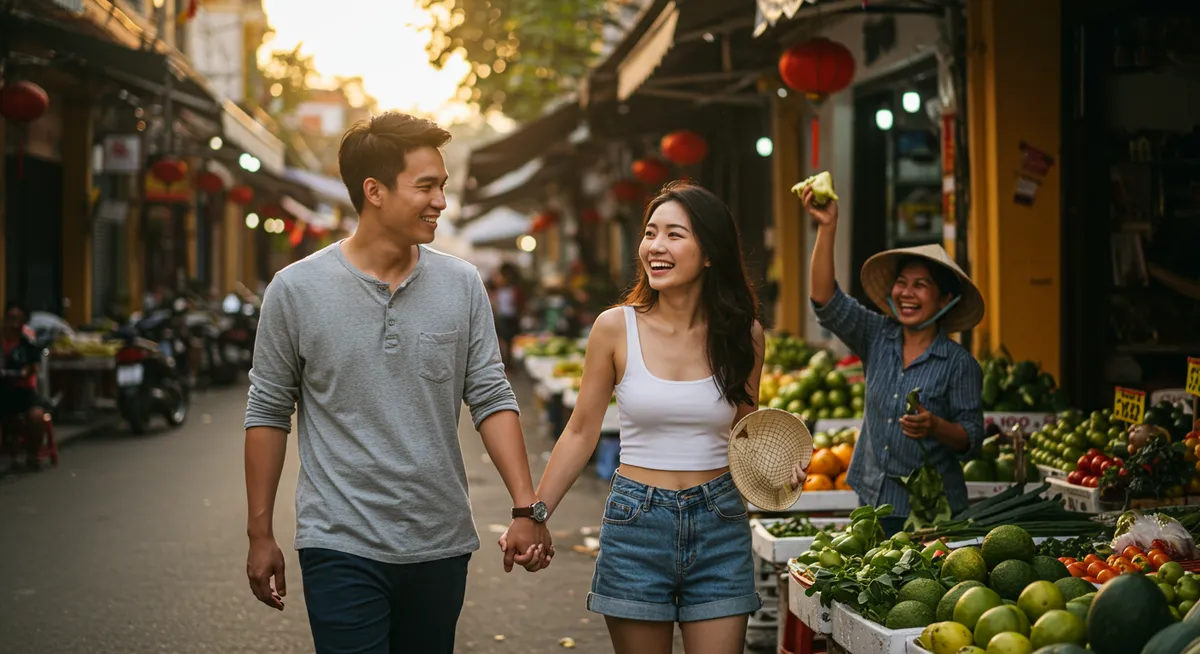
Ben Thanh Market, countless street food stalls, and bustling local markets are sensory explosions. Capture the visual deliciousness and vibrant atmosphere.
- Get Close: Use macro or close-up mode to highlight the textures of fresh fruit, the steam rising from a bowl of pho, or the intricate details of a spring roll.
- Utilize Natural Light: Markets are often beautifully lit by overhead openings or ambient daylight. Avoid using flash directly on food, as it can flatten the image.
- Capture the Action: Don’t just photograph the food. Show the hands preparing it, the vendor haggling, or the joyful expressions of diners.
- Shallow Depth of Field: Use a wider aperture (lower f-stop number) to blur the background and make your subject (e.g., a specific dish) truly pop.
Respectful Portraiture: Capturing Emotion
The people of Ho Chi Minh City are incredibly resilient and expressive. On a walking tour, you’ll encounter many faces with compelling stories.
- Always Ask Permission: A simple smile, a nod, and gesturing to your camera is usually enough. “Xin chào” (hello) and “Chụp ảnh được không?” (Can I take a photo?) are great phrases to learn.
- Capture Genuine Moments: Engage briefly if you can. Look for natural expressions – a vendor’s quiet pride, a child’s curiosity, or an elder’s knowing smile.
- Be Quick & Discrete: If permission is granted, take a few shots and thank them sincerely (“Cảm ơn”). Don’t overstay your welcome.
Low-Light & Night Photography: Saigon After Dark
When the sun sets, HCMC transforms into a dazzling spectacle of lights and energy. The lack of light presents unique opportunities for stunning photos.
- Embrace Available Light: Focus on neon signs, street lamps, and illuminated buildings. They become your light sources.
- Higher ISO, Manage Noise: Increase your ISO setting (e.g., 800-3200 depending on your camera) to gather more light. Be mindful of noise, but a little grain can add character.
- Find Stability: For sharper shots, brace your camera against a lamppost, a wall, or use a mini-tripod if you have one.
- Long Exposures for Traffic Trails: At busy intersections like Nguyễn Huệ walking street or by the city’s roundabouts, use a tripod and a slow shutter speed (e.g., 2-15 seconds) to turn motorbike headlights and taillights into stunning light trails.
Navigating HCMC: Safety, Ethics & Local Etiquette
Ho Chi Minh City is a symphony of sights, sounds, and smells, a vibrant metropolis that captivates at every turn. While exploring on foot offers an unparalleled immersion, a little preparation regarding safety, local customs, and the city’s unique rhythms will ensure your walking tour is not only memorable but also smooth and enjoyable.
Mastering the Motorbike Maze
The first thing you’ll notice in HCMC is the sheer volume of motorbikes. Navigating this flowing river of two-wheelers is an art form you’ll quickly learn. When crossing the street, the key is to walk slowly and predictably, making eye contact with approaching drivers. Don’t stop abruptly or make sudden dashes. The traffic will generally flow around you. Sidewalks, particularly in bustling districts like District 1, can often be obstructed by parked bikes, street food stalls, or vendors. Be prepared to briefly step into the road, always being mindful of your surroundings.
For photographers, capturing the energy of HCMC’s traffic is a must. Always prioritize your safety: stay on the sidewalk or designated pedestrian areas. Avoid stepping into the flow of traffic for a better angle. A telephoto lens can help you get closer shots from a safe distance, capturing the incredible dynamism without putting yourself at risk.
Personal Safety & Situational Awareness
HCMC is generally a safe city for tourists, but petty crime, particularly bag snatching by motorbike riders, does occur. Always wear your bag securely across your body, with the main compartment facing forward or tucked under your arm. Avoid carrying valuables in open pockets or dangling your phone carelessly. When stopping to take photos, be aware of your surroundings, especially in crowded areas like Ben Thanh Market or Bui Vien Street. Keep your camera strap securely around your neck or wrist. By staying vigilant and securing your belongings, you significantly reduce your risk.
Respecting Local Culture & Ethical Photography
Vietnamese culture is incredibly welcoming, and showing respect for local customs goes a long way. When taking close-up portraits, especially of street vendors or individuals, it’s always best to ask permission first. A simple nod or a gesture towards your camera, often accompanied by “Xin phép chụp ảnh?” (Sin fehp choop an? – May I take a photo?), is usually appreciated. If they decline, respect their wishes. For candid shots in bustling public spaces, general discretion applies – avoid being overly intrusive. When visiting pagodas or temples, dress modestly (shoulders and knees covered) and remove your hat. Refrain from photographing people engaged in prayer or religious ceremonies without explicit consent. Likewise, avoid taking photos of government or military installations.
Staying Hydrated & Weather Ready
Ho Chi Minh City’s tropical climate means heat and humidity are constant companions. Hydration is paramount. Carry a reusable water bottle and refill it frequently; bottled water is readily available. A wide-brimmed hat, sunglasses, and high-SPF sunscreen are essential to protect yourself from the strong sun. Sudden, heavy downpours are common, especially during the rainy season (May to October). A compact umbrella or a light, packable rain jacket will be your best friend, ensuring you’re prepared for unexpected showers that can clear as quickly as they arrive.
Top Walking Routes & Photo Hotspots in HCMC
District 1’s Historical Core: A Journey Through Time
Begin your photographic journey in the heart of Ho Chi Minh City, District 1, where French colonial grandeur meets vibrant local life. This compact area is perfect for a morning or late afternoon stroll, offering architectural marvels and candid street scenes.
- Photo Hotspots: Start at the majestic Notre Dame Cathedral Basilica of Saigon (currently under renovation but still impressive from the outside) and the iconic Central Post Office. Capture their grand facades and intricate details. Just a stone’s throw away, explore Nguyen Van Binh Book Street. Here, you’ll find charming book stalls, quaint cafes, and local artists at work – perfect for capturing candid shots of daily life and vibrant colors.
- Walking Tips: The area around these landmarks is pedestrian-friendly. Look for unique angles of the colonial buildings, and don’t forget to photograph the classic Vietnamese conical hats (nón lá) worn by vendors and passersby. Early mornings offer softer light and fewer crowds.
Chinatown (Cho Lon): A Tapestry of Culture and Commerce
Step into the bustling, sensory-rich world of Cho Lon, HCMC’s historic Chinatown in District 5. This area is a feast for the eyes and a paradise for street photographers, offering a glimpse into centuries-old traditions and vibrant community life.
- Photo Hotspots: Explore ancient pagodas like the ornate Thien Hau Temple (dedicated to the sea goddess) and Quan Am Pagoda, both alive with worshippers, incense, and intricate decorations. Navigate the maze-like alleys leading to Binh Tay Market, where the cacophony of daily commerce provides endless photo opportunities – from colorful produce stalls to bustling vendors and local interactions.
- Walking Tips: Be prepared for a sensory overload of sounds, smells, and sights. Wear comfortable, closed-toe shoes as the streets can be uneven and busy. Embrace the chaos and look for candid shots of vendors, temple rituals, and the unique architecture. Always be mindful of your belongings in crowded areas.
Nguyen Hue Walking Street: Modern Cityscapes and Vibrant Evenings
For a different perspective of Ho Chi Minh City, head to Nguyen Hue Walking Street, a wide, modern pedestrian boulevard that truly comes alive in the evenings. It offers striking contrasts to the historical sites and traditional markets.
- Photo Hotspots: Capture the stunning modern cityscape, including the iconic Bitexco Financial Tower towering in the background. The unique “Apartment Cafe” building (42 Nguyen Hue) is a must-see, with its myriad of cafes and boutiques offering quirky photo ops and great vantage points. In the evenings, the street is illuminated with colorful lights and fountains, perfect for long-exposure photography and capturing the city’s lively pulse.
- Walking Tips: This wide street is easy to navigate. Visit in the late afternoon to catch the transition from daylight to city lights. It’s an excellent spot for people-watching and capturing the dynamic energy of contemporary HCMC.
Exploring Local Alleys (‘Hẻm’): Unveiling Authentic Daily Life
To truly experience and photograph the heart of Ho Chi Minh City, venture off the main roads and into its countless ‘hẻm’ (alleys). These narrow lanes are the circulatory system of the city, revealing authentic daily life, hidden gems, and a sense of community.
- Photo Hotspots: Every ‘hẻm’ offers a unique narrative. You’ll find impromptu street food stalls, local barbers, small workshops, children playing, and residents going about their day. Look for vibrant textures, peeling paint, trailing vines, and the intricate jumble of electrical wires that often define these spaces. Hẻm 145 Nguyen Trai or the various food hẻm are great starting points.
- Walking Tips: Be respectful of privacy and space. Always ask for permission before taking close-up portraits. These alleys can be busy with scooters, so stay alert. This is where you’ll capture the true, gritty, and beautiful essence of HCMC street life. Wear comfortable shoes and be prepared to wander and get a little lost (in a good way!).
Practical Tips for Your HCMC Walking Photo Tour
- Hydration & Sun Protection: HCMC’s climate is hot and humid. Carry plenty of water, wear a wide-brimmed hat, and use sunscreen.
- Comfortable Footwear: You’ll be doing a lot of walking on various surfaces. Sturdy, breathable shoes are essential.
- Lightweight Gear: Opt for a lightweight camera setup. A versatile prime lens or a walk-around zoom lens is usually sufficient. Don’t forget extra batteries and memory cards!
- Small Denominations: Carry small Vietnamese Dong (VND) notes for street food, drinks, and small purchases.
- Be Aware of Traffic: Crossing streets can be an adventure. Walk slowly and predictably, allowing motorbikes to weave around you.
- Respect & Observe: When photographing locals, especially in residential areas or temples, be courteous. A smile and a gesture often go a long way. Sometimes, just observing is more powerful than shooting.
- Stay Alert: While generally safe, be mindful of your surroundings and belongings, especially in crowded markets.
Making the Most of Your Photo Tour Experience
To truly maximize your photographic journey through Ho Chi Minh City, think beyond just snapping pictures. It’s about immersing yourself, understanding the city’s rhythm, and embracing serendipitous moments. Here’s how to make your photo tour unforgettable:
Pace Yourself & Take Breaks
Ho Chi Minh City is a whirlwind, but also hot and humid. Don’t try to cover too much ground too quickly. Plan frequent breaks to recharge. Duck into a local quán cà phê (coffee shop) for a refreshing cà phê sữa đá (iced milk coffee) or fresh juice. These moments offer respite and provide excellent opportunities for candid shots of daily life unfolding around you – locals commuting, chatting, or simply relaxing.
Engage with Locals Respectfully
The heart of HCMC’s photographic charm lies in its people. Don’t be shy – a friendly smile and a polite ‘Xin chào’ (hello) go a long way. Many locals are curious and welcoming. Always ask for permission before taking close-up portraits, especially in sensitive areas like temples. Be prepared for joyful interactions; these authentic connections will add immeasurable depth and context to your photographs.
Embrace the Street Food Experience
Your photo tour isn’t just about what you see, but also what you taste! HCMC’s street food scene is legendary and incredibly photogenic. Treat sampling local delicacies as an integral part of your cultural immersion. Capture the steam rising from a bowl of Phở, the intricate preparation of a fresh Bánh Mì, or the vibrant colors of tropical fruits. These culinary explorations offer rich sensory and visual narratives, perfectly complementing your visual story of the city.
Consider a Local Guide for Deeper Insights
While self-guided tours are rewarding, hiring a local photography guide in HCMC can be a game-changer. They possess invaluable insights into hidden alleys, best vantage points, and cultural nuances often missed by outsiders. A local guide can facilitate interactions with vendors in bustling markets like Bến Thành or the labyrinthine streets of Cholon (Chinatown), help you gain access to unique locations, and provide cultural context. This ensures a safer, more authentic experience.
Basic Post-Processing for HCMC Photos
Once you’re back, a little post-processing can truly elevate your HCMC photos. Given the often-harsh tropical light and vibrant street scenes, focus on balancing shadows and highlights to retain detail in both bright skies and dark alleys. Boost saturation subtly to bring out the city’s rich palette – think red flags, colorful áo dài, or vibrant market produce. A slight clarity boost can enhance textures and details. The goal is to enhance, not distort, the natural energy and charm of Ho Chi Minh City.
Beyond the Lens: Integrating Photography with HCMC’s Walking Ecosystem
🎯 Insider Tip: Discover the best Ho Chi Minh City experiences with Viator Tours!
Ho Chi Minh City is a photographer’s vibrant canvas, where every corner whispers a visual story. While organized walking tours provide essential historical context and guide you through HCMC’s bustling labyrinth, integrating self-guided photo walks allows you to go “beyond the lens” and craft your unique visual narrative.
An organized tour – perhaps through District 1’s French colonial architecture or the sensory explosion of Cholon (District 5) – serves as your foundational map, highlighting key photographic landmarks and historical narratives. Once oriented, embark on your own self-guided expeditions. This freedom lets you patiently compose shots of the iconic Notre Dame Cathedral bathed in golden light, capture the intricate dance of a Banh Mi vendor, or immortalize the quintessential scooter ballet on Nguyen Hue Walking Street. You control the pace, linger as long as you wish, and chase the light that inspires your lens.
Walking is, unequivocally, the best way to uncover HCMC’s nuanced visual stories. Unlike a fleeting glimpse from a vehicle, walking forces you to slow down, absorb the cacophony of sounds, the aroma of street food, and the intricate details that reveal themselves only when observed closely. Discover hidden pagodas tucked away in residential alleys, the weathered textures of ancient walls, and the candid interactions of daily life – from children playing to vendors sharing a laugh over strong Vietnamese coffee. These authentic moments, often missed from a taxi, form the true soul of Ho Chi Minh City and are perfect photographic subjects.
To deepen your photographic immersion, connect with HCMC’s dynamic local photography community. Platforms like Meetup.com or Facebook groups (e.g., “Saigon Photo Walks”) often host meetups. Joining these groups offers unparalleled opportunities to discover insider spots, gain local perspectives, and explore less-trodden paths safely, especially for night photography. Your journey also extends to sharing. Contribute your unique perspectives to travel communities on Instagram (#HoChiMinhCity, #SaigonPhotography), Flickr, or Google Maps. Responsible sharing enriches the global visual narrative of this incredible city.
Practical tips for your HCMC photo walk:
- Gear & Prep: Keep your kit light! A versatile zoom lens (e.g., 24-70mm) and a fast prime (e.g., 50mm f/1.8) are often ideal. Bring extra batteries, a portable power bank, and a microfiber cloth. Dress in light, breathable clothing, wear comfortable walking shoes, and pack sunscreen and a hat for HCMC’s heat.
- Stay Hydrated: HCMC’s humidity is intense. Carry a reusable water bottle and replenish frequently. Stopping for a refreshing cà phê sữa đá (iced condensed milk coffee) or fresh fruit juice is also an authentic experience and a great photo op.
- Start Early: The golden hour light is magical, and the city is cooler and less crowded. Capture morning rituals, market setups, and the city waking up.
- Engage Respectfully: When photographing people, especially close-ups, make eye contact and offer a polite smile. A simple “Xin chào” (hello) or “Cảm ơn” (thank you) in Vietnamese goes a long way in building rapport.
- Be Mindful of Valuables: While HCMC is generally safe, be aware of your surroundings in crowded areas like markets (e.g., Ben Thanh Market). Keep your camera secured and your bag closed.
- Embrace the Detour: Some of the best shots come from unexpected turns down a narrow alley or a sudden burst of vibrant street art. Let your curiosity guide you!
Frequently Asked Questions
Q: Is it safe to do street photography in Ho Chi Minh City?
A: Generally yes, but situational awareness is key. Be mindful of traffic, pickpockets, and always be respectful when photographing people, asking permission if possible, especially for close-ups. Avoid flashing expensive gear unnecessarily and keep your gear secure.
Q: What’s the best time of day for photography walks in HCMC?
A: Early morning (6-9 AM) offers cooler temperatures, softer light, and authentic local life waking up. Late afternoon/sunset (4:30-6:30 PM) provides beautiful golden hour light and vibrant evening scenes. Night photography offers a different, energetic perspective with city lights and neon signs.
Q: Should I hire a local guide for a photography walking tour?
A: Absolutely! A local guide can lead you to less-known photo spots, help with cultural nuances, facilitate interactions with locals for portraits, and provide invaluable insights into the city’s hidden stories, enriching both your experience and your photos. They can also assist with navigating tricky areas and communicating with vendors or residents.
Ho Chi Minh City offers an endless canvas for photographers who are willing to explore on foot. By preparing wisely, respecting local culture, and embracing the city’s dynamic rhythm, you’ll not only capture incredible images but also forge a deeper connection with this captivating metropolis. So, lace up your comfortable shoes, grab your camera, and immerse yourself in the vibrant tapestry of Saigon, one step and one click at a time.