
Hue Walking Tour Photography: Capture Vietnam's Imperial Charm (2026)
Unlock Hue’s photo potential on foot! Practical tips for capturing stunning images of ancient sites, local life, and scenic beauty during your walking tour.
On this page
Hue, Vietnam’s former imperial capital, is a city steeped in history, culture, and breathtaking beauty – a true paradise for photographers and walkers alike. Exploring its ancient citadels, serene pagodas, vibrant markets, and tranquil riverbanks on foot offers unparalleled opportunities for capturing authentic moments and stunning visuals. This guide provides comprehensive, practical advice to help you maximize your photography skills while enjoying a safe and rewarding walking tour experience in Hue.
Key Tips and Takeaways
- Prioritize comfortable footwear and sun/rain protection for long walks.
- Always carry extra batteries and sufficient storage for a full day of shooting.
- Embrace the ‘golden hour’ for magical light at key sites like the Citadel and Perfume River.
- Ask for permission before photographing people, especially monks and market vendors.
- Explore beyond the main attractions; Hue’s hidden alleys offer unique street photography opportunities.
- Consider a local guide to gain cultural insights and access to less-known photo spots.
1. Essential Gear & Preparation for Your Hue Photo Walk
Embarking on a photography walk through Hue offers a unique blend of historical grandeur, serene landscapes, and vibrant street life. To truly capture the city’s essence and ensure a comfortable experience, thoughtful preparation is key. Here’s a detailed guide to your essential gear and pre-tour groundwork.
Camera Equipment & Accessories
- Camera Body: Opt for a versatile mirrorless or DSLR body that you’re comfortable carrying for extended periods. Weight is a significant factor when exploring Hue’s sprawling Imperial City or traversing the banks of the Perfume River on foot.
- Lenses:
- Versatile Zoom (e.g., 24-70mm equivalent): Ideal for capturing the grandeur of the Imperial City’s gates and palaces, as well as the bustling scenes of Dong Ba Market.
- Fast Prime (e.g., 35mm or 50mm f/1.8): Excellent for low-light conditions inside pagodas, capturing street portraits with beautiful bokeh, or simply reducing your kit’s weight.
- Light Telephoto (e.g., 70-200mm equivalent): Useful for isolating architectural details, capturing dragon boats on the Perfume River from a distance, or street photography without being intrusive. Consider a lighter, more compact option if a pro telephoto is too heavy.
- Filters: A Circular Polarizer (CPL) will be invaluable for reducing glare on water (Perfume River) and intensifying the blue skies, while a Neutral Density (ND) filter can allow for creative long exposures, especially around water features or in bustling markets.
Power & Storage Solutions
- Batteries: Hue’s heat and humidity can drain batteries faster. Bring at least two, preferably three, fully charged spare batteries. You don’t want to miss a golden hour shot at Thien Mu Pagoda because of a dead battery.
- Memory Cards: Pack multiple high-capacity, fast memory cards. Plan to shoot a lot – from expansive landscapes to intricate details and candid street moments. Consider a small portable hard drive or cloud solution for backing up images at the end of each day.
Comfortable Walking Essentials
Hue is best explored on foot, and comfort is paramount:
- Footwear: This is non-negotiable! Wear comfortable, broken-in walking shoes or sneakers. You’ll be covering significant distances, and Hue’s sidewalks can be uneven.
- Clothing: Opt for lightweight, breathable fabrics like cotton or linen. Due to Hue’s typically warm and humid climate, loose-fitting clothing is ideal. When visiting religious sites like pagodas or the Imperial City, remember to dress modestly, covering shoulders and knees out of respect.
- Hydration: Carry a reusable water bottle and stay hydrated throughout the day. Consider bringing rehydration salts or small electrolyte packets, especially during the hotter months (March-August). Local shops sell bottled water, but having your own ensures constant access.
- Sun Protection: The Vietnamese sun can be intense. A wide-brimmed hat, sunglasses, and high-SPF sunscreen are absolute must-haves to protect yourself from sunburn and heatstroke.
- Small Backpack: A comfortable, light backpack is essential for carrying your camera gear, water, and other essentials.
- Rain Gear: Hue can experience sudden, short downpours, especially during the rainy season (September to November). A compact umbrella or a lightweight waterproof poncho can be a lifesaver.
Pre-Tour Research & Local Insights
- Identify Key Locations & Lighting: Research Hue’s must-see photographic spots like the Imperial City, Thien Mu Pagoda, and Tu Duc Tomb. Scout their ideal lighting conditions (sunrise/sunset for softer light, avoiding harsh midday sun). Consider less-visited areas like the charming alleyways or local riverside life for unique shots.
- Cultural Context & Respect: Learn a few basic Vietnamese phrases (“Xin chào” – Hello, “Cảm ơn” – Thank you). Always ask for permission before photographing locals, especially street vendors or monks. A warm smile and a polite gesture go a long way. Understanding local customs and showing respect will enrich your interactions and photography.
2. Mastering Light & Composition in Hue’s Unique Settings
Hue offers an incredibly diverse canvas for photographers, from the ancient majesty of the Imperial City to the tranquil flow of the Perfume River and the vibrant pulse of local life. Mastering light and composition is key to capturing the unique essence of this former imperial capital on your walking tour.
Chasing the Golden Glow: Hue’s Magic Hour
The “golden hour”—the period shortly after sunrise or before sunset—transforms Hue into a photographer’s dream. The soft, warm light enhances textures and creates dramatic shadows, adding depth to your shots.
- Sunrise at the Imperial City (Citadel): For intricate architecture, aim for early morning. As you walk through the Ngo Mon Gate and explore the Forbidden Purple City, the low sun bathes ancient walls, ornate rooftops, and tranquil courtyards in a rich, amber hue. Shadows lengthen, emphasizing the grandeur and history. This also helps you beat the midday heat and crowds, offering a more serene photography experience.
- Sunset along the Perfume River: The river comes alive with a different kind of magic in the late afternoon. Position yourself along the riverbanks, near the iconic Truong Tien Bridge, or even on a traditional dragon boat. The sun dipping below the horizon casts a fiery glow over the water, reflecting the sky and the city lights. Capture the silhouettes of passing boats or the shimmering reflections of bridges and pagodas.
- Embracing Overcast Days: Don’t despair if it’s not sunny. Hue often experiences misty or overcast conditions, which create a beautiful diffused light. This soft light is excellent for photographing intricate details of pagodas like Thien Mu or the vibrant colors of Dong Ba Market, as it eliminates harsh shadows and evens out exposure.
Composing Your Hue Masterpieces
Beyond light, thoughtful composition elevates your photos. As you navigate Hue’s unique settings on foot, consider these techniques:
- Intricate Architecture (Imperial City, Thien Mu Pagoda, Royal Tombs):
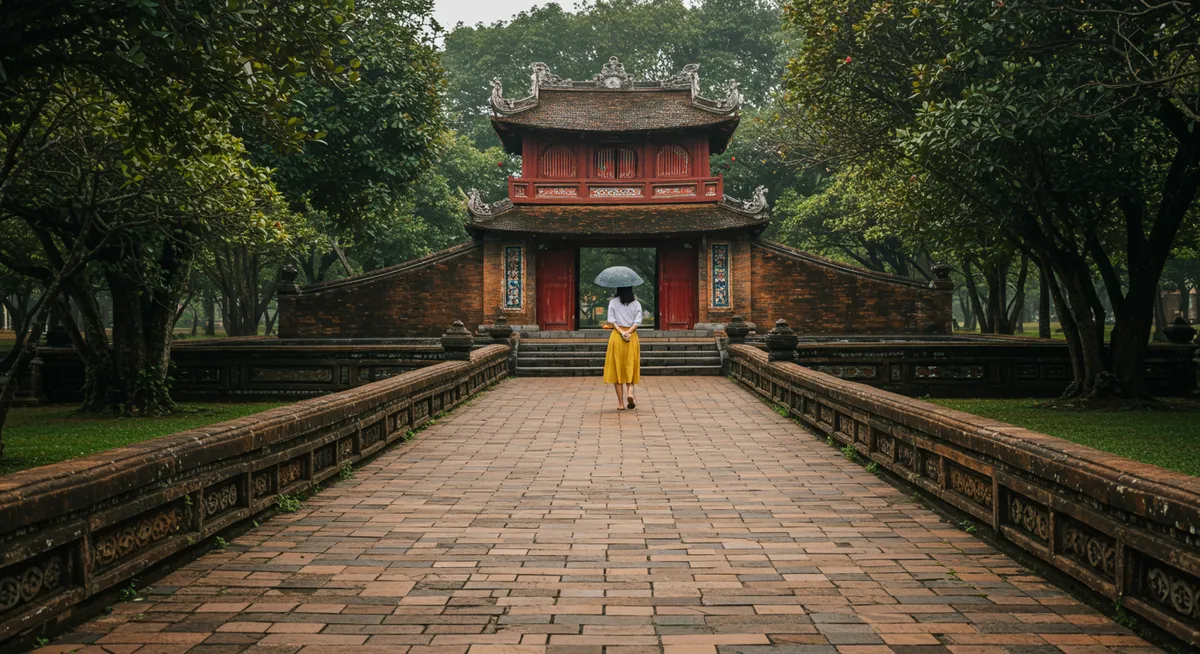
- Symmetry: Many structures, like the Thai Hoa Palace, are designed with perfect symmetry. Position yourself directly in front to emphasize their grandeur.
- Details & Textures: Look closely at the ornate carvings, mosaic tiles, and weathered stone. Zoom in to capture the craftsmanship that often goes unnoticed from a distance.
- Framing: Use archways, doorways, or windows within the Citadel or pagodas to frame a distant view, another building, or even a fellow traveler. This adds depth and context.
- Expansive Landscapes (Perfume River, Ngu Binh Mountain views):
- Leading Lines: Utilize natural or man-made lines to draw the viewer’s eye into your photograph. The curving Perfume River, pathways through gardens, or even boat wakes can serve as excellent leading lines.
- Rule of Thirds: Avoid placing your main subject or the horizon directly in the center. Instead, place them along the intersecting points or lines of an imaginary grid to create a more dynamic and engaging shot.
- Foreground Interest: Add an element in the foreground (e.g., a flower, a small boat, a traditional conical hat) to give your expansive shots a sense of scale and depth.
- Bustling Street Scenes & Markets (Dong Ba Market, local streets):
- Candid Moments: Be discreet and patient. Capture the natural interactions between vendors and customers, the movement of cyclos, or a local going about their day. Observe respectfully and engage if appropriate.
- Layers of Activity: Look for scenes with multiple layers of interest – people in the foreground, market stalls in the mid-ground, and traditional buildings in the background.
- Motion Blur: For a sense of dynamism, try a slower shutter speed (e.g., 1/30s or 1/15s) to blur moving subjects like motorbikes or cyclos while keeping the background relatively sharp. This conveys the energetic pulse of Hue’s streets.
- Reflections: Hue is rich in reflective surfaces. The Perfume River offers stunning reflections of the Truong Tien Bridge and distant city lights, especially at sunset. After a rain shower, puddles in the Imperial City’s courtyards can also provide unique reflective opportunities of ancient walls and gates. Keep an eye out for these fleeting moments.
Practical Walking Tour Tips:
- Patience is Key: Light changes rapidly and crowds ebb and flow. Wait for the perfect moment, whether it’s a gap in the crowds or a shift in the sun’s angle.
- Look Up, Look Down, Look Around: Don’t just focus straight ahead. Hue’s beauty is in its intricate details, unexpected angles, and the charming local life unfolding around you.
- Comfortable Footwear: You’ll be covering significant ground exploring the vast Imperial City or strolling along the river. Prioritize comfortable, supportive shoes.
- Versatile Lens: A standard zoom lens (e.g., 24-70mm or 18-55mm on a crop sensor) will cover most scenarios, allowing you to capture both wide landscapes and intricate architectural details without constantly changing lenses.
3. Iconic Hue Photo Opportunities on Foot
💡 Pro Tip: Book your Hue adventures in advance through Viator for the best deals!
Hue is a city that whispers tales through its ancient gates, vibrant markets, and serene waterways. Exploring it on foot isn’t just about getting from A to B; it’s about soaking in the atmosphere, discovering hidden gems, and, of course, capturing its iconic beauty through your lens. Here are the prime locations for your walking photography tour, complete with practical tips to make your shots truly stand out.
Imperial Citadel & Forbidden Purple City
- Walkable Focus: The sheer scale of the Imperial City means you’ll be doing a lot of walking. Focus your lens on the majestic Ngo Mon Gate (Meridian Gate) – especially captivating at sunrise or sunset when the light softens its grandeur. Venture deep into the courtyards, where the intricate details of restoration efforts reveal themselves in vivid colors and traditional architecture. Don’t miss the Thai Hoa Palace and the quiet, often overlooked corners of the Forbidden Purple City (Tu Cam Thanh), where decaying walls and ancient trees offer a melancholic beauty.
- Photography Tips: Use a wide-angle lens for the grand gates and courtyards, but also switch to a prime or telephoto for architectural details like ornate roof tiles, dragon carvings, and faded murals. Look for leading lines in pathways and symmetrical compositions. For a unique perspective, try framing smaller elements within larger structures.
- Walking Insight: Wear your most comfortable shoes. The Citadel grounds are vast, and you’ll want to explore freely. Allow at least 2-3 hours for a comprehensive photographic exploration.
Thien Mu Pagoda
- Walkable Focus: While many arrive by dragon boat, the walk up from the river landing offers charming views. Once inside, the iconic seven-story Phuoc Duyen Tower is your star subject. Explore the tranquil gardens, the beautiful Dharma Hall, and respectfully observe the daily monastic life.
- Photography Tips: Capture the tower from various angles, incorporating the surrounding trees or the bell tower for context. Don’t shy away from capturing the serene river views from the pagoda grounds. For monks, always be discreet and ask for permission, or shoot from a distance. The gentle morning light often creates a mystical atmosphere.
- Walking Insight: If walking from the main road, it’s a pleasant journey through local villages. Consider combining with a boat trip for a classic arrival and departure.
Dong Ba Market
- Walkable Focus: This bustling market is a sensory overload and a photographer’s paradise. You’ll be navigating narrow aisles filled with local vendors selling everything from fresh produce and aromatic spices to vibrant textiles and traditional conical hats (nón lá). The street food section is particularly lively and colorful.
- Photography Tips: Focus on the kaleidoscope of colors – piles of fruits, vegetables, and exotic ingredients. Capture candid moments of interaction between vendors and customers. The steam from noodle stalls and the artistry of food preparation make for great dynamic shots. Try to shoot with a fast shutter speed to freeze motion in this busy environment.
- Walking Insight: Be mindful of your belongings and respectful of vendors. A friendly smile goes a long way if you wish to take close-up shots of people or their stalls. It’s best to visit in the morning when the market is most vibrant.
Perfume River & Bridges
- Walkable Focus: Stroll along the serene banks of the Perfume River, connecting the city’s sides via its iconic bridges. The Truong Tien Bridge, especially illuminated at night, is a prime subject. Explore both sides of the river to capture different perspectives of the city skyline and local life.
- Photography Tips: Sunset is magical here, with the river reflecting the changing colors of the sky. Capture the traditional dragon boats cruising by, or the smaller sampans of local fishermen. Reflections on the water offer compelling compositions. Look for interesting foreground elements like flowers or trees along the bank.
- Walking Insight: An evening stroll along the river is highly recommended for its cool breeze and stunning photographic opportunities of the lit-up bridges.
Hidden Alleys & Local Cafes
- Walkable Discovery: To truly capture the soul of Hue, wander off the main thoroughfares into the labyrinthine alleys. Here, you’ll discover charming local homes, street vendors, and quaint, often hidden, cafes.
- Photography Tips: These areas offer authentic slices of daily life. Look for interesting textures on old walls, children playing, or elderly locals engaged in quiet contemplation. Capture the unique aesthetics of traditional Vietnamese coffee shops. Candid shots work best here, respecting people’s privacy.
- Walking Insight: Don’t be afraid to get a little lost. These unexpected discoveries often yield the most memorable and unique photographs. Always be respectful and subtle when photographing locals in their daily environment.
4. Cultural Sensitivity & Ethical Photography in Hue
Hue is a city steeped in history, spirituality, and vibrant local life. As you embark on your walking tour, you’ll inevitably encounter moments you wish to capture, from the serene beauty of a pagoda to the bustling energy of a local market. However, responsible photography and cultural sensitivity are paramount to ensuring your interactions are respectful and positive, for both you and the local community.
Respectful Interactions with Locals and Monks
When walking through residential areas or markets, remember you are entering people’s daily lives. A genuine smile and a polite greeting go a long way. Learning a few basic Vietnamese phrases can significantly enhance your interactions:
- “Xin chào” (Sin chow): Hello
- “Cảm ơn” (Gham un): Thank you
Monks hold a special place of reverence in Vietnamese society. If you encounter them, particularly at pagodas like Thien Mu, maintain a respectful distance. Avoid physical contact, do not point your feet towards them or their belongings, and speak softly to avoid disturbing their spiritual path.
Seeking Permission for Portraits
While candid street photography can capture the overall atmosphere, close-up portraits of individuals, especially children or vendors, require permission. It’s not only ethical but also fosters a genuine connection. Simply make eye contact, offer a smile, and ask:
- “Cho tôi chụp ảnh được không?” (Chaw toy choop an durk kong?): May I take a photo?
Accompany this with a polite gesture towards your camera. A nod, a smile, or an enthusiastic “được!” (durk! – okay!) usually indicates consent. If they decline, respect their wishes with a polite “không sao” (khong sow – no problem) and a smile. Offering to show them the photo on your camera can be a delightful gesture that breaks down barriers.
Understanding Local Customs and Dress Codes for Sacred Sites
Hue is home to numerous pagodas, temples, and the sacred Imperial City. When visiting these spiritual sites on your walking tour, adhering to local customs is essential:
- Dress Modestly: Always ensure your shoulders and knees are covered. This applies to both men and women. It’s practical for free walking tours in Hue to carry a light scarf or jacket that can quickly cover exposed skin if you find yourself spontaneously visiting a pagoda or temple.
- Footwear & Behavior: Be prepared to remove your shoes before entering certain temple buildings – observe what others do. Maintain a quiet demeanor, avoid loud conversations, and refrain from touching religious artifacts or statues.
Capturing Authentic Moments Without Intrusion
The goal is to capture the true spirit of Hue without altering or disrupting it. Practice observational photography. Instead of staging shots, aim to capture scenes as they naturally unfold from a respectful distance. Use a zoom lens if available to avoid intruding on personal space. Be mindful of flash photography, especially indoors or at night, as it can be disruptive and jarring to locals and other visitors. By approaching your photography with respect and a genuine appreciation for Hue’s culture, you’ll not only capture incredible images but also foster positive interactions throughout your walking tour.
5. Practical Tips for a Seamless & Safe Walking Tour
Embarking on a walking tour in Hue offers an unparalleled way to absorb the city’s rich history and vibrant daily life. To ensure your experience is not only memorable but also comfortable and safe, a little preparation goes a long way. Here are some practical tips to help you navigate Hue’s unique charm on foot.
Pacing Yourself & Staying Hydrated
Hue’s tropical climate, especially during the warmer months, can be intensely humid. Avoid rushing your exploration. Start your walks early in the morning to beat the midday heat, or opt for late afternoons when the light is softer and temperatures begin to drop. Schedule frequent breaks, perhaps at a charming riverside café or a quiet pagoda courtyard. Hydration is non-negotiable:
- Carry ample water: Always have a refillable water bottle with you.
- Embrace local refreshments: Stop at street stalls for fresh coconut water (dua tuoi), refreshing sugar cane juice (nuoc mia), or a classic Vietnamese iced coffee (ca phe sua da) – these are excellent ways to rehydrate and experience local flavors.
Weather Wisdom: Sun, Rain, and Everything In Between
Hue can experience both scorching sun and sudden, heavy downpours. Being prepared for both will save you discomfort.
- Sun Protection: Pack a wide-brimmed hat, sunglasses, and high-SPF sunscreen. Lightweight, breathable clothing (linen or cotton) in light colors is ideal. Consider long sleeves to protect from the sun without overheating.
- Rain Readiness: Especially during the monsoon season (roughly September to January), sudden showers are common. A compact, lightweight umbrella or a packable rain jacket is essential. Many local shops sell cheap ponchos if you’re caught off guard.
Navigating Hue’s Traffic with Confidence
Hue’s charming chaos extends to its streets, bustling with motorbikes, bicycles, and a smattering of cars. Crossing the road can feel daunting at first, but it’s part of the authentic experience.
- Be Aware: Always look both ways, and then look again! Traffic generally flows in a predictable manner.
- Walk Confidently: Don’t make sudden movements. Maintain a steady, predictable pace and allow the motorbikes to navigate around you. They are usually skilled at avoiding pedestrians.
- Stay Visible: Especially when walking near dusk or dawn, ensure you’re easily seen.
The Invaluable Local Guide: Your Key to Deeper Insights & Hidden Gems
While exploring Hue independently is rewarding, hiring a local guide can transform your experience, offering insights far beyond what guidebooks can provide.
- Cultural & Historical Context: A guide can bring the Imperial City, Thien Mu Pagoda, or the various tombs to life with captivating stories and historical details you might miss.
- Language & Navigation: They bridge language barriers, help you order authentic local dishes like bun bo Hue at the best hidden spots, and navigate intricate alleyways leading to true local gems and traditional garden houses.
- Safety & Local Etiquette: A guide can offer practical advice on everything from bargaining in Dong Ba Market to understanding local customs, ensuring a smoother and more respectful interaction with the community. They can also point you to the safest and most scenic walking paths.
By keeping these practical tips in mind, you’re set to enjoy a seamless, safe, and truly enriching walking tour through the captivating city of Hue, capturing not just photographs but also unforgettable memories.
6. Post-Walk: Editing & Sharing Your Hue Masterpieces
💡 Pro Tip: Book your Hue adventures in advance through Viator for the best deals!
After a day of immersing yourself in Hue’s captivating beauty, from the ancient gates of the Imperial City to the serene banks of the Perfume River, your camera or phone is likely brimming with incredible shots. The post-walk phase is crucial for preserving, perfecting, and sharing these visual stories of your journey.
Secure Your Hue Memories: Backing Up Your Photos
First things first: protect your precious Hue masterpieces! Whether you’re back at your hotel or at a local café enjoying a cà phê sữa đá, take a few moments to back up your photos. Imagine losing those misty morning shots of the Perfume River or the intricate details of a Hue royal tomb! Practical options include:
- Cloud Services: Google Photos, iCloud, Dropbox, or OneDrive offer easy, often automatic, uploads. This is ideal for quick daily backups, especially after a long walking tour when you might be too tired for manual transfers.
- External Hard Drives: For larger volumes of RAW files or high-resolution images, a portable external hard drive is a reliable choice. Carry an SD card reader if you’re using a dedicated camera.
- Dual SD Cards: Some professional cameras allow simultaneous recording to two SD cards, providing instant redundancy.
Make this a daily habit, especially after capturing unique Hue moments like the vibrant chaos of Dong Ba Market or the tranquil beauty of Thien Mu Pagoda at sunset.
Refining Your Visual Story: Basic Editing Techniques
Even the most stunning raw photo can be enhanced to truly capture the unique atmosphere of Hue. You don’t need to be a professional editor; mobile apps offer powerful yet user-friendly tools:
- Snapseed (Google), Lightroom Mobile, VSCO: These apps are excellent for quick edits on your phone or tablet.
- Hue-Specific Enhancements:
- Exposure & Contrast: Adjust to bring out the detail in the often-overcast Hue skies or to add drama to the ancient architecture. Don’t let shadows hide the intricate carvings!
- White Balance & Temperature: Hue often has a misty, ethereal quality. Adjusting the white balance can cool down morning fog or warm up the glow of lanterns in the evening, truly reflecting the city’s mood.
- Saturation & Vibrancy: Gently boost the rich yellows of imperial palaces, the deep reds of traditional gates, or the lush greens of garden houses. Avoid over-saturating; you want to enhance, not distort, Hue’s natural beauty.
- Cropping & Straightening: Ensure your horizons are level and remove distracting elements to keep the focus on Hue’s magnificent landmarks or charming street scenes.
Think about the emotion you felt during your walk. Did the Imperial City feel grand and imposing? Did a quiet temple feel serene? Use editing to convey that feeling.
Sharing Your Hue Masterpieces Ethically
Once your photos are polished, it’s time to share your incredible Hue walking tour experiences with the world. Remember to share respectfully and thoughtfully:
- Social Media Tagging:
- Use relevant hashtags like #HueVietnam #ImperialCityHue #HueWalkingTour #VietnamTravel #ForbiddenPurpleCity #PerfumeRiver.
- Tag specific locations (e.g., Dong Ba Market, Thien Mu Pagoda, An Hien Garden House) to help others discover these gems.
- If you captured a specific business or tour guide that enhanced your experience, consider tagging them to show your appreciation.
- Respecting Privacy:
- People: While street photography is common, exercise sensitivity when photographing locals, especially children or vendors. If a person is the clear subject of your photo and identifiable, it’s courteous to ask permission. Hue locals are generally welcoming, but a simple smile and gesture can go a long way. Avoid intrusive close-ups without consent.
- Private Property: Be mindful of signs indicating “No Photography,” particularly in certain areas within temples, museums, or private residences.
- Storytelling Through Captions: Don’t just post the photo; add a caption that shares your personal experience, a historical tidbit about the site, or a local insight gained during your walking tour. This adds depth and value to your visual narrative.
By following these steps, you’ll not only have a stunning collection of photos but also a well-documented and ethically shared visual diary of your unforgettable walking adventure in Hue.
Frequently Asked Questions
Q: What’s the best time of day for photography on a Hue walking tour?
A: The ‘golden hour’ (sunrise and sunset) offers the softest, most flattering light, ideal for the Citadel, Perfume River, and pagodas. Early mornings also provide cooler temperatures and fewer crowds. Midday can be harsh, so seek shade or focus on interior details.
Q: Do I need a special permit to photograph in certain areas of Hue?
A: Generally, no special permits are required for personal photography at public sites in Hue. However, always be respectful of ‘no photography’ signs, particularly in private homes or certain areas within temples/pagodas. For commercial photography, separate permits might be needed.
Q: Is it safe to walk around Hue with expensive camera gear?
A: Hue is generally safe, but like any city, it’s wise to be aware of your surroundings. Keep your gear secure, especially in crowded areas like Dong Ba Market. Use a comfortable, inconspicuous camera bag and avoid displaying expensive equipment unnecessarily.
Q: What lens would you recommend for a Hue walking tour?
A: A versatile zoom lens (e.g., 24-70mm or 24-105mm on full-frame, or equivalent on crop sensor) is excellent for general architectural, landscape, and street photography. A prime lens (e.g., 50mm or 35mm) can be great for low-light situations and capturing local life with beautiful bokeh.
Hue truly reveals its timeless charm to those who explore it on foot. By combining your passion for walking with these practical photography tips, you’re not just observing; you’re immersing yourself, connecting with its history, and capturing its very soul. So pack your camera, lace up your walking shoes, and prepare to create a stunning visual diary of your unforgettable Hue adventure. Happy snapping and safe travels!