
Sapa Treks: Discover Hidden Villages on Foot (2026)
Uncover Sapa’s authentic charm! Explore hidden ethnic minority villages on immersive walking treks. Get practical tips, safety advice, and local insights for your Sapa adventure.
On this page
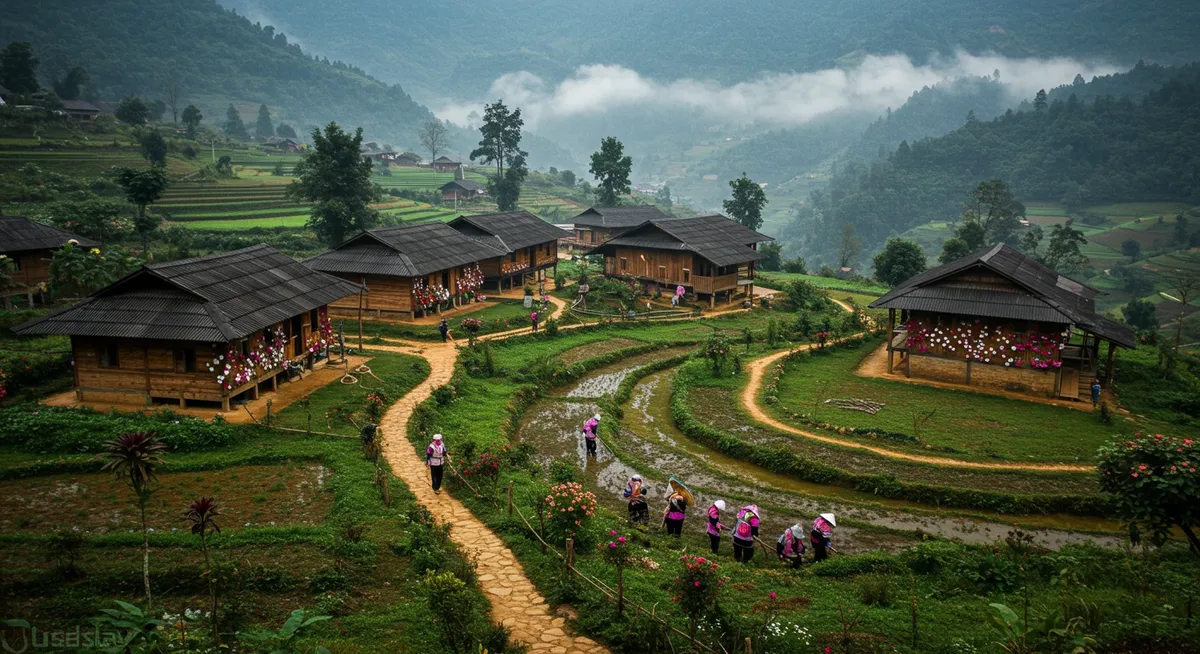
Sapa, a breathtaking town nestled in the Hoàng Liên Son Mountains of Northern Vietnam, is renowned for its stunning rice terraces, lush valleys, and vibrant ethnic minority cultures. While many visitors flock to its popular viewpoints, the true magic of Sapa unfolds on foot. Our comprehensive walking tour guide invites you to step beyond the main trails and discover the hidden villages that offer an authentic glimpse into the lives of the H’mong, Dao, Tay, and other indigenous communities. Get ready for an unforgettable journey connecting with nature, culture, and the spirit of Sapa.
Key Tips and Takeaways
- Always hire a local Sapa guide for hidden village treks – they are essential for navigation, safety, and cultural insights.
- Pack light but wisely: good trekking shoes, layers, and rain gear are non-negotiable for Sapa’s unpredictable weather.
- Embrace responsible tourism: respect local customs, purchase directly from artisans, and practice ‘Leave No Trace’ principles.
- Book your homestays in advance, especially during peak seasons, to ensure a spot and support local families.
- Be prepared for varying trail conditions; some paths can be muddy, slippery, or steep.
Why Sapa is Perfect for Walking Tours
Sapa, nestled high in the Hoàng Liên Son mountains of northern Vietnam, is more than just a picturesque town; it’s a living canvas designed for exploration on foot. While the main town offers amenities, the true heart and soul of Sapa lie in its sprawling, emerald valleys and the remote villages accessible only by trail. This makes Sapa an unparalleled destination for free walking tours in Sapa, offering an immersive experience that motorized transport simply cannot replicate.
Unrivaled Landscapes Unfold with Every Step
Imagine traversing pathways carved into magnificent rice terraces, their sculpted contours changing from iridescent green to golden yellow depending on the season. Sapa’s iconic landscapes, particularly those stretching across the Muong Hoa Valley, are best absorbed at the gentle pace of a walk. You’ll wind through terraced fields, cross gurgling streams, discover hidden waterfalls, and ascend vantage points that reveal breathtaking panoramic views of jagged peaks reaching into the clouds. The crisp mountain air, the rustle of bamboo groves, and the distant calls of farm animals become your soundtrack, connecting you intimately with the natural environment.
Deep Dive into Rich Ethnic Cultures
One of Sapa’s most compelling draws is its vibrant tapestry of ethnic minority groups, including the Black Hmong, Red Dzao, Tay, Giay, and Xa Pho. A walking tour is your direct gateway into their traditional way of life. As you trek from village to village, you’ll encounter locals in their distinctive indigo-dyed clothing, observe daily routines like weaving and farming, and perhaps even be invited into a traditional wooden home for a cup of tea. These interactions, facilitated by the intimacy of walking, offer profound insights into unique customs, languages, and belief systems that have thrived for centuries. Hiring a local guide, often from one of these communities, is not just practical for navigation but absolutely essential for bridging cultural gaps and enriching these encounters.
Escape the Crowds, Embrace Authenticity
While Sapa town can feel bustling, stepping onto the trails immediately transports you to a world of tranquility. Walking tours are the ultimate way to escape the main tourist thoroughfares and discover the “hidden villages on Sapa treks” that truly embody the region’s spirit. Here, you’ll find authentic markets, simple homestays, and genuine smiles, far removed from souvenir shops. The slower pace allows for meaningful engagement, whether it’s sharing a laugh with children playing in the fields or observing elders crafting intricate silver jewelry. It’s an opportunity to connect with the local community on a deeper, more personal level, contributing directly to their livelihoods and fostering cross-cultural understanding.
Practical Tips for Your Sapa Walking Adventure:
- Go Guided: A local guide (often a Hmong or Dzao woman) is invaluable for navigating unmarked trails, understanding local customs, and facilitating genuine interactions.
- Best Time: For vibrant green terraces, visit May to early September. For golden harvest hues, late September to early October. For clearer skies and cooler weather, March-April or October-November.
- Pack Smart: Sturdy, waterproof hiking boots are non-negotiable. Layers are key, as weather can change rapidly. Bring a rain jacket, sun protection, and a basic first-aid kit.
- Respect Local Culture: Always ask for permission before taking photos of people. Be mindful of village etiquette, dress modestly, and be prepared for simple facilities.
- Support Locally: Consider staying in a homestay or purchasing handmade crafts directly from the artisans in the villages. This provides direct economic benefits to the communities you visit.
In Sapa, every step is a discovery, every path a story, and every interaction a memory. It’s a destination that truly rewards those who choose to explore it on foot, revealing its raw beauty and profound cultural depth one unforgettable stride at a time.
Preparing for Your Sapa Trekking Adventure
Embarking on a trekking adventure through Sapa’s breathtaking landscapes and hidden villages is an unforgettable experience. To ensure your journey is comfortable, safe, and truly enjoyable, thorough preparation is key. Here’s how to get ready for your Sapa trek:
Optimal Timing for Your Sapa Trek
Choosing the right time significantly enhances your Sapa experience, particularly if you’re keen to witness the iconic rice terraces. The weather in Sapa can be unpredictable, so preparation for all conditions is wise.
- March to May (Spring): Pleasant temperatures, clear skies, and vibrant green rice paddies freshly planted. Ideal for comfortable trekking.
- June to August (Summer): Warmer temperatures and more frequent rain, which can make trails muddy. However, the landscapes are incredibly lush and verdant.
- September to October (Autumn): Often considered the best time for trekking. The rice terraces turn a magnificent golden hue as they ripen, offering stunning photo opportunities. The weather is generally cool and dry.
- November to February (Winter): Cold, misty, and sometimes foggy, with occasional light drizzle or even rare snow. While challenging, the mystical atmosphere offers a unique perspective of Sapa’s rugged beauty and quiet village life.
For witnessing the renowned “golden season” of ripe rice, aim for late September to early October. If you prefer the reflective beauty of freshly planted paddies, April and May are excellent.
Essential Gear for Your Sapa Trek
Packing smart will make all the difference on Sapa’s varied terrain.
- Comfortable Trekking Shoes: This is paramount. Choose waterproof hiking boots or sturdy trail shoes with good ankle support and excellent grip. Ensure they are well broken-in to prevent blisters.
- Layers of Clothing: Sapa’s weather can change rapidly from warm sun to cool mist. Pack moisture-wicking base layers, an insulating fleece or jacket, and a waterproof and windproof outer shell. Even in summer, evenings can be cool.
- Rain Gear: A lightweight, packable rain jacket and pants are non-negotiable, especially during the rainy season (June-August) but advisable year-round.
- Sun Protection: A wide-brimmed hat, sunglasses, and high-SPF sunscreen are essential to protect against strong UV rays, even on cloudy days.
- Insect Repellent: Particularly important during warmer, humid months to ward off mosquitoes and other biting insects.
- Small Backpack: A comfortable daypack (15-25L) is perfect for carrying water, snacks, extra layers, and personal essentials.
- Water Bottle: Stay hydrated! A reusable water bottle is eco-friendly and allows you to refill easily.
- Basic First Aid Kit: Include blister plasters, antiseptic wipes, pain relievers, and any personal medications.
- Trekking Poles (Optional but Recommended): They can greatly assist with balance on slippery or steep sections, reducing strain on your knees.
Physical Fitness Considerations
Sapa treks vary in difficulty, from gentle strolls through valleys to challenging multi-day hikes over steep terrain. While you don’t need to be an elite athlete, a reasonable level of fitness is beneficial. Be prepared for uneven paths, some ascents and descents, and potentially muddy conditions, especially after rain. Regular walking or light hiking in the weeks leading up to your trip will help prepare your body.
The Importance of Hiring a Local Guide
For an authentic and safe Sapa trekking adventure, especially when venturing into the “hidden villages,” hiring a local guide from one of the ethnic minority communities (like the H’mong or Red Dao) is highly recommended. Not only do they possess invaluable knowledge of the intricate trail networks, ensuring you don’t get lost, but they also act as cultural ambassadors. Your guide can provide deep insights into local customs, traditions, and the daily life of the villagers you encounter, bridging language barriers and enriching your interactions. Hiring local supports the communities directly, making your tourism responsible and sustainable.
Popular Treks & The Villages They Reveal
⭐ Recommendation: Don't miss out on amazing Sapa tours - book now!
While Cat Cat Village often serves as a visitor’s introduction to Sapa’s ethnic minority culture due to its accessibility from town, for a truly immersive and authentic experience revealing Sapa’s true hidden gems, we highly recommend venturing deeper into the Muong Hoa Valley. This valley is the heartland of many ethnic minority groups and offers a network of trails that promise breathtaking scenery, rich cultural encounters, and genuine homestay opportunities.
The Muong Hoa Valley Trek: A Journey Through Cultures
The classic trek through the Muong Hoa Valley typically connects a series of villages, each offering a distinct flavor of Sapa. This walking tour is a fantastic way to witness daily life unfold amidst stunning terraced rice paddies and lush landscapes.
-
Lao Chai Village (H’mong):
Often the first significant stop on a valley trek from Sapa, Lao Chai is primarily inhabited by the Black H’mong people. As you descend into the village, you’ll be greeted by expansive rice terraces cascading down the hillsides, creating a mesmerizing green (or golden, depending on the season) tapestry. The walking paths here are relatively gentle, winding past traditional wooden houses where you can observe daily life, from weaving and indigo dyeing to children playing. Homestays in Lao Chai offer a comfortable introduction to local living, often with shared meals and the chance to interact with your host family, learning about their customs and traditions. -
Ta Van Village (Giay & Red Dao):
Continuing your trek deeper into the valley, Ta Van is a larger, more diverse village, home to the Giay, Red Dao, and some H’mong communities. This village is distinguished by its unique stilt houses, particularly those of the Giay people, and offers a vibrant mix of cultures. The trek between Lao Chai and Ta Van often follows the Muong Hoa River, providing picturesque views of bridges and streams. Ta Van is a popular overnight stop, with numerous homestay options ranging from rustic to slightly more comfortable, allowing you to immerse yourself in village life, perhaps even participating in a cooking class or enjoying traditional music. The Red Dao here are known for their intricate embroidery and distinctive red headscarves. -
Giang Ta Chai Village (Red Dao):
For those seeking a more remote and less-trodden path, trekking further to Giang Ta Chai offers a truly “hidden village” feel. Predominantly inhabited by the Red Dao ethnic group, this village is nestled amidst bamboo forests and features a beautiful waterfall. The walk here can be slightly more challenging, involving narrower trails and steeper descents, but the reward is a quieter, more authentic experience. Giang Ta Chai often feels less commercialized, allowing for more intimate encounters with the locals and a deeper appreciation for their traditional way of life. Homestays here are generally simpler, providing a genuine glimpse into the daily routines of the Red Dao.
Practical Walking Tour Tips for the Muong Hoa Valley:
- Engage a Local Guide: Hiring a local H’mong or Red Dao guide (often women from the villages) not only supports the community directly but also enriches your experience immensely. They provide invaluable insights into their culture, customs, and the surrounding environment, pointing out medicinal plants or explaining farming techniques.
- Wear Appropriate Footwear: The trails can be muddy, slippery, or uneven, especially after rain. Sturdy, waterproof trekking shoes with good grip are essential.
- Pack Smart: Bring layers of clothing as temperatures can change quickly, rain gear, a hat, sunscreen, insect repellent, and a reusable water bottle.
- Respect Local Culture: Always ask permission before taking photos of people, especially children. Be mindful of cultural sensitivities, particularly when visiting homes or religious sites.
- Homestay Experience: Embrace the opportunity to stay in a local home. It’s an unparalleled way to understand daily life, share meals, and forge connections. Many homestays can be booked on the spot, but for popular dates, pre-booking is advisable.
These popular treks through the Muong Hoa Valley are your gateway to Sapa’s truly hidden villages, offering a profound journey into the heart of Vietnam’s vibrant ethnic minority cultures.
While Cat Cat Village often serves as a visitor’s introduction to Sapa’s ethnic minority culture due to its accessibility from town, for a truly immersive and authentic experience revealing Sapa’s true hidden gems, we highly recommend venturing deeper into the Muong Hoa Valley. This valley is the heartland of many ethnic minority groups and offers a network of trails that promise breathtaking scenery, rich cultural encounters, and genuine homestay opportunities.
The Muong Hoa Valley Trek: A Journey Through Cultures
The classic trek through the Muong Hoa Valley typically connects a series of villages, each offering a distinct flavor of Sapa. This walking tour is a fantastic way to witness daily life unfold amidst stunning terraced rice paddies and lush landscapes.
-
Lao Chai Village (H’mong):
Often the first significant stop on a valley trek from Sapa, Lao Chai is primarily inhabited by the Black H’mong people. As you descend into the village, you’ll be greeted by expansive rice terraces cascading down the hillsides, creating a mesmerizing green (or golden, depending on the season) tapestry. The walking paths here are relatively gentle, winding past traditional wooden houses where you can observe daily life, from weaving and indigo dyeing to children playing. Homestays in Lao Chai offer a comfortable introduction to local living, often with shared meals and the chance to interact with your host family, learning about their customs and traditions. -
Ta Van Village (Giay & Red Dao):
Continuing your trek deeper into the valley, Ta Van is a larger, more diverse village, home to the Giay, Red Dao, and some H’mong communities. This village is distinguished by its unique stilt houses, particularly those of the Giay people, and offers a vibrant mix of cultures. The trek between Lao Chai and Ta Van often follows the Muong Hoa River, providing picturesque views of bridges and streams. Ta Van is a popular overnight stop, with numerous homestay options ranging from rustic to slightly more comfortable, allowing you to immerse yourself in village life, perhaps even participating in a cooking class or enjoying traditional music. The Red Dao here are known for their intricate embroidery and distinctive red headscarves. -
Giang Ta Chai Village (Red Dao):
For those seeking a more remote and less-trodden path, trekking further to Giang Ta Chai offers a truly “hidden village” feel. Predominantly inhabited by the Red Dao ethnic group, this village is nestled amidst bamboo forests and features a beautiful waterfall. The walk here can be slightly more challenging, involving narrower trails and steeper descents, but the reward is a quieter, more authentic experience. Giang Ta Chai often feels less commercialized, allowing for more intimate encounters with the locals and a deeper appreciation for their traditional way of life. Homestays here are generally simpler, providing a genuine glimpse into the daily routines of the Red Dao.
Practical Walking Tour Tips for the Muong Hoa Valley:
- Engage a Local Guide: Hiring a local H’mong or Red Dao guide (often women from the villages) not only supports the community directly but also enriches your experience immensely. They provide invaluable insights into their culture, customs, and the surrounding environment, pointing out medicinal plants or explaining farming techniques.
- Wear Appropriate Footwear: The trails can be muddy, slippery, or uneven, especially after rain. Sturdy, waterproof trekking shoes with good grip are essential.
- Pack Smart: Bring layers of clothing as temperatures can change quickly, rain gear, a hat, sunscreen, insect repellent, and a reusable water bottle.
- Respect Local Culture: Always ask permission before taking photos of people, especially children. Be mindful of cultural sensitivities, particularly when visiting homes or religious sites.
- Homestay Experience: Embrace the opportunity to stay in a local home. It’s an unparalleled way to understand daily life, share meals, and forge connections. Many homestays can be booked on the spot, but for popular dates, pre-booking is advisable.
These popular treks through the Muong Hoa Valley are your gateway to Sapa’s truly hidden villages, offering a profound journey into the heart of Vietnam’s vibrant ethnic minority cultures.
Venturing Off the Beaten Path: Truly Hidden Villages
While Sapa town and its immediate surrounds offer incredible beauty, the true magic of this region often lies beyond the well-trodden paths. For travelers seeking a profound connection with Sapa’s diverse ethnic cultures and breathtaking landscapes, venturing into its truly hidden villages is an unparalleled experience. These less-frequented hamlets promise a deeper cultural immersion, free from the crowds, and an authentic glimpse into the daily lives of the local communities. However, navigating these remote areas invariably requires the expertise of a local guide, who not only ensures your safety but also acts as a vital cultural bridge.
Ta Phin Village: A Red Dao Stronghold
Just a short distance from Sapa town, but feeling a world away, Ta Phin village is a vibrant hub of Red Dao culture. A walking tour here is a sensory delight. As you trek through verdant rice fields and past traditional wooden houses, you’ll witness the distinctive Red Dao women in their intricately embroidered indigo costumes. This village is renowned for its traditional Red Dao herbal baths, a centuries-old practice using forest leaves and herbs known for their restorative properties. After a day of trekking, soaking in one of these aromatic baths is a truly invigorating and authentic experience. You’ll also find beautiful hand-stitched handicrafts, often sold directly by the artisans, offering a direct economic benefit to the community. Access typically involves a moderate trek, or a combination of motorbike/car to a certain point followed by walking, making a local Red Dao guide invaluable for insights and navigation through the specific trails.
Y Linh Ho & Su Pan: Glimpses of Hmong Life
Further along the picturesque Muong Hoa Valley, trekking south from Sapa, you’ll encounter the charming Hmong villages of Y Linh Ho and Su Pan. These villages are often part of multi-day treks, winding down through terraces that cling precariously to the mountainsides. The benefits of their remoteness are immediate: serene pathways, uninterrupted panoramic views of the valley, and an unfiltered look at Hmong agrarian life. You’ll see locals tending to rice paddies, buffalo grazing, and children playing. Walking through these villages offers a unique opportunity to witness traditional farming methods and a slower pace of life. A local Hmong guide is essential for understanding the nuances of their customs, identifying the best trails, and even facilitating respectful interactions with villagers, ensuring your visit is both enriching and responsible.
Ban Ho Village: Serenity and Tay Culture
For the ultimate off-the-beaten-path adventure, journey to Ban Ho, a predominantly Tay village nestled by a river, further south than the Hmong villages. This village offers a distinct cultural experience, different from the Hmong and Red Dao. The treks to Ban Ho are longer and more challenging, often involving descents through bamboo forests and past cascading waterfalls, including the beautiful Lavie Waterfall. The reward for your effort is immense: a truly tranquil setting, fewer tourists, and the chance to experience authentic Tay hospitality, often through homestays. The remoteness here means the cultural traditions are incredibly well-preserved. A local guide is non-negotiable for this expedition; they will guide you through complex terrain, ensure your safety, and provide invaluable insights into the Tay way of life, including their stilt houses and unique farming practices.
Practical Tips for Your Hidden Village Trek
- Engage a Local Guide: This cannot be stressed enough. They are vital for navigation, safety, cultural interpretation, and ensuring your visit benefits the local community directly.
- Be Prepared: Wear sturdy, comfortable trekking shoes. Carry sufficient water, snacks, sunscreen, a hat, and rain gear, as weather can change quickly.
- Respect Local Customs: Always ask permission before taking photos of people. Dress modestly, especially when visiting homes. Support local economies by purchasing handicrafts or staying in homestays.
- Pace Yourself: These treks can be challenging. Allow ample time and listen to your guide’s advice regarding terrain and rest stops.
Venturing into Sapa’s hidden villages is more than just a walk; it’s a journey into the heart of Vietnam’s highland cultures, promising unforgettable memories and a deeper appreciation for this extraordinary region.
Connecting with Local Culture & Communities
One of the most profound joys of embarking on Sapa’s walking treks to hidden villages is the opportunity to genuinely connect with the local ethnic minority communities. These interactions transform a scenic hike into a rich cultural immersion. To ensure these exchanges are respectful, meaningful, and mutually beneficial, here are some practical tips for your journey.
Respectful Interaction: Bridging Cultures
- Understanding Local Customs: Sapa is home to diverse ethnic groups, primarily the H’mong, Red Dao, Tay, Giay, and Xa Pho. Each has unique traditions. Generally, showing respect for elders, not touching people’s heads (considered sacred), and avoiding pointing with your feet are good practices. Observe before you act; your local guide can offer invaluable insights.
- Appropriate Dress: When visiting villages, homes, or spiritual sites, modesty is key. Opt for clothing that covers your shoulders and knees. This demonstrates respect for local customs and beliefs. While trekking, comfort is important, but a light shawl or long-sleeved shirt can be easily added for village visits.
- Ethical Photography: The faces of Sapa’s people are incredibly captivating, but always remember to ask for permission before taking someone’s photo, especially children or the elderly. A simple gesture like pointing to your camera and asking “OK?” with a smile is often understood. Avoid taking “paparazzi” style shots; a moment of connection before the click is always appreciated. Sometimes, showing them the photo afterward on your camera can spark a joyful interaction.
Responsible Homestay Etiquette: Living Like a Local
If your walking tour includes a homestay, it’s an unparalleled chance to delve deeper into local life. Approach it with an open heart and mind:
- Participating in Activities: Be open to joining in daily life. Whether it’s helping prepare a simple meal, assisting with farm chores (if invited and appropriate), or learning about traditional crafts like weaving or indigo dyeing, your willingness to engage is highly valued.
- Sharing Meals: Mealtimes are central to family life. Show enthusiasm for trying local dishes, even if they’re unfamiliar. Your hosts will be proud to share their cuisine. It’s polite to wait for your hosts to start eating and to offer assistance with setting or clearing the table.
- General Respect: Always remove your shoes before entering a home. Do not enter private areas without an explicit invitation. Remember you are a guest in their home, not just a customer.
Basic Phrases: A Little Goes a Long Way
Learning a few common Vietnamese phrases can open doors and bring smiles:
- Hello: Xin chào (pronounced “sin chow”)
- Thank you: Cảm ơn (pronounced “gam un”)
While villagers may speak their own ethnic languages, a simple “Xin chào” or “Cảm ơn” shows a genuine effort to connect, and a warm smile transcends all language barriers.
Supporting Local Economies: Mindful Purchases
Your visit can directly benefit the communities you encounter. When looking for souvenirs, consider purchasing handicrafts directly from the artisans in the villages or at local markets. This ensures your money directly supports the families and helps preserve traditional skills. Sapa is renowned for its exquisite indigo-dyed textiles, intricate embroidery, and handmade silver jewelry. While bargaining is common in Vietnamese markets, try to offer a fair price, especially for handmade items. Your purchase isn’t just a transaction; it’s an investment in their heritage and livelihood.
Navigating & Safety on Sapa Trails
⭐ Recommendation: Don't miss out on amazing Sapa tours - book now!
Sapa’s breathtaking landscapes, with their cascading rice terraces and mist-shrouded peaks, offer an unparalleled trekking experience. However, these rewarding trails demand keen awareness of challenging and unpredictable conditions. Prioritizing proper navigation and safety is essential for an enjoyable and secure journey into Sapa’s hidden villages.
Understanding Sapa’s Trail Conditions
- Muddy & Slippery Paths: Especially after rain, Sapa’s red earth trails are slick and muddy. Expect uneven surfaces and loose rocks. Sturdy, waterproof hiking boots with excellent grip are essential.
- Steep Ascents & Descents: Sapa treks involve significant elevation changes. Some sections are very steep, requiring good stamina and balance. Trekking poles provide invaluable stability.
- Unpredictable Weather: Sapa’s mountain climate is fickle. Sunshine can quickly turn to sudden downpours, strong winds, or dense fog. Temperatures can drop significantly. Dress in layers; pack lightweight rain gear.
- Reduced Visibility in Fog: Frequent fog drastically reduces visibility, making navigation difficult and increasing the risk of getting lost. This highlights the critical need for local expertise.
The Indispensable Local Guide: Your Safest Bet
Embarking on Sapa’s treks without a local guide is strongly advised against. Their presence is a fundamental safety measure and significantly enhances your entire experience:
- Navigation: Local Hmong or Red Dao guides intimately know the terrain, including safe routes and areas to avoid. They expertly navigate even in dense fog or after heavy rains.
- Cultural Insight: Guides bridge language barriers, offering invaluable insights into ethnic minority cultures and daily life, truly unlocking Sapa’s “hidden” aspects.
- Emergency Assistance: In the unlikely event of an injury or unexpected situation, your guide is your primary contact, knowing local resources and effective responses.
- Community Support: Hiring a local guide directly contributes to the economic well-being of the ethnic minority communities you visit, promoting sustainable tourism.
Essential Preparations & Etiquette
- Supplies: Always carry ample water (for exertion/humidity) and high-energy snacks (nuts, dried fruit, bars). Pack a small first-aid kit, headlamp/flashlight, and portable charger.
- Stay on Trail: Stick to paths your guide leads you on. Straying can lead to disorientation, trespassing, or unforeseen hazards.
- Respect Local Land & People: You are a guest. Do not litter, ask permission before taking photographs, and be mindful of local customs and agricultural areas.
Sustainable Walking: Protecting Sapa’s Future
As you embark on a captivating walking tour through Sapa’s hidden villages and breathtaking rice terraces, remember that the incredible beauty you witness is fragile. Sustainable walking isn’t just a buzzword here; it’s a critical practice to ensure future generations of travelers – and more importantly, the local ethnic minority communities – can continue to thrive. Your footsteps, purchases, and interactions have a direct impact on this delicate ecosystem and its people.
Embrace the core principles of ‘Leave No Trace.’ This means taking everything you bring in, back out with you. Sapa’s remote villages and trekking paths often lack robust waste management systems. A single plastic bottle left behind can take hundreds of years to decompose, harming the pristine environment and the livelihoods dependent on it. Always pack a reusable water bottle and refill it whenever possible, and say no to single-use plastics from vendors. Consider bringing a small trash bag for any non-compostable waste you accumulate, ensuring it makes it back to a proper disposal facility in town.
Ethical interactions, particularly with local children, are paramount. While it’s tempting to offer candy or money, this can inadvertently foster a begging culture and contribute to dental issues for kids who lack access to regular dental care. Instead, if you wish to help, consider bringing small, practical items like pens, notebooks, or toothbrushes. Even better, support community-based tourism initiatives where proceeds directly benefit local schools or development projects. Engaging in genuine conversations, learning a few words of Vietnamese, or simply sharing a smile can create far more meaningful connections.
When choosing your walking tour operator or accommodation, opt for those explicitly committed to local welfare and environmental protection. Many reputable Sapa operators work directly with Hmong, Red Dao, and other ethnic minority communities, ensuring fair wages for porters and guides, and investing in homestays that directly benefit local families. Look for companies that emphasize cultural exchange, respect for local customs, and sustainable practices as part of their ethos. By supporting these initiatives, you empower the local communities to maintain their traditions and protect their homeland, ensuring that the magic of Sapa endures for years to come.
Here are some actionable tips for your sustainable Sapa trek:
- Pack it in, Pack it out: Carry all your trash, including organic waste like fruit peels, back to town.
- Minimize Plastic: Use a reusable water bottle, cloth shopping bags, and decline plastic straws.
- Respect Local Culture: Ask permission before taking photos of people, especially children. Dress modestly when visiting villages and homestays.
- Buy Local & Direct: Purchase handicrafts (like textiles or silver jewelry) directly from the artisans in the villages. This ensures your money directly supports their families.
- Support Ethical Operators: Research tour companies that partner with local communities and provide fair wages.
- Give Responsibly: Avoid giving money or candy to children. If you wish to donate, do so through established schools or community projects.
- Stay on Marked Trails: Stick to designated paths to avoid damaging crops or fragile ecosystems.
Beyond the Treks: Sapa Town & Nearby Attractions
While the allure of Sapa primarily lies in its captivating treks through hidden villages and terraced rice fields, Sapa Town itself serves as a vital hub—a vibrant base for your adventures and a comfortable space to rejuvenate weary legs. After days of exploring remote paths, dedicating time to discover Sapa Town and its immediate surroundings offers a welcome change of pace, enriching your overall experience.
Exploring Sapa Town on Foot
Sapa Town is highly walkable, with many key attractions conveniently located within easy reach of most accommodations. Once your boots are rested, take a leisurely stroll to absorb the atmosphere:
- Sapa Market: A sensory delight, the market is a must-visit. Easily accessible on foot from the town center, it’s a bustling mosaic of colors, sounds, and aromas. Here, you’ll find an array of local produce, vibrant textiles, intricate handicrafts from various ethnic minorities, and delicious street food. It’s an ideal spot for souvenir shopping and observing daily local life. Early mornings are best for seeing the market at its most active.
- Sapa Lake: A serene central feature, perfect for a relaxing loop walk. Enjoy the views of the surrounding mountains reflecting in the calm waters.
- Stone Church: Sapa’s iconic French colonial church stands proudly in the town square. It’s a short, pleasant walk from anywhere in the center and offers a great photo opportunity.
Beyond the Town: Nearby Attractions
For a different kind of Sapa experience, consider these attractions, which can be reached via a short taxi ride, motorbike taxi (xe om), or even a combination of walking and transport for some.
- Fansipan Cable Car (Optional): For breathtaking panoramic views without the strenuous multi-day climb, the Fansipan cable car offers an incredible experience to the “Roof of Indochina.” While not a ‘walking tour’ to the base, getting to the cable car station from town is often by shuttle or taxi. Once at the upper station, you can choose to walk the final steps to the summit or take a funicular, offering a rewarding walking component at the top. This is an excellent option for a clear day or as a recovery day activity.
- Silver Waterfall (Thac Bac) & Love Waterfall (Thac Tinh Yeu): These two beautiful waterfalls are located a short drive north of Sapa Town, often visited together.
- Silver Waterfall: Easily accessible right off the main road, a short path leads to viewing platforms, making it a quick stop.
- Love Waterfall: Requires a slightly longer, picturesque walk (about 30-40 minutes round trip) through lush forest and over a charming bridge to reach the falls. The journey itself is as delightful as the destination, offering a gentle nature walk.
To visit these, hire a taxi or a motorbike taxi from Sapa Town. Discuss the return trip and waiting time with your driver before setting off.
Integrating into Your Multi-Day Walking Tour
These attractions can seamlessly complement your trekking itinerary:
- Arrival Day: Dedicate your arrival day to exploring Sapa Town on foot, visiting the market, lake, and church. This allows you to settle in and familiarize yourself with the town before embarking on longer treks.
- Recovery Day/Mid-Trek Break: If you have a multi-day trek with a stop in a homestay, consider booking an extra night in Sapa Town after your trek. Use this day to visit Fansipan or the waterfalls. It’s a perfect way to ease back into civilization and enjoy Sapa’s broader offerings without pushing your limits immediately after strenuous trekking.
- Departure Day: If your departure is later in the day, squeeze in a morning visit to a nearby waterfall before heading to your next destination.
Remember to always wear comfortable walking shoes, even for town exploration. For visits to the waterfalls, sturdy footwear is recommended for the slightly uneven paths. Local insights can greatly enhance your experience, so don’t hesitate to engage with local guides or drivers for recommendations and assistance with transport.
Frequently Asked Questions
Q: Is Sapa safe for solo trekkers to hidden villages?
A: While generally safe, solo trekking to truly hidden villages without a guide is not recommended due to challenging terrain, changeable weather, and the risk of getting lost. A local guide enhances both safety and cultural immersion.
Q: Do I need a local guide for Sapa treks?
A: For basic treks to popular villages like Cat Cat, a guide is optional. However, for exploring hidden villages off the main tourist routes (e.g., Ta Phin, Ban Ho), a local guide is highly recommended. They provide invaluable navigation, cultural context, and assistance in case of emergencies.
Q: What’s the best time of year to trek in Sapa?
A: The ideal times are Spring (March-May) for pleasant weather and blooming flowers, and Autumn (September-November) for cool, clear weather and the golden harvest season of rice terraces. Summers can be hot and rainy, and winters cold and foggy.
Q: How difficult are the Sapa treks to hidden villages?
A: Trek difficulty varies. Popular routes to Lao Chai/Ta Van are generally moderate. Treks to more hidden villages like Y Linh Ho or Ban Ho can be more challenging, involving steep ascents/descents and slippery paths, especially after rain. Treks can range from 3-4 hours to multi-day expeditions.
Q: What should I wear and bring on a Sapa walking tour?
A: Wear sturdy, comfortable trekking shoes (waterproof if possible), quick-dry clothing in layers, a waterproof jacket/poncho, a hat, and sunscreen. Bring a small backpack with water, snacks, basic first aid, insect repellent, and a power bank for your phone/camera.
Sapa’s hidden villages offer an unparalleled opportunity for discovery, connection, and adventure. By embarking on these immersive walking tours, you don’t just witness beautiful landscapes; you step into the vibrant heart of Vietnam’s ethnic cultures. Remember to trek responsibly, respect local traditions, and embrace the genuine warmth of the communities you encounter. Your Sapa walking tour will not only be a physical journey but a deeply enriching cultural experience, leaving you with memories that linger long after you’ve left the misty mountains behind. Happy trekking!