
Haiphong's Hidden Gems: A Comprehensive Walking Tour Guide (2026)
Discover Haiphong on foot! Explore hidden alleys, colonial architecture, and local life with our comprehensive walking tour guide. Insider tips for an authentic adventure.
On this page
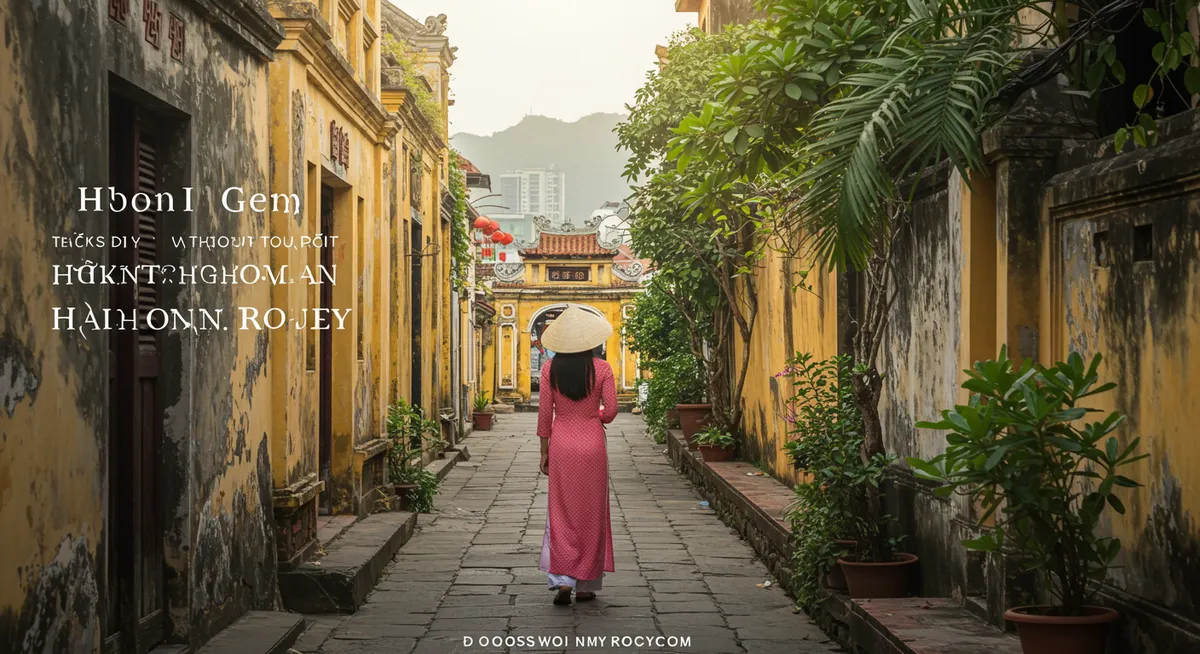
Haiphong, often overlooked by travelers rushing to Halong Bay, holds a vibrant charm waiting to be discovered. The best way to truly experience this port city’s unique blend of colonial elegance, bustling local life, and incredible culinary scene is by slowing down and exploring on foot. This comprehensive guide will equip you with everything you need to embark on your own unforgettable walking tours, uncovering Haiphong’s lesser-known treasures and authentic heart.
Key Tips and Takeaways
- Embrace the ‘slow travel’ philosophy: Haiphong reveals its true charm when explored on foot.
- Prioritize comfort and safety: Wear comfortable shoes, stay hydrated, and be mindful of traffic.
- Go off the beaten path: Don’t hesitate to explore narrow alleyways and local markets for authentic experiences.
- Indulge in street food: It’s an integral part of Haiphong’s culture and a delicious reward for walking.
- Connect with locals: A simple ‘Xin Chao’ (hello) can open doors to memorable interactions.
Why Walk Haiphong? The Undeniable Appeal
Haiphong, often overshadowed by its more famous Vietnamese counterparts, holds a distinct charm that truly comes alive when explored on foot. For the intrepid traveler seeking genuine encounters and authentic insights away from the typical tourist trails, lacing up your shoes and hitting Haiphong’s streets is not just a recommendation – it’s an absolute imperative. Here’s why walking Haiphong offers an undeniably rewarding experience:
The city boasts a remarkably compact and navigable city center. Unlike sprawling metropolises, Haiphong’s core attractions – from its grand French colonial architecture to bustling markets and serene pagodas – are all within comfortable walking distance of each other. This density means you can effortlessly transition from a tree-lined boulevard to a lively alleyway, maximizing your sightseeing without constant reliance on taxis or motorbikes. It’s a city designed for pedestrian exploration, allowing you to cover significant ground and immerse yourself deeply in its daily rhythm.
Walking Haiphong unveils its captivating unique architectural blend. The city served as a vital French colonial port, and its legacy is beautifully preserved in wide boulevards, elegant villas, and stately public buildings like the iconic Haiphong Opera House or the Haiphong Museum. These European influences stand in fascinating contrast to the vibrant, often chaotic, modern Vietnamese structures and traditional shophouses. With each step, you witness layers of history and culture, seeing how past and present coexist and evolve. It’s a photographer’s dream, offering endless compositions of faded grandeur and contemporary dynamism.
Perhaps the greatest draw for walkers is Haiphong’s vibrant street life and abundant street food opportunities. The pavements are a stage for daily life: vendors hawking their wares, families sharing meals on miniature plastic stools, craftsmen at work, and the incessant hum of local chatter. Walking allows you to be part of this tableau, not merely an observer. And as your senses awaken, the tantalizing aromas of Haiphong’s renowned street food will guide you. From the famous crab noodle soup (Banh Da Cua) to the crispy square crab spring rolls (Nem Cua Be) and the diminutive, yet delicious, Banh Mi Que, every few steps reveal a new culinary delight. Spontaneous stops at unassuming food stalls become the highlights of your journey, offering direct interaction with friendly locals and a taste of authentic flavors that simply can’t be replicated in a restaurant.
Finally, and perhaps most importantly, walking provides the unparalleled chance to discover Haiphong’s true ‘hidden gems’. While motorbikes whisk you past, on foot you can duck into narrow alleys, stumble upon charming local cafes, find tucked-away temples, or observe artisans at work in their tiny workshops. These are the moments that transform a simple visit into a memorable adventure – personal discoveries that lie far off the well-trodden tourist path. Haiphong thrives on these subtle details, and only by slowing down and embracing the unexpected can you uncover its deepest secrets.
Actionable Tips for Your Haiphong Walk:
- Wear Comfortable Shoes: You’ll be covering plenty of ground, so prioritize comfort.
- Go Early or Late: Mornings offer cooler temperatures and bustling market scenes, while late afternoons are perfect for sunset strolls and evening food hunts.
- Stay Hydrated: Haiphong can be warm and humid. Carry water and embrace spontaneous stops for sugarcane juice or iced coffee.
- Embrace the Unexpected: Don’t be afraid to wander down an intriguing alley. That’s where the real magic happens!
- Engage with Locals: A smile and a simple “Xin chào” can open doors to wonderful interactions.
Walking Haiphong is not just about getting from point A to point B; it’s about the journey itself – a sensory-rich exploration that reveals the city’s heart and soul, one authentic step at a time.
Preparing for Your Haiphong Walking Adventure
Embarking on a walking adventure through Haiphong’s hidden gems promises an authentic glimpse into the city’s vibrant life, colonial charm, and culinary delights. To ensure your exploration is comfortable, safe, and utterly enjoyable, a little preparation goes a long way. Haiphong, with its tropical climate and bustling streets, requires a thoughtful approach to packing and planning.
What to Pack for Your Urban Exploration
Lightweight and practical are the keywords when preparing for Haiphong’s humid conditions and active walking routes. Prioritizing comfort will make all the difference:
- Clothing: Opt for light, breathable fabrics like cotton or linen. T-shirts, shorts, and light trousers or skirts are ideal. Remember, modesty is appreciated when visiting temples or pagodas, so consider packing something to cover your shoulders and knees if you plan to visit religious sites.
- Comfortable Footwear: This is non-negotiable! Haiphong’s sidewalks can be uneven, and you’ll be covering significant distances. Comfortable, broken-in walking shoes or sturdy sandals with good arch support are essential. Leave the new, untested shoes at home.
- Sun Protection: The sun in Haiphong can be intense, even on cloudy days. A wide-brimmed hat, sunglasses, and high-SPF sunscreen are vital to protect yourself from harmful UV rays.
- Reusable Water Bottle: Staying hydrated is crucial. Carry a reusable water bottle and refill it frequently. Bottled water is readily available at convenience stores and small shops throughout the city.
- Small Backpack/Daypack: A lightweight daypack is perfect for carrying your essentials – water, sunscreen, a light jacket (for potential rain or air-conditioned spaces), and any souvenirs you pick up along the way.
- Portable Power Bank: Your phone will be your map, translator, and camera. A power bank ensures you don’t run out of battery mid-adventure.
Best Times to Walk in Haiphong
Timing your walks can significantly enhance your experience, helping you avoid the peak heat and enjoy the city at its most dynamic:
- Time of Day: Early mornings (before 9:00 AM) and late afternoons (after 4:00 PM) are highly recommended. Not only is the temperature more pleasant, but these times also offer a fantastic opportunity to witness local life unfold – from bustling markets to street food vendors setting up shop.
- Time of Year: The dry season, running from October to April, is generally the most comfortable period for free walking tours in Haiphong. Temperatures are milder, and there’s less chance of rain. The wet season (May to September) brings higher humidity and more frequent downpours, so if you travel during this time, be sure to pack a light rain jacket or a compact umbrella.
Essential Tools for Your Haiphong Journey
- Basic Vietnamese Phrases: While many locals in tourist areas may speak some English, knowing a few basic Vietnamese phrases goes a long way in showing respect and enhancing your interactions. Simple greetings like “Xin chào” (Hello), “Cảm ơn” (Thank you), and “Bao nhiêu?” (How much?) will be greatly appreciated.
- Local Currency (VND): The Vietnamese Dong (VND) is the official currency. While credit cards are accepted in larger establishments, cash is king for street food vendors, local markets, and small shops. Carry a mix of denominations, especially smaller bills, for convenience. ATMs are widely available for withdrawals.
- Essential Apps:
- Google Maps/Maps.me: Indispensable for navigation. Download offline maps of Haiphong beforehand to save data and ensure connectivity.
- Google Translate: A lifesaver for language barriers, especially with its camera translation feature for menus and signs. Download the Vietnamese language pack for offline use.
- Grab (or similar ride-hailing app): While you’re walking, having Grab on hand is useful for getting to and from your starting points, or if your legs need a break after a long day of exploring.
With these practical tips in mind, you’ll be well-prepared to uncover the hidden gems and vibrant character of Haiphong on foot, creating unforgettable memories along the way.
Hidden Gems Haiphong Walking Routes: Suggested Itineraries
🎯 Insider Tip: Discover the best Ho Chi Minh City experiences with Viator Tours!
Haiphong, often overlooked in favor of its more famous neighbors, holds a treasure trove of authentic Vietnamese experiences waiting to be discovered on foot. These suggested walking itineraries are designed to guide you through the city’s diverse facets, from grand colonial architecture to serene lakeside vistas and the vibrant pulse of local alleyways, revealing its true ‘hidden gems’ along the way.
Route 1: Colonial Core & Old Quarter Charm (Approx. 2-3 hours)
Focus: French colonial architecture, historical landmarks, bustling old streets.
This route immerses you in the graceful remnants of Haiphong’s French colonial past, blending grand historical structures with the lively, everyday rhythm of its old quarter. It’s ideal for those who appreciate history, architecture, and a touch of urban exploration.
- Haiphong Opera House: Begin your journey at this magnificent structure, a smaller replica of the Paris Opéra. Admire its intricate facade and the surrounding square. Look beyond the main thoroughfares into the quieter streets immediately adjacent to spot charming, well-preserved colonial-era residential buildings.
- Ga Dong (Old Railway Station): A short, pleasant walk brings you to the Old Railway Station, a historical landmark that speaks to Haiphong’s importance as a strategic port city. The area around it often features small, traditional Vietnamese coffee shops – perfect for a quick local brew.
- Le Chan Statue & Square: Pay homage to General Le Chan, the city’s revered founder. The expansive square around her statue is a great spot for people-watching and offers a sense of Haiphong’s civic pride.
- Post Office & French Colonial Villas: Wander the tree-lined boulevards such as Dien Bien Phu and Tran Hung Dao. Here, you’ll encounter the beautiful Post Office and numerous well-preserved French colonial villas. A true “hidden gem” is to peek through open gates or into courtyards of these villas – many still retain their original charm and architectural details, offering a glimpse into a bygone era.
- Exploring Nearby Alleyways: This is where the magic of the “old quarter charm” truly unfolds. Dive into the narrow ngõ (alleys) branching off main streets like Dinh Tien Hoang or Hoang Van Thu. Here you’ll discover tiny, authentic local cafes (look for plastic stools and bustling locals), small family-run businesses, traditional craft workshops (e.g., cobblers, tailors), and observe the unhurried pace of daily life away from the main roads. Don’t be afraid to get a little lost – friendly locals are generally happy to point you back to a main street.
Tips: Mornings or late afternoons are best to avoid the midday heat. Wear comfortable walking shoes, as you’ll be navigating varying terrains. Keep an eye out for intricate architectural details like old French tiles, ornate railings, and unique doorways.
Route 2: Lakeside Serenity & Local Flavors (Approx. 2-2.5 hours)
Focus: Tam Bac Lake, local markets, temples, and street food.
This route offers a delightful sensory experience, seamlessly blending the peaceful ambiance of Tam Bac Lake with the vibrant energy of local markets and the irresistible allure of Haiphong’s street food scene.
- Tam Bac Lake Stroll: Begin with a leisurely circumnavigation of the picturesque Tam Bac Lake. Observe locals engaging in morning exercises, fishing, or simply enjoying the tranquility. The newly renovated walkways and bridges offer excellent photo opportunities and a fresh perspective on the city.
- Flower Market (Chợ Hoa): Just a stone’s throw from the lake, the Flower Market is a kaleidoscope of colors and scents. While visible from the outside, the “hidden gem” here is to truly immerse yourself in the bustling atmosphere, observing the intricate arrangements being made and the lively bartering between vendors and customers, especially vibrant in the early morning.
- Hidden Pagodas/Temples: As you explore the streets immediately surrounding the lake (e.g., Hoang Van Thu or Dien Bien Phu), keep an eager eye out for discreet entrances to small, often ancient pagodas or communal houses (đình). These serene sanctuaries are often tucked away behind larger buildings or down quiet lanes, offering a peaceful escape and an intimate glimpse into local spiritual life. Entering respectfully is usually welcomed.
- Street Food Specialties: This route is a culinary treasure hunt. Seek out small, unassuming eateries or street vendors around the lake and market areas.
- Banh Đa Cua: Haiphong’s iconic red noodle soup with fresh crab. Look for signs saying “Bánh Đa Cua” or simply pick a spot bustling with locals.
- Nem Cua Be: Crispy square crab spring rolls, often served with fresh herbs and a tangy dipping sauce. Many vendors specialize in these.
- The real “hidden gem” is finding a nondescript stall that’s packed with locals – a sure sign of authentic, delicious food at unbeatable prices!
Tips: Come hungry! This route is best enjoyed on an empty stomach. Early mornings offer the most vibrant market scenes, while evenings provide a lovely ambiance around the lake. Carry small denominations of Vietnamese Dong (VND) for street food purchases.
Route 3: Authentic Alleyways & Artisan Trails (Approx. 2.5-3.5 hours)
Focus: Deeper dive into local life, traditional crafts, and lesser-known spots.
For the adventurous traveler, this route promises an authentic, unfiltered immersion into Haiphong’s daily rhythm. Prepare to step off the well-trodden path, get delightfully lost, and uncover the city’s true artisan heart.
- Specialized Streets: Venture into areas known for specific trades or goods. Streets like Bach Dang or Tran Nguyen Han, while major arteries, have hidden side lanes and sections dedicated to traditional medicine, hardware, or fabric. The “hidden gem” is to observe the intricate processes of various trades and to discover small, often unmarked workshops where artisans are actively crafting their wares.
- Hidden Communal Houses or Small Temples: Move beyond the obvious landmarks. Intentionally wander into residential ngõ (alleys), especially those branching off streets further from the city center, and you might stumble upon beautifully preserved small temples (chùa) or communal houses (đình). These are not tourist sites but serve local communities, offering an intimate look at spiritual and social hubs. Enter quietly and respectfully.
- Local Wet Markets (e.g., Cho Sat area): While Cho Sat market is well-known, the real “hidden gems” are the smaller, less formal side markets and the labyrinthine alleyways leading off it. This is where Haiphong’s daily life unfolds in its rawest form. Witness vendors selling fresh produce, live seafood, spices, and household goods. Observe the vibrant interactions, the diverse array of goods, and perhaps try a unique fresh fruit or snack from a local vendor.
- Observing Daily Life & Artisan Workshops: This entire route is an exercise in observation. Watch elderly residents chatting, children playing in courtyards, motorbikes expertly navigating narrow lanes, and the quiet rhythm of daily routines. Actively look for small, often unassuming workshops – a carpenter meticulously carving wood, a tailor hunched over a sewing machine, or someone skillfully repairing motorbikes. These are the true “hidden gems” of authentic Haiphong, offering a window into local craftsmanship and resilience.
Tips: This route requires a keen sense of adventure and comfort with navigating potentially unfamiliar territory (Google Maps can be a useful guide, but be open to delightful detours). It’s best experienced during weekday mornings when local activity is at its peak. Be respectful of privacy when observing residential areas and always ask for permission before taking photos of people. A small notebook might be useful for jotting down street names or interesting observations.
Beyond the Pavement: Connecting with Local Life
While Haiphong’s grand boulevards and colonial architecture offer a visual feast, the true heartbeat of the city often lies just beyond the main arteries, in the bustling alleys, vibrant markets, and humble street stalls. To truly connect with Haiphong’s authentic spirit, shed the tourist mindset and embrace the everyday rhythm of local life. This is where your walking tour transforms from a sightseeing expedition into an immersive cultural journey.
Embrace the Street Food Scene: Haiphong is a culinary powerhouse, and its street food is legendary. Don’t just walk past; take a leap! Look for small, unassuming stalls teeming with locals – a sure sign of deliciousness and authenticity. This is your chance to savor signature dishes like the iconic bánh đa cua (red noodle soup with crab) or crispy nem cua bể (sea crab spring rolls). The best approach? Point to what looks good, smile, and prepare for an explosion of flavors. Keep an eye out for cleanliness, but also understand that local standards might differ from home. A shared plastic stool and a steaming bowl of noodles can be your most memorable Haiphong experience.
Wander Through Local Markets: Even if you’re not planning to buy, a stroll through a local market like Chợ Sắt (Iron Market) or any smaller neighborhood market is an absolute must. These sensory explosions offer an unparalleled glimpse into daily life. Observe the lively bartering, the vibrant colors of fresh produce and exotic fruits, the unique array of spices, and the sheer energy of commerce. It’s a fantastic opportunity to practice a few Vietnamese phrases like “Xin chào” (hello) or “Cảm ơn” (thank you). Just be mindful not to disrupt vendors and ask permission before taking photos.
Connect with the Locals: Haiphong residents are generally friendly and curious, though English might not be widely spoken outside of tourist areas. Don’t let language barriers deter you. A warm smile, a friendly nod, or a simple “Xin chào” can open doors to surprising interactions. You might observe groups of men playing checkers on the sidewalk, women gossiping over a cup of trà đá (iced tea), or children playing in narrow alleys. These small observations are cultural insights in themselves. Respect local customs and always ask permission before taking photos of individuals.
Savor the Coffee Culture: Haiphong boasts a thriving cafe scene, from traditional spots serving strong Vietnamese filtered coffee (cà phê phin) to charming, modern cafes. Find a spot, grab a tiny plastic stool on the sidewalk, and order a coffee or fresh fruit juice. This is the perfect vantage point for people-watching and soaking in the city’s unique pace. It’s a moment to pause, reflect, and simply exist within the local flow, feeling the pulse of Haiphong beyond its historical landmarks.
By stepping “beyond the pavement” and actively engaging with these facets of Haiphong life, your walking tour transforms from a mere journey through streets into a genuine connection with the soul of the city.
Safety and Etiquette Tips for Walkers in Haiphong
Navigating Haiphong on foot offers an incredible immersion into local life, but it requires a keen awareness of your surroundings and a respect for local customs. Unlike walking in many Western cities, Haiphong’s urban landscape presents unique challenges and charming quirks. Here’s how to ensure a safe, respectful, and enjoyable walking tour experience.
Mastering the Motorbike Mingle
The first thing you’ll notice in Haiphong, like much of Vietnam, is the sheer volume of motorbikes. They are the lifeblood of the city, flowing like a continuous river. Don’t be intimidated; instead, learn to flow with them:
- Crossing Streets: This is a gentle art. Do NOT wait for a gap. Instead, step out slowly and steadily, maintaining a predictable pace. Motorbike drivers are experts at anticipating your movement and will swerve around you. Make eye contact if possible, but never suddenly stop, run, or change direction. This predictability is key.
- Sidewalk Savvy: Sidewalks are often multi-purpose – for parking motorbikes, setting up street food stalls, or even just as an extension of someone’s living room. Be prepared to step onto the edge of the road, always looking both ways (and behind you!).
- Listen Up: Horns in Vietnam are not for anger but for warning. A quick beep means “I’m here,” “I’m coming,” or “Watch out.” Get used to the symphony and use it as an audio cue to your surroundings.
Situational Awareness & Protecting Your Valuables
While Haiphong is generally safe, it’s always wise to be vigilant, especially in crowded areas like markets or near tourist attractions:
- Be Present: Avoid walking with headphones on or being constantly glued to your phone. Being aware of your surroundings helps you spot potential hazards or enjoy unexpected moments.
- Secure Your Belongings: Keep your wallet, phone, and passport in a secure place, like a front pocket or a cross-body bag worn across your chest. Avoid dangling bags or backpacks that are easily accessible to others.
- Low Profile: Don’t flash large amounts of cash or expensive electronics. It’s best to blend in and not draw unnecessary attention.
Respecting Local Customs & Etiquette
Vietnamese culture is rich and welcoming. A little respect goes a long way:
- Dress Code for Temples & Pagodas: When visiting religious sites like Du Hang Pagoda or Nghe Temple, ensure your shoulders and knees are covered. It’s a sign of respect. Carrying a lightweight scarf or sarong is a great idea for spontaneous visits.
- Photography: While most locals are happy to be photographed, always ask for permission before taking close-up photos of individuals, especially children, vendors, or those in traditional attire. A smile and a gesture, like pointing to your camera, usually works. Be mindful not to disrupt ceremonies or daily life.
- Bargaining: In local markets, a little friendly bargaining for souvenirs or clothes is expected, but always do so with a smile and good humor.
Stay Hydrated & Healthy
Haiphong’s tropical climate means it can be hot and humid. Staying hydrated is crucial for comfortable walking:
- Carry Water: Always have a bottle of water with you. You can buy bottled water everywhere, but consider a reusable bottle with a filter to reduce plastic waste.
- Embrace Local Hydration: Enjoy fresh coconut water (nước dừa) from street vendors or refreshing iced tea (trà đá) – they’re delicious and hydrating.
- Take Breaks: Don’t hesitate to duck into a local café for a Vietnamese iced coffee (cà phê sữa đá) or a fresh juice to cool down and re-energize.
In Case of Emergency
While unlikely, knowing what to do in an emergency provides peace of mind:
- Emergency Numbers:
- Police: 113
- Fire: 114
- Ambulance/Medical: 115
Be aware that English might not be widely spoken on these lines, so try to find a local to help you make the call if possible.
- Local Assistance: If you find yourself lost or in a minor predicament, try to approach a shop owner or a family with children. Vietnamese people are often incredibly helpful. A translation app on your phone can be invaluable.
- Important Documents: Keep a copy of your passport (physical and digital) separate from the original. Know your embassy’s contact details.
- First-Aid Kit: For minor scrapes or blisters from extensive walking, a small personal first-aid kit with bandages, antiseptic wipes, and pain relievers is highly recommended.
Connecting with Haiphong’s Walking Tour Ecosystem
Navigating a new city on foot can be an incredibly rewarding experience, especially in a vibrant place like Haiphong. To truly unlock the city’s hidden gems and make your walking adventures seamless and insightful, connecting with the local tourism ecosystem is key. From finding knowledgeable guides to leveraging modern convenience, here’s how to enhance your Haiphong exploration.
Finding Your Local Guide
While Haiphong’s tourism infrastructure is developing, offering a more authentic feel than some of Vietnam’s larger cities, discerning local agencies and independent guides do exist. A local guide can transform your walking tour from a mere stroll into a deeply immersive cultural journey, providing historical context, local anecdotes, and insights you’d never discover on your own. They can help you navigate local markets, translate interactions, and even introduce you to authentic street food vendors.
- Local Tour Agencies: Look for reputable local travel agencies specializing in Haiphong tours. Check online reviews on platforms like TripAdvisor or Google Maps. Many hotels can also recommend trusted local guides or small tour operators.
- Hotel Recommendations: Your hotel concierge or front desk staff are often excellent resources for finding reliable English-speaking guides, especially if you’re looking for a private, customized walking tour focusing on specific interests.
- University Students: For a more informal and budget-friendly option, sometimes tourism students from local universities offer guiding services as part of their studies or to gain experience. This might be arranged through university departments or local expat groups.
Leveraging Local Resources
Haiphong, like many cities, has official channels dedicated to assisting tourists. These resources can provide valuable free information that enhances your walking experience.
- Tourist Information Centers: Seek out Haiphong’s local tourism office or information centers, which are typically found near key landmarks or the city center (e.g., around the Haiphong Opera House area). Here, you can often pick up free maps, brochures, and general advice on attractions, public transport, and current events. Don’t hesitate to ask staff for recommendations on walking routes or local points of interest.
Connecting with Online Communities
The digital age has made connecting with fellow travelers and expats incredibly easy, offering a treasure trove of real-time advice and personal recommendations. Before or during your trip, tap into these online communities.
- Facebook Groups: Search for groups like ‘Expats in Haiphong,’ ‘Haiphong Travel Community,’ or similar keywords on Facebook. These groups are incredibly active and filled with individuals who live in or frequently visit Haiphong. You can post questions about recommended walking routes, ask for guide contacts, seek advice on safety, or even find meet-ups for group walks. The insights from people who live locally can be invaluable for discovering truly hidden gems.
- Travel Forums: While less immediate than Facebook groups, general Vietnam travel forums on platforms like Reddit or dedicated travel websites can also yield useful discussions and past recommendations for Haiphong.
Mastering Ride-Hailing Apps for Longer Distances
While the goal is to walk, sometimes you need a little help getting between distant walking zones, escaping an unexpected downpour, or returning to your accommodation after a long day of exploration. This is where ride-hailing apps become indispensable.
- Grab (Car & Bike): Grab is the dominant ride-hailing app in Vietnam and is fully operational in Haiphong. Download the app before you arrive and set up your account. It’s incredibly user-friendly and allows you to book rides with transparent, fixed pricing (either pay cash or link a credit/debit card).
- GrabBike: For solo travelers or short distances, GrabBike is often faster and cheaper, expertly weaving through traffic.
- GrabCar: For groups, comfort, or if you have luggage, GrabCar provides a comfortable, air-conditioned ride.
Using Grab ensures you avoid haggling over fares and provides a safe, convenient way to cover ground when your feet need a break or you’re connecting different parts of your walking itinerary.
By utilizing these local resources and technological conveniences, you can seamlessly navigate Haiphong, enrich your walking tour experience, and uncover the city’s unique charm with confidence and ease.
Expert Tips for Uncovering Haiphong’s True Spirit
🎯 Insider Tip: Discover the best Ho Chi Minh City experiences with Viator Tours!
To truly unlock the soul of Haiphong on foot, immerse yourself in its vibrant, everyday life. Beyond major sights, experience the city through its rhythms, tastes, and genuine interactions. Here are expert tips to transform your walking exploration into an unforgettable journey:
Embrace the Dawn: Witness Haiphong’s Awakening
- Rise Early: Before 6:00 AM, Haiphong comes alive. Cooler streets and palpable energy offer a unique perspective.
- Morning Market Bustle: Visit local markets like Cho Ga (Chicken Market) or Cho Sat. Witness vendors setting up and locals trading – a sensory explosion few tourists see.
- Breakfast Rituals: Join locals for an authentic start. Try *bún chả* (grilled pork with noodles) or crispy *bánh mì que* (thin baguette with pâté and chili sauce) – a Haiphong specialty.
Savor Local Brews and Bites: A Culinary Expedition
- Dive into Coffee Culture: Haiphong’s coffee scene is vibrant. Try *cà phê sữa đá* (iced milk coffee) or *cà phê đen đá* (iced black coffee) from street-side stalls.
- Seek Unassuming Eateries: The best food often comes from humble, local-packed spots with simple plastic furniture. Be brave and point!
- Haiphong’s Signature Flavors: Taste iconic dishes: *bánh đa cua* (Haiphong’s famous red noodle soup with crab), crispy *nem cua bể* (square crab spring rolls), or comforting *bún cá* (fish noodle soup).
Connect with Warmth: Basic Vietnamese Phrases
- Bridge the Language Gap: A few basic Vietnamese phrases will instantly endear you to locals and enhance interactions.
- Essential Phrases: “Xin chào” (Hello), “Cảm ơn” (Thank you), “Ngon quá!” (Delicious!), “Bao nhiêu tiền?” (How much?), “Cho tôi…” (Give me…).
- Experience the Smile: Locals appreciate the effort, often meeting you with smiles and helpful gestures.
Embrace Spontaneity: Haiphong’s True Hidden Gems
- Wander with Curiosity: Haiphong’s charm isn’t always on fixed itineraries. Turn down intriguing alleyways, follow new scents.
- Discover the Unexpected: In these unplanned detours, you’ll uncover true hidden gems: a tiny ancient temple, vibrant street art, bustling workshops, charming French colonial villas.
- Observe and Absorb: The beauty lies in Haiphong’s raw authenticity. Sit, watch life unfold, and absorb the unique energy. Its true spirit reveals itself one spontaneous step at a time.
Frequently Asked Questions
Q: Is Haiphong safe for walking tours, especially for solo travelers?
A: Yes, Haiphong is generally considered safe for solo travelers and walking tours during the day. As with any urban environment, exercise common sense: be aware of your surroundings, keep valuables secure, and avoid walking alone in poorly lit areas at night. Traffic can be chaotic, so always look both ways and cross roads cautiously.
Q: What’s the best time of year to visit Haiphong for walking tours?
A: The ideal time for walking tours in Haiphong is during the dry season, from October to April. Temperatures are cooler and less humid, making walking more comfortable. November to February offers the mildest weather. Avoid peak summer (June-August) due to high heat and humidity.
Q: Can I easily find English speakers if I get lost or need help?
A: While English is not as widely spoken in Haiphong as in major tourist hubs like Hanoi or Ho Chi Minh City, you’ll find some English speakers in hotels, larger restaurants, and tourist-oriented businesses. Locals are generally friendly and eager to help, even with language barriers. Having a translation app on your phone can be very useful for asking directions or ordering food.
Haiphong is a city that rewards the curious and the intrepid. By lacing up your shoes and stepping out, you unlock a world of hidden gems, from the grandeur of its colonial past to the authentic vibrancy of its daily life. Our ‘Hidden Gems Haiphong Walking Routes’ are just the beginning of your journey. So, pack your sense of adventure, prepare to be charmed, and discover the true, unvarnished spirit of Haiphong—one unforgettable step at a time.