
Free Walking Tours Whistler: Discover the Mountain Town (2026)
Explore Whistler with free walking tours showcasing its stunning scenery, villages, and hidden gems without spending a dime.
On this page
Whistler is renowned for its breathtaking landscapes and outdoor activities, but there’s no better way to uncover its charm than through free walking tours. This itinerary is designed to guide you through the beautiful pedestrian-friendly village and its surrounding nature, revealing iconic sights, local history, and artistic flair. Get ready to immerse yourself in the culture and stunning views while exploring the best of Whistler, all at no cost.
1. Start at Whistler’s Village Square
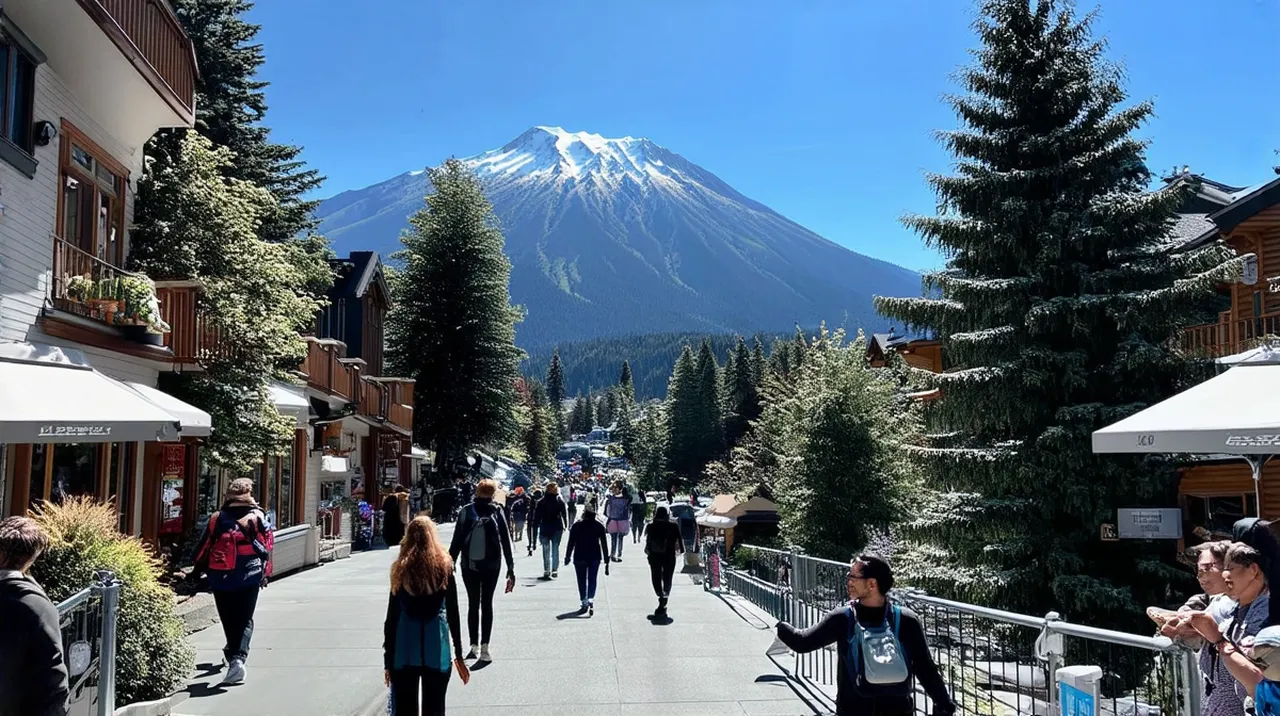
Your free walking tour in Whistler begins at the vibrant Village Square. This bustling area is the heart of Whistler, surrounded by shops, restaurants, and picturesque mountain views. Take a moment to appreciate the unique architecture, which fuses modern design with a cozy alpine atmosphere. As you explore, be sure to snap a few photos of the iconic Whistler Village backdrop.
The Village Square often hosts events and activities, enriching your walking experience. If you’re lucky, you might catch a local performance or festival. It’s also a great starting point for gathering information on other walking tours available in the area!
Pro Tip: Arrive early to enjoy the fresh mountain air and grab a coffee from one of the quaint cafes before starting your tour.
2. Explore the Scenic Paths Along the Valley Trail
The next leg of your Whistler walking tour takes you along the beautiful Valley Trail. This scenic pathway connects Whistler Village to various parks and lakes, making it ideal for a leisurely stroll. As you walk, you’ll be surrounded by stunning views of the mountains and lush forests. The trail is well-marked, which means you can wander freely while soaking up the breathtaking natural scenery.
The Valley Trail is perfect for wildlife spotting, so keep an eye out for deer, birds, and other animals that call this area home. This section of your tour is not only picturesque but also offers a peaceful escape from the more crowded sections of the village.
Pro Tip: Bring your camera and be ready to capture the changing landscapes as you walk!
3. Visit Whistler’s Iconic Olympic Plaza
Continuing on your journey, you’ll arrive at Whistler’s Olympic Plaza, a must-see highlight on your free walking tour. This impressive space was built for the 2010 Winter Olympics and features stunning landscaping, public art, and interactive installations. Here, you can take a moment to relax and reflect on the Olympic spirit that permeates the area.
Olympic Plaza often hosts events, such as live music or cultural festivals, which adds to its charm. While you’re here, be sure to take a stroll along the pond, where you might catch views of swans and people enjoying the sun. This is a fantastic spot to appreciate the fusion of art, culture, and nature.
Pro Tip: Check the events calendar for fun happenings during your visit, as you may discover live performances or local markets!
4. Discover Art and Culture at the Audain Art Museum
🌟 Local Expert Tip: Get the most out of your Whistler visit with guided tours!
The Audain Art Museum is a must-visit stop on your free walking tour in Whistler. This museum showcases a remarkable collection of British Columbia’s art, featuring works by renowned artists such as Emily Carr and Bill Reid. As you stroll through the museum, you’ll be captivated by both contemporary and historical pieces, all elegantly displayed in a modern architectural setting.
The museum hosts a variety of rotating exhibitions which provide insights into the region’s cultural heritage. Visitors can enjoy the peaceful surroundings of the nearby gardens, making it an ideal spot to reflect on the art you’ve encountered. Don’t forget to check the museum’s schedule for special events or guided tours that could enhance your experience.
Pro Tip: Admission is free on specific days, so plan your visit accordingly to save on costs!
5. Stroll Through Whistler’s Lively Farmers’ Market
No walking tour in Whistler is complete without a visit to the Farmers’ Market. Open on Sundays during the summer months, this vibrant market is a treasure trove of local produce, handmade crafts, and delicious snacks. As you walk through the stalls, you can taste everything from artisanal cheeses to fresh fruits, providing an authentic glimpse into the local food culture.
Take some time to chat with local vendors who are passionate about their products. Also, you might discover unique souvenirs or gifts that capture a taste of Whistler. The market’s lively atmosphere, combined with live entertainment, makes it an enjoyable stop on your walking tour.
Pro Tip: Arrive early to get the best selection of fresh goodies and enjoy the market vibe!
6. Enjoy the Views at Rainbow Park
Situated on the shores of Alta Lake, Rainbow Park is a scenic highlight of your walking tour in Whistler. This park is not only great for relaxation but also offers stunning views of the surrounding mountains. As you walk along the waterfront path, you can take in the panoramic scenery while the gentle breeze adds to the serene atmosphere.
The park features picnic areas and sandy beaches, perfect for a quick pause or a light lunch. You may also spot local wildlife, making it a great spot for nature enthusiasts. Don’t forget your camera to capture the picturesque landscape, especially during golden hours at sunrise or sunset.
Pro Tip: Bring a picnic blanket and spend some extra time enjoying the idyllic surroundings.
7. Learn About the History at the Whistler Museum
🌟 Local Expert Tip: Get the most out of your Whistler visit with guided tours!
The Whistler Museum is an essential stop on any free walking tour in Whistler. Here, visitors are invited to discover the rich history of this beautiful region. The museum offers engaging exhibits that detail Whistler’s transformation from a small logging town to a world-renowned ski destination. You can explore artifacts and photographs that tell stories of the local people and significant events.
This venue not only showcases the natural history but also promotes a deeper understanding of the cultural heritage. Taking some time to visit the Whistler Museum enriches your experience and gives you context for the stunning landscapes around you.
Pro Tip: Check the museum’s schedule for any special events or guided tours that might enhance your visit.
8. Take in the Scenery at Lakeside Park
Next on your walking tour is Lakeside Park, an idyllic spot that offers breathtaking views of both the lake and the mountains. This park is perfect for a leisurely stroll, and you can take a moment to breathe in the fresh mountain air. The path around the lake is surrounded by lush greenery, making it an ideal location for photography enthusiasts and nature lovers.
Lakeside Park features picnic areas, which provide a lovely spot to relax while taking in the stunning scenery. Don’t forget to pause at the waterfront to appreciate the serene beauty that defines Whistler’s landscape. Ultimately, this stop will leave you feeling rejuvenated.
Pro Tip: Arrive during sunset for spectacular views over Whistler’s famous mountains.
9. Best Time to Take Walking Tours in Whistler
Understanding when to embark on walking tours in Whistler can greatly enhance your experience. The best time is typically during the summer months, from June to September, when the weather is warm and outdoor activities abound. During this time, the beautiful landscapes are vibrant, with wildflowers blooming and wildlife being more active.
However, if you prefer fewer crowds, consider visiting during the shoulder seasons of late spring or early fall. These times offer mild weather and beautiful scenery, perfect for enjoying your self-guided walking tour. Regardless, always check the local forecast before heading out, as conditions can change rapidly in mountain regions.
Pro Tip: Early morning walks provide a tranquil experience and stunning views, especially with morning mist around the lake.
10. Tips for Making the Most of Your Free Walking Tour in Whistler
When embarking on Free Walking Tours Whistler, you want to ensure you have the best possible experience. arrive early to join a decent group and to manage your expectations about your guide’s availability. Wearing comfortable shoes is crucial, as you will be walking for several hours, sometimes on uneven terrain.
Be sure to check the weather forecast before your tour. Dress in layers, especially in mountainous regions where conditions can change rapidly. Also, don’t forget to carry a water bottle to stay hydrated. Finally, always tip your guides if you enjoyed the tour as a token of appreciation for their efforts.
Pro Tip: Consider joining a small group to enhance your walking tour experience and allow for a more personalized feel.
11. Where to Eat Along the Way in Whistler
Whistler offers a variety of culinary delights along the routes of the Free Walking Tours. Peaked Pies is a must-visit for their scrumptious savory pies, perfect for a quick bite. You can enjoy some delicious sushi at Sushi Village, which is conveniently located near many walking tour hotspots.
If you’re in the mood for a cozy café, Purebread is known for its delightful pastries and coffee, ideal for a mid-walk pick-me-up. For local flavors, The Bearfoot Bistro is a fine dining option that you should consider after your walking adventures. By planning your breaks efficiently, you can truly savor the local cuisine.
Pro Tip: Keep an eye out for food trucks along the way—these can offer some of Whistler’s best eats!
12. Nearby Day Trips or Extended Walking Tours Around Whistler
🌟 Local Expert Tip: Get the most out of your Whistler visit with guided tours!
If you’re looking to extend your adventure beyond Whistler, you’re in luck! Consider taking a day trip to Garibaldi Provincial Park. This stunning location features breathtaking hiking trails and picturesque vistas, enhancing your walking tour experience. Visiting Squamish allows you to explore the impressive Sea to Sky Gondola.
For those who prefer structured walking tours, a guided hike in Joffre Lakes Provincial Park can offer a more immersive experience with breathtaking views of turquoise lakes. Planning these additional excursions can significantly enrich your overall experience in the Whistler area.
Pro Tip: Always check trail conditions and remember to pack snacks for these extended adventures!
Free walking tours in Whistler offer a unique opportunity to explore this beautiful mountain town while enjoying nature, culture, and history without spending anything. With this guide, you can navigate the town’s highlights, find hidden treasures, and experience the local vibe. Ready to start your adventure in Whistler? Share your favorite spots or check out more walking tour options near this stunning area.
More Free Walking Tours in Canada
Exploring more of Canada? Check out free walking tours in Lake Louise, Kelowna, Victoria, and Banff Town.