
Free Walking Tours Tunis: Explore the Magic of Tunisia (2026)
Join free walking tours in Tunis to explore historic sites, vibrant markets, and hidden gems at no cost. Discover Tunisia’s rich culture!
On this page
Free walking tours in Tunis offer an immersive experience of Tunisia’s rich history and culture without the expense of guided tours. This itinerary will take you through the heart of Tunisian heritage, showcasing iconic landmarks, bustling souks, and picturesque streets that breathe life into the city’s fascinating past. Get ready to experience local lifestyle, enjoy unique attractions, and uncover hidden gems throughout your journey.
1. Start at the Medina of Tunis
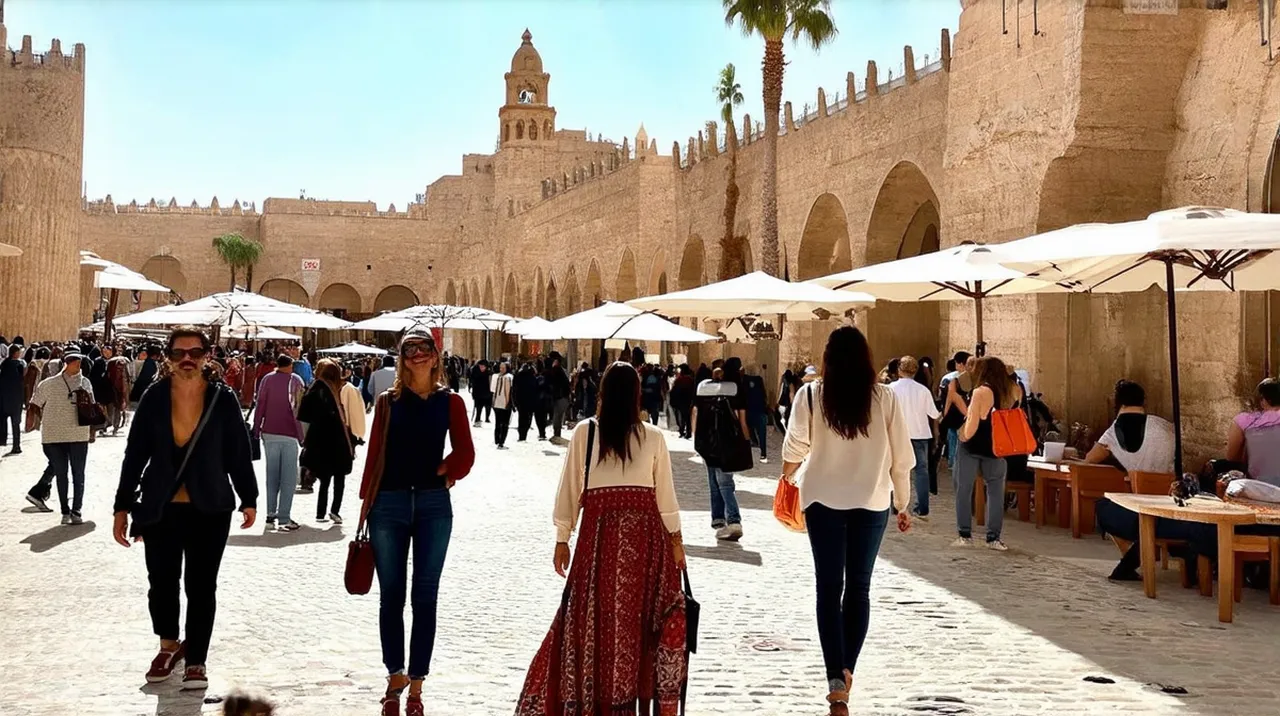
The Medina of Tunis serves as the perfect starting point for your Free Walking Tour. This UNESCO World Heritage site is a maze of narrow streets, bustling markets, and rich history. As you wander through the Medina, you will experience the vibrant culture, dotted with stunning Islamic architecture. Pay a visit to the Zaouia of Sidi Mehrez, a revered shrine that draws both locals and visitors alike. Be sure to explore the various artisan workshops where craftsmen produce traditional goods.
Your journey in the Medina can last a couple of hours, so wear comfortable shoes and be ready to immerse yourself in the local atmosphere. Don’t miss trying a sip of mint tea at a nearby café whether you choose a guided tour or a self-guided experience!
Pro Tip: Start early in the morning to beat the crowds and best experience the local way of life.
2. Discover the Bardo National Museum
Make your way to the Bardo National Museum, one of the jewels of Tunis. This museum houses an extensive collection of Roman mosaics and artifacts that showcase Tunisia’s rich history. As you explore the diverse exhibits, you will learn about the key Historical periods that shaped the region. The museum is housed in a beautiful 19th-century palace, providing stunning architecture to admire.
Allow yourself a few hours here, as there is much to see. Whether you’re a history enthusiast or a casual visitor, the Bardo National Museum is an essential stop. Your walking tour will be greatly enriched by the fascinating stories behind each exhibit.
Pro Tip: Admission often includes a guided tour, which can provide deeper insights into the exhibits!
3. Stroll Through Carthage’s Ruins
After visiting the museum, take a stroll through the ruins of Carthage. This ancient city is steeped in legend and history, with remains dating back to the Punic Wars. Walking through the ruins allows you to witness the remnants of temples and baths that once thrived here. Don’t miss the breathtaking view from the Tophet of Salammbô, where sacred burials took place, offering a glimpse into ancient practices.
The Roman amphitheater is a must-see. Allow plenty of time to soak in the atmosphere and capture stunning photos of the panoramic views of the coastline. The Carthage Walking Tour is ideal for both history buffs and those seeking a peaceful walk amongst stunning vistas.
Pro Tip: Check the sunset timings, as the views from Carthage can be breathtaking during golden hour.
4. Visit the Great Mosque of Zitouna
🎯 Insider Tip: Discover the best Tunis experiences with Viator Tours!
One of the highlights of any free walking tour in Tunis is the chance to visit the magnificent Great Mosque of Zitouna. Situated in the heart of the Medina, this mosque is not only an architectural marvel but also a center of religious learning. Established in the 8th century, its stunning minaret and intricate mosaics are a must-see.
During your visit, you can learn about the mosque’s important role in Tunisian history and its architectural significance. As you explore its courtyards, listen to the fascinating tales of scholars and pilgrims who have passed through. Respectful attire is required, so be prepared to cover up if necessary.
Pro Tip: Schedule your visit during prayer times to experience the mosque’s vibrant atmosphere.
5. Explore the Vibrant Souks of Tunis
Your city walking tour wouldn’t be complete without a stroll through the vibrant souks of Tunis. These bustling markets are alive with colors, sounds, and scents, offering everything from spices to handmade crafts. Navigate through narrow alleyways while bargaining for local goods, such as traditional carpets and intricate jewelry.
Make sure to pause and interact with local vendors; their insights enhance the shopping experience. The souks are perfect for capturing some stunning photographs. Keep your camera ready to document the lively atmosphere!
Pro Tip: Visit early in the day for a less crowded experience.
6. Walk in the Gardens of Belvedere
The Gardens of Belvedere serve as a serene escape during your walking tour. This park offers stunning views of the city and a chance to relax amidst lush greenery. You can enjoy peaceful pathways lined with palm trees, fountains, and sculptures, making it ideal for a leisurely stroll.
This area is home to the Pine Forest and various species of plants, providing a natural oasis just outside the urban hustle. As you walk, take a breather and savor the tranquility. In conclusion, the Gardens of Belvedere is the perfect spot to regroup before continuing your Tunisian adventure.
Pro Tip: Pack a picnic to enjoy in the gardens while soaking up the beautiful scenery.
7. Experience the Artistic Quarter of Sidi Bou Said
🎯 Insider Tip: Discover the best Tunis experiences with Viator Tours!
As you embark on your free walking tour in Tunis, don’t miss the chance to experience the artistic quarter of Sidi Bou Said. This enchanting village, characterized by its blue and white architecture, offers stunning views of the Mediterranean Sea. As you stroll through the narrow, cobbled streets, you’ll encounter local artists displaying their work, showcasing vibrant mosaics and intricate crafts. Sidi Bou Said is not just about picturesque buildings; it’s a cultural hub where art and history come together.
You can visit the famous Maison des Arts or stop for a refreshing mint tea at one of the charming cafés. Each corner of the quarter offers photography opportunities that capture the essence of Tunisian culture. Leave some time to simply wander and enjoy the artistic vibes surrounding you.
Pro Tip: Early mornings or late afternoons are best for fewer crowds and the best light for photography!
8. Enjoy the Scenic View from the Coastal Cliffs
The coastal cliffs near Tunis provide the perfect backdrop for a picturesque stop during your walking tour. As you hike along the cliffs, you will be rewarded with breathtaking views of the Mediterranean Sea. The refreshing sea breeze combined with the stunning vistas makes for a rejuvenating experience. You can take a moment to pause and absorb the beauty surrounding you.
Exploring the trails along the cliffs gives you a unique perspective of the coastline and nearby ruins. This area is less crowded than central Tunis, allowing you to soak in the tranquility of nature. Consider packing a small picnic to enjoy with a view, making your walking tour even more special.
Pro Tip: Bring your camera; the sunsets here are simply magical!
9. Best Time for Walking Tours in Tunis
The best time for walking tours in Tunis is during the spring (March to May) and fall (September to November). During these months, the weather is pleasantly mild, making it easy to explore the city on foot. The temperatures range from 20°C to 25°C (68°F to 77°F), perfect for long walks without overheating.
Visiting during these seasons allows you to experience fewer crowds at popular sites. You can enjoy a more intimate atmosphere as you explore the Medina or other Historical landmarks. However, keep in mind that summers can be sweltering, with temperatures often exceeding 35°C (95°F), making walking tours less enjoyable. Thus, plan your trip around these optimal times for the best experience!
Pro Tip: Always check the weather forecast before your tour and dress in layers for comfort!
10. Tips for Making the Most of Your Free Walking Tour
To truly maximize your experience on Free Walking Tours in Tunis, it’s essential to come prepared. Wear comfortable walking shoes, as the streets can be uneven and require plenty of exploration. Carry a reusable water bottle to stay hydrated during your walk. Since these tours are designed to be informative, make sure to bring a notepad or camera to capture your favorite moments and learnings.
Paying attention to the guide is crucial. Engage them with questions and be open to sharing your thoughts. For a smoother experience, it’s wise to check the weather forecast beforehand and dress accordingly. Lastly, take your time to soak in the rich culture and history, as rushing may cause you to miss out on valuable insights.
Pro Tip: Arrive a few minutes early to familiarize yourself with the meeting point and greet fellow walkers!
11. Where to Eat: Local Flavors Along the Way
As you embark on your walking tours in Tunis, don’t forget to indulge in the local cuisine. Throughout the city, fantastic eateries offer a glimpse into authentic Tunisian flavors. One must-try dish is the couscous, available at various small restaurants dotting the tour routes. These locations often serve traditional meals that reflect the city’s rich culinary heritage.
Make a stop at a local café for a refreshing mint tea or sample some delicious brik, a savory pastry filled with egg and herbs. Exploring the vibrant souks along your walking route also provides ample opportunities to taste local sweets, such as baklava and makroud. Experience the culinary delights of Tunis while on your walking tours, and remember that food is an integral part of the culture!
12. Nearby Day Trips for Extended Adventures
🎯 Insider Tip: Discover the best Tunis experiences with Viator Tours!
If you’re planning a longer stay in Tunis, consider exploring some nearby day trips that enrich your travel experience. Visit Carthage, located just a few miles from Tunis, to walk through its ancient ruins and learn about its fascinating history. The Roman Amphitheater of Carthage is a must-see attraction that highlights the artistry of ancient architecture.
Another fantastic option is to venture to Sidi Bou Said, a picturesque coastal village famous for its blue and white architecture. Enjoy a leisurely stroll through the streets filled with art galleries and shops. The Lake of Tunis offers a serene escape where you can relax and enjoy the views.
Pro Tip: Plan your day trips on weekends to avoid crowds and enjoy a more relaxed atmosphere!
Free walking tours in Tunis provide an incredible opportunity to explore the rich tapestry of Tunisian culture and history at no cost. Whether you’re unraveling the stories of ancient ruins or sampling local delicacies, this guide ensures you’ll have a memorable adventure in the capital of Tunisia. Join us in exploring, and don’t forget to share your experiences or check out more walking tours available in Tunisia!
More Free Walking Tours in Tunisia
Exploring more of Tunisia? Check out free walking tours in Hammamet, Douz, Bizerte, and Sousse.