
Free Walking Tours Olbia: Discover the City on Foot (2026)
Explore Olbia with free walking tours. Uncover local culture, history, and stunning scenery without spending a dime.
On this page
Free walking tours Olbia offer the perfect opportunity to immerse yourself in the city’s rich history and vibrant culture. Discover the charm of this coastal town, renowned for its lovely architecture, serene beaches, and welcoming locals, as you stroll through its picturesque streets. This comprehensive Itinerary will guide you through must-see landmarks, hidden gems, and scenic parks. Whether you’re a history buff or simply looking to enjoy the ambiance of Olbia, this walking tour promises an unforgettable experience without breaking the bank.
1. Start at Olbia’s Historic Town Center
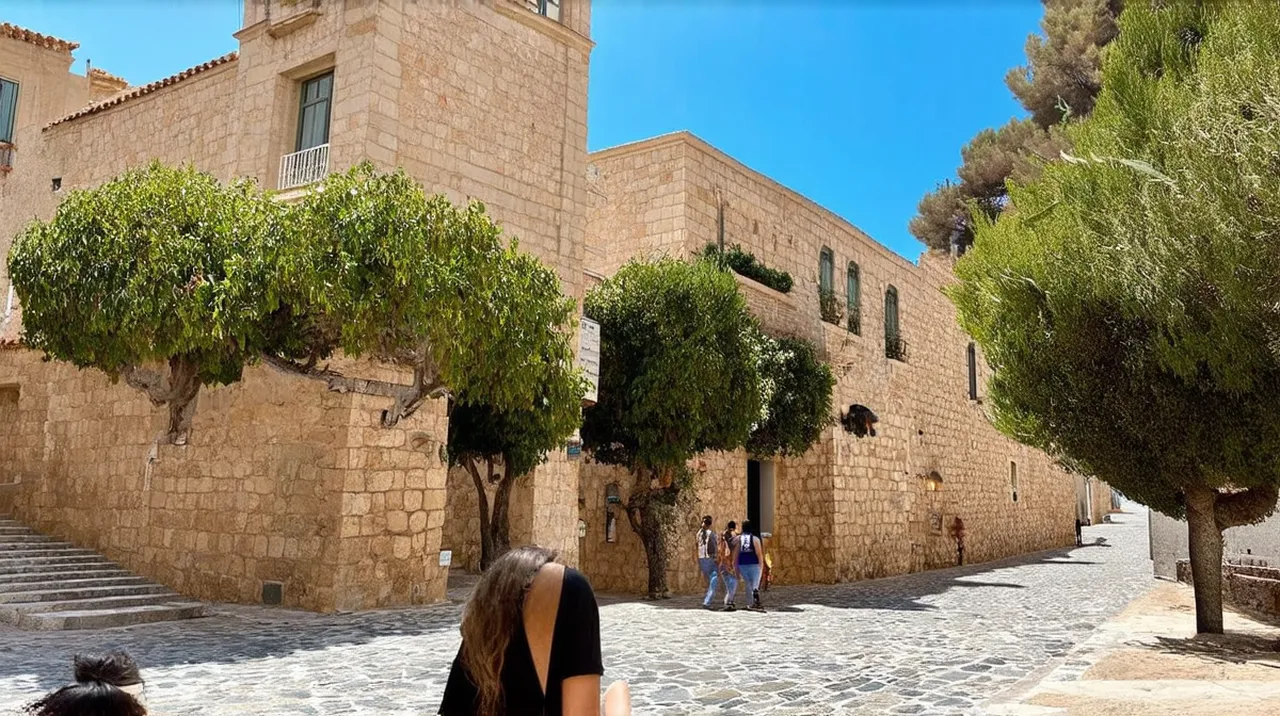
Your adventure starts in Olbia’s Historic Town Center, where cobbled streets are lined with charming cafes and shops. Take a moment to admire the architecture that reflects the city’s rich history. This area serves as the heart of Olbia, encapsulating a blend of modern life and historical significance. As you stroll, you will encounter the beautiful Church of St. Paul, which dates back to the 19th century, and is a must-see on any free walking tour of Olbia.
The town square, Piazza Matteotti, is an excellent spot to relax and observe local life. It is filled with stunning fountains, adding to its vibrant atmosphere. Remember to capture some photographs here as it marks the essence of Olbia.
Pro Tip: Start early in the morning to enjoy the quiet atmosphere and avoid crowds!
2. Explore the Archaeological Museum of Olbia
Next on your walking tour is the Archaeological Museum of Olbia, an essential stop for anyone interested in the city’s ancient past. This museum showcases a vast collection of artifacts from the Nuragic and Roman periods. Notably, the exhibits include stunning pottery and ancient coins that reveal much about the region’s history.
Walking through the museum allows you to connect with Olbia’s heritage deeply. It’s recommended to allocate around an hour for this visit. The museum also features informative displays; each tells a piece of Olbia’s story, making it an insightful experience for history buffs.
Pro Tip: Entry is often free, so be sure to check the museum’s opening hours before your visit!
3. Walk to the Famous Basilica di San Simplicio
Your walking tour continues as you make your way to the Basilica di San Simplicio, a stunning Romanesque church that dates back to the 11th century. Located just a short stroll from the museum, this iconic basilica is known for its beautiful stonework and serene ambiance. Upon arrival, take a moment to appreciate the intricate details of the facade.
This site is not only architecturally beautiful but also holds significant cultural importance. Inside, you will find exquisite frescoes and a peaceful atmosphere that invites reflection. If you’re lucky, you might even attend a local service for a truly immersive experience.
Pro Tip: Visit during the weekday mornings for a quieter experience and to fully appreciate the history.
4. Discover the Vibrant Streets of Olbia’s Old Town
🎯 Insider Tip: Discover the best Olbia experiences with Viator Tours!
Exploring the vibrant streets of Olbia’s Old Town is a must on your Free Walking Tour. As you wander through enchanting alleys, you’ll come across colorful buildings adorned with local art. The blend of history and modernity here is simply captivating.
Notably, you’ll find charming boutiques and cafés inviting you to take a break. The aroma of fresh pastries fills the air, making it hard to resist stopping for a taste. Remember to have your camera ready, as each corner offers a new photo opportunity. This area is bustling, especially on weekends, so expect to see both locals and tourists enjoying the lively atmosphere.
Pro Tip: Try to visit the Old Town early in the morning or late in the afternoon to avoid crowds.
5. Stroll Along the Stunning Waterfront Promenade
🎯 Insider Tip: Discover the best Olbia experiences with Viator Tours!
A stroll along the stunning waterfront promenade in Olbia is an unforgettable experience. Begin your walk at the harbor, where you’ll be greeted by the picturesque sight of yachts bobbing in the water. As you walk, enjoy the refreshing coastal breeze and beautiful views of the sea.
Along the promenade, there are several benches to sit and take in the scenery. Various street performers often entertain passersby, adding to the lively atmosphere. This area is also perfect for snapping beautiful selfies, especially during sunset when the colors in the sky are breathtaking.
Pro Tip: Bring a light jacket, as it can get breezy in the evenings!
6. Visit the Scenic Pittulongu Beach
No walking tour of Olbia is complete without a visit to the scenic Pittulongu Beach. Just a short walk from the town center, this beach boasts crystal-clear water and fine white sand, making it an ideal spot to unwind. First, take a leisurely stroll along the shoreline, where you can dip your toes in the refreshing Mediterranean Sea.
The beach is dotted with establishments where you can grab a bite to eat or sip a refreshing drink. Whether you prefer sunbathing or engaging in water sports, Pittulongu offers something for everyone. It’s an excellent place to relax and enjoy the natural beauty surrounding you.
Pro Tip: Arrive early to secure the best spot, especially during the summer months.
7. Learn About Local History at the Castle of Pedres
Visiting the Castle of Pedres is a must during your free walking tours in Olbia. This medieval fortress is perched on a hill and offers breathtaking views of the surrounding area. You’ll have the opportunity to learn about the castle’s history, built in the late 12th century to defend against invaders. As you wander through its ruins, your guide will share intriguing tales of its past, including its use as a military stronghold.
The blend of nature and history makes this location special. After exploring, you can pause to take in panoramic vistas of the lush landscape and the sparkling coastline. Be sure to bring your camera for photos that will capture the essence of Olbia’s heritage!
Pro Tip: It’s advisable to wear sturdy shoes since the terrain can be uneven.
8. Experience the Local Culture in a Traditional Market
No walking tour in Olbia is complete without immersing yourself in the vibrant atmosphere of a traditional market. The Mercato di Olbia is a feast for the senses, brimming with fresh produce, local cheeses, and artisanal goods. As you stroll through the market, you’ll hear the sounds of locals bargaining and enjoy the colorful displays of fruits and vegetables. This is the perfect place to taste authentic Sardinian treats.
Engage with passionate vendors who are eager to share their stories and culinary tips. This experience not only enriches your understanding of local cuisine but also connects you to the community. Don’t miss trying the local specialties — they’re not just delicious but a part of Olbian culture!
Pro Tip: Visit in the morning to see the market at its liveliest and freshest.
9. Best Time for Walking Tours in Olbia
🎯 Insider Tip: Discover the best Olbia experiences with Viator Tours!
The best time for walking tours in Olbia is during the spring and early autumn months. Specifically, between April and June and September to October, you can enjoy moderate temperatures and fewer tourists. This makes for a more enjoyable experience as you explore the historic streets and natural attractions.
Summer months can be quite hot, with temperatures often exceeding 30°C (86°F), which might make walking tours a bit strenuous. If you choose to walk during summer, early mornings or late afternoons are the ideal times to explore without the harsh midday sun.
Pro Tip: Check local event calendars; sometimes, walking tours coincide with outdoor festivals, offering an extra layer of cultural experience!
10. Enjoy a Relaxing Sunset at the Murta Maria Beach
Concluding your Free Walking Tour in Olbia at Murta Maria Beach promises a breathtaking experience. This scenic shoreline, with its golden sands and spectacular views, sets the perfect backdrop for relaxation. After a day of exploring the city’s rich history and culture, you can unwind while watching the sun dip below the horizon.
As you stroll along the beach, you’ll notice the vibrancy of the colors reflecting off the water, making it an ideal location for photography enthusiasts. This location is often less crowded, allowing for a more tranquil atmosphere. Take your time to soak in the beauty of the Sardinian coast.
Pro Tip: Arrive a bit early to secure a perfect spot for sunset viewing and enjoy the serenity of the beach.
11. Tips for Enjoying Your Free Walking Tour in Olbia
To make the most of your Free Walking Tour in Olbia, it’s essential to be prepared. Wear comfortable shoes, as you’ll be walking on varied terrains. Bring along a reusable water bottle to stay hydrated, especially during warmer days.
It’s also wise to consider joining a guided tour that is ‘tip-based’ to enhance your experience. Engage with your guide and ask questions—after all, they are local experts! Furthermore, downloading a map or an app can be helpful for self-guided walking tours, ensuring you don’t miss out on hidden gems.
Pro Tip: Early morning or late afternoon walks are ideal to avoid the heat and enjoy a more peaceful atmosphere.
12. Where to Eat in Olbia: Local Delights Along Your Route
While on your walking tour in Olbia, enjoy sampling local culinary delights. Start your culinary journey at Mercato di Olbia, a lively market where you can find fresh produce, cheese, and local delicacies. Visit a traditional trattoria for typical Sardinian dishes like culurgiones or porcetto.
Another noteworthy stop is a cozy café where you can sip on caffè leccese, a delicious refreshing coffee. Also, don’t skip dessert! Try the sweet, melt-in-your-mouth seadas, a local pastry filled with cheese and drizzled with honey.
Pro Tip: Look out for special offers or local festivals to sample even more dishes during your walking tour!
Taking free walking tours in Olbia allows you to explore this charming town’s beautiful landmarks, coastal views, and bustling local life at no cost. From Historical sites to serene beaches, this guide showcases the best of what Olbia has to offer for walking enthusiasts. Ready to wander through Olbia? Share your experiences with us and consider checking out more walking tours throughout Sardinia for a broadened adventure.
More Free Walking Tours in Italy
Exploring more of Italy? Check out free walking tours in Ferrara, Turin, Bellagio, and Montepulciano.