
Free Walking Tours Matsumoto: Discover the City on Foot (2026)
Join free walking tours in Matsumoto and explore stunning sites like Matsumoto Castle, Nakamachi Street, and the beautiful parks.
On this page
Free walking tours Matsumoto offer visitors a delightful way to immerse themselves in this historic Japanese city without any cost. This itinerary will guide you through Matsumoto’s picturesque landscapes, iconic attractions, and cultural experiences, all while walking at your own pace. Expect to visit key highlights, learn about the local history, and indulge in unique experiences that make Matsumoto a must-visit destination.
1. Start at Matsumoto Castle
Begin your Free Walking Tour in Matsumoto at the stunning Matsumoto Castle. This iconic structure, known as the “Crow Castle” due to its black exterior, offers a fascinating glimpse into Japan’s feudal past. As you explore the castle grounds, you’ll not only admire the beautiful architecture but also learn about its historical significance. Don’t forget your camera! The view of the castle against the backdrop of the Northern Alps is breathtaking.
After soaking in the history, you can enjoy the serene surrounding park, providing ample opportunities for photography or quiet reflection. This landmark serves as the perfect starting point for your journey through the city’s rich culture and history.
Pro Tip: Arrive early in the morning to beat the crowds and enjoy the serene atmosphere around the castle.
2. Stroll Through Nakamachi Street
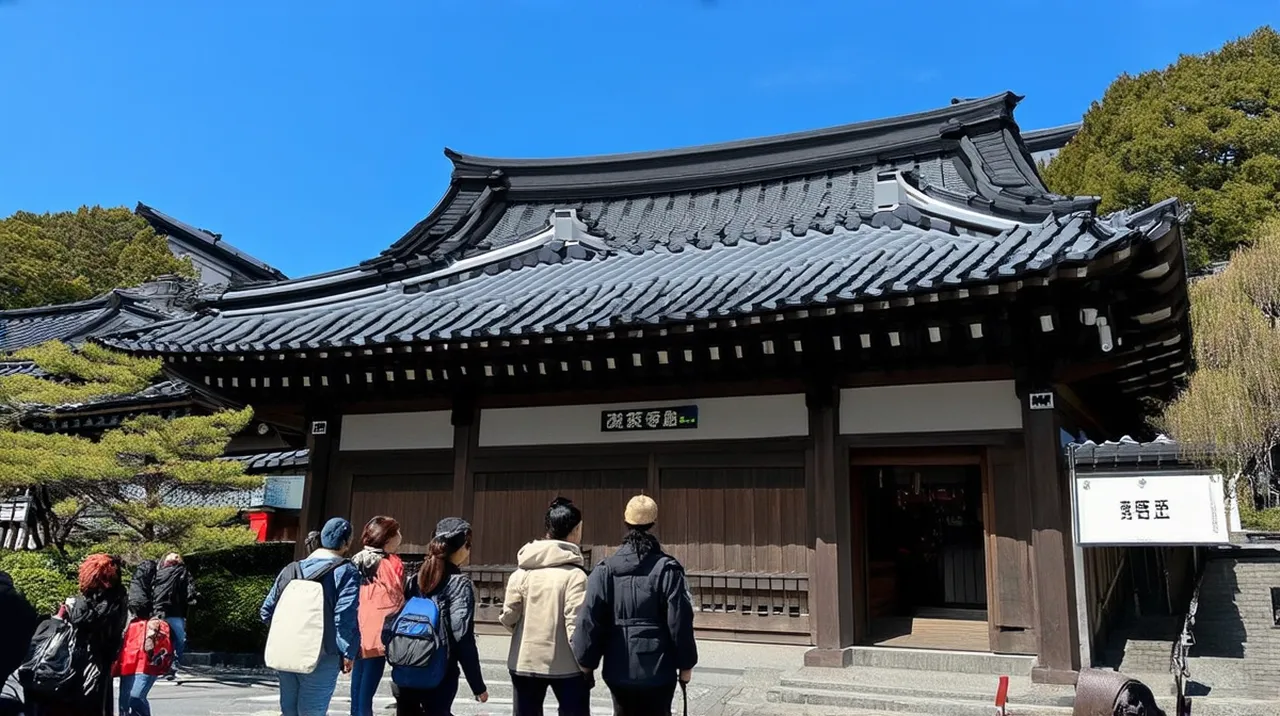
Take a leisurely stroll through Nakamachi Street, a charming area lined with traditional **wooden storefronts** and craft shops. This pedestrian-friendly street embodies the essence of Matsumoto’s culture, featuring local artisans and unique souvenirs. While walking, observe the beautifully preserved architecture, which reflects the town’s rich mercantile history.
As you explore, you will encounter inviting cafes offering refreshing local drinks. Feel free to stop and indulge in some authentic Matsumoto flavors. This area is particularly lively during festivals, adding to the vibrant atmosphere.
Pro Tip: Look for shops selling handmade washi paper products, a local specialty that makes perfect souvenirs.
3. Discover the Art at Matsumoto City Museum of Art
Your walking tour continues with a visit to the Matsumoto City Museum of Art. This museum features an impressive collection of modern and traditional art, emphasizing works by local artists, including the notable Yayoi Kusama. The museum is not only a feast for the eyes but also an educational experience that deepens your appreciation for the region’s artistic contributions.
After exploring the museum, take a moment to relax in the adjacent park. This is a perfect spot to reflect on the art you’ve just seen while enjoying the fresh air. The Matsumoto City Museum of Art is an enriching stop on your free walking tour, providing a deeper understanding of Matsumoto’s creative pulse.
Pro Tip: Check the museum’s schedule for special exhibitions or events, as they often host unique art showcases.
4. Walk Along the Metoba River
⭐ Recommendation: Don't miss out on amazing Matsumoto tours - book now!
Walking along the Metoba River offers a refreshing break during your exploration of Matsumoto. This scenic route provides a unique perspective of the city, allowing you to enjoy the natural beauty that surrounds it. As you stroll along the riverside, take in the vibrant landscapes, dotted with cherry blossom trees and quaint bridges.
The walking path is well-maintained and suitable for all ages, making it perfect for families and solo travelers alike. While walking, you may also encounter local artists showcasing their talents, adding a cultural touch to your walk. Don’t forget your camera to capture the picturesque scenery!
Pro Tip: Early morning walks offer a peaceful atmosphere, ideal for reflecting and enjoying nature.
5. Visit the historical Nakamachi District
⭐ Recommendation: Don't miss out on amazing Matsumoto tours - book now!
The Nakamachi District is a must-see on your journey through Matsumoto. Renowned for its well-preserved Historical buildings, this area allows you to step back in time. As you wander along the charming streets, you’ll find traditional merchant houses and unique shops, each telling a story of the past.
Many of these buildings are also home to quaint cafés and galleries, where you can take a break and savor local delicacies. This district provides an immersive experience in Matsumoto’s culture and architecture. Plan to spend some time here to fully appreciate the artistry and history that surrounds you.
Pro Tip: Don’t forget to explore the side streets for hidden gems, away from the main tourist paths.
6. Explore the Scenic Matsumoto Alps Park
Matsumoto Alps Park is an idyllic setting that beautifully showcases the stunning natural landscape of the region. Located just a short distance from the city center, this park is perfect for those looking to escape the urban environment. As you traverse through the park’s well-marked paths, you’ll be greeted by breathtaking views of the surrounding alps.
The park features various gardens and flower displays, which blossom in vibrant colors, especially in spring. This area is perfect for a relaxing stroll or a family picnic, making it a delightful stop during your free walking tours. Make sure to bring a light meal and enjoy it while soaking in the panoramic views!
Pro Tip: Visit during sunrise or sunset for the most stunning photo opportunities.
7. Join a Local Free guided Walking Tour
Joining a local free guided walking tour is an excellent way to experience Matsumoto’s charm. These tours typically start at popular landmarks, such as Matsumoto Castle, and cover various attractions in the city. The guides are often locals who share fascinating stories and insights about Matsumoto’s history and culture.
During these walking tours, participants can engage with the community and ask questions about the city. The tours cater to different interests, ranging from architecture to local folklore. Be sure to check the schedule ahead of time, as these free tours might have specific operating days. Embracing this opportunity allows you to experience Matsumoto through the eyes of someone who knows it best.
8. Best Times for Walking Tours in Matsumoto
The best times for walking tours in Matsumoto are during spring and autumn when the weather is mild and the landscapes are spectacular. In spring, cherry blossoms paint the city in soft pink hues, making it a picturesque season to explore.
Conversely, autumn brings vibrant foliage, providing a stunning backdrop for your walking adventures. Morning and late afternoon are ideal for tours, as the temperatures are generally comfortable. Planning your tour around these times ensures a pleasant experience while discovering all that Matsumoto has to offer. Don’t forget to dress in layers to adapt to changing weather conditions.
9. Find the Best Viewpoints in Matsumoto
⭐ Recommendation: Don't miss out on amazing Matsumoto tours - book now!
Finding the best viewpoints in Matsumoto can enhance your walking tour experience significantly. The top of Matsumoto Castle offers breathtaking panoramas of the surrounding city and the majestic Japanese Alps. Another excellent spot is the Taiko Bridge, where you can capture stunning reflections of the castle in the river.
Matsumoto Alps Park provides sweeping views of the mountains, particularly during sunrise and sunset when the colors are phenomenal. If you’re exploring on a clear day, don’t forget to bring your camera to capture those unforgettable moments. Make sure to ask your guide for additional hidden gems if you join a local tour.
10. Tips for Your Free Walking Tour in Matsumoto
Embarking on free walking tours in Matsumoto can be a delightful experience, but a few tips can enhance your adventure. Wear comfortable shoes because you’ll be walking for a couple of hours. To maximize your experience, it’s important to arrive early to join the tour and secure a good spot. Grab a local map so you can navigate easily during your self-guided sections.
Don’t forget to bring water to stay hydrated, especially during warmer months. Also, consider using public transportation if your start point is far from your accommodation. Remember, these tours are usually tip-based, so be sure to carry small change if you enjoyed the experience. Lastly, engage with your guide, as they can share unique insights and recommendations for spots you might miss otherwise.
11. Where to Enjoy Local Cuisine Along the Tour
A walking tour isn’t complete without exploring the culinary delights of Matsumoto. As you stroll through the picturesque streets, make sure to stop at local eateries that showcase authentic Japanese cuisine. Check out Nakamachi Street, where you can find numerous traditional restaurants offering soba noodles and yakitori.
Grab a sweet treat at a local wagashi shop to satisfy your sweet tooth. You can also consider stopping by the famous Matsumoto Castle area, where charming cafes serve delicious matcha lattes and fresh pastries. Lastly, don’t miss the vibrant food stalls scattered throughout the city, especially during weekend markets, where you can taste local specialties.
12. Nearby Day Trips from Matsumoto
Matsumoto serves as a perfect launching point for various nearby day trips. First on the list is the stunning Kamikochi, a breathtaking mountainous area ideal for hiking and nature walks. Just a two-hour bus ride connects you to crystal-clear rivers and scenic trails, making it an excellent choice for outdoor enthusiasts.
Consider visiting the Norikura Plateau, famous for its beautiful alpine landscapes. The area boasts several walking routes and is perfect for a day spent in nature. Finally, you can explore the historic Kiso Valley, where you can wander through post towns like Tsumago and Magome, famous for their preserved Edo-period architecture. Each trip provides a glimpse of Japan’s stunning natural beauty and cultural heritage.
Participating in free walking tours in Matsumoto allows you to experience the city’s rich culture, Historical landmarks, and stunning scenery without breaking the bank. Whether you’re an experienced traveler or visiting for the first time, the charm of Matsumoto awaits you. Don’t forget to share your experiences, leave a comment, or explore even more walking tours in Japan.
More Free Walking Tours in Japan
Exploring more of Japan? Check out free walking tours in Nagasaki, Kumamoto, Niseko, and Hiroshima.