
Free Walking Tours Managua: Explore the City Easily (2026)
Join free walking tours in Managua to discover popular sites, hidden gems, and vibrant local culture without the cost.
On this page
Free walking tours in managua offer an incredible opportunity to explore the heart of Nicaragua’s capital without spending a dime. This itinerary will guide you through the city’s rich history, stunning architecture, and colorful neighborhoods, showcasing both iconic landmarks and hidden gems. Expect to gain unique insights about Managua’s culture, traditions, and attractions while navigating through streets filled with vibrant life and history.
1. Start at Plaza de la Revolución in Managua
The journey of Free Walking Tours in Managua begins at the lively Plaza de la Revolución. This iconic square is not only a central gathering point but also holds immense Historical significance. As you stand in the plaza, you will notice the prominent Monumento a los Héroes y Mártires, a tribute to Nicaragua’s revolutionaries.
Walking through this area, you can observe the vibrant local life and architecture around you. It’s a wonderful opportunity to snap some photos and get your bearings before setting off on your walking tour. Be sure to take in the atmosphere and learn from your guide about the revolutionary history that shaped the country.
Pro Tip: Arrive early to enjoy the tranquility of the plaza before the crowds gather.
2. Walk to the Historic Old San Juan Church
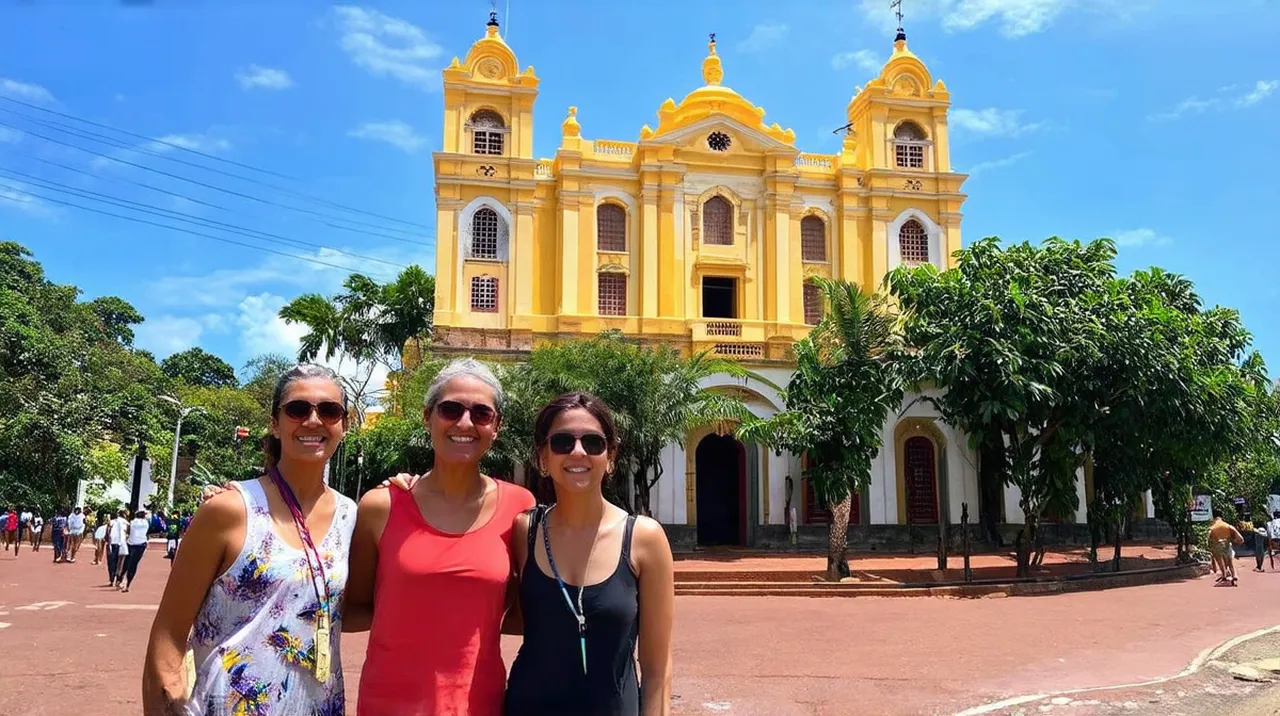
Your walking tour will take you towards the Historic Old San Juan Church, a splendid example of colonial architecture. This church is one of the oldest in Managua and boasts a captivating history. As you walk along, listen to your guide share tales about its construction and the cultural importance it holds for local residents.
The contrast of the church’s serene ambiance with the hustle of the city makes it a perfect stop during your city walking tour. Don’t forget to take a moment for reflection or to capture some photographs!
Pro Tip: Wear comfortable shoes, as you will be walking through cobblestone streets.
3. Discover the National Palace of Culture
Your Free Walking Tour continues as you arrive at the impressive National Palace of Culture, a monumental building that showcases stunning neoclassical architecture. Here, you’ll find various cultural exhibits and beautiful gardens that are open to the public. This site is not only a feast for the eyes but also a crucial part of Managua’s history.
As you explore, make sure to engage with the local guides, who are filled with fascinating stories and insights about Nicaragua’s art and culture. This stop truly enriches your understanding of the nation’s heritage, making your walking tour even more memorable.
Pro Tip: Check out the rotating exhibits in the palace; there’s often something new and exciting!
4. Stroll Through Loma de Tiscapa Park
💡 Pro Tip: Book your Managua adventures in advance through Viator for the best deals!
Your free walking tour in Managua wouldn’t be complete without a leisurely stroll through Loma de Tiscapa Park. This scenic park offers breathtaking views of the city and is situated on a hill, which makes it an ideal spot for photos. As you walk through the lush greenery, take a moment to breathe in the fresh air and appreciate the local flora.
The park is home to several Historical landmarks, including the Presidential Palace and a large monument to the Sandinista Revolution. Firstly, ensure you bring your camera to capture the stunning vistas. You can enjoy a relaxed pace, enabling you to fully absorb the beauty and tranquility of the surroundings.
Pro Tip: Visit during the early morning or late afternoon to avoid the heat and enjoy a cooler walking experience.
5. Explore Managua’s Beautiful Lake Xolotlan
Continuing on your adventure, the Lake Xolotlan is a must-see destination on your walking tour. This picturesque lake not only serves as a focal point of the city but also is steeped in Nicaraguan history. As you walk along the lake’s shores, be sure to pay attention to the vibrant birdlife and local fishermen who often populate the area.
The lake’s surrounding landscapes offer a relaxing atmosphere, ideal for rest and reflection. You might even consider renting a small boat for a short ride. The beauty of Lake Xolotlan will certainly leave a lasting impression, making it one of the most memorable stops during your free walking tour in Managua.
Pro Tip: Bring a light snack and enjoy a peaceful break while observing the sunset over the lake.
6. Visit the Impressive Rubén Darío National Theater
Your next highlight on this walking tour is the impressive Rubén Darío National Theater, a cultural gem of Managua. Known for its striking architecture, the theater hosts various shows and performances, showcasing Nicaragua’s artistic spirit. Firstly, consider joining a guided tour inside, if available, to learn about its history and significance in Nicaraguan culture.
In addition to admiring the grand foyer and stage, make sure to take note of the theater’s beautifully adorned murals that tell stories of local legends. This stop not only enriches your understanding of Nicaragua’s arts but also aids in grasping the national identity. It’s an essential component of any free walking tour in Managua.
Pro Tip: Check if there are any performances during your visit for a chance to experience Nicaraguan theater.
7. Enjoy the Colorful Streets of the Oriental Market
💡 Pro Tip: Book your Managua adventures in advance through Viator for the best deals!
As you embark on your Free Walking Tours in Managua, a vibrant stop is undoubtedly the Oriental Market. This bustling market is a feast for the senses, filled with bright colors, enticing aromas, and the sounds of lively commerce. You can experience authentic Nicaraguan culture here, as the market showcases local crafts, handmade goods, and fresh produce. It’s a perfect opportunity to try traditional street food, from savory empanadas to sweet churros.
While strolling through the narrow alleyways of the market, don’t forget to interact with the friendly vendors. You can learn more about their crafts and stories, adding depth to your walking tour. Grab a souvenir or two to remember your adventure in Managua! The Oriental Market truly captures the essence of local life.
Pro Tip: If possible, visit in the early morning to enjoy cooler temperatures and fewer crowds.
8. Learn from Local Guides on Free Walking Tours
One of the best aspects of Free Walking Tours in Managua is the opportunity to learn from local guides. These knowledgeable individuals provide a unique insight into the city’s history, culture, and hidden gems. They often share personal anecdotes and lesser-known facts that enrich your experience. By opting for a local guide, you contribute to the community economically, which is a significant benefit of these tours.
Engaging with your guide allows for a more interactive experience. You can ask questions, request recommendations, and receive first-hand advice about navigating Managua. Embrace this knowledgeable resource to enhance your journey through the city.
9. Best Time for Walking Tours in Managua
When considering the best time for walking tours in Managua, keep in mind the climate and activities happening in the city. Generally, the ideal months range from November to April, during the dry season, offering pleasant temperatures and ample sunshine. Early mornings or late afternoons are great times to explore the city as you can avoid the midday heat.
Participating in free walking tours during local festivals or events can provide a more vibrant experience. You may encounter parades, local art displays, or music festivals that enrich the tour. Check the local calendar of events before planning your visit to maximize your experience in Managua.
10. End Your Tour with Local Cuisine at Mercado Roberto Huembes
After an exciting day of exploring the city on Free Walking Tours in Managua, a visit to Mercado Roberto Huembes is a must. This vibrant market is a treasure trove of local flavors and dishes that reflect the culinary richness of Nicaragua. Here, you can indulge in popular local dishes such as gallo pinto, nacatamales, and freshly squeezed juices.
Mercado Roberto Huembes offers an authentic atmosphere where you can interact with locals. As you enjoy your meal, take a moment to appreciate the lively environment filled with vibrant colors and enticing aromas. This market not only satisfies your hunger but also provides an enriching cultural experience.
Pro Tip: Try the street food stalls in the market for affordable and delicious options!
11. Tips for a Great Experience on Free Walking Tours in Managua
To make the most of your Free Walking Tours in Managua, consider these helpful tips. Wear comfortable shoes since you will be walking for a couple of hours. Bring a small backpack for water and snacks, as staying hydrated is important during your tour.
Don’t hesitate to engage with your guide; they often share fascinating stories that enrich your experience. It’s also a good practice to check if any walking tour is tipping-based, as a small gratuity is appreciated by the guides who provide their time and insights for free.
Pro Tip: Arrive early to secure a good spot and ensure you have enough time to explore each site!
12. Where to Grab a Bite Nearby in Managua
💡 Pro Tip: Book your Managua adventures in advance through Viator for the best deals!
After your walking tour, you might be looking for a place to refill your energy. Fortunately, Managua has several great options nearby to satisfy your appetite. For instance, the El Cua Cua restaurant is famous for its delicious local dishes and warm ambiance.
Alternatively, if you’re in the mood for something quick, head to La Casa de los Abuelitos to try their tasty street food options. Both options offer a fantastic way to experience Nicaraguan cuisine while enjoying the lively atmosphere of the city. You’ll be able to relish the flavors of Managua after your adventure!
Pro Tip: Don’t miss trying a vigorón—a local favorite that will surely delight your taste buds.
13. Nearby Day Trips for Extended Exploration
If you’re enjoying Free Walking Tours in Managua and want to explore further, there are several nearby day trips that you’ll find captivating. First, consider a visit to the Masaya Volcano National Park, located just 20 kilometers from the city. Here, you can witness one of the most active volcanoes in the world and enjoy stunning views from the rim. The nearby town of Granada is famous for its well-preserved colonial architecture and vibrant culture, making it an excellent destination for a self-guided walking tour.
Another great option is Laguna de Apoyo, a beautiful crater lake perfect for swimming and relaxation. This serene spot offers various activities, from kayaking to enjoying a meal at lakeside restaurants. Consider combining these day trips with your walking tour experience for a more comprehensive understanding of Nicaragua’s rich heritage.
Pro Tip: Always check local travel advisories and transportation options in advance to make the most of your day trips.
Remember, these excursions can add a different flavor to your adventure in Managua while naturally extending your walking tour experience!
Navigating through Managua with free walking tours allows you to connect deeply with its culture and history while enjoying the vibrant atmosphere. Whether you’re exploring the city’s Historical sites, chatting with local guides, or sampling treats at the market, this itinerary ensures an unforgettable experience. Ready to start your journey? Share your thoughts or tell us about more free tours to try in Nicaragua!