
Free Walking Tours Kumamoto: Discover the City on Foot (2026)
Embark on free walking tours in Kumamoto to explore historic sites, cultural gems, and scenic beauty without spending a yen.
On this page
Kumamoto, a city steeped in history and culture, is perfect for exploration through free walking tours. This itinerary takes you through the charming streets, historic landmarks, and hidden gems that define Kumamoto’s unique character. Experience the beauty of Kumamoto on foot while appreciating its rich heritage and breathtaking scenery, all at no cost. Get ready for an adventure that promises cultural immersion and unforgettable memories.
1. Start at Kumamoto Castle and Its Surrounding Park
The Free Walking Tours in Kumamoto often commence at the magnificent Kumamoto Castle. This iconic landmark, renowned for its impressive architecture, is surrounded by a beautiful park that enhances its picturesque setting. Take some time to explore the castle grounds, which feature traditional Japanese gardens and cherry blossom trees that bloom in spring.
Join a friendly local guide who will share fascinating stories about the castle’s rich history, including its role during the Satsuma Rebellion. Walking here provides an excellent start to your city walking tour as you learn about the resilience of this historic structure. Be prepared to snap some stunning photographs along the way!
Pro Tip: Arrive early to enjoy a peaceful stroll before the crowds gather.
2. Wander Through the Samurai Residences in Tsubaki no Sato
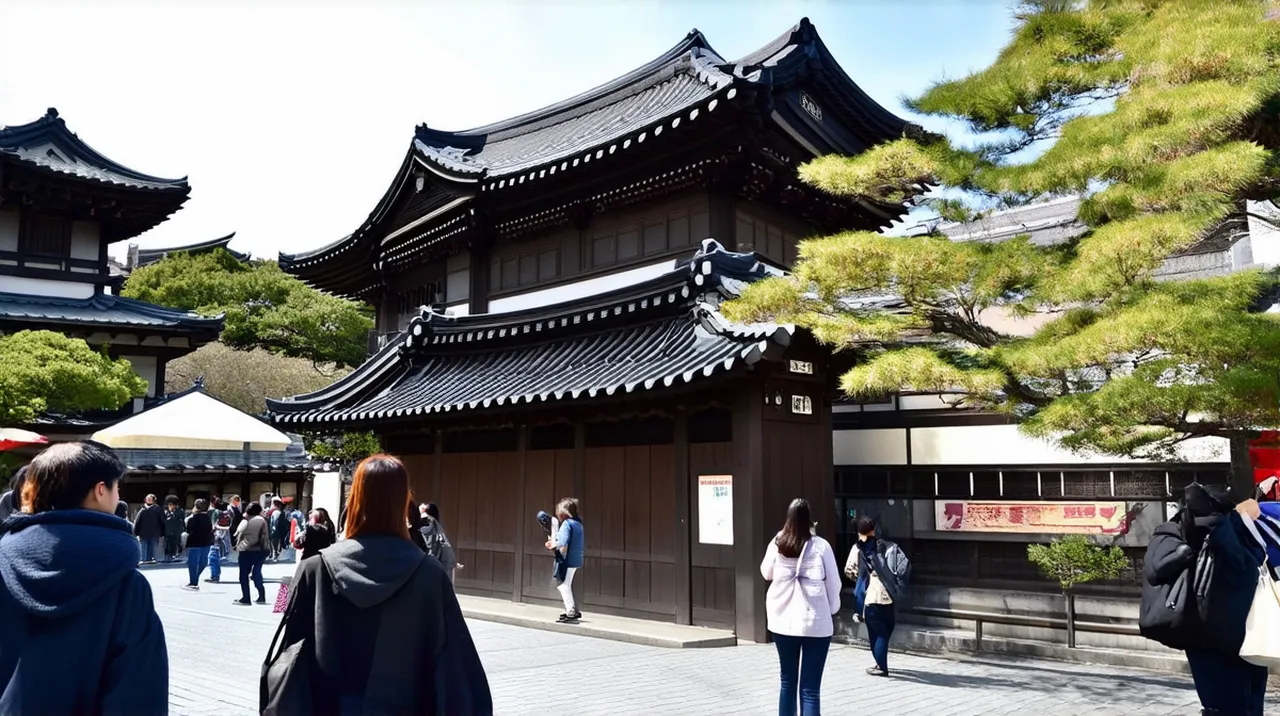
After visiting Kumamoto Castle, the next stop is Tsubaki no Sato, a cultural heritage site featuring preserved samurai residences. As you walk through this historic district, you will marvel at the traditional wooden houses that date back centuries. These residences offer a glimpse into the lives of samurai families who once inhabited the area.
While exploring, don’t forget to ask your guide about the unique architectural features of these homes. The peaceful atmosphere combined with Historical anecdotes makes this part of the walking tour captivating. It’s an ideal setting to deepen your appreciation for Kumamoto’s rich cultural heritage.
3. Visit the Historic Shimada Museum of Arts
Your city walking tour continues with a visit to the Shimada Museum of Arts, which showcases an impressive collection of art and historical artifacts. This museum not only preserves the essence of Kumamoto’s artistic heritage but also reflects the city’s dedication to culture. As you walk towards the museum, enjoy the vibrant streets adorned with quaint shops and cafes.
Upon entering, you’ll discover various exhibitions that highlight local artists’ works and traditional crafts. The museum often hosts special events and workshops, offering an enriching experience. Just remember to check their schedule beforehand, as these can enhance your walking tour experience even further.
Pro Tip: Consider picking up a souvenir from the museum shop to remind you of your walking tour.
4. Take a Stroll Along Suizen-ji Jojuen Garden
⭐ Recommendation: Don't miss out on amazing Kumamoto tours - book now!
One of the highlights of Kumamoto’s outdoor attractions is the stunning Suizen-ji Jojuen Garden. This beautiful Japanese garden is a serene oasis that showcases the art of Japanese landscaping. As you take a stroll along its winding paths, you’ll discover small ponds, meticulously pruned trees, and exquisite stone lanterns, all of which create a picturesque atmosphere.
The garden is designed to represent various landscapes from different regions of Japan. It offers a perfect blend of natural beauty and cultural heritage. **Make sure to bring your camera**, as the views are breathtaking, particularly in spring when cherry blossoms bloom!
Pro Tip: Try to time your visit during the early morning or late afternoon for the best lighting for photographs.
5. Explore the Bustling Streets of Shimotori and Kamitoricho
Set your sights on the vibrant streets of Shimotori and Kamitoricho, where you can immerse yourself in the lively atmosphere of local shops and eateries. This area is ideal for anyone interested in experiencing the daily life of Kumamoto’s residents. As you wander, you’ll encounter a mix of traditional stores and modern boutiques, offering everything from handcrafted souvenirs to contemporary fashion.
In addition to shopping, these streets are lined with numerous dining options. You can sample local delicacies and snacks, which makes it an excellent stop for lunchtime. **Be sure to keep an eye out** for unique street performances and cultural events that often take place here.
Pro Tip: Bring cash for smaller shops and food stalls, as many of them do not accept credit cards.
6. Discover Hidden Temples in Kumamoto
Kumamoto is home to several hidden temples that are often overlooked by tourists, making them perfect for those seeking a quieter experience. These temples, such as the serene Shobyo-ji, offer a glimpse into the spiritual side of the city. As you explore, you might find well-preserved architecture and tranquil gardens that are perfect for reflection.
First, start your adventure at Honmyo-ji Temple, which features beautiful structures and a peaceful atmosphere. Linger at the Koen-ji Temple, where you can admire ancient carvings and serene prayer halls. Each temple provides a unique insight into the local culture and history, making it a worthwhile addition to your free walking tour.
Pro Tip: Respectful behavior is essential at these sites; remember to speak quietly and dress conservatively.
7. Experience Local Culture at Kato Shrine
⭐ Recommendation: Don't miss out on amazing Kumamoto tours - book now!
Visiting Kato Shrine is a must for anyone participating in Free Walking Tours Kumamoto. This historic Shinto shrine is not just a peaceful retreat but also a cultural hub. As you walk through the beautifully maintained grounds, you’ll notice the intricate architecture and vibrant nature surrounding the shrine. Firstly, take a moment to admire the iconic torii gate, which marks the entrance to this sacred space.
During your visit, interact with the local traditions as you may encounter Shinto rituals or festivals, especially during certain seasons. These experiences offer an insightful glimpse into Japanese spirituality and history. The atmosphere here is quiet and contemplative, contrasting nicely with the vibrant city life just outside. Make sure to include this stop on your walk for a fulfilling cultural experience!
Pro Tip: Respect the shrine’s customs by being quiet and observant while exploring the area.
8. Enjoy Scenic Views from the Hiking Trails of Mount Kinpo
If you’re up for an adventure, include a hike on the picturesque Mount Kinpo in your Itinerary. This mountain is not only known for its scenic views but also for its well-maintained hiking trails, making it accessible for Free Walking Tours Kumamoto enthusiasts. As you ascend the trails, you’ll be treated to breathtaking panoramas of Kumamoto and beyond.
The trails vary in difficulty, offering something for both beginners and experienced hikers. During the hike, take breaks to soak in the stunning landscapes and lush greenery. There are also various lookout points perfect for photography. Ultimately, this excursion combines physical activity with the beauty of nature, making it an essential part of your walking tour in Kumamoto.
Pro Tip: Bring plenty of water and wear comfortable hiking shoes to fully enjoy your experience.
9. Best Times to Take Walking Tours in Kumamoto
The ideal time for walking tours in Kumamoto is during spring and autumn. If you’re planning a trip, consider scheduling your visit between March to May and September to November. During these months, the weather is typically mild and pleasant, making it perfect for exploring the city on foot. You’ll be able to enjoy the blossoming cherry trees in spring or the vibrant autumn foliage, enhancing your overall experience.
Avoid the summer months, when temperatures can soar, leading to discomfort during long walks. Conversely, winter, while cooler, can present challenges due to possibly icy conditions. By timing your visit right, you can enjoy a memorable city walking tour without the hindrance of extreme weather.
Pro Tip: Carry an umbrella or hat for sun protection during your spring or summer walks in Kumamoto.
10. Tips for Making the Most of Your Free Walking Tour in Kumamoto
To truly enjoy your Free Walking Tour in Kumamoto, consider these helpful tips. Wear comfortable shoes as you will be exploring on foot for several hours. It’s also wise to check the weather forecast beforehand, as it can help you dress appropriately for your tour. The best way to experience these free walking tours is to start early in the morning, allowing you to avoid larger crowds and enjoy a peaceful atmosphere.
Don’t hesitate to engage with your guide and ask questions. This interaction can enhance your understanding of Kumamoto’s rich history. Lastly, consider bringing a small backpack for personal items such as water and snacks to keep your energy up. Remember to keep your camera ready for stunning views and historical landmarks you will encounter along the way!
Pro Tip: Check online for any specific walking tour schedules and routes to maximize your experience!
11. Where to Eat Local Treats Along the Way in Kumamoto
As you embark on your walking tours in Kumamoto, make sure to indulge in local culinary delights! One excellent spot is the Kumamoto Ramen shop, famous for its rich broth and unique flavor. Located close to the bustling Shimotori shopping district, it’s an ideal pitstop during your tour.
Don’t miss out on street food like basashi (raw horse meat) or the iconic karashi renkon (lotus root stuffed with mustard). These treats can be found at various stalls along the walking routes. Be sure to ask your guide for their favorite spots to experience authentic local flavors.
Pro Tip: Keep some local currency handy, as many street vendors may not accept credit cards.
12. Nearby Day Trips and Extended Walking Tours Around Kumamoto
⭐ Recommendation: Don't miss out on amazing Kumamoto tours - book now!
If you’re eager to explore further beyond the Free Walking Tours in Kumamoto, consider taking a day trip to the nearby Aso Kuju National Park. Here, you can enjoy hiking trails and breathtaking views of volcanic landscapes. The Shirahama Onsen is another popular destination, where you can relax in natural hot springs after a day of walking.
Another exciting option is to extend your walking tour into Fukuoka. This city is known for its vibrant food scene and beautiful parks. You can easily reach it via a short train ride from Kumamoto. Overall, these nearby excursions provide a chance to experience even more of Kyushu’s beauty and culture!
Pro Tip: Plan your trips in advance to ensure availability and to make the most of your walking adventures!
Diving into Kumamoto’s rich culture through free walking tours allows visitors to witness the city’s most iconic landmarks and off-the-beaten-path treasures. With a budget-friendly approach, you can explore at your own pace while immersing yourself in the vibrant local atmosphere. Don’t forget to share your adventure and explore additional walking tours in this beautiful city!
More Free Walking Tours in Japan
Exploring more of Japan? Check out free walking tours in Sapporo, Naha, Kyoto, and Matsumoto.