
Free Walking Tours Jinja: Discover Uganda's Adventure Capital (2026)
Explore Jinja with free walking tours. Experience the adventures, culture, and beauty of Uganda’s adventure capital.
On this page
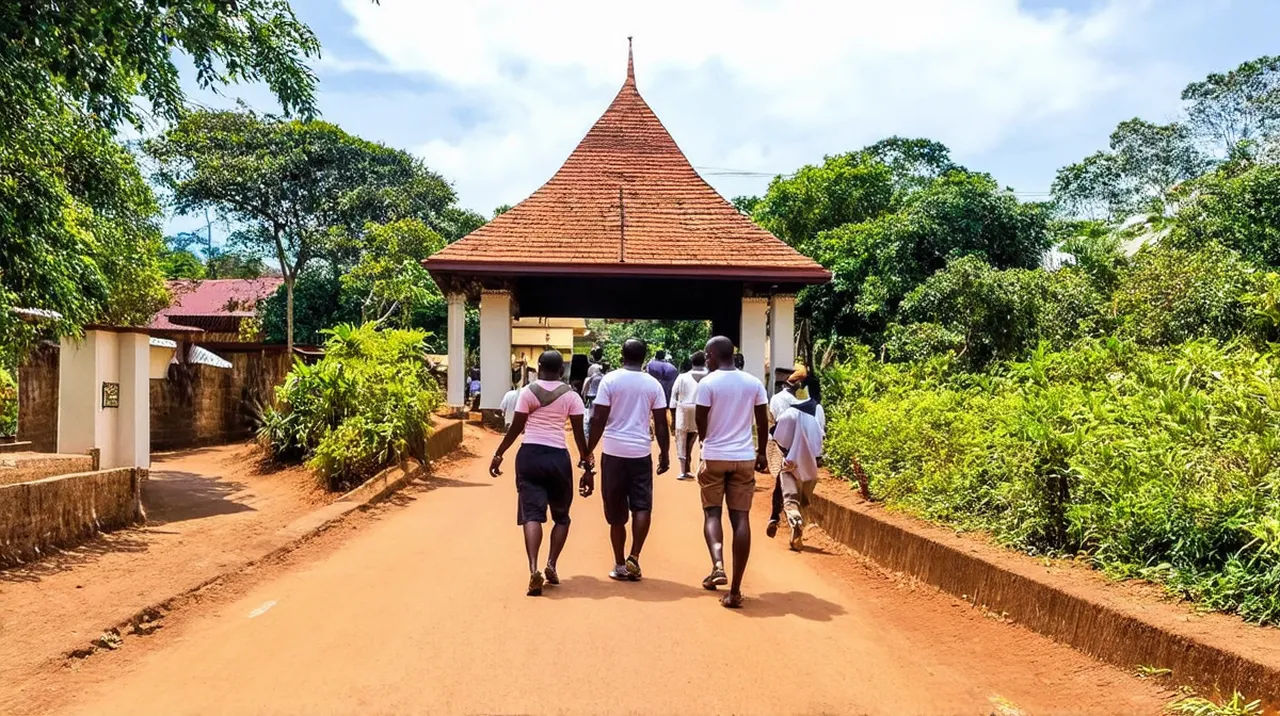
Free walking tours Jinja offer a unique opportunity to explore this vibrant Ugandan city, known for its thrilling adventure experiences and rich cultural heritage. This itinerary will guide you through Jinja’s breathtaking landscapes, Historical landmarks, and local communities, providing an authentic glimpse into the heart of Uganda. By participating in these free tours, you’ll enjoy the sights while engaging with local guides and discovering hidden gems of this beautiful region.
1. Start at the Jinja Town Center and Market
Your journey on the Free Walking Tours Jinja begins at the vibrant Jinja Town Center. This bustling hub is not only the heart of the town but also a great starting point for exploring local culture. Here, you can wander through the colorful market stalls, where vendors sell fresh produce, traditional crafts, and a variety of local goods.
As you stroll through the market, take a moment to immerse yourself in the lively atmosphere. You’ll notice locals engaging in daily activities, giving you a glimpse into the community’s daily life. The market is an excellent opportunity to pick up some unique souvenirs and sample street food. Remember to bargain politely while shopping!
Pro Tip: Starting your tour early in the morning will allow you to experience the market at its busiest and most vibrant.
2. Walk Along the Banks of the Nile River
The tour leads you to the serene Nile River banks. Walking along these scenic paths provides a refreshing break from the busy town center. The Nile River is not just famous for its beauty; it plays a significant role in Uganda’s culture and history.
While wandering, be sure to pause and take in the tranquil views. You may even spot local fishermen or birdwatchers enjoying the rich wildlife in this area. This stretch of the river is perfect for photo opportunities, allowing you to capture the essence of Jinja. Overall, this part of the city walking tour evokes a sense of peace and connection to nature.
Pro Tip: Bring your camera! The sunsets over the Nile can be breathtaking!
3. Explore the Historic Jinja Railway Station
As your free walking tour continues, make your way to the Historic Jinja Railway Station. This architectural gem reflects the rich heritage of the railway system in Uganda. Built in the early 20th century, the station offers a glimpse into the colonial past of Jinja.
You can admire the beautiful design and surrounding gardens. Take a moment to envision trains making their way through this once-bustling station. The stunning backdrop of the railway tracks offers a perfect spot for photographs. Make sure to ask your guide about the fascinating stories related to the station and its impact on Jinja’s development.
Pro Tip: Check if the station holds any local events or exhibitions during your visit to enjoy an interactive cultural experience.
4. Visit the Source of the Nile
🎯 Insider Tip: Discover the best Jinja experiences with Viator Tours!
The iconic Source of the Nile is a must-visit on your free walking tour in Jinja. This remarkable location marks the starting point of the Nile River, which is famous for its historical significance and breathtaking views. After making your way through the town, you’ll arrive at this enchanting spot where the river emerges from Lake Victoria.
Not only will you witness a stunning panorama, but you will also learn about the river’s importance to local communities and its cultural relevance. As you stand by the water’s edge, your guide will share captivating stories about early explorers, such as John Hanning Speke, who first identified the source back in the 19th century. Be sure to bring your camera for unforgettable memories!
Pro Tip: Visit early in the morning for a quieter experience and the best light for photos.
5. Discover Local Art at Jinja’s Craft Markets
As you continue your journey, make your way to Jinja’s Craft Markets. This vibrant spot showcases the artistic flair of local artisans and offers an array of handmade crafts, from beautiful beadwork to intricate wood carvings. Walking through these markets gives you an authentic glimpse into Jinja’s culture and creativity.
Engaging with local artists and vendors enriches your walking tour experience. You can purchase unique souvenirs, and better yet, the profits support local communities. Take the time to chat with the artisans about their crafts; you’ll find each piece tells a story. Don’t forget to bargain—you might just snag a great deal!
Pro Tip: Allocate time to explore every stall, as hidden gems often await you in smaller booths.
6. Stroll Through the Lush Botanical Gardens
🎯 Insider Tip: Discover the best Jinja experiences with Viator Tours!
No trip to Jinja is complete without a leisurely stroll through the Botanical Gardens. This serene oasis provides a welcome escape from the hustle and bustle of the city. As part of your walking tour, enjoy a guided stroll through miles of winding paths surrounded by diverse flora. The gardens are home to exotic plants, towering trees, and lovely picnic spots.
The Bujagali Falls nearby offers a wonderful view and a chance to relax by the water. Take this peaceful moment to appreciate nature and unwind. As you walk, look for various bird species and other wildlife inhabiting the area, making it a perfect location for nature lovers.
Pro Tip: Bring a light snack and enjoy a picnic while soaking in the sights and sounds of nature.
7. Experience the Vibrant Culture at the Jinja Club
One of the highlights of the Free Walking Tours Jinja is the chance to experience the vibrant culture at the Jinja Club. This venue is not just a recreation center; it’s the heart of the community, hosting a variety of events that showcase local talent, from music to dance performances. As you stroll through, you may encounter live music, art exhibitions, or even traditional dance sequences that offer a glimpse into the diverse culture of the area.
This club serves as a social hub, where locals gather to unwind and celebrate their heritage. Being part of such an environment adds a unique layer to your walking tour, allowing you to connect with residents and understand their way of life. Thus, make sure to visit the Jinja Club during your free walking tour to fully immerse yourself in the local culture.
Pro Tip: Check their schedule ahead of time to catch any special events during your visit!
8. Best Time for Free Walking Tours in Jinja
The best time for Free Walking Tours Jinja is between December and February. This period falls during the dry season in Uganda, making it ideal for exploring the city without the hindrance of rain. Daytime temperatures are pleasant, promoting a more enjoyable walking experience along the scenic routes.
However, the early morning or late afternoon also offers the best conditions for photography enthusiasts. The soft light during these times beautifully enhances the lush landscape and the stunning architecture. Plan your walking tour accordingly to maximize your experience in Jinja.
Pro Tip: Arriving early allows you to enjoy quieter trails before the crowds arrive!
9. Enjoy Scenic Views from the Jinja Bridge
As you journey through Jinja, the Jinja Bridge is a must-visit landmark on your walking tour. This iconic bridge offers breathtaking views of the Nile River and the surrounding landscape. While walking on the bridge, you can admire the majestic flow of the river and the lush green banks filled with local flora.
It’s an ideal spot for taking photos and capturing memories of your walking tour. As you enjoy the scenic vistas, listen to the sounds of the bustling city and the tranquility of the river, which creates a serene atmosphere. Take your time when crossing the Jinja Bridge to fully absorb its beauty.
Pro Tip: Visit during sunset for an unforgettable view—the colors reflecting off the water are truly magical!
10. Tips for Making the Most of Your Walking Tour in Jinja
🎯 Insider Tip: Discover the best Jinja experiences with Viator Tours!
To fully immerse yourself in the experience of Free Walking Tours in Jinja, proper preparation is key. Wear comfortable footwear, as you’ll be on your feet for several hours exploring this vibrant city. Bringing along a refillable water bottle is essential to stay hydrated, especially during warm days.
It might be beneficial to carry a small backpack with some snacks to refuel when needed. As you embark on your journey, consider using a walking tour app or map; these resources can offer insights into Historical landmarks and local culture. Don’t hesitate to engage with your guide; they often have invaluable local knowledge and stories that enhance your experience.
Pro Tip: Keep your camera handy! Jinja boasts stunning views, especially along the Nile. Capture memories along your walking tour!
11. Where to Eat: Local Cuisine in Jinja
After a fulfilling day of walking tours in Jinja, savoring local cuisine is a must. There are numerous eateries that cater to all tastes. For authentic Ugandan dishes, visit The Black Lantern, which serves a variety of traditional meals made from locally sourced ingredients.
If you’re in the mood for something lighter, Gately Inn offers refreshing salads and relaxing ambiance. Don’t forget to try local street foods such as Rolex—a delicious combination of omelette and vegetable rolled in a chapati. Lastly, be sure to grab some fresh fruit from local markets, which provide an excellent taste of Jinja’s rich produce.
Pro Tip: Exploring local food stalls can lead you to hidden culinary treasures, so keep your options open!
12. Nearby Day Trips for Extended Exploration
If you’re looking to extend your adventure beyond walking tours in Jinja, there are several exciting nearby day trips. Consider visiting Bujagali Falls, situated just a short drive away. This site is not only stunning but also offers activities such as white-water rafting for thrill-seekers.
You can explore Kayunga Town where you can immerse yourself in the local culture and perhaps see some wildlife. The Source of the Nile is another must-visit site, where the iconic river begins its journey through Africa.
Pro Tip: Hiring a local guide for these trips can enhance your experience, providing insider knowledge and safe travel.
Embarking on free walking tours in Jinja allows you to fully appreciate the beauty and culture of Uganda’s adventure capital. From the iconic Source of the Nile to vibrant markets and scenic parks, this guide offers the best routes to explore Jinja. Experience the local flair and awe-inspiring landscapes without spending a penny. Have you explored Jinja through walking tours? Share your stories with us, and let’s encourage others to discover the remarkable adventures that await in Uganda!
More Free Walking Tours in Uganda
🎯 Insider Tip: Discover the best Jinja experiences with Viator Tours!
Exploring more of Uganda? Check out free walking tours in Kampala.