
Free Walking Tours Chamonix: Explore the Mountains (2026)
Experience Chamonix with free walking tours. Discover breathtaking landscapes, culture, and adventure in the heart of the Alps.
On this page
Chamonix is a stunning alpine destination that offers captivating walking tours for all enthusiasts, and thanks to free walking tours, you can explore this magnificent mountain town without spending a fortune. This itinerary is designed to immerse you in Chamonix’s breathtaking landscapes, vibrant culture, and rich history, highlighting key attractions and unique experiences that will make your visit unforgettable.
1. Start at Chamonix’s Historic Town Center
Your adventure with Free Walking Tours Chamonix begins at the charming historic town center. Here, you will immediately be captivated by the blend of traditional alpine architecture and vibrant local culture. Popular landmarks such as the Chamonix Alpine Museum provide a glimpse into the region’s rich mountaineering heritage.
As you stroll through the streets, take your time to explore local shops and cafés that offer unique souvenirs and gourmet treats. The town center is not just a point of departure; it embodies the spirit of Chamonix and is a hub for visitors. Don’t rush—absorb the ambiance and consider chatting with friendly locals who can provide valuable tips about the walking tours ahead.
Pro Tip: Visit on a market day to encounter the lively atmosphere and local produce.
2. Take a Scenic Stroll to the Aiguille du Midi Station
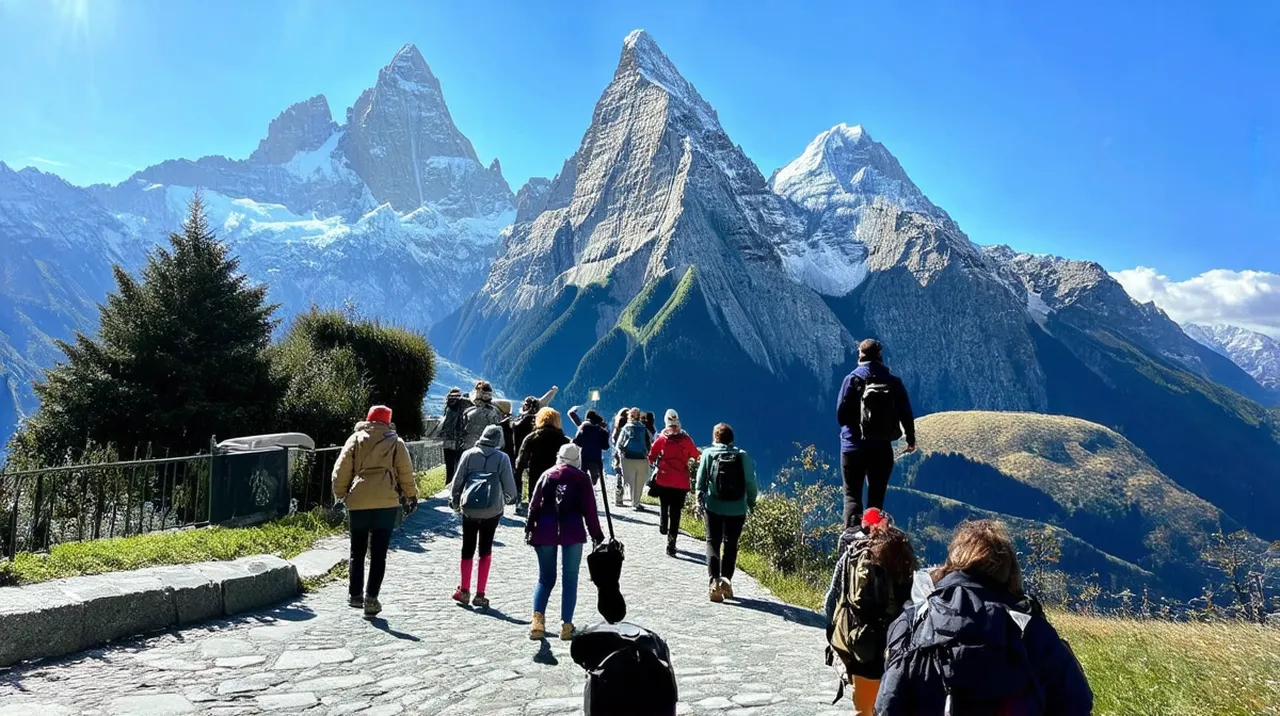
Venture towards the Aiguille du Midi Station, one of Chamonix’s most iconic spots. This scenic route is a feast for the senses as you walk alongside the stunning peaks of the Mont Blanc massif. Along the way, you will encounter picturesque views that make for fantastic photo opportunities.
This part of your city walking tour is perfect for nature lovers, as you can observe various alpine flora and fauna. The trail is relatively easy, making it accessible for all ages. It’s ideal for families and friends looking to create memorable experiences together. Take your time to appreciate the breathtaking vistas before reaching the station.
Pro Tip: Make sure your camera is ready—sunny days can create spectacular views to capture!
3. Explore the Tranquil Paths of Montenvers
From the Aiguille du Midi, you’ll want to explore the tranquil paths of Montenvers. This area offers a peaceful escape from the bustling town center. The paths are well-marked and provide stunning views of the Mer de Glace, which is the largest glacier in France.
As you walk, take in the serene environment and the sounds of nature. The route is dotted with informational signs about the glacier and surrounding wildlife, making it both an educational and relaxing experience. This self-guided walking tour option allows you to dictate your pace and fully enjoy the beauty of Chamonix’s natural landscape.
Pro Tip: Bring a picnic along to enjoy at one of the many scenic viewpoints!
4. Discover the Art and Culture of Chamonix
💡 Pro Tip: Book your Chamonix adventures in advance through Viator for the best deals!
When you embark on a walking tour in Chamonix, don’t miss the opportunity to explore its vibrant art and culture scene. This charming alpine town showcases stunning galleries filled with local artists’ masterpieces. For instance, you can visit the Musée des Cristaux, which features unique crystal art typical of the region.
You will often find street art blending harmoniously with the picturesque backdrop of the mountains. These vibrant murals add a contemporary twist to the historic vibe of Chamonix. Make sure to check for any local exhibitions or cultural events that may be happening during your visit as they provide deeper insight into the local community.
Pro Tip: Plan your visit around art events, as many are free and allow you to interact with local creators.
5. Walk Along the Arve River and Its Picturesque Bridges
The Arve River is a central feature of Chamonix, offering a scenic pathway that is perfect for walking tours. As you stroll alongside this beautiful river, you will encounter various picturesque bridges that enhance the stunning views of the surrounding landscape. Each bridge has its unique charm and often provides excellent photo opportunities.
This scenic walk not only offers a peaceful ambiance but also showcases the beautiful natural flora and fauna native to the area. Ensure you take your time to enjoy the serene sounds of the flowing water, which adds to the tranquil experience of your free walking tour. This route is highly recommended for those seeking reflection and relaxation amidst adventure.
Pro Tip: Early morning or late afternoon walks are ideal for experiencing the magical light over the river.
6. Visit the Historic Churches and Chapels in Chamonix
💡 Pro Tip: Book your Chamonix adventures in advance through Viator for the best deals!
Chamonix is rich in history, and visiting its historic churches and chapels should be on your agenda during your walking tour. The Église de Chamonix, with its striking architecture, dates back to the 19th century and is a beautiful place to explore. Not only does it hold Historical significance, but it also offers a peaceful atmosphere.
Be sure to check out Chapelle des Praz, located a short walk from the town center, which offers breathtaking views of Mont Blanc. These sites are pivotal in understanding the cultural roots of the region and often host local events that celebrate Chamonix’s heritage. Incorporate these stops into your self-guided walking tour for a comprehensive experience.
Pro Tip: Respect the local customs when visiting sacred places, and check for opening hours as they may vary.
7. Join Free guided Walking Tours Offered Locally
If you want an immersive experience, joining free guided walking tours in Chamonix is an excellent choice. These tours are typically led by knowledgeable locals who share their passion for the city and its breathtaking surroundings. Not only will you explore significant landmarks, but you’ll also uncover hidden stories that you might miss during a self-guided walking tour.
Many of these tours operate on a tip-based system, allowing you to contribute what you can, thus making it accessible for everyone. Typically, you can find free walking tours that focus on themes such as history, culture, or even adventure. These tours often cover areas that showcase the stunning natural beauty of the Alps.
Pro Tip: Arrive at least 10 minutes early to secure a good spot, and don’t hesitate to ask questions during the tour!
8. Best Time to Enjoy Walking Tours in Chamonix
The best time to enjoy walking tours in Chamonix is during the spring and summer months, from May to September. During this period, the weather is generally mild, making it ideal for outdoor activities. Notably, the vibrant wildflowers and lush greenery enhance the natural beauty of your walking route.
If you prefer fewer crowds, early spring or late summer can be especially pleasant. Autumn showcases stunning fall colors, offering a different aesthetic to your adventure. Regardless of the season, be sure to check the local weather in advance and dress accordingly for your walking tour.
Pro Tip: Early morning walks can provide a peaceful experience, especially with the breathtaking sunrise in the backdrop.
9. Wind Down with a Sunset View at Mer de Glace
No visit to Chamonix is complete without a stroll to Mer de Glace, the largest glacier in France. As your walking tour draws to a close, make your way to this magnificent site to capture the stunning sunset views. The contrast of the orange sky against the icy blue surface of the glacier is simply breathtaking.
To enhance your experience, consider taking the Montenvers Railway to reach Mer de Glace comfortably. Once there, you can unwind, take photographs, and reflect on your day exploring Chamonix’s wonders. This serene setting provides the perfect backdrop to end your walking tour.
Pro Tip: Bring a camera and a light jacket—it can get chilly by the glacier during the evening.
10. Tips for Making the Most of Your Free Walking Tour in Chamonix
💡 Pro Tip: Book your Chamonix adventures in advance through Viator for the best deals!
When embarking on Free Walking Tours in Chamonix, there are several tips to enhance your experience. Always check the weather forecast before heading out. Chamonix’s mountain climate can change rapidly, and dressing in layers will keep you comfortable. Consider joining a tour early in the day to avoid larger crowds and fully appreciate the sights.
You might find it helpful to carry a small backpack with essentials like water, sunscreen, and snacks. This is particularly important as you explore various attractions. Also, interact with your guide and fellow travelers; they often have great insights or recommendations. Lastly, don’t hesitate to take plenty of photos—some views around Chamonix are simply breathtaking!
Pro Tip: Arrive at the meeting point a few minutes early to ensure you don’t miss the start of the tour.
11. Where to Eat: Local Cuisine and Cafés Along the Way
Chamonix not only offers stunning walking tours, but it is also a great place to savor local cuisine. During your tour, be sure to stop by some of the charming cafés and restaurants sprinkled throughout the city. For instance, you can’t miss trying a traditional raclette or a hearty tartiflette. These local specialties will give you a taste of the region’s culinary heritage.
There are several cozy spots along your walking route, such as La Taverne, known for its warm atmosphere and delicious pastries, perfect for a mid-walk snack. The picturesque Les Praz area is home to delightful eateries that offer stunning views of the mountains while you enjoy your meal.
Pro Tip: Ask locals for their favorite dining spots; they often know the hidden culinary gems of Chamonix.
12. Nearby Day Trips for Extended Walking Adventures
If you’ve completed your free walking tours in Chamonix and are seeking more adventures, consider exploring nearby day trips. The stunning region surrounding Chamonix offers various hiking trails and scenic vistas perfect for walking tours. Mer de Glace is just a short trip away and provides incredible glacier views.
Another fantastic option is Mont d’Arbois, where tranquil paths lead through breathtaking landscapes. You can also visit Les Contamines-Montjoie, a lovely village with hiking routes suitable for all levels. Each destination has its unique charm, ensuring your walking adventures continue beyond Chamonix.
Pro Tip: Check local transportation options early, as they can help maximize your time spent on these beautiful trails.
Free walking tours in Chamonix enable you to experience the magic of the Alps, from its historic center to its stunning natural surroundings. This guide not only showcases the most picturesque pathways and highlights the best local spots but also encourages a cost-effective and immersive exploration of this mountain gem. Are you ready to wander through Chamonix? Share your thoughts with us or learn about additional walking tours in the stunning surrounding areas.
More Free Walking Tours in France
💡 Pro Tip: Book your Chamonix adventures in advance through Viator for the best deals!
Exploring more of France? Check out free walking tours in Fontainebleau, Lille, Orléans, and Aix-en-Provence.